

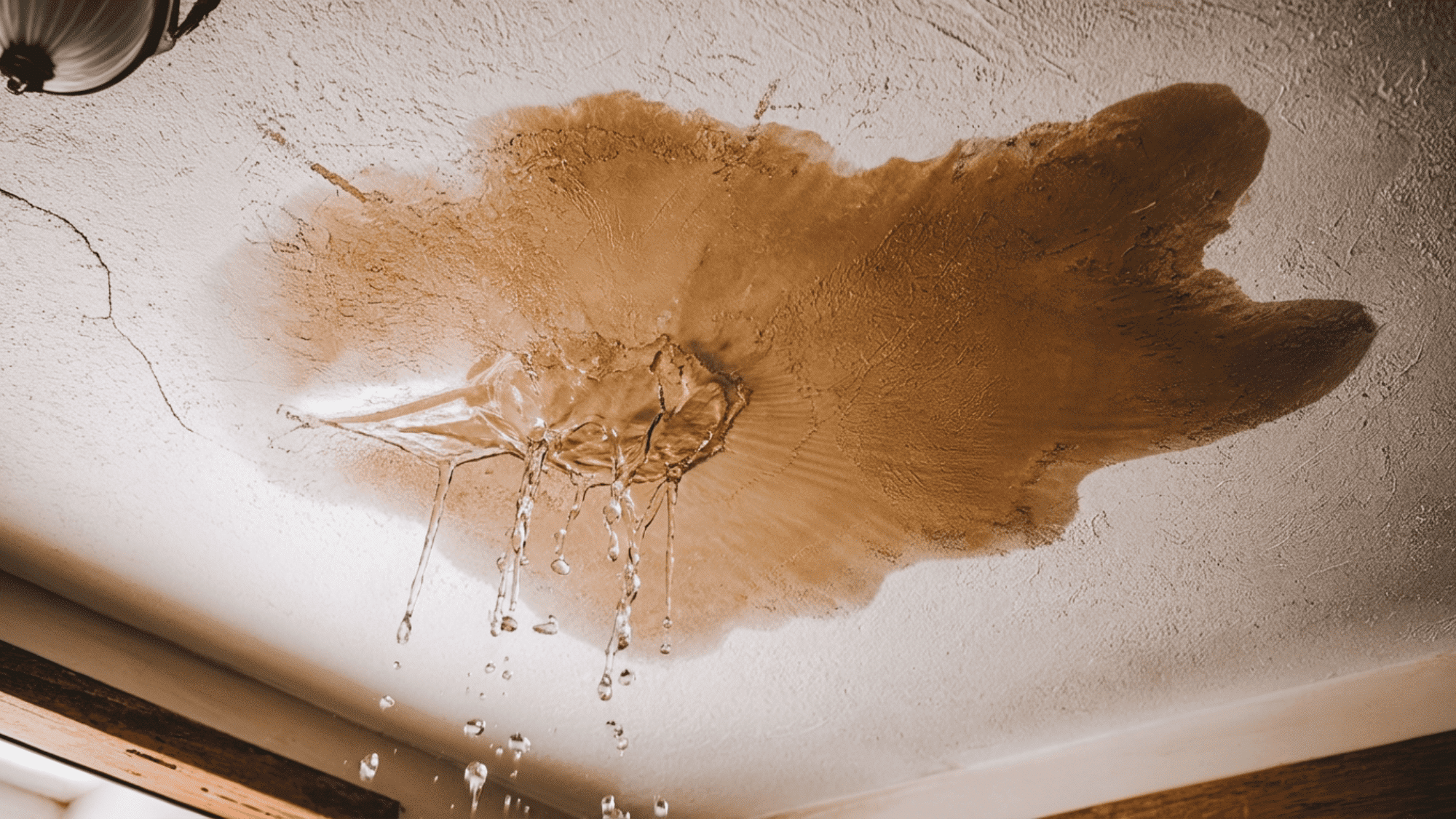
A water stain on the ceiling can appear without warning and quickly catch your attention. I have seen many homeowners worry when they notice a brown or yellow mark spreading across the ceiling.
In many cases, a wet spot on ceiling surfaces forms because water is leaking from somewhere above, often from a bathroom, roof, or pipe.
These stains usually show up below bathrooms, kitchens, or attic spaces where moisture can travel through drywall.
The mark may start small, but it can grow if the source of the leak continues. That is why it is important to find the cause early.
In this guide, I explain the most common reasons for water stains on ceilings, why a wet spot often forms under bathrooms, and the simple steps you can take to fix the problem before it spreads.
Common Causes of Water Stains on Ceilings
Several issues in a home can cause a water stain on the ceiling surfaces. Below are some of the most common reasons a wet spot in ceiling areas appears.
1. Bathroom Plumbing Leaks
Bathroom plumbing leaks are a common reason for a water stain on the ceiling. Small leaks can happen in several fixtures.
A shower drain leak may occur when the seal around the drain wears out. Toilet seal leaks can allow water to escape around the wax ring. Sink supply line leaks may drip slowly under the sink.
Over time, this moisture travels through the floor and forms a wet spot on the ceiling surfaces below the bathroom.
2. Roof Leaks After Rain
Roof leaks are another major cause of a water stain on the ceiling. Rainwater can enter the house when the roof materials become damaged.
Broken or missing shingles allow water to pass through the roof layers. Flashing problems around chimneys or vents can also create small openings. Roof vent leaks are common during storms.
Once water reaches the attic or ceiling structure, it slowly spreads and forms a wet spot on the ceiling drywall.
3. HVAC or AC Condensation Issues
HVAC systems can also lead to a water stain on ceiling surfaces when condensation builds up. Air conditioners create moisture as they cool the air.
This water normally drains through a condensate line. If the drain line becomes clogged, water may overflow into the ceiling area.
Poor insulation around AC ducts can also cause condensation to form. Over time, this trapped moisture may create a visible wet spot on the ceiling drywall.
4. Pipe Leaks Between Floors
Pipes running between floors can slowly leak and cause a water stain on the ceiling. These pipes carry water to bathrooms, kitchens, and other fixtures.
A small crack, loose joint, or aging pipe can release water little by little. Because the leak happens inside the floor structure, it often goes unnoticed at first.
Eventually, the moisture spreads downward and forms a wet spot on the ceiling surfaces below the leaking pipe.
5. Poor Ventilation and Moisture Build-Up
Poor ventilation inside a home can also cause a water stain on the ceiling. Bathrooms and kitchens produce a lot of steam from showers and cooking.
If exhaust fans do not remove this moisture, the damp air can collect around ceilings. Over time, the moisture soaks into paint and drywall.
This may create a wet spot on ceiling surfaces even without a plumbing or roof leak, especially in poorly ventilated spaces.
How to Find the Source of a Ceiling Water Stain?
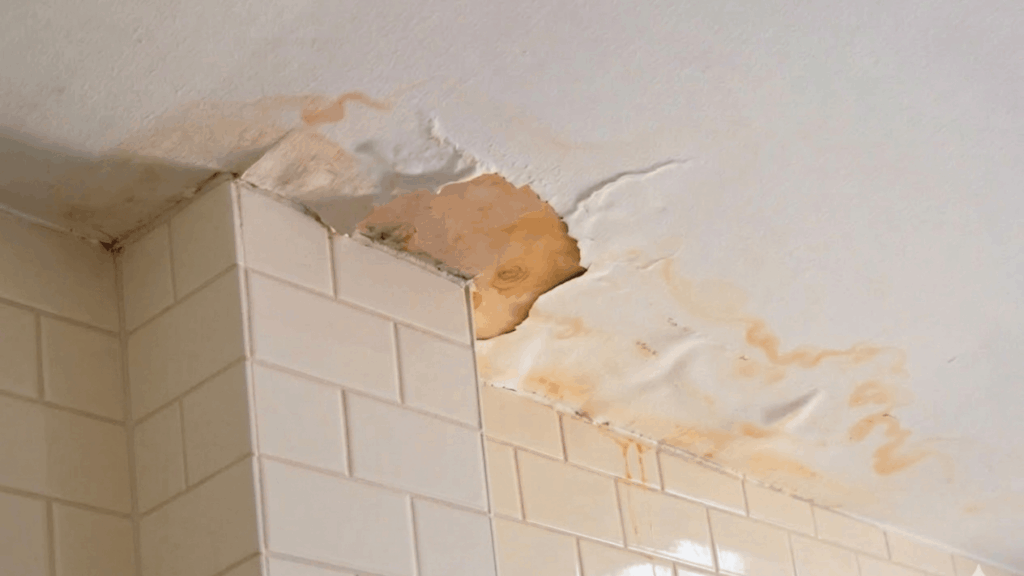
Finding the source of a water stain on the ceiling is important before trying to repair it. Checking the areas above the stain usually helps locate where the moisture is coming from.
- Check the Bathroom Directly Above: Look at the bathroom above the stain to see if water from showers, tubs, or sinks could be leaking through the floor.
- Inspect Plumbing Fixtures: Check pipes, drains, and supply lines for slow leaks that may be creating a wet spot on the ceiling.
- Look for Roof Damage: Examine the roof for missing shingles, damaged flashing, or vents that may allow rainwater to enter.
- Check Attic for Moisture: Visit the attic and look for damp insulation, water marks, or dripping areas near the ceiling structure.
- Test With Controlled Water Use: Run water in fixtures above the stain and watch the ceiling area to see if the wet spot grows or reappears.
Why does a Wet Spot Appear on the Ceiling Under a Bathroom?
A wet spot on the ceiling often appears below bathrooms because many plumbing fixtures sit above that space. If a seal, drain, or pipe leaks, water can travel through the floor and collect in the ceiling drywall below.
1. Leaking Shower Pan or Drain
A leaking shower pan or drain is a common reason for a water stain on the ceiling areas under a bathroom.
The shower pan sits beneath the tile floor and directs water toward the drain. If the pan cracks or the drain seal becomes loose, water can escape into the floor.
Over time, the moisture spreads through the structure and forms a wet spot on the ceiling surfaces below the shower area.
2. Bathtub Overflow or Loose Drain
Bathtub overflow drains and main drain fittings can also cause a wet spot on ceiling surfaces. The overflow opening prevents the tub from filling too high, but the gasket behind it can wear out.
When the seal weakens, water may leak into the wall or floor each time the tub fills. A loose bathtub drain can cause similar issues.
Over time, this moisture travels downward and forms a water stain on the ceiling drywall.
3. Toilet Wax Ring Leak
The wax ring under a toilet seals the space between the toilet base and the drain pipe. When this seal wears out, cracks, or shifts out of place, water can leak every time the toilet is flushed.
The leaking water slowly spreads into the bathroom floor and nearby materials. Over time, the moisture moves through the structure below the bathroom.
This hidden water buildup can eventually show up as a ceiling stain in the room below, usually close to where the toilet sits.
4. Bathroom Floor Water Seeping Through
Water that spills on the bathroom floor can seep through small cracks or weak areas over time.
This often happens when water from showers, bathtubs, or cleaning collects near tile edges, grout lines, or around fixtures.
If the floor’s waterproof layer is damaged, worn, or missing, moisture can slowly move downward through the structure.
With repeated exposure, the water passes through the subfloor and ceiling materials below, which can eventually create visible damp spots or stains on the ceiling under the bathroom.
5. Cracked Grout or Tile Seals
Cracked grout lines or damaged tile seals can let water pass through bathroom surfaces. Grout helps block moisture from reaching the layer under the tiles.
When grout cracks, loosens, or wears down, water from showers or cleaning can slip beneath the tiles. The moisture then spreads slowly through the floor structure.
Over time, this hidden water can travel downward and reach the ceiling below, where it often appears as a damp spot or visible water stain.
Signs that the Water Stain is Getting Worse
A small water stain on the ceiling can grow if the moisture problem continues. Watching for a few warning signs can help you notice the issue before the damage becomes serious.
- Stain Grows Larger: If the mark slowly spreads across the ceiling, it often means water is still leaking somewhere above.
- Ceiling Paint Bubbles: Moisture trapped behind paint can cause the paint layer to bubble or peel.
- Brown or Yellow Rings: Dark rings or discoloration usually appear when water repeatedly soaks into the drywall.
- Soft Drywall: A ceiling that feels soft or weak may indicate that moisture has been present for a long time.
- Mold Smell: A damp or musty smell near the stain can suggest hidden moisture and possible mold growth.
What People Say in Forums About Ceiling Water Stains?

Many Reddit users say a ceiling stain like this usually means a slow leak above the ceiling. In similar threads, people often point to bathroom sources such as a leaking toilet seal, a shower drain, or a pipe under the floor.
Some homeowners say the repair may cost less than $1,000 if the leak is small and the drywall damage is limited.
On Quora, users often suggest drying the ceiling first, then cleaning the stain with mild bleach or vinegar to lighten it. However, many also note that stains can return if the leak is not fixed.
You can also view and participate in the discussions here at Reddit and Quora.
How to Fix a Water Stain on the Ceiling
Before fixing the stain itself, the first step is always to stop the source of water. If the leak continues, the stain will return even after repairs. Once the moisture problem is fixed, you can repair the ceiling and restore its appearance with a few simple steps.
Step 1: Stop the Leak
Start by finding the source of the leak above the ceiling. Check nearby plumbing pipes, bathroom fixtures, and the roof for any damage or loose parts.
Look for dripping pipes, worn seals, or cracks that may allow water to pass through. Tighten loose pipe connections or replace damaged seals if needed. If the problem comes from the roof, repair that area first.
Fixing the water source is important because the ceiling stain will keep spreading if water continues entering the structure.
Step 2: Dry the Area Completely
After fixing the leak, let the ceiling dry completely before starting any repair work. Wet drywall can become weak and may cause more damage if repaired too soon.
Use fans, open windows, or good ventilation to help remove the trapped moisture. In some cases, cutting a small opening in the ceiling can help the area dry faster.
This step is important because it helps prevent mold from forming and makes sure new repair materials stick well to the ceiling surface.
Step 3: Repair Damaged Drywall
Once the ceiling area is fully dry, inspect the drywall for signs of damage. Press gently to check if it feels soft, weak, or starts to crumble.
If the drywall is damaged, cut out the affected section and place a new drywall patch in that space. Apply joint compound over the seams and spread it evenly with a putty knife.
Let the compound dry fully, then sand the surface smooth. This repair helps restore the ceiling and prepares it for painting.
Step 4: Repaint the Ceiling
After repairing the drywall, apply a stain-blocking primer over the old watermark. This type of primer stops the stain from showing through the new paint.
Cover the area evenly and let the primer dry fully before painting. Once it is dry, apply ceiling paint that matches the rest of the ceiling.
Use light coats and allow each coat to dry before adding another. This final step helps restore the ceiling’s look and hides the old water stain completely.
When a Wet Spot on the Ceiling Needs Professional Repair?
Some ceiling stains are simple to fix, but others may need professional help. If the problem involves major damage or hidden leaks, a trained expert can find and repair the issue safely.
- Large Ceiling Damage: If the ceiling area becomes wide, sagging, or badly damaged, a professional may be needed to repair the drywall safely.
- Hidden Pipe Leaks: Leaks inside walls or floors are difficult to locate. Plumbers use tools to detect and fix these hidden pipe problems.
- Mold Growth: If mold appears around the stain or a strong musty smell is present, professional mold removal may be required.
- Structural Concerns: Water damage can weaken wood beams or ceiling structures. A contractor can inspect and repair the damaged support areas.
How to Prevent Future Ceiling Water Stains?
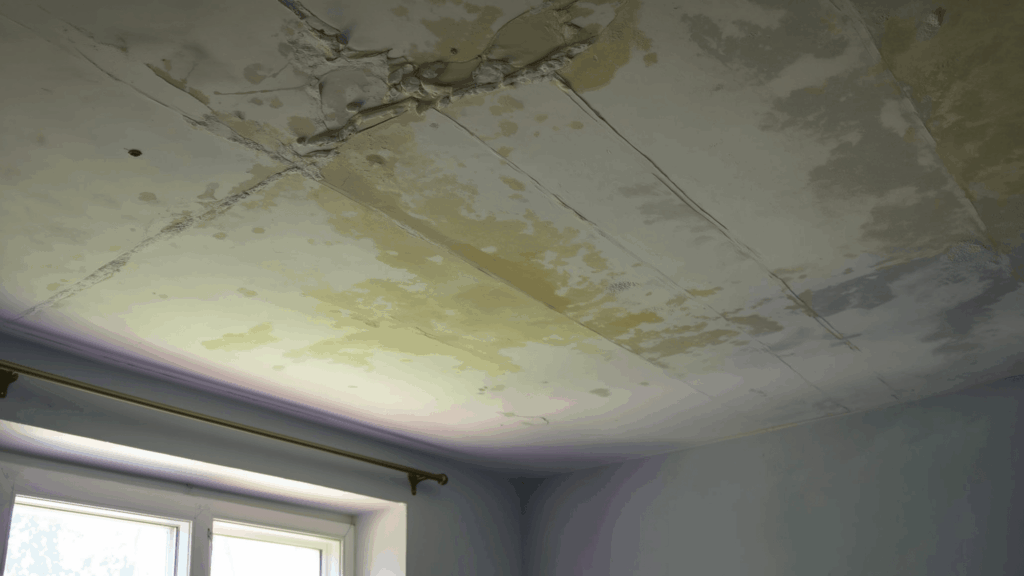
Preventing a water stain on ceiling areas is easier when regular home checks become part of routine maintenance.
Small problems like worn seals or loose shingles can allow moisture to enter and create a wet spot on ceiling surfaces over time.
Checking bathroom seals around showers, tubs, and sinks helps stop slow leaks before they spread through the floor. Roof maintenance is also important, so damaged or missing shingles should be repaired quickly.
Good attic ventilation helps reduce trapped moisture that can collect in ceiling spaces. It is also helpful to fix plumbing leaks as soon as they appear instead of waiting for the stain to grow.
After heavy storms, looking for signs of moisture or discoloration on ceilings can help catch problems early and prevent larger repairs later.
Quick Checklist for Handling a Ceiling Water Stain
A quick checklist can help you identify the cause of a water stain on the ceiling and decide what to check first. The table below shows common problems, what to inspect, and simple fixes to stop the wet spot on ceiling surfaces.
| Problem | What to Check | Possible Fix |
|---|---|---|
| Small water stain on the ceiling | Check the bathroom or pipes above the stain | Fix loose pipes or seals |
| Wet spot on the ceiling after rain | Check roof shingles and roof vents | Repair damaged shingles or vents |
| Ceiling paint peeling or bubbling | Look for trapped moisture in drywall | Dry the area and repaint |
| Stain getting larger | Check for active leaks above the ceiling | Stop the leak and repair the ceiling |
| Musty smell near the stain | Check for mold or damp areas | Clean mold and fix the moisture problem |
Wrapping Up
A water stain on the ceiling often shows that moisture is coming from somewhere above the surface. Many homeowners notice a small yellow or brown mark and assume it is only a paint issue.
In most cases, the stain forms because water slowly leaks from plumbing, roof areas, or condensation from vents and ducts.
The most important step is finding the real source of the moisture before trying to repair the ceiling. If the leak continues, the stain will usually return even after painting.
After the problem is fixed, the ceiling area can be dried, repaired, and repainted safely. Ignoring a wet spot on the ceiling can allow the stain to spread and weaken the drywall over time.
Regular checks in bathrooms, attics, and roof areas can help detect small leaks early. Fixing these issues quickly helps protect the ceiling and prevents more costly repairs in the future.
If you notice a ceiling stain, check the source right away and fix it early to avoid bigger damage later.
Frequently Asked Questions
Is a Water Stain on the Ceiling Always a Leak?
No, a water stain on the ceiling is not always caused by an active leak. It can also appear due to condensation, HVAC moisture, or a previously repaired leak.
Can a Wet Spot on the Ceiling Dry on its Own?
A wet spot on the ceiling may dry over time. However, the source of the moisture should still be checked because the stain may return if the problem continues.
Should a Ceiling Water Stain be Painted Over?
Painting over a water stain on ceiling surfaces should only be done after the leak is repaired. A stain-blocking primer is needed before repainting to prevent the stain from reappearing.
When Should a Plumber be Called for a Ceiling Stain?
A plumber should be contacted when a water stain on the ceiling appears under a bathroom or grows quickly. Pipes, drains, and fixtures may need inspection to locate the leak.