

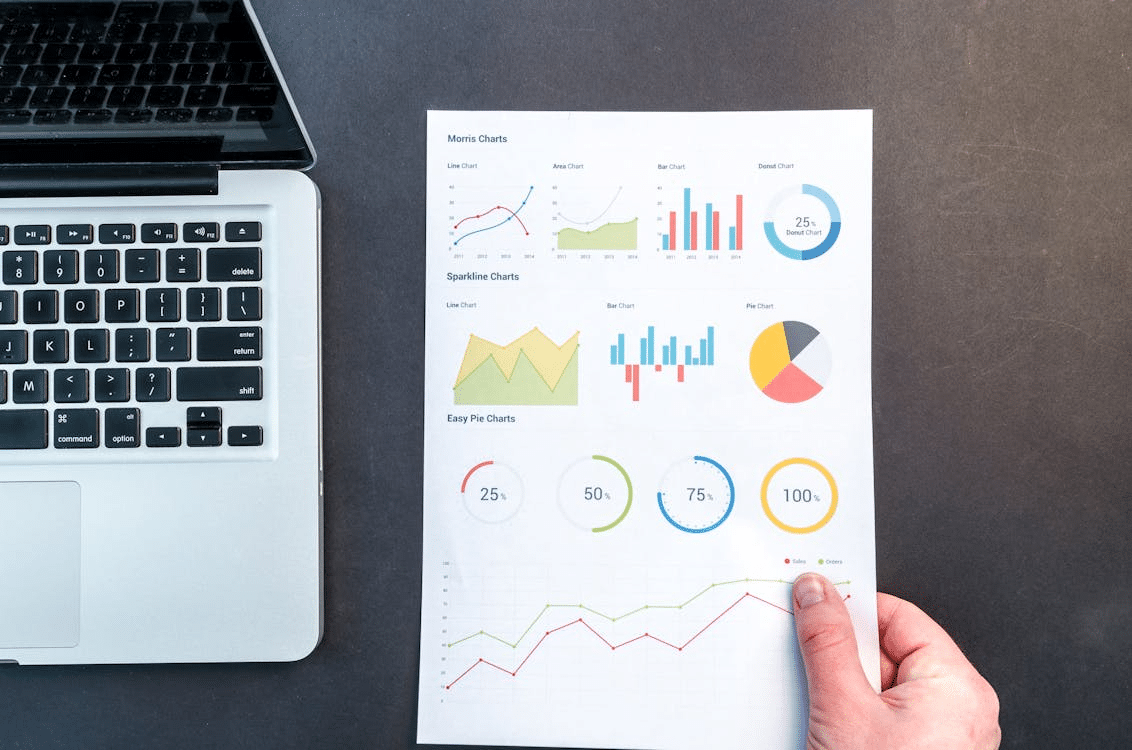
Raw numbers on their own don’t mean much. It’s how you interpret and act on them that sets leaders apart in every field.
Whether you’re running a business, coaching a team, or building a startup, the smartest players now treat information as their most valuable asset.
From pinpointing emerging trends before rivals to fine-tuning performance down to the smallest detail, data is no longer just for analysts in back rooms. It’s become the common language of winners—on the field and in the boardroom.
This article explores how top organizations turn facts and figures into real-world results, using data not just to keep up but to get ahead.
Turning Information Into Advantage: The Power of Data-Driven Decisions
In every industry, those who interpret and act on information faster tend to pull ahead. Whether it’s a global retailer, a tech startup, or an elite sports team, their biggest wins almost always start with data.
I’ve seen teams use analytics to spot customer patterns that would otherwise go unnoticed. One SaaS company I worked with identified a drop-off point in their onboarding flow within hours by tracking user sessions—not weeks later when revenue slipped. That allowed them to adjust instantly and reclaim sales that might have vanished.
The impact goes well beyond software. Manufacturers rely on sensor readings to predict machine breakdowns before they happen, saving thousands in downtime. Football coaches review heatmaps of player movement to design better plays for the next match. It’s not about collecting data—it’s what you do with it.
Of course, knowing where your information comes from matters just as much as having lots of it. In fast-moving sectors like sports betting or financial trading, having access to reliable analytics can mean the difference between an informed choice and a costly mistake. Tools like Smart Betting Guide give users a leg up by delivering trusted insights and up-to-date statistics.
Bottom line: today’s leaders don’t guess—they decide with evidence at their fingertips. That shift is defining who sets the pace in 2025 and who struggles to keep up.
Real-Time Analytics: Speed as a Competitive Weapon
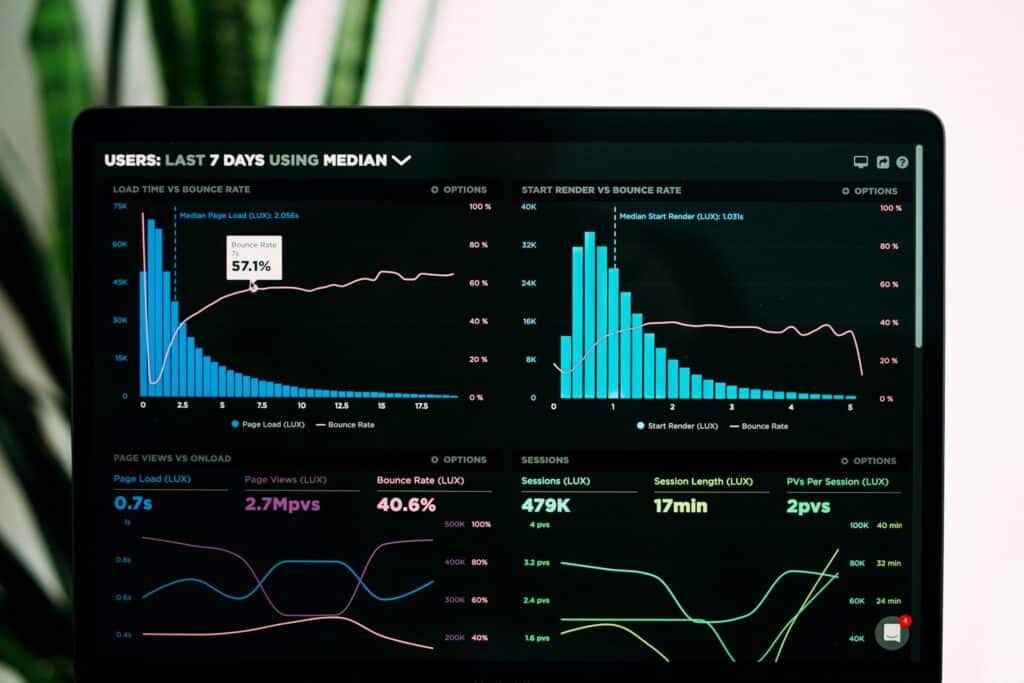
If you can spot trends as they unfold, you can act before your competitors even notice the shift. That’s the difference real-time analytics brings to the table in 2025.
Live data streams let teams monitor critical variables and respond on the fly. In business, that might mean switching up a marketing campaign as results come in. For athletes or coaches, it’s making tactical adjustments mid-game based on performance stats.
The value isn’t just about moving faster—it’s about learning in the moment and pivoting strategy before small problems become big ones. Quick access to timely information levels up decision-making across every field, from retail to racing.
Let’s look at how organizations are turning speed into a true advantage with real-time insights and rapid responses.
Live Dashboards and Instant Insights
Imagine having a control center that tracks key metrics in real time—sales numbers, equipment health, customer feedback—all updated by the second. These dashboards give leaders constant visibility so they can act when it matters most.
This approach shines brightest where stakes are high and timing is everything. A standout example comes from Formula 1: The Mercedes-AMG PETRONAS F1 Team’s Real-Time Data Strategy (2023) offers a masterclass in action-oriented data use. During races, engineers monitor thousands of live telemetry points from each car—engine temperature, tire wear, weather conditions—and relay instant recommendations back to drivers and pit crews.
This feedback loop lets them change tactics mid-race—adjusting pit stops, tweaking car settings, or responding to rivals’ moves—sometimes within seconds. That kind of agility turns raw data into podium finishes and championship points.
Agility in Action: Case Studies
The best business stories of recent years all have one thing in common—they don’t wait for reports weeks later; they use fresh data to make smart calls right now.
Zara provides a textbook example with their real-time inventory management (2024). By analyzing hourly sales data across stores worldwide, Zara instantly identifies which styles are selling out and which ones are lagging behind. This lets them restock shelves or pull underperformers quickly—no more waiting for quarterly reviews or sluggish supply chains.
The result is fewer missed opportunities and less unsold stock gathering dust. In fast fashion, that kind of flexibility isn’t optional—it’s survival. When competitors still rely on yesterday’s numbers, Zara stays one step ahead by letting live information guide every move.
Personalization and Predictive Power: The Next Frontier
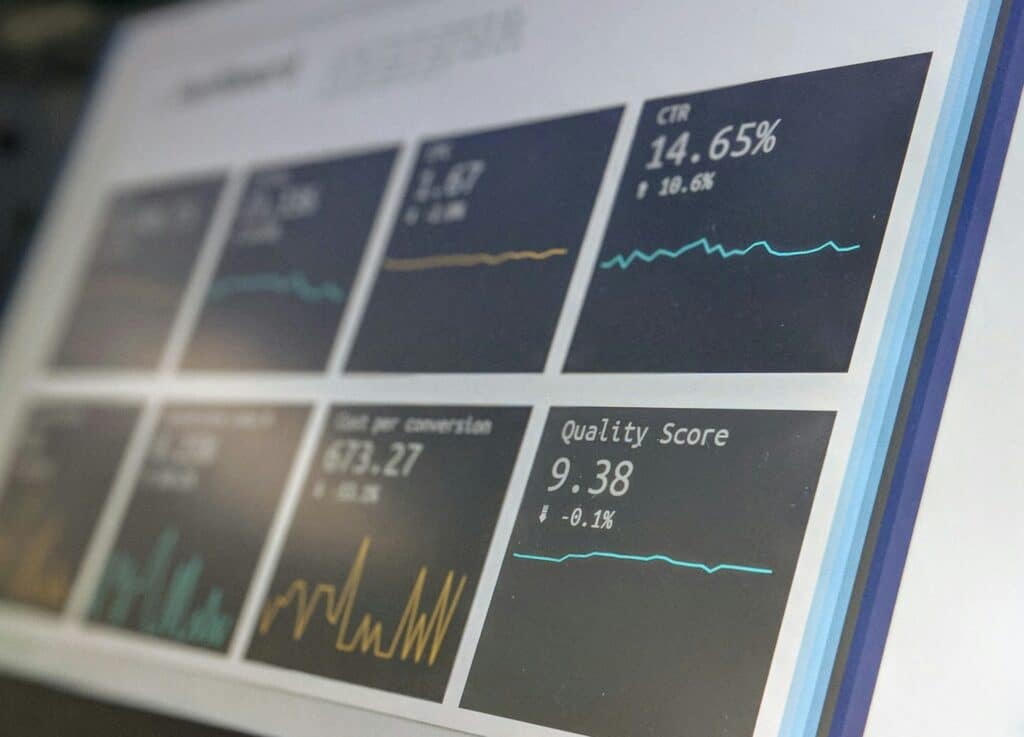
Everywhere you look, data is fueling a new level of personalization and anticipation. It’s not just about knowing what your customers did yesterday—it’s about predicting what they’ll want tomorrow.
Organizations that harness this predictive capability can deliver experiences that feel one-of-a-kind while moving faster than competitors chasing the same trends.
This shift isn’t limited to retail or entertainment. In healthcare, finance, and even sports, leaders are building models that anticipate needs before they become urgent problems or lost opportunities.
Hyper-Personalization in Customer Experience
Brands now treat each customer as an individual—at scale. Thanks to advanced analytics, it’s possible to analyze past behavior, preferences, and even subtle patterns across millions of users.
The results are striking. For instance, Spotify’s AI-powered personalized playlists (2024) leveraged user data and machine learning to create custom listening journeys for every subscriber. This move didn’t just improve engagement; it made Spotify feel like a music concierge for each person logging in.
What stood out in my own testing was how quickly recommendations adapted when I explored new genres—proof that real-time feedback loops keep personalization relevant, not repetitive.
Anticipating Trends: Predictive Analytics in Action
The power of prediction goes beyond guessing the next big thing—it allows companies to shape demand and minimize risk. By spotting micro-trends early or identifying potential flops before launch, leaders can allocate resources where they’ll matter most.
Netflix’s predictive content strategy (2023) is a great example. By analyzing viewing habits globally, Netflix used AI models to spot rising genres before they went mainstream. This helped the platform commission original series with a strong likelihood of success—sometimes beating Hollywood studios to the punch.
The bottom line: organizations that put data at the core of decision-making aren’t just reacting—they’re setting the pace for their industries.
Ethics, Security, and The Human Element
Gaining an edge with data brings both opportunity and responsibility.
The most successful organizations know that gathering information is just the beginning.
It’s what you do with those insights—while respecting privacy and recognizing the human factor—that truly sets leaders apart.
Balancing Data and Intuition
High-performing executives rarely rely on numbers alone. They recognize that even flawless analytics have limits in complex situations or when facing incomplete data.
A 2023 Harvard Business Review: Data vs. Intuition (2023) study found top decision-makers consistently blend analytics with their own instincts, especially under pressure or in new markets.
I’ve seen founders who ask sharp questions of their teams—not just about what the dashboard says, but what’s missing or feels off. That blend of data discipline and gut feeling can turn a risky call into a winning move.
Data privacy and ethical considerations
The rise of analytics has also sparked real debate around responsible use. Customers expect their information to be handled transparently—and regulators are stepping in to set clearer rules.
The EU AI Act: New Data Standards (2024) made headlines by introducing tougher requirements for transparency, consent, and accountability in AI-powered analysis across Europe.
If you’re leading a team or rolling out a new tool, prioritizing these standards isn’t just compliance—it’s about building trust that can outlast any one quarter’s results.
Conclusion
Data has become the currency of competition, reshaping how leaders approach every challenge and opportunity.
The organizations that rise to the top in 2025 aren’t just collecting information—they’re turning it into real-world advantage with smart interpretation and quick action.
Yet, there’s more to winning than numbers alone. Combining insight from analytics with human judgment creates a force multiplier that pure technology can’t match.
Those who use data thoughtfully, responsibly, and with an eye on ethics will set the pace—whether in business, sports, or innovation. The edge now belongs to those who master both the science and the art.