


I used to think strawberries would grow whenever I planted them, but learning when strawberries grow changed everything.
Timing affects how strong the plants get and how much fruit you actually pick.
When the timing is right, strawberries are easy. When it is off, they can be frustrating.
I put this guide together to help you start the right way. I covered the best time to plant strawberries and what happens as the plants grow.
You will learn how long it takes to go from planting to fruit and how to tell when berries are ready to pick.
I have also shared how weather, plant type, and care affect growth, so you know what to expect at each stage.
If you want fewer surprises and better harvests, this guide will help you plan with confidence and grow strawberries that are worth the wait.
When Do Strawberries Grow After Planting?
After planting, strawberry plants focus first on settling into the soil. The roots start growing right away, even though you may not see much happening above ground.
This early root growth helps the plant take in water and nutrients. During this time, the plant may look still, but that is normal.
Within one to three weeks, small green leaves usually begin to appear. These new leaves show that the plant is adjusting and starting active growth.
You may also notice runners forming later, which are long stems that help strawberries spread.
In the first few weeks, the goal is healthy roots and steady leaf growth, not fruit.
Strong roots lead to better berries later. As long as the soil stays moist and the plant gets sunlight, growth will slowly pick up. Patience early on helps set the stage for flowers and fruit in the weeks ahead.
Best Time of Year to Plant Strawberries
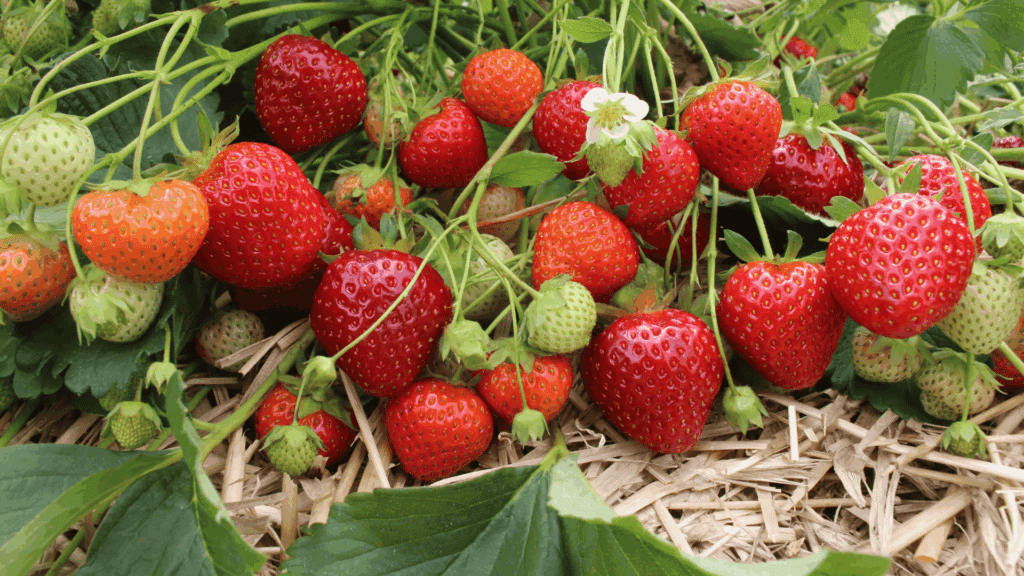
The best time to plant strawberries depends on your climate. In most areas, early springis a safe choice because the soil has warmed and frost risk is low.
Spring planting gives roots time to grow before hot weather.
In warmer regions, fall planting works well and often leads to an earlier harvest the next year.
The cooler air helps plants settle in without stress. Cold regions usually do better with spring planting since winter can damage young plants.
No matter the season, strawberries need mild temperatures to grow strong roots.
Avoid planting during extreme heat or freezing weather. Good timing helps plants grow faster and produce more fruit.
By matching planting time to your local climate, you give strawberries the best chance to grow healthy, develop strong leaves, and prepare for a steady harvest later on.
Strawberry Growth Timeline from Plant to Fruit
This section walks you through each stage strawberries go through after planting. It helps you know what is normal and when fruit should start to appear.
1. Planting and Root Establishment
After planting, strawberry plants focus on building strong roots. This stage usually lasts two to three weeks.
You may not see much growth above the soil, but roots are spreading and settling in. This helps the plant take in water and nutrients.
Leaves may look small or slow at first, which is normal. During this time, keep the soil moist and avoid stress. Healthy roots at this stage support better leaf growth and future fruit production later in the season.
2. Leaf Growth and Plant Development
Once roots are established, leaf growth speeds up. New green leaves form, and the plant starts to look fuller.
This stage often happens three to five weeks after planting. Leaves help the plant make food using sunlight. Strong leaf growth is important because it fuels flowers and fruit later.
You may also see runners begin to form. Focus on watering and sunlight during this stage to keep growth steady and balanced.
3. Flowering Stage
Flowers usually appear four to eight weeks after planting, depending on the plant type and weather.
These small white flowers are a key sign that fruit is coming. Each flower has the chance to become a strawberry. Cool nights and mild days support healthy blooms.
During this stage, avoid stress like dry soil or extreme heat.
Healthy flowers lead to better fruit shape and size, making this a critical part of the growth timeline.
4. Fruit Formation and Ripening
After flowers are pollinated, small green strawberries begin to form.
This stage moves faster than earlier ones and usually lasts two to three weeks. The fruit grows in size and slowly turns red. Strawberries ripen from the tip toward the stem.
Once fully red, they are ready to pick. Regular watering helps fruit develop evenly.
This final stage shows that earlier care and timing have paid off.
How Long Does It Take Strawberries to Grow?
Strawberries usually take 60 to 90 days to grow from planting to harvest. This timeline can change based on weather, plant type, and care.
In the first year, many strawberry plants produce fewer berries.
That is because the plant spends more time building roots and leaves instead of fruit.
Strong roots come before heavy fruiting. Some gardeners even remove first-year flowers to help the plant grow stronger.
In the second year, plants often produce more and better berries. Day-neutral types may fruit sooner, while June-bearing plants follow a set season.
As long as plants get sunlight, water, and mild temperatures, growth stays on track.
Knowing this timeline helps set clear expectations and prevents worry when fruit does not appear right away.
Common Strawberry Plant Types
Each strawberry plant type grows and fruits on a different schedule. Knowing the differences helps you plan planting time and harvest expectations.
| Strawberry Plant Type | Fruiting Pattern | When They Produce | Growing Notes |
| June-Bearing | Produces fruit once per year | Late spring to early summer | Focuses on strong growth before fruiting; large harvest in a short time |
| Everbearing | Produces two main harvests | Early summer and early fall | Slower growth at first; smaller harvests spread out over time |
| Day-Neutral | Produces fruit in cycles | Spring through fall | Fruits as long as temperatures stay mild, steady, but smaller yields |
| Alpine | Produces small fruit | Late spring through summer | Grows slowly; often used in containers or edging |
| Wild Strawberry | Produces light harvests | Spring to early summer | Smaller plants; more focused on spreading than fruit size |
Factors that Affect Strawberry Growing Time
Several growing conditions can speed up or slow down how fast strawberries grow. Knowing these factors helps you adjust care and avoid delays in fruiting.
1. Sunlight Exposure
Strawberries need plenty of sunlight to grow on schedule and stay healthy. Most plants do best with at least six to eight hours of direct sun each day.
When sunlight is limited, leaf growth slows, and flowering may take longer to start.
Less sun also means the plant makes less energy, which can reduce fruit size and delay ripening. Shady spots often lead to fewer berries.
Full sun helps plants grow stronger, bloom sooner, and ripen fruit more evenly throughout the season.
2. Temperature Conditions
Temperature plays a big role in how fast strawberries grow. Mild daytime temperatures support steady leaf growth and healthy flowers.
Cold weather can slow root development and delay flowering, especially early in the season.
Extreme heat can stress plants and cause fruiting to slow or stop. Strawberries grow best when nights stay cool and days are warm but not hot.
Stable temperatures help plants stay on track and produce fruit at the expected time.
3. Soil Quality
Good soil helps strawberries grow faster and develop strong roots. Loose, well-draining soil allows roots to spread easily and absorb nutrients.
Heavy or compacted soil can hold too much water, which slows root growth and increases the risk of rot.
Strawberries also prefer slightly acidic soil to support healthy development.
When soil quality is poor, plants may struggle to grow leaves and flowers. This often leads to delayed fruiting and smaller harvests.
4. Watering Habits
Water supports every stage of strawberry growth, from roots to fruit.
Too little water can slow growth and stress the plant, while too much water can damage roots and cause disease.
Strawberries need steady moisture, especially during flowering and fruit formation. Dry soil can delay ripening and reduce berry size. Uneven watering may also lead to misshapen fruit.
Consistent watering helps plants grow evenly and keeps fruit development moving forward without interruptions.
5. Strawberry Plant Type
Different strawberry plant types grow and fruit at different speeds. June-bearing plants follow a set schedule and produce fruit once a year.
Everbearing and day-neutral plants can fruit more often under the right conditions.
Some plant types focus more on root and leaf growth during the first year, which can delay fruiting. Others may produce small harvests sooner.
Choosing the right plant type affects how quickly plants grow and when you see berries.
Tips to Get Strawberries to Fruit Faster
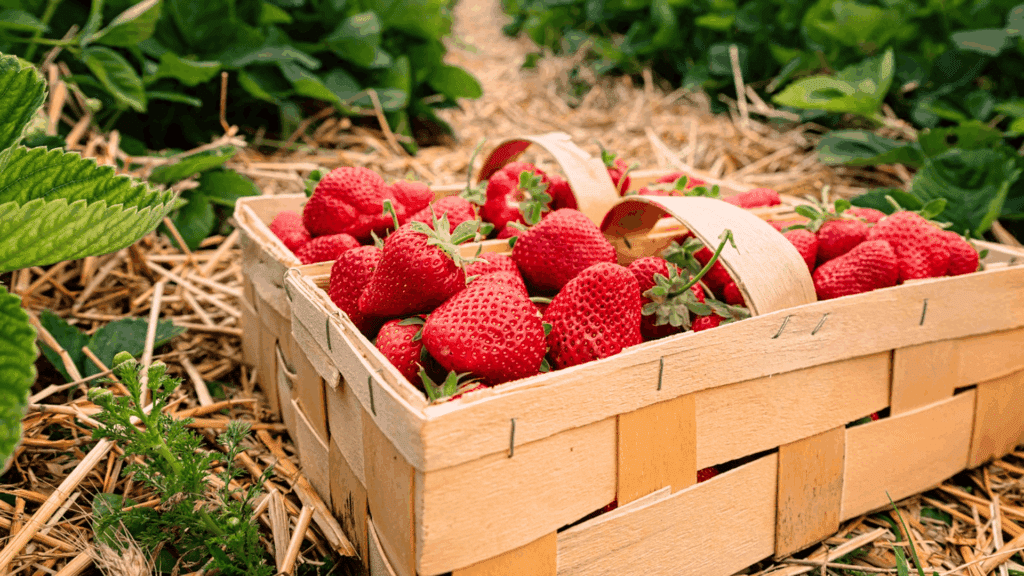
Small care choices can make a big difference in how quickly plants grow. These tips focus on simple steps that support healthy growth and early fruiting.
- Plant strawberries in a sunny spot with at least six hours of direct light
- Choose healthy starter plants with strong roots and green leaves
- Space plants properly so air can flow and roots have room to grow
- Keep soil evenly moist but not soaked, especially after planting
- Use well-draining soil to prevent root stress and slow growth
- Remove early runners so the plant can focus energy on fruit
- Protect plants from extreme heat or cold when possible
- Feed plants lightly with balanced fertilizer during active growth
- Mulch around plants to hold moisture and keep soil temperature steady
Strawberry Plant Diseases to Watch for
Some plant diseases can slow growth and reduce how much fruit you harvest. Catching problems early and using simple care steps can help protect your plants.
1. Powdery Mildew
Powdery mildew appears as a white or gray powder on leaves and stems.
It often starts on young leaves during warm days and cool nights. Infected leaves may curl, dry out, or stop growing. This weakens the plant and can reduce fruit size.
To prevent powdery mildew, space plants so air can move freely.
Water the soil level instead of spraying leaves. Remove affected leaves early to stop the disease from spreading to healthy plants.
2. Root Rot
Root rot happens when the soil stays wet for too long. Plants may wilt, grow slowly, or turn yellow even though the soil feels moist.
Damaged roots cannot absorb water or nutrients, which delays growth and fruiting.
To prevent root rot, plant strawberries in loose, well-draining soil.
Avoid overwatering and check drainage after heavy rain. Raised beds and containers help keep roots healthy by improving water flow.
3. Leaf Spot
Leaf spot causes small dark or purple spots on strawberry leaves. Over time, the spots grow larger, and leaves may turn yellow or fall off.
This reduces the plant’s ability to make food, slowing growth and lowering fruit production. To prevent leaf spot, keep plants spaced properly and remove old leaves.
Avoid overhead watering and clean tools between plants to limit the spread of disease.
Conclusion
Growing strawberries gets easier once you understand the timeline and plan your planting the right way. From early root growth to flowering and fruiting, each stage has a purpose.
Planting at the right time, giving enough sun, using good soil, and watering well help strawberries stay on track.
Knowing what affects growth also helps you fix problems early.
If you take time to match planting season with your climate and choose the right plant type, you set yourself up for a better harvest.
You do not need perfect conditions, just steady care and patience to grow strawberries with confidence.
Have you grown strawberries before, or are you planting for the first time? Share your experience or questions in the comments below.