

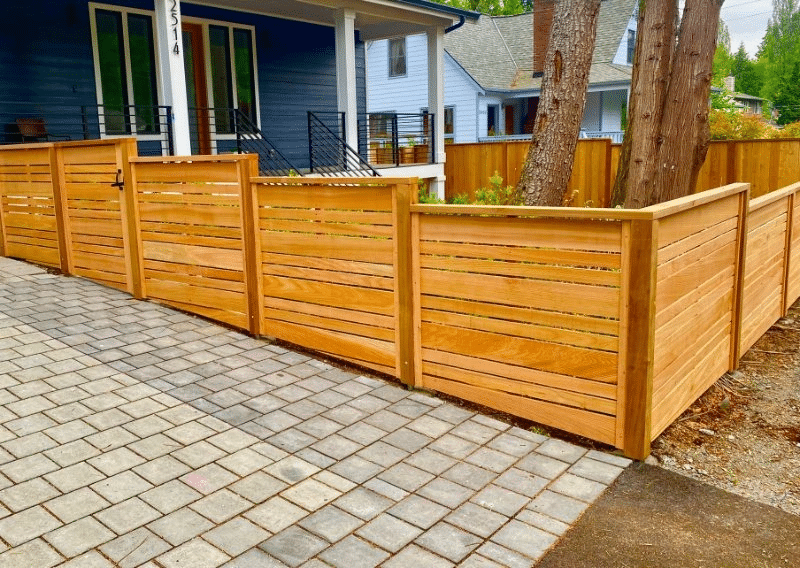
A privacy fence plays a key role in outdoor spaces across the Pacific Northwest. It creates separation, protects your yard, and adds visual balance to your property. Homeowners working with Cool Cat Fence often look for solutions that combine privacy, durability, and clean design.
In Seattle, fences up to 6 feet usually don’t require a permit. Portland allows fences up to 7 feet in most cases. Still, local codes are only part of the decision. In Washington and Oregon, fences must handle heavy rain, damp shade, and seasonal wind.
This guide covers practical privacy fence ideas and materials. We’ll compare wood and vinyl options to help you choose the right balance of privacy, maintenance, and style for your home.
Security First: Choosing the Right Fence Material
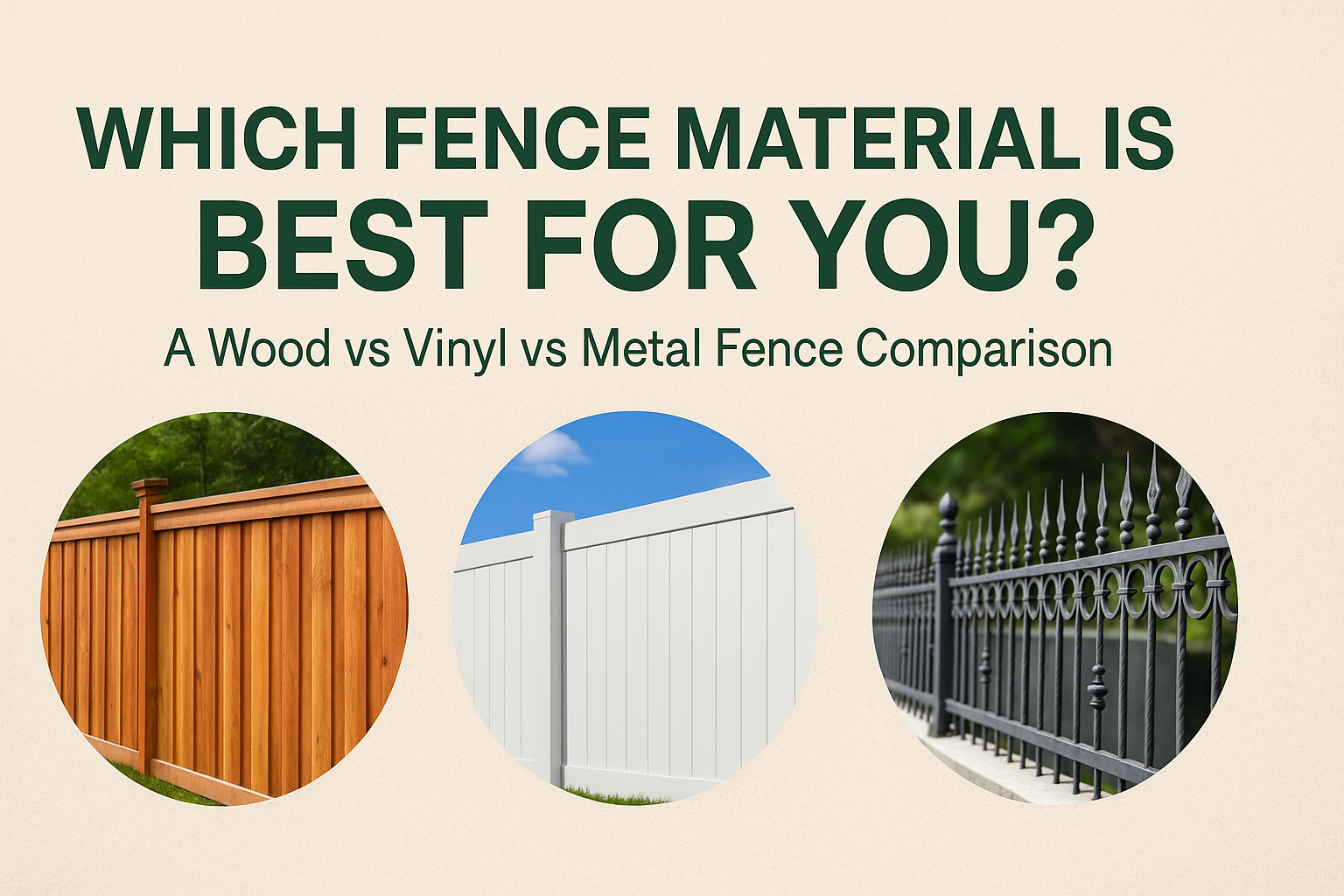
When selecting fence materials for your Pacific Northwest property, security and durability must be balanced with esthetic appeal. The right choice depends on your specific security needs, property location, and personal preferences.
Wood vs. Vinyl vs. Metal: What’s Best for Your Needs?
Metal fencing offers superior strength and security. Steel and aluminum fences are notably difficult to climb, cut through, or knock down, making them ideal for securing property boundaries and providing safe barriers around pools. For families prioritizing maximum protection, wrought iron or ornamental steel fences last 20-40 years with proper care.
Nevertheless, vinyl fencing has gained popularity due to its impressive 20-30 year lifespan and minimal maintenance requirements. Unlike wood, vinyl doesn’t need regular sealing or staining, saving both time and money. Furthermore, its resistance to moisture means it won’t warp or rot even after extended periods of rain – a crucial advantage in our region.
Wooden privacy fences, particularly cedar, remain a classic choice for creating solid barriers between your property and the outside world. Cedar naturally contains oils that make it resistant to rot and decay, performing admirably in damp PNW conditions. First, it’s breathable, allowing moisture to escape naturally, and second, it contains tannins that provide resistance against decay.
Privacy chain link fence and slat options
Standard chain link fences offer basic security but minimal privacy. Fortunately, several enhancement options exist. Privacy slats made from PVC or aluminum provide 75-98% privacy coverage, depending on the type selected. Bottom-locking slats offer 75% privacy, while wing slats can provide up to 95% coverage.
Pre-inserted chain link fencing comes with privacy slats already factory-installed, saving significant installation time. For enhanced esthetics, consider privacy screens with artificial greenery or bamboo panels that add both privacy and style.
Fencing for pets and children: safety-first designs
For families with pets or small children, safety features are paramount. Vinyl fencing excels here due to its smooth surface that prevents splinters, making it safe for curious hands and paws. Additionally, tall wooden fences with close-set pickets prevent children from squeezing through and dogs from escaping.
Chain link fences, though affordable, should include privacy slats to limit outside distractions that might cause dogs to bark excessively. For maximum security, aluminum picket fences with narrow, smooth pickets make climbing difficult while preventing little ones from getting stuck.
Weather resistance in the Pacific Northwest
Our region’s persistent rain and humidity demand materials that can withstand moisture. Vinyl stands out as completely waterproof and non-porous, resisting warping, rot, and mold growth. Cedar excels as a natural option, specifically because it’s a breathable wood that allows moisture to escape.
Metal fencing with powder-coated finishes can prevent rust through our damp winters. For chain link options, look for marine-grade hardware and galvanized or vinyl-coated materials for extended durability in our challenging climate.
Understanding Local Laws in Washington and Oregon
Navigating fence regulations across the Pacific Northwest requires careful attention to local ordinances. These rules vary significantly between cities and can impact your privacy fence design and installation process.
When you need a permit in Seattle or Portland
In Seattle, fences up to 6 feet tall typically don’t require permits. Portland offers more flexibility, with wood fences up to 7 feet and chain link up to 8 feet permitted without paperwork. Both cities require permits for taller structures or special situations like swimming pool enclosures.
Fence height limits and front yard restrictions
Front yards face stricter height limits than sides or rear areas. Generally, front yard fences cannot exceed 3-3.5 feet for solid fences. Side and rear yard fences may reach 6-8 feet depending on your specific municipality. Corner lots often have additional visibility requirements to maintain traffic safety.
Zoning overlays and historic districts
Properties in historic preservation zones or special overlays face additional restrictions. These districts typically require review of all exterior work, including fences, to ensure compatibility with neighborhood character.
Fence inside property line: what the law says
You can build fences on your property line, yet all posts and footings must remain on your side. For properties with uncertain boundaries, a land survey is recommended before construction begins.
Good neighbor fence laws and shared costs
Washington’s Good Neighbor Fence Law requires adjoining landowners to share maintenance costs equally when both benefit from a boundary fence. Similarly, Oregon law establishes that neighbors should equally share expenses for construction and repairs of shared fences.
Designing for Privacy and Style
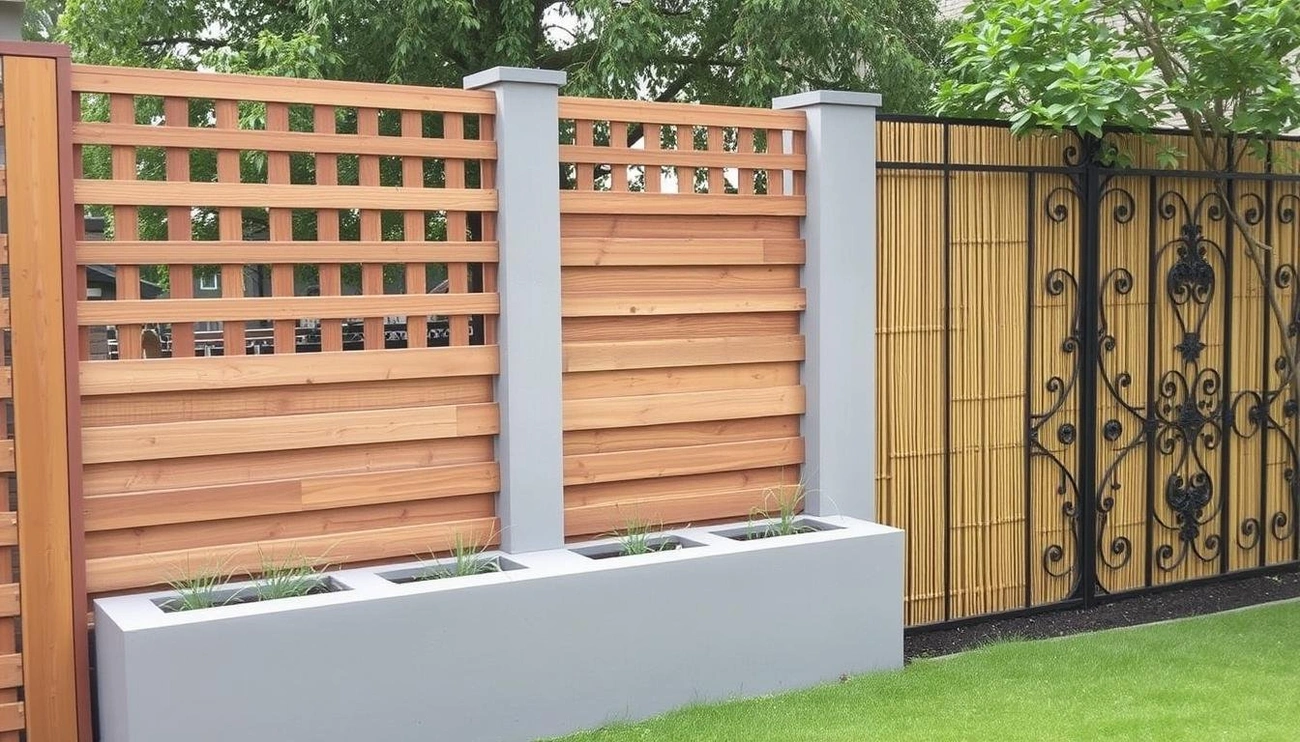
Finding the perfect balance between privacy and esthetics starts with understanding your design options. Different fence styles offer various levels of seclusion alongside distinct visual appeal.
Full privacy fence ideas: board-on-board, solid panels
Board-on-board fences create maximum privacy through overlapping vertical boards on both sides of the fence rails. This clever design eliminates gaps completely, even as wood naturally shrinks over time. Moreover, with pickets on both sides, these fences look identical from either perspective – a true “good neighbor” feature. Solid privacy panels, alternatively, use tongue-and-groove pickets that fit seamlessly together, creating an impenetrable visual barrier.
Semi-private options: lattice tops and shadowbox styles
For those seeking a less enclosed feel, shadowbox fences offer an elegant compromise. Their staggered pickets allow light and air to pass through while maintaining a respectable level of seclusion. Likewise, lattice-topped fences blend privacy with decorative charm – the intricate upper portion filters sunlight into your garden while adding architectural interest. These designs work exceptionally well for yards where complete isolation feels too restrictive.
Modern trends: horizontal cedar and metal privacy fence
Horizontal cedar fencing has emerged as a top choice across Oregon and Washington, offering sleek design without sacrificing warmth. The contemporary lines create an eye-catching pattern that enhances curb appeal alongside privacy. For an even more modern approach, metal privacy fences provide complete coverage with exceptional durability. Corrugated galvanized steel options now come in designer finishes that mimic wood grain or weathered metal textures.
Using privacy fence screens and decorative elements
Privacy screens serve as versatile additions for enhancing existing fences or creating standalone privacy zones. Weather-resistant options include laser-cut decorative panels and modular screen systems that blend function with artistic expression. Consequently, these elements can transform ordinary boundaries into custom landscape features.
Matching fence design to home architecture
Always let your home’s existing style dictate fence selection. Traditional homes pair beautifully with classic picket or ornamental designs, whereas modern or mid-century properties demand clean, minimalist fencing like horizontal slats. Consider existing materials and textures – if your house features significant brick or stone, warm materials like classic wood provide natural balance.
Proper post setting and hardware for wet climates
Behind every long-lasting privacy fence is a skilled installation that helps it withstand the challenges of the Pacific Northwest. Correct post setting anchors the fence securely, reducing movement and protecting it from moisture and wind over time.
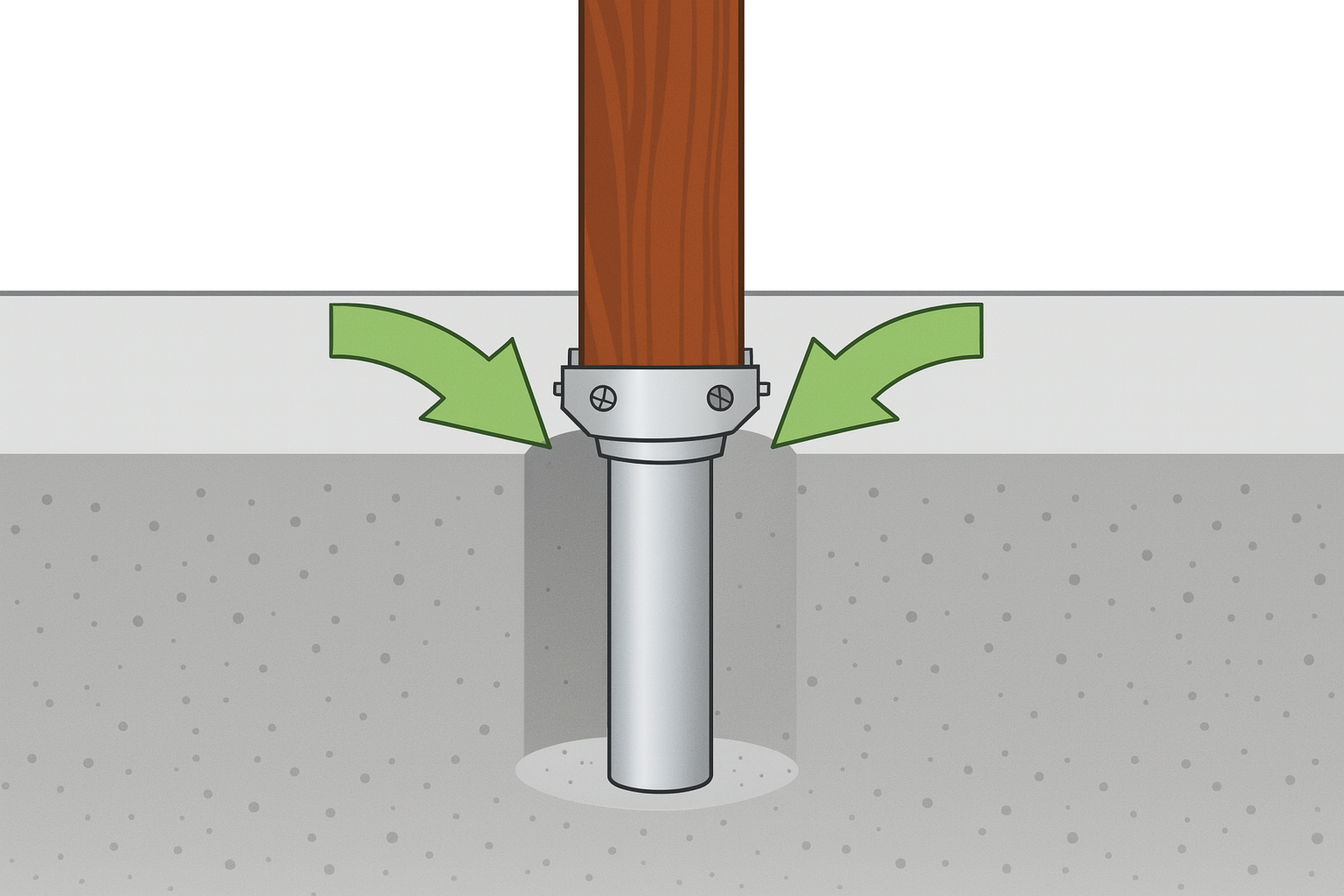
Professional fence companies rely on commercial-grade equipment to achieve this level of durability. Power augers create consistent post holes, laser levels ensure proper alignment, and concrete mixers provide a stable foundation. In Washington and Oregon’s damp conditions, this precision matters. Quality contractors also use rust-resistant hardware designed for wet environments, helping prevent early wear and structural issues.
Permit handling and HOA approvals
Professional installers navigate complex local building codes and permit requirements, preventing costly fines or legal complications. Most municipalities require permits for fences exceeding certain heights, and professionals handle this paperwork efficiently. For properties with Homeowner Associations, the approval process typically takes one to six weeks. Experienced contractors assist with gathering required documentation, including site plans that show exact fence placement. This expertise becomes essential as HOA denials often result from incomplete submissions or non-compliance with neighborhood standards.
Warranty, aftercare, and long-term value
Reputable fence companies provide detailed maintenance guidelines after installation, typically including cleaning schedules and warranty information. Standard workmanship warranties often cover installation quality for one year, while certain materials like aluminum may include lifetime coverage against defects. These guarantees protect your investment against future problems without additional costs. Professional installation ultimately maximizes fence longevity through proper technique and material selection appropriate for regional conditions.
Full-service fence installation: what to expect
A full-service fence installation covers every step of the process, from planning to final walkthrough. Professionals begin by evaluating your property and marking fence placement in line with local codes. Permits are handled upfront, and utility lines are identified to avoid underground conflicts.
Installation includes ongoing quality checks to ensure structural stability, clean alignment, and a finished look that lasts. Gates receive special attention, with reinforced posts and heavy-duty hardware for smooth operation and proper fit. Once the project is complete, your contractor provides clear maintenance guidance so your fence continues to perform well for years to come.
Conclusion
A well-designed privacy fence serves as much more than a simple boundary marker in the Pacific Northwest. Rather, it stands as a critical investment that protects your property, enhances your home’s value, and withstands our region’s unique weather challenges. Throughout Washington and Oregon, the right fence balances three essential elements: security features appropriate for your specific needs, privacy levels that match your lifestyle, and design aesthetics that complement your home’s architecture.
Undoubtedly, material selection remains paramount when planning your fence project. Cedar offers natural resistance to our damp conditions while vinyl provides virtually maintenance-free longevity. Metal options deliver unmatched security, though at a higher price point. Whichever material you choose, remember that its performance depends largely on proper installation techniques specifically adapted for Pacific Northwest conditions.
Additionally, understanding local regulations before beginning construction prevents costly mistakes. Permit requirements, height restrictions, and potential HOA approvals all factor into your planning process. These considerations, coupled with proper material selection, ensure your fence remains both beautiful and functional for decades.
Professional installation ultimately makes the difference between a fence that lasts five years versus one that serves your family for generations. Expert contractors like Cool Cat Fence bring crucial knowledge about post-setting depth, hardware selection, and regional building codes. Their expertise transforms what might seem like a simple DIY project into a lasting investment that withstands our seasonal windstorms and persistent rain.
The perfect fence for your Washington or Oregon home balances immediate needs with long-term value. Though initially more expensive, professional installation paired with quality materials suited to our climate delivers substantially better results over time. After all, your fence represents both your home’s first line of defense and its most visible boundary – worthy investments that deserve thoughtful planning and expert execution.
FAQs
Q1. What are the best fence materials for the Pacific Northwest climate? Cedar and vinyl are excellent choices for the Pacific Northwest. Cedar naturally resists rot and decay in damp conditions, while vinyl is completely waterproof and requires minimal maintenance. Both materials can withstand the region’s persistent rain and humidity.
Q2. Do I need a permit to install a fence in Seattle or Portland? In Seattle, fences up to 6 feet tall typically don’t require permits. Portland is more flexible, allowing wood fences up to 7 feet and chain link up to 8 feet without permits. However, taller structures or special situations like pool enclosures may require permits in both cities.
Q3. What are some modern fence design trends in Washington and Oregon? Horizontal cedar fencing has become popular, offering a sleek, contemporary look. Metal privacy fences with designer finishes that mimic wood grain or weathered textures are also trending. For a semi-private option, lattice-topped fences blend privacy with decorative charm.
Q4. How can I ensure my fence is safe for children and pets? Choose fences with smooth surfaces to prevent splinters, like vinyl. For wooden fences, opt for tall designs with close-set pickets to prevent children from squeezing through and dogs from escaping. Aluminum picket fences with narrow, smooth pickets are also a good option as they’re difficult to climb and prevent little ones from getting stuck.
Q5. Why is professional fence installation recommended? Professional installation ensures your fence complies with local regulations, uses proper techniques for the Pacific Northwest climate, and often comes with warranties. Experts handle permit requirements, use specialized equipment for precise installation, and select appropriate hardware for wet environments, ultimately maximizing your fence’s longevity and value.