

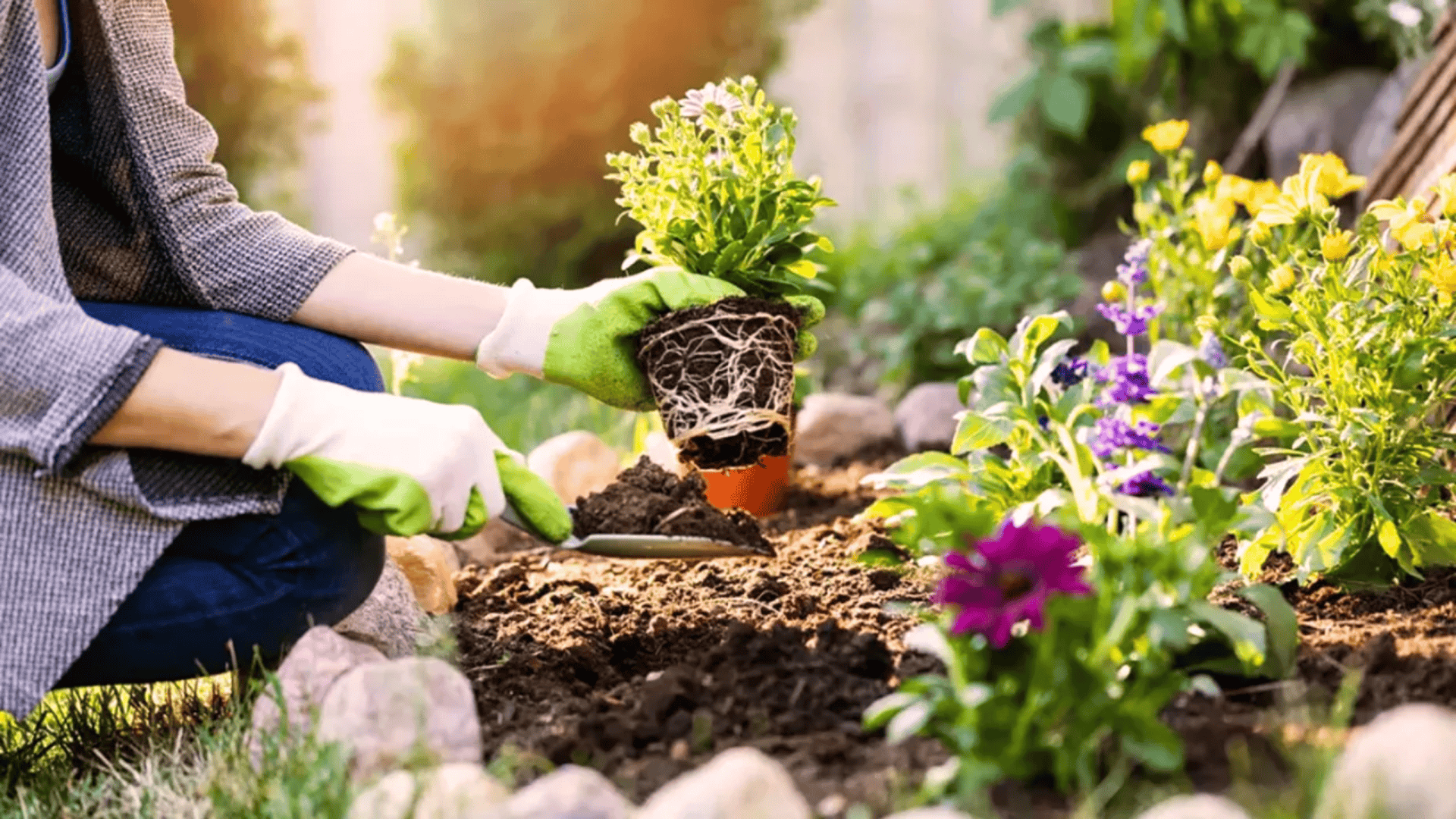
Starting a flower garden as a beginner is easier than most people think. If you are new to gardening, you do not need special skills or expensive tools to begin.
You just need a little time, a simple plan, and the right steps.
A flower garden is any space where you grow flowers you enjoy. It can be a small patch in your yard, a raised bed, or even a few pots.
I like flower gardening because it is flexible, forgiving, and rewarding for beginners.
In this guide, I have shared the basics in a clear way. You will learn how to choose the right spot, pick easy flowers, prepare the soil, and care for your plants.
I also covered watering, feeding, pruning, and common mistakes, so you can start with confidence.
Choosing the Right Spot for Your Flower Garden
Choosing the right spot is one of the most important steps when starting a flower garden. Most flowers need sunlight to grow well, so pick a place that gets at least six hours of sun each day.
Watch your yard during the day to see where the sun hits the longest.
The next thing to check is drainage. Water should soak into the soil, not sit on top. If the ground stays wet for too long, flower roots can rot.
Try to avoid low areas where water collects after rain. You also need to think about space.
Small gardens work well in pots, raised beds, or tight yard areas.
Larger spaces give you more room to spread plants out. Choose a spot that matches how much time and care you can give your garden.
Tools and Materials You’ll Need
Having the right supplies makes gardening easier and helps you avoid common beginner mistakes. Start simple and add more tools as you gain confidence.
- Hand trowel: Used for digging small holes and moving soil
- Gardening gloves: Protect your hands while working
- Watering can or hose: Helps water plants gently and evenly
- Pruning shears: Used to trim dead or damaged flowers
- Soil: Choose loose, well-draining soil for healthy growth
- Compost: Adds nutrients and improves soil health
- Mulch: Keeps moisture in and helps stop weeds
- Seeds: Lower cost but need more time to grow
- Starter plants: Easier for beginners and grow faster
How to Start a Flower Garden?
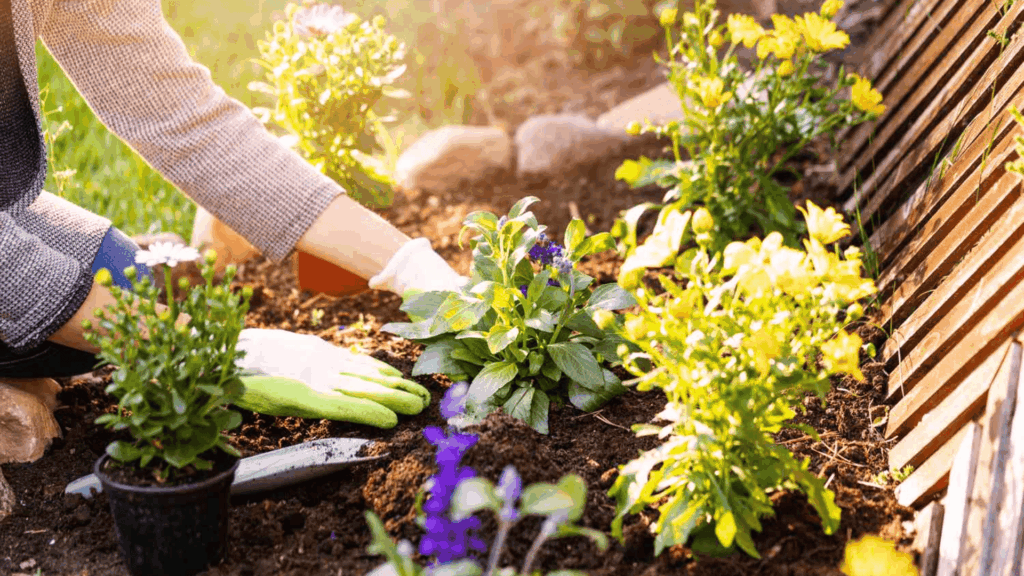
Starting a flower garden works best when you follow clear steps in the right order. These steps help you plan, plant, and care for your flowers with confidence.
Step 1: Decide Where You Want to Plant
The first step is choosing the exact place for your flower garden. Look for a spot that gets enough sunlight during the day, since most flowers grow best with several hours of sun.
Make sure the area is easy to reach so watering and care do not feel like a chore.
Think about how close it is to your home and how often you pass by it. A visible spot helps you notice changes quickly.
Also, check that the area does not collect water after rain.
Picking the right location early makes every other step easier and helps your flowers grow with fewer problems.
Step 2: Choose the Right Garden Type
Once you know where you want to plant, decide how your flower garden will be set up. You can grow flowers in the ground, in raised beds, or in containers.
Ground gardens work well if you have open yard space and decent soil.
Raised beds are a good option if your soil needs improvement or if drainage is poor. Containers are ideal for patios, balconies, or small spaces.
Think about how much time you can give to caring for and watering.
Picking the right garden type helps you manage soil, moisture, and plant care more easily.
Step 3: Clear and Prepare the Area
Before planting, clear the area fully. Remove weeds, grass, rocks, and any old roots from the soil.
Weeds compete with flowers for water and nutrients, so it is important to remove them early. Loosen the soil using a shovel or hand tool so roots can grow easily.
Break up hard clumps and level the surface. If the soil looks poor or dry, mix in compost to improve it.
Taking time to prepare the area now helps prevent problems later and gives your flowers a healthy place to grow.
Step 4: Test and Improve the Soil
After clearing the area, take a moment to check your soil. Grab a small handful and squeeze it.
If it feels hard or sticky, it may need improvement. Good soil should be loose and drain well after watering. Add compost to boost nutrients and improve texture.
This helps roots grow strong and allows water to move through the soil.
For container gardens, always use potting soil made for flowers. Healthy soil reduces the need for extra care later and supports steady plant growth from the start.
Step 5: Pick Beginner-Friendly Flowers
Choosing the right flowers makes gardening much easier. Look for flowers labeled as easy to grow or beginner-friendly.
Annual flowers are a good choice because they grow, bloom, and finish in one season.
Read plant tags to check sunlight, spacing, and watering needs. Pick flowers that match your local climate and the light in your garden.
Avoid planting too many types at once. Starting with a few reliable flowers helps you learn faster and keeps your garden simple to manage.
Step 6: Plan Your Layout and Spacing
Before planting, set your flowers on the ground to plan their placement. This helps you see how everything will fit once the plants grow.
Leave enough space between each plant so air can move freely. Crowded flowers compete for water and nutrients and can develop problems faster. Check plant tags for spacing guidance and follow it closely.
Proper spacing also makes watering and care easier.
Taking time to plan the layout helps your garden grow evenly and look neat as plants mature.
Step 7: Plant the Flowers Correctly
Plant each flower at the depth listed on the plant tag or seed packet. Dig a hole wide enough for the roots to spread out.
Place the plant gently in the hole and fill it with soil.
Press the soil lightly to hold the plant in place, but do not pack it too tightly.
Make sure the base of the plant sits level with the soil surface. Planting correctly helps roots settle faster and reduces stress on new plants.
Step 8: Water After Planting
Water your flowers right after planting to help the soil settle around the roots.
Water slowly so the moisture reaches deep into the soil. During the first few weeks, keep the soil evenly moist but not soaked.
Check the soil with your finger before watering again.
Overwatering can cause root problems, while dry soil slows growth. Steady watering helps flowers adjust to their new spot and begin growing strong and healthy.
Step 9: Add Mulch Around the Plants
After planting, add a layer of mulch around your flowers. Mulch helps hold moisture in the soil and keeps weeds from growing.
Spread it evenly, but leave a small gap around the base of each plant. This space helps prevent rot and keeps stems dry. Mulch also protects soil from heat and heavy rain.
As it breaks down, it adds organic matter to the soil.
Using mulch reduces the need for frequent watering and weeding, making garden care easier and more manageable for beginners over time.
Step 10: Watch Growth and Adjust Care
Once your garden is planted, regular checks are important.
Look at your flowers every few days to see how they are growing. Check soil moisture, leaf color, and plant strength.
If leaves look weak or soil feels dry, adjust watering. Watch for pests or damage early. Remove dead flowers and leaves to support new growth. Gardening is about learning as you go.
Paying attention helps you respond quickly and keeps your flower garden healthy as it continues to grow.
How Often to Water Your Flower Garden?
Watering your flower garden the right way helps plants stay healthy. A clear sign flowers need water is dry soil a few inches down.
Wilting leaves, dull color, and slow growth also point to thirst. The best time to water is early morning. This lets water soak in before the heat causes it to dry fast.
Evening watering can work, but wet leaves overnight may cause problems.
Avoid watering at midday when the sun pulls moisture away. One common mistake is watering too often. Roots need air as well as water.
Another mistake is shallow watering, which keeps roots near the surface.
Always water deeply and slowly. Check the soil before adding more water. Weather, soil type, and plant size all affect how often you water, so adjust as needed.
Keep a simple routine and watch your plants respond over time carefully, always.
Simple Fertilizing Tips for Beginners
Fertilizer helps flowers grow strong and bloom better when used the right way. A small amount at the right time goes a long way.
- When to fertilize: Feed flowers when they start growing and during blooming
- Slow-release fertilizer: Easy to use and feeds plants over time
- Liquid fertilizer: Works fast and is good for quick results
- Compost: A gentle, natural option that improves soil health
- How much to use: Follow the label and use less if unsure
- Avoid overfeeding: Too much fertilizer can harm flowers
- Water after feeding: Helps nutrients reach the roots safely
How to Control Weeds and Pests?
Keeping weeds and pests under control helps flowers grow without stress. One easy way to prevent weeds is to use mulch around your plants.
It blocks sunlight and slows weed growth. Pull small weeds by hand before they spread or form seeds.
When it comes to pests, start with safe methods like spraying water to knock insects off leaves or using mild soap sprays.
Avoid strong chemicals, especially in small gardens. Watch for early signs of trouble, such as holes in leaves, sticky residue, or yellow spots. You may also see insects hiding under leaves or near stems.
Catching these signs early makes control easier. Check your plants every few days so problems do not grow.
Healthy plants are less likely to attract pests, so good care goes a long way in keeping your flower garden strong and balanced.
Easy Tips to Keep Your Garden Healthy
Small habits can make a big difference in how your flowers grow and look. Regular care helps you spot problems early and fix them fast.
- Mulching: Helps hold moisture, control weeds, and protect roots
- Weekly plant checks: Look for dry soil, pests, or damaged leaves
- Remove dead growth: Keeps plants clean and supports new growth
- Seasonal care: Water more in the heat and protect plants during the cold
- Clean tools: Helps prevent the spread of disease
- Adjust care as needed: Change watering and feeding with the season
When and How to Prune Flowers?
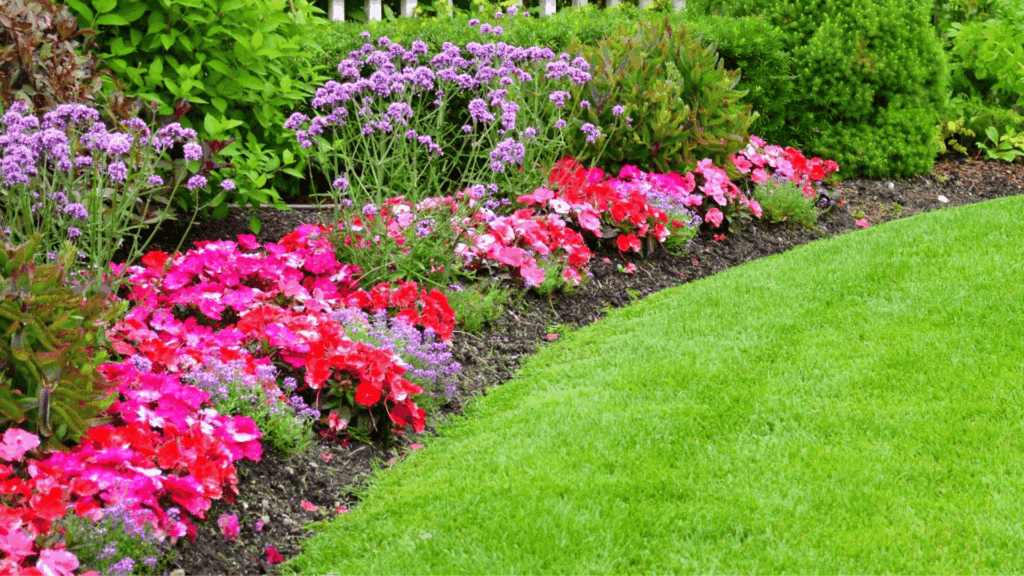
Pruning helps flowers grow better by removing parts that no longer help the plant. When you cut away dead or weak stems, the plant can focus energy on new growth and blooms.
The best time to prune depends on the flower, but most do well when trimmed after blooms fade.
Some flowers also benefit from light pruning during the growing season. Always avoid heavy pruning late in the season, since this can slow growth.
Use clean, sharp tools to make smooth cuts. Cut just above a healthy leaf or bud, so the plant can grow back evenly.
Do not rush the process. Take time to look at the plant before cutting. Pruning a little at a time works better than cutting too much at once.
With regular pruning, flowers stay neat, healthy, and ready to bloom again.
Common Flower Gardening Mistakes to Avoid
Many beginner problems come from small habits that are easy to fix. Knowing what to watch for helps plants grow stronger and last longer.
- Overwatering: Leads to root rot and weak plants
- Planting too close: Limits airflow and slows growth
- Wrong planting time: It can stop flowers from growing well
- Poor soil: Makes it hard for roots to take in nutrients
- Skipping plant checks: allows pests and disease to spread
- Using too much fertilizer: Burns roots and harms flowers
Conclusion
Starting a flower garden does not have to feel hard or confusing. By choosing the right spot, using basic tools, and giving your plants simple care, you set yourself up for success.
Small steps like proper watering, light feeding, and regular checks can make a big difference over time.
You do not need a large yard or perfect skills to begin. Starting small helps you learn what works and builds confidence with each plant you grow.
Gardening is a process, and mistakes are part of learning. The key is to stay patient and enjoy watching your flowers grow day by day.
If you have been thinking about starting, this is a good time to begin.
Try one step today and keep going from there. I would love to hear how your flower garden is going, so feel free to share your experience in the comments below.