

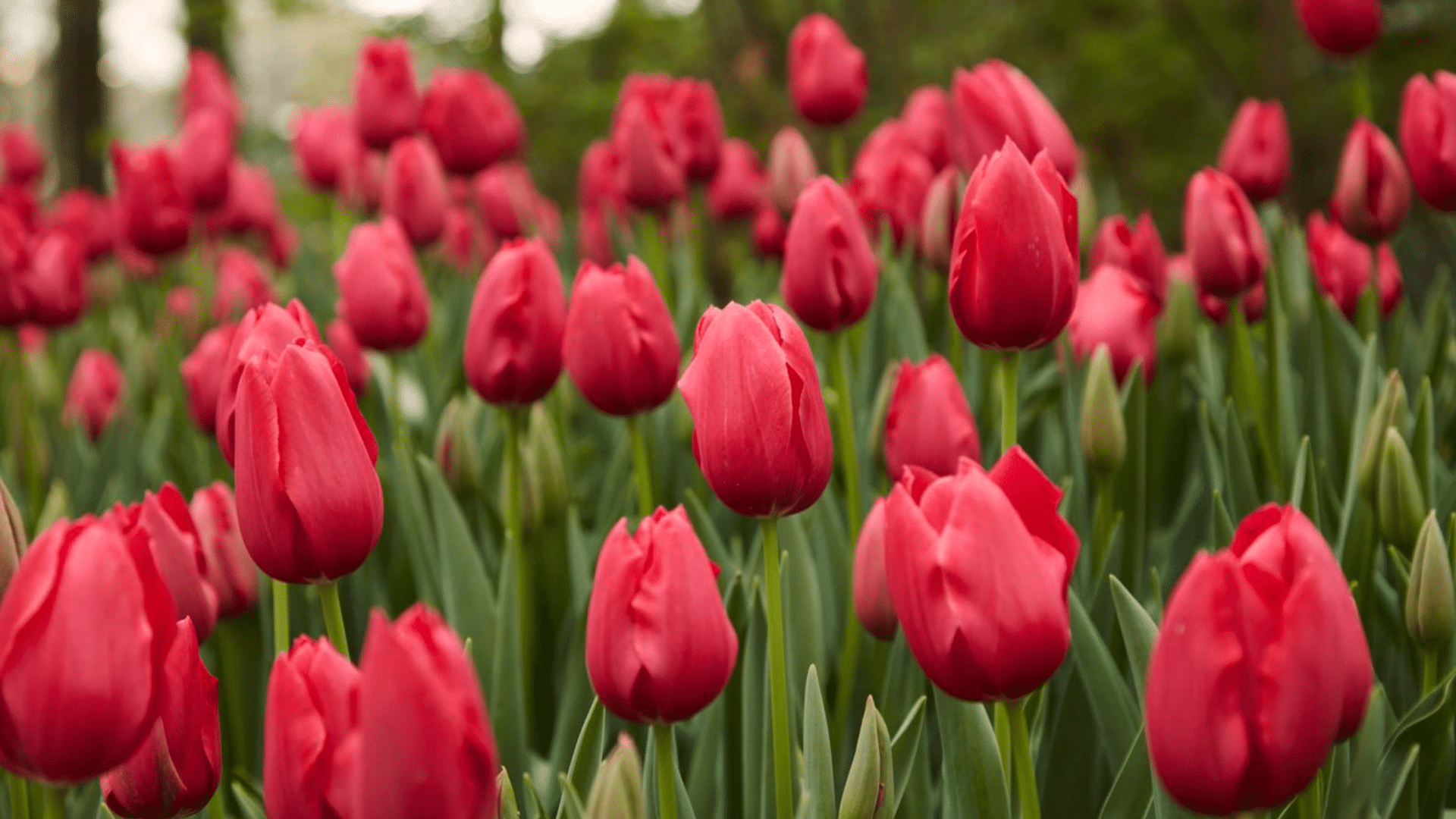
I still remember the first time my tulips finished blooming. One week, they were bright and cheerful, and the next, they looked messy and forgotten.
I stood there wondering if I had done something wrong or if my garden was already past its best.
If you’ve felt that confusion, you’re not alone. This stage is normal, even if it looks rough.
What happens after the blooms fade plays a big role in how your tulips perform next year. Small choices now can make a big difference later.
In this guide, I’ll show you what to do with tulips after they bloom in a clear, simple way.
You’ll learn when to cut flowers, how long to leave the leaves, and if it’s better to dig up the bulbs or leave them in the ground. By the end, you’ll know exactly how to handle your tulips without guessing.
Understanding the Key Facts About Tulips
Tulips follow a simple growth cycle that depends on energy stored underground.
After flowering, the plant shifts its focus from blooms to the leaves. These leaves collect sunlight and turn it into food for the bulb.
The bulb uses this stored energy to survive summer and prepare for the next growing season.
If the leaves are removed too soon, the bulb weakens. Post-bloom care is important because it helps the bulb stay strong and improves the chance of healthy growth and flowers the following spring.
Key Specifications
- Scientific name: Tulipa
- Plant type: Perennial flowering bulb
- Native regions: Central Asia and Turkey
- Growth habit: Grows from a bulb, blooms in spring, goes dormant in summer
- Typical bloom time: Early to late spring, depending on variety
What Happens to Tulips After They Bloom?
Once tulip flowers fade, the plant enters a recovery stage. The petals fall or dry up, but the plant is not done growing. The leaves stay green because they are still working.
They take in sunlight and send energy down to the bulb. This process helps the bulb rebuild strength for the next season.
During this time, the bulb slowly stores food underground while the plant above ground looks less attractive. This stage is normal and important for future blooms.
As weeks pass, the leaves turn yellow and begin to dry out.
This is a sign that the bulb has finished storing energy. When the foliage fully dries, the tulip enters dormancy.
At this point, the plant rests until the next growing cycle begins. Knowing this helps you avoid cutting or digging too early.
What to Do with Tulips After They Bloom?
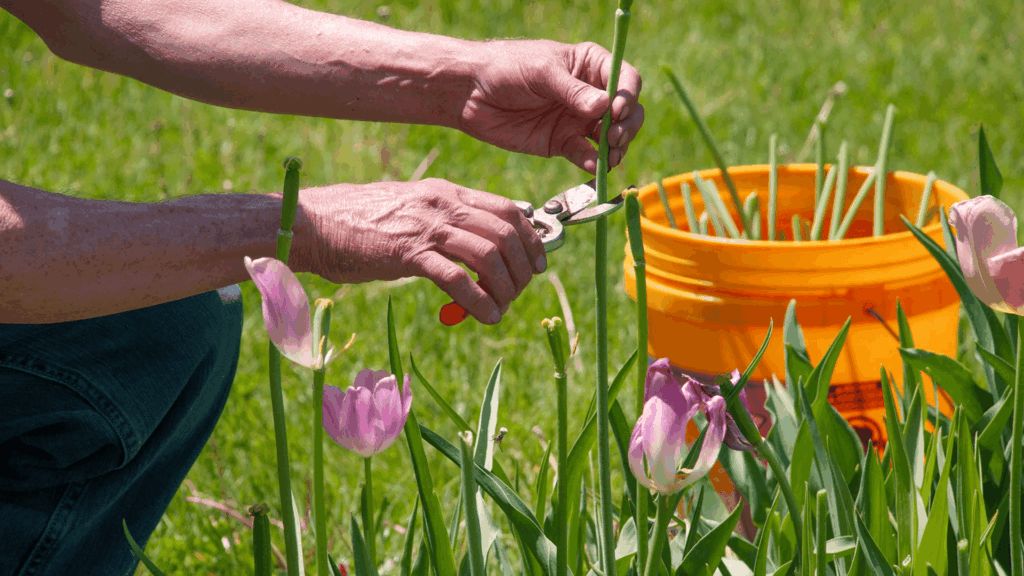
These simple steps help tulips recover after blooming and prepare the bulbs for healthy growth in the next season.
1. Remove Spent Flowers at the Right Time
Once tulip blooms fade or fall, cut off the flower head using clean scissors or garden shears. This prevents the plant from using energy to make seeds.
Only remove the flower and keep the stem and leaves in place.
The leaves are still active and send energy down to the bulb. Removing spent flowers at the right time helps the bulb recover and store strength.
This simple step supports healthier bulbs and improves the chances of strong growth and better flowers next spring.
2. Leave the Leaves Until They Dry Naturally
Tulip leaves may look untidy after blooming, but they are still doing important work. The green leaves collect sunlight and change it into food for the bulb underground.
This stored energy helps the bulb stay strong for the next growing season.
Cutting the leaves too early stops this process and can lead to fewer flowers later. Leave the foliage alone until it naturally turns yellow and dries out.
This can take several weeks. Once the leaves are fully dry and loose, you can remove them without harming the bulb.
3. Adjust Watering After Blooming
After flowering ends, tulips no longer need as much water as before. Light watering is enough while the leaves are still green, especially during dry weather.
Avoid soaking the soil, since too much moisture can damage the bulb.
As the leaves begin to yellow, slowly cut back on watering. Once the foliage has dried out completely, stop watering altogether.
This helps the bulb enter dormancy in a natural way and reduces the risk of rot, mold, or other bulb problems during the resting period.
Should You Dig up Tulip Bulbs or Leave Them?
Deciding what to do with tulip bulbs depends on your climate, soil, and how your tulips performed. In mild areas with well-drained soil, many tulips can stay in the ground.
In warm or very wet regions, bulbs may rot or weaken if left too long.
Some tulips also bloom better when lifted and stored. There is no single right choice, but knowing your growing conditions helps you decide.
The goal is to protect the bulb so it can rest and return stronger next season.
Pros and Cons of Digging Up Vs Leaving Tulip Bulbs
| Option | Pros | Cons |
| Digging Up Bulbs | Prevents rot in wet soil, improves reblooming for some types, protects bulbs from pests | Requires storage space, adds extra work, and risks damage during digging |
| Leaving Bulbs in the Ground | Saves time, works well in cool climates, bulbs stay undisturbed | Risk of rot in poor drainage, weaker blooms over time in warm areas |
Storing Tulip Bulbs After Digging Them up
Proper handling helps bulbs stay healthy during their rest period. Small steps at this stage can prevent damage and improve next season’s growth.
- Dig up bulbs only after the leaves have fully turned yellow and dried
- Gently lift bulbs from the soil to avoid cuts or bruises
- Shake off loose soil without washing the bulbs
- Remove dead roots and any damaged outer layers
- Let bulbs dry in a shaded, airy spot for several days
- Place bulbs in paper bags, mesh bags, or crates
- Store in a cool, dry, and dark place with good airflow
- Check bulbs once a month and discard any that feel soft or moldy
What Gardeners Say to Do After Tulips Bloom on Reddit?
Many gardeners run into this same question once tulips finish blooming, especially in containers. The most common advice on Reddit is to leave the green leaves alone for a few weeks.
The leaves are still feeding the bulb and helping it store energy for next year.
Cut off the spent flower heads so the plant does not waste energy making seeds. This step helps the bulb grow stronger.
You can keep the bulbs in the container and plant shallow-rooted annuals around them, or move the bulbs later.
If you plan to dig them up, wait until the leaves fully dry. In areas like zone 7A, tulips can survive winter in the ground if the soil drains well.
Too much water is a bigger risk than cold. Good drainage and patience make the biggest difference.
When to Leave Tulip Bulbs in the Ground?
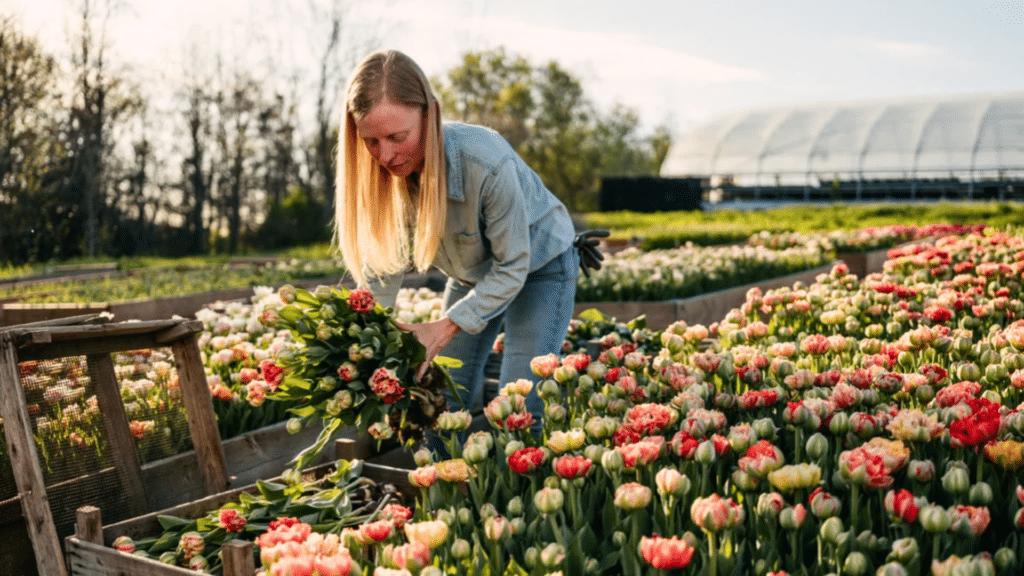
Leaving tulip bulbs in the ground works best in cooler areas with well-drained soil. If your garden does not stay soggy in summer, bulbs can rest safely underground.
After blooming, remove the spent flowers but keep the leaves until they dry on their own.
This helps the bulb store energy. Avoid heavy watering once the leaves start to yellow. Adding a thin layer of mulch can protect bulbs from heat and sudden weather changes.
Healthy bulbs left undisturbed often perform better than ones moved too often.
To improve reblooming, avoid cutting foliage early and do not overfeed with fertilizer.
Some tulips return well each year, while others may fade over time. Watching how your tulips respond helps you decide if leaving them in place is working for your garden.
Common Tulip Care Mistakes After Blooming
Small mistakes during this stage can weaken bulbs without you noticing. Avoiding these issues helps protect future growth and flowering.
- Cutting leaves before they turn yellow, which stops the bulb from storing enough energy
- Watering too often after blooms fade, leading to soggy soil and possible bulb rot
- Digging up bulbs while foliage is still green interrupts the natural growth cycle
- Leaving damaged or soft bulbs in storage, allowing problems to spread
- Ignoring soil drainage, which increases the risk of disease and poor reblooming
Conclusion
Caring for tulips after they bloom does not have to feel confusing or stressful.
Once you understand why the leaves matter, when to stop watering, and how to handle the bulbs, everything feels more manageable.
These small steps give your tulips the rest they need and set them up for the next growing season.
Whether you decide to leave bulbs in the ground or dig them up, the right choice is the one that fits your garden and climate.
With a little patience now, you give your tulips a better chance to return strong and healthy next spring.
If you’ve tried any of these tips or learned something new along the way, I’d love to hear from you. Share your tulip experience in the comments below and join the conversation.