

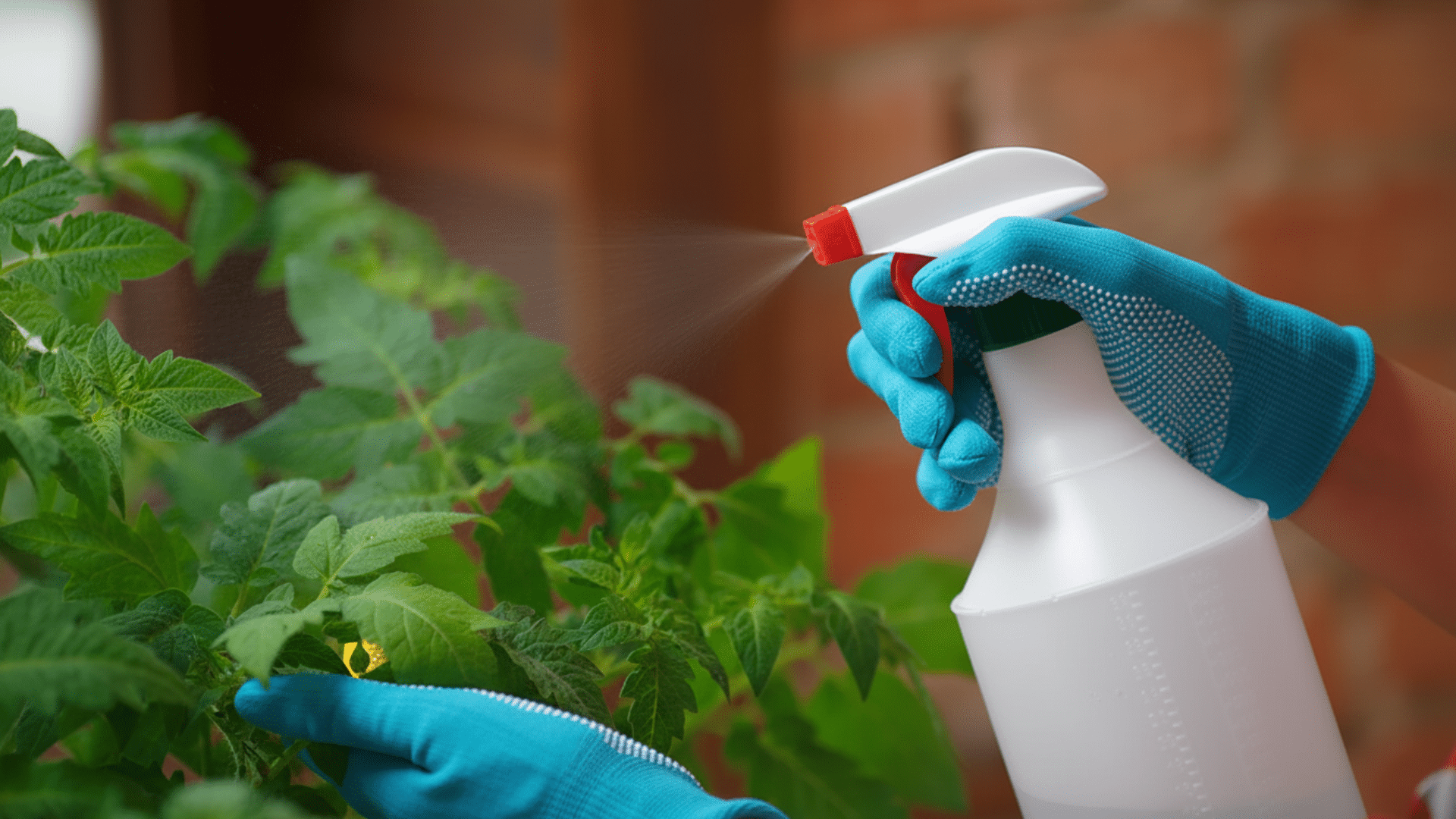
Thrips are tiny pests that can hurt plants fast. They suck the juices from leaves and flowers, making plants look dry, weak, or spotty.
Many people don’t notice them right away because they are so small. But over time, thrips can spread and cause serious damage.
The good news is that there are simple ways to deal with thrips.
This blog will guide readers through easy, safe steps to help remove thrips and protect plants from more damage.
What are Thrips and What Do They Look Like?
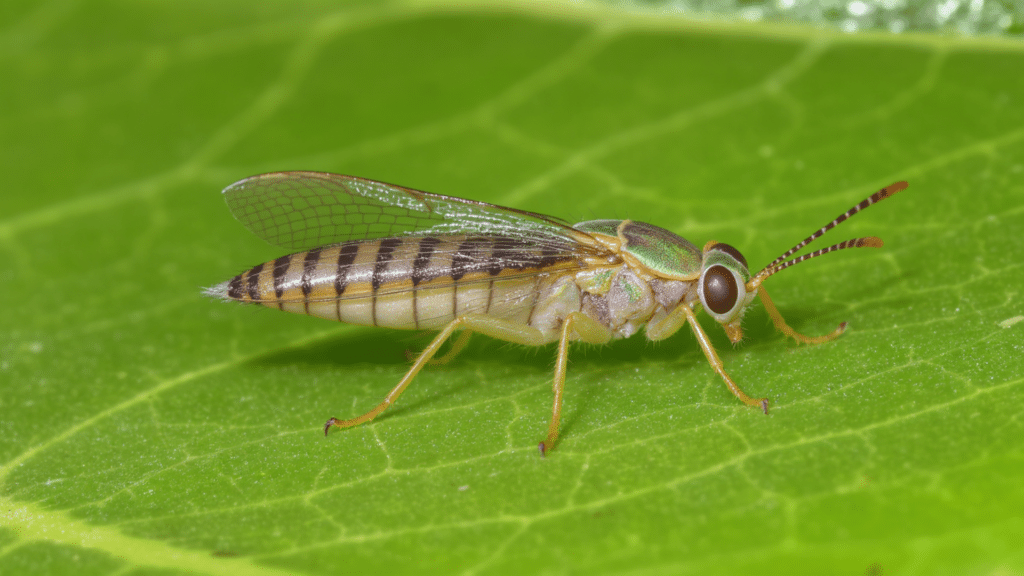
Thrips are tiny, slender bugs that feed on plants. Most are smaller than 1/20 inch, so they’re hard to see without a close look.
They use sharp mouthparts to suck juices from leaves, buds, and flowers. This can hurt the plant and cause leaves to turn brown, curl up, or even fall off.
Thrips can be yellow, brown, or black. Some have wings, but they don’t fly well. Instead, they crawl or jump from one spot to another.
Adult thrips look like tiny slivers or threads. Baby thrips, called nymphs, are even smaller and lighter in color. If you see skinny bugs moving fast when you touch a leaf, they may be thrips.
Signs You Have Thrips on Plants
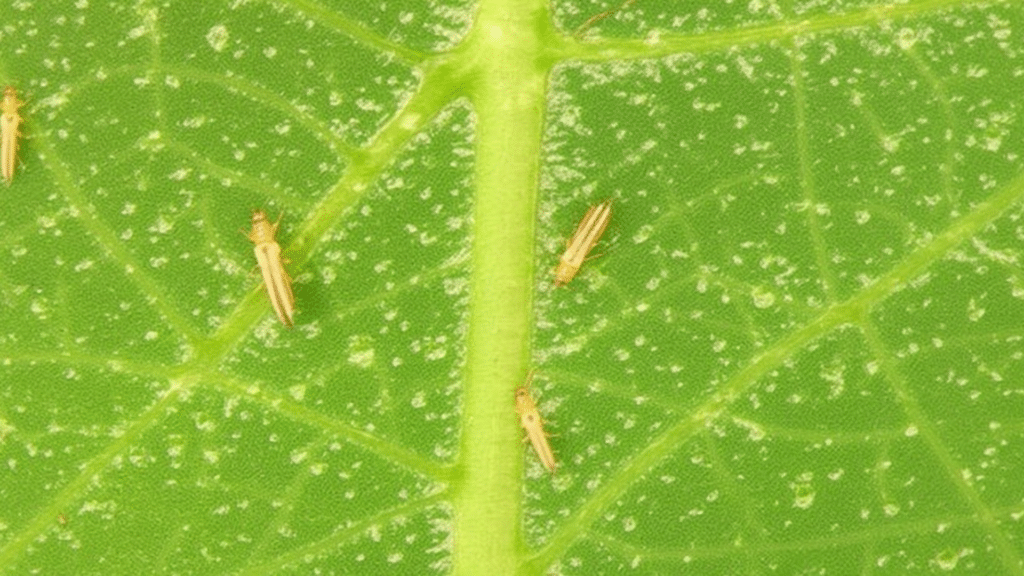
Thrips are small and quick, so it’s not always easy to spot them right away. But they leave behind clear clues. If your plant doesn’t look healthy, check for these common signs of a thrip infestation:
- Silvery or white patches on leaves: Thrips scrape plant tissue and suck the juices, which causes a pale or silvery look on the surface.
- Tiny dark dots on leaves: These small black spots are thrip droppings, often found on the undersides of leaves.
- Leaves that curl or look dry: Damaged areas may cause the leaves to fold, dry out, or even fall off early.
- Misshapen or damaged flowers: Thrips feed inside buds, so flowers may not open right or may look twisted.
- Sticky or shiny leaves: Sap from the damaged plant can build up on the surface, attracting dust and more bugs.
- Tiny black or yellow bugs on leaves or stems: If you look closely, especially under the leaves, you may spot the fast-moving thrips themselves.
Ways to Get Rid of Thrips on Plants
Now that you know what to look for, here are some simple and safe ways to remove thrips from your houseplants.
1. Isolate the Affected Plant
The first step is to move the plant away from others. This stops the thrips from spreading. Place the sick plant in a different room or a far corner.
Keep it there until the bugs are gone. Always check nearby plants, too; thrips often travel between leaves or pots.
2. Rinse the Plant with Water
Use a gentle stream of water to spray the leaves, stems, and undersides. This can knock off many thrips.
A handheld shower or sink sprayer works well. Do this every few days. Be careful not to soak the soil too much, or it may cause root rot.
3. Use a Mild Soap Spray
Soap sprays are one of the safest and easiest ways to fight thrips. You can buy insecticidal soap or make your own:
DIY Soap Spray Recipe:
- 1 quart (4 cups) of water
- 1 teaspoon of mild liquid soap (like Castile or dish soap)
Mix and spray it on the plant, the top and bottom of leaves, stems, and flowers. Do not spray in direct sunlight, as it may burn the plant. Use every few days for best results.
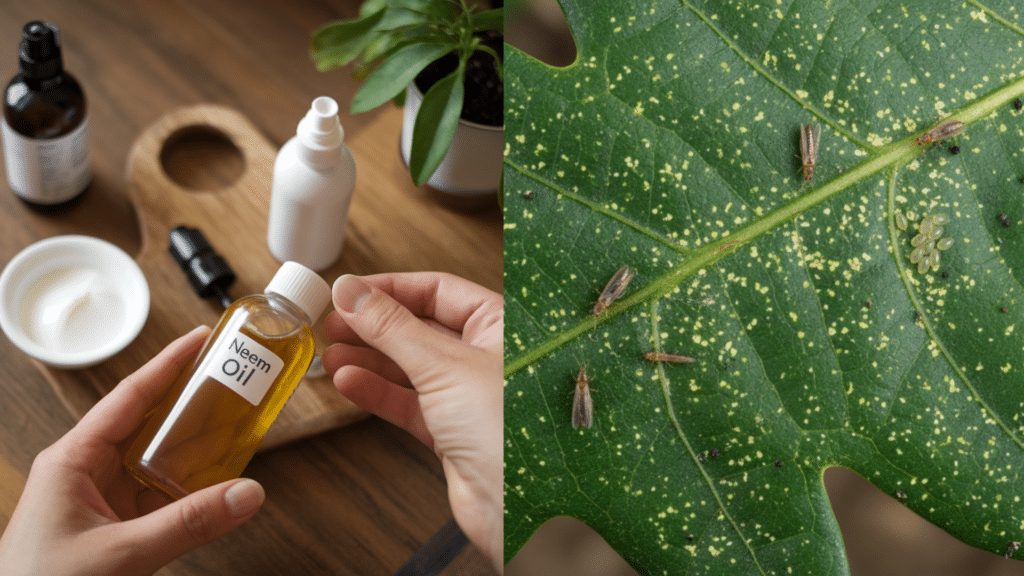
4. Neem Oil Treatment
Neem oil is a natural oil made from the neem tree. It stops thrips from eating, growing, and laying eggs.
How to Use Neem Oil:
- Mix 1 to 2 teaspoons of neem oil with 1 quart of water and a few drops of soap
- Shake well and spray on the plant
- Repeat every 7 days until the thrips are gone
Neem oil also helps protect against other pests like spider mites and aphids.
5. Try Sticky Traps
Sticky traps are yellow or blue cards coated with glue. Thrips are drawn to bright colors and get stuck. Place traps near the plant or hang them above.
They don’t stop an infestation alone, but they help you see how bad the problem is and catch adult thrips flying nearby.
6. Prune Heavily Infested Parts
If some parts of the plant are badly damaged or full of thrips, cut them off.
This helps the plant focus on healthy growth and removes many bugs at once. Be sure to throw away the cuttings outside or seal them in a bag before tossing them in the trash.
7. Use Diatomaceous Earth (Optional)
Diatomaceous earth is a fine powder made from crushed fossils. It’s safe for humans and pets but sharp to small bugs.
Sprinkle a small amount on top of the soil to stop thrips from crawling up. It works best in dry areas, not on wet soil.
8. Try Natural Predators (If Outdoors)
If you have thrips on outdoor plants, you can attract helpful bugs that eat them. Ladybugs, lacewings, and minute pirate bugs are natural enemies of thrips.
You can even buy them online and release them in your garden. These bugs won’t hurt plants, people, or pets.
How to Get Rid of Thrips in Soil
Thrips usually live on leaves, but some types can hide in the soil. If you think that’s the case, below are the steps you can take:
- Remove the top inch of soil and replace it with fresh, clean soil
- Let the soil dry between waterings, thrips like damp places
- Try using neem oil as a soil drench (mix and pour around the base)
Keeping the soil clean and dry can stop thrips from coming back.
Why You Should Check for Thrips Early
Thrips may be small, but they can cause big problems for plants. Spotting them early is the best way to stop an infestation before it spreads. Use the tips below to check for thrips and understand why they need to be handled quickly.
Checking Plants for Thrips
- Gently shake or tap the plant over a white sheet of paper. Tiny thrips may fall and start crawling.
- Use a magnifying glass to look under leaves, stems, or inside flower buds.
- Hold the plant near a bright light to spot movement or shiny patches on leaves.
Problems Thrips Can Cause
- Thrips suck plant juices, which weakens leaves, buds, and flowers.
- They cause curling, browning, or silver patches on leaves.
- They spread plant viruses, making the damage worse.
- One adult thrip can lay many eggs, and new bugs hatch in about a week.
- Thrips multiply fast and can quickly take over your plant collection.
Thrips and Safety in the Home
- Thrips do not bite, sting, or spread disease to humans or pets.
- They are only harmful to plants, especially young or weak ones.
- If left untreated, thrips can kill houseplants or cause lasting damage.
How Long Does it Take to Get Rid of Thrips?
Getting rid of thrips doesn’t happen overnight. The time it takes depends on how early you catch the problem, how many thrips are on the plant, and which treatment you use.
| Infestation Level | What to Expect |
|---|---|
| Light (few signs, caught early) | 1–2 weeks with regular treatment and plant care |
| Moderate (visible damage, bugs seen) | 2–4 weeks with consistent sprays (like soap or neem oil) |
| Heavy (widespread damage, many bugs) | 4+ weeks or more; may require pruning and repeated deep cleaning |
| Thrips in soil or hard-to-reach spots | May take extra time, use soil drench, or change the top layer of soil |
| Ongoing monitoring | Even after the thrips are gone, check plants weekly for at least a month to prevent a return |
How to Prevent Thrips on Plants
Stopping thrips before they show up is even better than treating them. Here are easy ways to help prevent thrip infestations:
- Check New Plants Before Bringing Them Inside: Many people bring home a plant that already has thrips. Look closely at new plants before adding them to your collection. Check under leaves and in buds for bugs or damage.
- Quarantine New Plants: Keep new plants away from others for 1–2 weeks. This gives you time to notice signs of thrips or other pests before they spread.
- Keep Plants Clean: Dusty, dry plants are more likely to get bugs. Wipe leaves with a damp cloth once a week. Remove dead leaves and flowers. Clean plant pots and trays often.
- Avoid Overcrowding: Give your plants space. When plants are too close together, pests can spread fast. Air needs to move between plants to keep them healthy.
- Use Yellow Sticky Traps as a Warning: Even if you don’t see pests, traps can show you when bugs are around. Replace traps often and move them around your plant shelves or windows.
To Conclude
Thrips may be tiny, but ignoring them can lead to bigger problems. Once you understand what they do and how they spread, it’s easier to take control.
Quick action and regular care can protect your plants before the damage gets worse. Staying alert is just as important as the treatment itself.
A little time spent now can save a lot later. Keep your tools simple, your routine steady, and your plants checked.
If you found this guide helpful, pass it along to a friend who loves plants too. Healthy plants are happier plants, for everyone.