

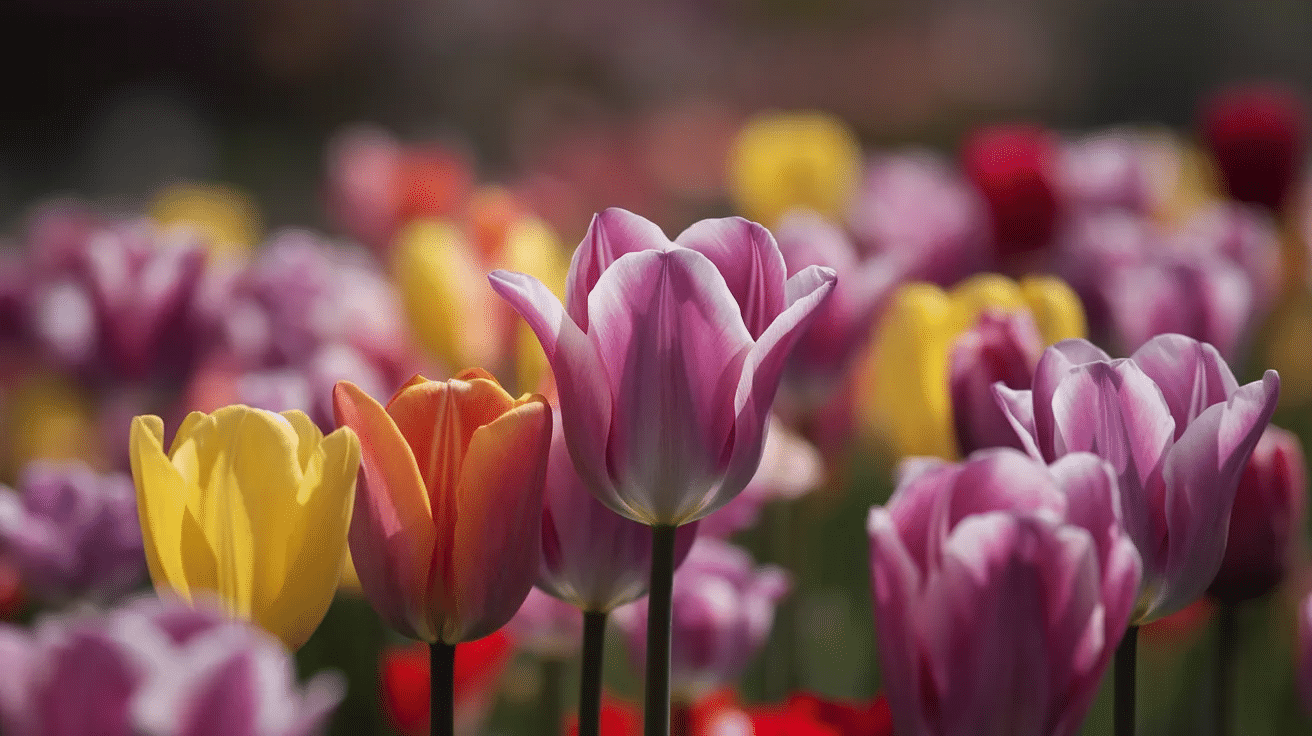
Tulips bring a burst of color after a long winter, but what happens once the petals drop? Many gardeners find themselves unsure.
Will those same tulips rise again next spring, or do they need to start from scratch? It’s a question that often comes up after the blooms fade.
The truth isn’t always clear, and that can make planning tricky. Before deciding what to do, it’s helpful to understand how tulips grow and what they need to thrive.
This guide looks at what really happens after bloom time, and what it means for your garden.
Are Tulips Annuals or Perennials?
Tulips are perennials by nature, which means they can come back every year. But in many places, they act more like annuals, which bloom once and do not return.
Why is that? The problem isn’t the flower, it’s the growing conditions.
Tulips are native to regions with hot, dry summers and cold winters, such as parts of Turkey and Central Asia.
Many home gardens don’t match that climate. So while tulips are perennials by definition, they often don’t return unless the conditions are just right.
Why Some Tulips Don’t Return After Blooming
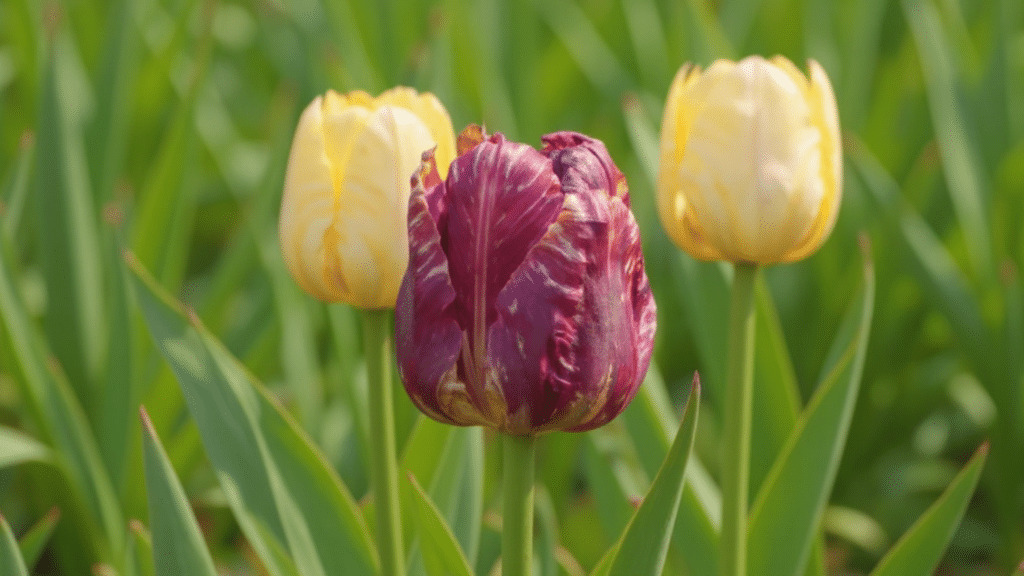
Even though tulips are technically perennials, they don’t always come back year after year. If your tulips didn’t return, one or more of these common issues might be the reason:
1. Warm Winters
Tulips need a long, cold winter to rest and reset. This cold period, called vernalization, signals to the bulb that it’s time to grow again. In warmer climates, winters may not be cold enough, and the bulb may stay dormant or stop growing altogether.
2. Wet or Poor Soil
Tulip bulbs can rot if the soil is too wet, especially in heavy clay soil that doesn’t drain well. Tulips prefer loose, well-drained soil where water doesn’t pool around the bulbs after rain.
3. Lack of Sunlight
Tulips are sun-loving flowers. If planted in areas with too much shade, the leaves can’t collect enough energy. Without this energy, the bulb won’t have the strength to produce flowers the next year.
4. Bulbs Were Dug Up or Damaged
Sometimes tulip bulbs are disturbed during the planting of new flowers or while digging nearby. Wildlife like squirrels, voles, or mice may also dig them up and eat them, especially if bulbs are planted near the surface.
5. Leaves Were Cut Too Soon
Once tulips finish blooming, their leaves should remain in place for 4 to 6 weeks. The leaves soak up sunlight and send energy back to the bulb. Cutting them off too early prevents the bulb from receiving the nutrients it needs to bloom again.
Which Tulips Come Back the Best?

Some types of tulips return more often than others. These are called naturalizing tulips or perennial tulips. They are more likely to survive and bloom each year again.
Good Choices for Returning Tulips:
- Darwin Hybrid Tulips: Strong stems, large blooms, and more likely to return for several years.
- Fosteriana Tulips: Early bloomers that return well.
- Greigii Tulips: Shorter plants but reliable in many gardens.
- Species Tulips (Botanical Tulips): Small and simple, but the most reliable for naturalizing.
If you want tulips that come back, choose these types instead of regular hybrid tulips used for showy displays.
Tulips You May Need to Replant Each Year
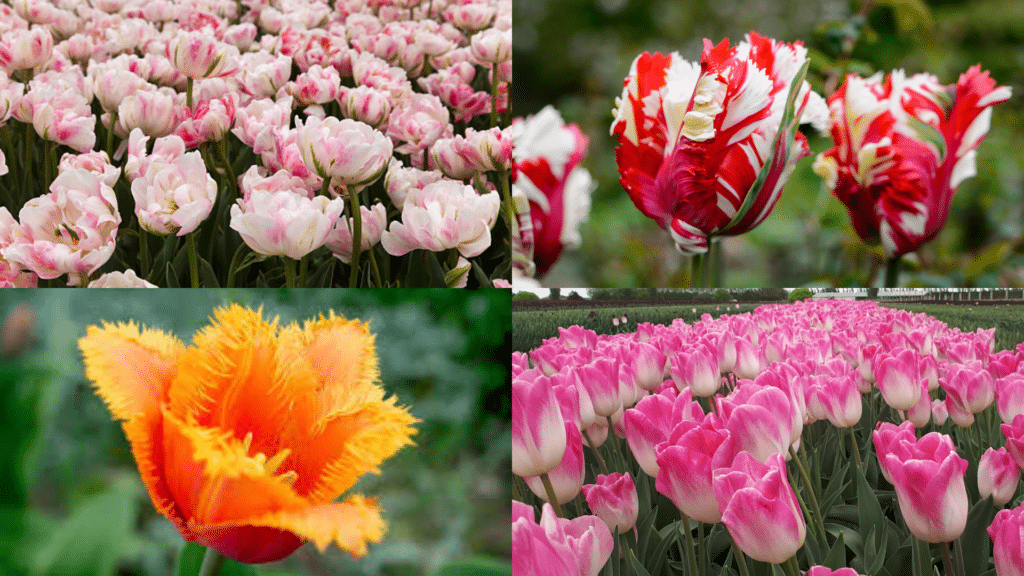
Not all tulips return year after year. Some types are grown mainly for one season of bright color and are treated as annuals, meaning they bloom once and are then removed or replaced the next year. Here’s a look at common tulip types often treated as annuals:
| Tulip Type | Main Features | Do They Come Back? |
|---|---|---|
| Double Tulips | Full, layered petals that look like peonies | Rarely, often treated as annuals |
| Parrot Tulips | Bright colors, frilly edges, and bold shapes | Unlikely to return without ideal care |
| Fringed Tulips | Petals with lace-like edges | Sometimes returns, but not reliably |
| Triumph Tulips | Common in stores, a large variety of colors and forms | Often one-time bloomers |
| Multi-Flowering Tulips | Several blooms on one stem | Usually grown as annuals |
How to Help Tulips Come Back Every Year
Even though not all tulips return, you can improve your chances. Here are some simple tips to help tulips grow back each year.
- Choose the Right Spot: Tulips need full sun and well-drained soil. Choose a spot that gets at least 6 hours of sun each day and doesn’t stay soggy after rain.
- Plant Deep and Wide: Plant bulbs 6 to 8 inches deep. If you live in a warmer climate, plant even deeper. Space bulbs about 4 to 6 inches apart to give them room.
- Don’t Cut Leaves Too Early: After flowers fade, leave the leaves in place for at least 6 weeks. The leaves feed the bulb with sunlight. Once the leaves turn yellow or brown, you can trim them back.
- Don’t Overwater: Tulips don’t like wet feet. Only water them if the soil is very dry. After blooming, it’s okay if the soil dries out.
- Add Bone Meal or Bulb Fertilizer: Feed tulips when planting and again in early spring. Use a simple bulb fertilizer or bone meal to help bulbs stay strong.
- Mulch Lightly: Mulch helps keep the soil from freezing too quickly. Use a light layer of mulch and remove it when tulips begin to sprout in spring.
How Climate Affects Tulips
Tulips don’t behave the same in every region. Your climate zone plays a big role in whether tulips will return year after year or need replanting.
| USDA Zone | Climate Type | What to Expect from Tulips | Tips for Success |
|---|---|---|---|
| Zones 3–5 | Very cold winters | Tulips come back easily for many years | Plant deep, choose perennial varieties |
| Zones 6–7 | Cold to mild winters | Tulips often return for 2–4 years with care | Good drainage and sun help bulbs thrive |
| Zone 8 | Mild winters | Some tulips return, but not always reliably | Use pre-chilled bulbs or replant yearly |
| Zone 9 | Warm winters | Most tulips won’t return without help | Chill bulbs 10–12 weeks before planting |
| Zone 10+ | Hot climates rarely freeze | Tulips won’t survive in the ground after blooming | Treat as annuals or grow in chilled containers |
In short, colder zones give tulips the winter rest they need, while warmer zones require extra care, like chilling bulbs or treating them as annuals.
Should You Replant or Dig Up Tulip Bulbs Each Year?
If you want big, bright blooms every spring, it’s best to plant fresh tulip bulbs each year. This gives the strongest flowers, especially if you live in a warm or rainy area where tulips don’t return well.
But if you don’t mind smaller or fewer blooms over time, you can grow perennial tulip types and let them stay in the ground. These tulips may come back for several years if the soil drains well and the leaves are left alone after blooming.
When Digging Up Tulip Bulbs Can Help
You don’t always need to dig up tulips, but in some cases, it’s a smart move:
- If your soil stays wet and you worry about bulb rot
- If your bulbs are crowded and need space to grow again
- If you’re planting something new in the same spot
After digging them up, store bulbs in a cool, dry place until fall. Use paper bags or cardboard boxes, never plastic. Then, replant them when the weather cools and fall arrives.
Can You Leave Tulips in Pots?
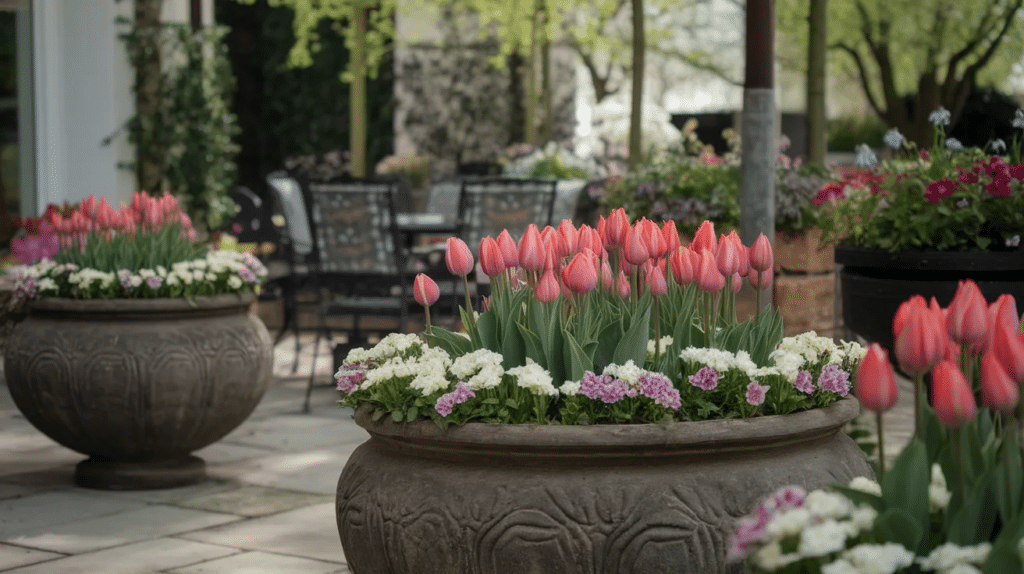
Yes, you can grow tulips in pots. But they are harder to keep coming back.
In pots, the soil can get too warm or too wet. After blooming, most people throw away the bulbs and plant fresh ones next year.
If you want to reuse potted tulip bulbs:
- Let the leaves die back.
- Remove the bulbs from the soil.
- Dry and store them in a paper bag in a cool, dry place.
- Replant in fall.
Common Tulip Growing Problems
Even with the right care, tulips can sometimes have issues. If your flowers didn’t grow as expected, these simple points can help you figure out what went wrong:
- No flowers, only leaves: The bulb didn’t store enough energy last season. This often happens if leaves were cut too early the year before.
- Small or weak blooms: The bulbs may be getting old or too crowded. Tulip bulbs can split over time, and the smaller ones may not bloom.
- Bulbs rotting in the ground: Soil is too wet or poorly drained. This leads to decay, especially in heavy clay or low spots.
- Tulips not returning: Warm winters, too much shade, or cutting leaves too soon can stop bulbs from blooming again.
- Pests eating bulbs: Animals such as squirrels, mice, and voles may dig up and eat bulbs. This often happens in the fall or early spring.
Keeping an eye on these common problems makes it easier to enjoy tulips year after year.
Wrapping Up
Tulips don’t always behave the same in every garden. Some bloom again with little effort, while others fade after one season.
The key is knowing what your tulips need: sunlight, well-drained soil, and time to recharge after blooming. Picking the right tulip type also makes a big difference.
Don’t rush to pull out bulbs that still have life in them. And don’t worry if you prefer starting fresh each fall. Both choices can lead to a beautiful spring.
Want your tulips to grow stronger next season? Follow the care tips in this guide and plant with confidence. Your garden will thank you.