

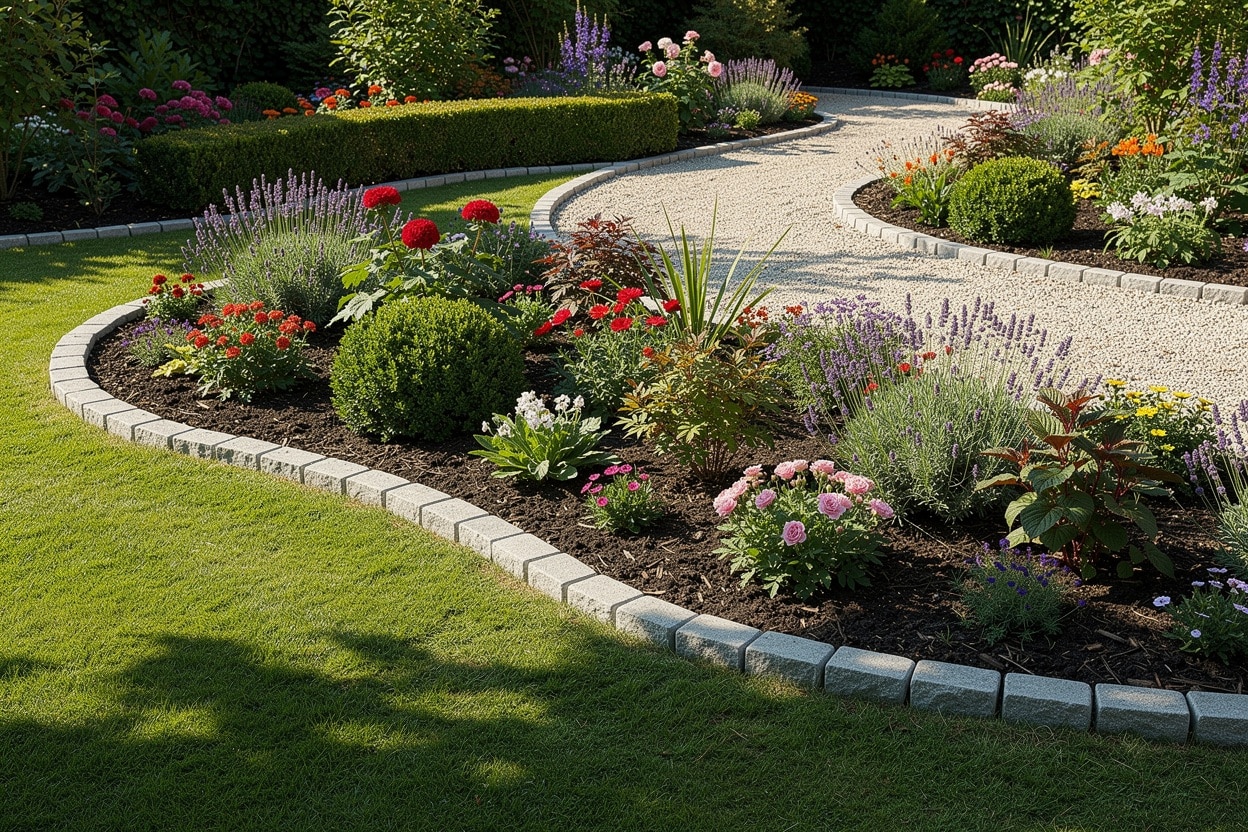
A well-designed outdoor area often comes down to the details. While plants, lawns, and paving usually get the most attention, the way different elements are separated plays a major role in how tidy and functional a garden feels. Clear boundaries help outdoor spaces look intentional rather than overgrown, especially as gardens mature over time.
Many homeowners use garden edging to create clean lines between lawns, garden beds, pathways, and hardscaped areas. By defining these spaces clearly, edging supports both the visual appeal and long-term maintenance of a garden, making it easier to manage and enjoy year-round.
Creating Structure in Garden Design
Garden edging provides structure by clearly separating different areas of the landscape. Without defined borders, grass can creep into garden beds, mulch can spread onto lawns, and pathways may lose their shape. Over time, this lack of definition can make even well-planted gardens appear messy.
By introducing edging, each section of the garden maintains its intended purpose. Garden beds stay contained, lawns grow where they should, and overall layout remains visually balanced. This structure is especially valuable in modern garden designs where clean lines and contrast are key features.
Reducing Ongoing Maintenance
One of the most practical benefits of garden edging is reduced maintenance. When garden beds are clearly separated from lawns, there is less need for constant trimming and reshaping.
Edging helps prevent grass roots from spreading into planted areas, which reduces weeding and keeps garden beds healthier.
Moreover, mulch and soil are also better contained, meaning less material is washed away during rain or displaced during regular garden use. Over time, this containment saves both time and effort, making gardens easier to maintain without frequent touch-ups.
Enhancing Visual Appeal
A defined edge creates a strong visual contrast between different elements of the garden. Whether separating soft planting from hard surfaces or framing garden beds against lawns, edging adds a sense of polish and intentional design.
This visual clarity helps highlight plants and landscaping features rather than letting them blend into surrounding areas. Clean edges draw the eye and make outdoor spaces feel more organised, which can significantly enhance overall curb appeal.
Supporting Plant Health and Growth
Edging doesn’t just improve appearance, it can also support plant health. By keeping grass and invasive roots out of garden beds, plants have better access to nutrients and water. This separation reduces competition and helps plants establish more effectively.
Furthermore, In raised or structured beds, edging can also assist with soil retention, preventing erosion and maintaining consistent growing conditions. Healthier soil leads to stronger plant growth and more resilient gardens.
Flexibility for Different Garden Styles
Garden edging is highly adaptable and suits a wide range of outdoor styles. From modern landscapes with sharp lines to more natural garden designs, edging can be tailored to complement the overall aesthetic.
It can be used subtly to guide movement through a garden or more prominently to create strong geometric shapes. This flexibility allows homeowners to evolve their garden layout over time without needing major structural changes.
Long-Term Value for Outdoor Spaces
Well-defined gardens tend to age better than those without clear boundaries. As plants grow and seasons change, edging helps maintain order and prevent gradual encroachment between different areas.
This long-term consistency not only makes gardens easier to care for but also adds value to the property. Outdoor spaces that look well-maintained and thoughtfully designed are more inviting and functional for everyday use.
Bringing Everything Together
Garden edging plays a quiet but important role in shaping outdoor spaces. By defining boundaries, reducing maintenance, and enhancing visual structure, it supports both the beauty and practicality of a garden.
With thoughtful planning and quality materials, edging helps outdoor areas remain tidy, functional, and visually appealing over time. It’s a simple addition that makes a lasting difference to how a garden looks and feels.