

Some rooms you move through automatically, while others gently persuade you to linger without you quite realizing why. The difference is rarely about size or expensive décor. It is about how a space supports comfort, conversation, and activity. When a room feels easy to exist in, time stretches naturally.
Below are spaces that consistently keep people around and the subtle details that make them work.
1. A Living Room Arranged for People, Not Just Screens
Living rooms often center around a television, which encourages watching rather than interacting. When seating faces inward instead, the dynamic changes immediately. Chairs angled toward each other, a reachable table for drinks, and softer lighting all signal that conversation belongs here. The room feels less like a waiting area and more like a gathering place, so people settle in rather than drift away.
2. A Kitchen Designed for More Than One Person
Welcoming kitchens rarely isolate the cook. A clear section of counter space, stools nearby, and tools within reach allow others to join without getting in the way. Instead of observing, guests naturally participate, whether chopping vegetables or simply keeping company.
Small practical details reinforce this sense of ease. Keeping everyday cooking items close at hand removes hesitation and makes helping feel natural. Many households even keep dedicated preparation clothing ready, often sourced from https://www.aprons.com/, so stepping into the activity takes no effort at all. The moment a kitchen becomes shared rather than performed, people stop leaving it.
3. A Dining Area That Allows Meals to Continue
Dining spaces that feel rushed tend to empty quickly. Comfortable seating height, warm lighting, and enough room around the table encourage conversation to continue after eating. When clearing is not immediate and drinks remain nearby, people relax and stay seated longer without planning to.
4. A Window Spot That Invites Pause
A simple chair placed beside natural light changes how a room is used. People instinctively pause there to read, think, or simply watch outside. Adding a small surface for a mug or book turns the area from decorative into purposeful, giving the room a quiet anchor point.
5. A Bedroom That Prioritizes Calm
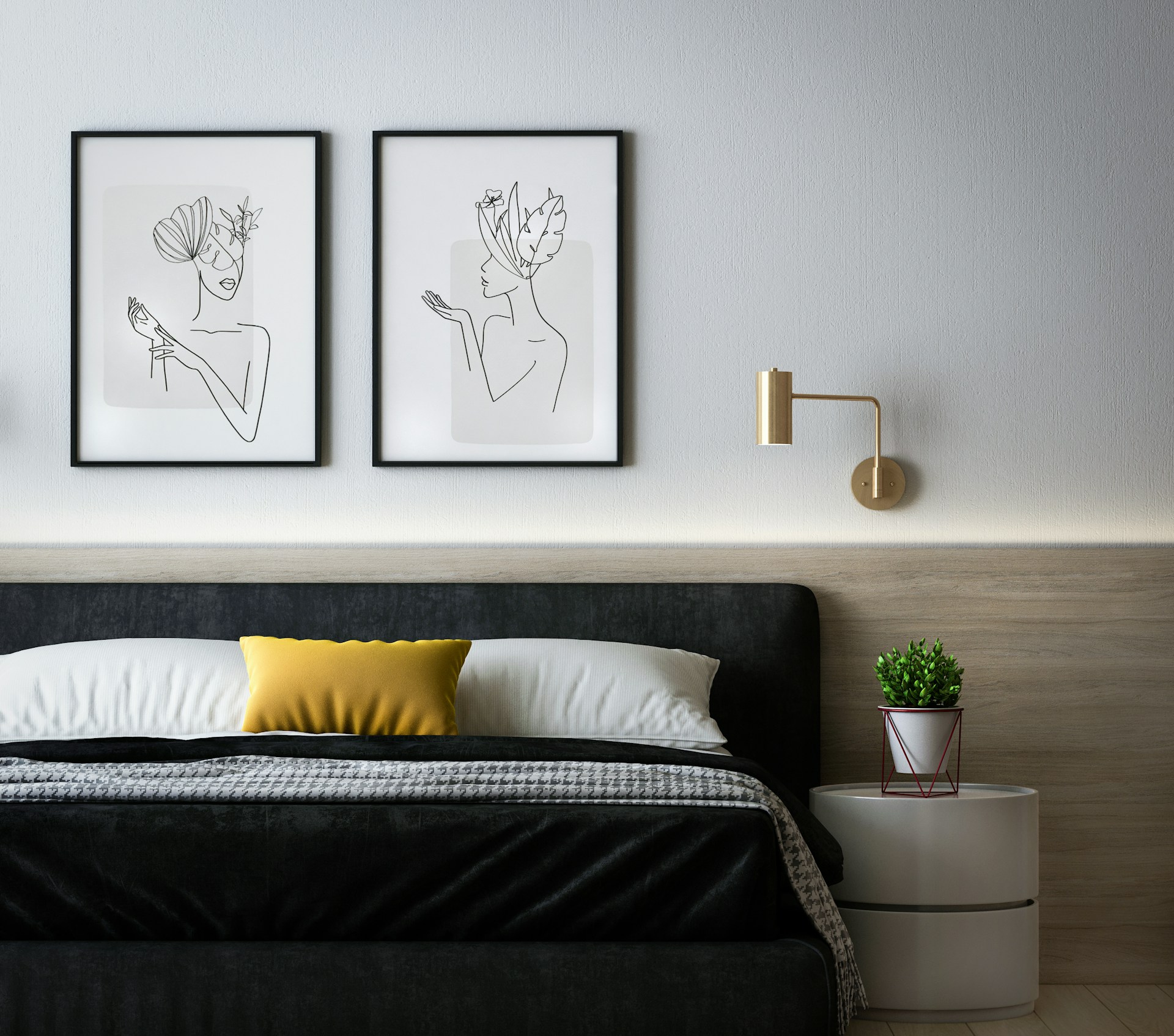
Bedrooms filled with storage or visual clutter subtly encourage people to leave them. When surfaces remain clear and lighting is gentle, the atmosphere slows the mind. Soft textures and open space signal rest rather than activity, making it easier to remain without distraction.
6. An Entryway That Acknowledges Arrival
Instead of acting as a corridor, an entryway with a place to sit, put down bags, and pause briefly marks a transition into the home. Guests instinctively slow down, and residents feel a sense of arrival rather than simply stepping indoors.
7. An Outdoor Space With Protection From the Elements
Even a small sheltered outdoor area dramatically increases how long people stay outside. Shade, warmth, or cover removes urgency, allowing conversation to continue comfortably. Add seating and a flat surface, and the space becomes usable rather than occasional.
8. A Workspace That Stays Connected
A work area positioned with some visual connection to the home helps maintain focus without isolation. Natural light, a comfortable chair, and minimal clutter prevent the desire to escape the room as soon as tasks are done.
Rooms that encourage people to stay longer do not rely on decoration alone. They remove small inconveniences and support natural behavior. When a space feels cooperative rather than demanding, leaving becomes a choice instead of a relief.