

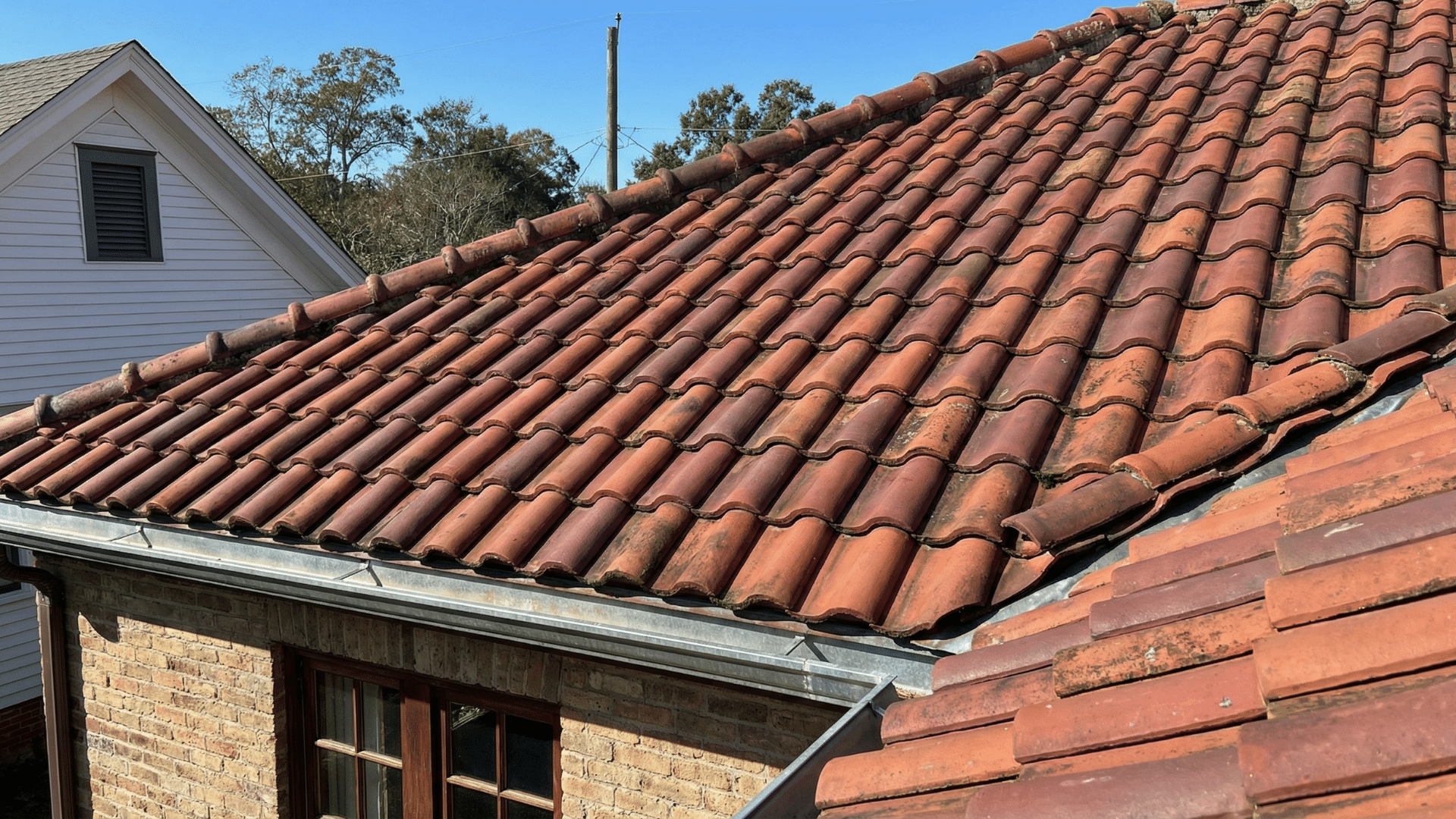
A roof does more than sit on top of a house. It shields the structure from rain, wind, heat, and snow throughout the year. It also contributes to energy efficiency and overall structural stability.
From the outside, a roof may look simple, but it is built as a layered system designed to handle constant exposure to the elements.
Each section has a specific purpose and must work together for lasting performance. When one part fails, it can affect the entire structure.
A clear understanding of its structure makes it easier to recognize problems and make informed decisions about maintenance and repairs.
Roof Structure at a Glance
Before examining individual components, it is important to see how a roof is organized. A residential roof is built in layers. At the base is the structural framing that gives the roof its shape and strength.
Attached to that framing is the roof deck, which creates a solid surface. Over the deck sits underlayment, followed by the outer roofing material.
Around and through these layers are flashing pieces, ventilation systems, and drainage components that control water and airflow.
Each layer has a clear purpose. Together, they form a continuous system designed to support weight, shed water, prevent leaks, and protect the home for decades.
The Main Structural Parts of a Roof
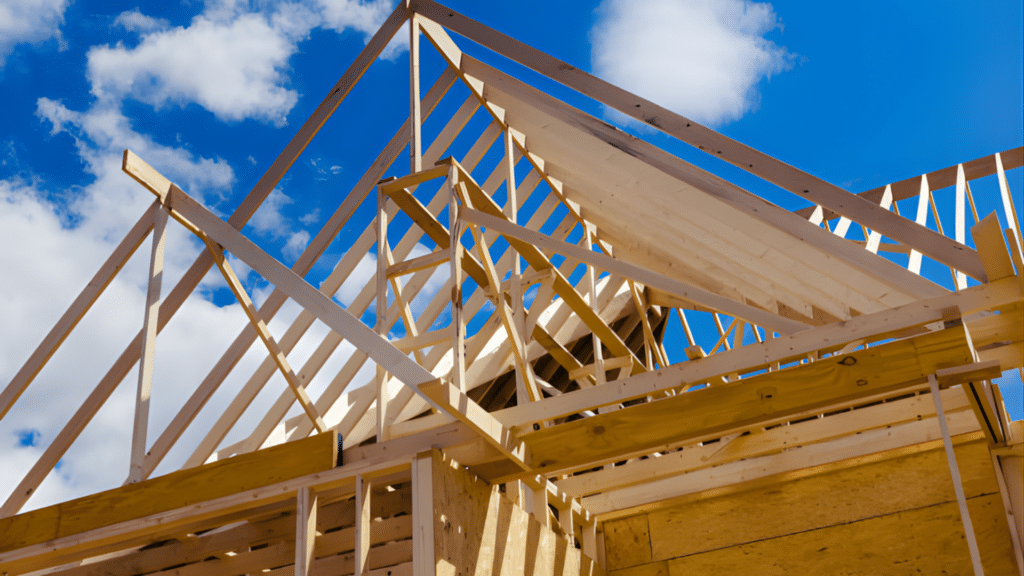
Every roof begins with a structural framework designed to support weight and maintain stability over time. These components carry the load of the roofing materials, resist environmental pressure, and transfer forces safely to the walls of the home.
| Structural Component | Description | Primary Function | Why It Matters |
|---|---|---|---|
| Rafters | Sloped wooden beams that extend from the ridge down to the exterior walls. | Define roof pitch, support decking, and roofing materials. | Proper spacing and thickness determine load capacity. Weak or shifting rafters can cause sagging and structural instability. |
| Trusses | Pre-engineered triangular framing units are installed as complete sections. | Distribute loads evenly across the structure. | Provide consistent strength and faster installation. Altering trusses can compromise structural safety. |
| Ridge Board / Ridge Beam | Horizontal member located at the highest point of the roof. | Connects rafters and maintains roof alignment. | In some designs, carries structural loads. Keeps framing properly aligned and stable. |
Core Functional Components of Roof Anatomy
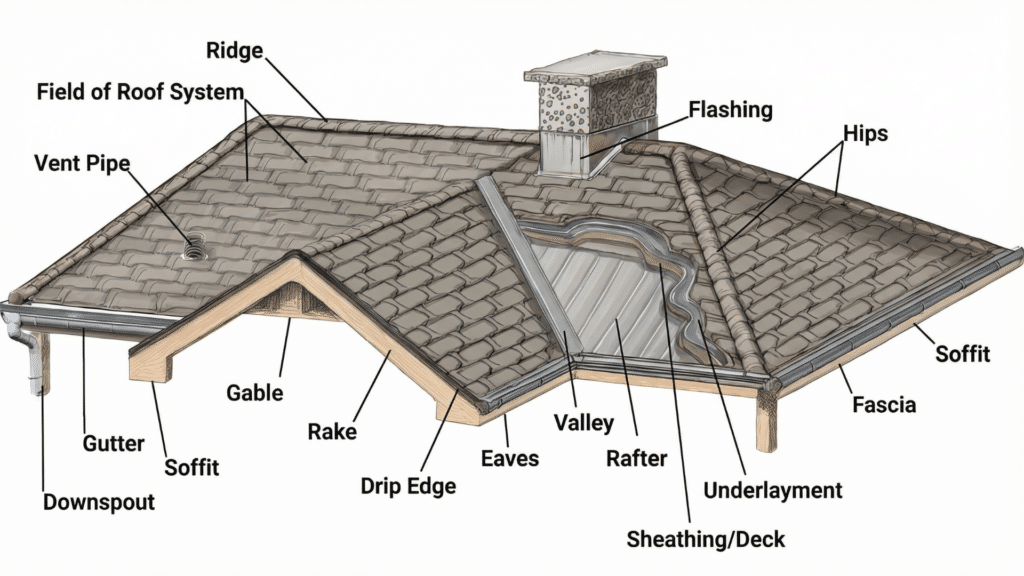
Once the structural frame is in place, the remaining layers and systems complete the roofing assembly. These components protect against moisture, manage drainage, control airflow, and reinforce long-term durability.
1. Roof Decking: The Structural Base Layer
Roof decking, also known as sheathing, is installed directly on top of rafters or trusses. It forms a flat, continuous surface that supports every roofing layer above it.
Common Decking Materials
- Plywood
- Oriented strand board (OSB)
Both materials are engineered for strength while remaining relatively lightweight. When properly fastened and spaced, they provide a stable platform for the entire roofing system.
Why Decking is Critical
The roof deck anchors nails and fasteners that secure underlayment and shingles. It also distributes loads evenly across the framing system.
If moisture penetrates and remains trapped, the decking can swell, weaken, or rot. Because every upper layer depends on it, damaged decking often leads to widespread failure within the roof anatomy.
2. Underlayment: The Secondary Moisture Barrier
Underlayment is installed over the decking and beneath the outer roofing material. It acts as a backup barrier against water intrusion.
Types of Underlayment
- Asphalt-saturated felt
- Synthetic underlayment
- Rubberized asphalt membranes
Synthetic materials are widely used today because they resist tearing and withstand exposure better than traditional felt. Rubberized membranes are often installed in high-risk areas such as valleys and eaves.
Why Underlayment Matters
Shingles are designed to shed water, not create a watertight seal. Wind-driven rain or ice dams can allow moisture to move beneath the surface. Underlayment protects the decking when that occurs, preventing structural damage.
3. The Outer Roofing Material: Primary Weather Protection
The outer roofing material is the first line of defense against rain, snow, sunlight, and wind.
Common Roofing Materials
- Asphalt shingles
- Metal panels
- Clay or concrete tiles
- Wood shakes
Each material differs in weight, durability, cost, and maintenance requirements. Asphalt shingles are the most common in residential construction. Metal offers an extended lifespan. Tiles provide strong heat resistance but require reinforced framing.
Performance Role
The outer surface sheds water downward and shields underlying layers from direct weather exposure. However, it depends entirely on the structural and moisture barriers beneath it to function properly.
4. Flashing: Protecting Roof Transitions
Flashing consists of thin metal pieces installed at joints and transitions where leaks are most likely.
Common Flashing Locations
- Around chimneys
- Around skylights
- Around plumbing vents
- At roof-to-wall intersections
- Along valleys and edges
Why Flashing is Critical
Water rarely enters through the middle of a shingle field. It typically penetrates at seams and openings. Flashing redirects water away from these vulnerable points.
Improperly installed flashing is one of the leading causes of roof leaks. In roof anatomy, flashing quietly performs one of the most important protective functions.
5. Roof Valleys: High-Flow Water Channels
A roof valley forms where two sloped sections intersect. These areas handle concentrated rainwater flow during storms.
Structural Importance
Because valleys manage heavy water movement, they require reinforced underlayment and properly layered flashing. Any weakness in this area increases leak risk significantly.
Valleys are among the most common failure points in a roofing system due to their constant exposure to runoff.
6. Eaves, Fascia, and Soffits
The lower edge of the roof includes several components that support both drainage and ventilation.
- Eaves: Eaves extend beyond the exterior walls and help direct rainwater away from the siding.
- Fascia: The fascia board runs along the roof edge and supports the gutter system.
- Soffit: The soffit sits beneath the eaves and often contains ventilation openings that allow air into the attic.
Together, these elements protect roof edges while contributing to airflow control within the roof anatomy.
7. Gutters and Downspouts: Managing Water Drainage
Gutters collect rainwater from the roof surface and direct it toward downspouts. Downspouts then carry water away from the home’s foundation.
Why Drainage Matters
Without effective drainage, water can pool near the base of the structure. This can lead to soil erosion, foundation cracking, and basement moisture issues.
Although separate from the roofing surface itself, gutters directly influence the long-term performance of the roofing system.
8. Roof Ventilation: Controlling Heat and Moisture
Ventilation regulates attic temperature and moisture levels, both of which affect roof longevity.
Intake and Exhaust System
- Intake vents (often located at soffits) allow cool air to enter.
- Exhaust vents or ridge vents allow warm air to escape.
Why Ventilation is Essential
Without airflow, heat can build up in summer and degrade shingles prematurely. In winter, trapped moisture can cause condensation, mold growth, and wood rot. Proper ventilation keeps internal roof components dry and stable.
9. Roof Penetrations: Chimneys, Vents, and Skylights
Any object that passes through the roof surface creates a potential weak point.
Common Penetrations
- Chimneys
- Plumbing vents
- Skylights
- Exhaust outlets
Each penetration must be sealed with flashing and waterproof membranes. Improper sealing often leads to slow leaks that damage decking and insulation over time.
10. Roof Pitch and Design Considerations
Roof pitch refers to the steepness of the slope. It influences water runoff speed, structural load requirements, and material selection.
- Steep-Slope Roofs: Steeper designs shed water and snow more efficiently and typically use shingles, metal, or tile.
- Low-Slope Roofs: Low-slope roofs require specialized waterproof membranes because water drains more slowly.
Pitch directly impacts how the roof anatomy performs in different climates and weather conditions.
How All Components Work Together
Roof anatomy functions as a connected system rather than a series of separate parts. The structural framing supports the roof deck, which provides a stable surface for underlayment and outer roofing materials.
The outer layer sheds water, while the underlayment acts as a backup barrier against moisture. Flashing seals joints and transitions where leaks are most likely to occur.
Valleys channel heavy rain safely downward, and gutters move that water away from the foundation.
At the same time, ventilation and insulation regulate heat and moisture inside the attic. When each component performs its role correctly, the entire roofing system remains strong, dry, and durable.
To Conclude
A roof safeguards far more than the interior of a home. It preserves structural integrity, supports energy efficiency, and contributes to long-term property value.
Its performance depends on how well each layer is designed, installed, and maintained over time. When problems develop, they often begin quietly and expand beneath the surface.
Understanding roof anatomy provides clarity and confidence when evaluating repairs or planning upgrades. It helps homeowners identify risks early and address them before costs escalate.
Consistent maintenance remains essential for durability. If your roof has not been inspected recently, consider scheduling a professional evaluation to ensure lasting performance.