

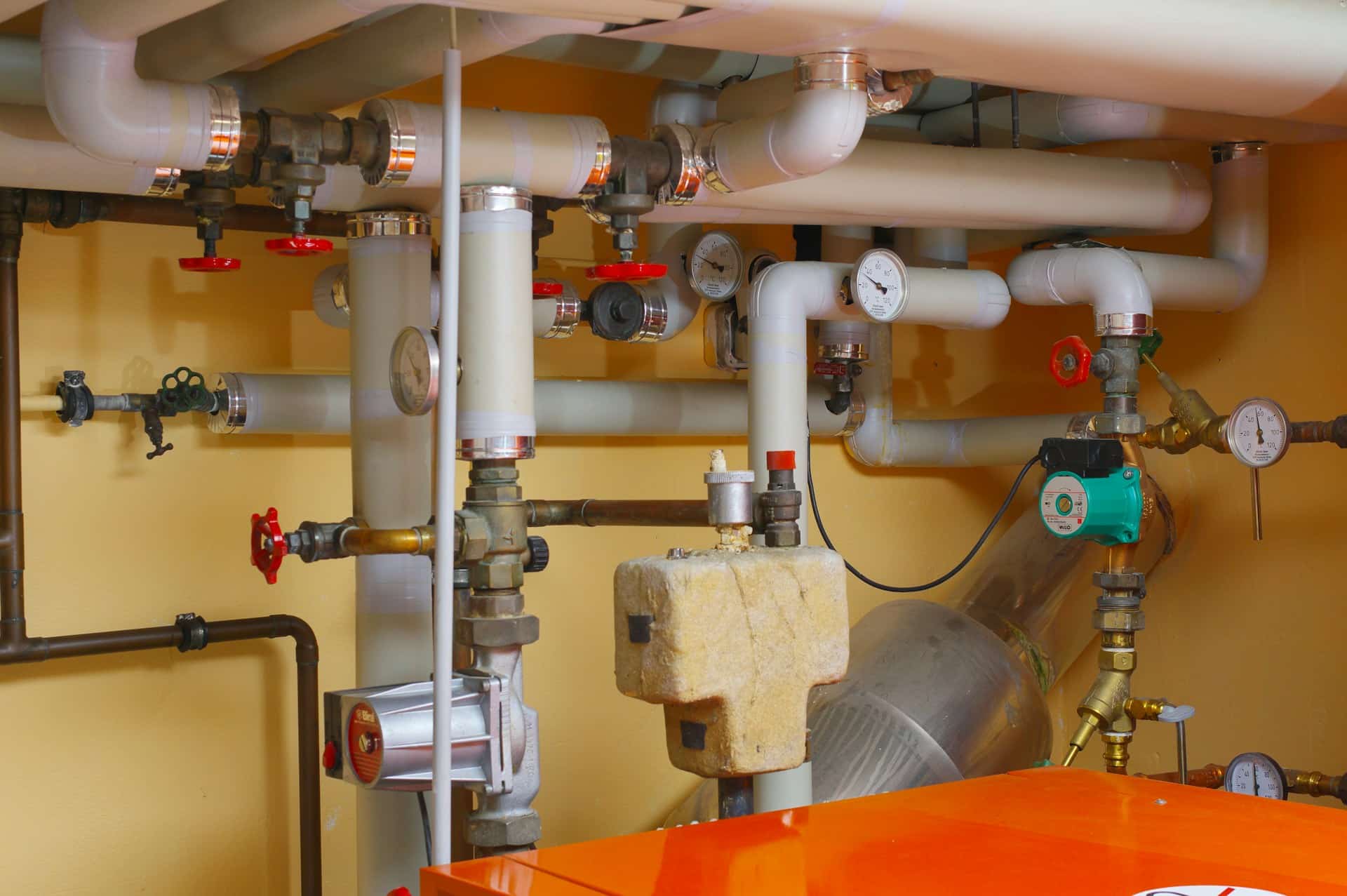
Unnoticed leaks and inefficiencies in a home’s plumbing system can lead to a slow hemorrhage of resources and money. On average, a household’s leaks can account for more than 10,000 gallons of wasted water yearly, an amount sufficient to wash 270 laundry loads. By addressing these hidden inefficiencies, homeowners can avoid needless costs and contribute to environmental sustainability.
Effective plumbing maintenance can significantly enhance a home’s efficiency, reducing utility bills, and extending the longevity of the plumbing infrastructure. In this article, we’ll explore the transformative impact that regular plumbing maintenance can have on the overall efficiency and functionality of your home.
Plumbing Philadelphia Regular Plumbing Maintenance: A Catalyst for Enhanced Home Efficiency
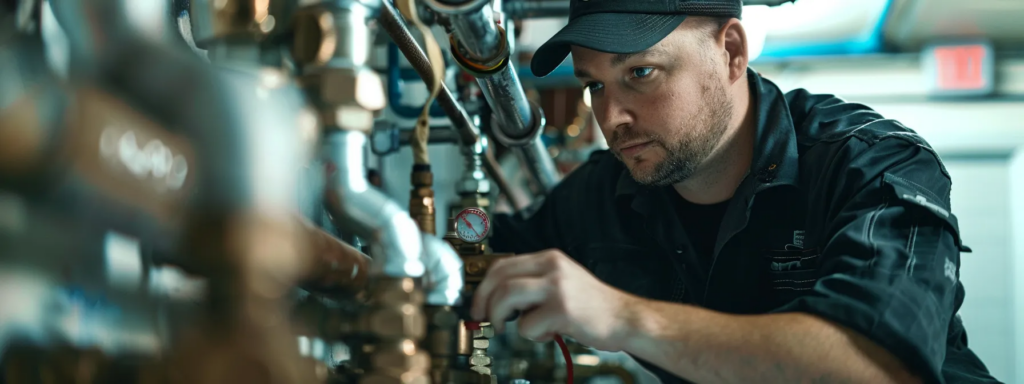

Annual plumbing inspections and maintenance are not just about preventing disasters; they are also vital for maintaining optimal home efficiency. Through routine checks, homeowners ensure their plumbing systems perform smoothly, preventing minor issues from escalating into costly repairs.
Apart from spotting immediate problems, such maintenance provides an opportunity to update fixtures to more water-efficient models, which can slash water usage by up to 20%. As eco-friendly products continue to advance, adopting these options becomes an increasingly accessible way to both conserve water and lower monthly expenses.
To fully capture the benefits, enlist a licensed plumber to conduct comprehensive evaluations and suggest any necessary upgrades. A professional can also present a maintenance schedule tailored to your home’s unique needs, allowing you to stay ahead of potential issues.
Detecting and Fixing Leaks: A Proactive Approach to Water Conservation
One of the primary components of regular plumbing maintenance is the detection and repair of leaks, which, if left unchecked, can escalate water waste dramatically. A single dripping faucet can waste over 3,000 gallons per year, while a running toilet can waste up to 200 gallons of water daily.
Diligent leak detection not only preserves this precious resource but also prevents water damage to your home’s foundation and structure. A damp environment is also a breeding ground for mold and mildew, which can compromise indoor air quality and pose health risks.
Homeowners should routinely check for signs of leaks, such as unusual spikes in water bills, musty smells, or damp spots on walls and floors. For a more systematic approach, consider utilizing smart home technology such as intelligent leak detectors, which can alert you to even the smallest of leaks before they become significant issues.
The Impact of Well-Maintained Pipes on Water Pressure and Quality
A well-maintained plumbing system is crucial for maintaining steady water pressure and ensuring the delivery of clean water throughout the home. Corroded or clogged pipes can lead to low water pressure, making daily tasks such as showering or washing dishes frustrating and less efficient.
Clean pipes free of buildup also reduce the risk of contamination, safeguarding the quality of your home’s drinking water. Toxic materials like lead can leach into water from old, deteriorating pipes, posing serious health risks. Periodic pipe maintenance and cleaning are thus critical for both health and comfort.
Proactive measures like descaling, flushing, and replacing outdated components will enhance water flow and quality. To ensure your water supply remains unadulterated and robust, engage with plumbing professionals who can assess the condition of your pipes and recommend appropriate interventions.
Energy Savings and Appliance Longevity Through Timely Plumbing Upkeep

Regular plumbing maintenance is instrumental in optimizing energy efficiency and extending the lifespan of home appliances. For example, water heaters are more efficient when free of sediment buildup, which otherwise forces them to work harder and consume more energy to maintain water temperature.
Similarly, appliances like dishwashers and washing machines rely on a well-functioning plumbing system to operate effectively. Preventive maintenance can help identify potential malfunctions before they lead to more extensive damage or inefficiency, thereby averting the higher costs associated with replacing major appliances.
It’s beneficial for homeowners to adopt a proactive stance towards plumbing maintenance, such as annually draining the water heater and inspecting appliance hoses for signs of wear. These simple steps can yield significant savings on energy bills and prolong appliance durability, ultimately contributing to a home that’s both efficient and cost-effective.
Ultimately, the practice of diligent plumbing maintenance is a critical aspect of responsible homeownership. Through consistent upkeep, careful monitoring, and timely repairs, you not only ensure the efficient functioning of your home’s plumbing system but also contribute to broader water conservation efforts and energy savings. Embracing regular plumbing maintenance leads to a more sustainable and cost-effective household, making it an investment that truly pays off in the long term.