

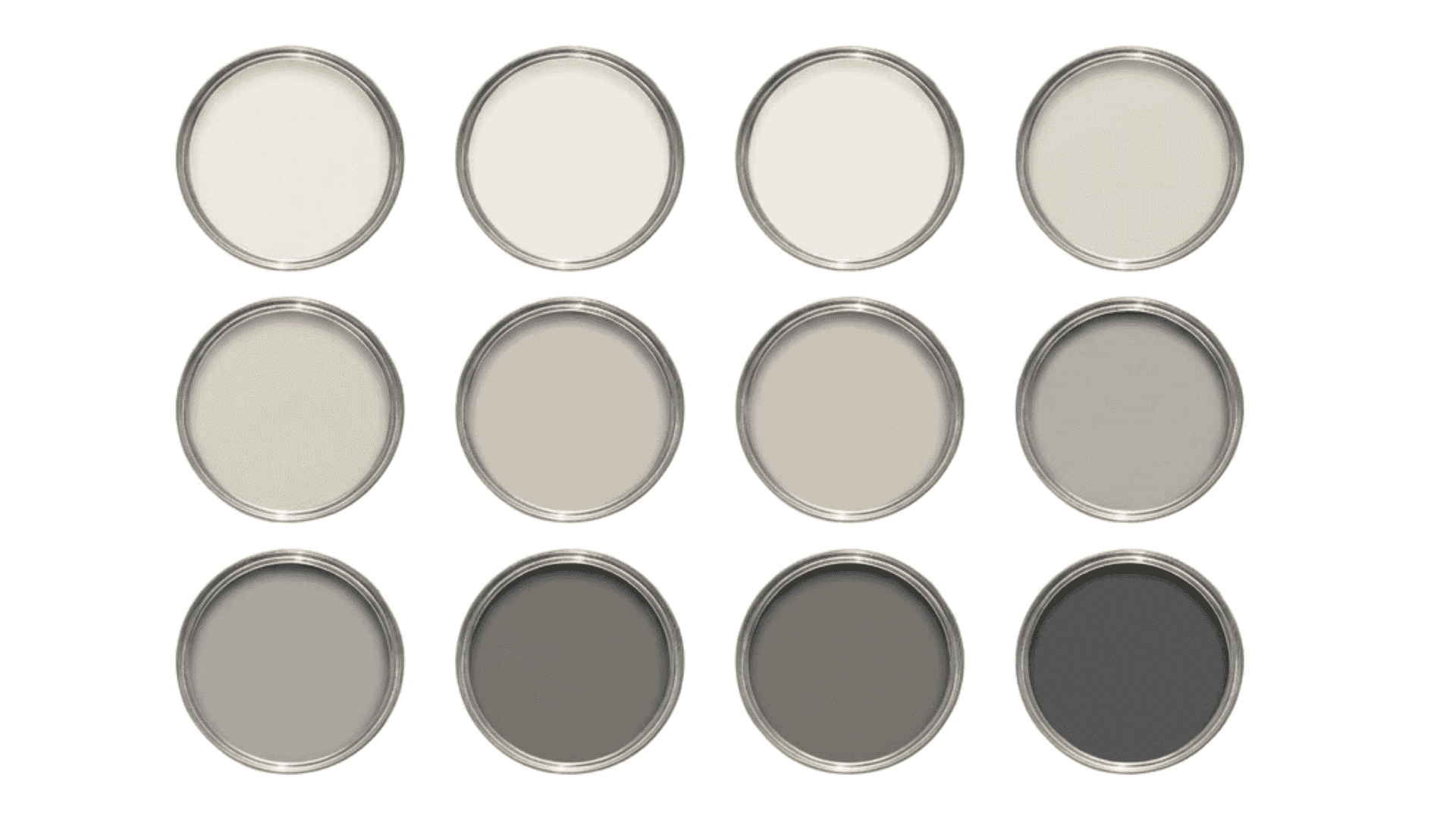
Choosing a paint color can often feel overwhelming, especially when it comes to gray. It’s a popular choice, but finding the right shade can be tricky.
I’ve realized that some grays can look cold or dull on the wall, which can easily make the room feel off.
That’s when I found warm gray shades, and honestly, they’ve been a game-changer. They bring a soft, welcoming vibe without being too stark, and they seem to blend with almost any style or space.
For me, Sherwin-Williams and Benjamin-Moore always have shades that just work.
I’ve used warm gray in living rooms, kitchens, and even hallways, and each one adds a cozy yet balanced feel to the room. The best part is that there’s a perfect warm gray for any space; you just need to find the right tone.
Once you consider lighting, undertones, and the size of your space, choosing the right warm gray becomes much simpler.
Trust me, the effort is totally worth it when you see how a great color can transform your space.
What Makes Warm Gray Different from Cool Gray
Both colors may look very similar when you first see them on a paint card. However, the undertones inside the paint create a noticeable difference once the color is on the wall.
| Feature | Warm Gray | Cool Gray |
|---|---|---|
| Undertones | Contains beige, brown, or yellow undertones that soften the gray | Contains blue, green, or purple undertones |
| Overall Feel | Feels softer and more comfortable in a room | Feels crisp and modern |
| Best Lighting | Works well with warm lighting and natural wood tones | Works better in bright spaces with cool lighting |
| Room Style | Fits traditional, cozy, and neutral interiors | Often used in modern or minimalist spaces |
| Visual Effect | Makes rooms feel warmer and more relaxed | Can make rooms feel sharper and cooler |
| Common Use | Living rooms, bedrooms, and family spaces | Offices, modern kitchens, and sleek interiors |
Best Warm Gray Paint Colors from Sherwin-Williams
Sherwin-Williams offers many shades of gray, but some stand out because they work well in a range of homes. These warm gray options are often chosen for their balance, versatility, and easy pairing with other colors.
1. Agreeable Gray (SW 7029)

Agreeable Gray is one of the most well-known warm gray paint colors from Sherwin-Williams. It blends gray with soft beige undertones, giving the color a balanced, comfortable look on walls.
Many homeowners choose this shade because it works well in many rooms. It pairs easily with white trim, wood flooring, and neutral furniture. The color also adjusts nicely to different lighting conditions.
In bright spaces, it looks light and soft, while in lower light, it shows more warmth without feeling too dark.
2. Repose Gray (SW 7015)

Repose Gray is a light, warm gray shade that offers a calm and balanced look for interior walls. It has subtle undertones that can shift slightly depending on the lighting in the room.
In bright natural light, the color often appears soft and airy. In spaces with less light, it can look a bit deeper while still keeping its warmth. This shade works well in bedrooms, living rooms, and hallways.
It also pairs nicely with white trim, light wood floors, and simple neutral décor, making it a flexible choice for many homes.
3. Mindful Gray (SW 7016)

Mindful Gray is a medium warm gray that adds a bit more depth to a room without making the space feel heavy. It has gentle brown undertones that help the color stay warm and balanced.
This shade works well in rooms that need a stronger neutral than lighter grays. Many people use it in dining rooms, living areas, and home offices. It pairs nicely with white trim, warm wood floors, and simple décor.
The color also holds up well in different lighting, maintaining a steady, natural gray appearance.
4. Worldly Gray (SW 7043)

Worldly Gray is a soft, warm gray that leans slightly toward beige. This balance gives the color a relaxed and natural look on the walls.
It is a good option for homeowners who want a gray shade that does not feel too cool. The tone works well with warm lighting, wood furniture, and neutral décor.
Many people choose this color for living rooms, family rooms, and open layouts. It blends smoothly with other neutral colors and creates a comfortable, steady background for everyday spaces.
5. Colonnade Gray (SW 7641)
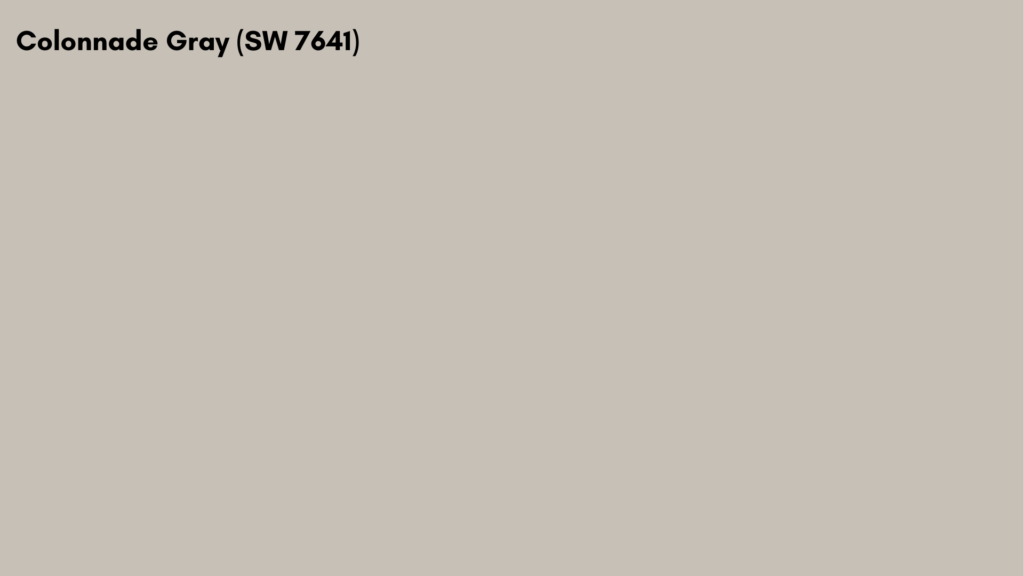
Colonnade Gray is a deeper warm gray that brings a bit more presence to a room. It blends gray with soft beige undertones, which keeps the color warm and balanced.
This shade works well in larger spaces where a stronger neutral color is needed. Many homeowners use it in entryways, dining rooms, and kitchens.
It pairs nicely with white cabinets, natural wood tones, and simple décor. The color stays consistent across different lighting conditions and gives walls a clean, grounded look without feeling too dark or heavy.
Best Warm Gray Paint Colors from Benjamin Moore
Benjamin Moore offers many warm gray shades that work well in different home styles. These colors stay balanced in different lighting and pair easily with common interior materials.
1. Revere Pewter (HC-172)

Revere Pewter is one of the most well-known warm gray shades from Benjamin Moore. The color blends gray with soft beige undertones, giving it a warm, balanced appearance.
Many homeowners choose it because it works well in both modern and traditional spaces. It pairs easily with white trim, wood flooring, and neutral furniture.
The shade also responds well to changing light. In bright rooms, it looks lighter, while in lower light, it appears slightly deeper but still keeps its warm gray tone.
2. Edgecomb Gray (HC-173)

Edgecomb Gray is a light, warm gray that leans slightly toward beige. This combination creates a calm and comfortable look on the walls without making the space feel too dark.
Many people choose this shade for living rooms, bedrooms, and hallways because it blends well with different décor styles. It works nicely with light wood floors, white trim, and neutral fabrics.
The color also performs well in different lighting. In natural daylight, it appears soft and bright, while indoor lighting highlights its gentle warmth.
3. Balboa Mist (OC-27)

Balboa Mist is a soft, warm gray that falls between light gray and a gentle greige. The color feels light and clean without looking too cold on the wall.
Because of its balanced undertones, it works well in many areas of the home. Many homeowners use it in bedrooms, bathrooms, and smaller rooms where a softer neutral color is needed.
It pairs easily with white trim, light flooring, and simple décor. The shade can also shift slightly with lighting, which adds depth to the color.
4. Classic Gray (OC-23)

Classic Gray is a very light warm gray that sometimes appears close to an off-white shade. This makes it a good choice for rooms where a bright and soft wall color is preferred.
The shade reflects light well, which helps smaller rooms feel more open. Many homeowners use Classic Gray in bedrooms, hallways, and open living areas. It pairs nicely with white trim and light wood finishes.
The color remains subtle on the wall, creating a calm background for furniture and décor.
5. Collingwood (OC-28)

Collingwood is a balanced warm gray that sits between light and medium tones. It has soft undertones that help the color remain neutral in different lighting conditions.
Many homeowners choose this shade because it does not lean too warm or too cool. It works well in living rooms, dining rooms, and home offices.
The color pairs easily with wood furniture, white trim, and neutral décor. Even as daylight changes, Collingwood maintains a steady gray tone that looks smooth and natural on walls.
Tips for Choosing the Right Warm Gray Shade
Choosing the right warm gray paint can feel tricky because many shades look similar at first. A few simple checks can help narrow down the options and make the decision easier.
- Check the undertones: Warm gray shades often include hints of beige, brown, or yellow. Looking at the undertone helps you avoid a color that appears too cool or dull once it is on the wall.
- Test paint samples on the wall: Small paint samples help you see how the color actually looks in your room. Paint chips can look different from the final color once it covers a larger area.
- Look at the color at different times of day: Natural light changes during the day, which can affect how the paint appears. Checking the color in the morning, afternoon, and evening gives a clearer idea.
- Match with furniture and flooring: The paint should work well with your floors, cabinets, and furniture so the whole room feels balanced.
- Start with lighter shades: Warm gray tones are easier to match with most spaces and often make rooms feel more open and bright.
How Lighting Affects Warm Gray Paint Colors
Lighting plays a big role in how warm gray paint colors look on the wall. The same shade can appear different during the day and at night. Natural light, room orientation, and artificial bulbs all affect how the color appears.
Natural daylight usually shows the most accurate version of the paint color. In rooms with strong sunlight, warm gray may appear slightly lighter.
In spaces with limited daylight, the same color may appear deeper or a bit muted.
The direction of the room also matters. North-facing rooms often have cooler light, which can make warm gray look darker. South-facing rooms get stronger light, so the color may appear warmer and more open.
Artificial lighting also changes how the paint looks. Warm bulbs can make warm gray feel richer, while cooler white lights may reduce some of the warmth in the color.
Final Thoughts
Choosing the right paint color can make a world of difference. For me, warm gray shades have been a go-to because they create such a comfortable vibe, no matter the room.
They’re not too cool, not too beige, and they seem to work with just about anything in the space. Sherwin-Williams and Benjamin Moore are brands I’ve turned to for reliable options.
When I pick a paint color, I always take the time to consider the lighting, undertones, and how everything else in the room flows together.
I also recommend testing samples on your wall before you commit, so you can see the color in the actual light of your room.
At the end of the day, the best choice is the one that feels right for you. If you’ve used a warm gray before, I’d love to hear about your experience! Share your thoughts in the comments.
Your feedback might just be an extra tip someone else needs.