

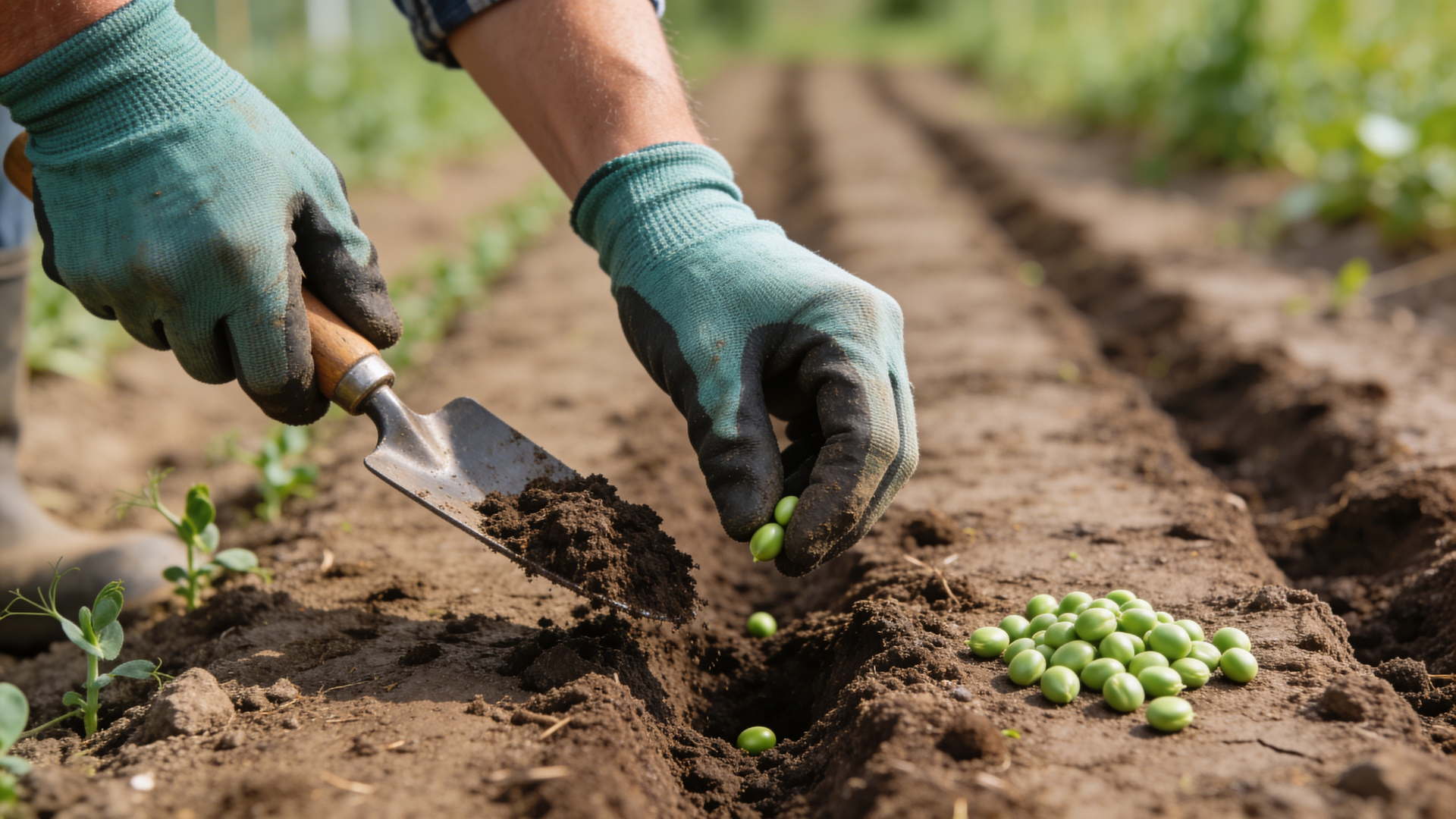
Peas are one of the easiest crops you can grow, but timing makes a big difference. If you plant them too late, warm weather can slow their growth and reduce your harvest.
The good news is that peas love cool temperatures, so getting started early gives you the best results.
Many gardeners plant peas as soon as the soil can be worked in spring, even before the last frost.
You can also plant them again in the fall in some areas. Knowing when to plant peas helps you grow sweeter, healthier pods with less effort.
In this guide, you’ll learn the best planting time, how climate affects growth, and simple tips to help your peas grow strong from day one.
When Is the Best Time to Plant Peas?
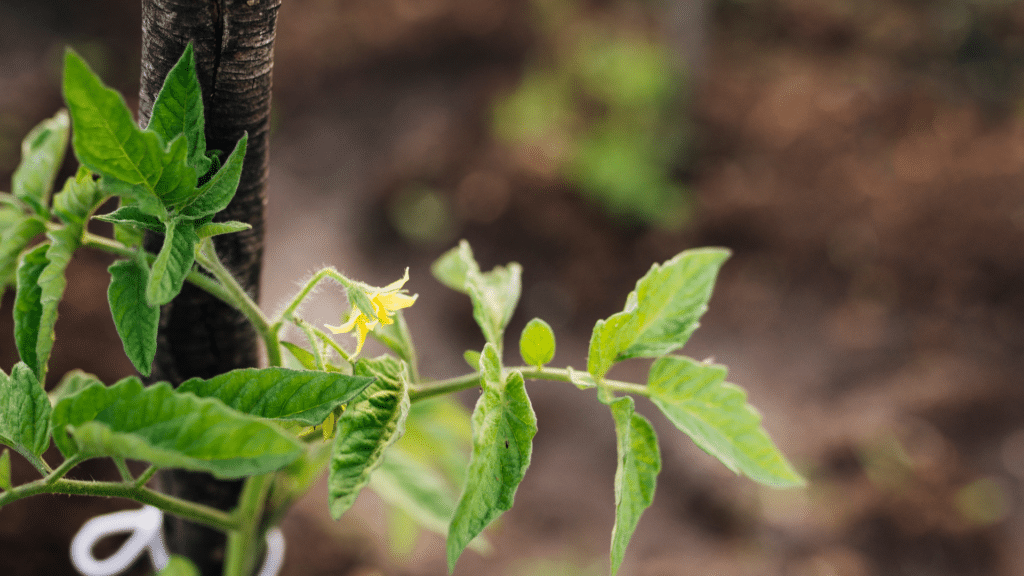
The best time to plant peas is in early spring when the soil is cool but not frozen. Plant peas 4 to 6 weeks before the last frost date in your area for the best results.
Peas grow well in temperatures between 10°C and 24°C, so they do not like hot weather.
If you plant too late, the heat can stop them from growing well. In warmer regions, you can also plant peas in late fall for a winter crop.
Make sure the soil is dry enough to work with, not too wet or sticky.
Peas need cool weather to grow strong and produce good pods. Always check your local weather and soil conditions before planting to get better results.
Early timing helps plants grow healthy and gives you a better harvest in the end.
Why Timing Matters for Growing Peas?
Planting peas at the right time helps them grow faster and produce better pods. Cool weather gives them the best chance to thrive.
- Cool Weather Growth: Peas grow best in cool temperatures and struggle in heat.
- Better Yield: Early planting leads to more pods and a longer harvest period.
- Sweeter Taste: Cooler conditions help peas develop a naturally sweet flavor.
- Healthy Plants: Right timing reduces stress and improves overall plant health.
- Avoiding Heat Damage: Late planting can cause poor growth and fewer peas.
Best Pea Planting Time by Climate Zone
Pea planting time changes based on your climate and frost dates. Using USDA zones helps you choose the right time for better growth and yield.
1. Cold Zones
In colder regions, winters last longer, and the soil stays frozen for extended periods.
Gardeners in these zones should wait until late March or early April, when the soil is workable and no longer frozen.
Even though peas can handle light frost, planting too early in hard, icy soil can stop seeds from sprouting. It’s best to check that the ground is soft and slightly moist before planting.
Because the growing season is shorter, early planting is important once conditions allow.
This gives peas enough time to grow, flower, and produce pods before warmer temperatures arrive and affect their growth.
2. Moderate Zones
Moderate zones offer a longer growing season, making it easier to plant peas earlier in the year. Most gardeners in these areas can plant peas between February and March, depending on local frost dates.
Since winters are milder, the soil becomes workable sooner, allowing for early sowing.
Peas planted during this time benefit from cool spring temperatures, which support steady growth and better pod production.
You can also try a second planting if conditions stay cool.
Keeping track of the last frost date in your area helps you choose the best time and avoid delays that could reduce your harvest.
3. Warm Zones
Warm zones have mild winters and early springs, which means peas can be planted much earlier than in colder areas. Gardeners in these regions often plant peas between January and February.
Since temperatures rise quickly, early planting is key to avoiding heat stress later in the season.
In many warm areas, you can also grow peas as a fall crop by planting them about 6 to 8 weeks before the first expected frost.
This gives plants enough time to mature in cooler conditions.
Proper timing in warm zones helps ensure healthy plants and a good harvest before the heat becomes too strong.
Soil Temperature and Weather Conditions
Peas grow best when the soil temperature is between 45°F and 75°F (7°C to 24°C). If the soil is too cold and frozen, seeds may not sprout, and if it’s too warm, plants can struggle to grow.
Before planting, make sure the soil is soft, slightly moist, and easy to work with.
Peas prefer cool, mild weather and can handle light frost, but extreme cold or heavy frost can damage young plants.
It’s also important to avoid waterlogged soil, as too much moisture can cause seeds to rot. Choosing the right weather conditions helps peas grow faster, stay healthy, and produce better-quality pods.
Good drainage is also important, as standing water can harm roots and slow growth.
Planting during steady, cool weather gives peas the best start and improves overall results.
Materials Needed to Plant Peas
Before you start planting, having the right materials makes the process easier and more successful. These basic items help ensure proper growth from the beginning.
How to Plant Peas as a Beginner?
Planting peas is simple and beginner-friendly when you follow a few key steps. Using the right method and timing helps seeds sprout quickly and grow into healthy plants.
Step 1: Choose the Right Type of Peas
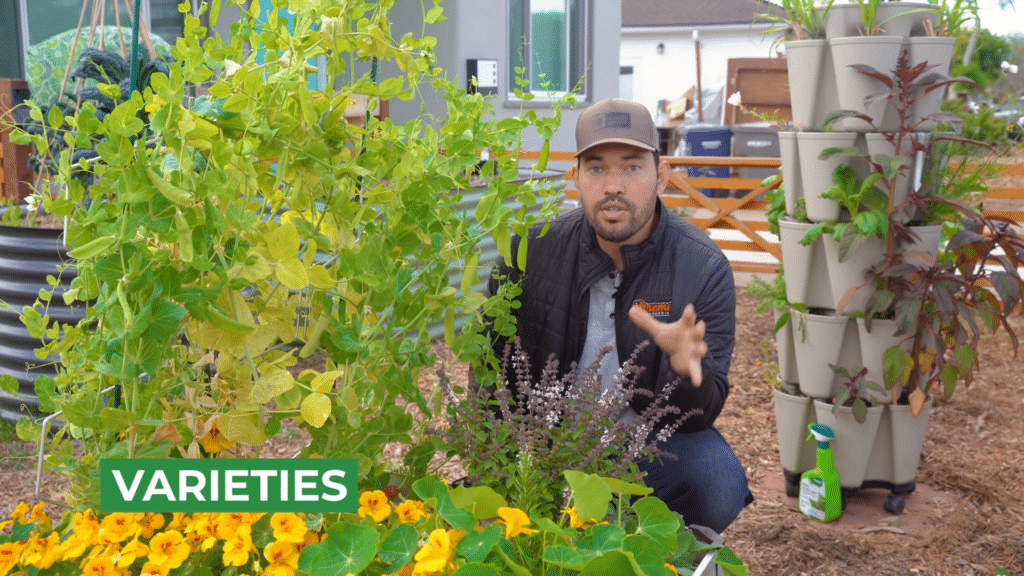
Before planting, decide which type of peas you want to grow. The three main types: snow peas, snap peas, and shelling peas.
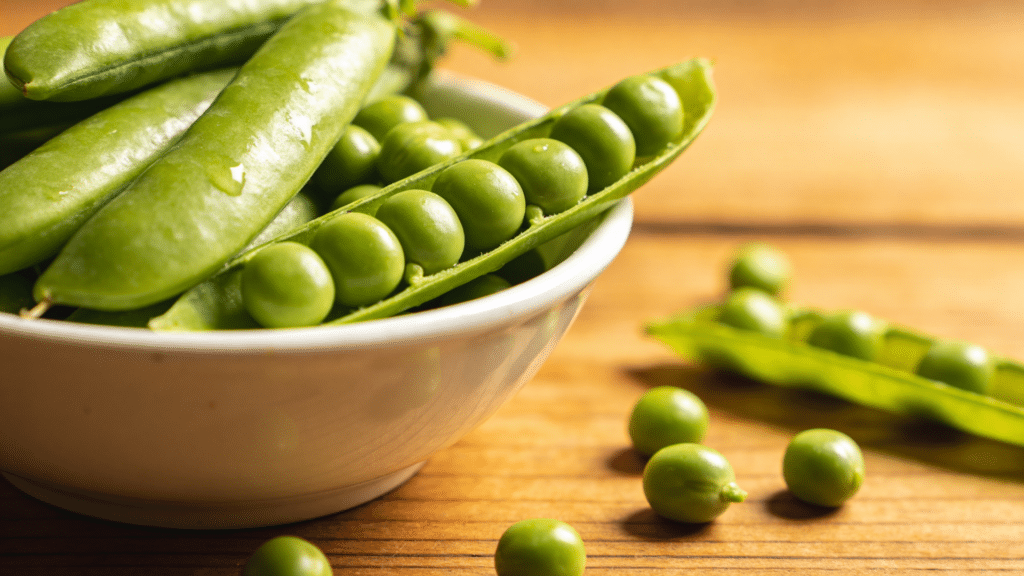
Snow peas are eaten whole, snap peas are sweet and crunchy, and shelling peas are grown for the seeds inside.
Choosing the right type matters because each grows slightly differently and is used in different ways.
It’s also important to avoid planting sweet peas if you want edible crops, as they are grown only for flowers. Picking the right variety at the start helps you plan spacing, support, and harvest timing more effectively.
Step 2: Prepare Seeds and Decide on Planting Method
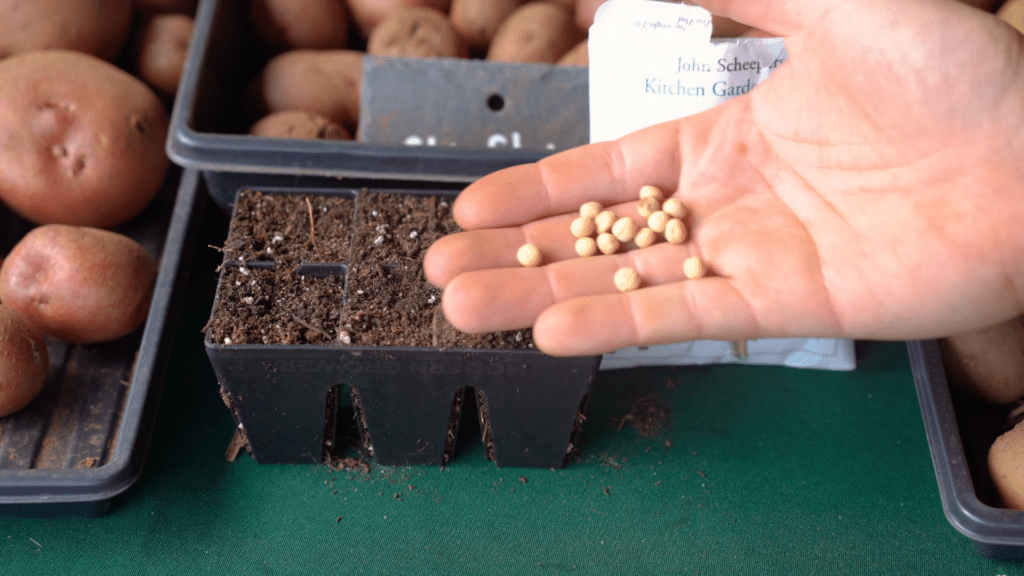
Pea seeds are usually planted directly into the soil, though you can start them indoors if needed.
Soaking seeds can help them sprout faster, but it is not required.
If starting indoors, place seeds about one inch deep in trays and water them well. Once seedlings grow, you can move them outside.
However, direct sowing is often easier and works well for most gardeners.
This step is about choosing what works best for your space and schedule while making sure seeds are planted at the correct depth for healthy growth.
Step 3: Sow Seeds Properly in Soil
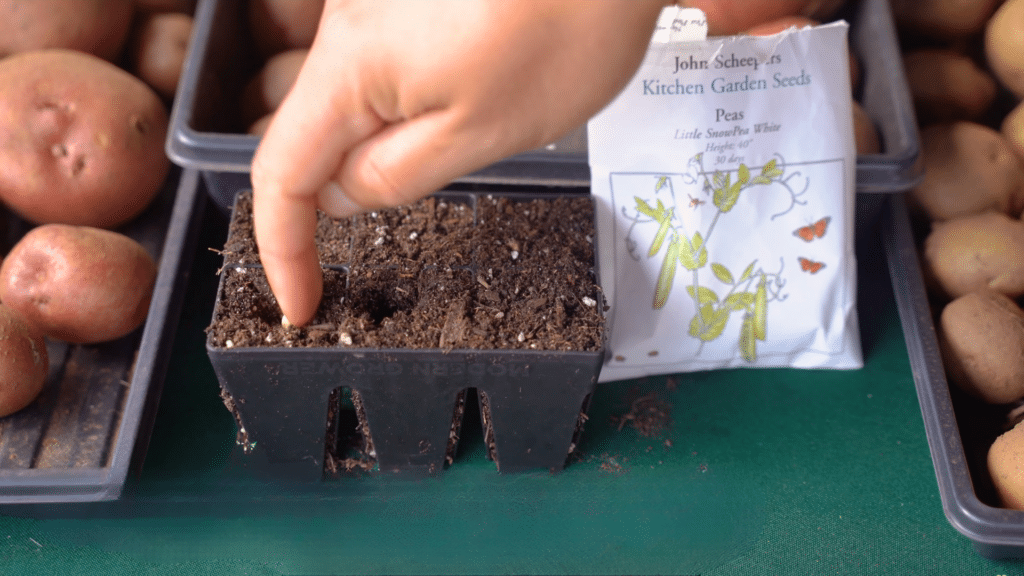
When planting peas outdoors, sow the seeds directly into the soil about one inch deep.
You can space them closely, around one to three inches apart, because peas grow upward and don’t need much root space.
You can even plant multiple seeds in one spot without major issues. After placing the seeds, cover them with soil and water them gently.
Proper planting depth and spacing help seeds sprout evenly and grow without overcrowding.
This step is key to setting up strong early growth and ensuring a good number of plants in your garden.
Step 4: Provide Support with a Trellis
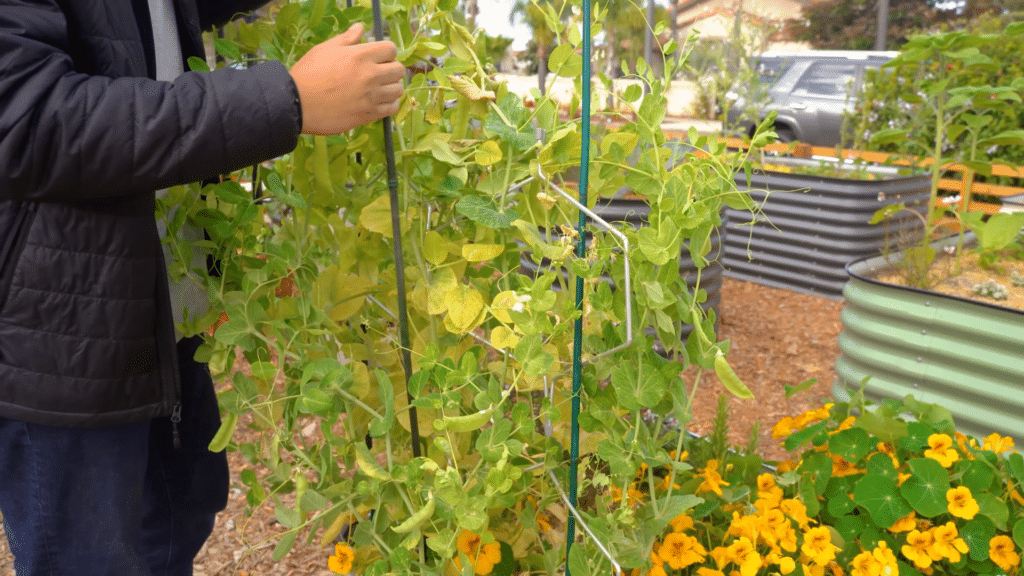
Peas are climbing plants, so they need something to grow on. Simple trellis ideas, such as bamboo sticks, twine, or wire frames.
As peas grow, they use small tendrils to grab onto nearby structures and climb upward. Without support, plants may fall over and produce fewer pods.
Setting up a trellis early keeps plants upright, improves air flow, and makes harvesting easier.
You don’t need anything fancy; just make sure there is a structure in place for the plants to hold onto as they grow taller.
Step 5: Harvesting Peas at the Right Time
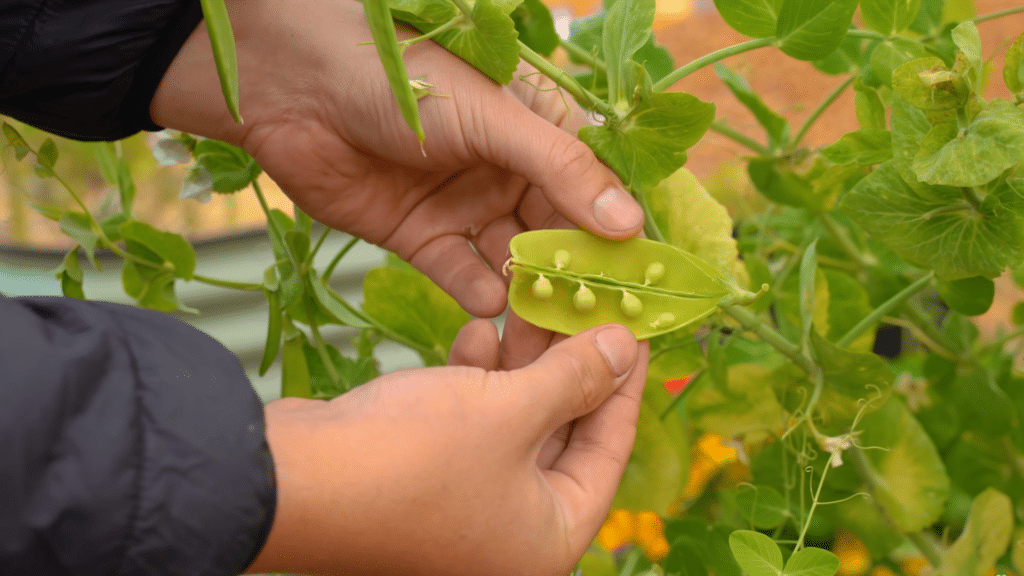
Knowing when and how to harvest peas helps you get the best taste and keep plants producing longer.
Different types of peas are ready at different times.
Snow peas can be picked early when pods are flat, while shelling peas should be harvested when pods are full and firm.
Snap peas are best when they are plump but still tender. To harvest, hold the vine gently and pull the pod carefully to avoid damaging the plant.
Regular picking also encourages more pods to grow, giving you a better and longer harvest.
Watch the video below to see these steps in real time on the Epic Gardening YouTube channel. It makes everything super easy to follow.
Spring vs Fall Planting
Peas can be planted in both spring and fall, depending on your climate. Each season has its own benefits and works better in certain regions.
| Factor | Spring Planting | Fall Planting |
| Best For | Most regions | Warmer climates |
| Planting Time | 4–6 weeks before last frost | 6–8 weeks before first frost |
| Weather Needs | Cool early spring temperatures | Mild fall temperatures |
| Growth Speed | Steady growth in cool conditions | Faster growth before cold sets in |
| Risk | Late frost or sudden heat | Early frost in colder areas |
| Harvest Time | Late spring to early summer | Late fall to early winter |
Tips for Growing Peas Successfully
Growing peas is simple when you follow a few basic tips. Small changes in care can lead to better growth and a bigger harvest.
- Choose the Right Spot: Plant peas in a sunny area with at least 6 hours of light daily.
- Use Well-Drained Soil: Loose soil helps roots grow better and prevents water buildup.
- Water Regularly: Keep soil moist, especially during early growth stages.
- Add Support Early: Use a trellis so plants can climb and stay healthy.
- Plant Early: Cooler weather helps peas grow faster and produce more pods.
- Avoid Overcrowding: Give enough space for airflow to reduce plant stress.
Conclusion
Planting peas is easy, but timing matters. Since they grow best in cool weather, plant them early in spring or in fall in warmer areas for better results.
Paying attention to soil temperature, moisture, and spacing helps seeds sprout faster and grow into strong plants.
Adding support, such as a trellis, also keeps plants healthy and makes harvesting easier.
With the right approach, peas can be among the most rewarding crops in any home garden. They grow quickly, need little maintenance, and produce sweet, fresh pods you can enjoy right away.
By following these tips, you can improve your chances of a healthy crop and a satisfying harvest season after season.
Even a small space can grow plenty of peas. Start simple and stay consistent for a good harvest.
Frequently Asked Questions
Can Peas Be Grown Indoors Successfully?
Yes, peas can be grown indoors if they receive enough light and proper support. Use containers with good drainage and place them near a sunny window or under grow lights for best results.
Do Peas Need Fertilizer to Grow Well?
Peas usually do not need much fertilizer because they produce their own nitrogen. Adding compost can still help improve soil quality and support better growth.
How Deep Do Pea Roots Grow?
Pea plants have shallow roots that grow only a few inches deep. This is why consistent watering and loose soil are important for healthy growth.
Can Peas Grow in Containers or Pots?
Yes, peas grow well in containers as long as the pot has proper drainage and enough depth. Adding a small trellis will help the plants climb.
What Companion Plants Grow Well With Peas?
Peas grow well with plants like carrots, radishes, and lettuce. These plants share space easily and do not compete too much for nutrients.