

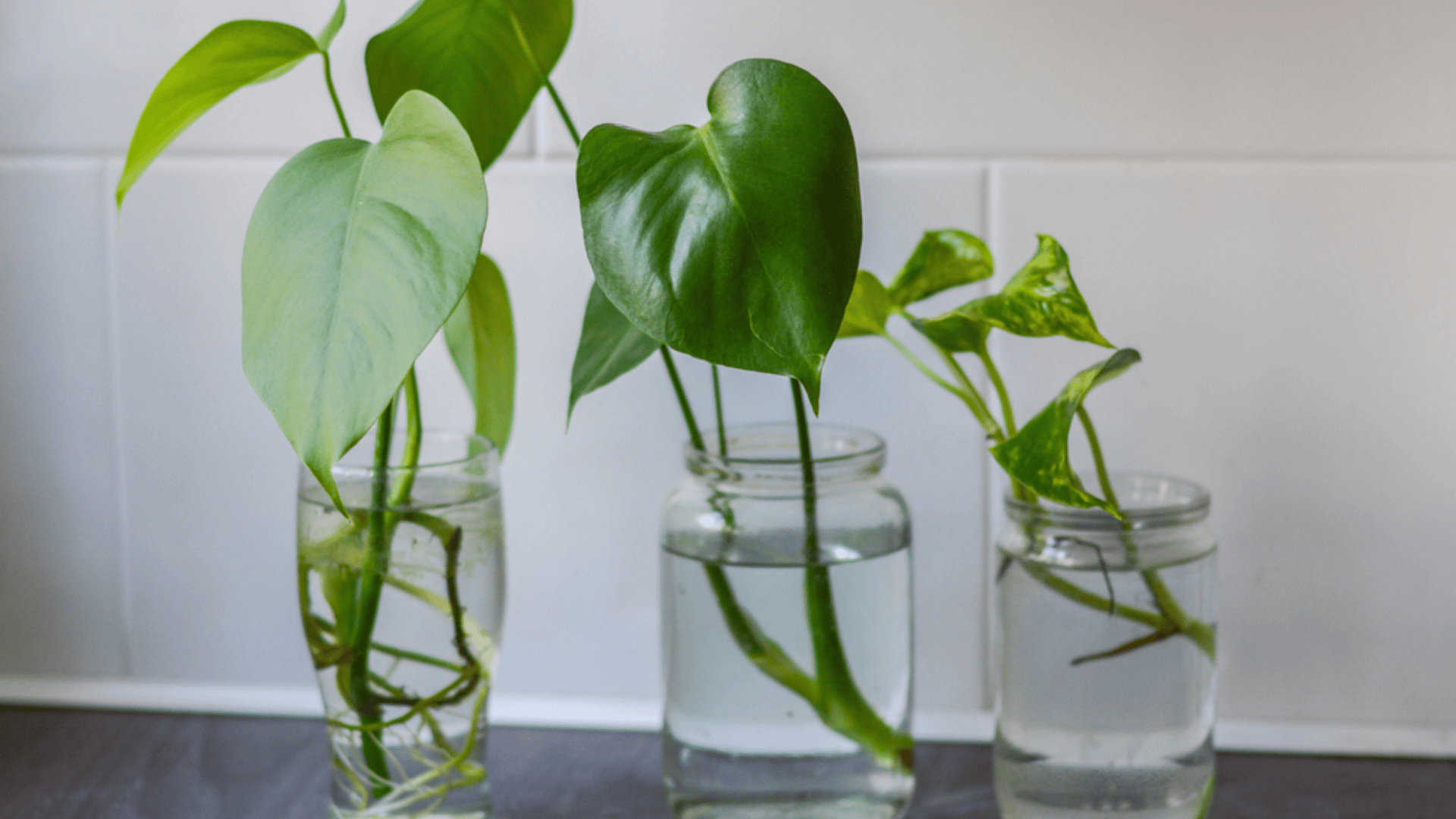
I used to think growing new plants at home was hard, but once I learned how to propagate plants, it became simple and fun.
Plant propagation is growing a new plant from a part of an existing plant, such as a stem, leaf, or root. Many people use this method to save money and fill their home or garden with more plants without buying new ones.
In this guide, I will show you how to propagate plants step by step using simple methods such as cuttings, water propagation, soil propagation, and layering.
I will also share simple tips to help you get better results and avoid common mistakes.
If you want to grow more plants easily, this guide will help you get started. Let’s begin and grow your plant collection today.
What is Plant Propagation and How does it Work
Plant propagation is a simple way to grow new plants from parts like stems, leaves, or roots. It helps create more plants without using seeds and follows a natural plant process.
Plant propagation is growing a new plant from an existing one rather than starting from seeds.
It is a natural method plants use to reproduce and spread in the wild. This process can also be done at home using easy techniques.
There are two main types of plant propagation:
- Sexual propagation: Uses seeds to grow new plants and takes more time
- Asexual propagation: Uses plant parts like cuttings, division, or layering, and grows faster
How Plant Propagation Works
- A healthy part of a plant is selected, like a stem or a leaf
- The cutting is placed in water or soil
- Roots start to grow from nodes or cut areas
- The plant begins to develop into a new, independent plant
- Once roots are strong, it continues growing like a full plant
Most Common Methods to Propagate Plants
Plant propagation can be done in many simple ways at home. Each method works for different plants and gives good results when done right.
1. Stem Cuttings Method
The stem cuttings method is one of the most common ways to propagate plants. It uses a healthy stem with small nodes, which are the points where roots grow.
A cutting is taken and placed in water or soil to start root growth. This method works well for many houseplants like pothos and coleus.
It is easy to follow and gives quick results when proper care, light, and moisture are provided during the growing stage.
2. Water Propagation Method
Water propagation is a simple and beginner-friendly way to grow new plants. In this method, cuttings are placed in clean water so roots can grow before moving to the soil.
It allows you to clearly see root growth, which helps track progress. This method works well for plants like spider plants and philodendrons.
Regular water changes and indirect light help the roots grow faster and keep the cutting healthy during the process.
3. Soil Propagation Method
Soil propagation involves planting cuttings directly into moist soil to grow roots. This method helps plants develop stronger roots from the start, making them more stable in the long term.
It works well for plants that do not do well in water for long periods. Proper watering, light, and soil quality are important for success.
Once roots form, the plant continues growing naturally without needing to be moved from water to soil.
4. Layering Method
The layering method allows a stem to stay attached to the parent plant while it forms roots. A part of the stem is bent and placed into the soil while still connected.
Roots develop over time, and once they are strong, the new plant is separated. This method works well for shrubs and climbing plants.
It is reliable because the stem continues to get nutrients from the parent plant during root development.
5. Division Method
The division method is used for mature plants that have grown large and crowded. The plant is carefully removed from the soil and split into smaller sections, each with roots and stems.
Each part is then replanted as a new plant. This method works well for plants like snake plants and ferns.
It is a quick way to grow multiple plants while also helping the original plant stay healthy and less crowded.
Tools and Materials You Need
Having the right tools makes plant propagation easier and more successful. These basic items help cut, support, and grow new plants properly.
How to Propagate Plants from Cuttings Step by Step
This step-by-step guide shows how to propagate plants using simple cutting methods. Follow these steps to grow new plants easily at home with better results.
Step 1: Collect Healthy Cuttings
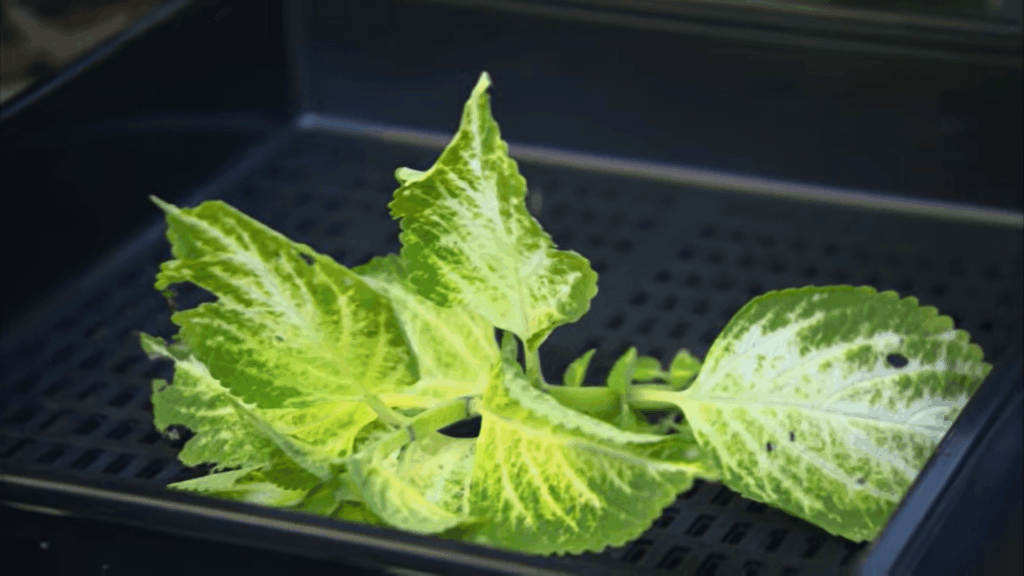
Start by choosing healthy plants and cutting strong stems. Avoid stems that look weak, damaged, or dry. Use clean scissors or pruners to make a neat cut. Healthy cuttings grow roots faster and give better results.
This step is important because the new plant depends on the strength of the original cutting. Taking good cuttings helps ensure successful plant propagation from the beginning.
Step 2: Choose the Right Type of Cutting
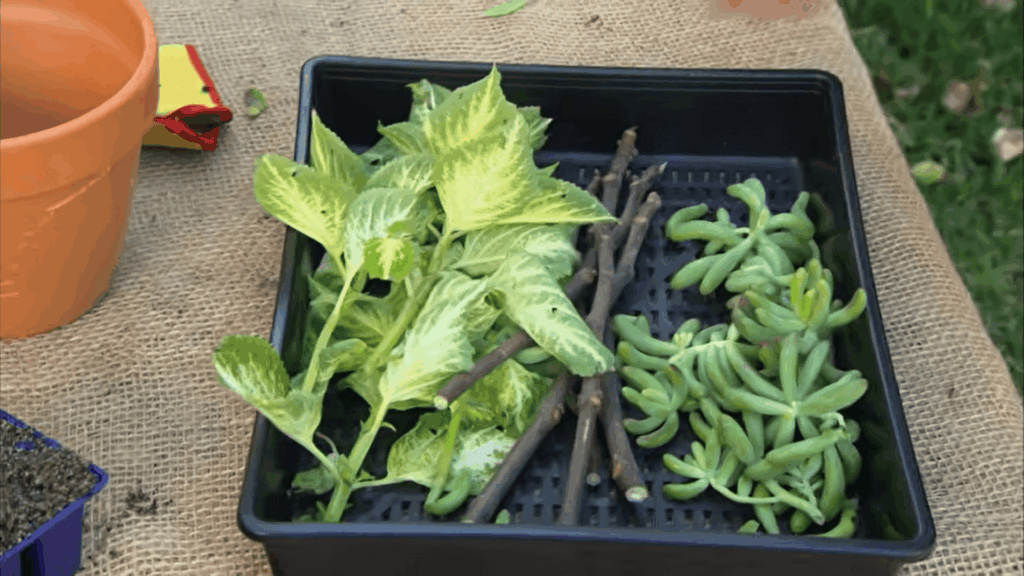
Different plants need different types of cuttings for better results. Soft tip cuttings work well for small plants and succulents because they are flexible and root quickly.
Hardwood cuttings are stronger and better for plants like figs and hydrangeas. A good cutting should be about pencil length and thickness, as this size supports steady growth.
Avoid stems that are too thin or too thick, as they may not root properly. Choosing the right type of cutting helps roots grow faster and improves the success rate of plant propagation at home.
Step 3: Prepare the Pot and Soil Mix
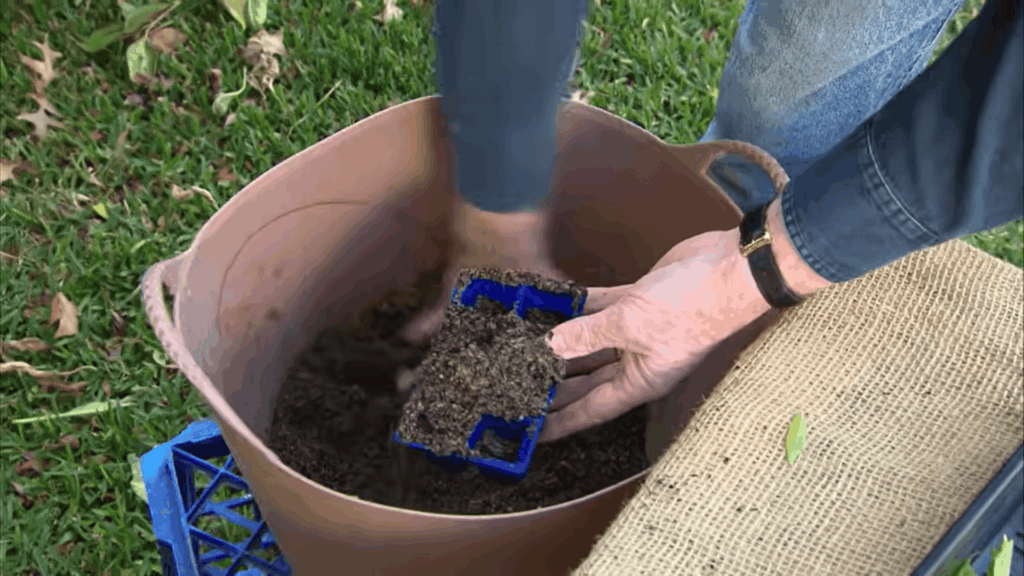
Fill small pots or containers with seed-raising mix or potting soil mixed with coarse sand.
The soil should feel loose and airy so roots can grow easily and get enough air. This type of mix helps prevent water from staying too long, which can cause rot.
Reusing small containers is also a good option as long as they are clean. Make sure the soil is slightly moist before planting, not dry or soaked.
Good soil preparation gives the cutting the right support and helps roots form quickly without becoming too wet or compact.
Step 4: Prepare the Cutting Properly
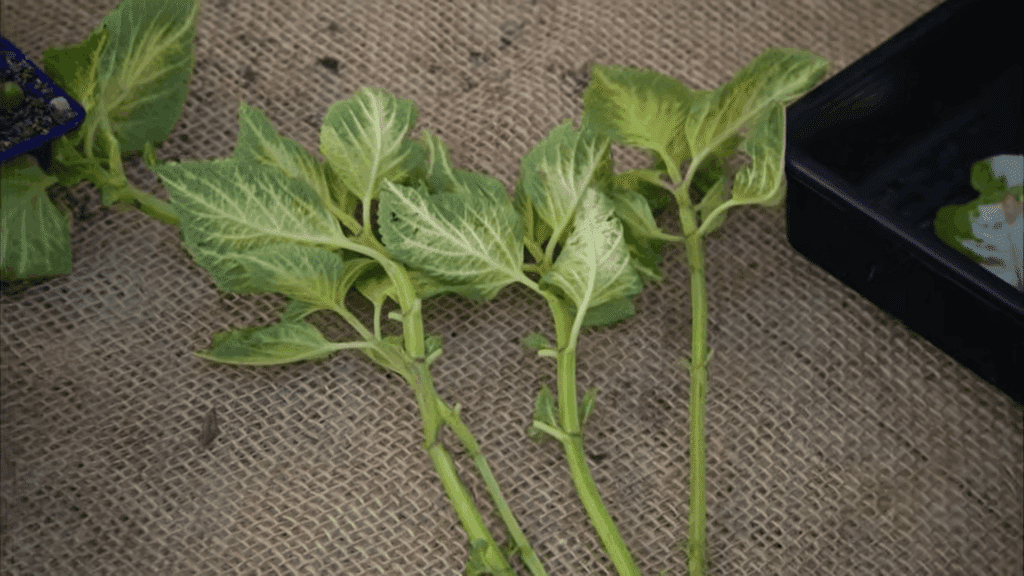
Remove any flowers or buds from the cutting so the plant focuses on root growth. Strip off the lower leaves to expose the stem. Roots will grow from these exposed areas.
Some gardeners gently pull leaves down instead of cutting them to expose more stem. Preparing the cutting in the right way helps it grow roots faster and increases the chances of success.
Step 5: Apply Rooting Support
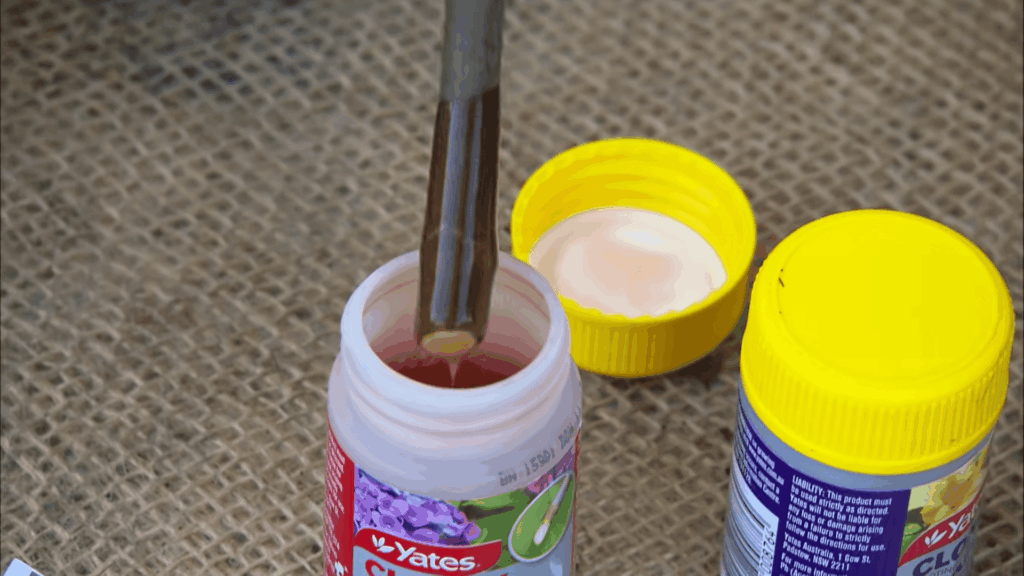
Dip the base of the cutting in rooting gel, powder, or even honey to support faster root growth and protect it from bacteria.
Honey is a simple and natural option that works well for beginners. Make sure the base is evenly coated before planting.
Before placing the cutting, make a small hole in the soil using a stick or pencil so the rooting layer does not rub off.
This helps keep the treatment on the stem. This step improves root development and helps the cutting settle quickly and grow strong roots.
Step 6: Plant the Cutting Correctly
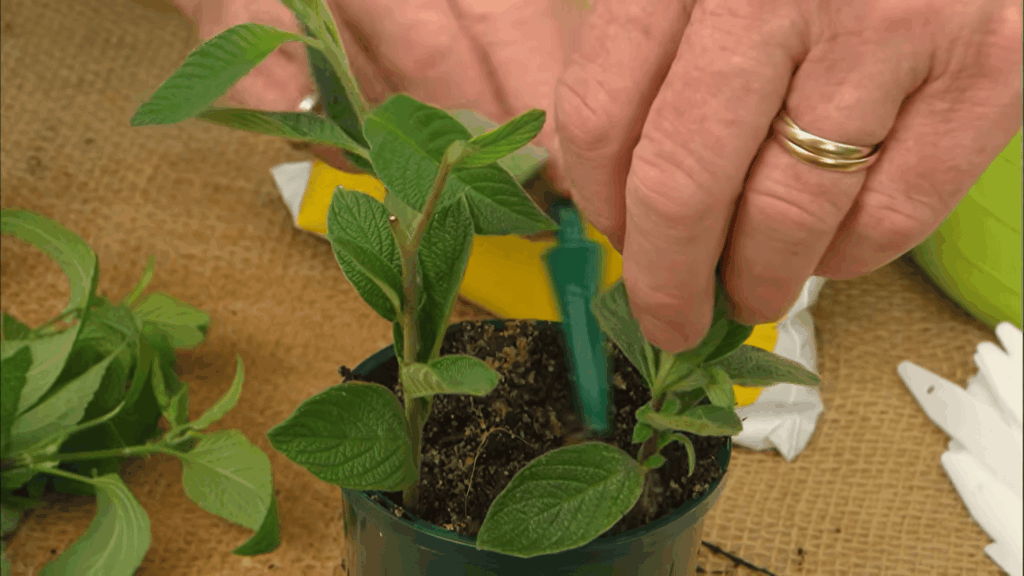
Place the cutting into the soil about one-third of its length so it has enough support to stand upright. Gently press the soil around the base to hold it firmly in place without damaging the stem.
It is better to place cuttings near the edges of the pot, as they often root faster due to better warmth and air flow in those areas.
Make sure the cutting is stable and not loose, as movement can slow root growth. Proper planting helps the cutting stay in place and supports even root development during the early stage.
Step 7: Provide the Right Conditions
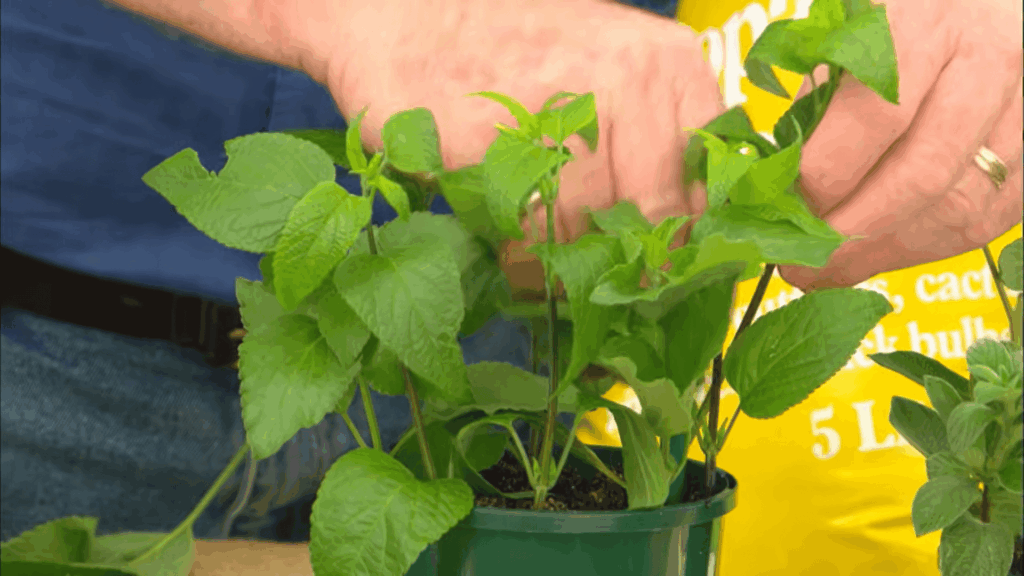
Keep the cuttings in a warm place with indirect sunlight, as direct sunlight can dry them out.
A windowsill with soft morning light works well for steady growth. Make sure the area is not too cold or windy, as stable conditions help roots form faster.
Water the soil lightly every few days or once or twice a week to keep it moist but not soaked.
Do not let the soil dry out completely. Good light, warmth, and proper moisture help the cutting stay healthy and grow into a strong new plant.
Step 8: Wait for Root Growth and Care
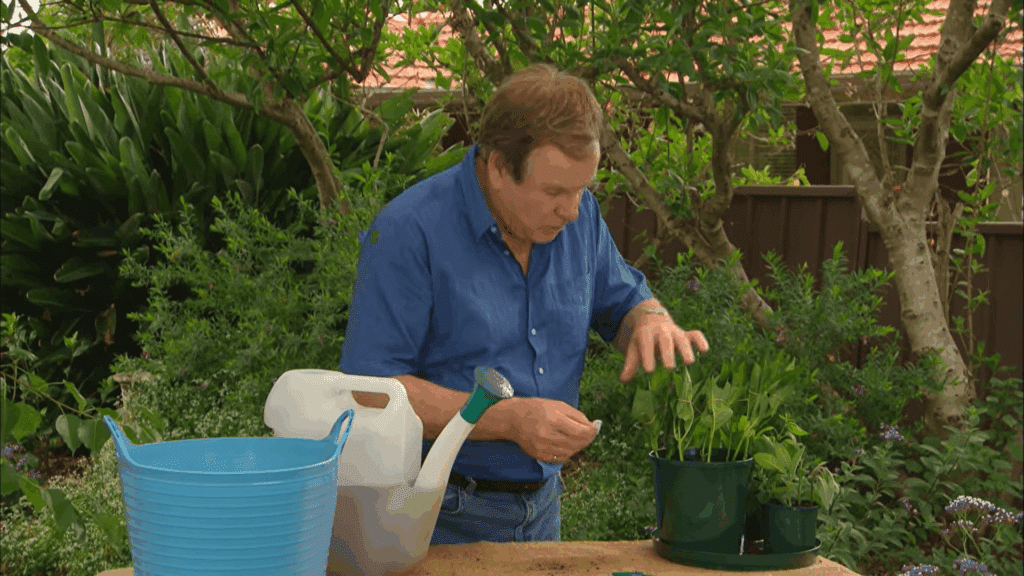
Roots usually start to grow within 2 to 4 weeks, depending on the plant type and conditions.
During this time, keep the soil moist but not too wet, as overwatering can damage the cutting.
Avoid moving or disturbing the cutting while roots are forming, since this can slow growth. You can label the plants to keep track of different types and dates.
Once the roots are strong and well-formed, the plant can be moved to a bigger pot or garden. This completes the propagation process successfully.
Watch this video, which explains the plant propagating process in detail:
How to Propagate Plants in Water
Water propagation is one of the easiest ways to grow new plants at home. It is simple to follow and lets you see root growth clearly.
1. Best Plants for Water Propagation
Some plants grow very well in water and are perfect for beginners. Pothos is one of the easiest plants to grow and grows roots quickly in water.
Spider plants also do well and produce small baby plants that root fast.
Philodendron is another good choice with strong root growth. Monstera cuttings can also grow in water, but they may take a bit more time.
These plants are easy to care for and give good results.
2. Simple Water Propagation Steps
Start by cutting a healthy stem just below a node, which is where roots will grow. Place the cutting in a clean glass of water so the node stays underwater.
Make sure the leaves stay above the water to prevent rotting. Keep the glass in a bright spot with indirect light.
Change the water every week to keep it fresh. Within a few weeks, roots will begin to form and grow stronger.
3. When to Move Plants to Soil
Roots should be allowed to grow in water until they are about one to two inches long before moving to soil.
At this stage, the roots are strong enough to handle the change.
Moving them too early can slow growth, while waiting too long can weaken them. Once planted in soil, water lightly and keep the plant in indirect light.
This helps the plant adjust and continue growing without stress.
Tips for Faster Root Growth
Small changes in care can help roots grow faster and stronger. Following simple tips can improve success in plant propagation.
- Use Clean Water: Fresh and clean water prevents bacteria and helps roots grow healthy. Change it regularly for best results.
- Keep Warm Temperature: Warm conditions support faster root growth. Avoid placing cuttings in cold or drafty areas.
- Provide Indirect Light: Bright but indirect light helps the plant grow without drying it out or causing damage.
- Take Multiple Cuttings: Using more cuttings increases the chances of success and gives more plants at once.
- Keep Nodes Underwater: Nodes are where roots grow, so they must stay underwater to allow proper root development.
Water vs Soil Propagation Comparison
Both water and soil methods are useful for plant propagation. Each method has its own benefits and limits based on plant type and care.
| Method | Advantages | Disadvantages |
|---|---|---|
| Water | Easy to use and lets you see root growth clearly | Roots can be weaker when moved to soil |
| Soil | Grows strong and stable roots from the start | Hard to monitor root growth during early stages |
Common Mistakes to Avoid
Small mistakes can slow down root growth or stop it completely. Avoiding these common errors helps improve success in plant propagation.
- Using unhealthy cuttings: Weak or damaged stems do not grow roots properly. Always choose fresh and healthy cuttings for better results.
- Not changing water: Dirty water can cause bacteria and rot. Change the water every few days to keep it clean and safe for root growth.
- Too much direct sunlight: Strong sunlight can dry out or burn the cutting. Place it in bright but indirect light for steady growth.
- Submerging leaves: Leaves in water can rot and damage the cutting. Keep only the stem and nodes in water, not the leaves.
- Delaying transplant: Leaving cuttings in water too long can weaken roots. Move them to soil once roots grow strong enough.
Wrapping Up
I have seen that learning how to propagate plants is a simple way to grow more plants without spending much money. Methods like stem cuttings, water propagation, and soil planting are easy to follow and work well for beginners.
Starting with water propagation is a smart choice because it is simple and lets you watch the roots grow step by step.
With the right light, clean water, and a little patience, new roots can form in just a few weeks. This process helps you grow healthy plants at home with very little cost.
It is also a great way to reuse plants you already have. Start with one cutting today and keep trying. Soon, you will have more plants growing in your space.