

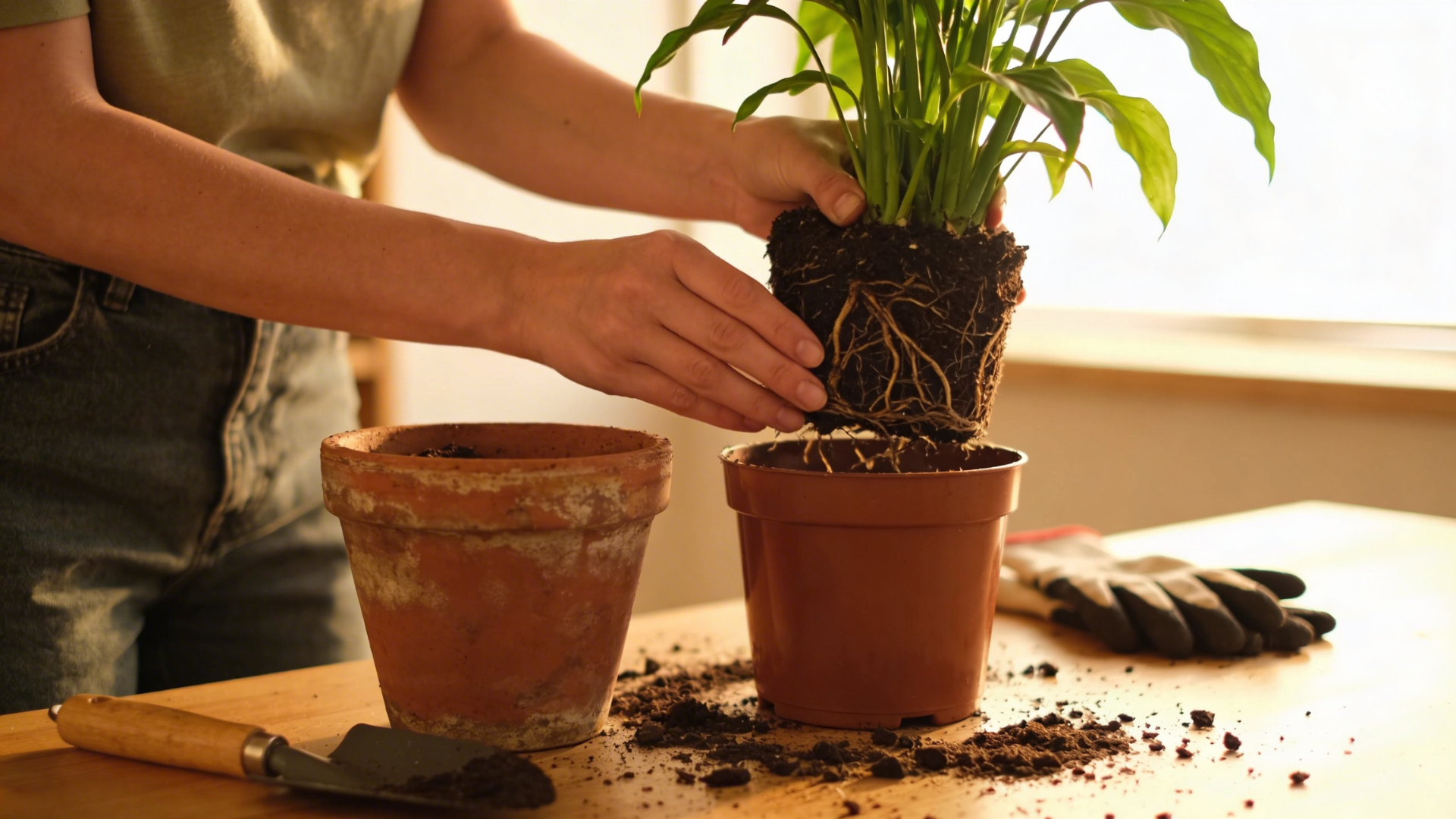
Repotting plants is a simple but important step I follow to keep my plants healthy and growing well. Over time, I’ve noticed that plants outgrow their pots, and the soil slowly loses the nutrients they need.
When this happens, roots get crowded, and growth starts to slow down.
Repotting gives my plants more space, fresh soil, and better drainage, which helps them grow stronger.
At first, I felt unsure and worried I might damage the plant. But once I tried it, I realized the process is easy and safe with the right steps.
In this guide, I’ll show how to repot a plant step by step.
I’ll also share tips on timing, tools, and care so you can do it with confidence. By the end, you will feel confident repotting your houseplants the right way.
What Is Repotting Plants and Why Does It Matter?
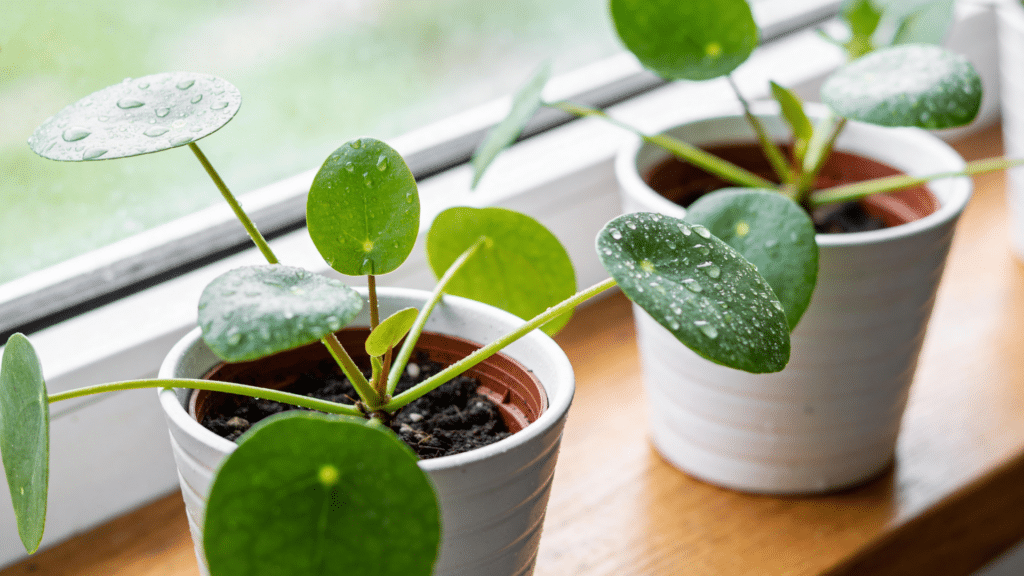
Repotting plants means moving a plant from its current pot into a new one with fresh soil.
This is done when the plant has outgrown its container or when the soil no longer supports healthy growth.
Over time, roots can become crowded, and the soil can lose important nutrients. That’s why repotting plants is key to plant care.
It helps give roots more space to grow, improves drainage, and refreshes the nutrients your plant needs. Repotting also allows you to check root health and remove any damaged parts.
When done properly, it can boost growth, strengthen plants, and keep them looking healthy and vibrant.
It also helps prevent root rot and other common issues. Regular repotting keeps your plant active and supports long-term growth.
Tools and Materials You’ll Need
Before you start repotting plants, gather the right tools. Having everything ready makes the process smooth and stress-free for both you and your plant.
How to Repot House Plants for Healthy Growth?
Repotting may seem tricky, but following simple steps makes it easy and safe. These steps will help your plant adjust quickly and continue growing strong.
Step 1: Remove the Plant from Its Pot
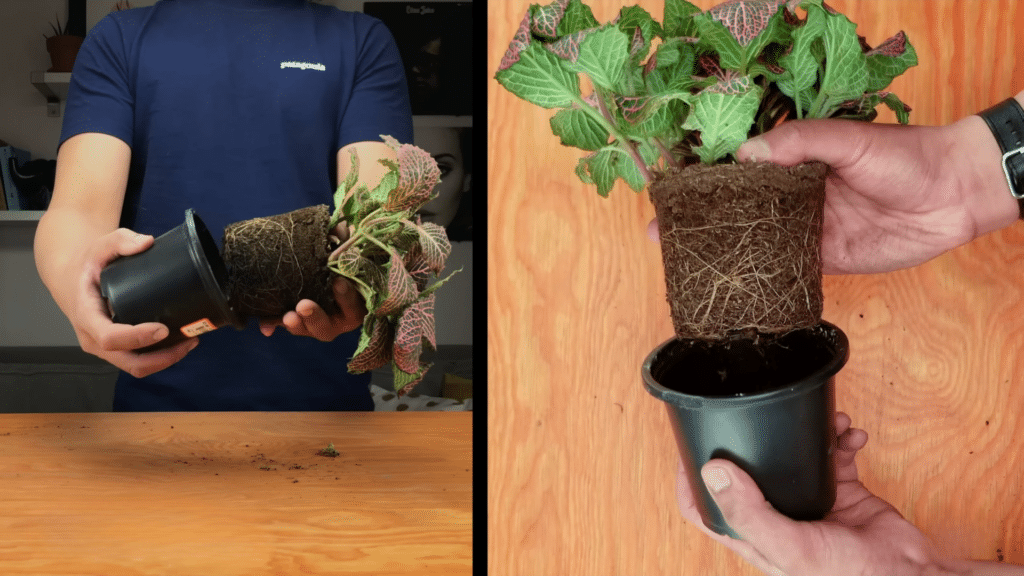
Begin by gently loosening the soil around the edges of the pot. You can press or massage the sides to help release the root ball.
Hold the plant at its base and slowly pull it out while supporting the container. Turning the pot on its side can make removal easier and reduce stress on the roots.
Be careful not to tug too hard, as roots are delicate. If a few roots break, it’s normal and won’t harm the plant.
The goal is to keep most of the root system intact so the plant can adjust smoothly to its new container.
Step 2: Loosen or Tease the Roots
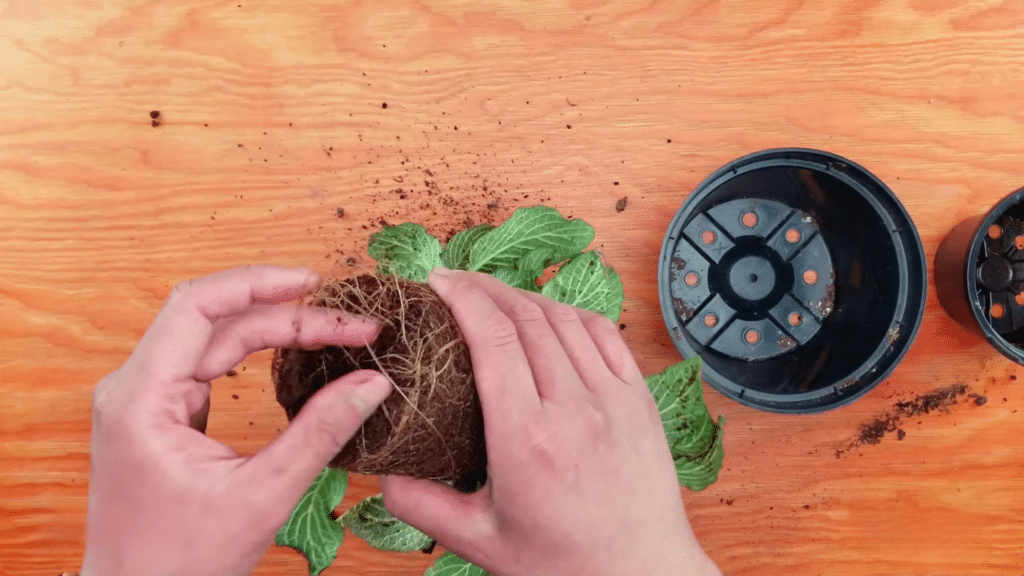
After removing the plant, check the roots closely. If they are tightly wrapped in a circular shape, gently loosen them using your fingers.
This helps the roots spread into the new soil instead of continuing to grow in circles.
You can also trim any damaged or overly long roots to promote fresh growth.
Avoid cutting too much, as healthy roots are important for recovery. If the roots already look loose and healthy, you can skip this step.
Proper root care helps your plant settle in more quickly after repotting.
Step 3: Place the Plant in the New Pot
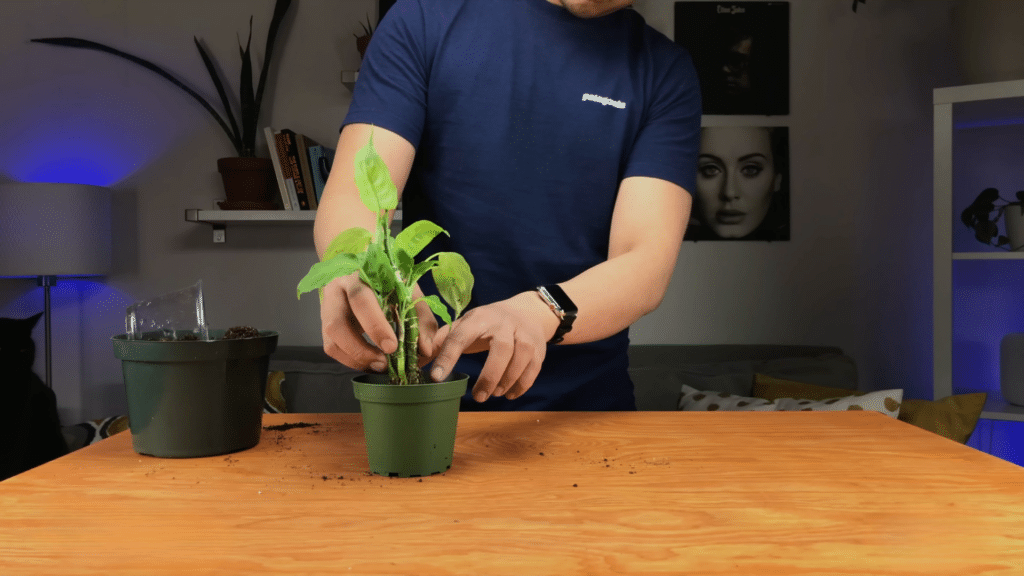
Add a layer of fresh soil at the bottom of the new pot. Place the plant in the center and make sure it sits at the same height as it was in the old pot. This prevents stress and keeps the plant stable.
Check that there is some space between the soil and the rim of the pot to prevent water from spilling when you water it.
Adjust the soil level if needed before moving forward.
Positioning the plant correctly is important for balanced growth and proper support in the new container.
Step 4: Fill Soil and Adjust
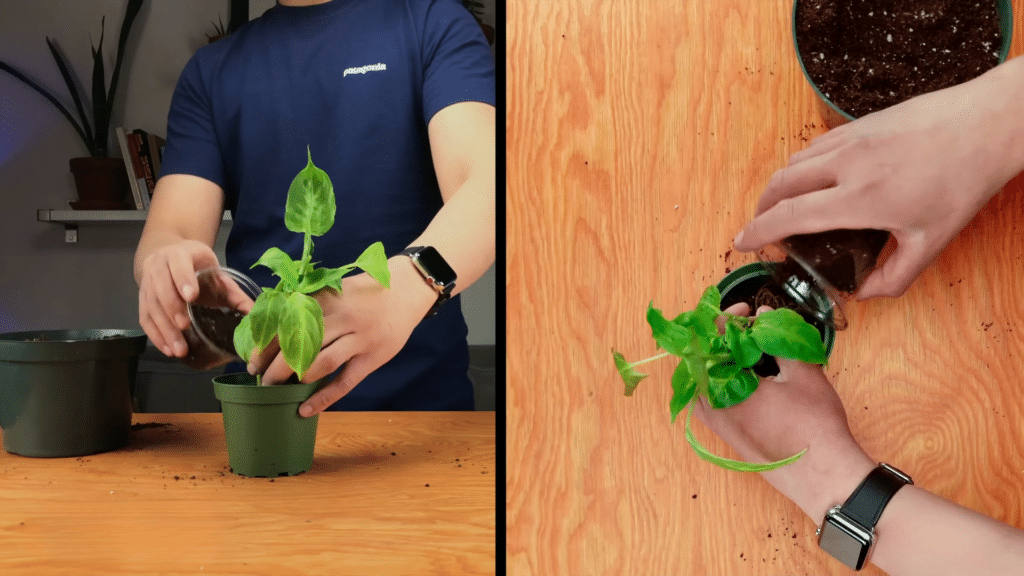
Once the plant is positioned, start adding fresh soil around the roots. Fill the gaps slowly and gently press the soil down to secure the plant in place.
Avoid packing it too tightly, as roots need air to grow properly.
You can lightly shake the pot or tap it to help the soil settle into empty spaces. This step ensures the plant stands upright and stable.
Proper soil placement supports root contact and helps the plant absorb water and nutrients more effectively.
Step 5: Water the Plant Thoroughly
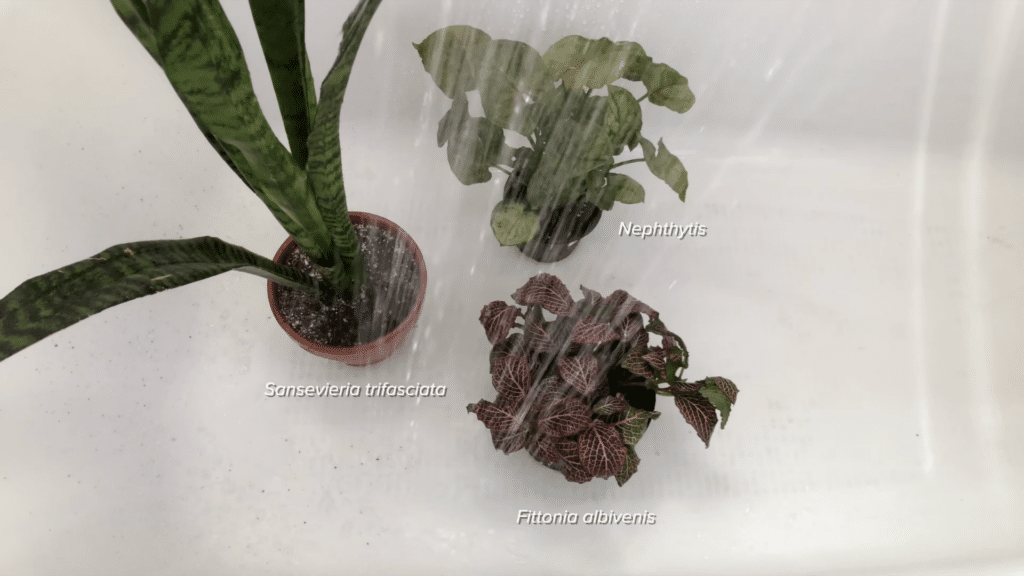
After repotting, give your plant a deep watering. This helps settle the soil and removes any air pockets around the roots.
Make sure water drains properly from the bottom to avoid water buildup.
Watering also helps the roots adjust to their new environment and improves soil contact. Avoid overwatering, but ensure the soil is evenly moist.
This step is important because it reduces transplant stress and supports early root growth in the new pot.
Step 6: Optional Pruning for Better Growth
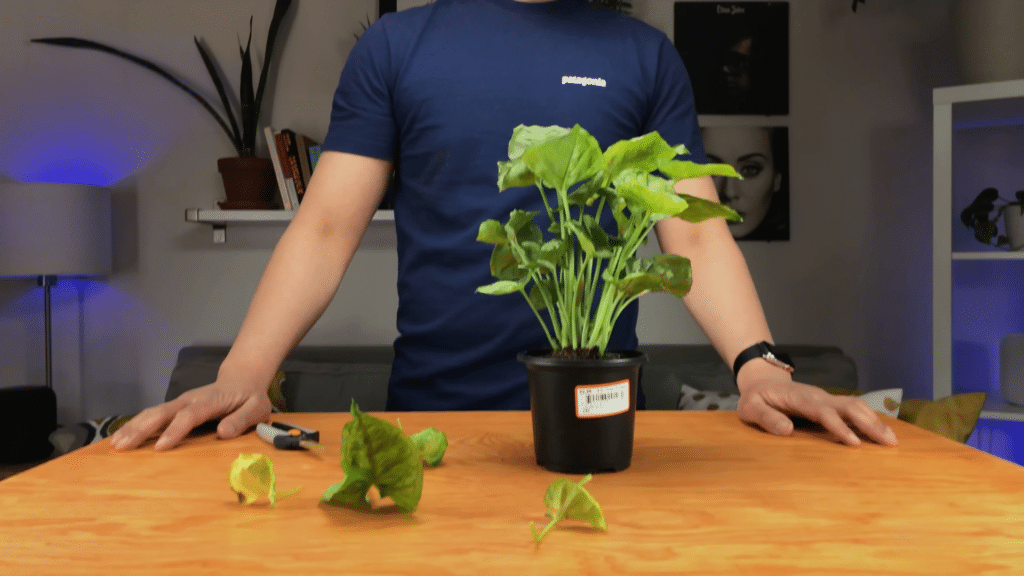
If your plant has extra or damaged leaves, you can remove a few to help it focus on root development.
This step is optional, but can be helpful for plants that look stressed or overgrown.
Pruning reduces the energy required to support foliage and allows the plant to recover more quickly after repotting. Use clean tools and avoid removing too many leaves.
With proper care, your plant will adjust and keep growing well.
This tutorial is based on a helpful video by This is a Plant. You can check out the original video on their YouTube channel here or watch it below.
Signs Your Plant Needs Repotting
If your plant is not growing well or looks stressed, it may need a bigger pot. Knowing these signs early helps you take action before the plant gets damaged.
- Roots coming out of drainage holes: Roots growing out from the bottom mean the plant has no more space inside the pot.
- Soil dries out very fast: If water disappears quickly, the roots may have taken over most of the soil.
- Slow or no growth: A crowded root system can stop the plant from growing properly.
- Water sitting on the surface of the soil: This can indicate the soil is compacted and not absorbing water well.
- Plant looks too big for the pot: If the plant feels top-heavy, it likely needs a larger container.
Best Time for Repotting Plants
The best time for repotting plants is during the active growing season, which usually falls in spring or early summer.
During this period, plants are naturally growing faster, so they can adjust more easily to a new pot and fresh soil.
Their roots recover quickly, and the chances of transplant shock are much lower. This makes repotting safer and more effective for long-term plant health.
It is generally not recommended to repot during winter because most plants enter a resting stage and are not actively growing. Repotting at this time can slow recovery and stress the plant.
However, if your plant is root-bound, unhealthy, or facing drainage issues, you can repot it when needed with proper care.
Post-Repotting Care Tips for Healthy Growth
After repotting plants, proper care is important to help them adjust and avoid stress. Simple aftercare steps can support faster recovery and healthy growth.
- Keep in indirect light: Place the plant in a bright spot, away from direct sunlight, to help it adjust.
- Water carefully: Keep the soil slightly moist but avoid overwatering, as roots are still settling.
- Avoid fertilizing immediately: Wait a few weeks before adding fertilizer to prevent root burn.
- Watch for signs of stress: drooping or yellow leaves can occur, but should improve over time.
- Maintain stable conditions: Avoid sudden temperature changes or moving the plant too often.
How Often Should You Repot Plants?
How often you should repot depends on the type of plant and how fast it grows. Most houseplants need repotting every 1 to 2 years.
Fast-growing plants may need repotting once a year, while slow growers can stay in the same pot for 2 to 3 years.
Instead of following a strict schedule, it’s better to check your plant’s condition.
If you notice roots coming out of drainage holes, soil drying quickly, or slow growth, it may be time to repot. Younger plants usually need more frequent repotting than mature ones.
Regular checks will help you decide the right time.
Keeping a simple care routine can make this process easier. This way, your plant continues to grow healthy and strong.
Common Mistakes to Avoid
Avoiding common mistakes during repotting plants can help prevent stress and damage. Small errors can affect growth, so it’s important to follow the right approach.
- Using a pot that is too large: A very big pot holds excess water, which can lead to root rot.
- Overwatering after repotting: Too much water can stress roots that are still adjusting.
- Damaging roots while handling: Rough handling can harm the root system and slow recovery.
- Using the wrong soil type: Poor soil can affect drainage and nutrient availability.
- Repotting too often: Frequent repotting can disturb plant growth and cause unnecessary stress.
Conclusion
Repotting plants is a simple yet important step that helps them stay healthy and continue growing well. Over time, plants outgrow their pots, and the soil loses nutrients, making it harder for them to grow.
By repotting, you give roots more space, fresh soil, and better conditions for growth.
This leads to stronger plants and better overall health. Following the right steps and handling your plant with care can make the process smooth and safe.
Paying attention to signs and giving proper aftercare also helps your plant adjust quickly.
Once you get used to it, repotting plants becomes an easy routine that keeps your plants happy, healthy, and growing for years.
Frequently Asked Questions
Can a Plant be Transplanted without Changing the Pot?
Yes, you can refresh the soil without moving the plant to a new pot. Replacing the top layer improves nutrients and keeps the plant healthy.
Is It Safe to Repot Flowering Plants?
Repotting during flowering is possible but not recommended. It may stress the plant and cause flowers to drop early.
What Size Pot Should You Avoid when Repotting?
Avoid using a pot that is too large for the plant. Excess space can hold too much water and lead to root problems.