

Starting a new lawn can feel confusing when you see so many options for planting grass.
I remember the first time I heard about hydroseeding, and I wondered if it was really better than regular seeding or sod.
If you are planning a new lawn or fixing patchy grass, this method may come up while you search for solutions.
In this guide, I will explain what hydroseeding is and how it works. You will learn about the materials used, the steps in the process, and how long it takes for grass to grow.
I will also cover the cost, the benefits, and when this method makes the most sense.
By the end, you will have a clear idea of how hydroseeding works and if it is the right choice for your lawn project.
What Is Hydroseeding?
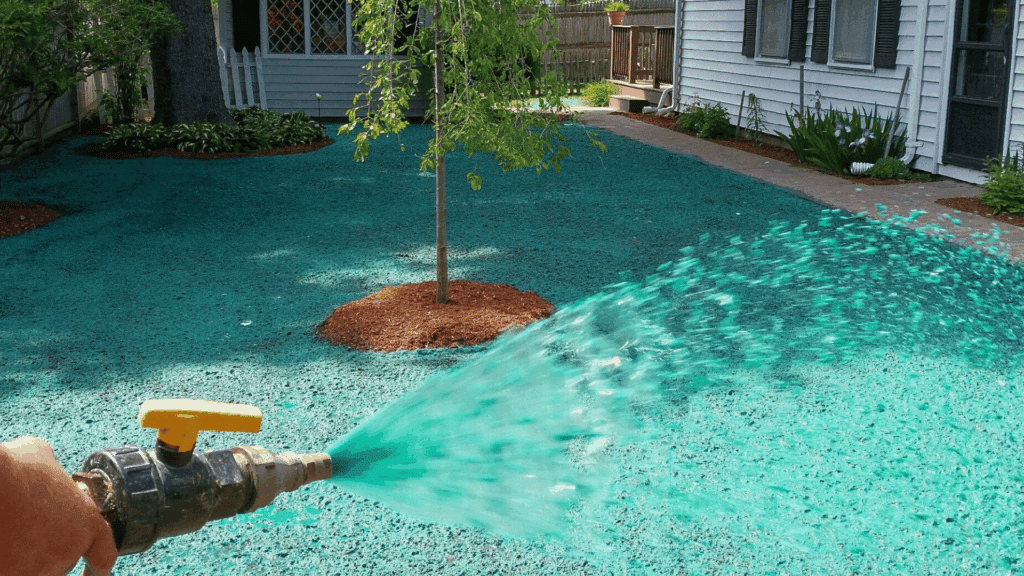
Hydroseeding is a method of growing grass by spraying a mix of seed, water, mulch, and fertilizer onto the soil. I like to think of it as a faster, more even way to plant grass than spreading dry seed by hand.
The mixture sticks to the ground, which helps the seeds stay in place and start growing.
The slurry is sprayed using a special machine. This helps cover large areas quickly and spreads the seed evenly across the soil.
Because the mulch holds moisture, the seeds stay damp and have a better chance of germinating.
The main goal of hydroseeding is to grow grass evenly and protect seeds as they begin to germinate. It is often used for new lawns, large yards, parks, and areas where erosion can happen.
Many homeowners choose hydroseeding because it can cost less than sod while still producing a thick lawn over time.
With proper watering and care, grass usually begins to sprout within the first week.
How Hydroseeding Works?
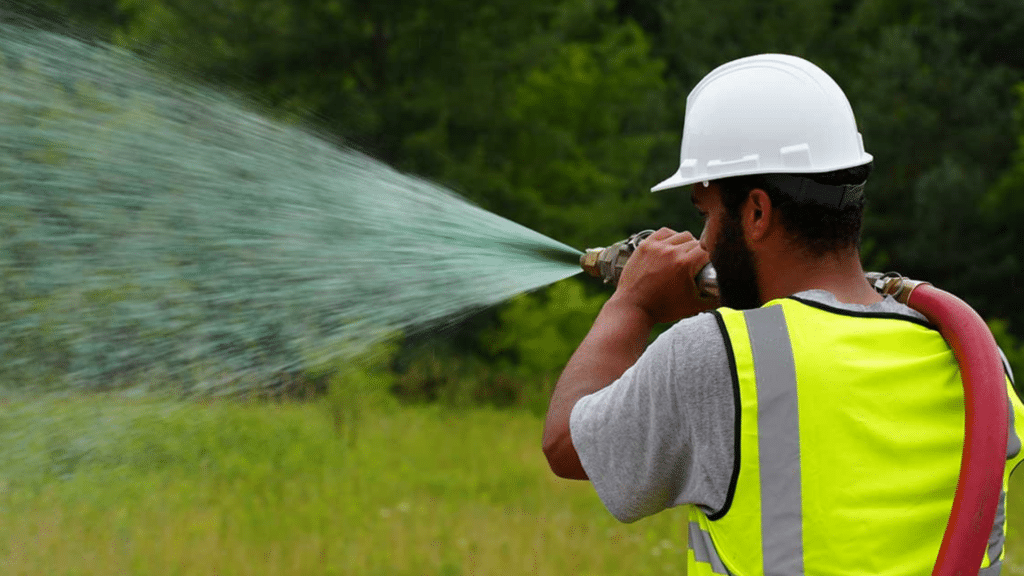
Hydroseeding is a process that uses a special mixture to quickly grow grass or plants over large areas. It’s efficient, cost-effective, and ideal for uneven or hard-to-reach terrain.
- Seed Application: The right type of seed is chosen for the project and mixed into the slurry to ensure proper growth.
- Mulch Layering: Mulch is added to retain moisture and protect seeds from harsh weather.
- Fertilizer Mixing: Fertilizer is included in the mixture to provide essential nutrients that promote faster and healthier growth.
- Watering: Water is used to make the mix stick to the soil and help with seed germination.
- Spraying Process: The mixture is sprayed evenly over the prepared soil using specialized equipment.
What Is in the Hydroseeding Mix?
Hydroseeding mix is a blend of seeds, mulch, fertilizer, and water. The seeds are selected based on the grass or plants you want to grow.
Mulch protects the seeds from the sun and wind while keeping moisture in the soil.
Fertilizer provides essential nutrients for better growth. Water is mixed in to help the other ingredients stick to the soil and support seed germination.
The mixture is sprayed over the area, forming a protective layer that helps seeds establish quickly.
This approach is especially useful for large or uneven areas where manual seeding may be difficult.
Hydroseeding is a cost-effective and efficient option for achieving a lush, green lawn or garden, with quicker results and less effort compared to traditional methods.
Benefits Of Hydroseeding For Lawns
Hydroseeding helps establish grass across large areas with less effort than many other lawn methods. It also supports steady seed growth when the soil is properly prepared and watered.
- Even Seed Coverage: The slurry is sprayed across the soil, ensuring seeds are spread evenly. This helps reduce patchy grass and improves overall lawn coverage.
- Faster Germination: The mulch in the mixture holds moisture around the seeds. This helps seeds stay damp and begin sprouting sooner.
- Lower Cost Than Sod: Hydroseeding usually costs less than installing sod. It still produces a full lawn over time when the grass becomes established.
- Good For Large Areas: This method works well for big yards, parks, and open spaces. The spraying process makes it easier to cover wide areas quickly.
- Helps Control Soil Erosion: The mulch layer protects the soil surface. This helps keep seeds in place on slopes and reduces soil movement during early growth.
Hydroseeding Vs Traditional Seeding
Both methods plant grass seed, but they work in different ways. Hydroseeding uses a sprayed mixture, while traditional seeding spreads dry seed over the soil.
| Feature | Hydroseeding | Traditional Seeding |
| Method | Seed, mulch, fertilizer, and water are sprayed together | Dry grass seed is spread over prepared soil |
| Coverage | Seeds are spread evenly through spraying | Coverage depends on seed evenness |
| Growth Speed | Often faster due to moisture from mulch | May grow more slowly if the seeds dry out |
| Cost | Moderate cost | Lowest cost option |
| Seed Protection | Mulch protects seeds from wind and birds | Seeds stay exposed on the soil surface |
| Best For | Large lawns, slopes, and new landscapes | Small yards and simple DIY lawn projects |
How Long Does Hydroseeding Take to Grow?
Hydroseeded grass usually starts growing within a few days, but the full lawn takes time to develop.
The First small shoots appear in about 5 to 7 days if the soil stays moist. The exact timing depends on the grass type, weather, and watering.
During the first two to three weeks, the grass begins to fill in across the area.
At this stage, the lawn may still look thin in some spots, which is normal. Continued watering helps the roots grow deeper into the soil.
Most hydroseeded lawns become thicker and more even after about 4 to 6 weeks.
By this time, the grass is strong enough for light mowing. Good watering, mild weather, and healthy soil all help speed up the growth process and improve the final lawn coverage.
When Is the Best Time for Hydroseeding?
The best time for hydroseeding depends on the type of grass and the local climate. In most areas, spring and early fall work best.
I usually suggest these seasons because the soil is warm and there is enough moisture for seeds to grow.
Spring gives grass a long growing period before summer heat arrives. Early fall also works well because temperatures are cooler and there is often more natural rainfall.
These conditions help seeds stay moist and germinate faster.
Hydroseeding works best when soil temperatures are mild, and the ground stays slightly moist. Extreme heat or freezing temperatures can slow down germination.
If possible, avoid hydroseeding during very hot summer weeks or cold winter months.
Choosing the right season helps the grass establish stronger roots and grow into a thick, healthy lawn.
How Much Does Hydroseeding Cost?
The cost of hydroseeding depends mostly on the size of the lawn and the condition of the soil. Most companies charge by the square foot.
| Lawn Size | Estimated Cost |
| 5,000 sq ft | $500 – $1,750 |
| 10,000 sq ft | $1,000 – $3,000 |
| ¼ acre | $1,000 – $2,800 |
| ½ acre | $1,200 – $4,000 |
| 1 acre | $2,000 – $8,500 |
Lawn size, soil preparation, and seed type are the main factors that affect the final price. Slopes, poor soil, or premium seed blends can increase the cost.
Common Hydroseeding Problems
Hydroseeding usually works well, but a few problems can arise if the lawn is not properly cared for.
I often see issues when watering is uneven or when the soil is not prepared before spraying. These small mistakes can affect how the grass grows.
One common problem is uneven growth. Some areas may grow thick while others stay thin.
This often happens when the soil surface is not level or when watering is inconsistent. Heavy rain can also cause trouble. Heavy rain may wash the slurry away before the seeds settle into the soil.
Lack of watering is another major reason hydroseeded lawns fail to grow evenly. The soil must stay moist during the early days.
Weeds can also appear while the grass is still young. Proper soil preparation and steady watering help prevent most of these issues.
Is Hydroseeding Worth It For Your Lawn
Hydroseeding can be a good option if you want a full lawn without paying the higher cost of sod.
I often see homeowners choose this method because it spreads seed evenly and helps grass grow faster than traditional seeding in many cases.
The mulch in the mixture keeps seeds moist and protects them during early growth.
This can lead to better germination and fewer bare spots across the lawn. It also works well for large yards, where hand-seeding would take more time and effort.
Hydroseeding offers a balance between cost and lawn quality for many homeowners.
It usually costs less than sod but still produces thick grass when the soil is prepared well.
With proper watering and care, hydroseeding can create a healthy lawn within a few weeks. For many people, that makes it a practical and worthwhile choice.
Conclusion
Starting a new lawn can feel like a big project, but hydroseeding offers a practical path if you want good coverage without the higher price of sod.
It combines seed, mulch, water, and nutrients to promote even growth and protection.
When the soil is prepared well and watering is consistent, many lawns begin to fill in within a few weeks.
What matters most is choosing the right approach for your yard, climate, and budget. Hydroseeding works well for large areas and can produce strong, healthy grass with the right care.
If you’re thinking about hydroseeding or have already tried it, your experience can help others, too.
Share what worked for you, any challenges you faced, or tips you learned in the comments below. Your insight might guide someone starting their own lawn project.
Frequently Asked Questions
Can You Walk on Hydroseeded Areas?
It is best to avoid walking on the area until the grass grows stronger. Light foot traffic is usually safe after about 4 to 6 weeks.
How Often Should Hydroseeded Lawns Be Watered?
The soil should stay moist during early growth. Light watering several times a day helps seeds germinate properly.