

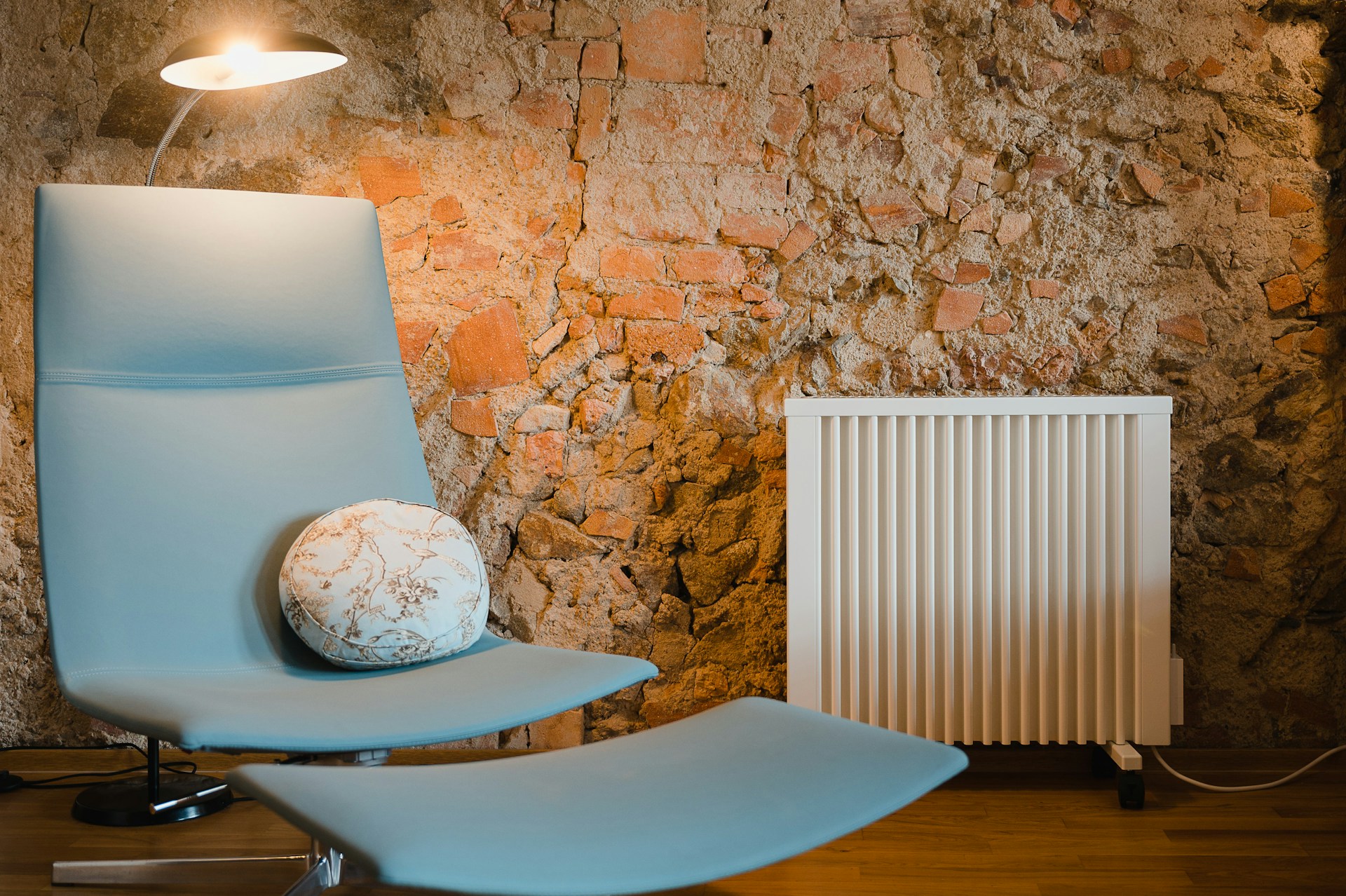
As the cold months approach, homeowners often look for ways to effectively heat their spaces while maintaining energy efficiency.
One way to achieve this is by utilizing modern radiator designs, which have been engineered to optimise thermal output and reduce energy consumption. Modern radiators have become integral to heating solutions that balance comfort with environmental considerations.
Understanding the Evolution of Radiator Design
Radiators have come a long way since their inception, evolving from bulky metal structures to sleek, efficient heating solutions. This evolution has been driven by advancements in technology and a growing awareness of the need for energy-efficient homes. Modern radiators often incorporate state-of-the-art materials and technologies, allowing them to distribute heat more evenly and efficiently.
The design improvements include optimisation in surface area which maximises heat transfer to the ambient environment.
Additionally, many contemporary radiators feature aesthetic enhancements that allow them to complement modern home interiors seamlessly. This transformation is not merely about looks; these enhancements have a direct impact on how effectively and evenly a room is heated.
The Role of Material in Radiator Efficiency
One of the pivotal factors influencing the efficiency of a radiator is the material from which it is made. Modern radiators utilise materials like stainless steel, aluminium, and occasionally cast iron, each offering distinct benefits.
Aluminium, for instance, is lightweight and offers excellent thermal conductivity, ensuring rooms are heated quickly without using excessive energy. Stainless steel, meanwhile, is robust and maintains heat effectively, offering long-lasting performance.
Selecting the right material for your radiator can lead to significant improvements in heating efficiency. With the right choice, homeowners can opt for systems that heat spaces more quickly and maintain comfortable temperatures without frequent adjustments to the thermostat.
Smart Technology Integration
In recent years, smart technology has revolutionised home heating systems, and modern radiators are no exception. Many contemporary radiators come equipped with smart thermostats and connectivity features that allow users to control heating remotely, enabling more precise temperature management.
This kind of control ensures that energy is not wasted in heating unoccupied spaces, as temperatures can be adjusted through mobile apps or automated systems that learn household patterns.
Smart radiator systems often include features like occupancy sensors and programmable schedules, which help further reduce energy usage by adapting to the lifestyle of the household.
By integrating such technologies, not only is heating made more convenient, but substantial reductions in energy consumption can also be achieved, translating into lower utility bills and a smaller carbon footprint.
Choosing the Right Size and Type
The size and type of radiator have a significant impact on its overall efficiency. A common mistake is selecting the wrong size radiator for a space, leading to either underheating or unnecessary energy use. Calculating the appropriate British Thermal Units (BTUs) for a room based on its size, insulation, and window area is crucial for efficient heating.
In addition to size, the type of radiator whether it’s a single panel, double panel, or column radiator also affects how heat is distributed. Modern designs offer a range of choices, allowing homeowners to select the ideal option based on room requirements and personal aesthetic preferences.
Aiming for efficient heating with stylish and functional solutions is easier with the comprehensive options available today.
Maintaining Your Modern Radiator System
Regular maintenance of your radiators is essential to ensure they operate at maximum efficiency. One of the common issues hindering performance is trapped air in the system, which can be resolved through a process known as bleeding. This simple maintenance task should be performed periodically, especially at the onset of the colder months.
Keeping the radiators clean and free of dust and debris also helps maintain their efficiency. Dust accumulation can impede the heat transfer process, making your heating system work harder to achieve the desired temperature.
Regular servicing from a heating professional can further ensure that all components are functioning correctly, potentially extending the lifespan of your radiators.