


I used to think pillow shams were just extra covers that didn’t matter much. But once I started paying attention, I saw how they can change the whole look of a bed.
In this guide, I’ll explain what sham bedding is and how to use it in a simple way.
You’ll learn what a sham is, how it’s different from a pillowcase, and where it should go on your bed.
I’ll also share easy tips to help you style your bed without overthinking it. By the end, you’ll know how to use shams the right way and make your bed look clean and put together.
It’s all easier than it seems, and you don’t need anything fancy to get it right.
What Is a Sham?
A sham is a decorative pillow cover designed to make your bed look neat and styled. Unlike a regular pillowcase, which is made for sleeping, a sham is mainly used for looks.
It slips over a pillow just like a pillowcase does, but it has a more finished appearance.
Most shams have a decorative border called a flange around the edges, which gives them a structured, polished look.
You’ll find shams on styled beds in homes, hotels, and interior design photos. They sit at the front of the bed during the day and are usually removed at night before sleeping.
Think of them as the finishing touch that pulls the whole bed together and makes it look like something out of a magazine.
Key Benefits:
- Adds Style: A sham instantly makes any bed look more put-together and visually appealing.
- Easy to Switch: Changing shams is a quick and affordable way to update your bedroom look.
- Works with Any Bed Size: Shams come in standard, king, and euro sizes to fit any bed setup.
Types of Shams in Bedding
Shams come in several sizes and styles, and each one serves a slightly different purpose on the bed. Here is a breakdown of the three most common types.
1. Standard Sham
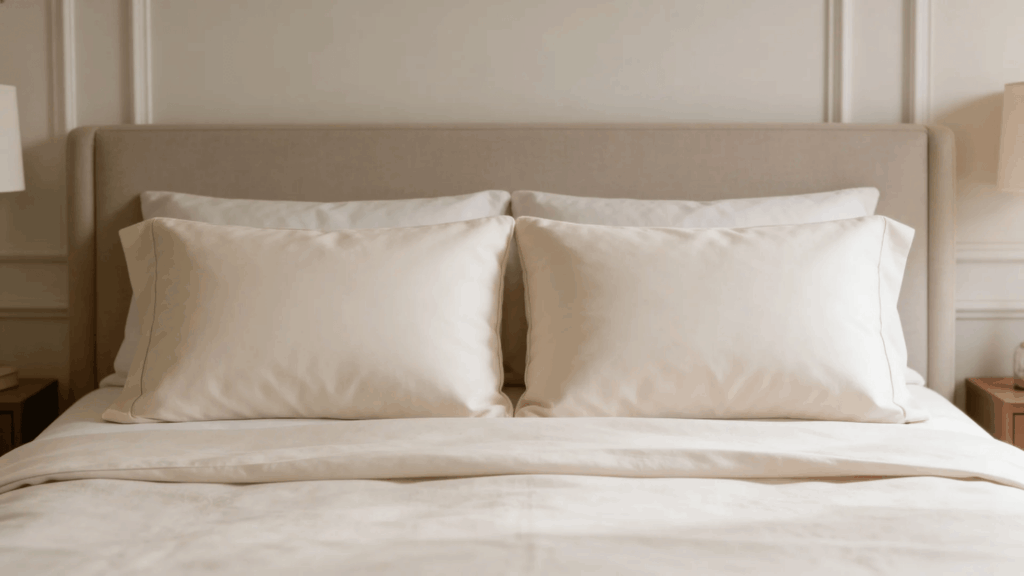
A standard sham is the most common type you will find in any bedding set. It fits a regular standard pillow and is the easiest size to shop for.
Most bedding sets come with two standard shams already included in the package.
They sit at the front of the bed during the day, giving the whole setup a neat, finished look.
If you are new to using shams and not sure where to start, this is the most affordable and straightforward option to try first.
- Size and Placement: 20 x 26 inches, sits at the front of the bed on twin or full-size beds.
- Material Used: Commonly made from cotton, polyester, or a cotton-polyester blend for everyday use.
2. Euro Sham
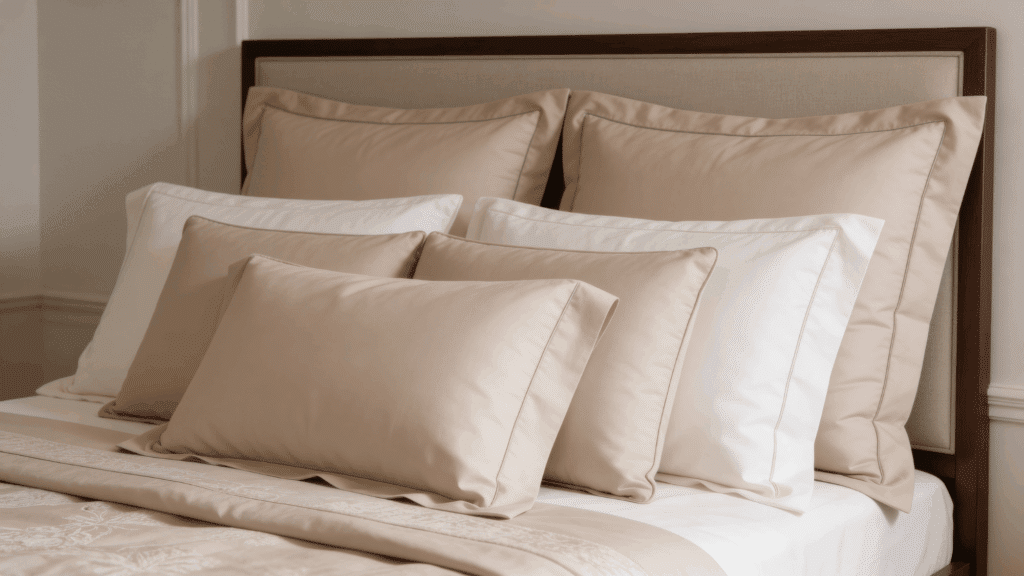
A euro sham is a large square pillow cover that adds height and depth to any bed arrangement.
It is bigger than a standard sham and is designed to lean against the headboard at the back of the bed.
Euro shams are especially popular in hotel-style setups where multiple pillow sizes are stacked together for a layered look.
They are usually sold separately from most bedding sets, so you may need to purchase them as an add-on when putting your bed together.
- Size and Placement: 26 x 26 inches, leans against the headboard at the back of the bed arrangement.
- Material Used: Often made from linen, cotton, or velvet for a more textured and decorative finish.
3. King Sham
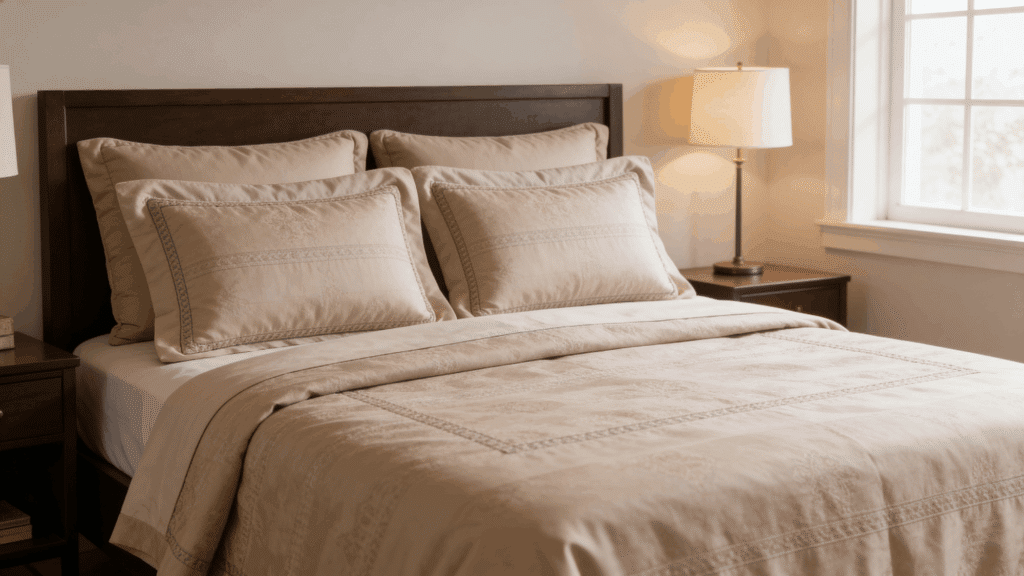
A king sham is designed specifically for king-size pillows and works best on larger beds. It is longer and wider than a standard sham, giving the bed a more proportionate and balanced look.
Using a king sham on a smaller bed can make the arrangement feel overcrowded and off-balance.
Most king bedding sets include two king shams, but you can also mix them with euro shams for a more layered and styled look that feels intentional and well put together.
- Size and Placement: 20 x 36 inches, sits at the front of king and California king beds.
- Material Used: Commonly made from cotton sateen, microfiber, or linen for a smooth and polished finish.
4. Quilted Sham
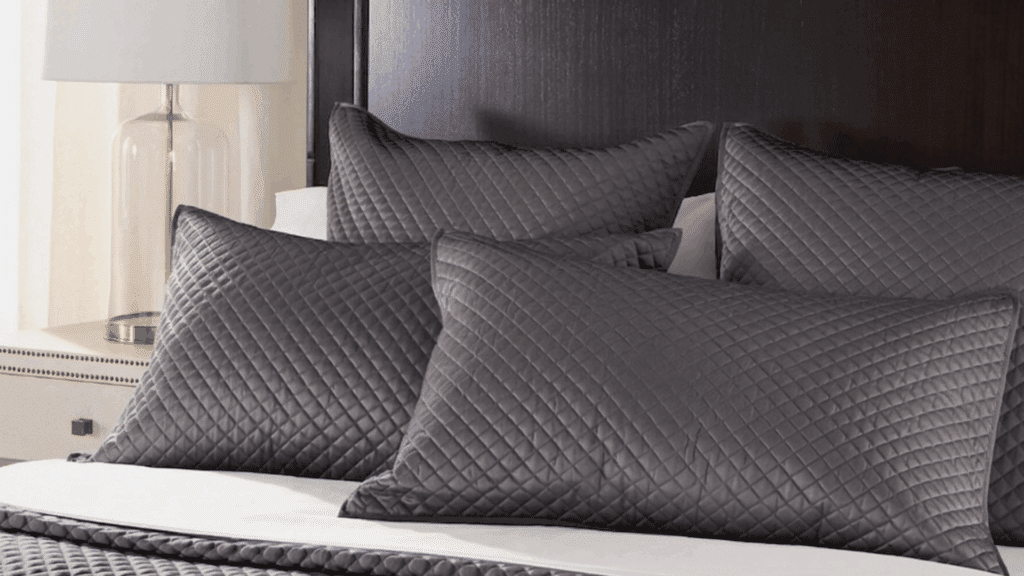
A quilted sham has a stitched pattern on the surface that adds texture and a cozy feel to the bed. It looks similar to a quilt and works especially well in rustic, farmhouse, or traditional bedroom styles.
Quilted shams are thicker than regular shams, giving them a more structured, padded appearance.
They pair beautifully with quilted bedspreads and comforters, making them a great choice for anyone who wants a cohesive and well-coordinated bed setup throughout the year.
- Size and Placement: Available in standard, king, and euro sizes, placed at the front or back depending on the bed style.
- Material Used: Typically made from cotton or polyester with a stitched outer layer for added texture and warmth.
5. Bolster Sham
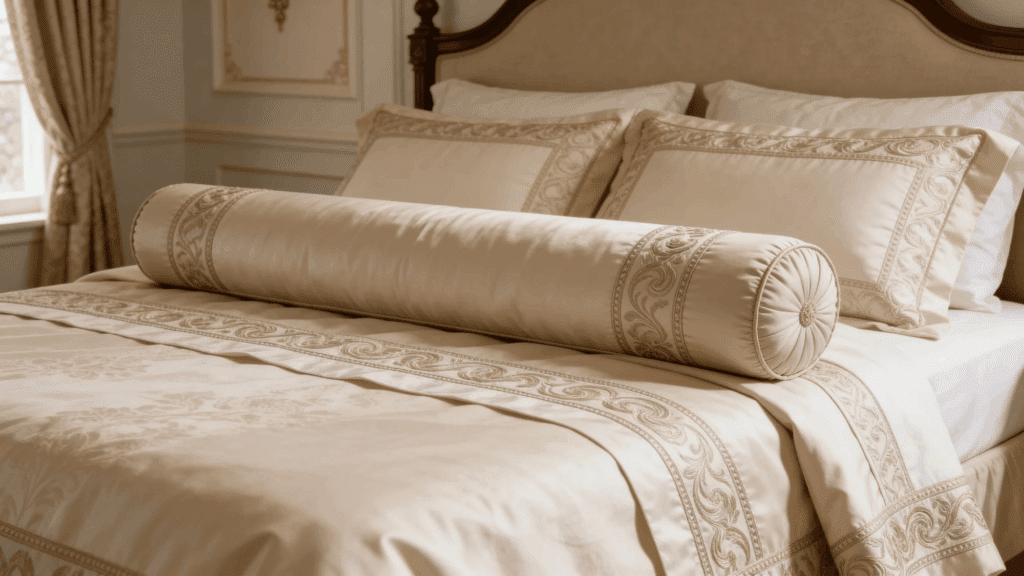
A bolster sham is a long, cylindrical pillow cover that sits across the front of the bed as a finishing decorative touch. It is less common than other sham types but adds a unique and stylish element to the overall bed arrangement.
Bolster shams work well in traditional, luxurious, and formal bedroom styles where extra decorative layering is part of the design.
They are usually sold individually and come in a range of fabrics, colors, and patterns to match any bedding set.
- Size and Placement: Usually around 6 x 20 inches, placed horizontally across the very front of the bed.
- Material Used: Often made from silk, velvet, or embroidered fabric for a rich and decorative appearance.
Sham vs Pillowcase: What’s the Real Difference?
A sham adds style and sits on display, while a pillowcase is made for daily use and comfort during sleep. Both serve different roles in your bed setup.
| Feature | Sham | Pillowcase |
| Main Purpose | Decorative: used to style the bed during the day | Functional: used for sleeping every night |
| Design | Has a decorative flange or border around the edges | Plain and simple with no extra border or detailing |
| Closure Style | Usually has a hidden back opening or envelope closure | Open at one end for easy removal and washing |
| Patterns and Finish | Often features embroidery, texture, or decorative prints | Usually plain or lightly patterned for comfort |
| Fabric and Feel | Made from decorative fabrics like linen, velvet, or sateen | Made from soft, skin-friendly fabrics like cotton or microfiber |
| When to Use | Place on the bed during the day for styling purposes | Use every night when you actually sleep on the pillow |
| Washing Frequency | Washed less often as it is not used during sleep | Washed regularly, as it comes into direct contact with the skin |
A simple rule to remember is this: if it’s for sleeping, use a pillowcase. If it’s for styling, use a sham. Both have their place on a well-made bed.
Care and Maintenance Tips
Taking care of your shams properly keeps them looking fresh and well-shaped for much longer. Here is everything you need to know to maintain them the right way.
- Washing Tips: Machine wash on a gentle cycle with cold water, but always check the care label first for delicate fabrics.
- Storage Ideas: Store shams flat or folded neatly in a linen cupboard away from direct sunlight to prevent creasing.
- Keeping Shape: Remove from the dryer while slightly damp and reshape by hand before laying flat to finish drying.
- Ironing and Steaming: Use a low-heat iron or handheld steamer on the reverse side to smooth out wrinkles after washing.
- Removing Stains: Treat stains immediately with a mild stain remover before washing to prevent them from setting into the fabric.
- Drying Tips: Tumble dry on low heat or air dry flat to prevent shrinkage and protect the shape of the flange.
- Rotation Routine: Rotate between two sets of shams regularly to prevent uneven fading and keep your bedding looking fresh.
How to Choose the Right Sham Bedding?
Choosing the right sham comes down to four simple things: match, color, fabric, and season. Start by matching your sham to your comforter or duvet.
It doesn’t have to be identical, but it should complement the overall look of your bedding without clashing.
For color, stick to tones already present in your bedroom. Neutral shades like white, cream, and grey work with almost everything and are the safest starting point.
For fabric, cotton is the most practical everyday choice.
Silk and linen work well for a more polished look in your bedroom decor and overall style.
Finally, think about the season. Lighter fabrics and cooler tones work best in summer, while thicker textures and warmer shades suit the colder months perfectly.
Conclusion
Sham bedding is an easy way to make your bed look neat and put together, and just one or two can change the feel of your room.
Now you know what shams are, how they differ, and which types fit your bed, you’re ready to get started.
Start simple. Pick a standard sham that matches your existing bedding and see how much of a difference it makes.
From there, you can layer in euro shams or experiment with different fabrics and textures as you get more comfortable and confident with styling choices.
Small changes in bedding can completely transform an entire room without spending a lot of money or time, making it feel fresh and new.
Which type of sham are you planning to try first? Drop your thoughts in the comments below!