

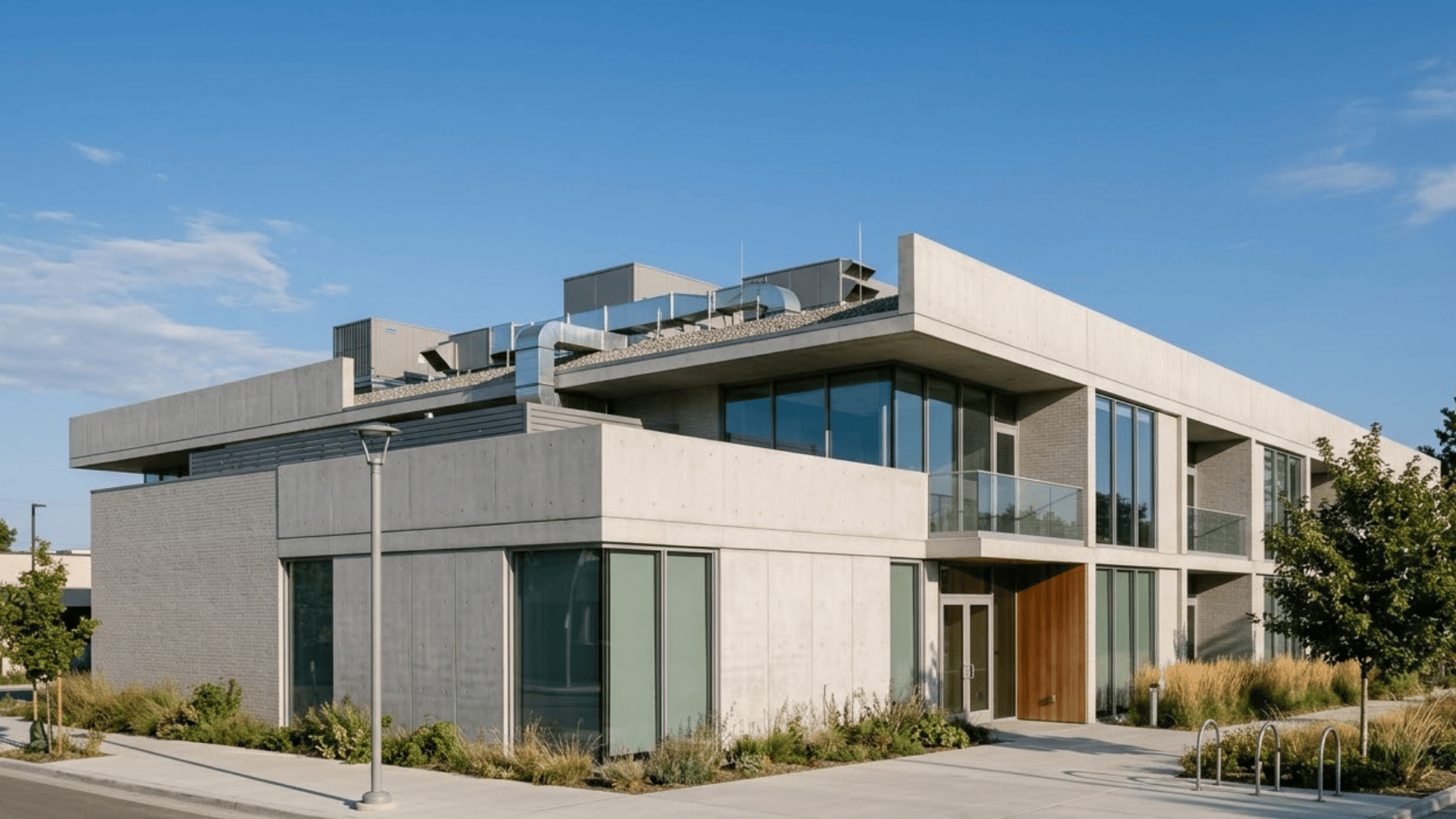
You’ve probably seen buildings with walls extending above the roofline; these are parapet roofs. While they may look simple, parapet roofs serve several important functions that can benefit both the building and its occupants.
In this blog, I’ll share what a parapet roof is, how it works, and why it’s commonly used in both modern and older buildings.
You will learn about different types of parapet roofs, their advantages, and how they help with things like water runoff, safety, and even energy efficiency.
If you’ve ever wondered how a parapet roof can improve a building’s design or protect against weather, you’re in the right place.
If you’re building a home or just curious, this guide will give you a complete understanding of parapet roofs and their role in architecture. Let’s get started!
What Is a Parapet Roof?
A parapet roof is simply a low wall that extends above the edge of a building’s roof. It’s often made from materials like brick, concrete, or metal.
You’ll see them on all kinds of buildings, from homes to office buildings and even skyscrapers.
The main job of a parapet roof is to protect the building. It helps prevent water from running off the roof and causing damage. It also keeps people and objects from falling off the edge.
In addition to its protective role, a parapet roof can also enhance a building’s appearance by adding a clean, finished edge at the top.
Historically, parapets were used for defense on castles and fortresses, but today they’re more about safety and style.
They’re a smart and practical feature that’s still widely used in modern architecture.
Key Functions and Features of Parapet Roofs
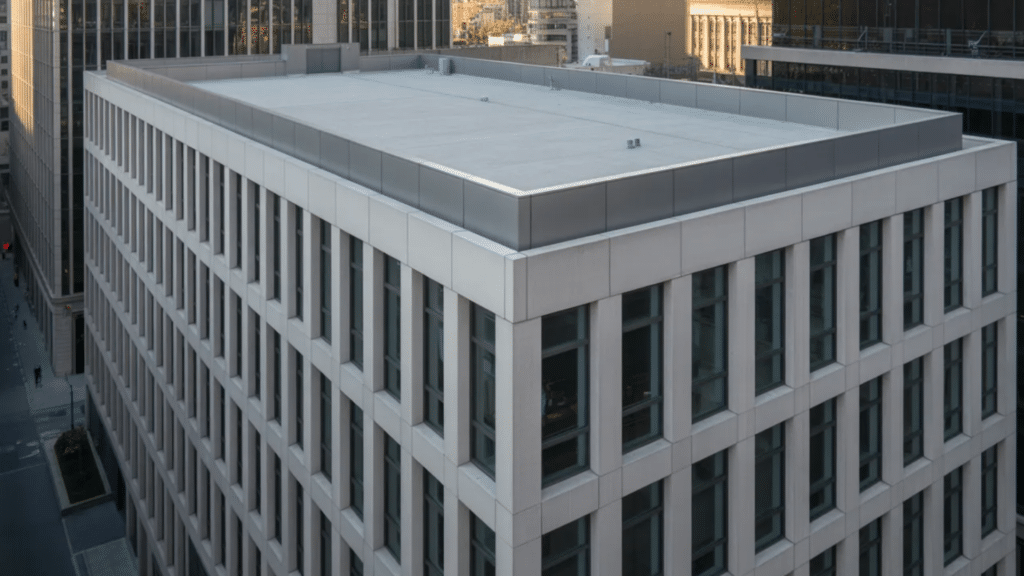
Parapet roofs add both safety and function to a building’s design. They create a raised edge that helps protect and support the structure.
1. Improves Roof Safety
Parapet walls act as a barrier along the edge of the roof, helping prevent accidental falls. This is useful for buildings where people may need to access the roof for maintenance or other tasks.
The added height gives a sense of safety and control while working.
It also helps protect tools and materials from slipping off the edge.
By creating a clear boundary, parapet roofs make rooftop areas safer and easier to manage in both homes and commercial buildings.
2. Helps Control Water Flow
Parapet roofs help guide rainwater toward proper drainage points. The raised edges allow water to be directed into drains or scuppers instead of flowing off randomly.
This helps reduce water buildup and prevents pooling on the roof surface.
Good water control lowers the risk of leaks and long-term damage. It also protects the outer walls from constant water exposure.
This makes the drainage system more reliable and keeps the roof in better condition over time.
3. Supports Roof Equipment
Parapet walls provide a place to hide or support rooftop equipment like air units, pipes, or wiring.
This helps keep the roof neat and reduces visible clutter from outside. It also offers some protection against strong winds by acting as a shield.
In many cases, it helps keep equipment more stable and secure.
By reducing direct exposure to weather, parapet roofs help extend the life of rooftop systems and make maintenance easier to handle.
4. Improves Building Appearance
Parapet roofs give buildings a clean and finished look by hiding roof edges and equipment.
This creates a smooth outline and improves how the structure looks from the outside. It also allows designers to match the roofline with the overall building style.
Many modern and older buildings use parapet walls for this reason.
The simple edge detail helps the structure look more complete and balanced without adding extra design elements or visible roof features.
5. Adds Fire Protection
Parapet walls can help slow the spread of fire between nearby buildings. They act as a barrier that blocks flames from easily moving across roof spaces.
This is especially important in areas where buildings are close together.
By adding this layer of separation, parapet roofs help improve fire safety. It gives more time for people to respond and control the situation.
This small structural feature plays a useful role in reducing fire risks.
How Parapet Roofs Work: Key Functions and Features at a Glance
Parapet roofs serve several important functions, protecting the building and enhancing its overall performance. These not only protect the structure but also contribute to safety, energy efficiency, and overall design.
| Function/Feature | Description |
|---|---|
| Prevents Water Runoff | Parapet roofs help direct water away from the roof’s edge, preventing water from spilling down the sides and causing damage to the building’s structure. |
| Wind Barrier | Parapets act as a barrier against wind, reducing the risk of wind damage and improving the building’s structural integrity during storms. |
| Fire Prevention | Parapets can help prevent the spread of fire across rooftops, acting as a protective barrier between buildings. They are especially useful in urban areas. |
| Energy Efficiency | Parapet roofs can improve insulation, helping to maintain consistent indoor temperatures by reducing heat loss from the roof. |
| Architectural Appeal | Apart from practical uses, parapets enhance a building’s exterior by giving it a clean, finished look, which adds to its architectural value. |
| Conceals Rooftop Equipment | Parapets can be designed to hide unsightly rooftop equipment, like HVAC units, keeping the roofline clean and visually appealing. |
Different Types of Parapet Roofs
Parapet roofs come in several styles, each serving a specific purpose depending on the building’s needs.
1. Flat Parapet Roofs
A flat parapet roof is a common choice in modern architecture. It features a horizontal wall extending above the roofline, often constructed from concrete or masonry.
This type is ideal for buildings with flat roofs, offering both aesthetic appeal and practical benefits, such as concealed rooftop equipment.
Flat parapets are perfect for structures in urban areas or commercial buildings, where a clean, streamlined look is desired.
Additionally, these roofs are easier to maintain, requiring minimal adjustments over time.
2. Sloped Parapet Roofs
Sloped parapet roofs are designed with a slight incline to help with water runoff and prevent pooling on the roof. Typically used for pitched roofs, sloped parapets are common in older or traditional architecture.
These parapets are often made from materials such as tile or slate to blend with the sloped roof design.
Sloped parapets are ideal for buildings in areas with heavy rainfall or snowfall, as the angle helps water run off the roof efficiently.
They offer a more classic look compared to flat parapets.
Benefits of Parapet Roofs: Why Choose Them?
Parapet roofs offer several advantages that can enhance the safety, appearance, and performance of a building. This is why you might want to choose them for your project
- Increased Building Safety: Parapet roofs act as a protective barrier, preventing accidents by keeping people and objects from falling off the roof.
- Visual Appeal: A parapet roof adds a sleek, finished look to a building. It can be designed to complement the overall architecture, enhancing the building’s curb appeal and value.
- Improved Rooftop Accessibility: Parapets provide a stable surface for maintenance work, making rooftops easier to access for repairs, installations, and inspections.
- Support for Sustainability and Energy Efficiency: Parapets help insulate the roof by reducing heat loss, thereby improving energy efficiency.
Common Uses of Parapet Roofs in Modern Architecture
Parapet roofs are a versatile feature found in a variety of building types. In this section, we’ll look at how they’re used in different structures and architectural styles.
1. Residential Homes
In residential buildings, parapet roofs are often found in modern and contemporary homes.
They add a sleek, stylish look and can help with water drainage and wind protection.
Many homes in urban areas use parapets to conceal rooftop equipment, like air conditioning units or solar panels, creating a clean, finished appearance.
In homes with flat roofs, parapets also serve as a safety feature, preventing accidents at the roof’s edge.
2. Commercial Buildings
Commercial buildings, including office towers and retail spaces, commonly feature parapet roofs.
These structures use parapets for both aesthetic and functional purposes. Parapets in commercial buildings often hide mechanical systems or rooftop HVAC units, maintaining the building’s sleek exterior.
They also help with weather protection and can be a key part of a building’s energy-efficient design, reducing heat loss.
Their simple yet effective design makes them ideal for modern commercial architecture.
3. High-Rise Offices and Skyscrapers
High-rise offices and skyscrapers often use parapet roofs to provide both safety and design appeal.
In these buildings, parapets serve as barriers to prevent workers from falling from the roof and to conceal rooftop utilities.
Their design blends well with the overall modern architecture, enhancing the building’s clean, uniform appearance.
In skyscrapers, parapets are often integrated with green roofs or solar panels, supporting sustainable building practices. These functional features make parapet roofs a staple in tall buildings.
4. Traditional to Contemporary Styles
Parapet roofs can be integrated into a range of architectural styles, from traditional to contemporary.
In traditional buildings, parapets are often made of stone or brick, providing a historic look.
Contemporary designs use parapets made of modern materials such as metal or concrete, giving the building a minimalist, modern edge.
Whether in classic brick homes or sleek high-rises, parapets fit easily into both styles by offering functionality and enhancing the visual appeal of the structure.
5. Urban and Rural Settings
Parapet roofs are used in both urban and rural settings, adapting to the needs of different environments.
In cities, they are often part of commercial buildings or high-rise apartments, helping with water drainage and offering wind protection in busy environments.
In rural areas, parapets are used on homes and barns to protect against the weather and support the structure.
Their adaptability makes parapets a useful addition to buildings in a wide range of settings.
Parapet Roof Maintenance Tips for Longevity
Proper maintenance is key to extending the life of your parapet roof. Below are some helpful practices to keep it in top shape and prevent costly issues.
- Check for Cracks and Gaps: Inspect the parapet walls for small cracks or openings, as these can let water in and cause damage over time.
- Clean Drainage Areas: Remove dirt, leaves, and debris from drains and scuppers to prevent water buildup and ensure smooth flow.
- Inspect Flashing and Seals: Look at the flashing around edges and joints to make sure it is secure and not worn out or loose.
- Watch for Water Stains: Check for signs of water marks or damp spots, which can point to hidden leaks or poor sealing.
- Repair Damage Early: Fix small issues like loose materials or minor cracks before they grow into bigger problems.
- Keep the Surface Clean: Clear dust and debris from the roof surface to reduce wear and prevent blockages.
- Schedule Regular Inspections: Have a professional check the roof at least once a year to catch problems you might miss.
Are Parapet Roofs Right for Your Building?
When deciding whether a parapet roof is the right choice for your building, it’s important to consider both the benefits and drawbacks.
| Factor | Pros | Cons |
|---|---|---|
| Aesthetic Appeal | Parapet roofs enhance the building’s design, giving it a clean, finished look and architectural value. It may | y not be ideal for buildings with a more rustic or traditional aesthetic. |
| Safety | Provides a safety barrier to prevent falls from the roof. | If not properly maintained, the parapet can become a liability, leading to wear and structural weakening. |
| Water Protection | Helps to redirect water away from the edges, preventing leaks and water damage. | Without proper drainage, water can accumulate and cause damage over time. |
| Maintenance | Low-maintenance if properly installed and sealed. Requires little upkeep unless damage occurs. | Requires routine inspections and maintenance, including sealing cracks and cleaning. |
| Cost | Parapets can increase the overall value of the property, making them a good investment. | Initial installation is more expensive than traditional roofs, due to extra labor and materials. |
| Energy Efficiency | Provides insulation benefits, reducing heat loss and improving energy efficiency. | It may not provide substantial energy savings unless integrated with green roofs or other energy-efficient systems. |
Conclusion
Parapet roofs may seem like a small design detail, but they play an important role in how a building performs and looks.
They help control water flow, improve safety, and give a neat, finished edge to the roofline.
If you are planning a new home or upgrading an existing one, knowing how parapet roofs work can help you make a smart choice.
They also support better maintenance and can protect your structure from long-term damage.
With the right design and care, a parapet roof can add both function and value to your property.
Have you used a parapet roof or thought about adding one to your building? Share your experience or questions in the comments below.
Frequently Asked Questions
How Much Does a Parapet Roof Cost to Install?
The installation cost ranges from $10 to $30 per square foot, depending on materials, size, and complexity. Labor and design factors also influence the final price.
What Materials Are Best for Building a Parapet Roof?
Common materials include concrete, masonry, brick, and metal. The choice depends on your building style, location, and budget. Concrete and brick offer durability, while metal is ideal for modern, low-maintenance designs.
Can Parapet Roofs Be Added to Existing Buildings?
Yes, parapet roofs can be added to existing buildings, but some changes may be needed. Walls may need support, and drainage may need adjustment. It’s best to consult a professional.