

Water damage rarely announces itself with dramatic flooding or obvious destruction. It creeps in quietly beneath the surface, behind walls, and even under flooring. What this does over time is to compromise and deteriorate the integrity of your home. For homeowners who enjoy the satisfaction of DIY maintenance, this may seem like an opportunity to take control. But a wet vac and a few box fans can’t always handle the issue.
However, some issues demand more than elbow grease. Ignoring the ‘grey area’ signs of water damage can easily turn a $500 deductible into a $15,000 structural nightmare. Understanding these sometimes, not-so-obvious indicators of water damage can help you act early. You get to protect your property and avoid long-term structural damage and costs. Here are seven signs it’s time to call in a professional water damage restoration service:
A Persistent Musty Smell
One sign of hidden moisture buildup is a lingering musty smell. Even if surfaces appear dry, water may be trapped in porous materials like drywall or insulation. This can be particularly tricky because the intensity of the odor does not always correlate with the extent of damage. A faint smell could still indicate widespread moisture behind walls. Sometimes, air fresheners or DIY cleaning solutions may mask the scent temporarily, but they don’t remove the underlying cause.
Sometimes, these smells may come off as an electrical whiff with a metallic tinge. It suggests that moisture may have bridged the gap in your electrical wiring or reached the backing of your outlets. DIYs cannot fix this without tearing the wall open. Instead, professional restoration teams use advanced tools for moisture mapping and air quality testing. This helps them locate and eliminate the source of the smell.
Recurring Mold Spots in the Same Area
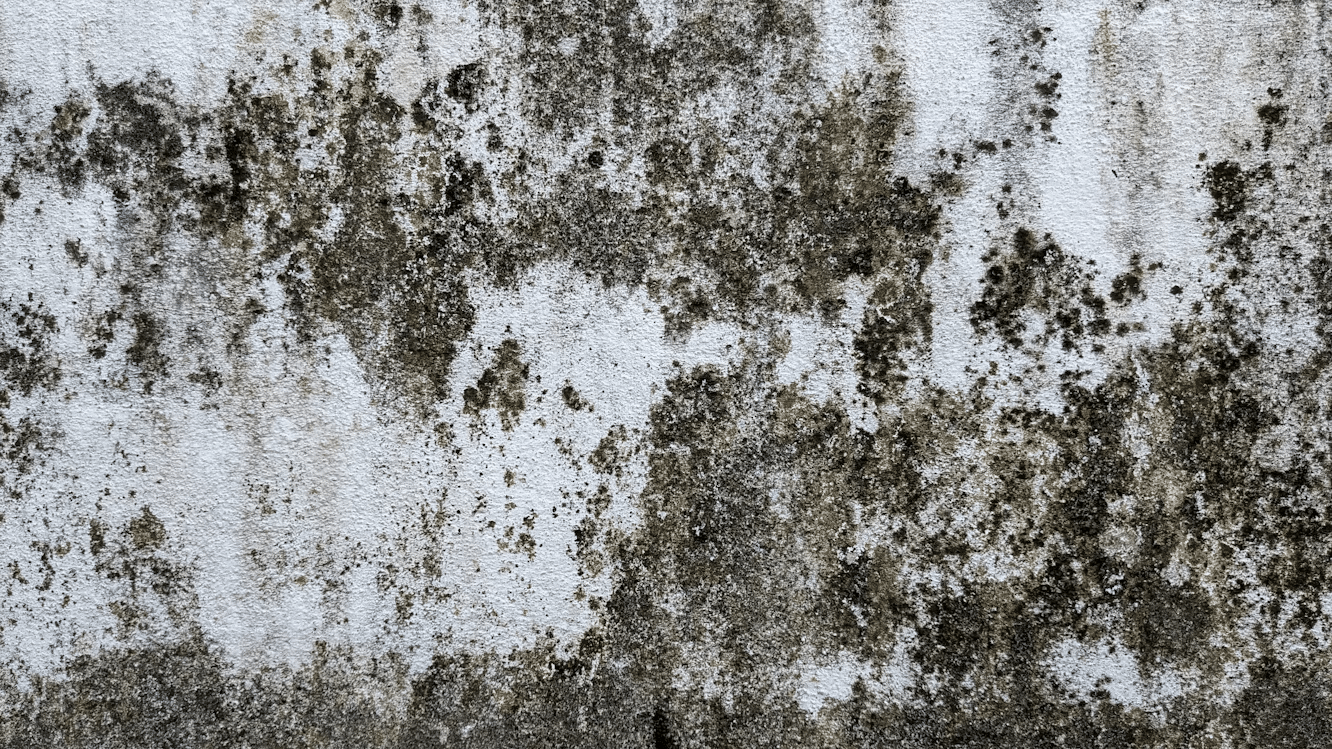
Mold that keeps returning to the same location, even after repeated cleaning, is a strong indicator of unresolved moisture issues. Surface-level cleaning only addresses visible growth. It does not remove the damp conditions that allow mold to thrive.
As a DIY enthusiast, this is where you realize you have reached your limit. Many homeowners who eventually explore solutions from water damage restoration New Jersey professionals do so after noticing that the problem lies deeper within the structure. But through remediation, the restoration experts can identify the source and work to prevent future outbreaks.
Warping or Buckling of Materials
A little water on hardwood is usually fine if you wipe it fast. However, do the edges of the planks feel slightly raised when you run your hand across them? This is called cupping, and it happens when the bottom of the wood absorbs more moisture than the top. Sometimes, there is no dramatic swelling or visible distortion. The early signs can show up as slight warping in baseboards or cabinetry. You might notice that the cabinet door no longer aligns perfectly or that the floorboard begins to lift at the edges.
These minor irregularities often result from prolonged exposure to humidity or slow leaks. If left unchecked, they can evolve into structural issues that require full material replacement. However, a professional can determine if the damage is superficial or if the substructure has been compromised.
Efflorescence on Concrete
Sometimes, you may notice white, chalky, and almost salty residue ringing the bottom of walls or the concrete floor. It may look like dirt, but it is actually the effect of efflorescence. Efflorescence is a chemical reaction whereby water traveling through your concrete dissolves internal salts.
When the surface water evaporates, the salt is left as a crystal. Mopping or polishing over the stain does not fix it permanently. Identifying whether this was caused by, perhaps, a burst pipe or groundwater intrusion is where the water damage experts need to come in.
Hollow or Crunchy Drywall
Tap your walls, and walk along the base of the wall where it meets the floor. Does the drywall sound hollow in one spot but solid in another? When you press lightly, does it feel crunchy?
Drywall is essentially gypsum between paper layers. When wet, the gypsum loses its crystalline structure and turns to paste. Once it dries, it doesn’t harden again. It becomes brittle. Eventually, the weight of the wall may cause it to sag or crumble. The professionals often have to do a flood cut by removing the lower two feet of drywall to inspect the insulation and framing.
Changes in Indoor Humidity Levels
If your home begins to feel unusually humid, despite normal weather conditions, it may be a sign of moisture accumulating within the structure. This kind of environmental shift is easy to dismiss, especially in regions with high humidity.
However, when indoor conditions deviate from your home’s usual baseline, it’s worth investigating. With tools beyond what any DIY can make available, the professionals can assess humidity levels across different zones of your home.
The ‘Sticky’ Door Syndrome
When you notice your interior doors sticking to the top corner or failing to latch, even when you haven’t changed the hinges, something is off. This is usually a sign of structural swelling. When lumber, which is used in making door frames, absorbs moisture, it expands horizontally. When you plane the door, it only treats the symptom and forgoes the root cause. However, professional use of a borescope to check the rough opening can unveil wet studs that will eventually rot and compromise the shear strength of that wall.
Endnote
Taking the hands-on approach to maintenance is great, but water damage operates on a different level. The diagnostic tools professionals use are more likely what you need to tackle your specific water problems. Timing makes all the difference with water damage. Addressing it early with the right kind of assistance from professionals can prevent structural decay and mold growth while protecting your health and home.