

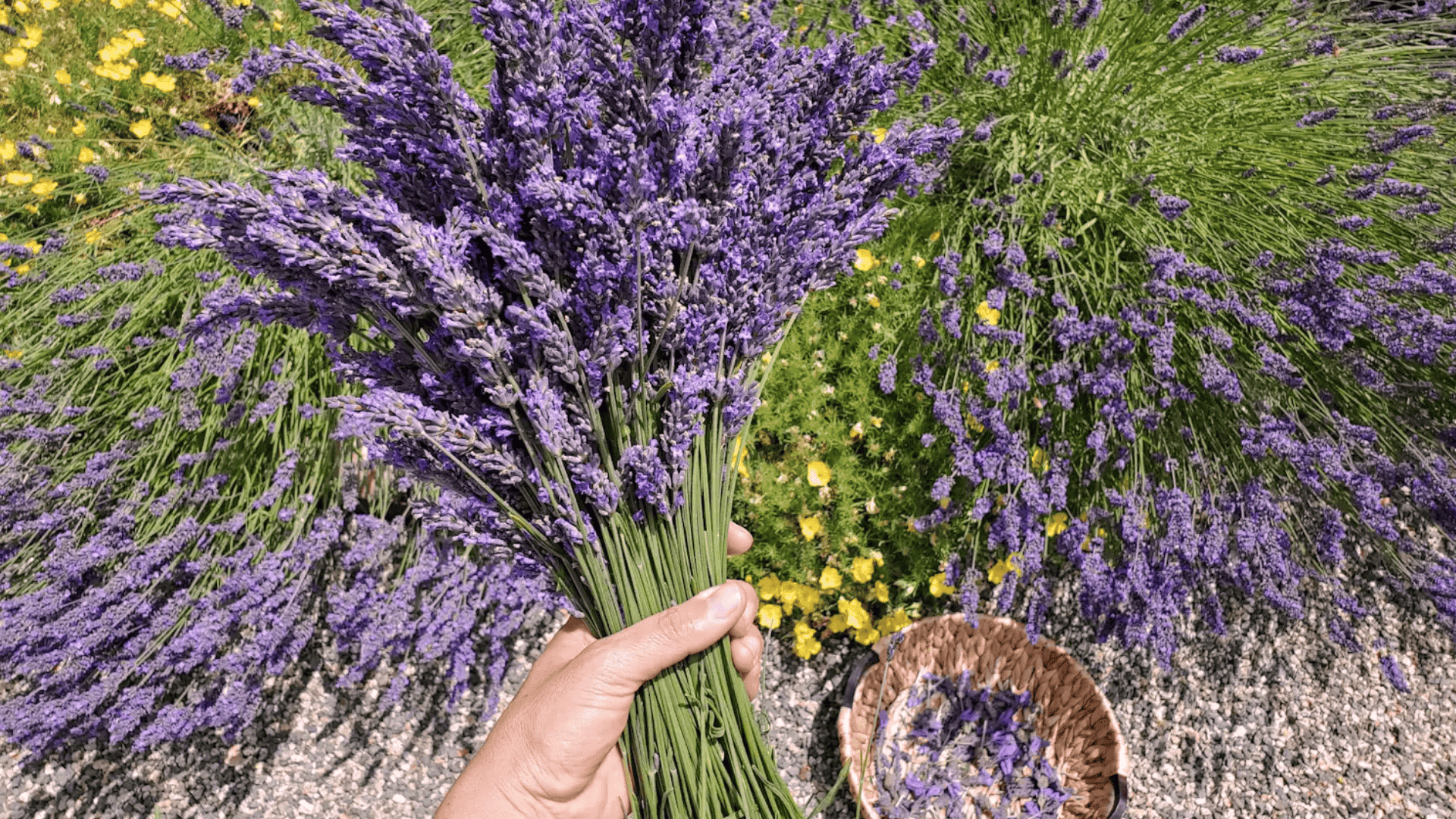
I have grown lavender in my garden for a few years, and I learned that the plants around it matter more than I first thought.
Some plants help it grow better, while others can slow it down. That is why choosing the right mix is important.
In this guide on companion plants for lavender, I will share simple ideas that work well in real gardens. You will find flowers, herbs, and even a few vegetables that grow nicely next to lavender.
I will also point out what to avoid so you do not waste time or space.
If you want stronger plants, better blooms, and an easier garden setup, this list will help you make smarter planting choices without confusion.
Why Companion Planting Matters for Lavender?
Companion planting matters for lavender because it helps the plant grow stronger with less effort. Lavender likes dry soil, full sun, and good air flow.
When you place it next to plants with the same needs, everything becomes easier to manage.
Right companions reduce watering problems and help prevent root rot.
They also keep pests away by adding natural balance to your garden. Some plants can attract pollinators, which supports better growth.
On the other hand, poor choices can harm lavender by adding too much moisture or shade.
This can slow growth and lead to weak plants. When you understand companion planting, you save time and avoid common mistakes. It also helps you use your space better.
In simple terms, the right plant mix keeps your lavender healthy and easier to care for all season.
Key Traits of Good Lavender Companion Plants
Good companion plants share similar growing needs and help lavender stay healthy with less effort. Choosing the right traits makes your garden easier to manage and more balanced.
- Sunlight needs: Choose plants that enjoy full sun, just like lavender, so they grow well side by side.
- Low water needs: Pick plants that do not need much water, since too much moisture can harm lavender roots.
- Well-drained soil: Go for plants that grow best in dry, loose soil to avoid soggy conditions.
- Compact growth: Select plants that do not spread too much or crowd lavender space.
- Good air flow: Plants with open growth help air move freely, which keeps lavender healthy.
- Pest resistance: Some companions help reduce pests and protect nearby plants.
- Pollinator support: Flowers that attract bees can help improve overall garden activity.
- Similar care routine: Plants that need the same care make watering and upkeep simple.
Best Lavender Companion Plants for Gardens
From sun-loving herbs to drought-tolerant perennials, these plants share lavender’s growing conditions, making them perfect companions in your garden
1. Rosemary
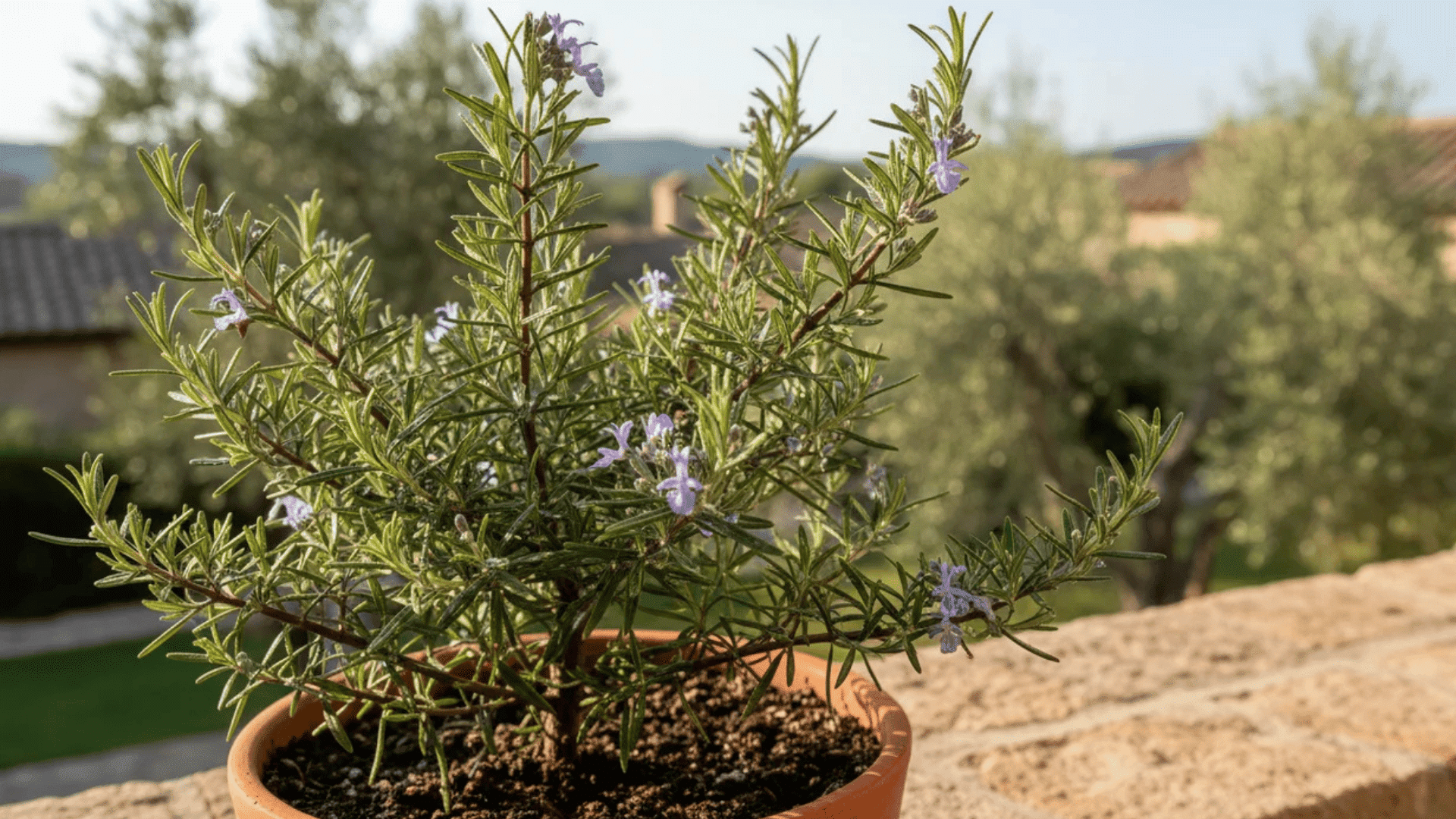
Rosemary grows really well next to lavender because both love dry soil and full sun.
They don’t need much water, so there’s no need to change the care routine. Rosemary also has a strong scent, which can help keep pests away from the surrounding plants.
Both herbs are drought-tolerant once established, making them a reliable pair for low-water gardens.
When planted together, they create a neat, low-care space that looks good through most of the year.
2. Thyme
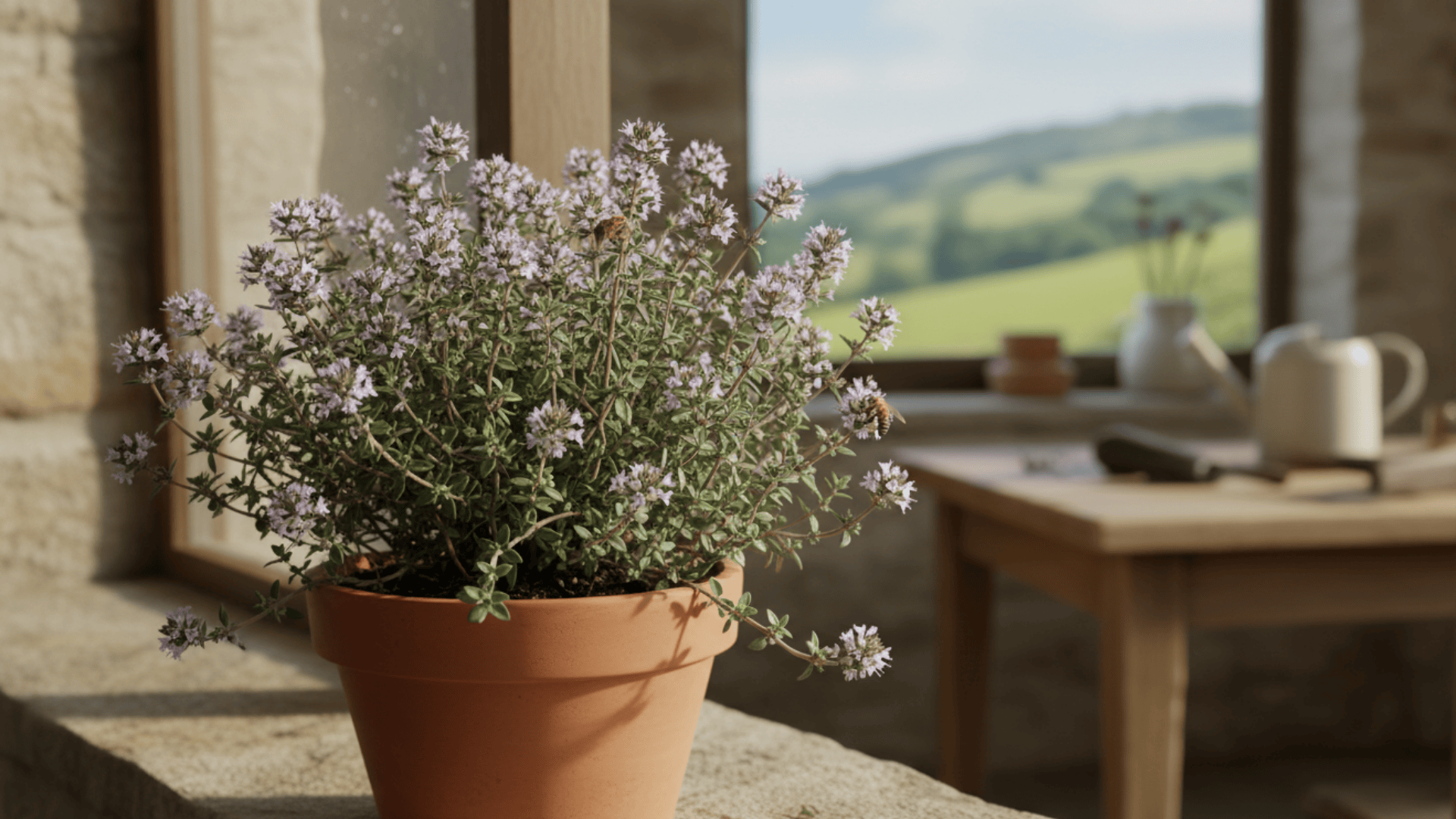
Thyme is one of the easiest herbs to grow with lavender. It stays low and spreads nicely without crowding other plants.
It works well as ground cover because it helps keep weeds down while filling empty patches between plants.
The low-growing habit also makes it a great choice for border edges and pathways. Both plants grow in full sun and well-drained soil, so there’s no need to adjust the watering schedule.
When both plants share the same space, there’s no need to worry about overwatering or extra care throughout the growing season.
3. Sage
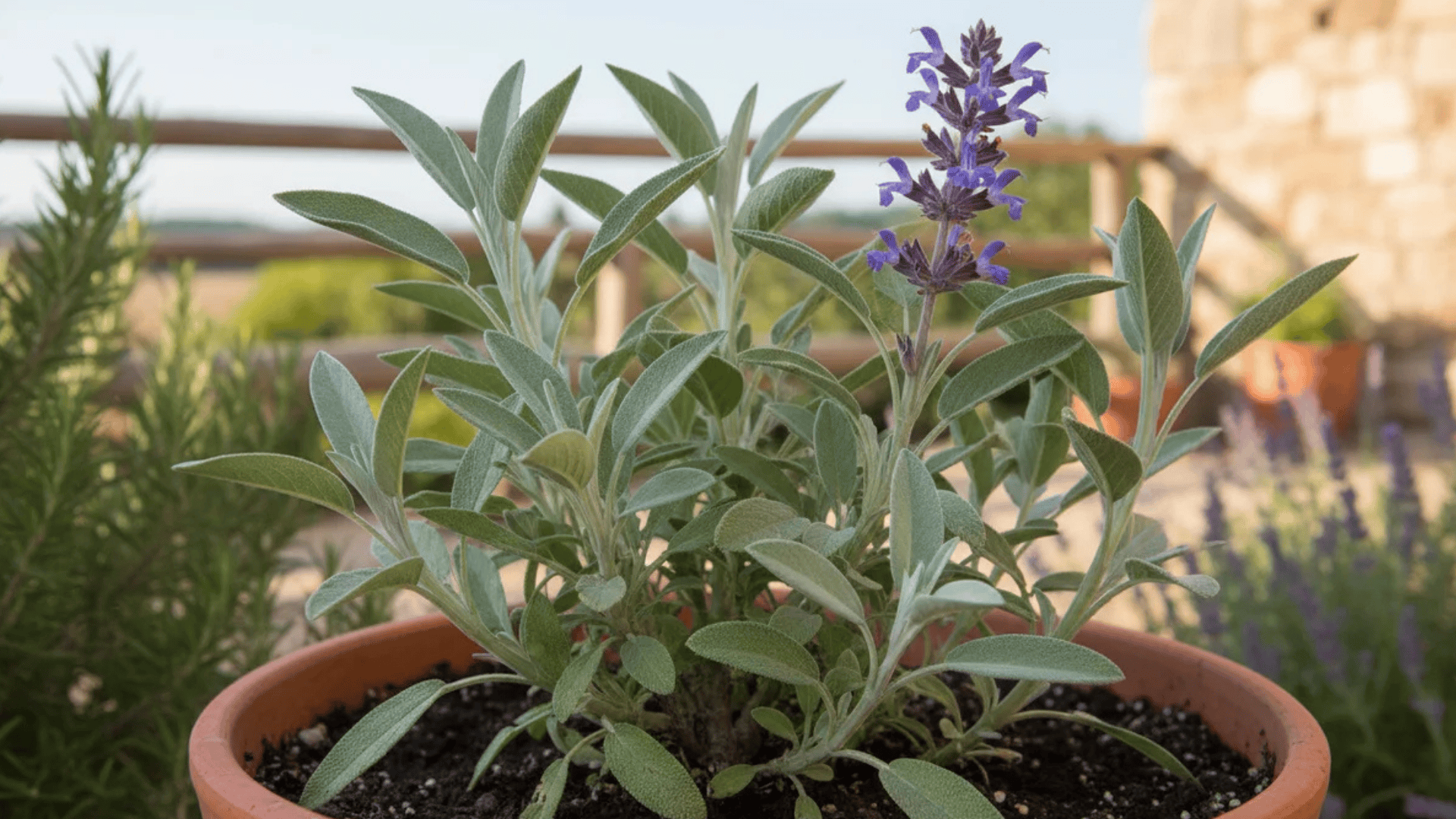
Sage works well with lavender because it prefers the same sunny, dry conditions. Both plants grow better when they are not overwatered.
Sage has soft leaves and a light scent that combines nicely in the garden. It also attracts helpful insects, such as bees.
When planted together, both plants stay healthy and require very little effort to maintain throughout most of the growing season.
4. Oregano
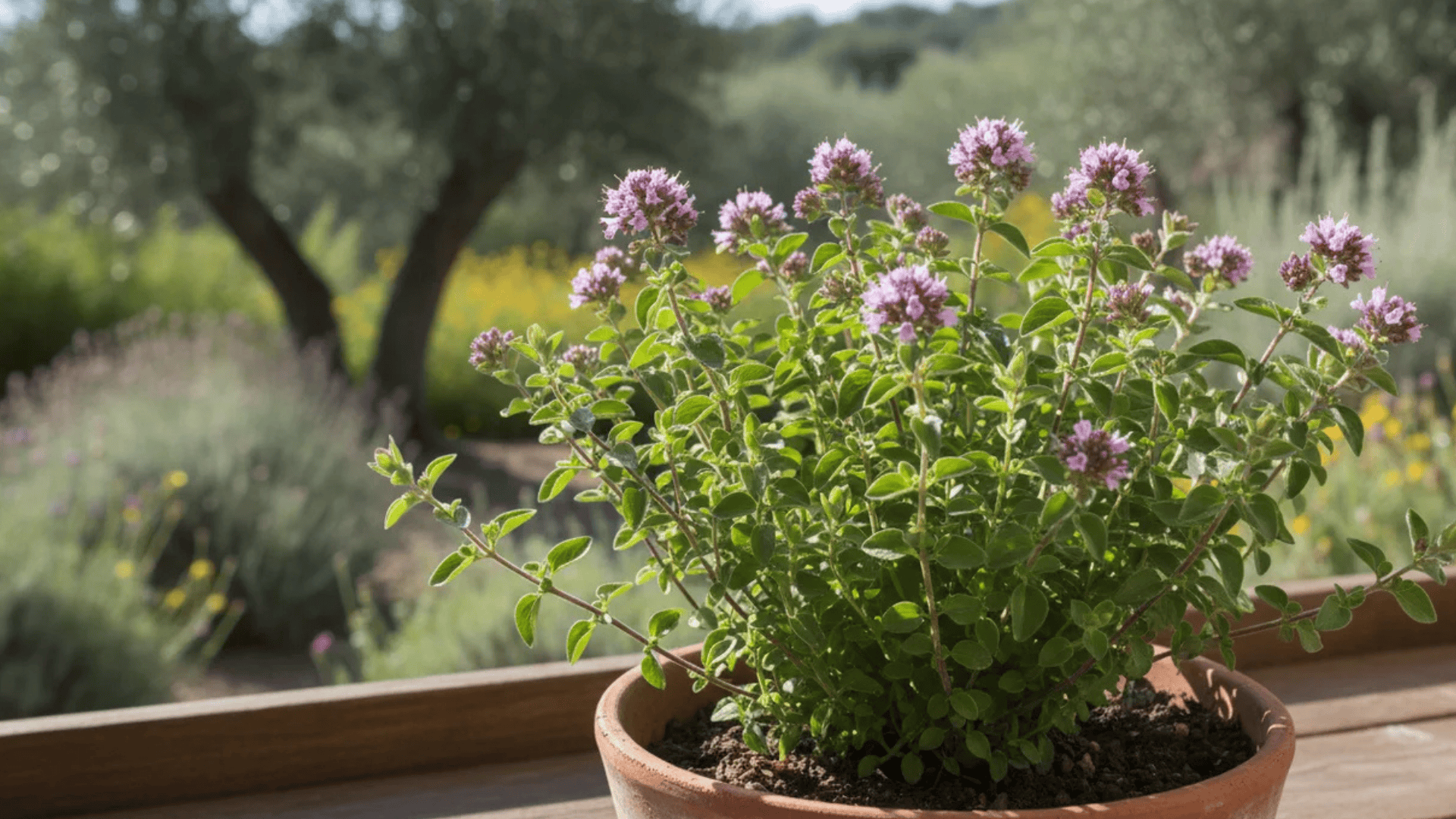
Oregano is a strong, hardy herb that grows well alongside lavender. It doesn’t mind dry soil and can handle heat easily.
It spreads and fills empty spaces without taking over the garden. This helps keep the space looking full and balanced.
Oregano is also useful in cooking, so it adds both beauty and function in one place. It’s a practical and low-effort pairing for most gardens.
5. Basil
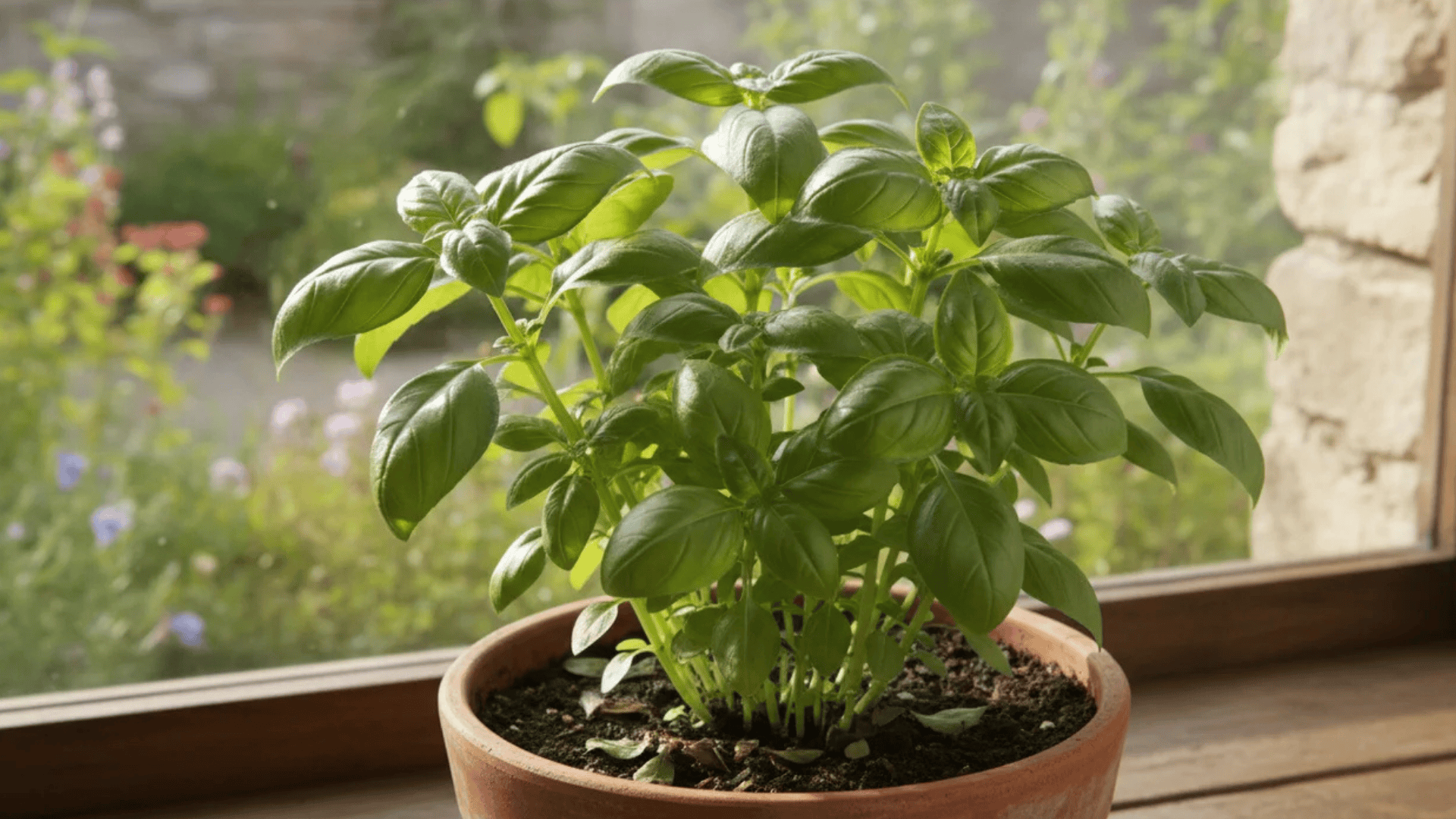
Basil can grow near lavender if given a bit more space and slightly more water.
Placing it a little farther apart helps avoid overwatering lavender.
Lavender may help keep pests away from basil, which is a nice bonus. Just make sure the soil drains well and doesn’t stay wet.
With the right spacing and care, both plants can grow without stress or damage.
6. Echinacea
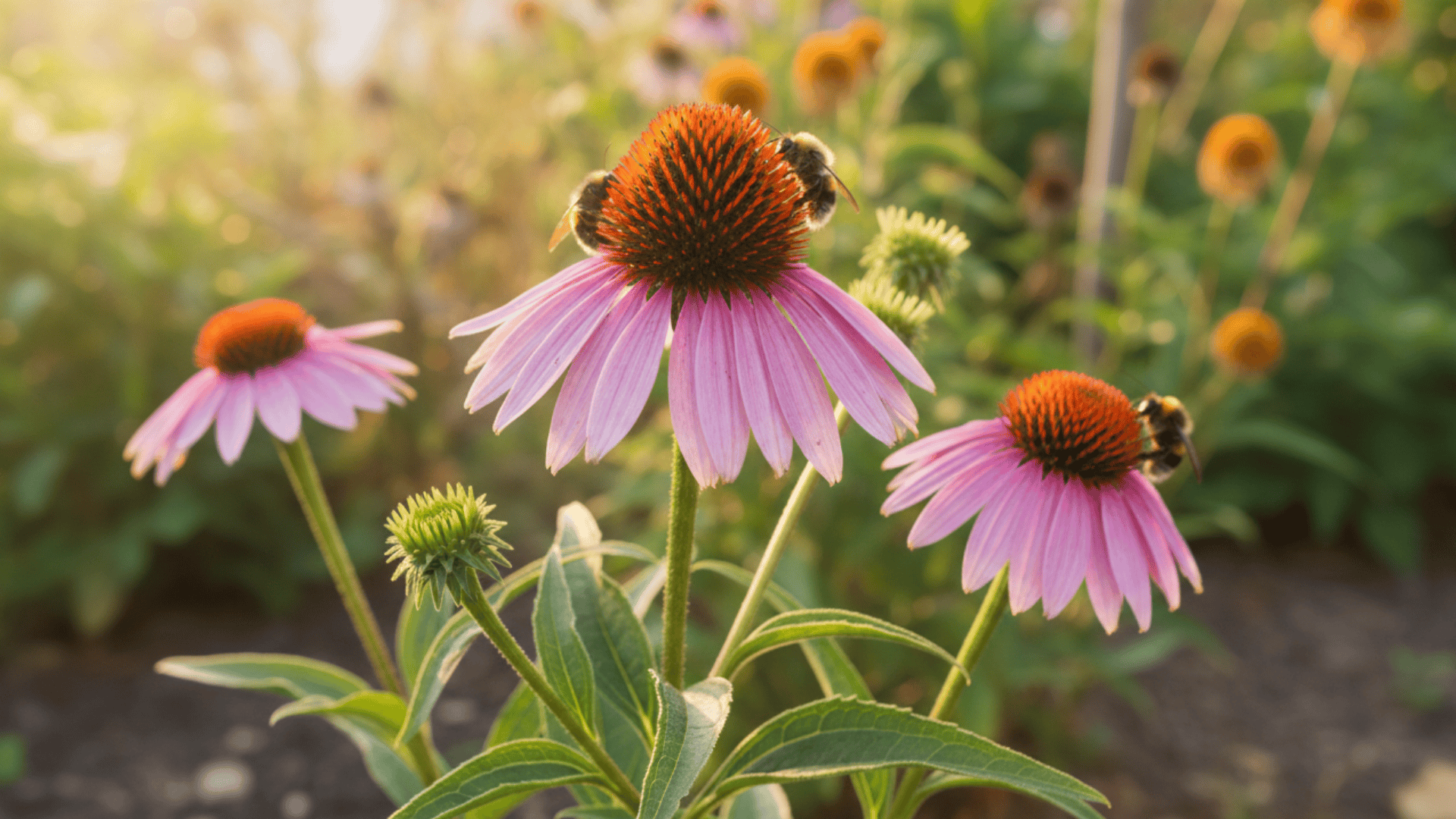
Echinacea grows well with lavender because it loves full sun and dry soil. Its tall flowers add height and color to the garden.
It also attracts bees and butterflies, which helps nearby plants stay healthy.
These flowers don’t need much care once they settle in.
When paired with lavender, they create a bright, lively space that stays easy to manage throughout the warm growing season.
7. Yarrow
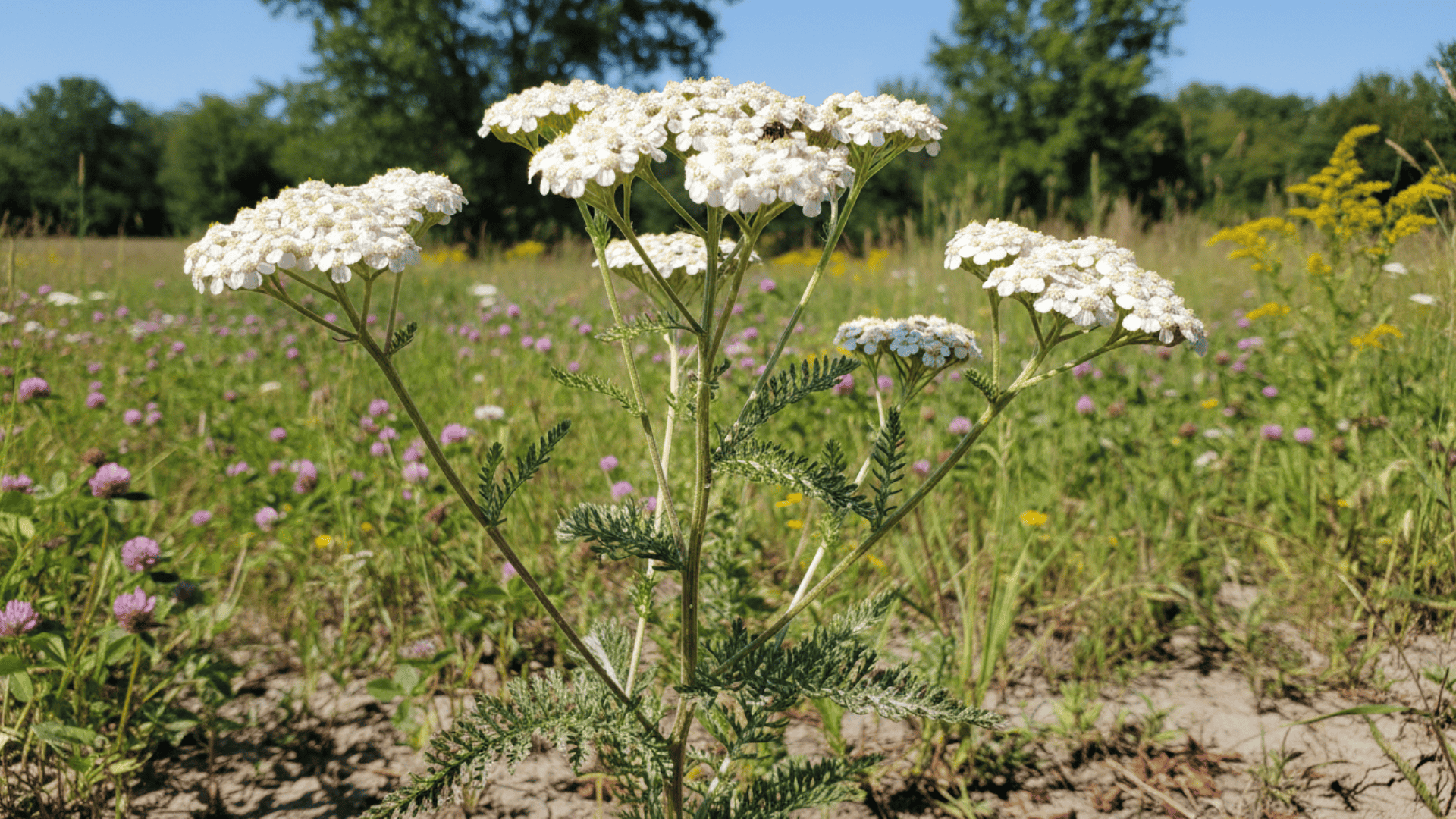
Yarrow is a great match for lavender because it handles dry conditions very well. It grows strong even with little water.
Its flat flowers add a soft touch to the garden while remaining tough enough for heat. Yarrow also helps attract helpful insects.
When planted with lavender, both plants stay healthy and require little attention.
This pairing is simple to maintain and works well in most sunny garden spaces.
8. Salvia
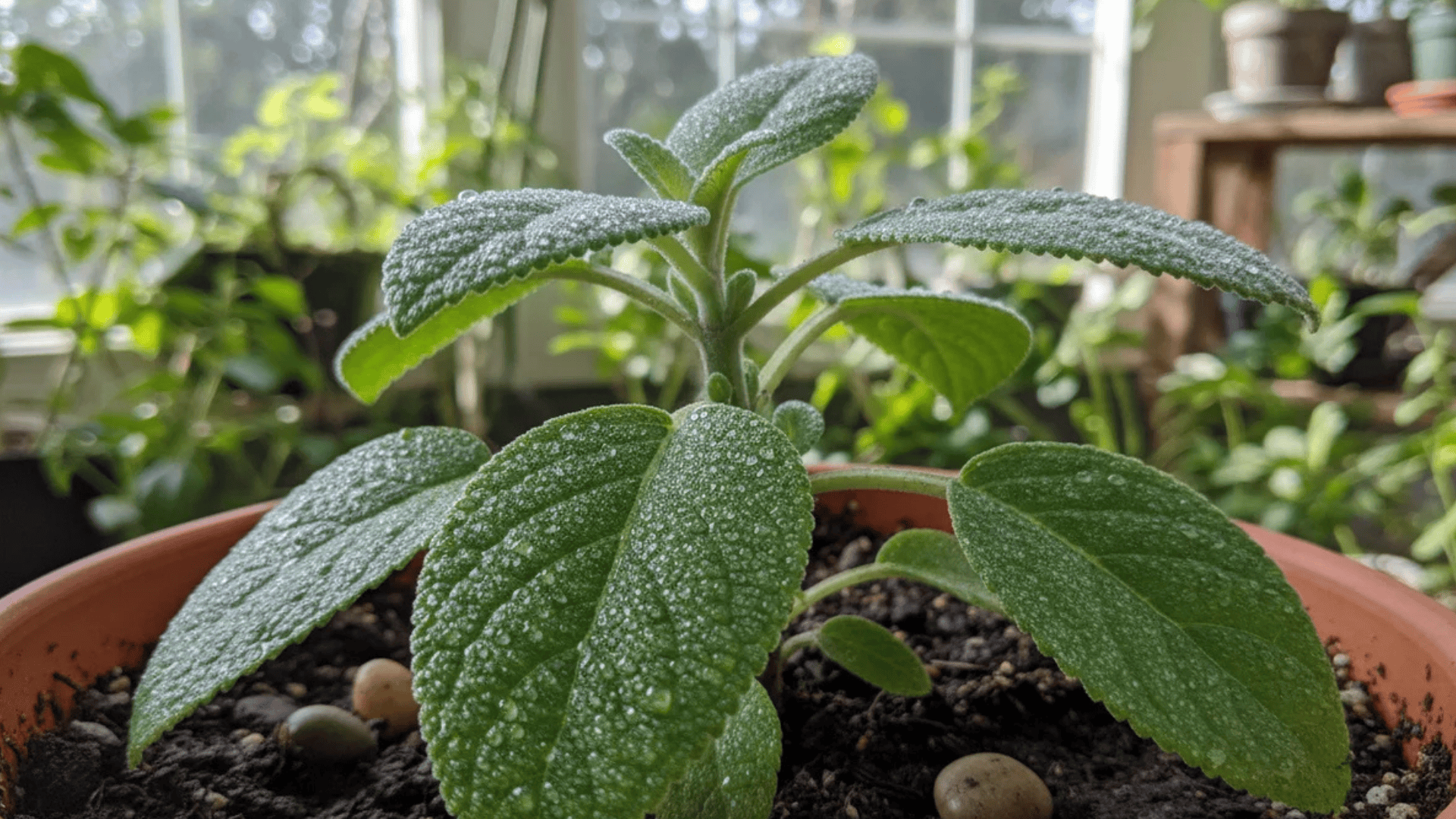
Salvia and lavender work well together because they share the same growing needs, both like sun, dry soil, and good airflow.
Their flowers look great side by side, adding color without extra effort.
Salvia also attracts pollinators, helping the garden stay active through the season.
With this pairing, the setup remains simple and easy to care for, making it a reliable choice for low-maintenance garden beds.
9. Black-Eyed Susan
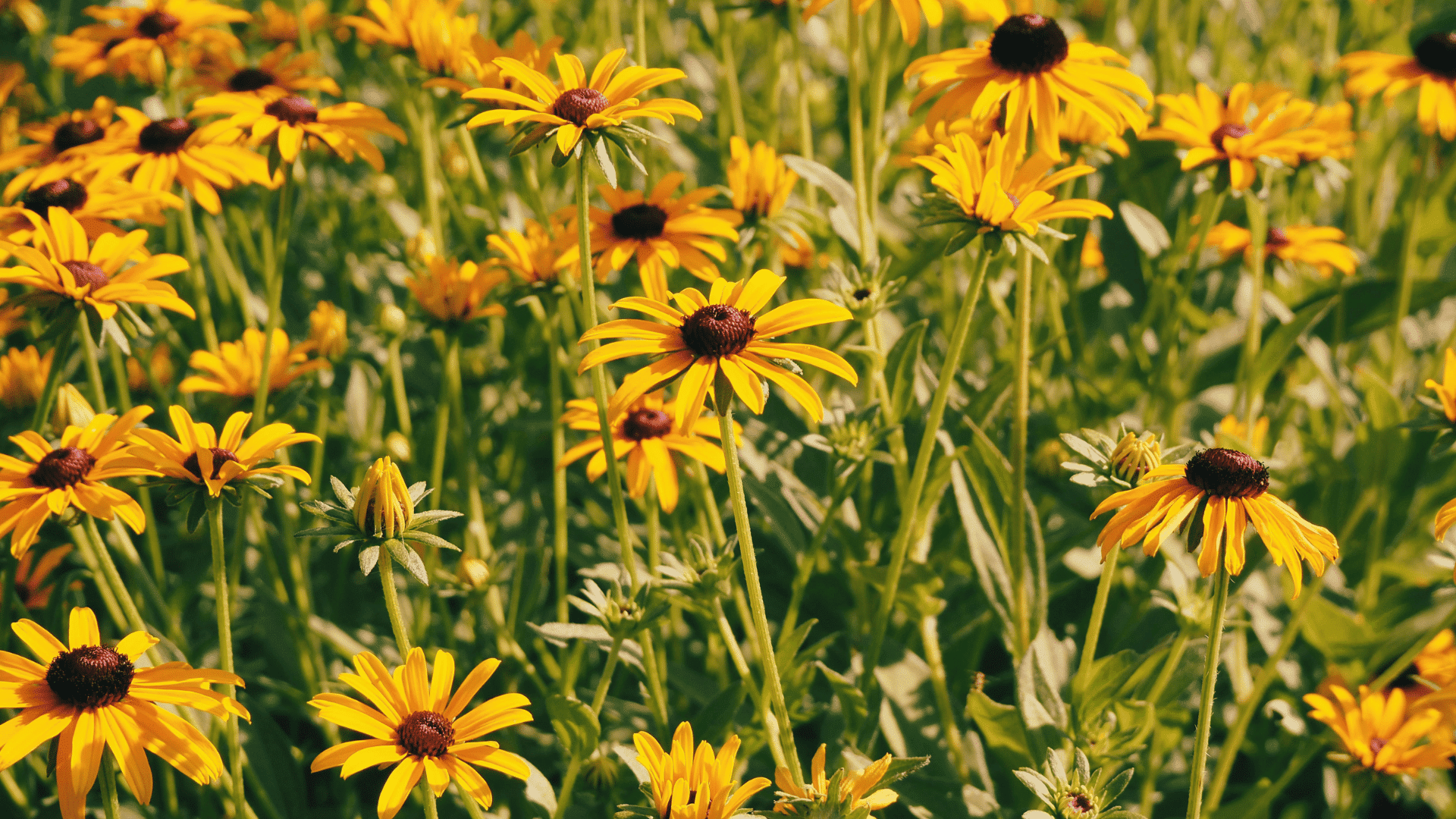
Black-eyed Susan is a strong-flowering plant that pairs well with lavender. It can handle heat and doesn’t need much water once it grows.
It adds bright color without needing extra care throughout the season.
It also attracts bees, which supports overall plant growth. When paired with lavender, it creates a balanced garden that looks full and stays low-maintenance.
This is a reliable combination for sunny, dry garden areas.
10. Coreopsis
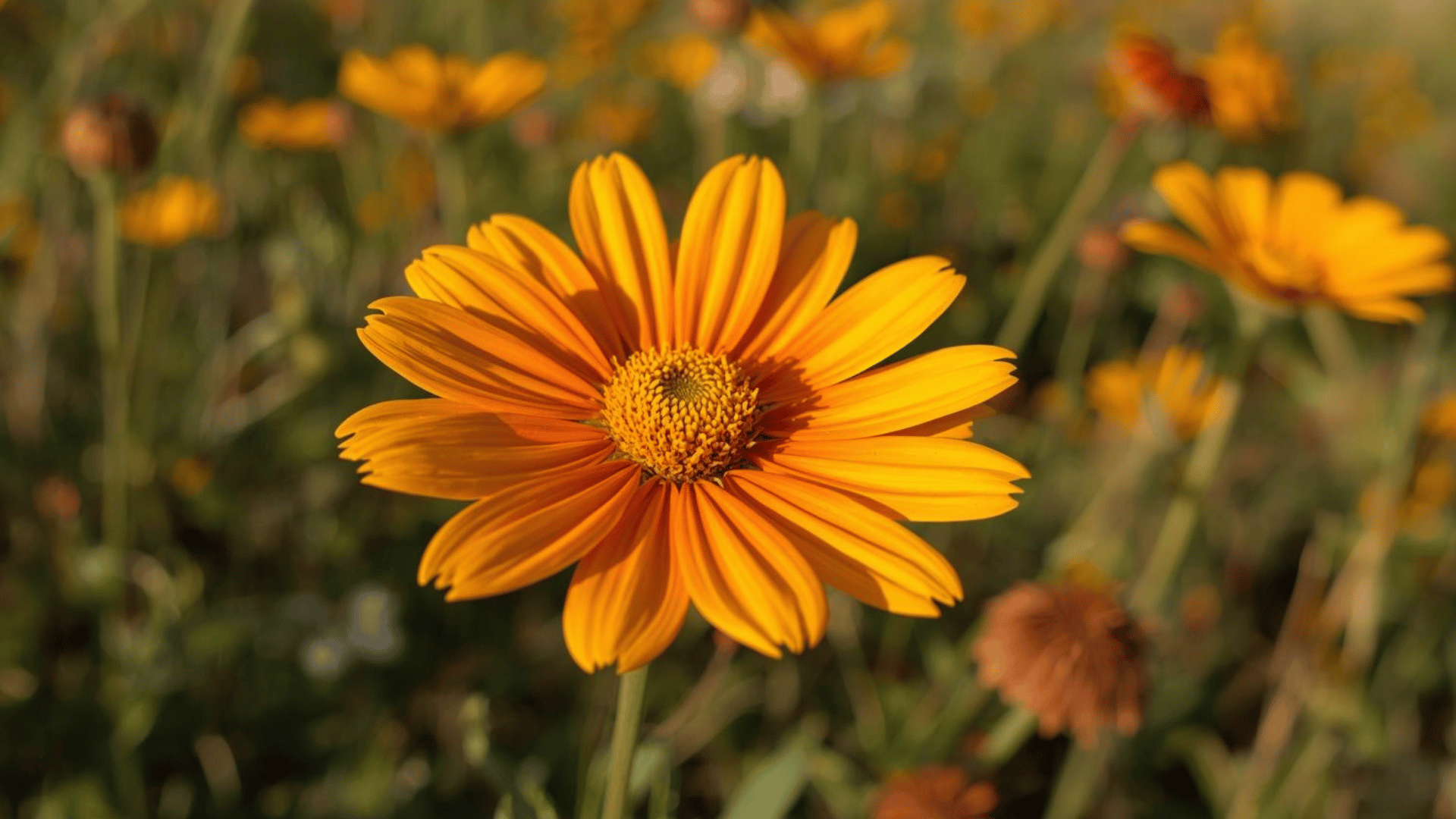
Coreopsis is easy to grow and pairs nicely with lavender. It enjoys full sun and requires little water, making care simple.
Its small flowers add a soft touch to the garden without overwhelming the space.
It blooms for a long time, keeping the area lively through the season.
When planted with lavender, both plants stay healthy with minimal work, making this a great low-effort garden pairing.
11. Tomatoes
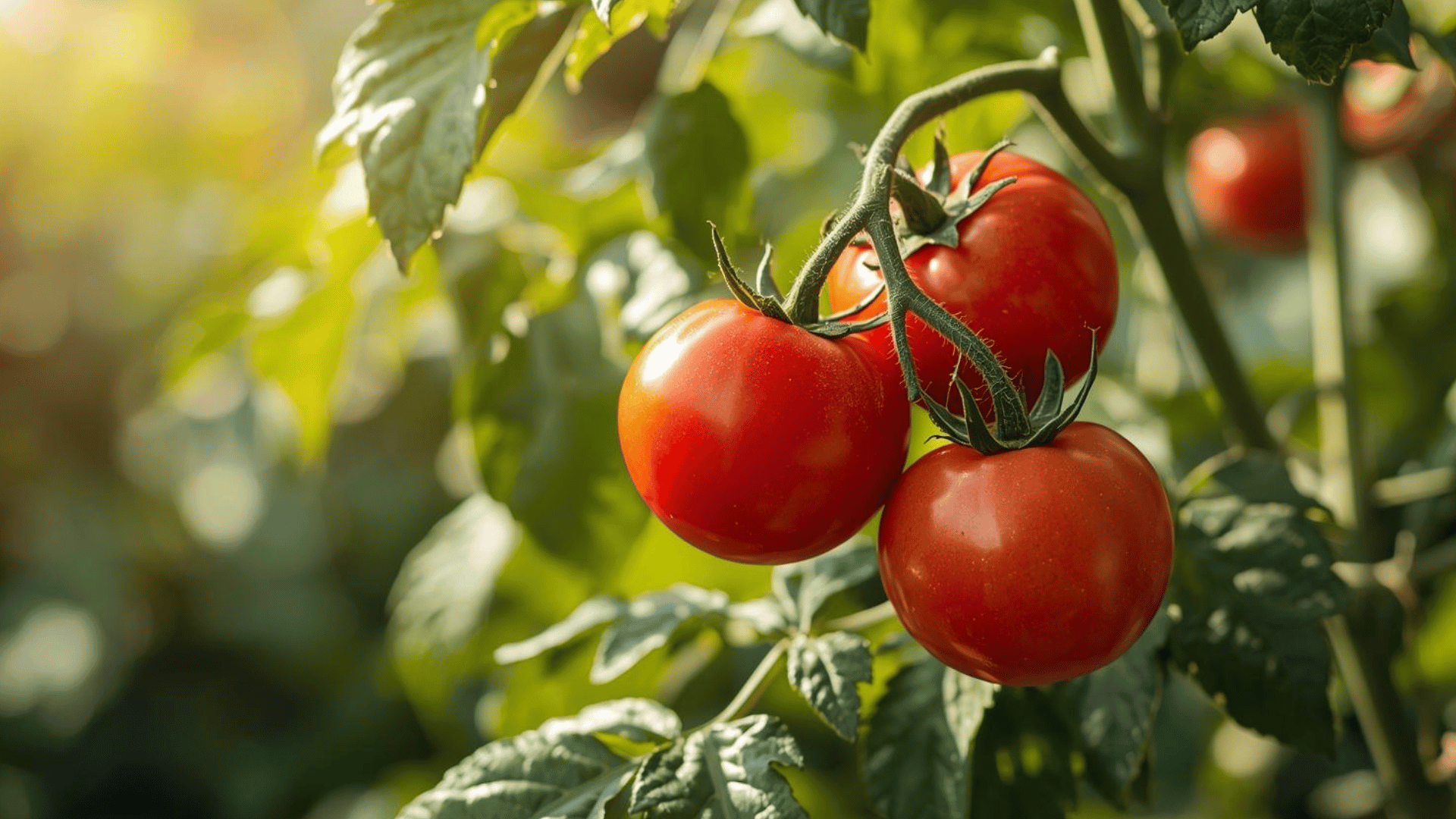
Tomatoes can grow near lavender if given enough space.
Lavender may help keep some pests away from tomato plants, which is a helpful bonus.
Tomatoes need a bit more water, so it’s best to plant them slightly apart from each other. This way, both plants get what they need without competing.
With proper spacing and care, they can grow well side by side in a shared sunny garden.
12. Peppers
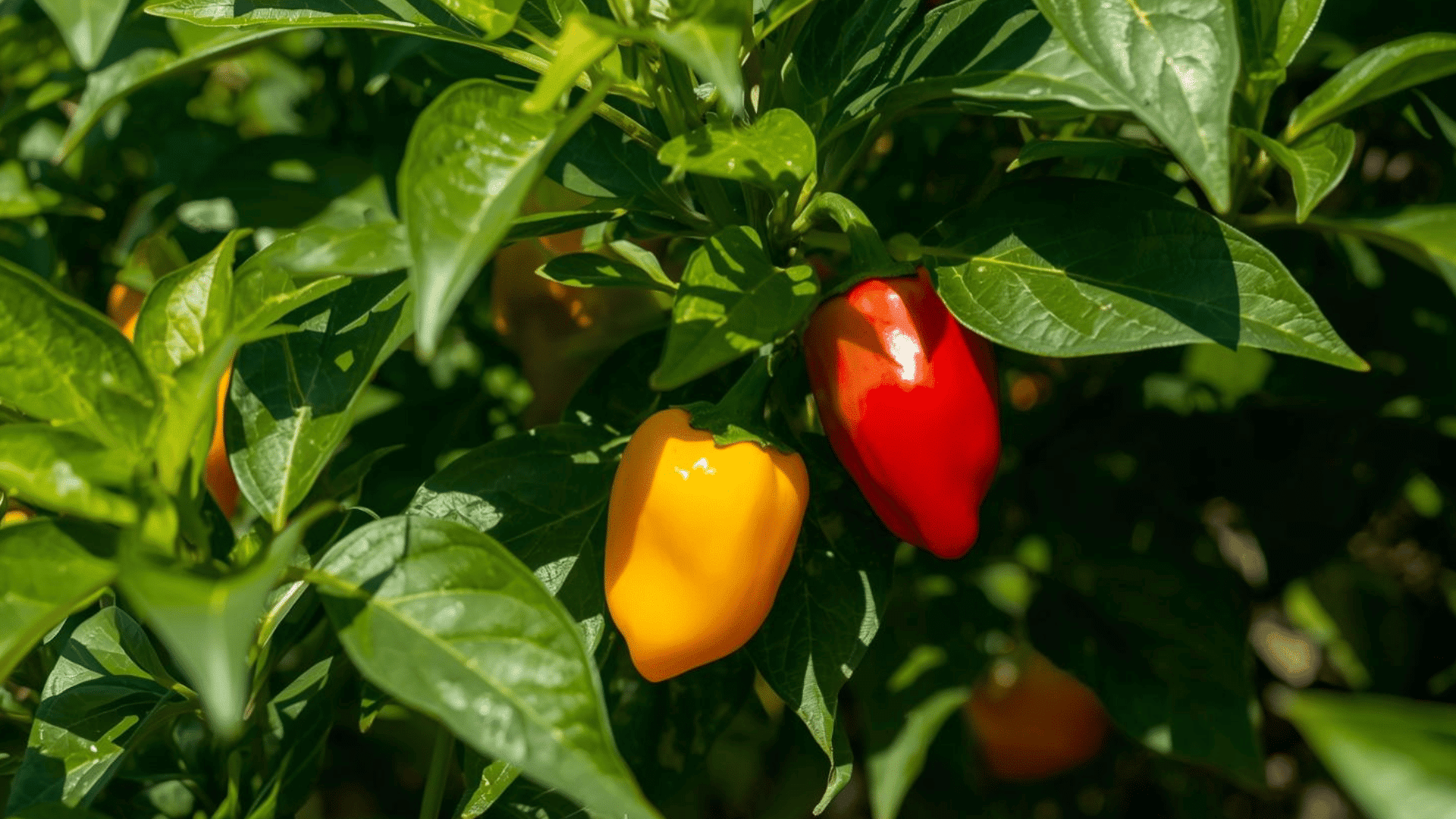
Peppers work well with lavender when planted in the right spot. They enjoy the sun as much as lavender does, but need a little more water.
Keeping some distance between them helps avoid overwatering lavender.
The scent of lavender may help reduce pests around pepper plants.
This makes it easier to grow healthy peppers without extra effort. With proper spacing, both plants can grow in the same garden area
13. Cabbage
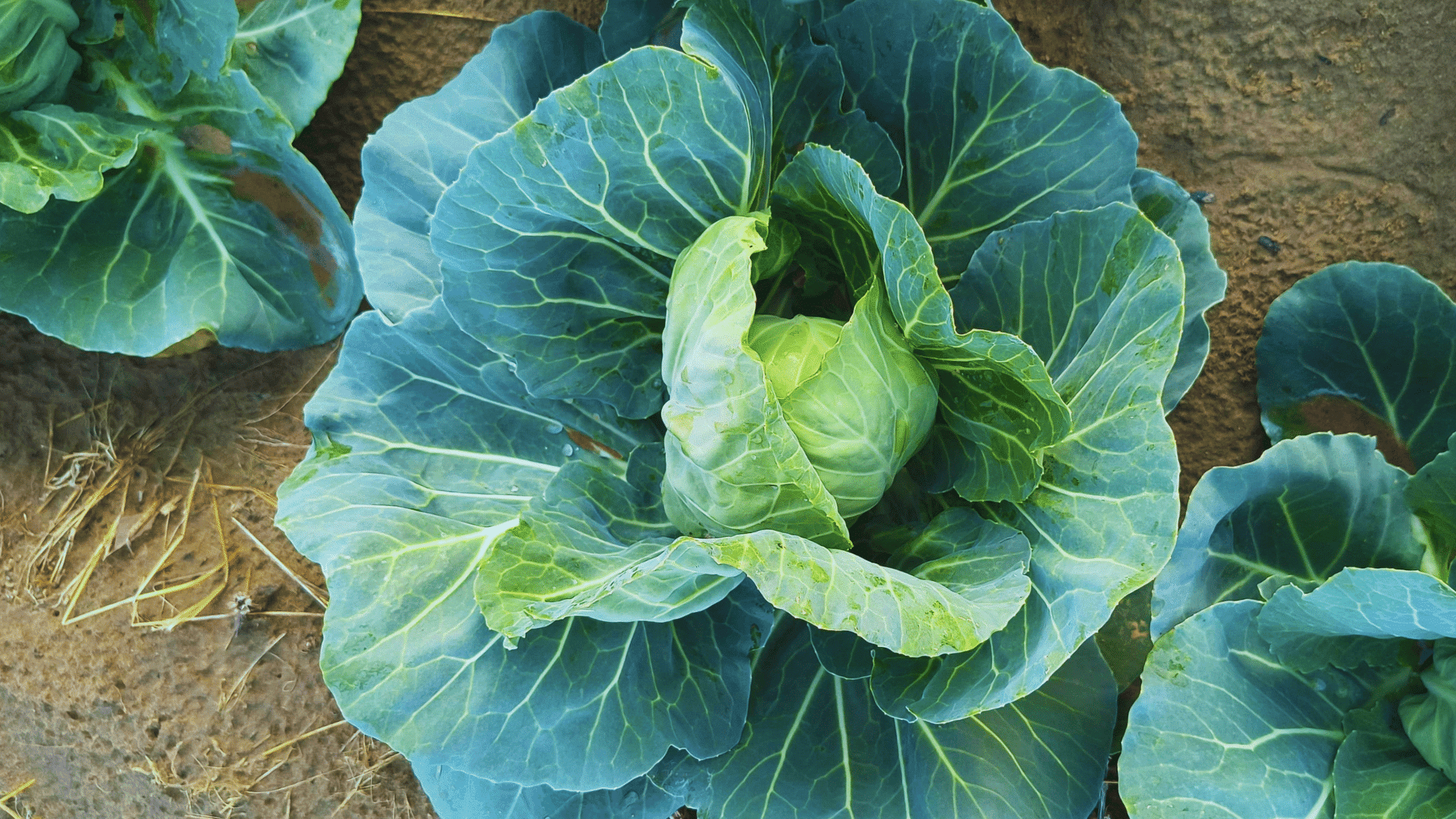
Cabbage can benefit from lavender planted nearby. Lavender may help keep certain insects away from cabbage leaves, reducing the need for extra pest control.
Since cabbage needs more water, it’s important to space it away from lavender to prevent root problems.
With the right setup and spacing, both plants can grow well without affecting each other’s health or competing for moisture in the soil.
14. Carrots
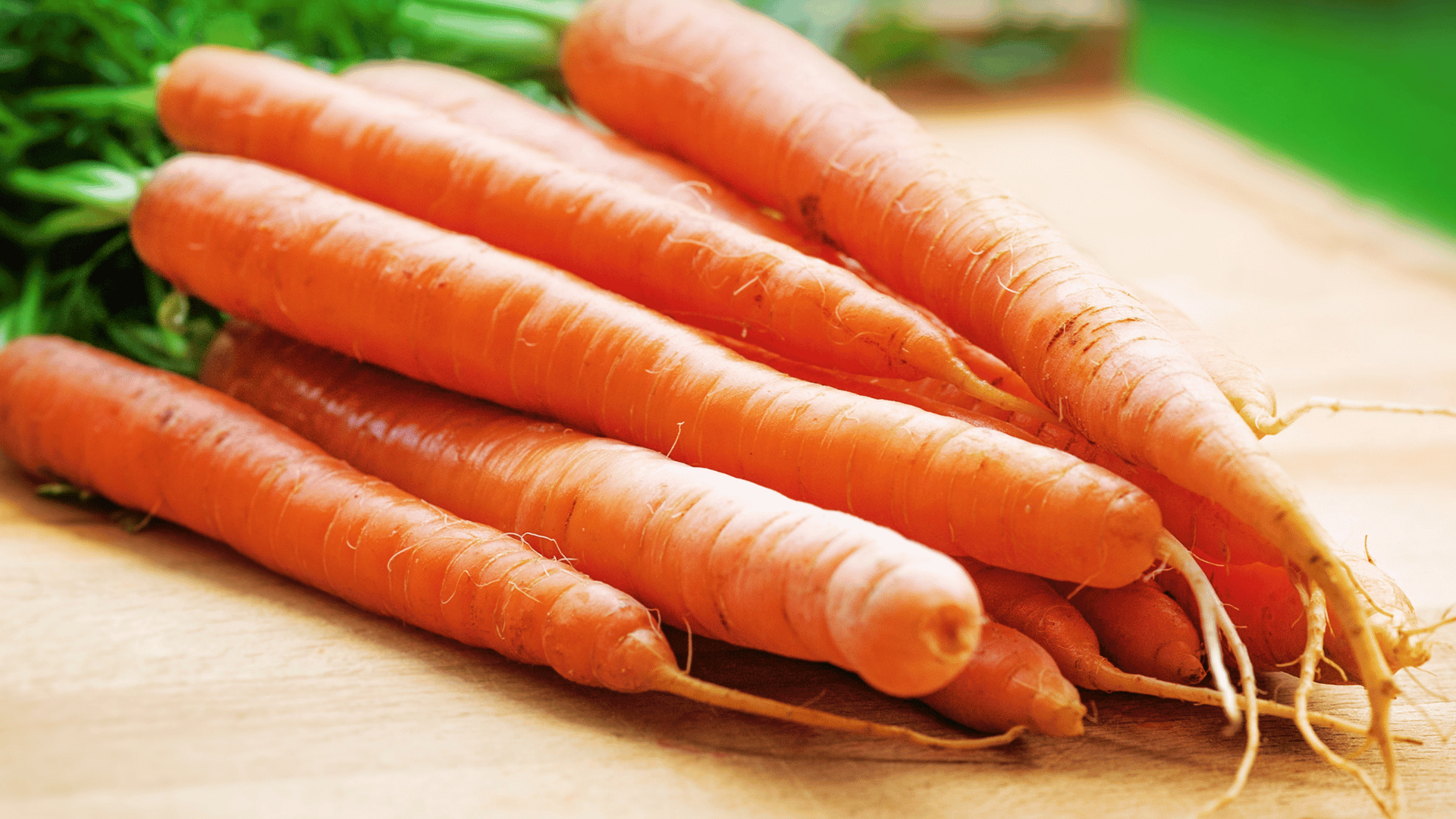
Carrots can grow well near lavender as long as the soil drains well.
Lavender may help keep pests away from carrot roots, making this a smart pairing.
Carrots don’t need too much water, which makes them easier to match with lavender’s routine. Just make sure the soil stays loose so roots can grow straight.
This setup works well in small garden spaces with good drainage and full sun.
15. Lettuce
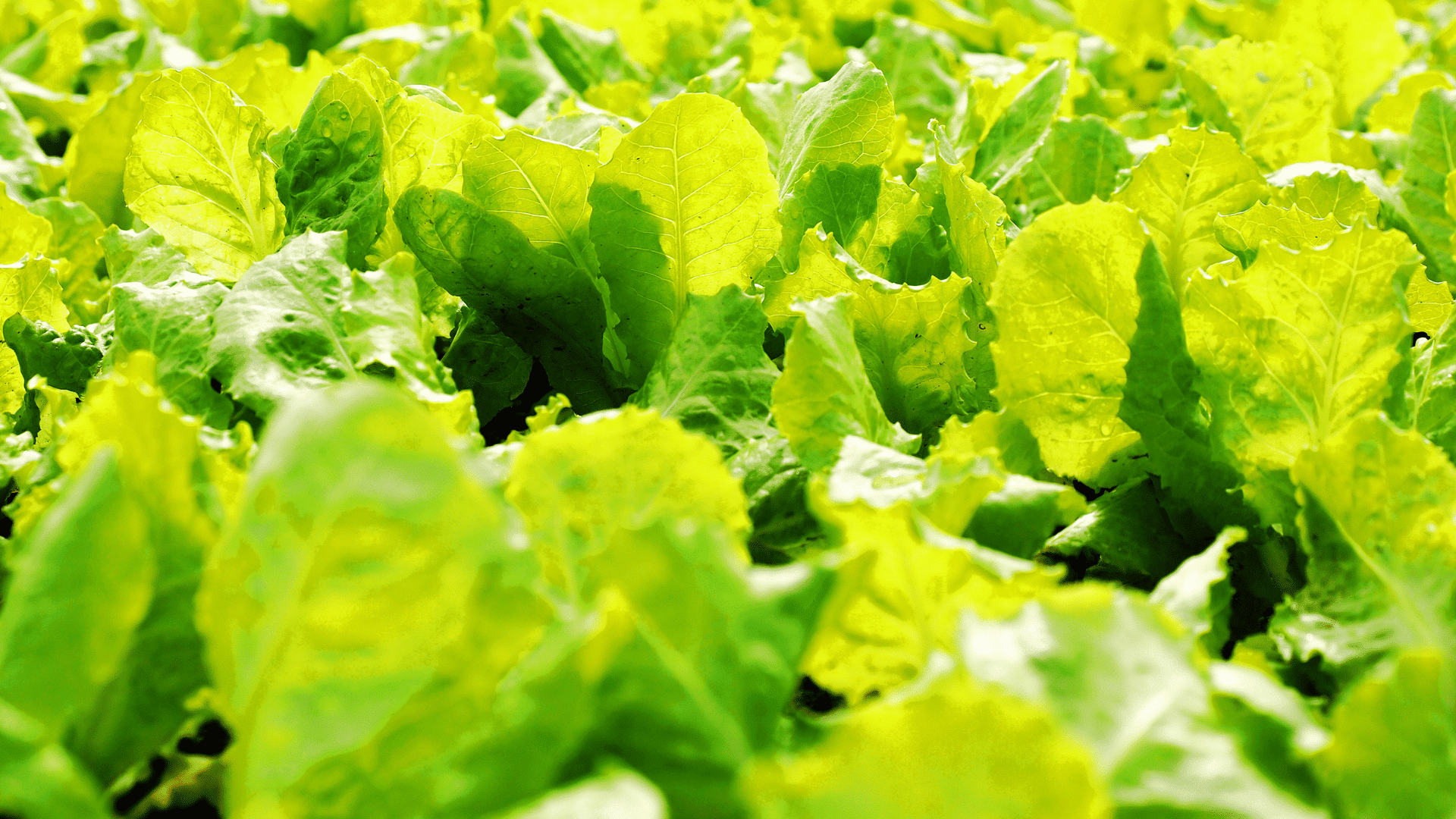
Lettuce can grow near lavender, but it needs a bit more care. It works best when planted a little away from lavender, allowing for different watering routines.
Lettuce needs more water and cooler soil, so spacing is key to keeping both plants healthy.
Lavender may help reduce pests around it. With the right balance of spacing and care, both plants can grow without stressing each other.
16. Marjoram
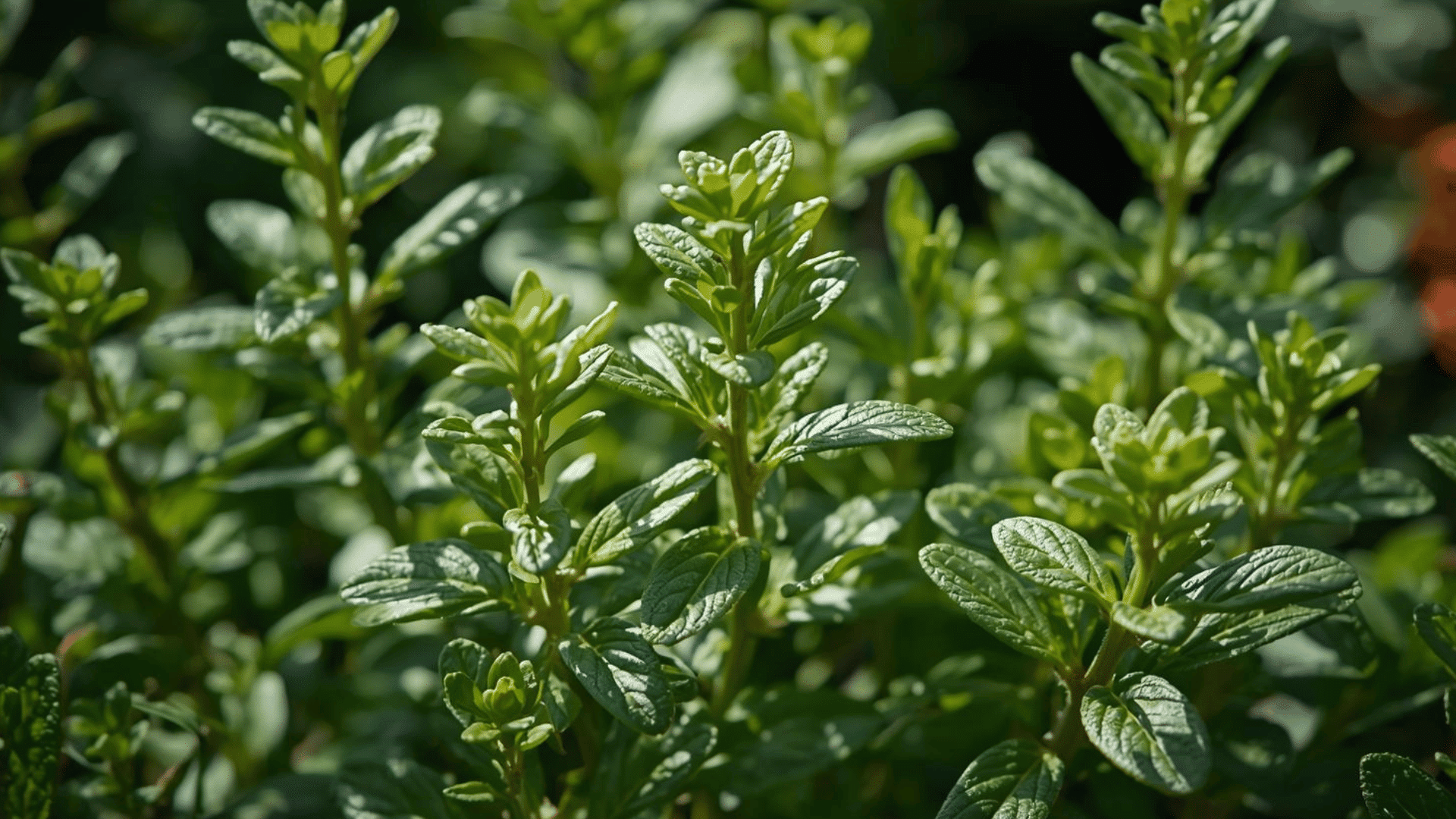
Marjoram grows well with lavender because both prefer dry soil and full sun.
It has a gentle growth habit and does not spread too fast, which helps keep the garden balanced and easy to manage.
Marjoram also needs very little water once established. When planted together, both plants stay healthy without extra care.
It is also a useful kitchen herb, adding both functionality and practical value to the garden
17. Tarragon
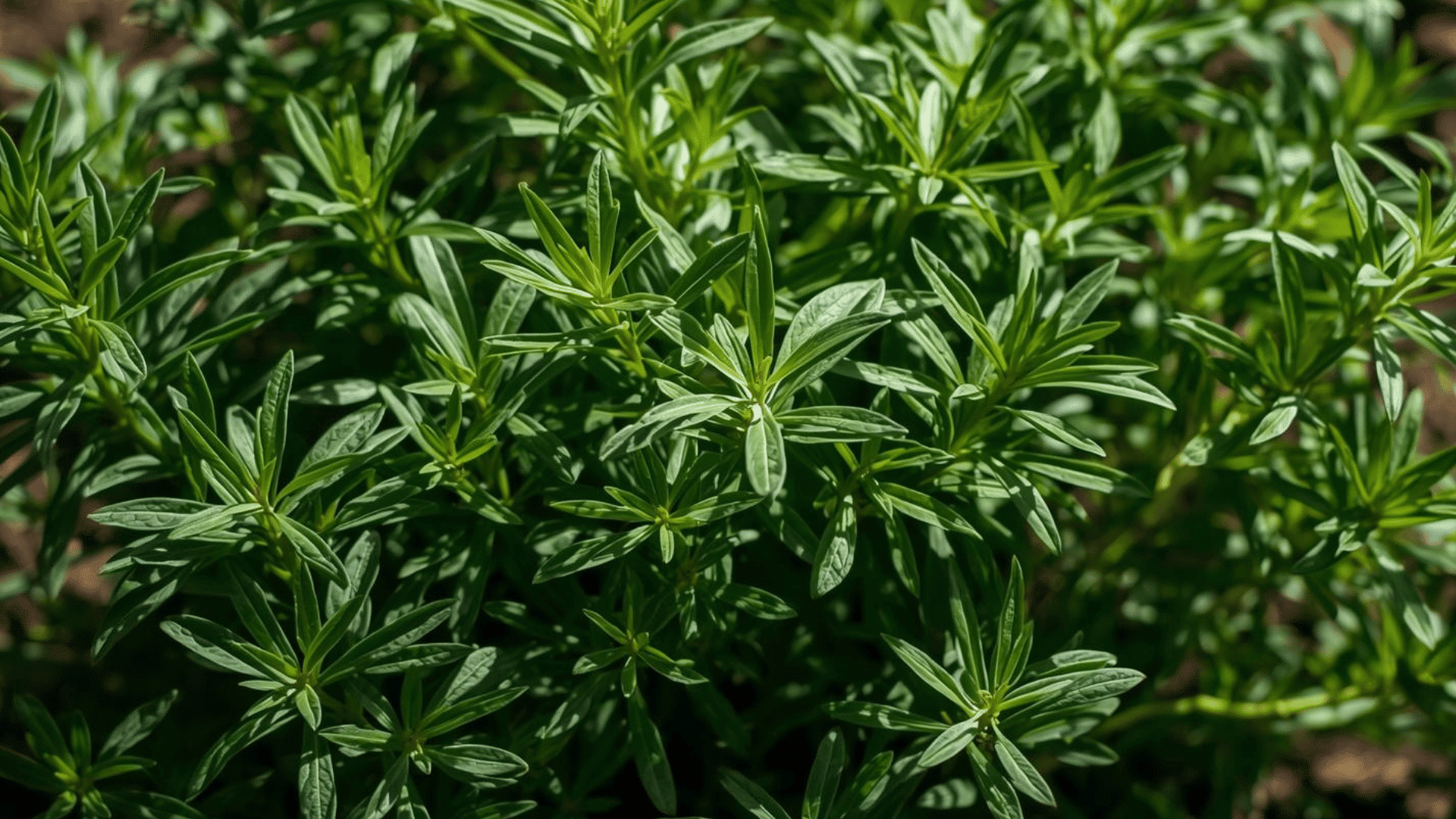
Tarragon is a good match for lavender due to its low water needs and love for sunlight. It grows upright and does not crowd nearby plants.
This helps improve airflow, which lavender needs to stay healthy.
Tarragon also handles dry soil well, making care simple and consistent.
When paired together, both plants grow steadily and require minimal effort to maintain throughout the growing season without competing for resources or space.
18. Chives
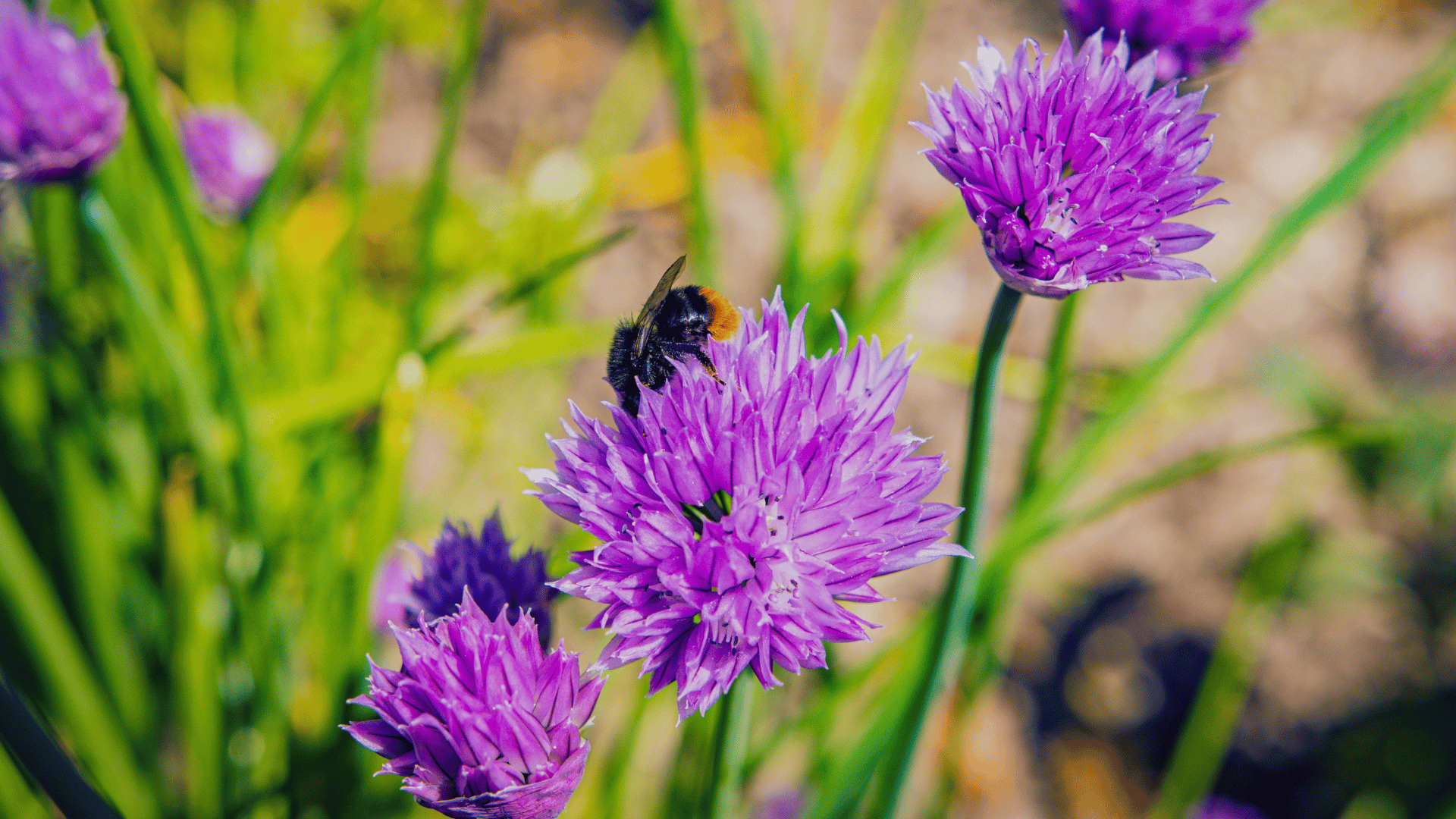
Chives can grow near lavender when planted in well-drained soil. They enjoy sunlight and do not need heavy watering, which suits lavender’s care routine well.
Chives also help keep some pests away, which benefits nearby plants in the garden.
Their compact size makes them easy to place in small spaces without crowding. Grown together, both plants remain easy to care for and fit well in simple garden layouts.
19. Dill
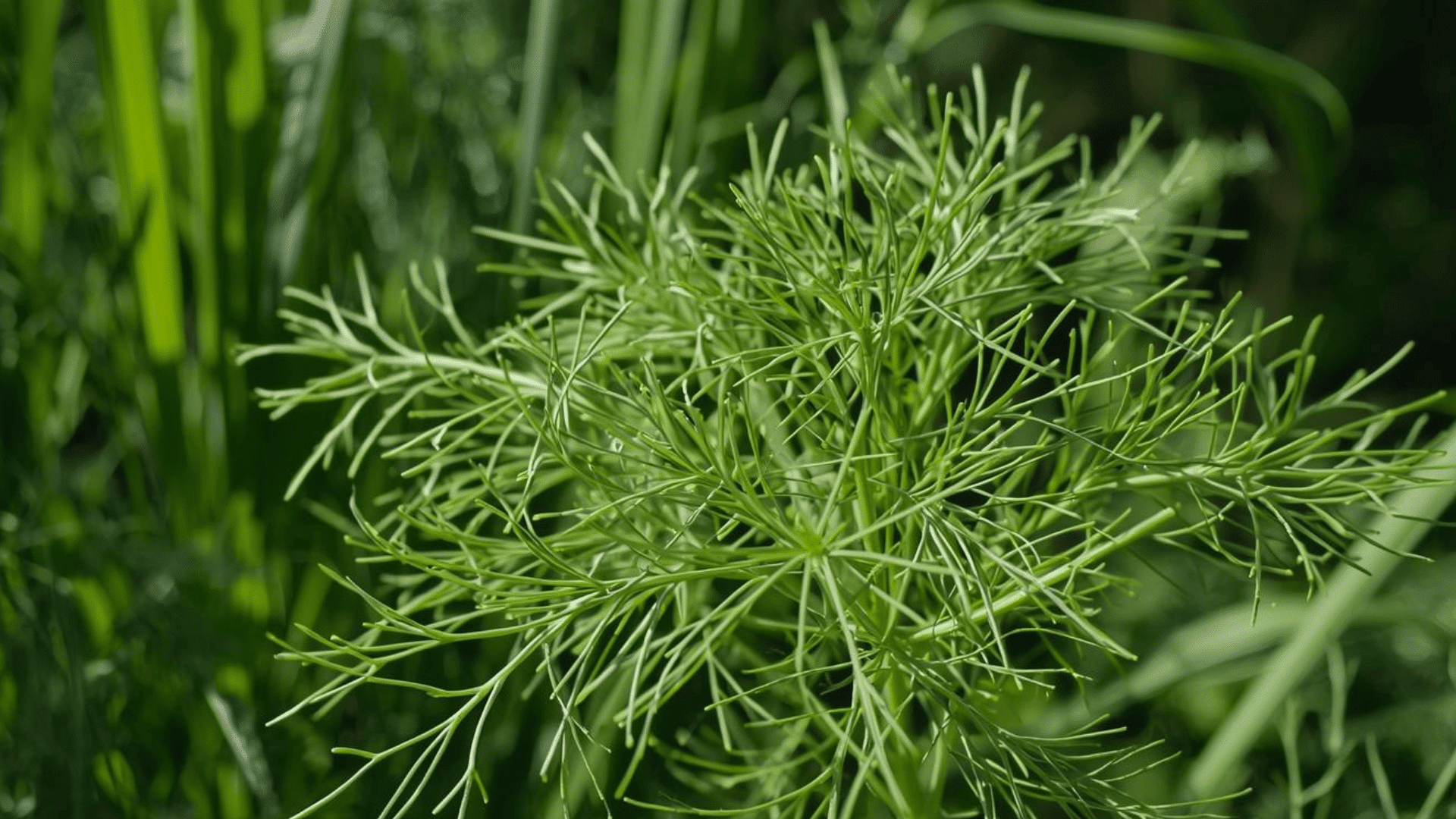
Dill works well with lavender if planted with enough spacing between them. It enjoys full sun and can tolerate slightly dry soil once established.
Dill attracts helpful insects, which supports overall garden health throughout the season.
Its tall, light growth does not block sunlight from lavender.
With proper spacing and good drainage, both plants can grow side by side without competing for resources or causing stress to each other.
20. Fennel
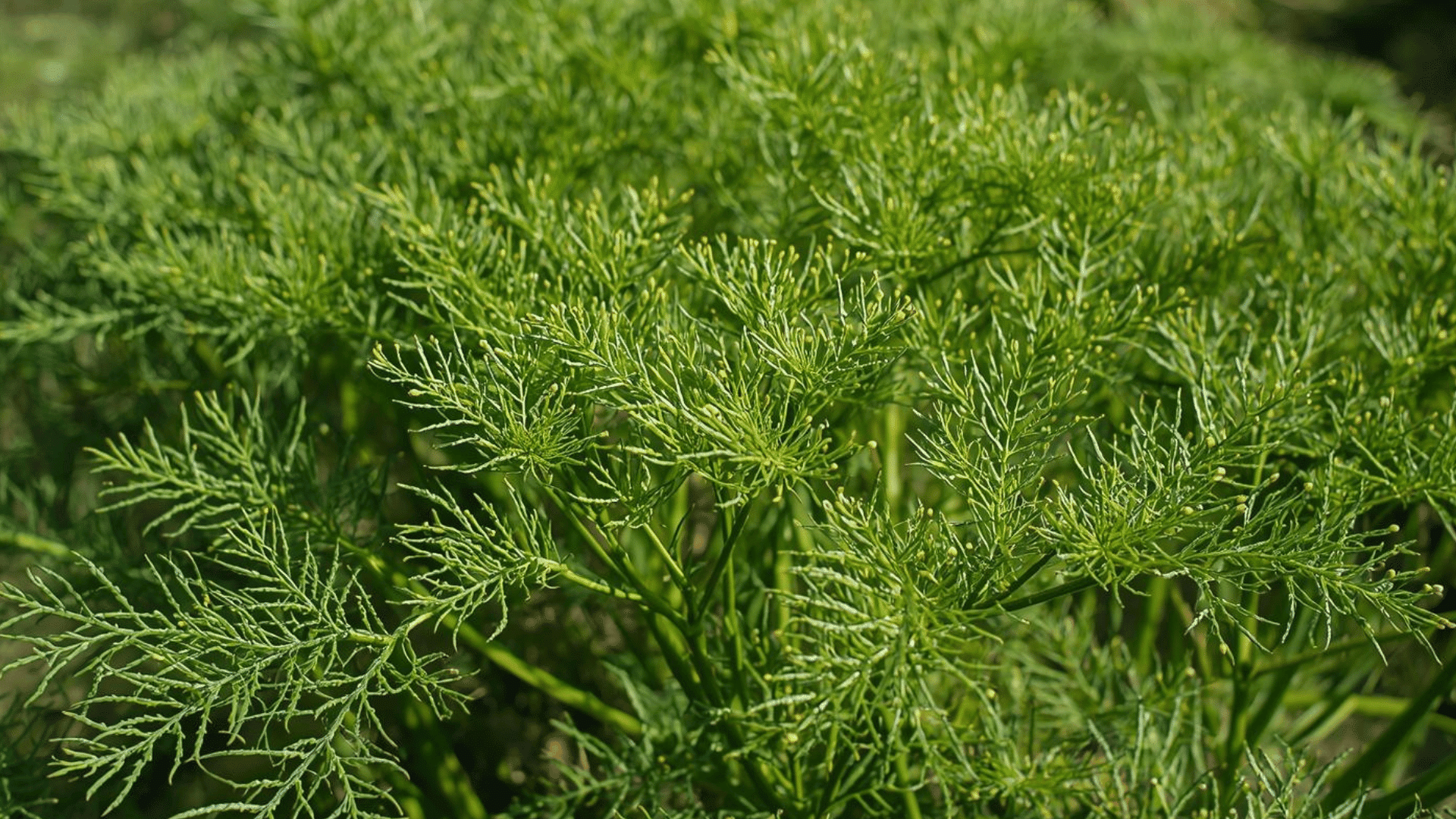
Fennel can grow near lavender if given space and well-drained soil. It prefers sunny conditions and does not require heavy watering.
Fennel grows tall, so placing it behind lavender helps keep both plants exposed to enough light.
With the right placement and spacing, fennel and lavender can grow together without issues, creating a balanced, simple garden setup that stays easy to manage throughout the season.
21. Gaillardia
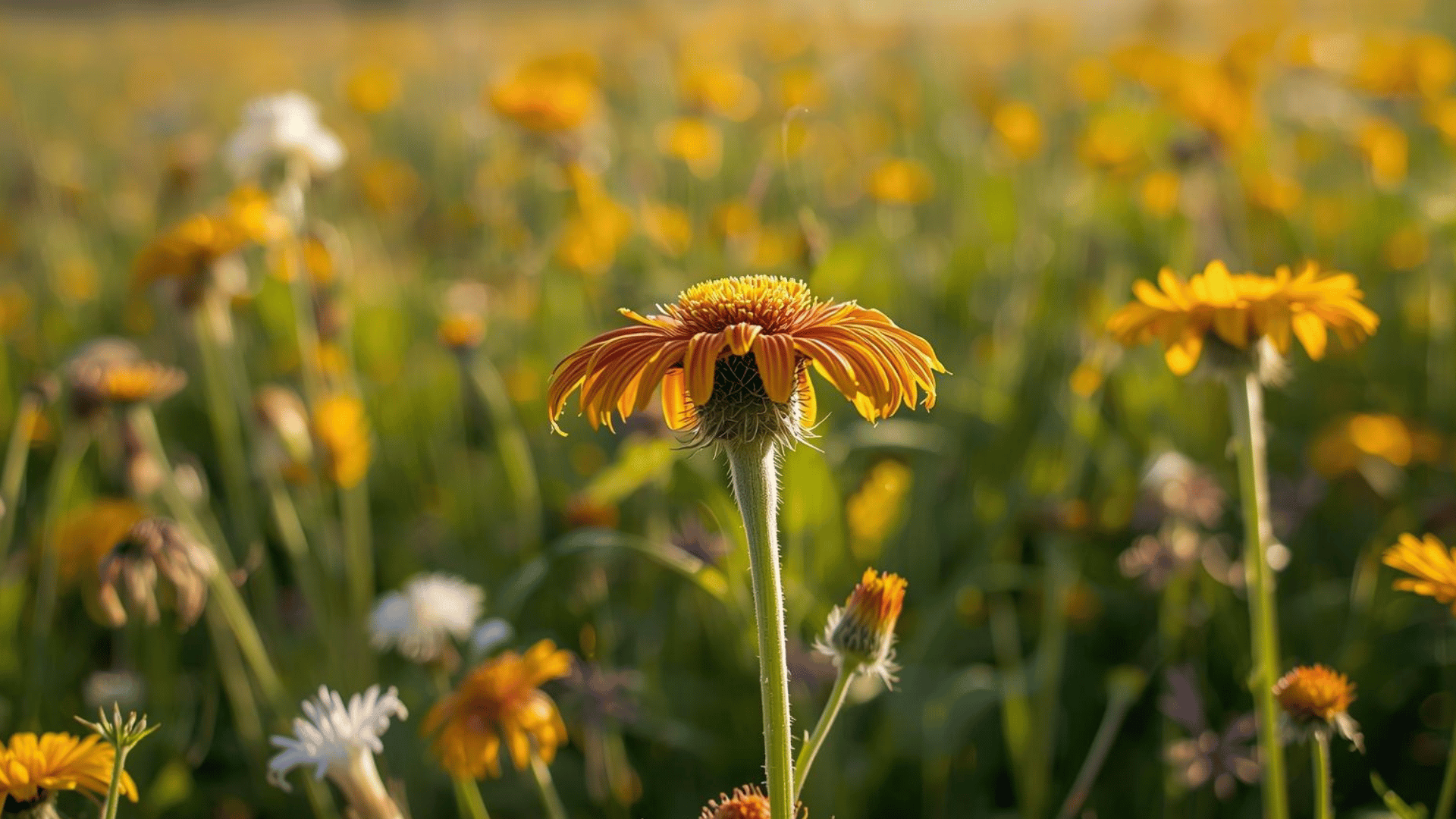
Gaillardia grows well with lavender because it grows in full sun and dry soil.
It produces bright flowers that last through warm seasons without needing extra attention. This plant does not need much water, which aligns well with lavender’s care needs.
Gaillardia is also easy to care for once established.
When planted together, both plants create a colorful garden space that stays healthy and attractive with very minimal effort.
22. Verbena
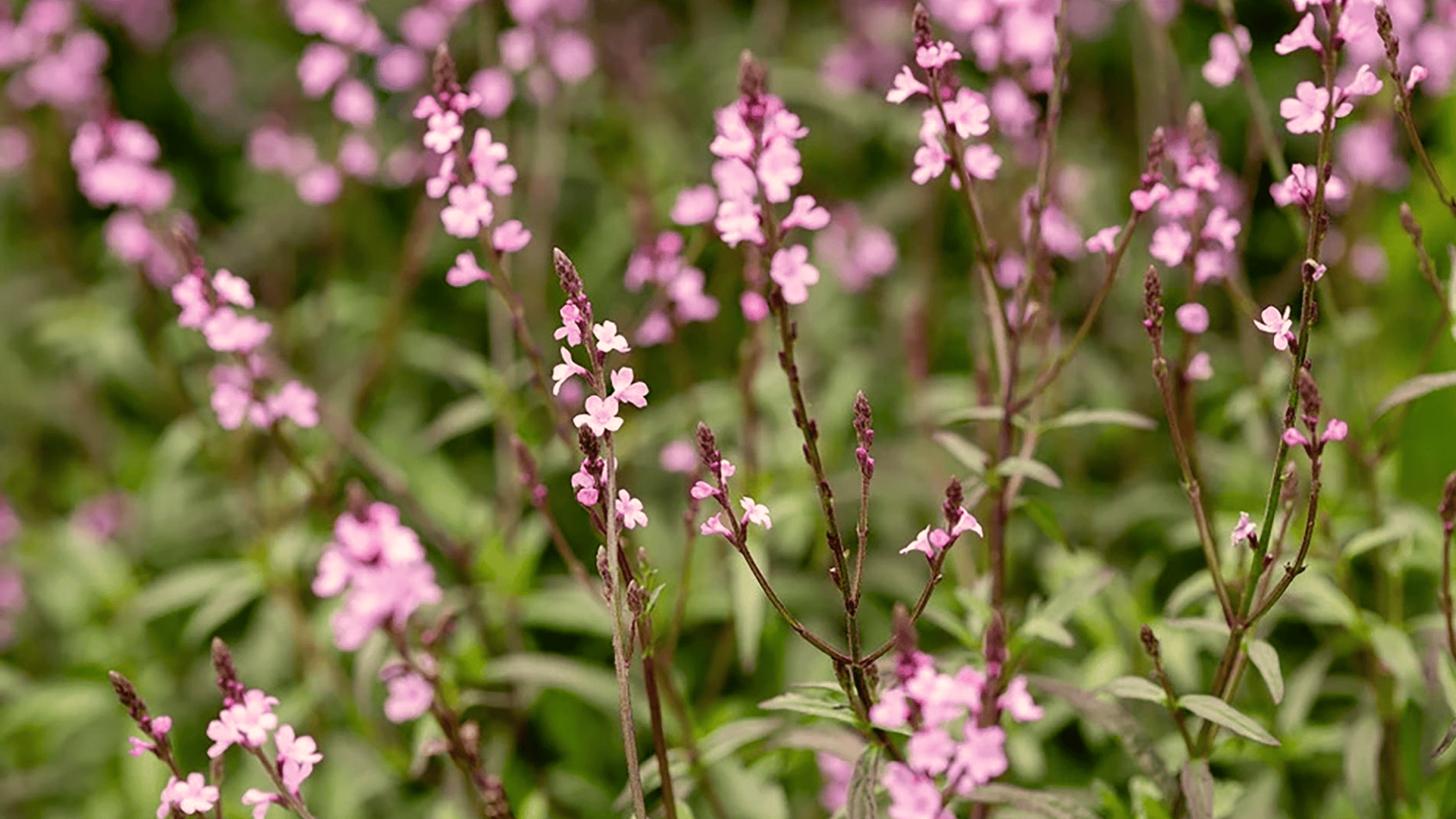
Verbena is a strong flowering plant that pairs well with lavender. It enjoys sunny spots and thrives in dry soil, making the two a natural match.
Its small flowers attract pollinators, which helps nearby plants grow better throughout the season.
Verbena spreads lightly without taking over the space.
When planted near lavender, both plants remain easy to maintain and add steady, lasting color to the garden with little effort.
23. Sedum
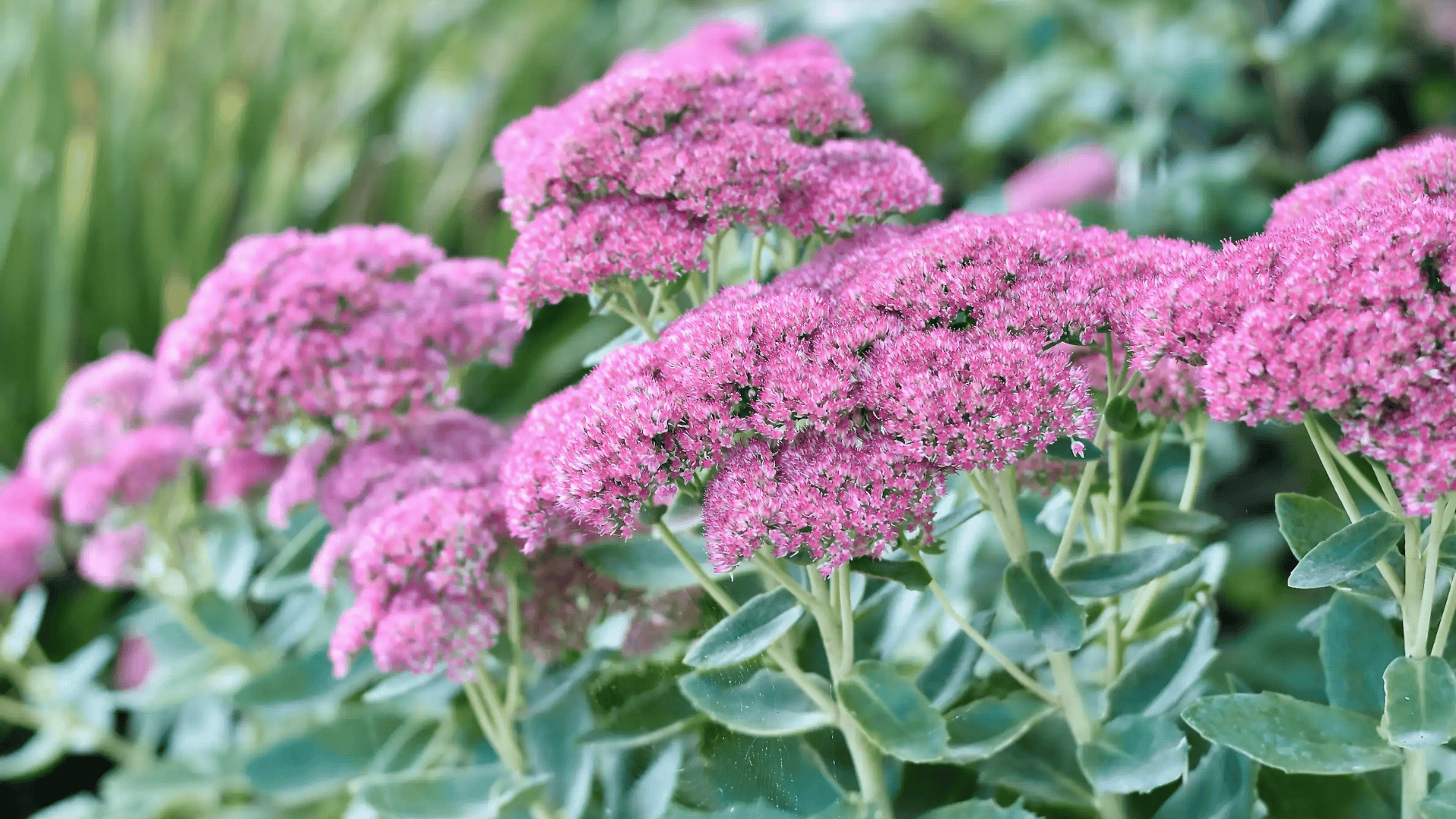
Sedum is a low-maintenance plant that grows well with lavender. It stores water in its leaves, so it does not need frequent watering.
This makes it a great match for dry growing conditions.
Sedum stays low and does not block sunlight from nearby plants.
When grown together, both plants require little care and keep the garden looking neat and healthy throughout the season with minimal effort.
24. Blanket Flower
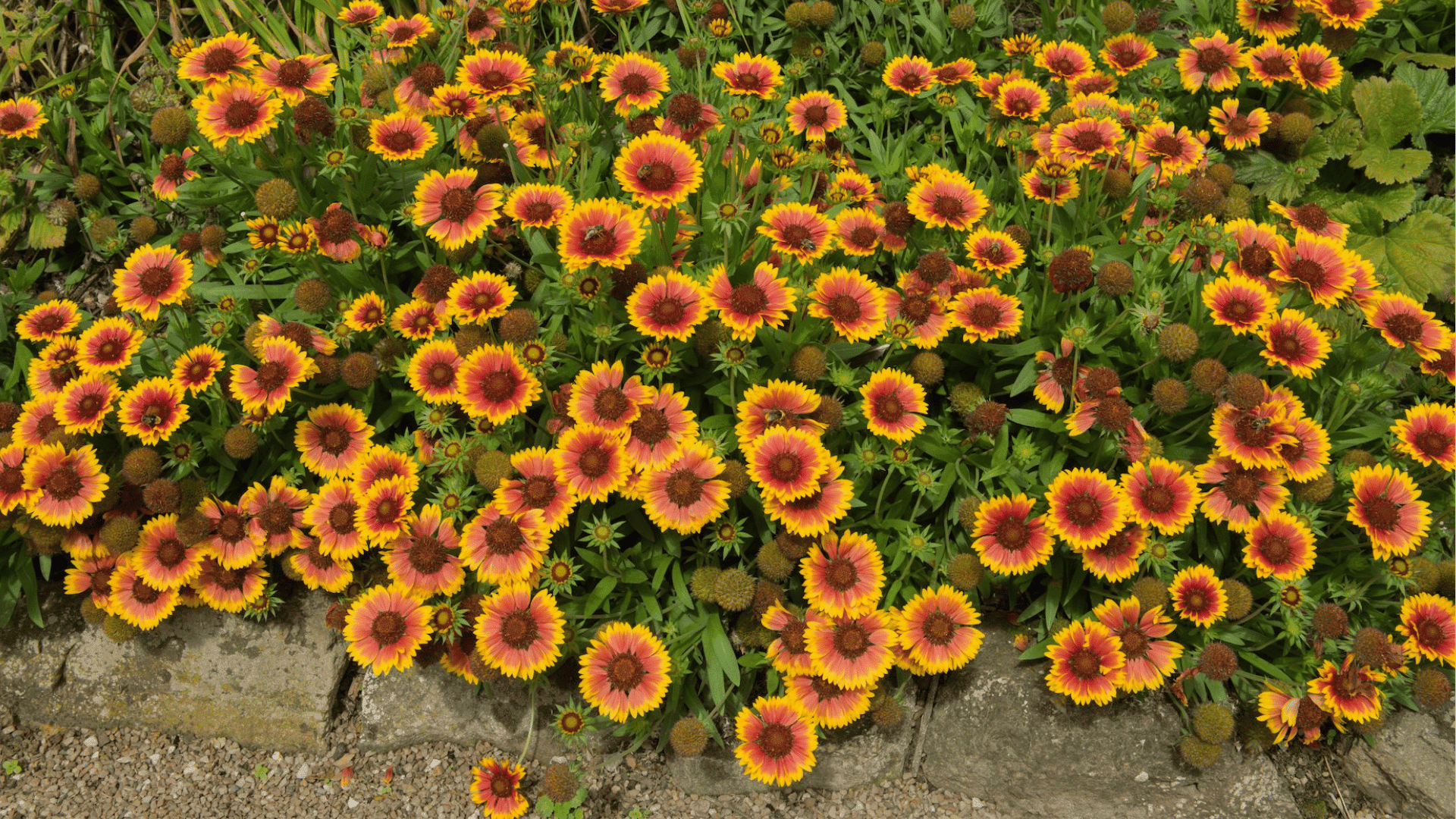
Blanket flower pairs well with lavender because it tolerates heat and dry soil.
It blooms for a long time, adding bright color to the space throughout the season.
This plant does not need much water once established, which aligns well with lavender’s routine. It also attracts pollinators, which supports overall plant health.
When paired with lavender, it creates a simple, lively garden with low maintenance needs all season.
25. Russian Sage
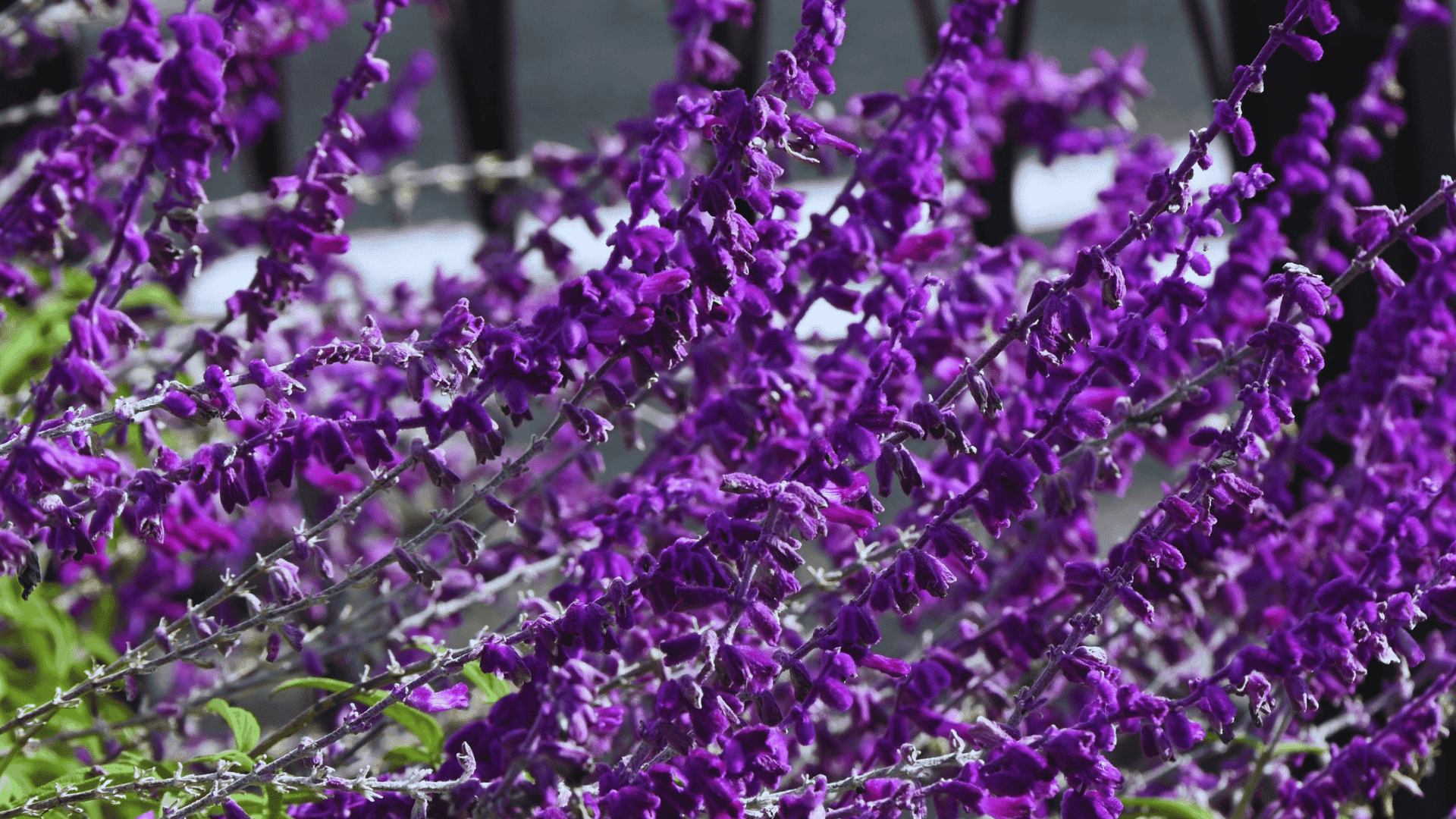
Russian sage is very similar to lavender in its growing needs. It prefers full sun, dry soil, and good airflow, making it one of the easiest plants to pair with lavender.
It grows tall, adding height to the garden without blocking light from nearby plants.
When planted together, both plants grow in the same conditions and require very little maintenance, making this one of the most effortless and natural garden pairings available.
What Gardeners Say About Lavender Companion Plants on Reddit?
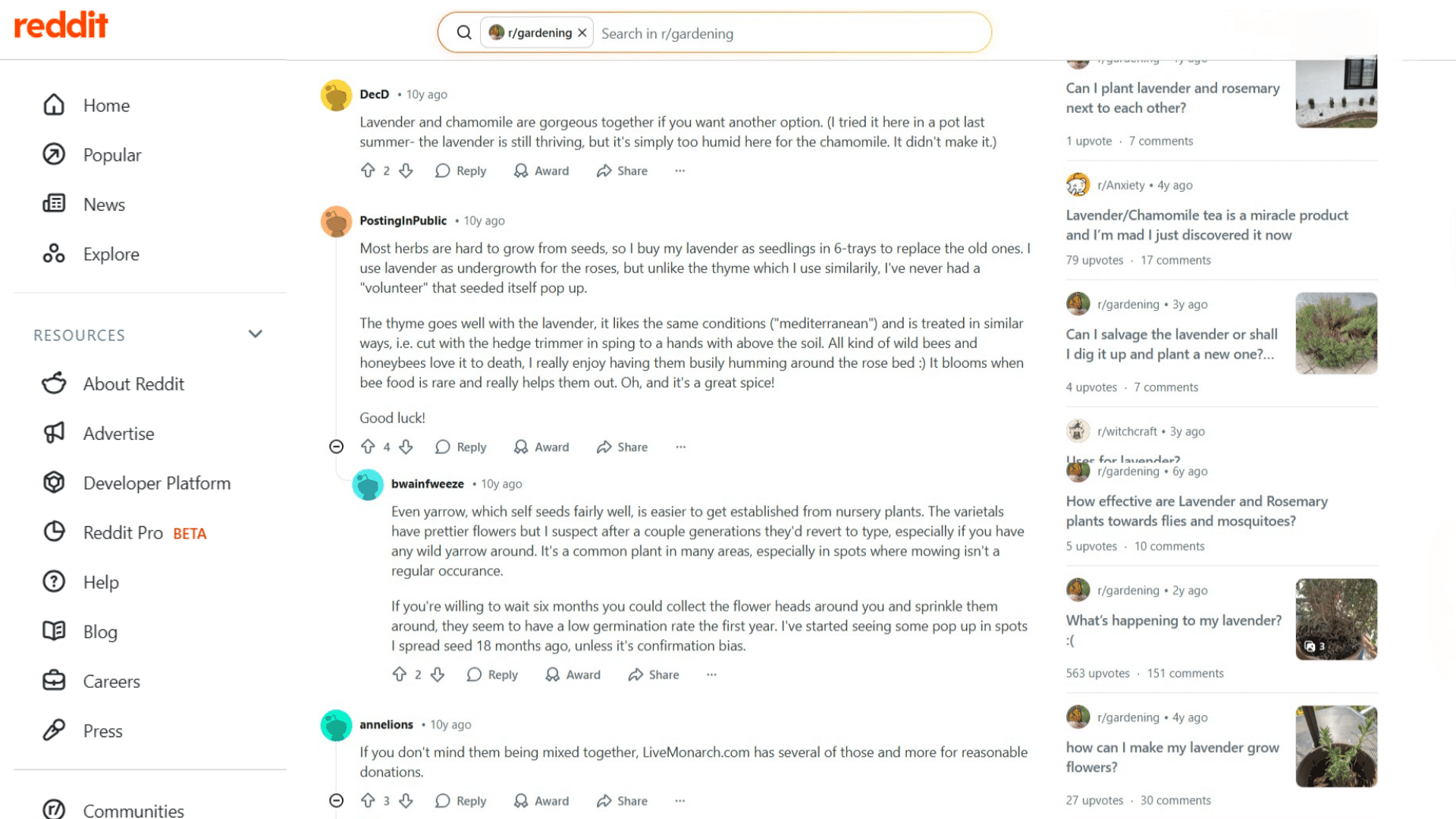
Many gardeners on Reddit agree that lavender grows best with plants that like dry, sunny conditions.
One common point is that thyme works very well because it needs similar care and does not compete for water.
Some gardeners tried pairing lavender with chamomile, but found it struggled in humid areas. This shows that matching climate and moisture needs is very important.
Plants that need more water often fail next to lavender. There is also strong feedback about pollinators.
Gardeners notice more bees when lavender is paired with plants like thyme or yarrow. This supports healthier growth across the garden.
Another tip often shared is to start with young plants rather than seeds.
This makes growth easier and more reliable. Overall, simple pairings with similar needs lead to better results.
Plants to Avoid Growing Near Lavender
Some plants need more water or shade, which can create poor conditions for lavender. Avoid mixing plants with very different care needs to keep your garden healthy.
- Moisture-loving plants: Plants that need frequent watering can make the soil too wet for lavender roots.
- Shade-loving plants: These plants often grow tall or dense and block the sunlight that lavender needs daily.
- Fast-spreading plants: Plants that spread quickly can take over space and limit airflow around lavender.
- Heavy feeders: Some plants use up too many nutrients, leaving less for lavender to grow well.
- Large leafy plants: Big leaves can trap moisture and reduce air movement, which may lead to plant stress.
- High-humidity plants: Plants that prefer humid conditions can create an environment that lavender does not tolerate well.
- Deep-rooted plants: These can compete strongly for water and nutrients, making it harder for lavender to thrive.
- Overwatering-prone plants: Plants that need constant moisture can lead to root rot issues near lavender.
How to Care for Lavender and Its Companions?
Keeping things simple helps your plants stay healthy with less effort. Once they settle in, care becomes easy to manage. Pruning plays a big role in keeping lavender neat and strong.
I usually trim it after flowering to shape the plant and support new growth.
This also helps improve airflow around nearby plants, which keeps the whole space healthy. Watering should stay light and steady.
Lavender prefers dry conditions, so let the soil dry out before watering again. This prevents root issues and keeps both lavender and its companions in good shape.
Soil care is just as important. Use well-drained soil and avoid heavy fertilizers.
Lavender grows best in low-nutrient soil, and excessive feeding can disrupt its natural growth pattern.
Conclusion
Growing lavender with the right companion plants can make your garden feel easier to manage and more enjoyable every day.
When you choose plants with similar needs, you avoid common problems like overwatering or poor growth.
I’ve noticed that even small changes, like better plant spacing or picking the right companions, can lead to healthier plants and a cleaner garden layout.
You don’t have to get everything perfect from the start. Try a few pairings, watch how they grow, and adjust as needed.
With time, you will learn what works best for your space, and climate gardening gets easier with experience.
If you’ve grown lavender with other plants, share what worked for you or what didn’t. Drop your thoughts in the comments below so others can learn from you, too.