

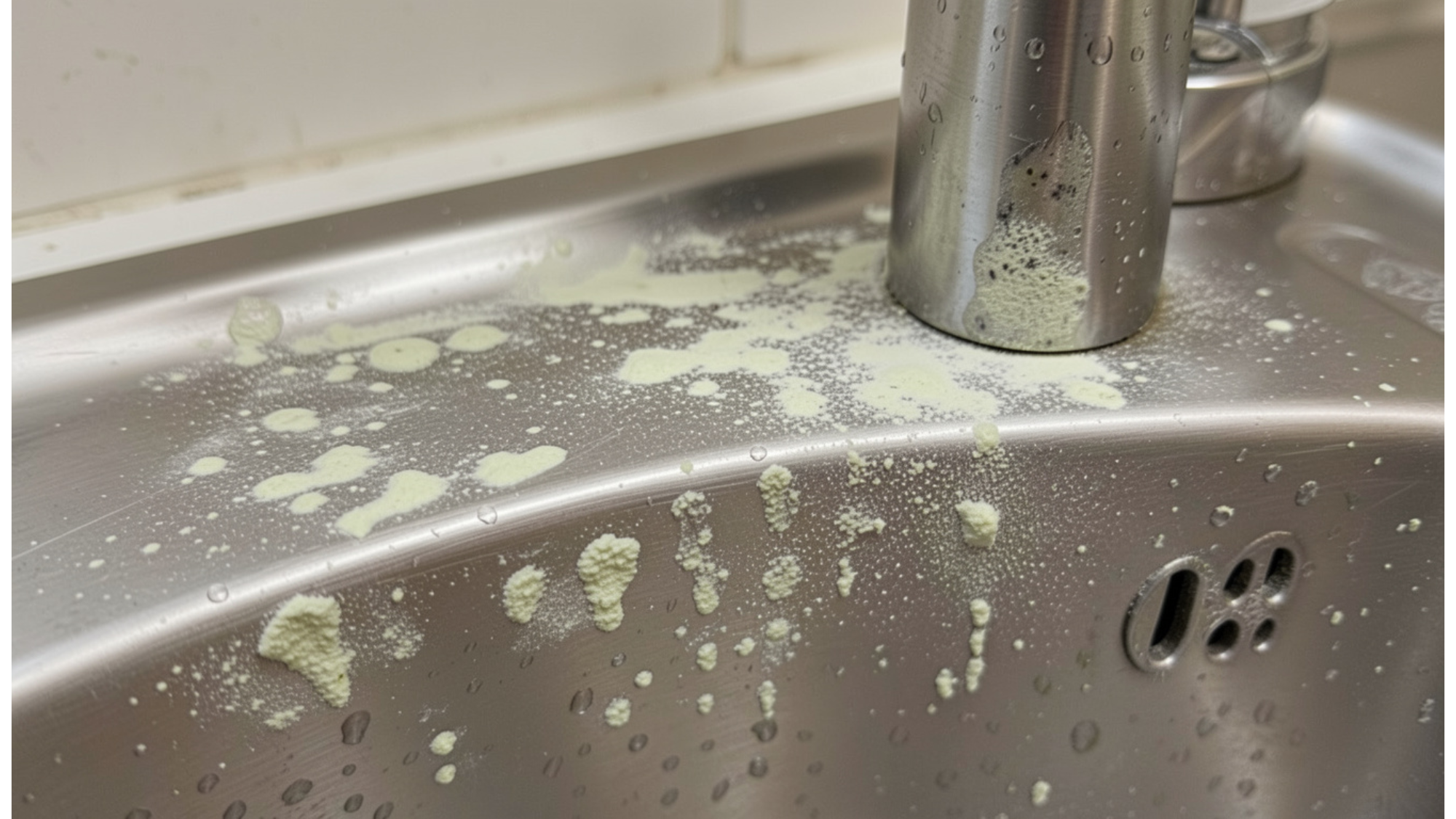
Hard water stains can make even a clean home look dirty. That white, crusty buildup on your faucets and shower glass isn’t just an eyesore; it’s also tough to remove if you don’t know the right approach.
I learned this the hard way after wasting time on products that barely made a dent.
In this guide on removing hard water stains with proven cleaning solutions, I’ll share simple methods that actually work.
You’ll learn what causes these stains, where they typically appear, and how to clean them with easy steps. I’ll also share tips to help you stop them from coming back.
By the end, you’ll have clear, practical ways to keep your surfaces looking fresh, clean, and easy to maintain every day.
What Are Hard Water Stains and Why Do They Form?
Hard water stains are white, chalky marks left behind when water with high mineral content dries on a surface. This type of water contains minerals like calcium and magnesium.
When the water evaporates, these minerals stay behind and build up over time, creating visible spots or streaks.
These stains often appear on glass shower doors, faucets, tiles, sinks, and even dishes. Areas that come in contact with water regularly are more likely to develop them.
Hard water stains form because the minerals in the water do not dissolve easily.
As water dries again and again, the mineral deposits layer up, making the stains harder to remove.
Poor ventilation and frequent water use can speed up this process. Over time, the buildup can look dull and make surfaces feel rough if not cleaned regularly.
Tools and Materials Needed to Remove Hard Water Stains
You do not need fancy products to handle these stains at home. Most items are simple, low-cost, and easy to find in your kitchen or store.
- White vinegar: Breaks down mineral buildup and works well on glass, metal, and tiles.
- Baking soda: Adds gentle scrubbing power and helps lift tough residue without scratching.
- Lemon juice: Natural acid that cuts through stains and leaves a fresh smell behind.
- Spray bottle: Makes it easy to apply cleaning solutions evenly on surfaces.
- Soft cloth or microfiber towel: Wipes away stains without leaving scratches or marks.
- Old toothbrush or soft brush: Helps clean small corners and tight spots around fixtures.
- Rubber gloves: Protect your hands while working with cleaning solutions.
- Water: Used to rinse surfaces and remove any leftover cleaner or residue.
How to Easily Remove Hard Water Stains?
Follow these simple steps using natural ingredients to remove stubborn hard water stains and restore shine to your bathroom surfaces.
Step 1: Prepare the Cleaning Solution
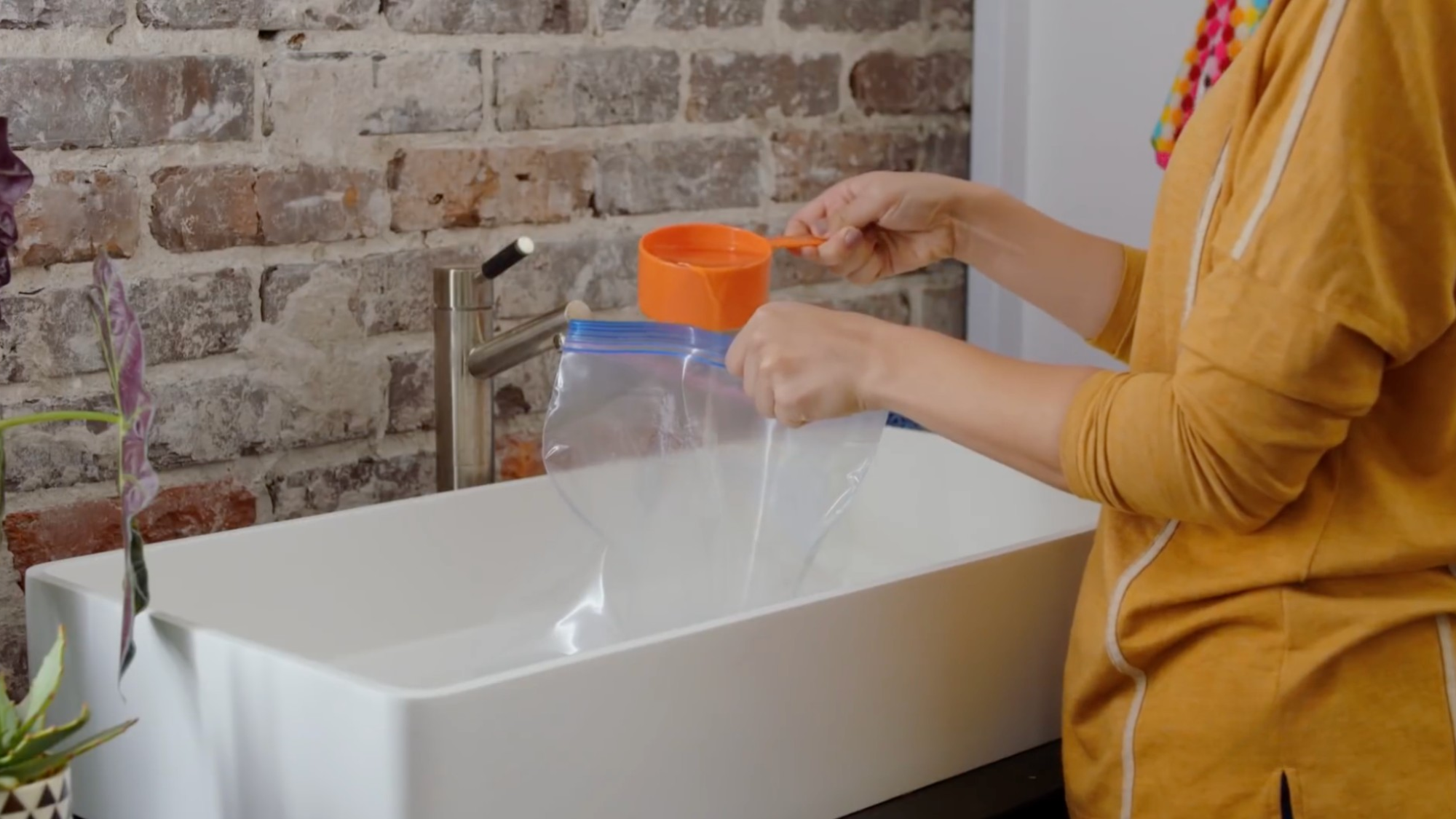
Start by creating a powerful natural cleaning mixture using baking soda and white vinegar. Take a plastic zip bag and add about one-third cup of baking soda.
Slowly pour in one cup of white vinegar while holding the bag over a sink.
The mixture will fizz and foam due to a natural reaction, so pour carefully to avoid spills.
This combination helps break down tough mineral deposits, making it easier to clean hard water stains from surfaces like shower heads.
Step 2: Soak the Shower head
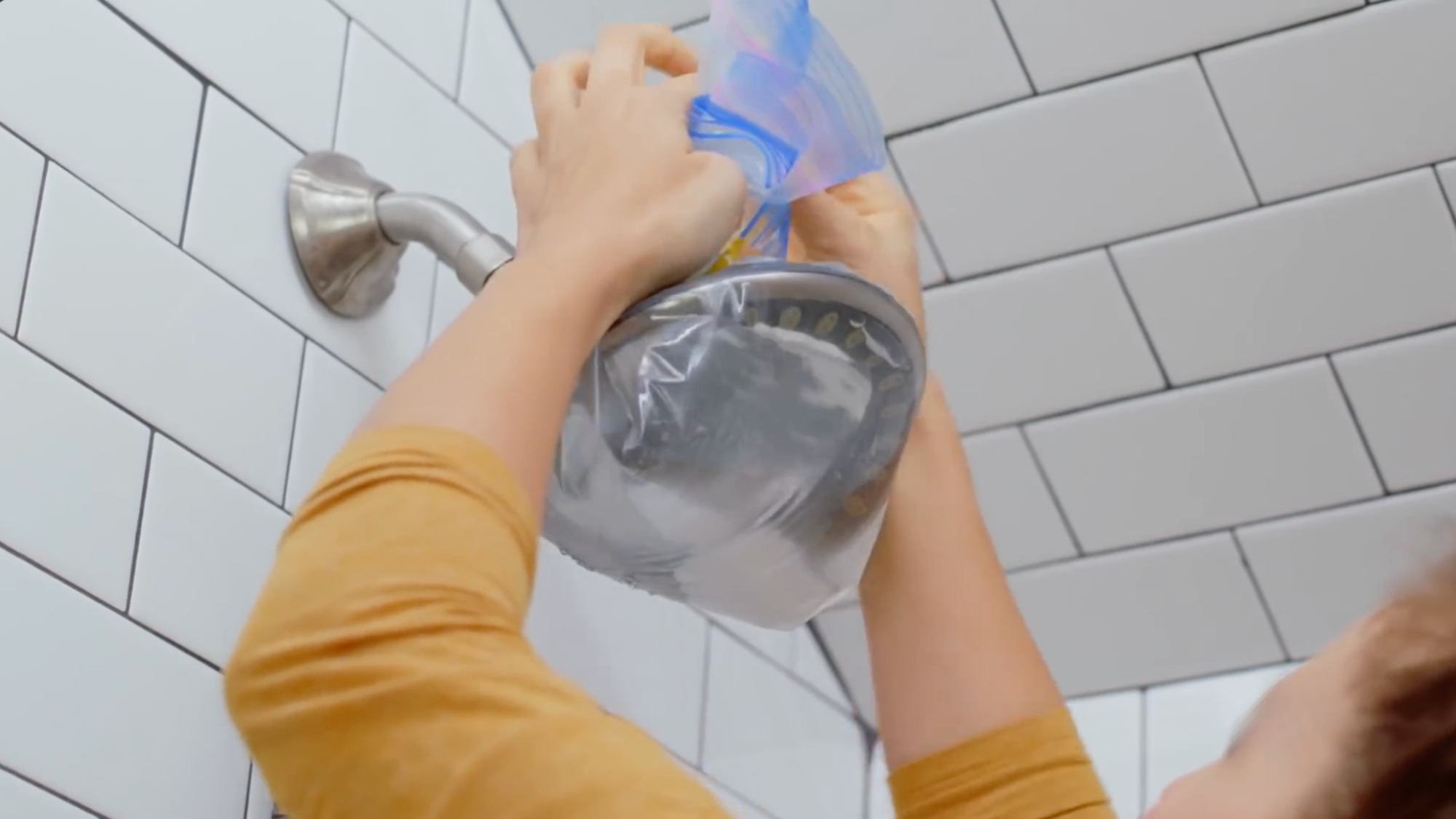
Once your solution is ready, carefully place the zip bag over your showerhead, ensuring that the entire fixture is fully submerged in the mixture.
Use a rubber band to tightly secure the bag around the showerhead to keep it in place. Let it soak overnight to allow the solution enough time to dissolve mineral buildup.
This soaking process is very effective at loosening stubborn hard-water stains that regular cleaning cannot remove.
Step 3: Wipe the Shower head Clean
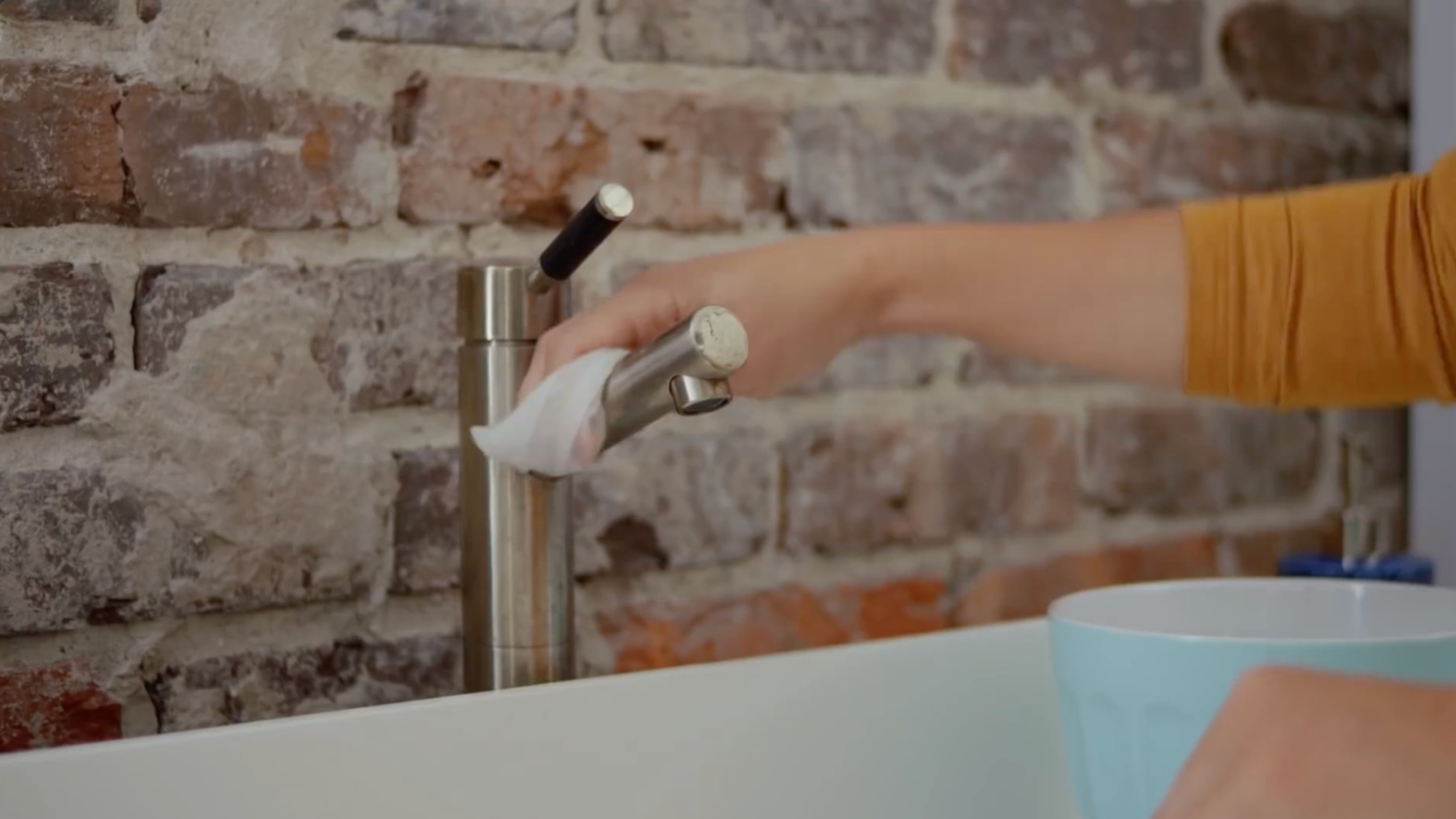
After leaving the shower head to soak overnight, remove the plastic bag carefully.
You will likely notice that the buildup has loosened. Take a clean, wet cloth or rag and gently wipe down the showerhead.
This helps remove any remaining residue, leaving the surface looking fresh and shiny.
If needed, you can lightly scrub areas with heavier buildup. This simple step restores water flow and improves the overall appearance of your shower head.
Step 4: Soak Paper Towels in Vinegar
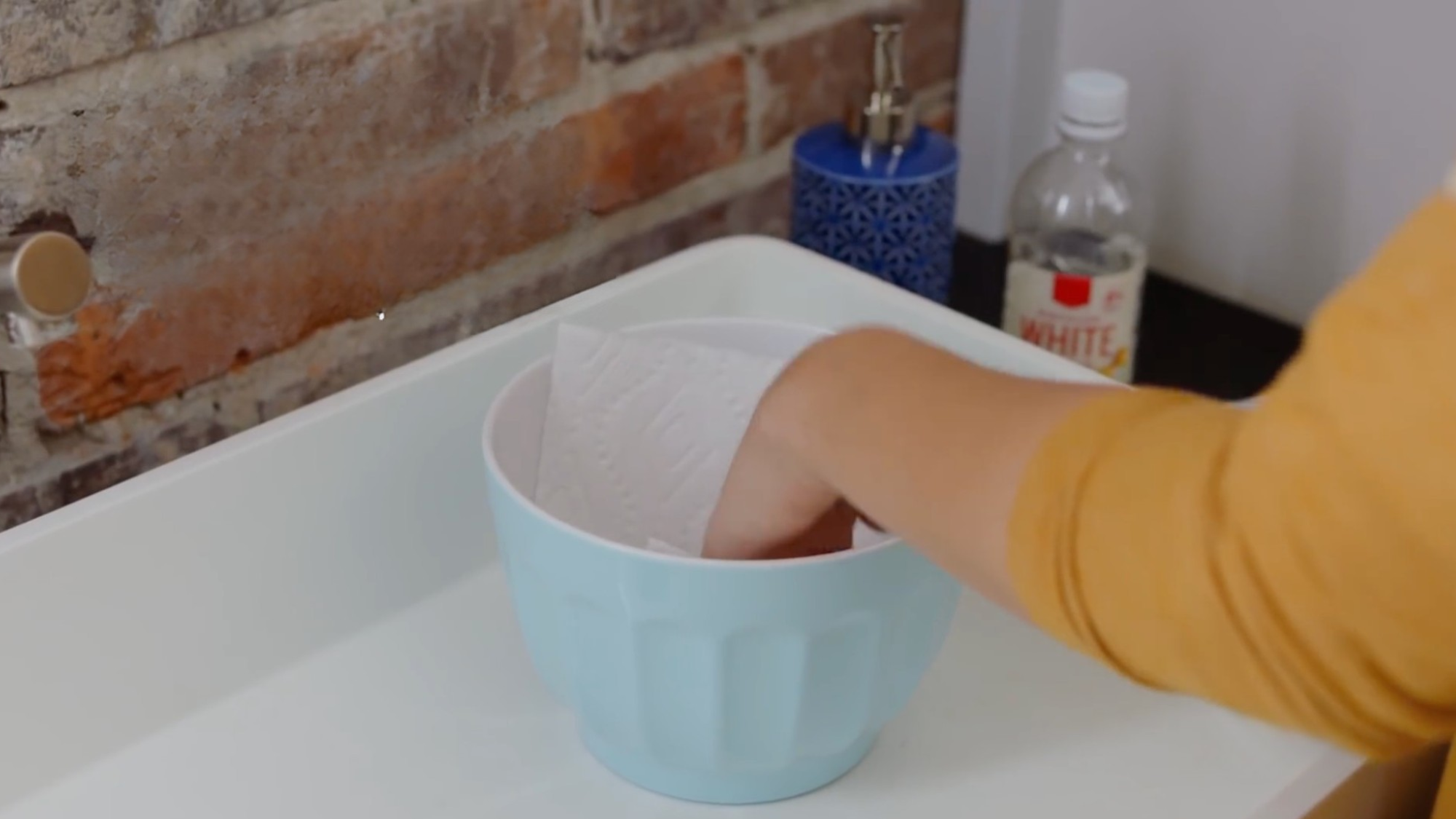
For sink fixtures, pour white vinegar into a bowl and soak a few paper towels in it. Make sure the towels are fully wet so they can stick well to the surface.
Place the soaked towels over the stained areas and let them sit for some time.
The vinegar helps break down mineral buildup.
It is a safe and natural way to clean hard water stains on metal and other bathroom surfaces without using harsh cleaners.
Step 5: Scrub and Clean
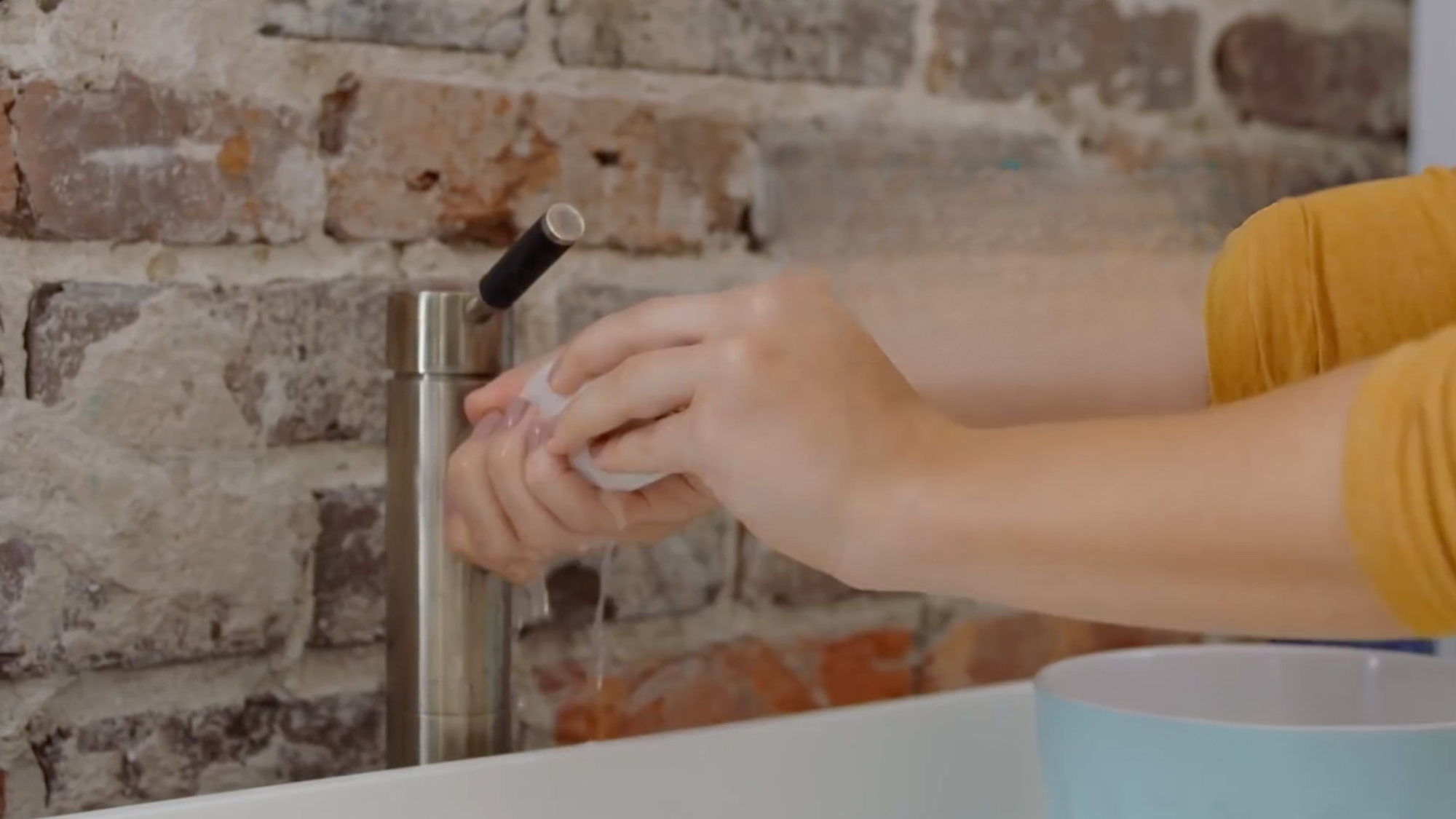
After the soaking time is complete, gently remove the paper towels from the fixtures. Use the same towels or a soft cloth to lightly scrub the surface.
You should notice that the stains come off much more easily.
Rinse the area with clean water and wipe it dry to prevent new spots from forming.
This final step helps restore shine and keeps your sink fixtures looking clean, smooth, and free from hard water buildup.
This tutorial is based on a helpful video by HGTV. You can check out the original video on their YouTube channel here or watch it below:
Mistakes to Avoid when Cleaning Hard Water Stains
Avoid these common mistakes to protect your surfaces, prevent damage, and make your cleaning routine more effective and long-lasting.
- Using Harsh Abrasive Scrubbers: Rough pads can scratch surfaces like glass, tiles, and fixtures, making stains harder to clean later.
- Ignoring Regular Cleaning: Letting stains sit too long allows minerals to build up, making them tougher to remove over time.
- Mixing Cleaning Products: Combining different cleaners can reduce effectiveness or even create harmful fumes.
- Using Too Much Cleaner: Overusing products can leave residue behind, which may attract more buildup.
- Not Rinsing Properly: Leaving cleaning solution on surfaces can cause streaks or new deposits to form.
- Skipping Drying After Cleaning: Not drying surfaces allows water spots to return quickly.
- Using the Wrong Cleaner for the Surface: Some materials, like natural stone, need gentle cleaners; harsh ones can cause damage.
Common Areas Where Hard Water Stains Appear
These are the most common spots in your home where hard water stains build up due to frequent water use and mineral deposits.
1. Shower Doors and Bathroom Glass
Shower doors and bathroom glass are some of the most common places where hard water stains appear. When water droplets dry on these surfaces, they leave behind minerals that create cloudy spots and streaks.
Over time, this buildup can make the glass look dull and dirty, even after cleaning.
Since these areas are exposed to water daily, stains can form quickly. Regular wiping or using a squeegee after showers can help reduce buildup and keep the glass looking clear and shiny.
2. Faucets and Sink Fixtures
Faucets and sink fixtures often develop hard-water stains because they are used repeatedly throughout the day.
As water flows and dries, minerals such as calcium and magnesium accumulate on the surface.
This can leave behind white, chalky spots or a dull film that reduces the shine of metal finishes. Over time, the buildup can become harder to remove.
Regular cleaning and drying the fixtures after use can help prevent stains and keep them looking clean and polished.
3. Tiles and Grout
Tiles and grout are highly prone to hard water stains, especially in bathrooms and kitchens where moisture is constant.
When water sits on these surfaces and dries, it leaves behind mineral deposits that can cause discoloration. Tiles may develop dull spots, while grout lines can turn darker or look dirty over time.
Since grout is porous, it absorbs minerals more easily, making stains harder to remove.
Regular cleaning and proper drying can help prevent buildup and keep tiles and grout looking fresh.
4. Toilets and Bathtubs
Toilets and bathtubs often show hard-water stains from constant exposure to water. You may notice rings, streaks, or chalky buildup forming over time, especially around the waterline.
These stains occur when mineral-rich water dries, leaving deposits behind.
In toilets, this can create stubborn rings, while in bathtubs, it may make them look dull or discolored.
Regular cleaning helps prevent buildup, but if left untreated, stains can become harder to remove and affect the overall appearance of your bathroom surfaces.
5. Kitchen Sinks and Dishes
Kitchen sinks and dishes often develop hard-water stains from daily use and frequent exposure to water. You may notice white spots, streaks, or a cloudy film on stainless steel sinks and glassware.
These marks form when mineral-rich water dries, leaving deposits behind.
Over time, this buildup can make surfaces look dull and unclean.
Regular rinsing and drying can help reduce stains, while proper cleaning keeps sinks shiny and dishes clear and spot-free.
Tips to Prevent Hard Water Stains in the Future
Simple daily habits can help reduce mineral buildup and keep your surfaces clean and spot-free.
- Dry Surfaces After Use: Wipe surfaces dry after use to stop minerals from settling.
- Use a Squeegee on Glass: Use a squeegee on shower glass after every shower.
- Clean Regularly with Mild Solutions: Clean regularly with mild solutions to prevent buildup.
- Install a Water Softener: Install a water softener to reduce mineral content.
- Fix Leaks Promptly: Fix leaks and drips quickly to avoid stains.
- Apply Protective Coatings: Use protective coatings to repel water and reduce marks.
Conclusion
Dealing with hard water stains can feel frustrating, but once you know what works, it becomes much easier to manage.
With a few simple habits and the right cleaning methods, you can keep your glass, fixtures, and surfaces looking clean and bright. The key is to stay consistent and not let buildup sit for too long.
You don’t need fancy tools or strong chemicals to get good results.
Small changes in your routine can make a big difference over time. Try out the tips shared here and see what works best for your home. I’d love to hear from you.
Have you tried any of these methods, or do you have your own go-to solution? Share your experience in the comments below!