

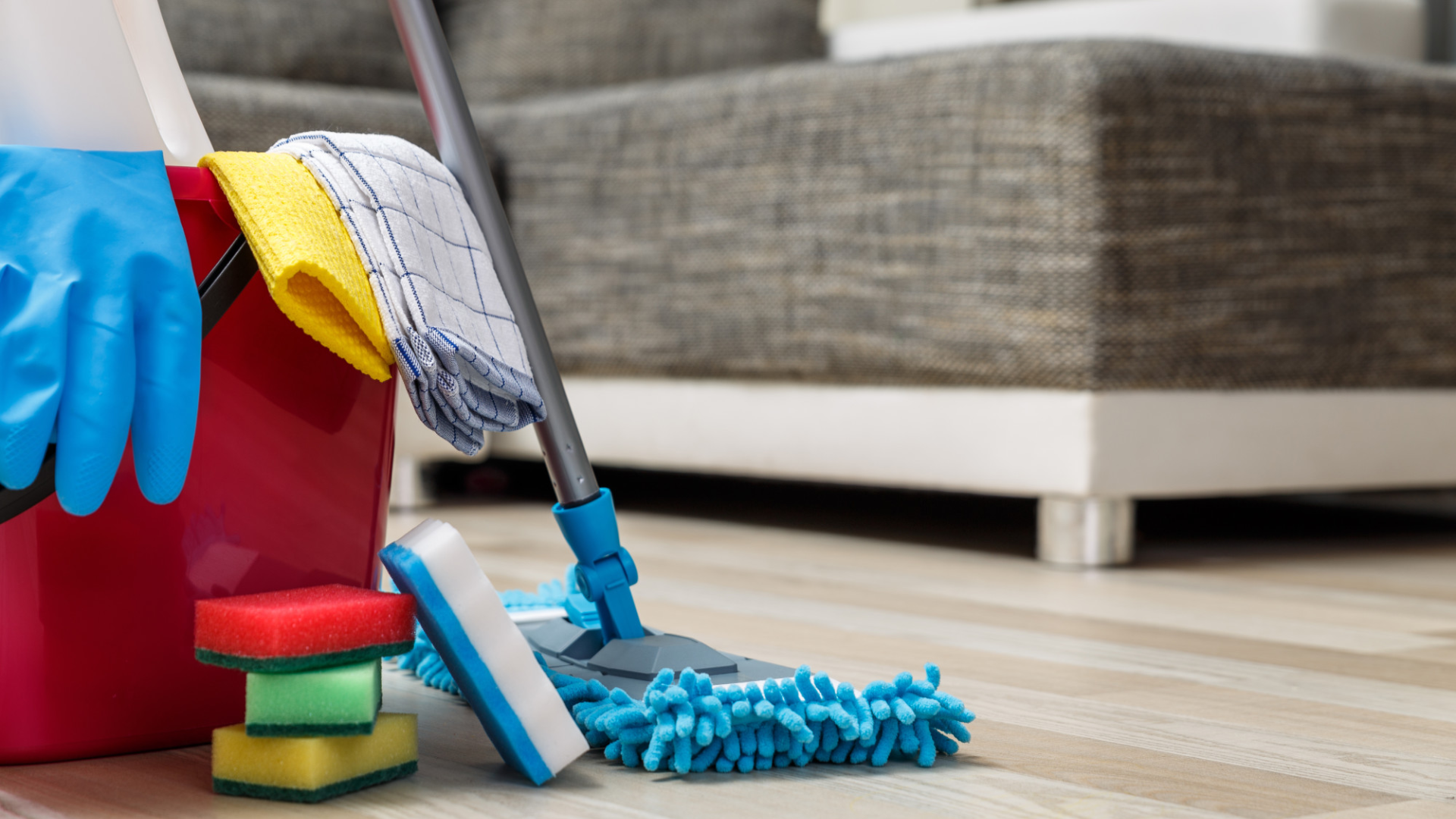
Keeping a home clean can feel like a never-ending task. Dishes pile up, dust gathers on surfaces, and clutter appears before you notice.
That is why having a clear cleaning list for the house can make daily life much easier.
Instead of guessing what needs attention, a simple checklist helps you stay organized and keep every room fresh.
A good cleaning routine breaks chores into smaller tasks that fit naturally into your schedule. Some jobs need daily attention, while others only need care once a week or a month.
When you follow a structured plan, cleaning becomes less stressful and far more manageable.
In this guide, you will find a practical cleaning list for the house covering daily, weekly, monthly, and seasonal tasks, plus a room-by-room breakdown and tips for building a routine that actually sticks.
What Is a Cleaning List for a House?
A house cleaning list is a simple checklist that shows what to clean and when. It helps you stay organized instead of trying to remember everything.
A good list spreads tasks across daily, weekly, monthly, and seasonal routines.
This way, nothing gets skipped, and cleaning never feels too heavy. Daily tasks focus on areas that get dirty fast.
These include kitchen counters, dishes, and frequently used spaces. Weekly tasks handle dust and dirt that build up over time, like floors, bathrooms, and surfaces around the home.
Monthly and seasonal tasks go deeper. These include cleaning inside the fridge, washing carpets, and other jobs that are not needed every week.
With a clear plan, every room stays clean, and your work stays quick and easy instead of turning into a long, tiring job.
How Long Does a Full House Cleaning Take?
A full house cleaning can take 2 to 6 hours, depending on your home’s size and how dirty it is. A small apartment may take about two hours, while a larger home can take much longer.
If you clean often, the time stays shorter because dirt does not build up.
Deep cleaning takes more time than regular cleaning since it includes areas like behind furniture, inside cabinets, and baseboards.
The number of people helping also matters. One person will take longer than a team. Tools and supplies can speed things up, too. A vacuum, mop, and good cleaner help you work faster.
Breaking tasks room by room makes it easier to manage. If you stay consistent with your routine, cleaning becomes quicker and less tiring over time
Daily Cleaning List for House
Daily cleaning tasks help maintain a tidy home and prevent mess from building up. These small routines only take a few minutes but make a big difference in keeping every room fresh and comfortable.
1. Make the Bed
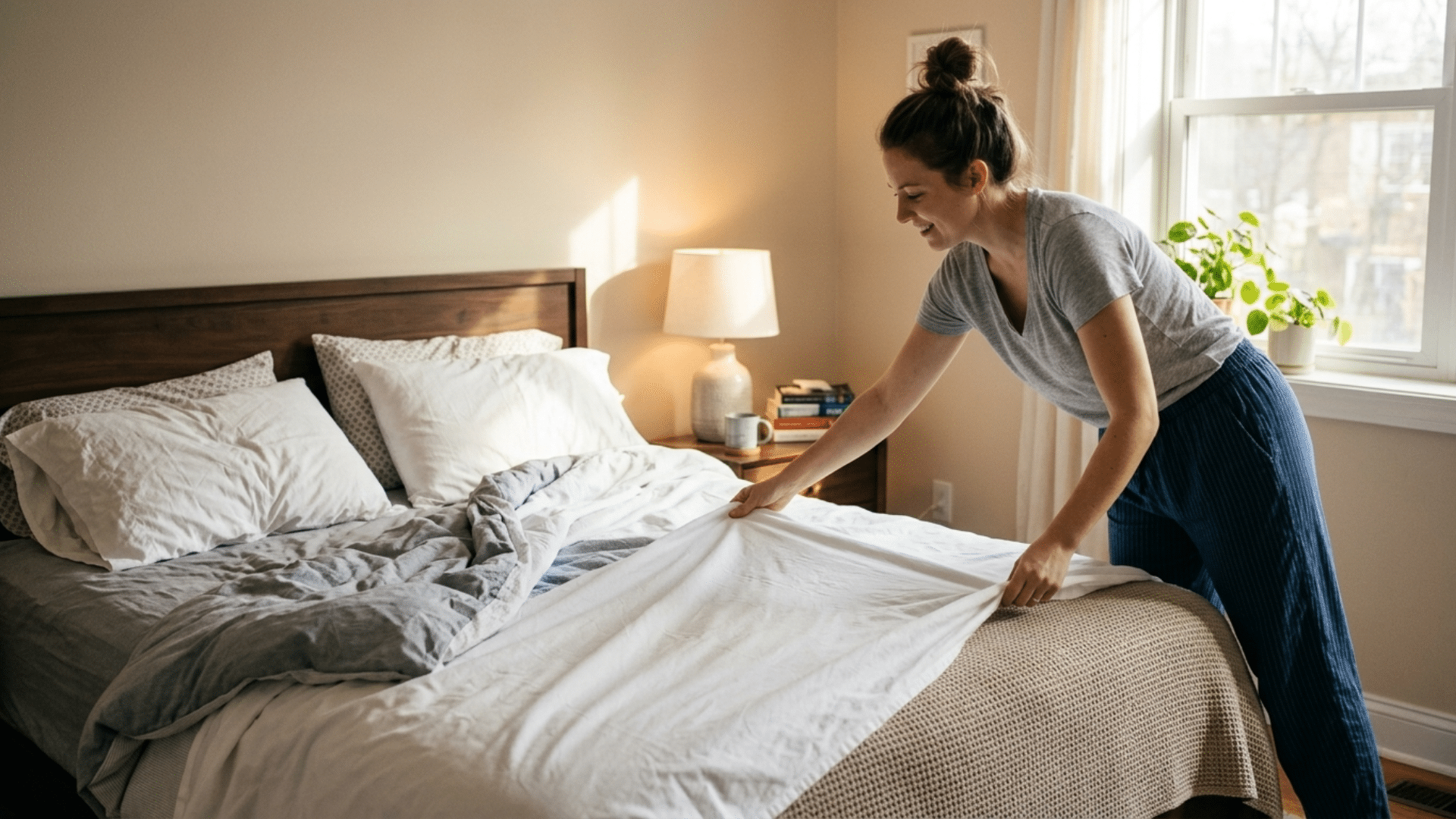
Making the bed each morning instantly improves the look of the bedroom. Straighten the sheets, fluff the pillows, and neatly arrange the blanket.
This simple task takes only a few minutes but helps the room feel organized and calm. A tidy bed also prevents dust from settling into bedding during the day.
Over the years, I have found that making the bed first thing creates a ripple effect on the rest of the morning.
When that one task is done, the room feels controlled, and the motivation to tackle everything else follows naturally.
2. Wash Dishes and Clean the Sink
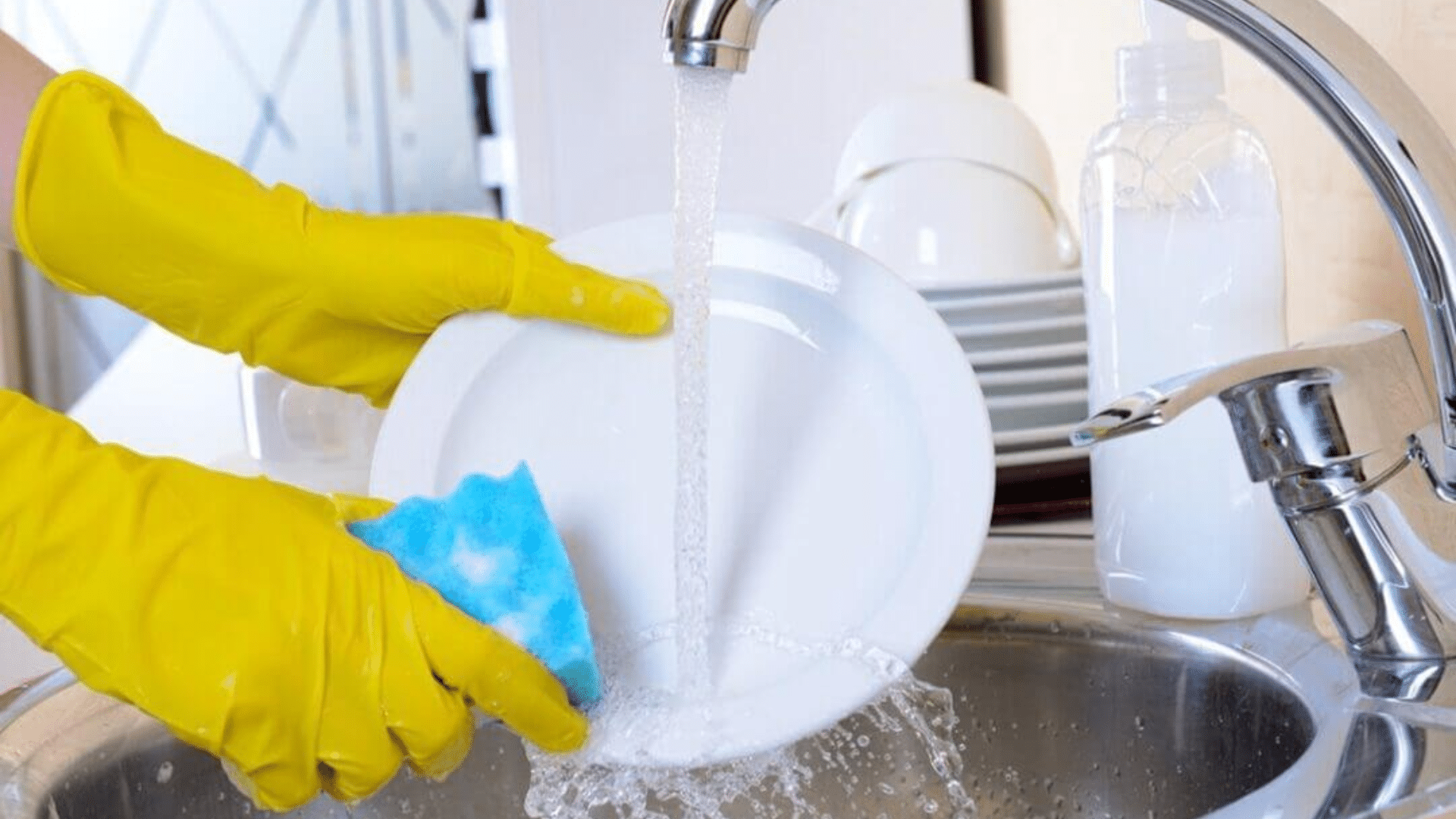
Dirty dishes can quickly make the kitchen look messy and unpleasant. Washing dishes after meals keeps the kitchen organized and prevents food residue from drying on plates and utensils.
Once the dishes are clean, rinse the sink and wipe it with a sponge or cloth.
A clean sink also prevents unpleasant odors and reduces bacterial growth.
In my experience, a stainless steel sink wiped dry after each use stays noticeably cleaner between deep cleans and resists water spot buildup far better than one left damp.
3. Wipe Kitchen Counters
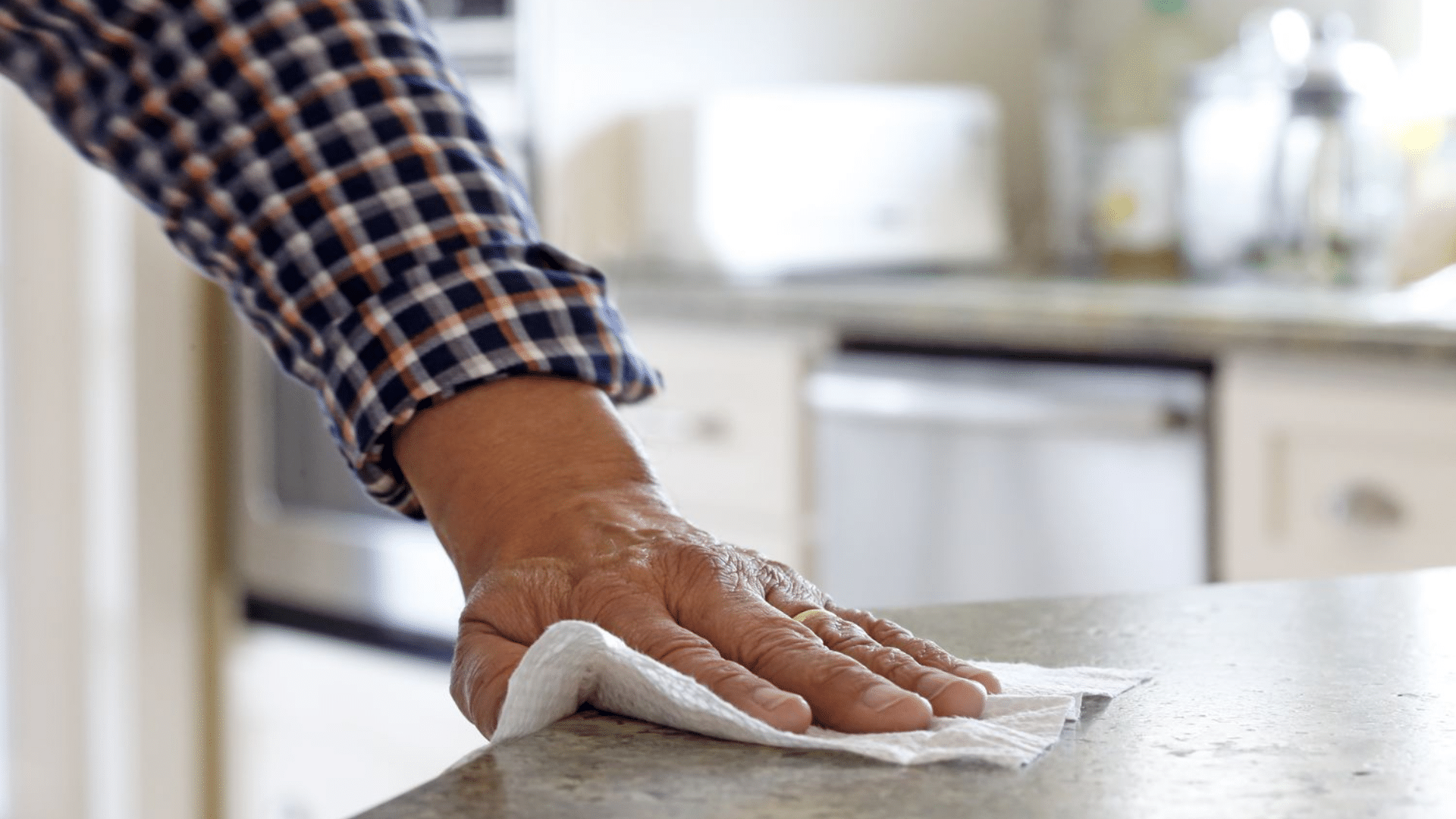
Kitchen counters are used frequently throughout the day for cooking and preparing meals. As a result, they collect crumbs, spills, and grease.
Wiping counters daily helps maintain a hygienic cooking space. Use a damp cloth or disinfecting wipe to clean all surfaces, including corners where crumbs gather.
Regular Cleaning prevents stains and sticky buildup from forming.
Clean counters also make the kitchen look brighter and more organized. Maintaining this routine ensures the cooking area is always ready for meal preparation.
4. Sweep Kitchen Floor
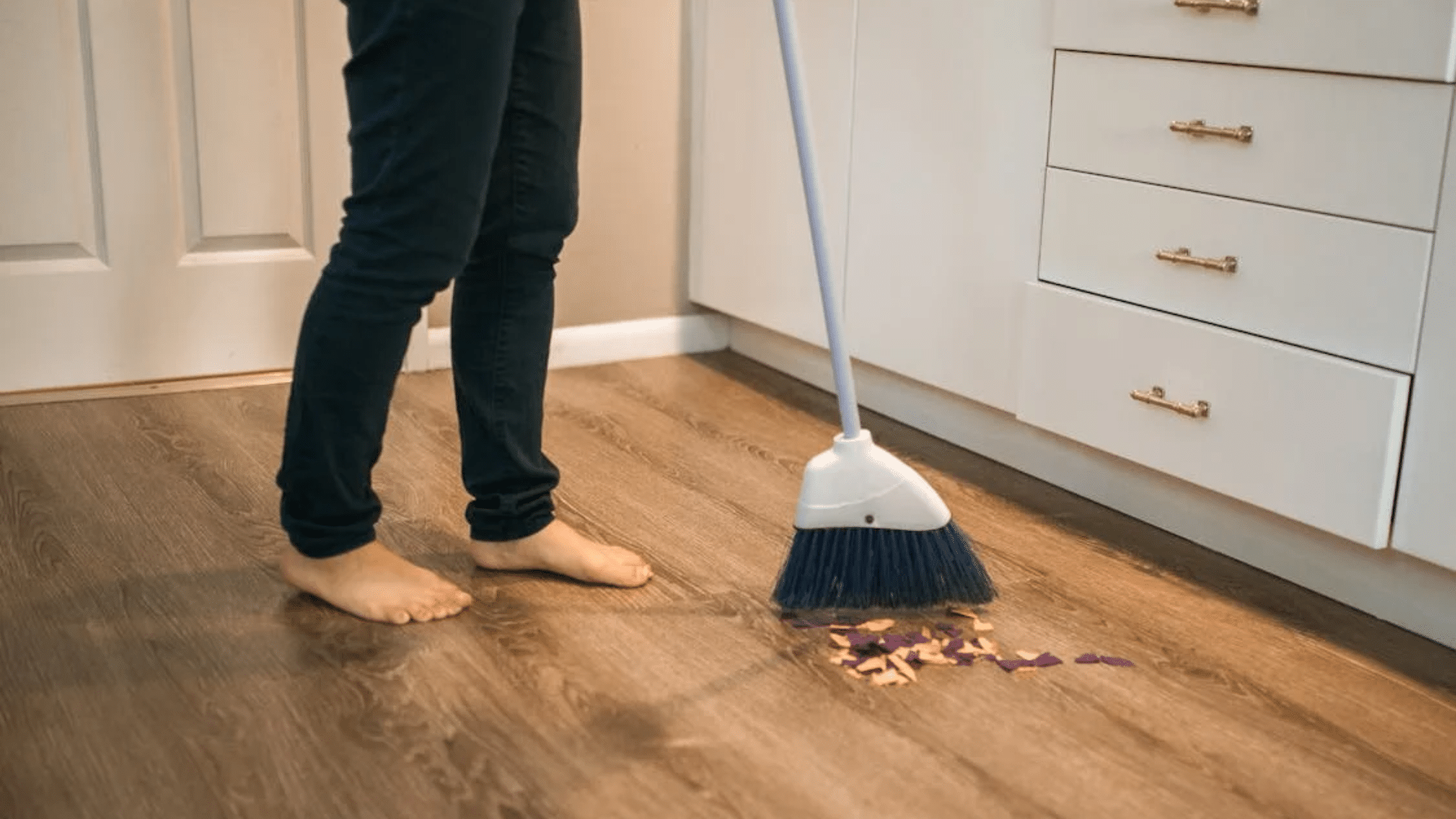
Crumbs, dust, and food particles often fall onto the kitchen floor during cooking and eating.
Sweeping the floor each day helps keep the area clean and prevents dirt from spreading to other rooms.
A quick sweep takes only a few minutes, removes visible debris, and keeps the kitchen looking tidy. It also helps prevent pests from being attracted to leftover food crumbs.
Keeping the floor clean daily creates a healthier environment and makes the kitchen more pleasant to use.
5. Take Out Trash if Needed
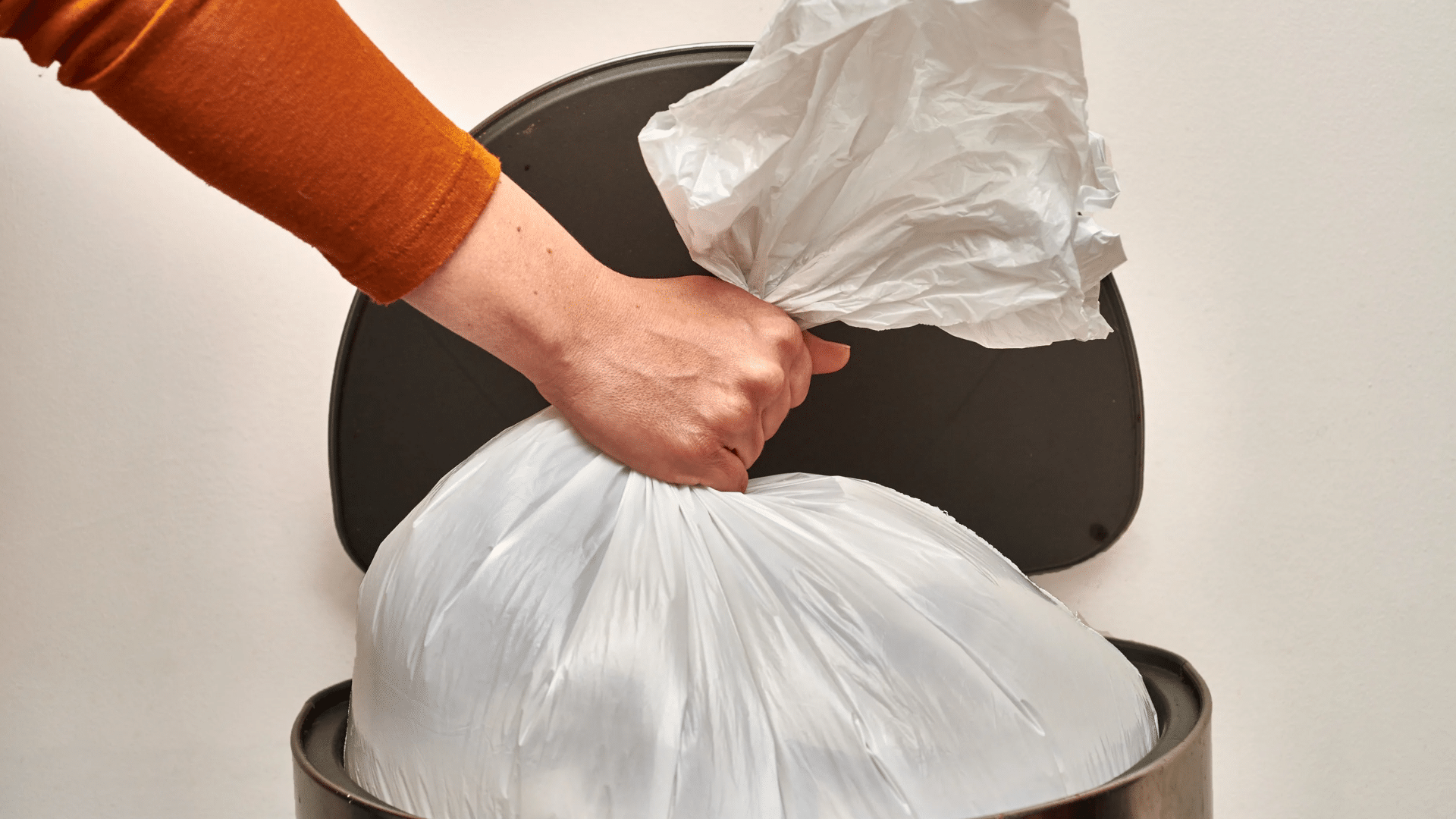
Trash can build up quickly in busy households, especially in the kitchen. Emptying the trash regularly prevents unpleasant smells and keeps the home hygienic.
Food waste left in the trash too long can attract insects and create odors.
After taking out the trash, give the inside of the bin a quick wipe with a disinfecting cloth before replacing the bag.
Bins that are cleaned this way weekly rarely develop the lingering odors that make kitchens feel unpleasant even after a full clean.
6. Put Items Back in Their Place
Throughout the day, items such as books, clothes, toys, and remote controls often get left around the house.
Taking a few minutes to return these items to their proper place keeps rooms neat and organized. This simple routine prevents clutter from building up over time.
When everything has a designated spot, Cleaning becomes much easier. Regularly putting items away also helps maintain a calm and orderly living space that feels more comfortable for everyone in the home.
This quick list shows what to clean, where to focus, and how much time each task takes so you can stay on track without stress.
| Task | Area | Time Required | Priority Level |
|---|---|---|---|
| Make the bed | Bedroom | 3–5 min | High |
| Wash dishes & clean sink | Kitchen | 10–15 min | High |
| Wipe kitchen counters | Kitchen | 3–5 min | High |
| Sweep the kitchen floor | Kitchen | 5 min | Medium |
| Take out trash (if full) | Kitchen/Home | 2–3 min | Medium |
| Return items to their place | All rooms | 5–10 min | Medium |
Weekly Cleaning List for House
Weekly cleaning tasks focus on deeper Cleaning to remove dust and dirt accumulated throughout the week. These chores help maintain hygiene and keep each room looking fresh.
7. Vacuum Floors and Carpets
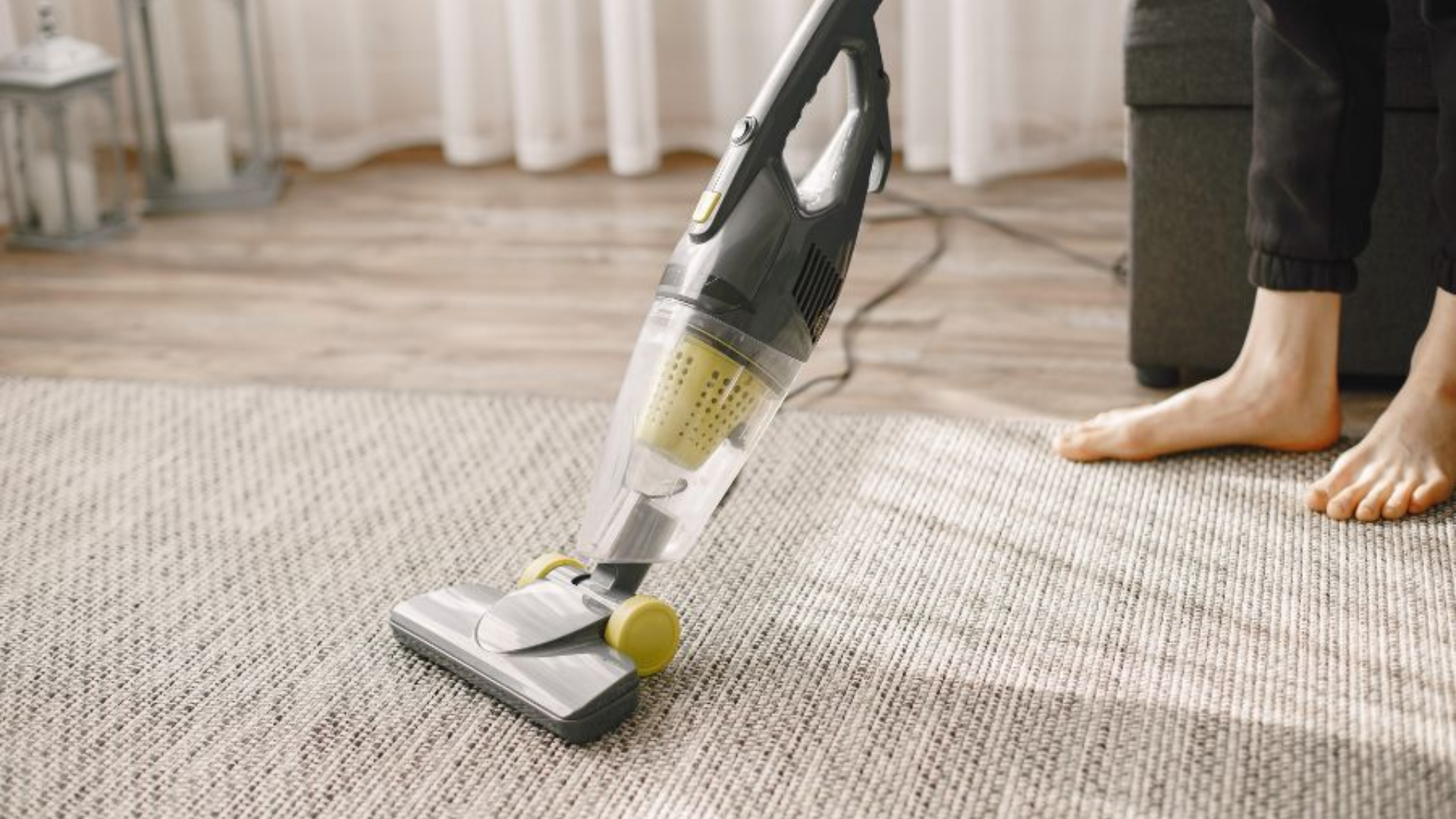
Vacuuming once a week helps remove dust, dirt, pet hair, and small debris from floors and carpets. High-traffic areas such as living rooms and hallways tend to collect the most dirt.
Vacuuming regularly improves indoor air quality and helps carpets last longer by removing particles that can damage fibers.
It also keeps floors looking neat and clean. Taking the time to vacuum furniture edges, corners, and under tables ensures a more thorough cleaning and a healthier home environment.
8. Mop Hard Floors
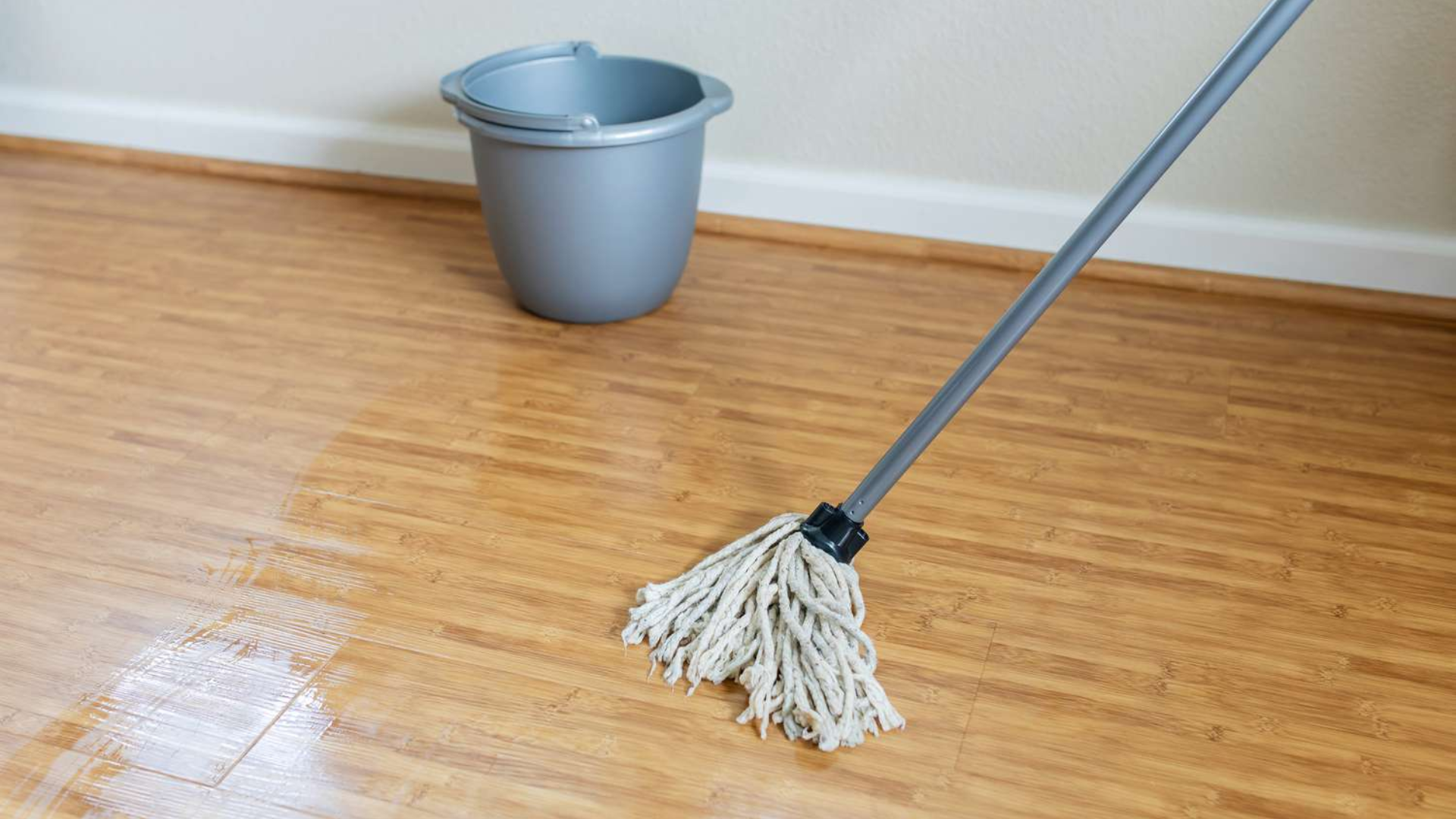
Mopping floors removes stains, sticky spills, and grime that sweeping alone cannot remove. Kitchen and bathroom floors especially benefit from weekly mopping because they are used frequently.
Use a damp mop rather than a soaking-wet one on hardwood or laminate surfaces.
Excess water can seep into joints and cause warping over time, something I have seen firsthand in renovation work on older properties where improper mopping caused significant floor damage.
9. Dust Furniture and Surfaces

Dust builds up on tables, shelves, electronics, and décor over time. I’ve noticed that when I skip dusting for even a few days, surfaces start to look dull and the air feels heavier.
Wiping with a microfiber cloth quickly clears dust and keeps rooms looking fresh while also reducing allergens.
Work from top to bottom in each room, starting with high shelves and ceiling fans, then moving down. This way, dust doesn’t fall onto areas you’ve already cleaned.
10. Clean Bathroom Sink and Mirror
Bathroom sinks and mirrors are used many times each day, which leads to water spots, toothpaste marks, and soap residue. Cleaning them weekly keeps the bathroom looking bright and hygienic.
Use a mild cleaner to scrub the sink and a glass cleaner to polish the mirror.
A spray of diluted white vinegar on the mirror followed by a crumpled sheet of newspaper leaves a streak-free finish.
It sounds old-fashioned, but it is a trick that professional cleaners have used for decades and it genuinely works better than most commercial glass wipes on bathroom mirrors.
11. Change Bed Sheets

Changing bed sheets weekly helps maintain a clean and comfortable sleeping environment. Sheets collect sweat, dust, and skin cells during the week.
Washing them regularly keeps bedding fresh and improves hygiene.
Fresh sheets also help reduce allergens and improve sleep quality. When replacing sheets, shake out pillows and blankets to remove dust. This simple weekly habit keeps the bedroom feeling clean and relaxing.
12. Wipe Kitchen Appliances
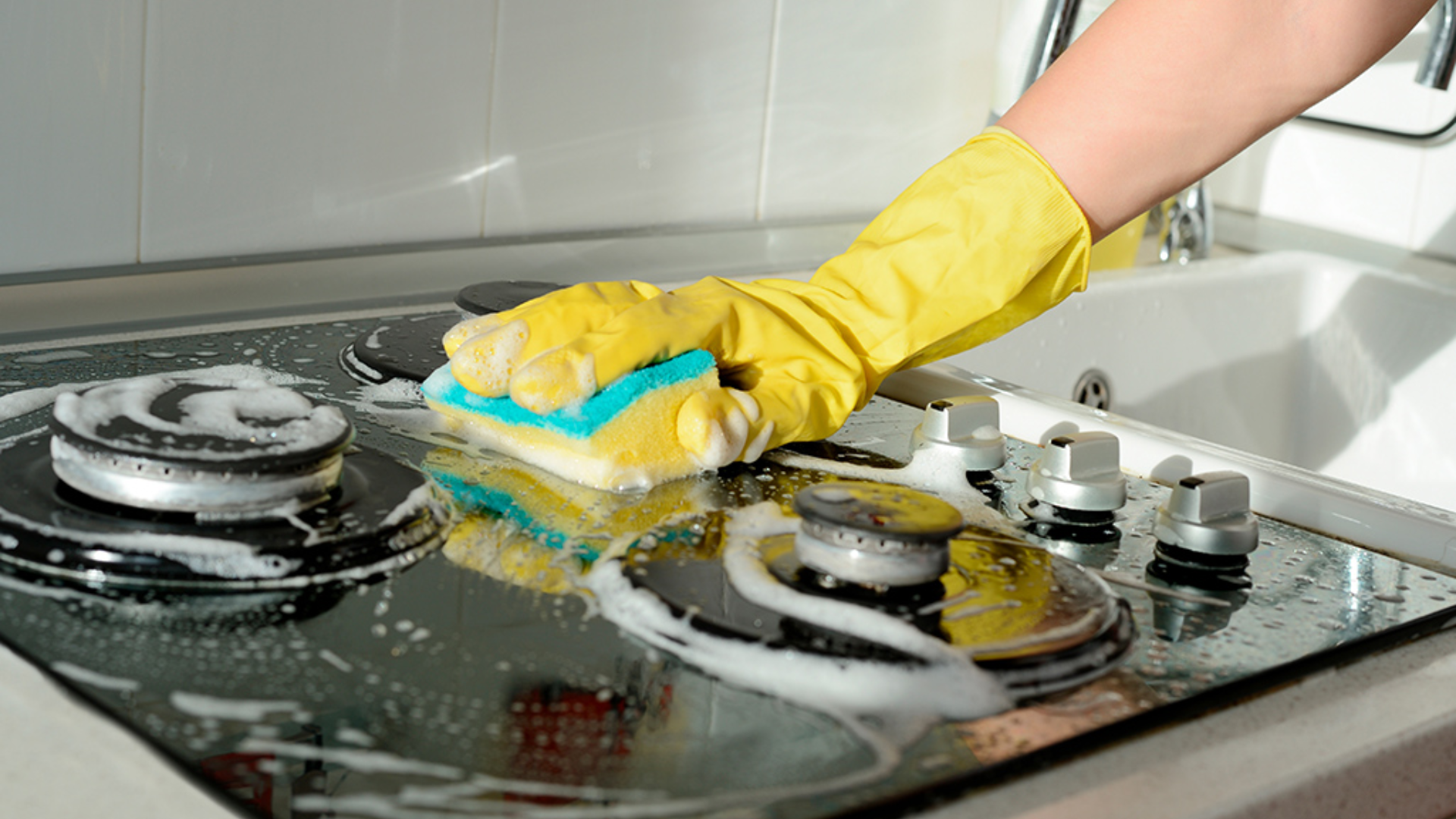
Kitchen appliances such as microwaves, stovetops, and refrigerators are used daily and can collect grease, crumbs, and fingerprints.
Wiping these surfaces once a week keeps the kitchen looking neat. Cleaning appliances also prevents buildup that becomes harder to remove over time.
Use a mild cleaner or a damp cloth to wipe handles, buttons, and surfaces.
Keeping appliances clean improves both appearance and kitchen hygiene. This list gives you a clear plan for what to clean each week, along with the best timing and effort needed to keep your home fresh and tidy.
| Task | Area | Best Day | Time Required |
|---|---|---|---|
| Vacuum floors & carpets | All rooms | Any | 20–30 min |
| Mop hard floors | Kitchen, bathroom | After vacuuming | 15–20 min |
| Dust furniture & surfaces | All rooms | Any | 15–20 min |
| Clean bathroom sink & mirror | Bathroom | Midweek | 10 min |
| Change bed sheets | Bedroom | Weekend | 15 min |
| Wipe kitchen appliances | Kitchen | Any | 10–15 min |
Monthly Cleaning List for House
Monthly cleaning tasks focus on areas that are not cleaned daily but still require regular attention. Doing these tasks once a month helps prevent dirt buildup and keeps the home fresh and well-maintained.
13. Clean Refrigerator Interior
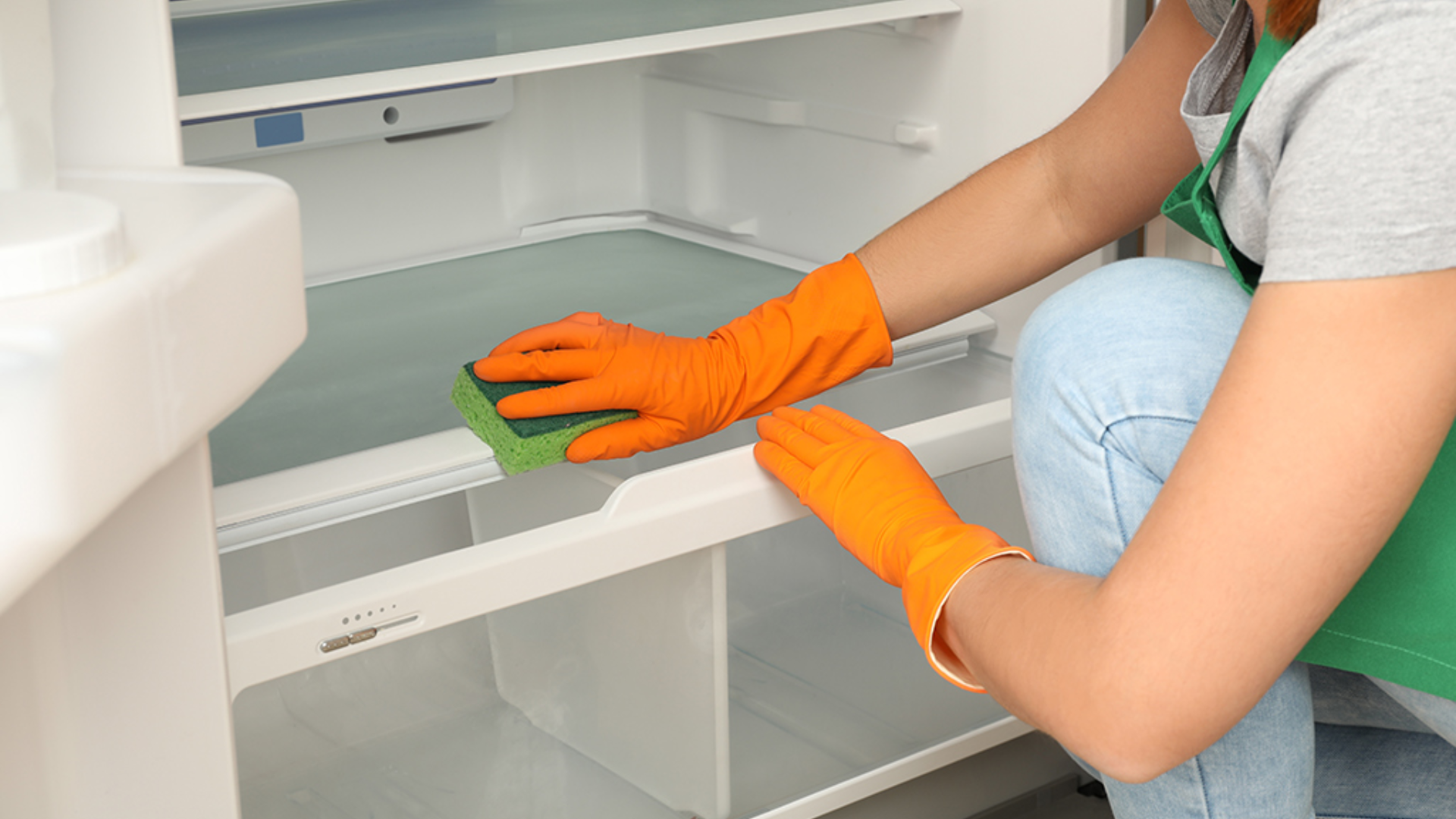
The refrigerator stores food every day, so spills and crumbs can accumulate easily inside. Cleaning it once a month keeps it fresh and hygienic.
Remove all food, wipe shelves with warm soapy water, and discard expired items.
This keeps your fridge clean, odor-free, and easy to organize. Regular Cleaning also stops sticky spills from hardening and becoming difficult to remove later.
Taking time each month to wipe the interior helps maintain a healthier kitchen and keeps the refrigerator looking neat and well-organized.
14. Wipe Baseboards
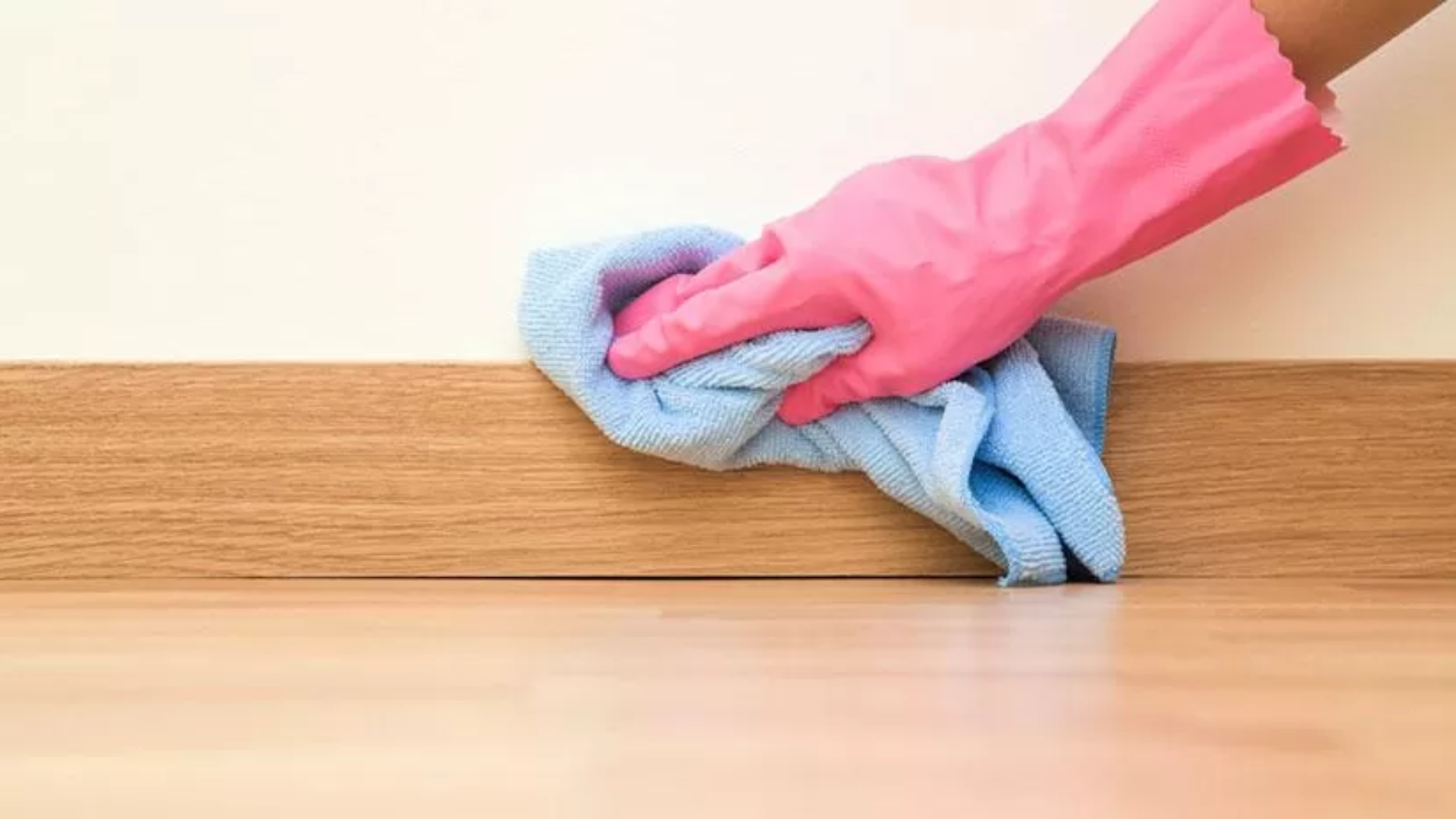
Baseboards collect dust, hair, and dirt over time, especially near floors and corners, making rooms look untidy.
Wiping baseboards once a month helps maintain the overall appearance of your home. Use a damp cloth or cleaning wipe to remove dust and small marks.
This task only takes a short time but makes a noticeable difference in how clean a room looks. Keeping baseboards clean also prevents dirt from spreading to nearby floors and walls.
Regular attention keeps them bright and prevents stains from becoming harder to remove later.
15. Clean Light Fixtures
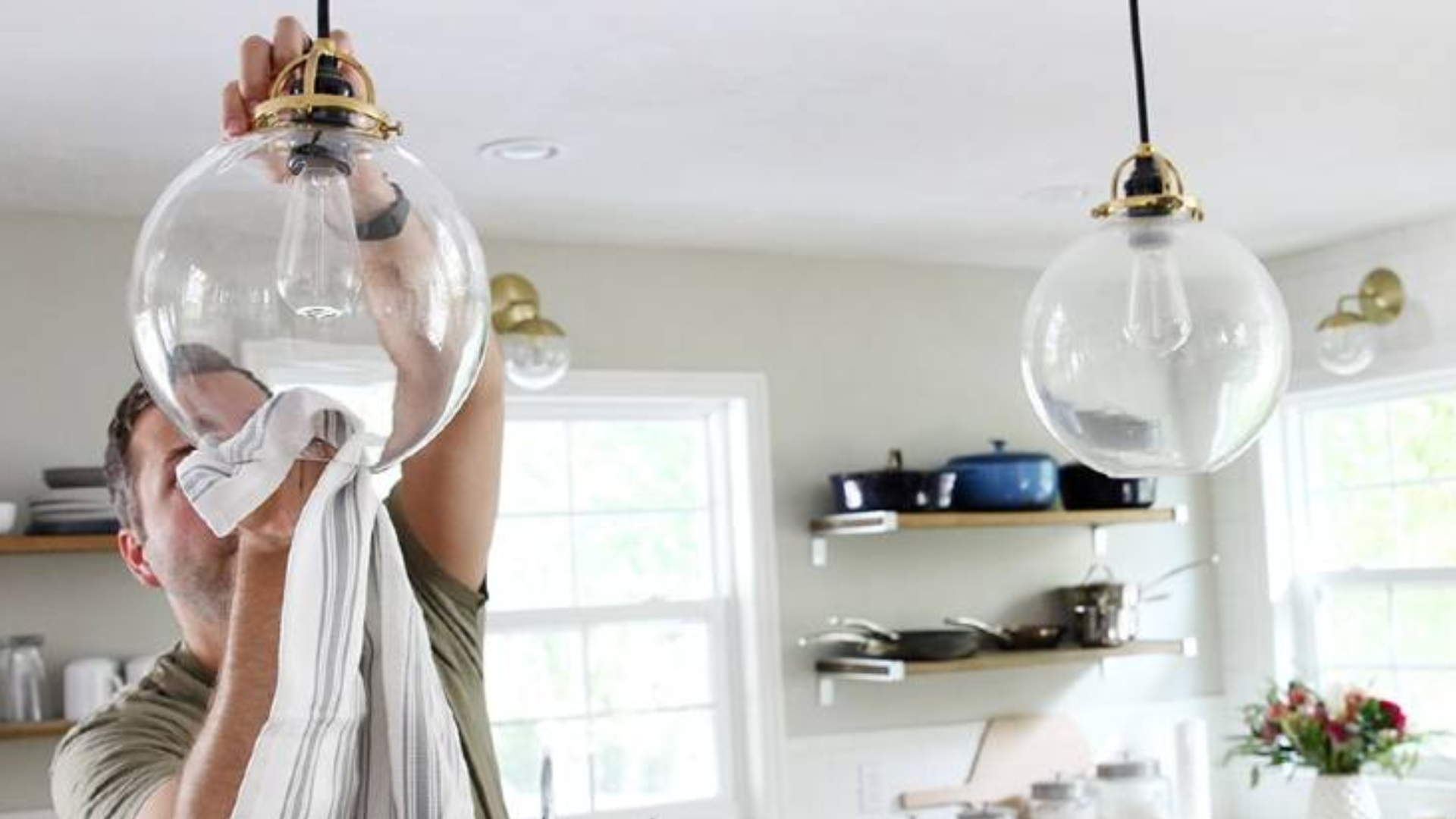
Light fixtures can gather dust and small particles over time, especially ceiling lights and lampshades. When dust collects on lights, it can reduce the room’s brightness.
Cleaning them once a month helps maintain clear lighting and improves the look of the space.
Turn off the lights, then gently wipe the fixtures with a soft cloth. Pay attention to lamps, ceiling lights, and wall fixtures.
Removing dust also prevents it from falling into the air when lights are turned on. Keeping light fixtures clean ensures rooms stay bright, comfortable, and visually appealing throughout the home.
16. Wash Curtains
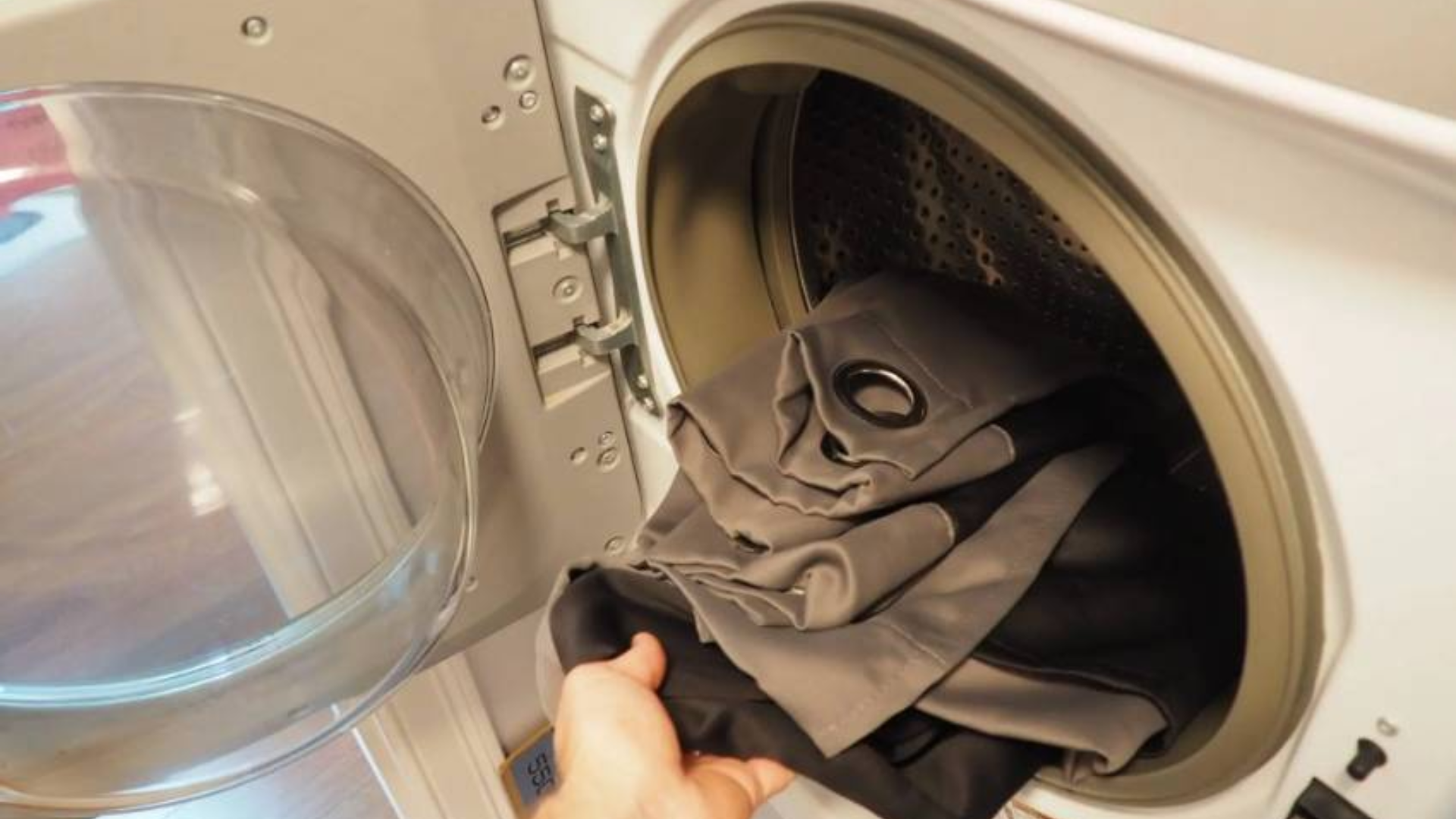
Curtains can collect dust, odors, and airborne particles during daily use. Washing them once a month or every few months helps keep them fresh and clean.
Remove curtains and wash as per label instructions.
Clean curtains improve air quality and make windows look brighter. They also help remove hidden dust that can trigger allergies.
After washing, hang them back properly so they dry evenly and maintain their shape. Maintaining this routine ensures that window areas stay fresh and the room continues to look clean and welcoming.
17. Clean Air Vents
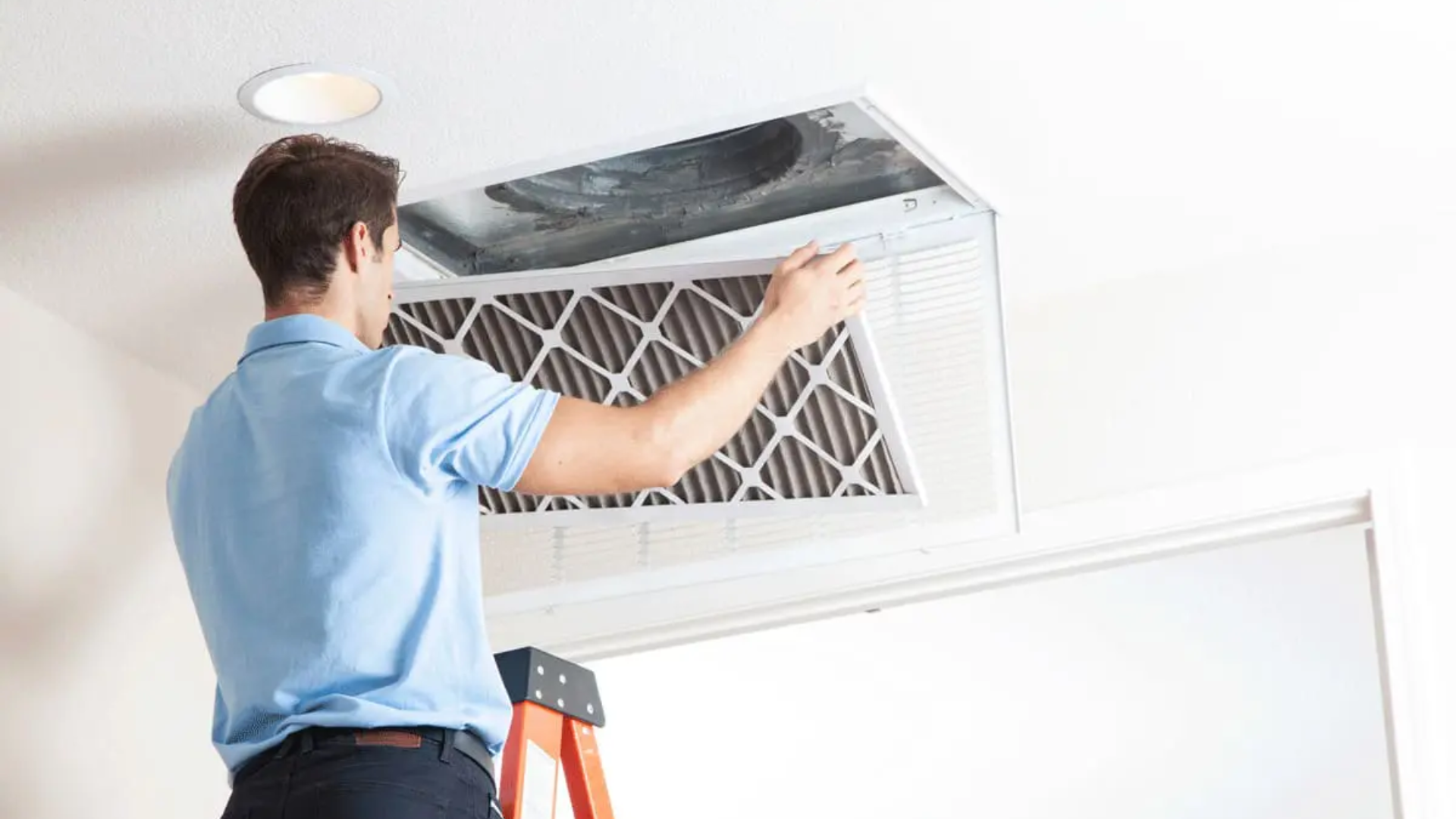
Air vents move air throughout the home and can collect dust over time. If vents become dirty, dust can circulate throughout the house, affecting air quality.
Clean vents monthly to improve airflow and reduce dust. Remove the cover and wipe or vacuum it.
You can also vacuum inside the vent opening to remove loose dust.
Keeping vents clean improves the efficiency of the heating and cooling system. This small monthly task helps maintain healthier air inside the home and keeps rooms feeling fresh.
Seasonal Cleaning Tasks
Seasonal Cleaning focuses on deeper tasks that are done a few times each year. These tasks refresh the home and help remove dirt that builds up over longer periods.
18. Deep Clean Carpets
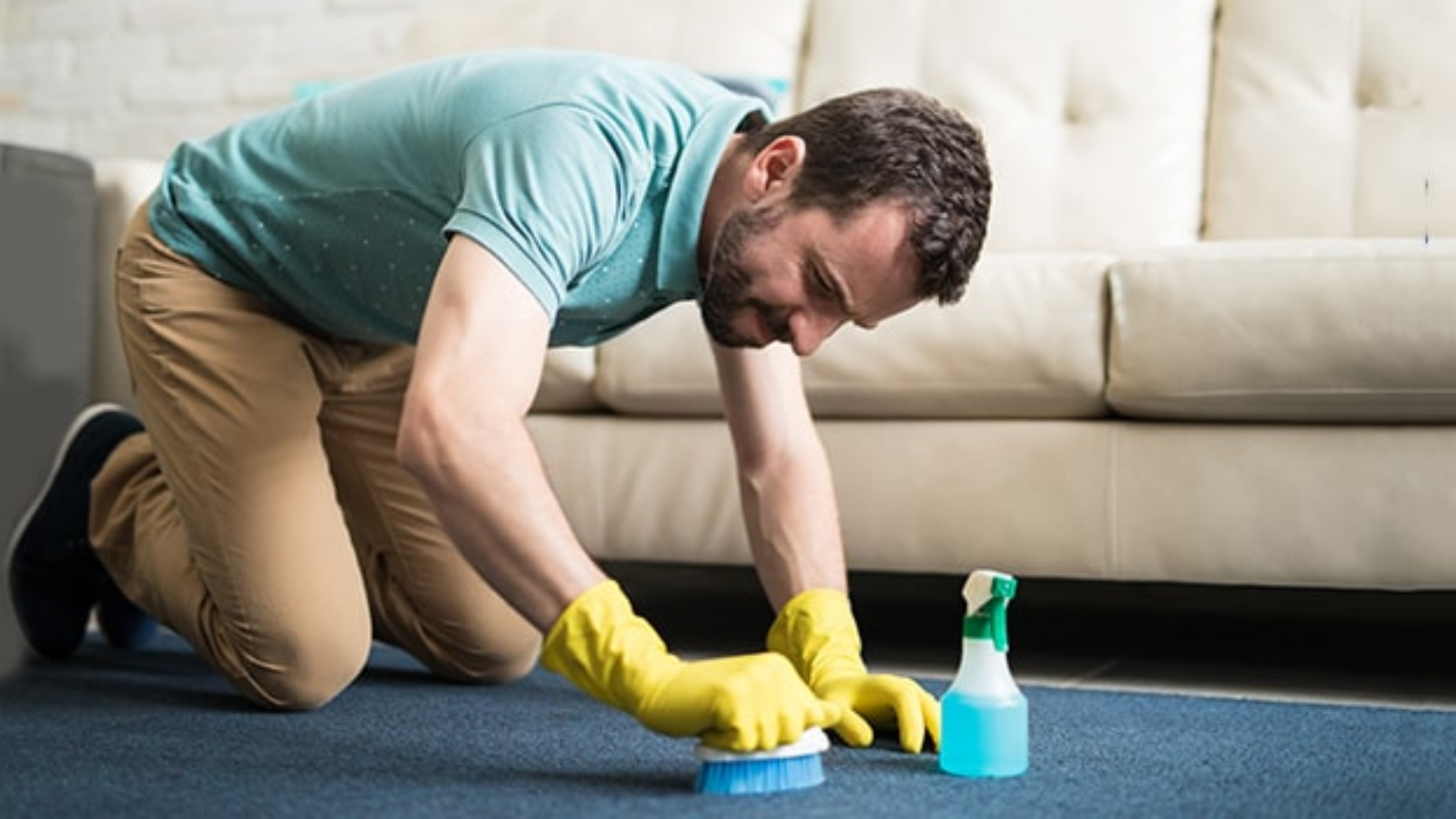
Carpets collect dust, dirt, and allergens deep within their fibers over time. While regular vacuuming removes surface dirt, deep Cleaning is needed a few times a year.
Seasonal carpet cleaning removes debris and stains. Steam cleaning or shampooing helps restore its look and freshness.
Before shampooing, pre-treat any set stains with a small amount of dish soap and cold water, working from the outer edge of the stain inward to prevent spreading.
Letting the treatment sit for 10 minutes before blotting lifts significantly more residue than treating and scrubbing immediately
19. Wash Windows Thoroughly
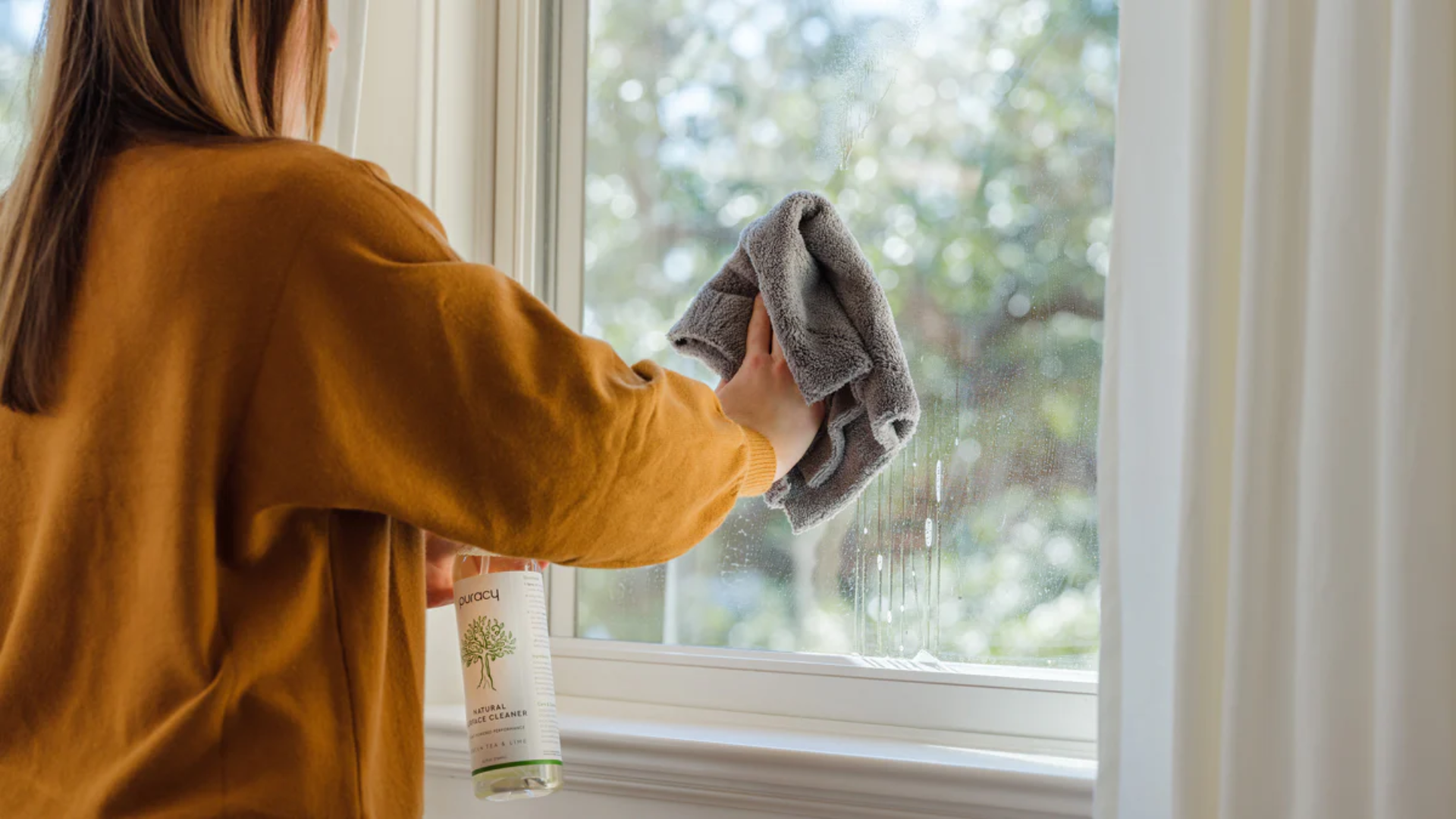
Windows can gather dust, fingerprints, and outdoor dirt over several months. Seasonal window cleaning helps restore clear views and allows more natural light into the home.
Use a glass cleaner and a soft cloth to remove smudges from the inside and outside surfaces.
Cleaning window frames and tracks also removes hidden dirt that builds up over time. Bright and clean windows make rooms feel larger and more inviting.
Maintaining this routine every season helps keep the house looking well cared for and allows sunlight to enter freely.
20. Organize Closets

Closets often become cluttered as clothes and items accumulate throughout the year. Seasonal Cleaning is the perfect time to sort through clothing and remove items you no longer need.
Fold clothes neatly, rearrange shelves, and organize storage boxes. Donating unused clothing can also free up valuable space.
A well-organized closet makes it easier to find what you need and keeps the bedroom looking tidy. Seasonal closet organization helps maintain order and prevents clutter from returning.
21. Clean Behind Large Furniture
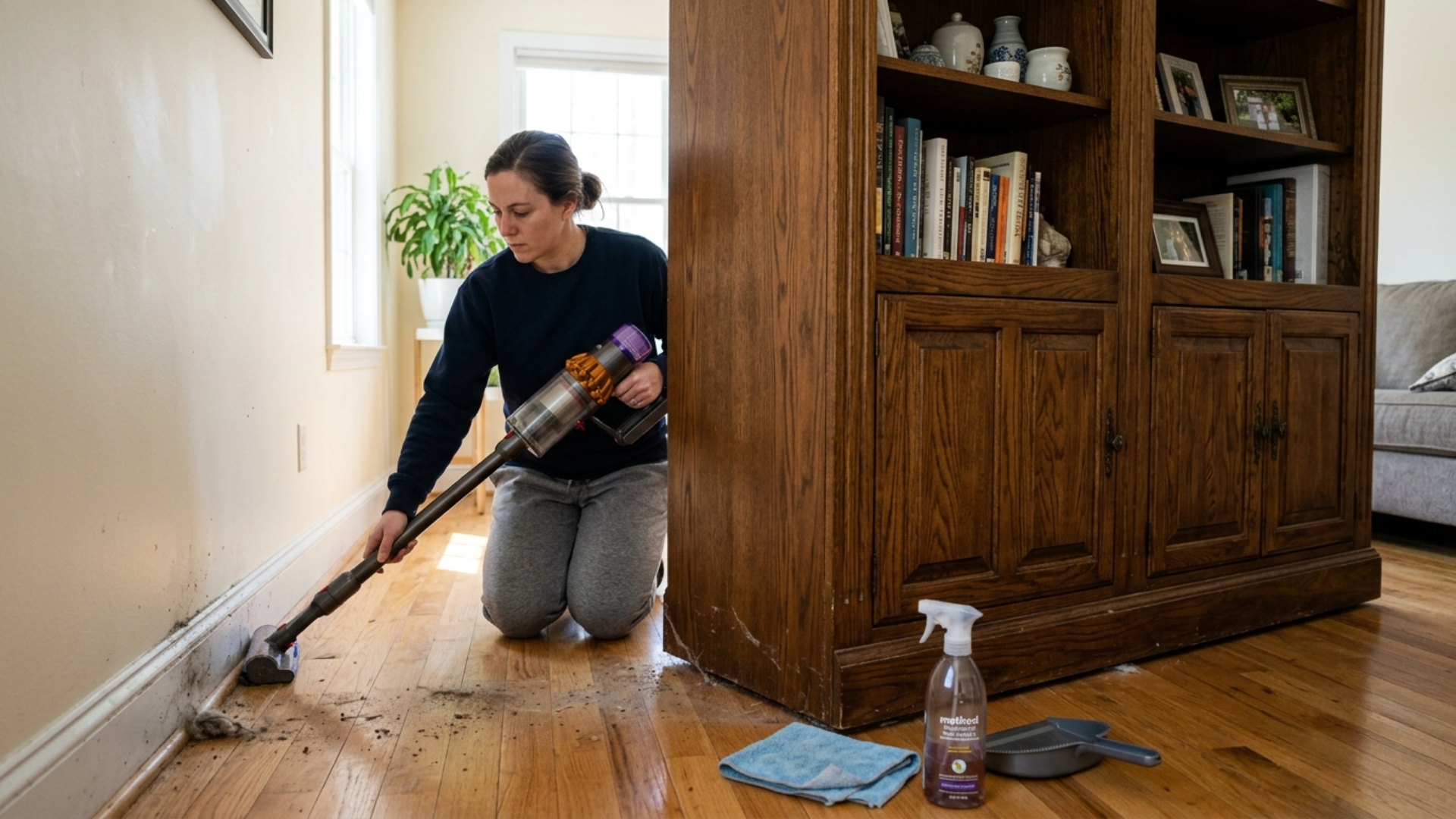
Large furniture, such as sofas, beds, and cabinets, often collects dust that is hard to reach during regular cleaning, a good time to move these items slightly and clean behind them.
Vacuum or wipe the area to remove dust, debris, and small objects. This helps improve indoor cleanliness and prevents hidden dirt from building up over time.
Cleaning behind furniture also helps reduce allergens and keeps the entire room properly maintained.
Doing this a few times each year ensures that even hidden spaces remain clean.
22. Declutter Storage Areas
Storage spaces such as garages, closets, and cabinets often collect unused items over time. Seasonal cleaning. Sort through these areas and remove items no longer needed.
Organize tools, boxes, and household supplies so everything is easy to locate.
Donating or discarding unused items creates more space and reduces clutter.
A clean and organized storage area makes it easier to keep the rest of the home tidy. Regular seasonal decluttering helps maintain a well-organized home environment.
23. Check and Replace HVAC Filters
HVAC filters collect dust, pet dander, and airborne particles that would otherwise circulate through your home.
Most standard filters need replacing every one to three months, though households with pets or allergy sufferers should check monthly.
A clogged filter makes the system work harder, increases energy bills, and pushes contaminants back into the air. Check the filter against a bright light: if you cannot see light through it, it is time for a replacement.
Keeping up with this seasonal task is one of the simplest things you can do for both air quality and system longevity.
Seasonal Cleaning at a Glance
These tasks help maintain parts of your home that are not cleaned often. They keep spaces fresh, reduce buildup, and support long-term upkeep.
| Task | Frequency | Best Season | Approx. Time |
|---|---|---|---|
| Deep clean carpets | 2–4x per year | Spring, Fall | 1–2 hrs |
| Wash windows thoroughly | 2–4x per year | Spring, Fall | 1–2 hrs |
| Organize closets | 2x per year | Spring, Fall | 1–3 hrs |
| Clean behind large furniture | 2–4x per year | Any | 30–60 min |
| Declutter storage areas | 2x per year | Spring, Fall | 1–4 hrs |
| Replace HVAC filters | Every 1–3 months | All seasons | 5–10 min |
Room-By-Room Cleaning List for House
This simple list helps you stay on top of cleaning tasks in every room. Following it regularly keeps your home neat, fresh, and easy to manage.
- Kitchen: Clean the sink, dishes, and counters, then sanitize surfaces. Sweep and mop floors, and keep the cooking area clean for daily use.
- Bathroom: Wipe mirrors, clean the sink and faucet, scrub the toilet, and wash the shower area. Disinfect commonly touched surfaces and mop the floor to keep the bathroom fresh and sanitary.
- Living Room: Dust furniture, wipe tables, vacuum carpets or rugs, and organize cushions and décor. Removing clutter keeps the space comfortable and welcoming.
- Bedroom: Make the bed, change sheets regularly, dust surfaces, organize clothes, and vacuum the floor. A tidy bedroom creates a relaxing environment for rest.
- Dining Area: Wipe the dining table and chairs, clean crumbs and spills, and sweep the floor. Maintaining cleanliness keeps the eating space pleasant.
- Hallways and Entryway: Sweep floors, wipe door handles and switches, and organize shoes or bags. Keeping this area clean creates a good first impression when entering the home.
How to Create Your Own Cleaning List for the House?
A cleaning list helps you stay organized and keeps your home neat without stress. It breaks tasks into simple steps, making daily and weekly cleaning easier to manage.
| Steps | Description |
|---|---|
| Start with Rooms | List all areas like the kitchen, bathroom, bedroom, and living room |
| Break Tasks Down | Add small tasks like dusting, mopping, and wiping surfaces |
| Set a Schedule | Decide what to clean daily, weekly, and monthly |
| Prioritize Tasks | Focus on high-use areas that get dirty faster |
| Use Simple Tools | Keep basic supplies ready for quick cleaning |
| Stay Flexible | Adjust your list based on your routine and needs |
| Track Progress | Check off tasks to stay motivated and consistent |
Tips to Make Your Cleaning Schedule Easier
Keeping up with household chores becomes simpler when you follow a practical routine. A few smart habits can make your cleaning list for the house easier to manage and less time-consuming.
- Start With Small Daily Tasks: Focus on quick chores like wiping counters, washing dishes, and putting items back in place. These small tasks prevent mess from building up and make larger cleaning jobs easier later.
- Create a Clear Cleaning Plan: Divide chores into daily, weekly, and monthly schedules. A structured plan helps you stay organized and ensures every part of the house receives regular attention.
- Use Proper Cleaning Tools: Good tools, such as microfiber cloths, mops, and vacuum cleaners, help remove dust and dirt more efficiently, saving time and effort.
- Set a Cleaning Time: Choose a specific time each day or week for cleaning tasks. A consistent routine helps turn cleaning into a simple habit.
- Involve Family Members: Sharing responsibilities with family members speeds up cleaning and keeps everyone involved in maintaining a tidy home.
Choosing the Right Cleaning Tools for Each Task
The right cleaning tools make a significant difference in how efficiently and thoroughly each task gets done. Many households over-rely on disposable products when reusable alternatives perform better and cost less over time.
| Tool | Best Used For | Replacement Frequency |
|---|---|---|
| Microfiber cloths (pack of 6+) | Counters, mirrors, appliances | Replace when visibly worn, wash weekly |
| Flat microfiber mop | Hard floors | Replace head every 6–12 months |
| HEPA vacuum cleaner | Carpets, upholstery, hard floors | Replace filters per manufacturer’s guidance |
| Stiff-bristle scrub brush | Grout, tile, stovetop grates | Replace when bristles flatten |
| Extendable duster | Ceiling fans, light fixtures, high shelves | Wash head monthly |
| Spray bottles (x2) | DIY all-purpose and glass cleaners | Indefinite with proper cleaning |
Conclusion
Keeping a clean home is easier with a clear checklist. Breaking tasks into daily, weekly, monthly, and seasonal routines makes everything more manageable.
Small daily habits, such as wiping counters, washing dishes, and organizing items, prevent clutter and dirt from building up over time.
These simple routines save effort and make larger cleaning tasks quicker when they are needed.
A structured cleaning schedule also helps maintain better hygiene and keeps every room fresh and comfortable.
Having the right tools on hand and dividing responsibilities among household members makes the whole process faster and less tiring for everyone.
You can always adjust your cleaning checklist based on your home size and daily routine. By staying consistent, a tidy and welcoming home becomes a natural part of everyday life.
Frequently Asked Questions
How Often Should Deep Cleaning Be Done in a House?
Deep cleaning is recommended every three to six months. It helps remove hidden dirt, dust, and buildup that regular cleaning misses.
What Cleaning Supplies Are Most Important for a House Cleaning Routine?
Basic supplies include microfiber cloths, a mop, a broom, a vacuum cleaner, and surface cleaners. Having the right tools makes cleaning more effective.
Can a Cleaning Checklist Help Save Time During Household Chores?
Yes, a checklist helps organize tasks and prevents you from forgetting important chores. It also allows you to complete cleaning tasks more efficiently.
What Is the Best Time of Day to Follow a Cleaning Routine?
Many people prefer cleaning in the morning because it helps start the day with a tidy space. However, the best time depends on your daily schedule.
Should Cleaning Tasks Be Shared Among Family Members?
Yes, sharing tasks helps reduce the workload and keeps the home organized. Assigning simple chores to each person makes cleaning quicker and more manageable.