

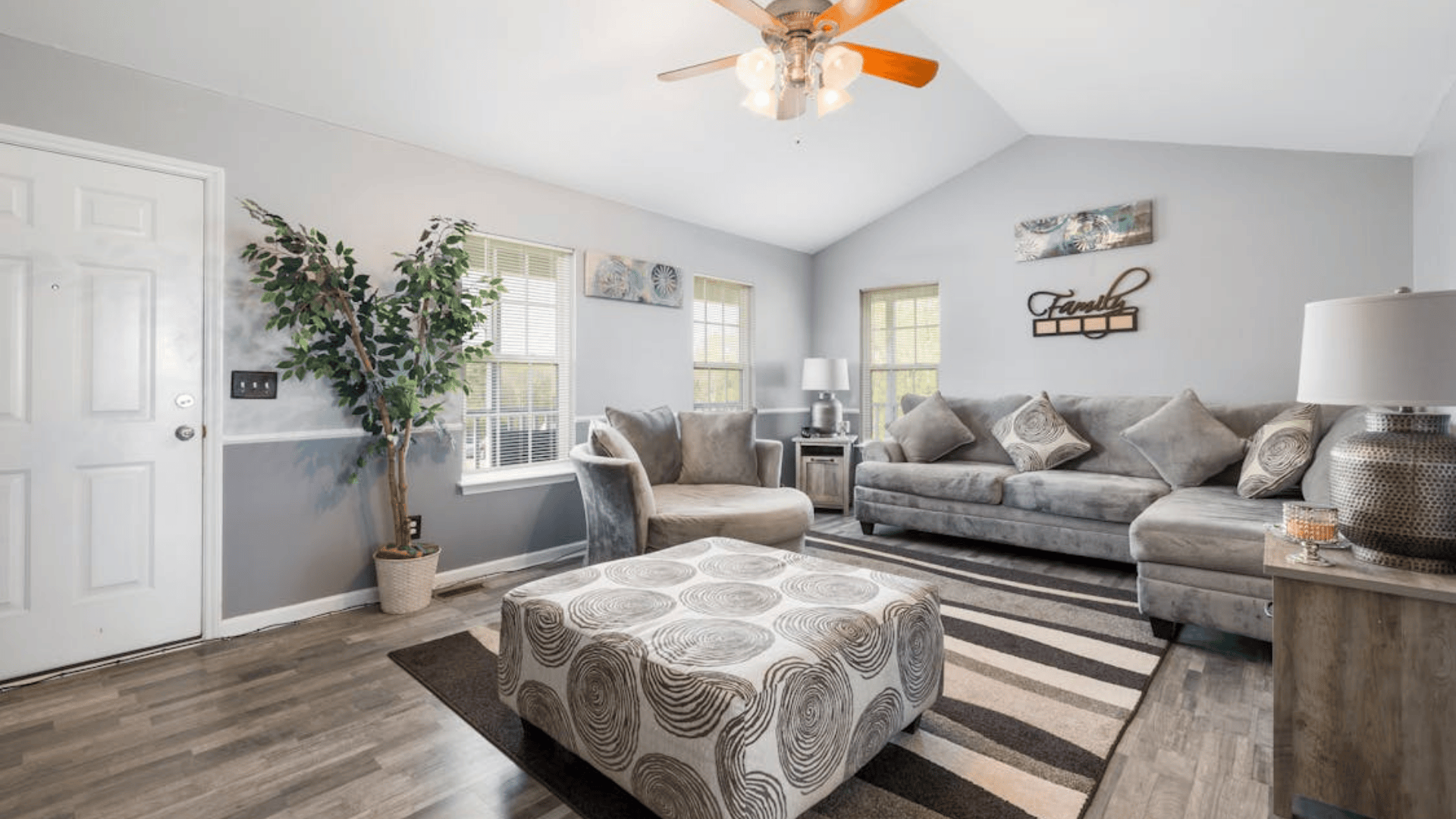
Gray is one of the most common colors people use in their homes today. I see it in living rooms, bedrooms, kitchens, and even furniture.
Gray works well because it feels calm and easy to match with other colors.
It can look light and soft or deep and bold, depending on the shade. Many people choose gray walls or gray furniture first, then start thinking about what colors to add around it.
That’s where color pairing matters. The right shades can make a room feel warm, bright, or calm without changing the gray base.
In this guide, I will share the names of some colors that go with gray and simple ways to use them.
You will find practical ideas for rooms, furniture, and décor, so it becomes easier to build a color scheme that feels balanced and comfortable.
How to Choose the Right Pairing?
Picking the right mix depends on your space, light, and the mood you want. Small choices in tone and balance can change how the whole room feels.
- Check natural light: Rooms with more sunlight can handle darker tones, while low-light spaces look better with lighter shades.
- Match the room mood: Decide if you want a calm, cozy, or bold feel, then pick shades that support that mood.
- Balance warm and cool tones: Mixing both helps avoid a space that feels too cold or too heavy.
- Consider room size: Lighter pairings can make small rooms feel bigger, while deeper tones add depth to large spaces.
- Use accents wisely: Add contrast through small items like cushions, rugs, or decor instead of overdoing it.
- Test before final choice: Try samples on your wall and check them at different times of the day.
- Keep it simple: Too many shades can make the space feel messy, so stick to a clean and balanced mix.
What Colors Go with Gray?
Gray works well with many shades, which makes it easy to build a balanced color scheme. The colors below pair nicely with gray in walls, furniture, and everyday decor.
1. White
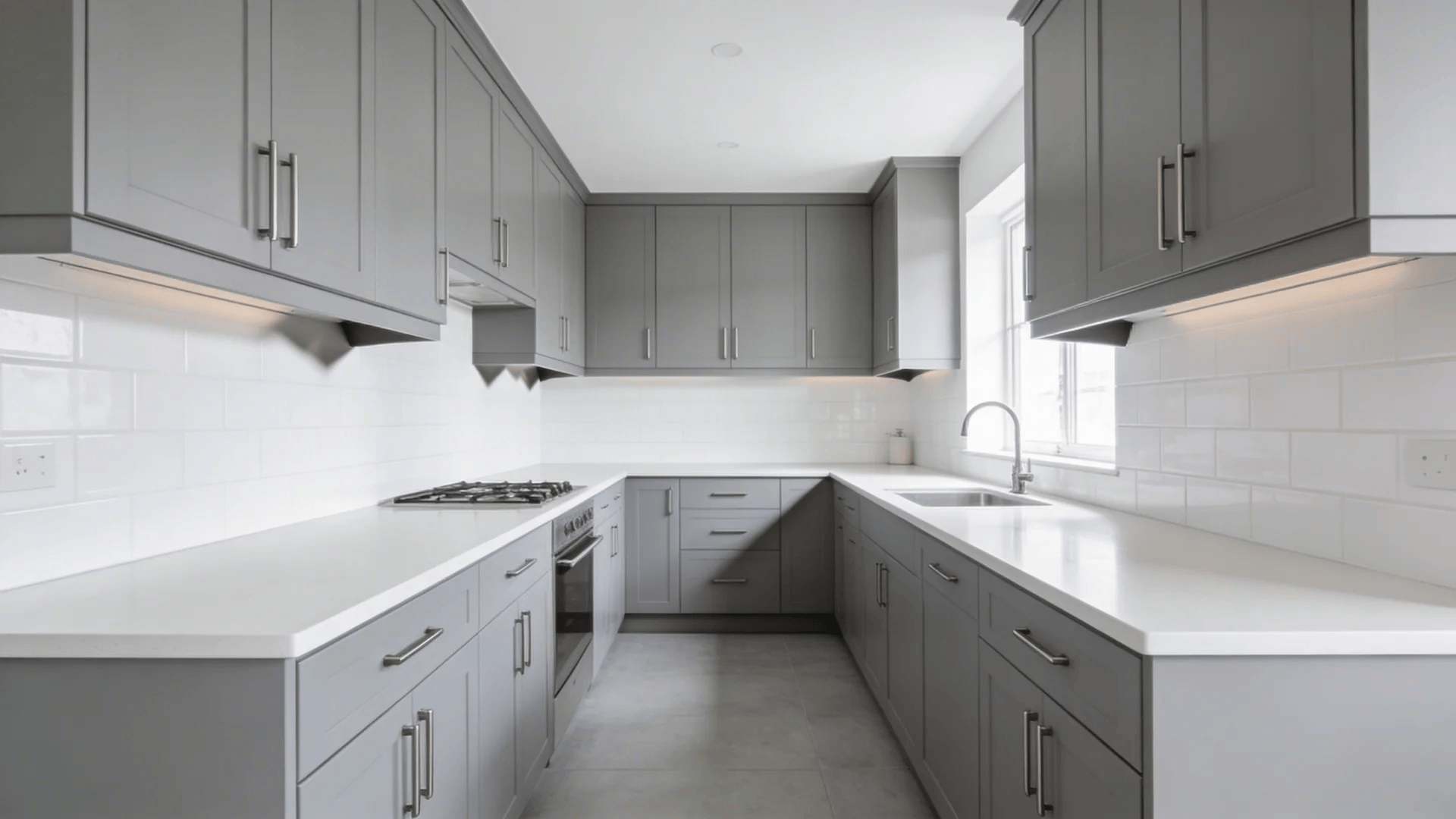
White and gray create a clean and simple look that works in almost any room.
Light gray walls with white trim can make a space feel brighter and more open.
Many people also pair a gray sofa with white pillows or blankets to keep the room calm and fresh. In kitchens, gray cabinets often look balanced with white countertops or backsplashes.
This pairing works well in living rooms, bedrooms, and bathrooms, where you want a light, relaxed feel.
2. Blue
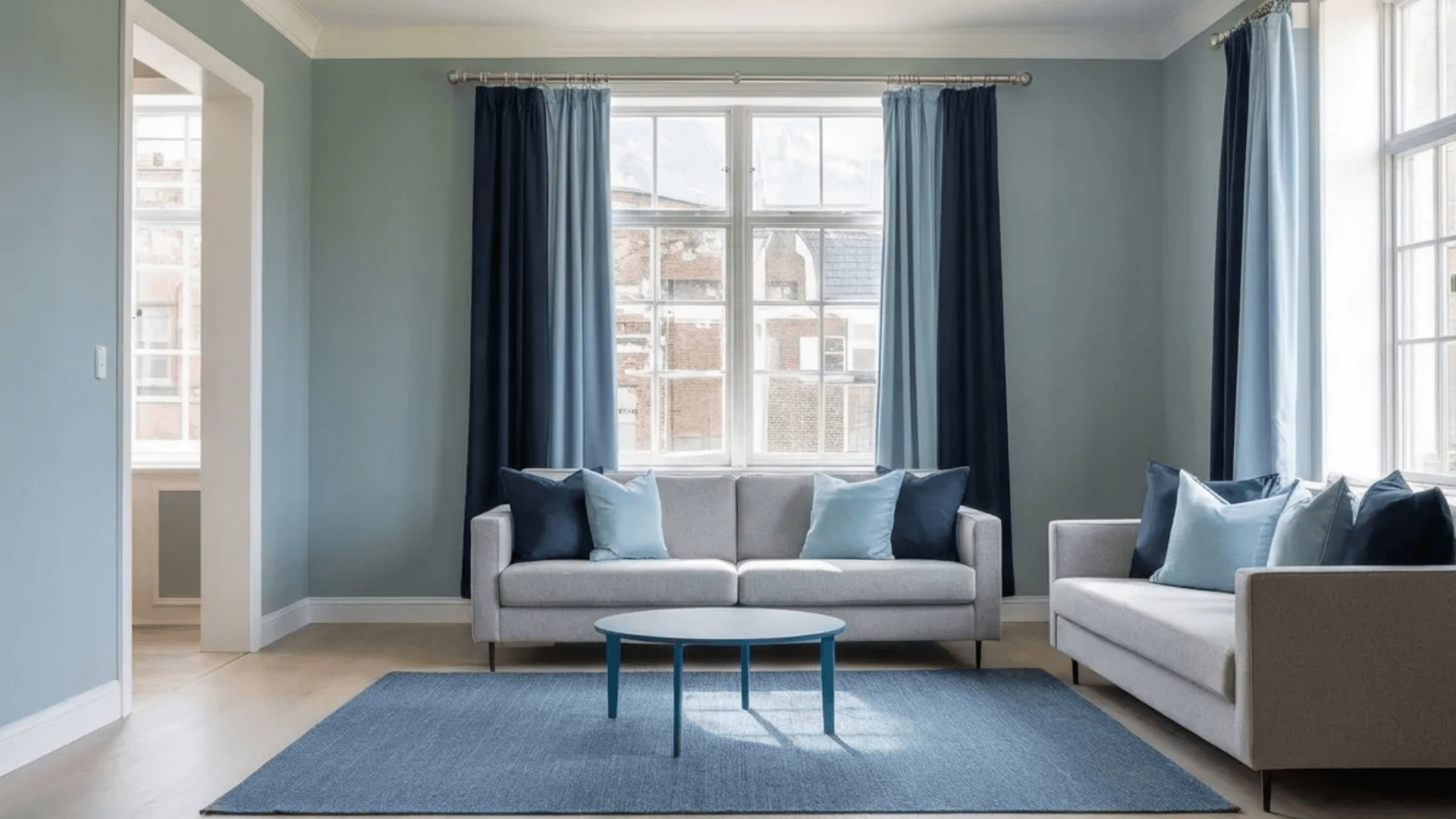
Blue pairs naturally with gray and can give a room a calm and balanced look.
Light blue works well with soft gray walls in bedrooms or bathrooms. Navy blue can add contrast when used with a gray sofa or gray accent wall in a living room.
Blue pillows, rugs, or curtains can also help break up large gray areas without changing the main color of the room.
This combination works well in spaces where you want a relaxed and comfortable atmosphere.
3. Yellow
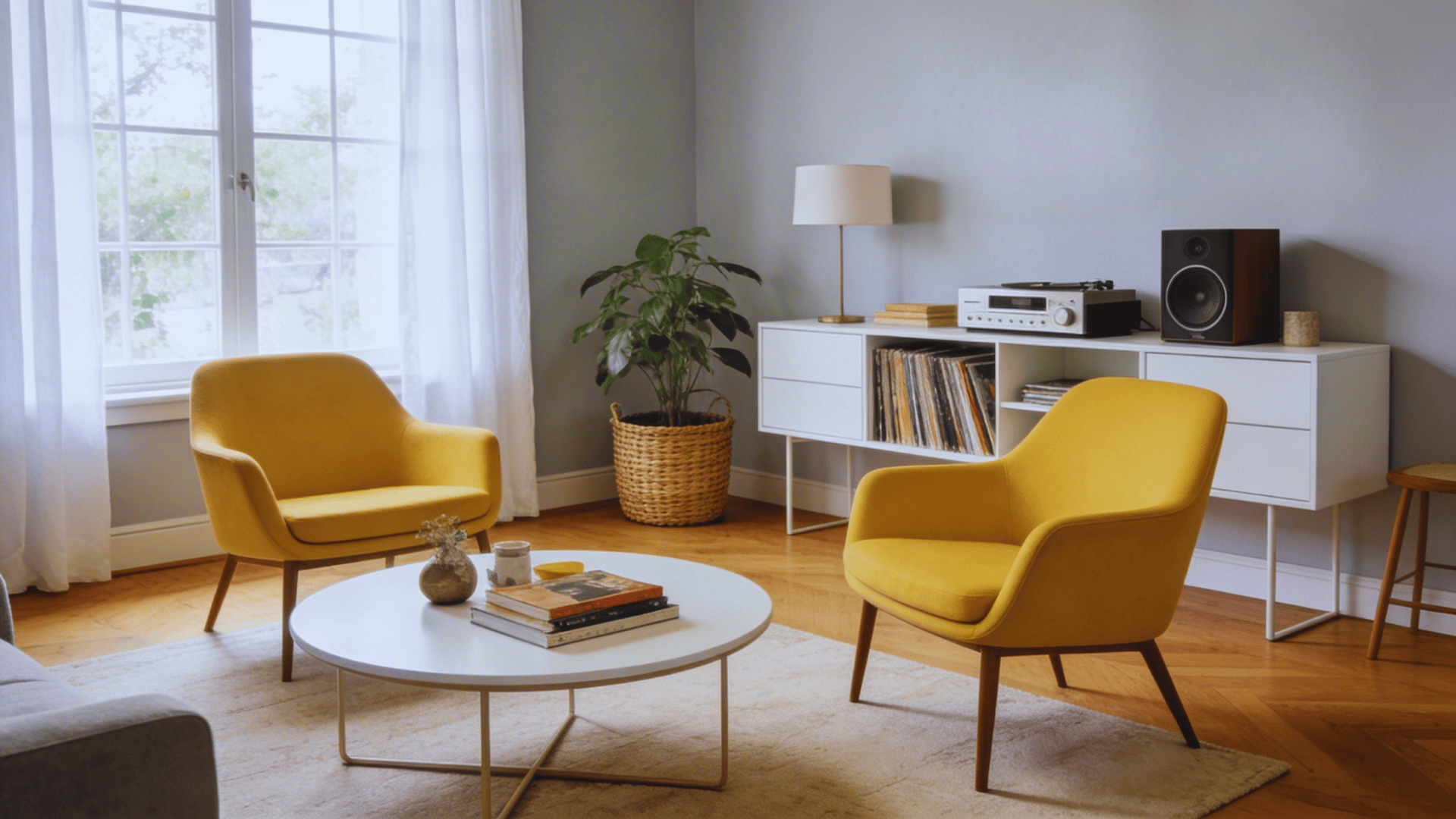
Yellow adds brightness to gray, making the space feel more lively. Gray can sometimes feel cool or dull, but yellow brings in warmth and energy without being too strong.
Light yellow shades work well for a calm look, while deeper tones like mustard add more depth.
This combination works nicely in living rooms, kitchens, or bedrooms. You can use yellow through cushions, rugs, or small decor pieces.
Keeping gray as the base and adding yellow in small amounts helps maintain balance while making the room feel more inviting and fresh.
4. Pink
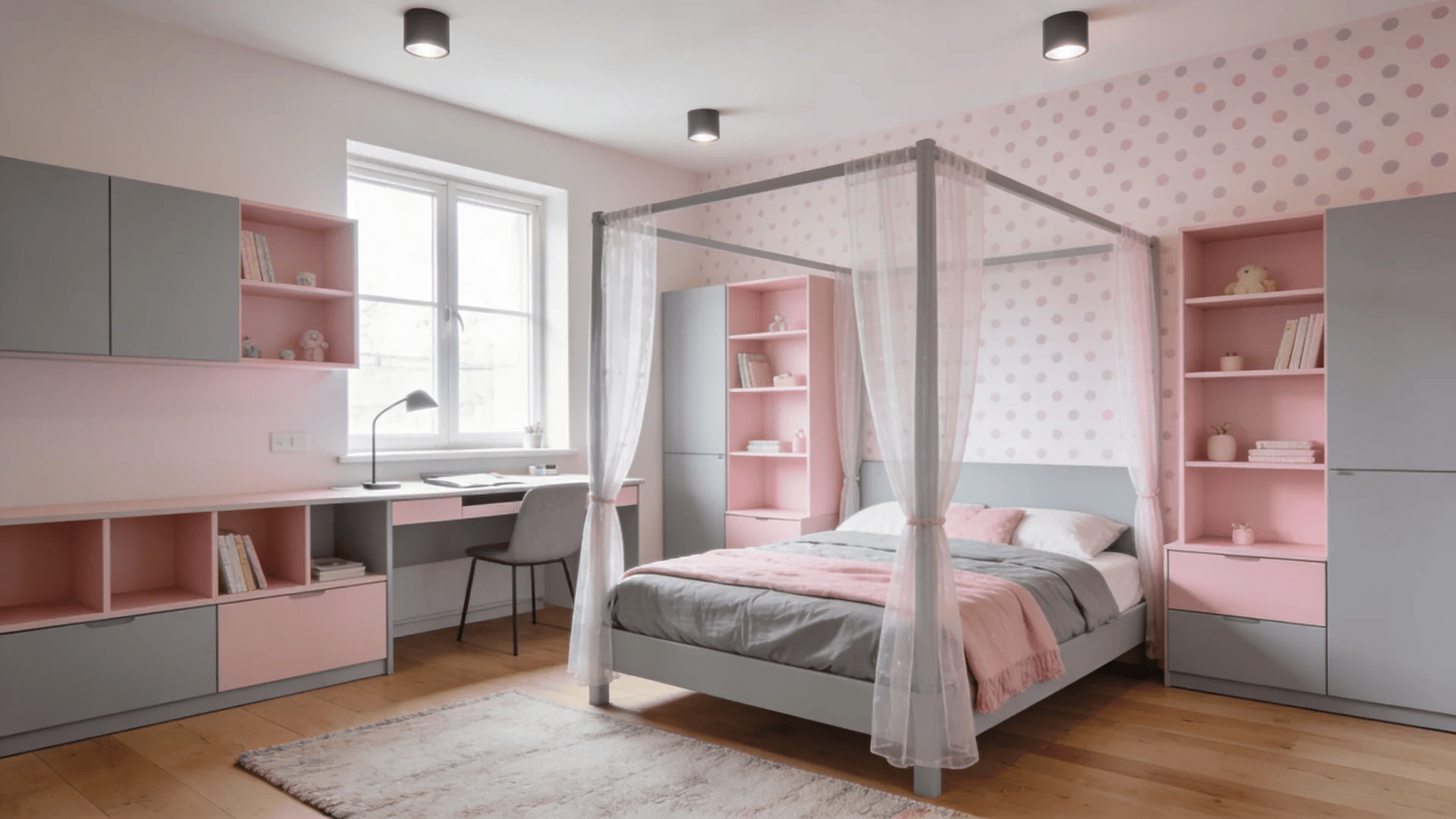
Pink pairs well with gray, creating a soft, calm look. Light pink shades help warm up gray tones without making the space feel too bold. This combination works well in bedrooms and cozy living areas.
Soft fabrics, such as cushions, throws, or curtains, in pink can add a gentle touch.
Gray keeps the overall look grounded while pink adds a bit of warmth. Using small accents instead of large pink items helps keep the space balanced.
This pairing feels relaxed and comfortable while still adding a bit of color to the room.
5. Green
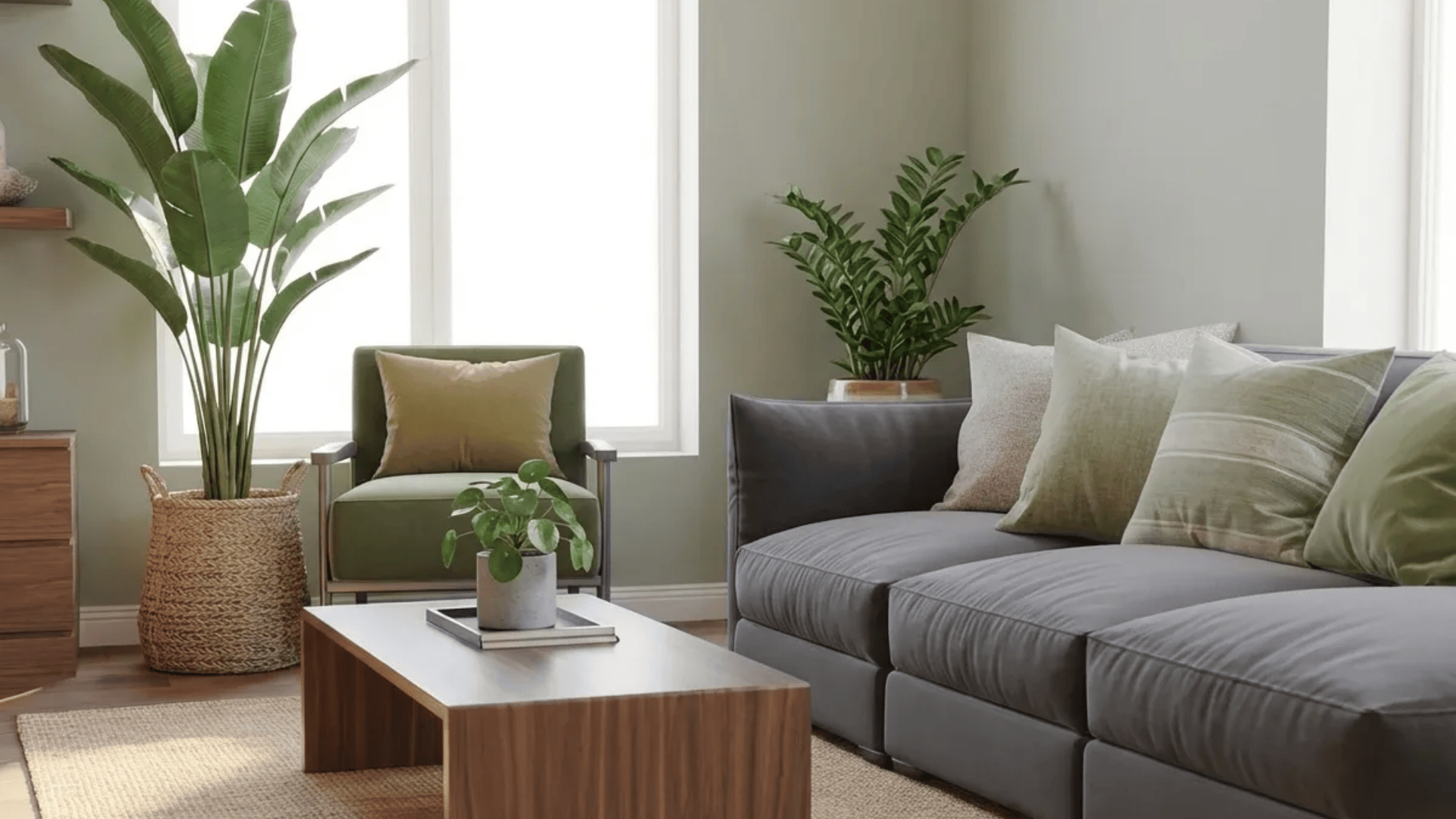
Green works well with gray because it brings a natural feel into the room.
Soft shades like sage green pair nicely with light gray walls in living rooms or bedrooms.
Darker greens, such as forest or olive, can add depth when used with gray furniture or cabinets. Plants are also an easy way to introduce green around gray walls or shelves.
This combination works well in spaces that call for a calm, natural look.
6. Beige
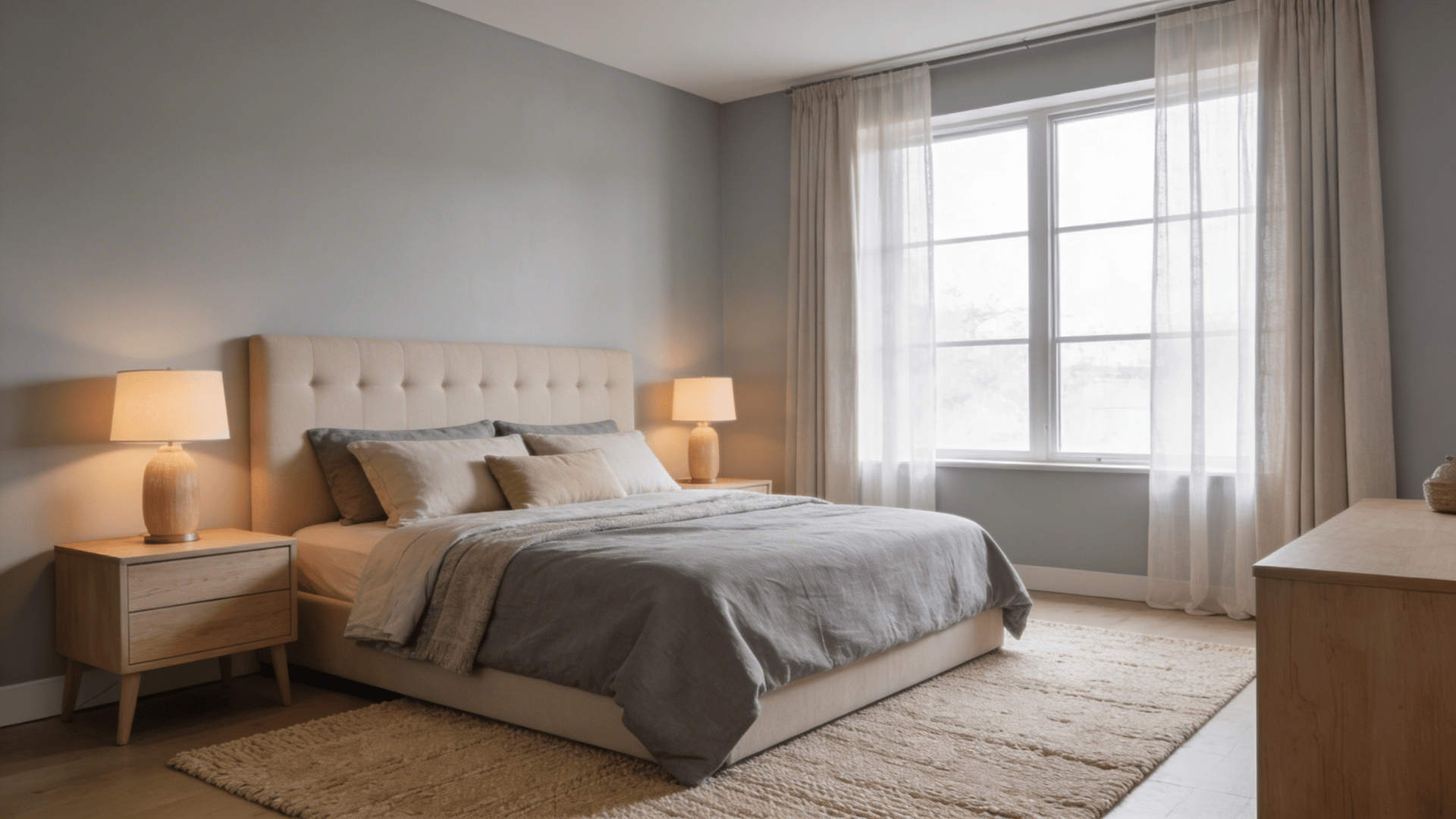
Beige pairs well with gray and helps create a warm, balanced space. While gray can feel cool, beige adds a softer and more natural tone.
This pairing is easy to use in almost any room, including living rooms and bedrooms. Beige furniture, rugs, or curtains can help soften gray walls or floors.
Together, these colors create a neutral base that feels calm and easy to live with.
Adding small textures like woven fabrics or wood elements can improve the look even more. This combination keeps the space simple while still feeling warm and comfortable.
7. Gold
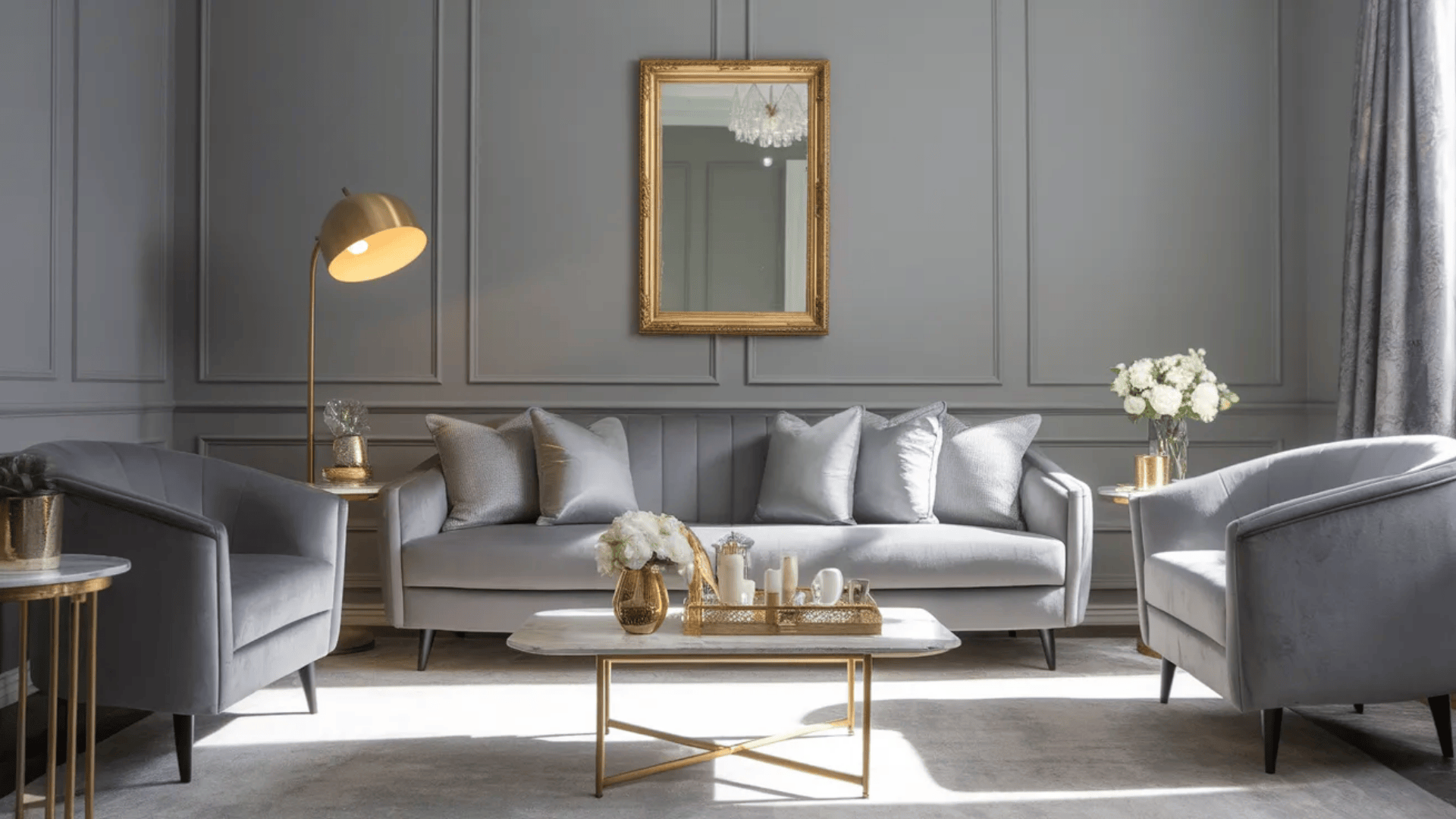
Gold accents can add warmth to rooms that use gray as the main color.
A gray wall or gray sofa can look more lively when small gold pieces are added around the room.
Gold light fixtures, mirror frames, or table legs can create a gentle contrast against gray surfaces. In kitchens or dining areas, gold handles or lighting can complement gray cabinets.
This pairing works well when you want to keep gray neutral but still add a bit of shine.
8. Black
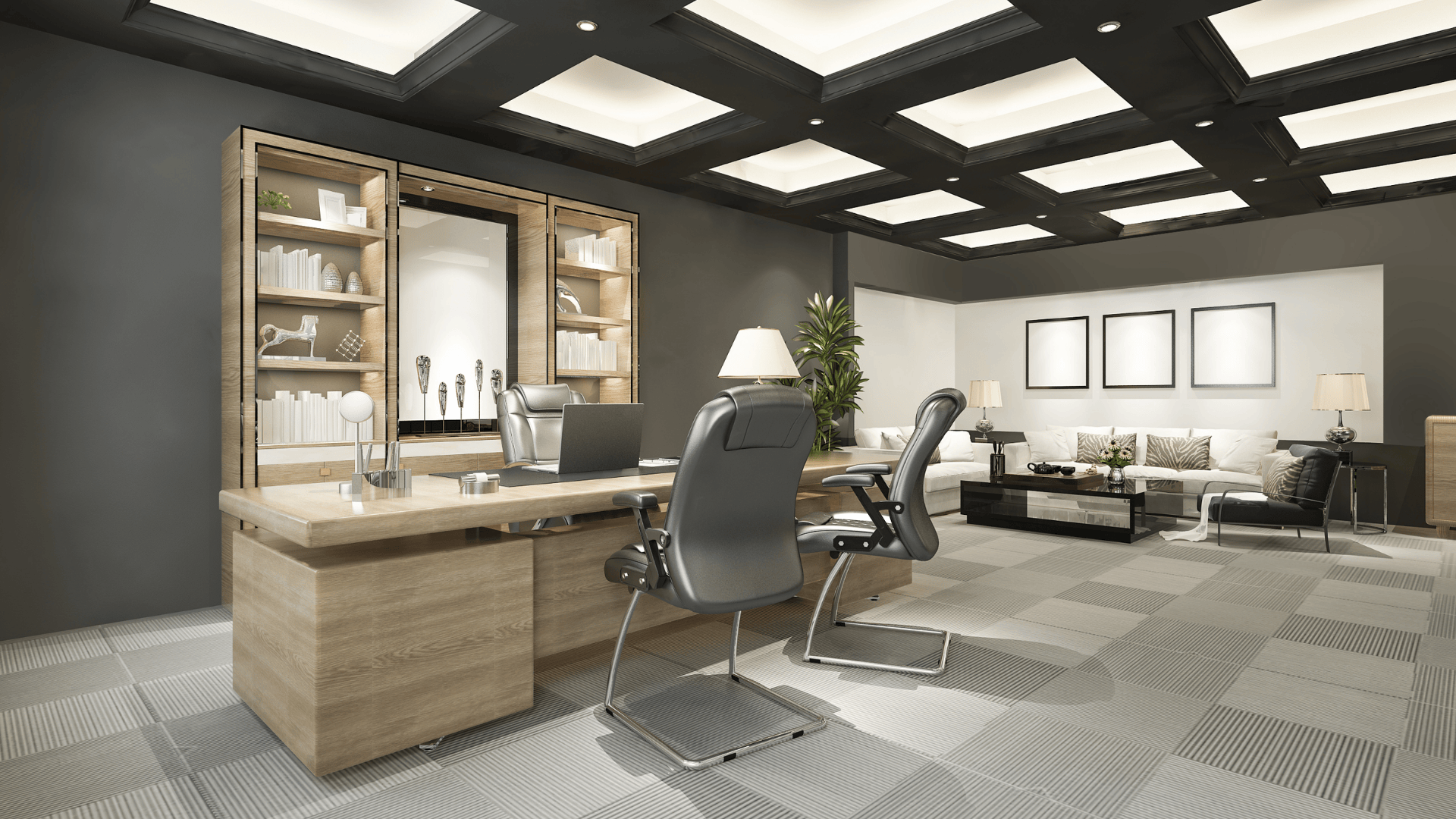
Black and gray create a clean and modern look that feels strong and simple. Gray softens the boldness of black, making the space look balanced rather than too dark.
This combination works well in living rooms, kitchens, or office spaces.
Black can be used in furniture, frames, or small decor items to add contrast. Keeping gray as the main color helps prevent the room from feeling too heavy.
Using a mix of light and dark tones creates depth. This pairing gives the space a neat and structured feel without adding too many colors.
9. Purple
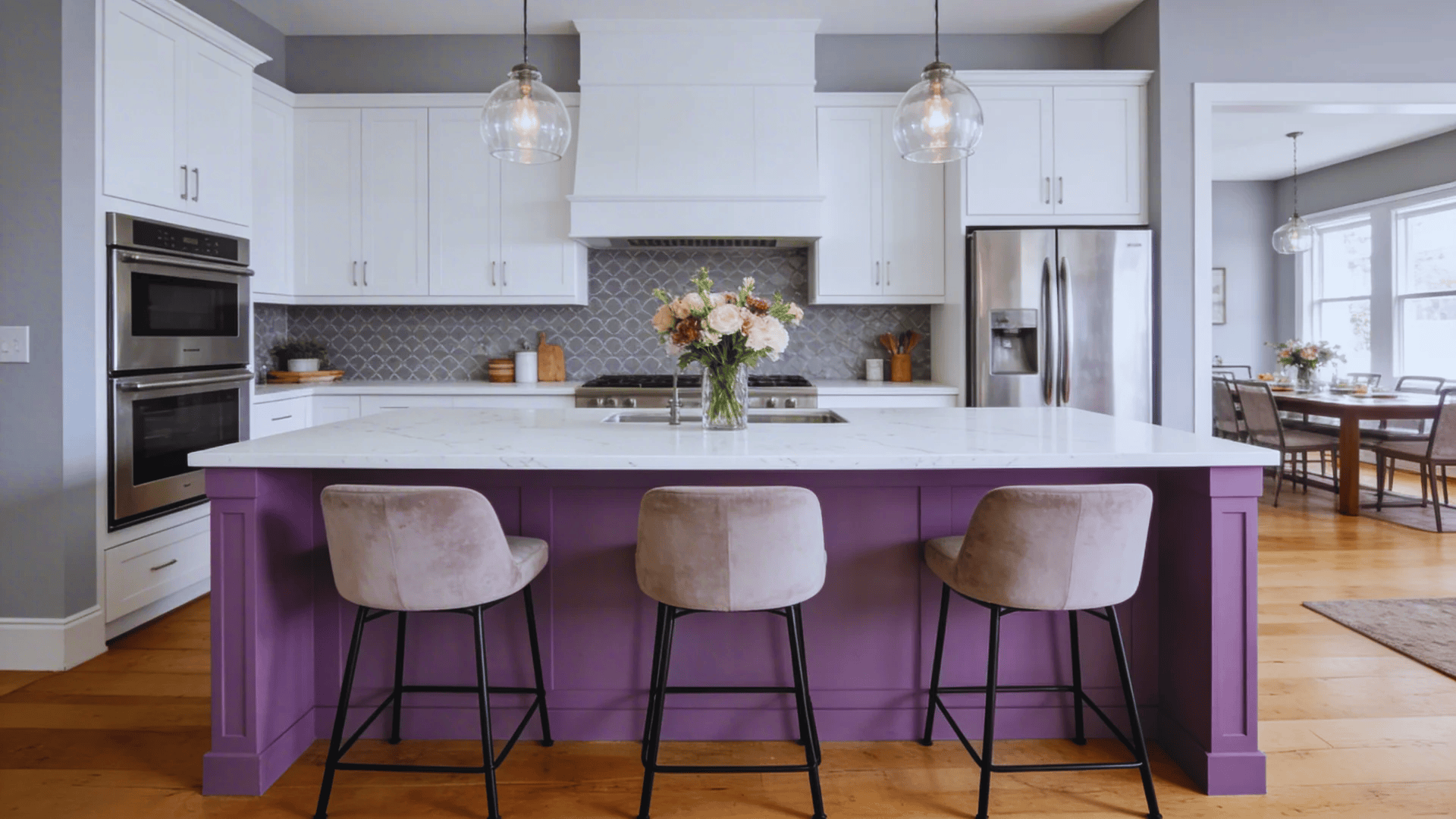
Purple and gray work well together to create a calm space with a bit of depth. Gray provides a steady base, while purple adds color without being too strong.
Light shades like lavender keep the space soft, while darker tones like plum add contrast.
This pairing works well in bedrooms, living rooms, and kitchens.
In kitchens, purple can be used on cabinets, tiles, or small accents. Keeping gray as the main color helps the space stay bright, while purple adds a clear, controlled touch.
10. Brown
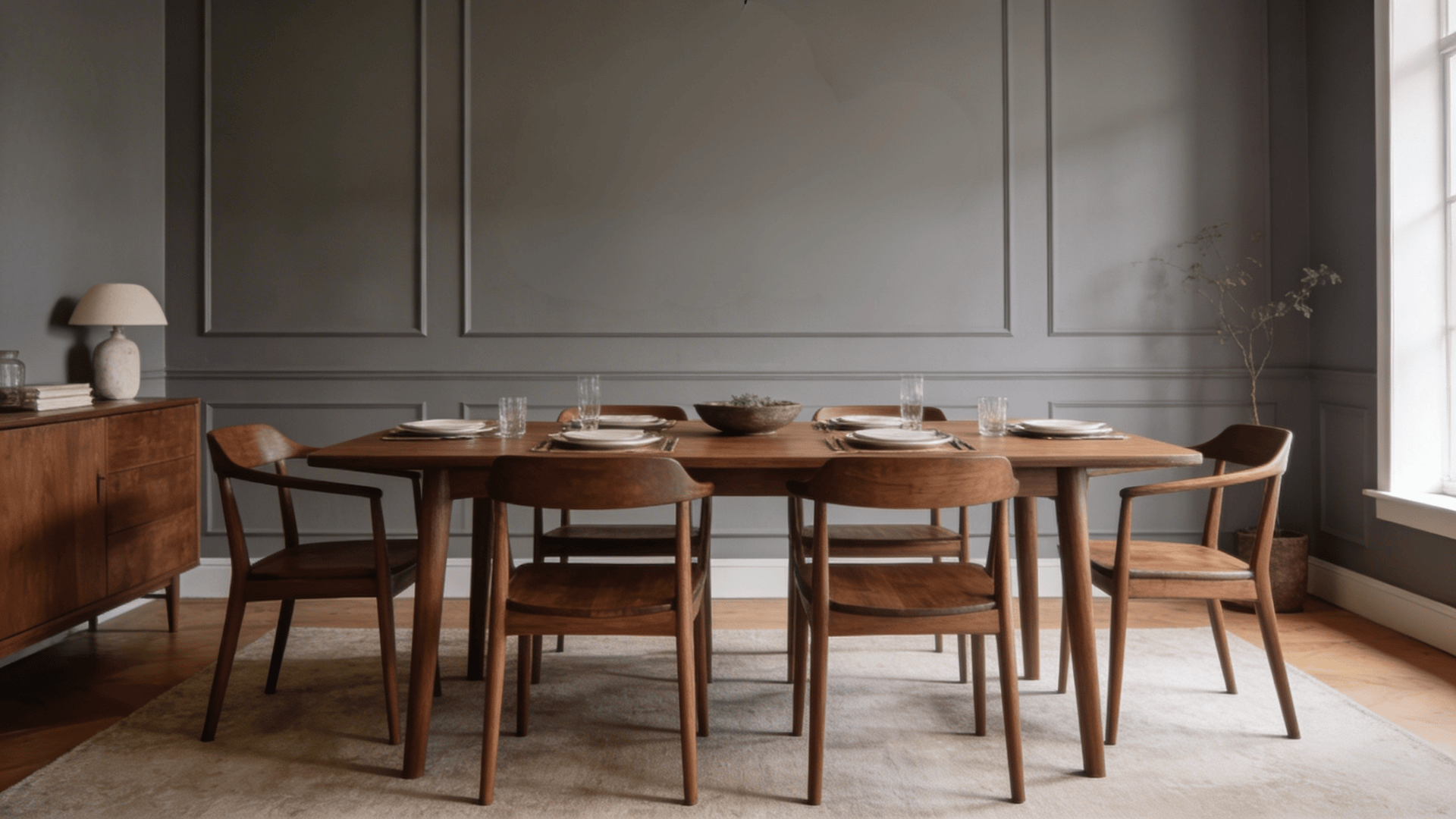
Brown warms up the gray and makes the space feel more natural and comfortable. Wood tones work well, adding a grounded look.
This combination fits well in living rooms, bedrooms, or even dining areas.
Brown furniture, wooden floors, or decor pieces can soften the cool tone of gray. Keeping the shades balanced is important so one color does not overpower the other.
Adding soft fabrics and natural textures can improve the overall feel. This pairing creates a relaxed space that feels warm and easy to enjoy.
11. Teal
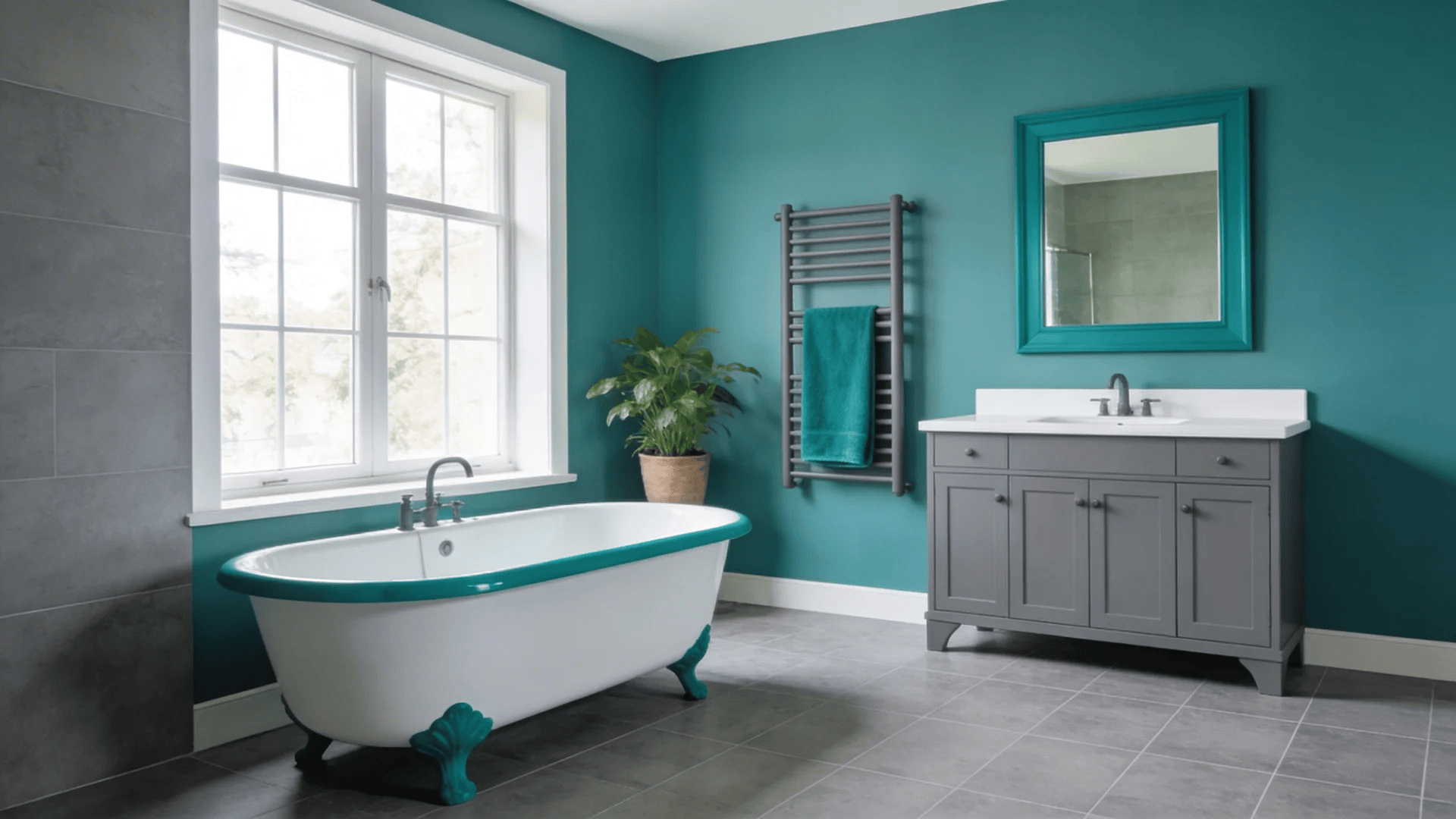
Teal and gray work well together to create a calm and modern look. Gray keeps the space steady, while teal adds a cool and refreshing touch.
This pairing suits bedrooms, living areas, bathrooms, and workspaces. Teal can be used in items like cushions, towels, wall paint, or decor pieces.
Lighter gray shades help the room feel open, while darker gray adds depth.
Keeping teal in small touches helps maintain balance, making the space feel clean, relaxed, and easy to live in every day.
Best Gray Color Combinations for Different Rooms
Gray works well in many parts of the home because it pairs easily with other colors. These simple combinations can help bring balance and warmth to different rooms.
| Room | Gray Combination Idea |
|---|---|
| Living Room | Gray sofas or walls pair well with blue or yellow accents. Blue pillows or a yellow rug can add color without making the room feel busy. |
| Bedroom | Soft gray walls look calm with light pink or white bedding. These colors help create a peaceful and comfortable sleeping space. |
| Kitchen | Gray cabinets often match nicely with white countertops or gold hardware. This combination keeps the kitchen bright while still looking balanced. |
| Bathroom | Light gray tiles work well with blue or green towels and décor. These colors help the bathroom feel fresh and relaxed. |
Tips for Decorating with Gray Color
Gray can work in many styles, but small choices can change how the room feels. These tips can help you build a balanced gray color scheme.
- Choose the right gray tone: Some grays feel warm while others look cool. Warm grays work well in cozy spaces, while cool grays often suit modern rooms.
- Add texture with fabrics: Use rugs, curtains, pillows, or blankets to break up large areas of gray. Different fabrics help the room feel more comfortable.
- Use accent colors: Instead of repainting walls, add color through décor like pillows, artwork, or lamps. This makes it easy to change the look later.
- Mix materials: Combine gray with metal finishes and natural wood. This keeps the room from feeling flat and adds visual interest.
- Balance light and dark shades: Pair light gray with darker décor pieces or darker gray with lighter furniture to keep the room visually balanced.
Conclusion
Gray is a flexible base that pairs easily with many colors, making it simple to refresh a space.
By choosing the right colors that go with gray, you can shift the mood of a room from calm and soft to warm and lively. Small updates often make the biggest difference.
Try adding color through pillows, rugs, throws, or artwork before making bigger changes.
This lets you see how a shade works with your gray walls or furniture and helps you build a color scheme that feels right for your space.
Every home is different, so the best combinations often come from a little trial and creativity.
If you have used gray in your home, share what colors worked best for you in the comments below.