

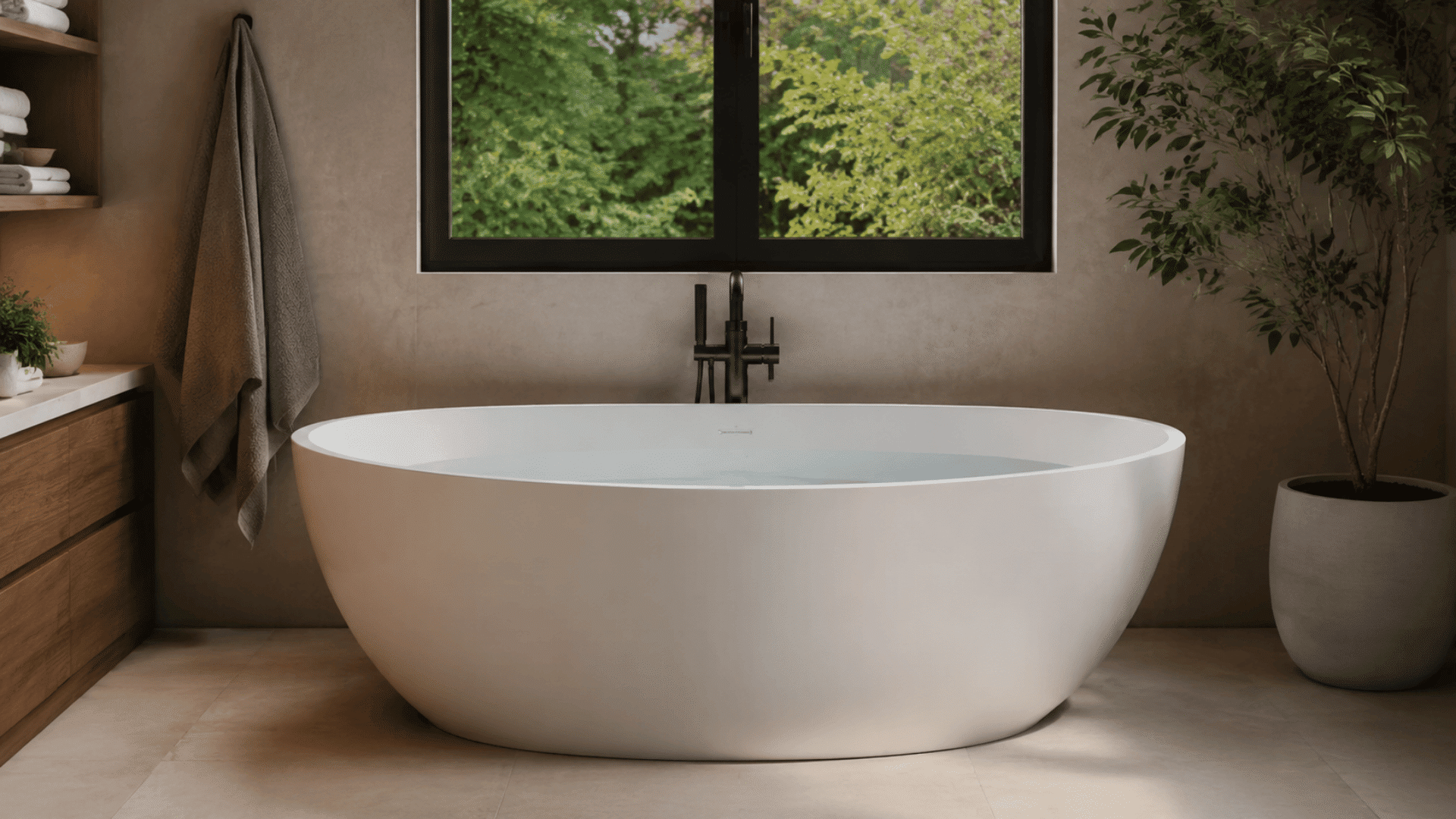
A soaking tub is more than just a deeper bathtub. It’s designed to let you fully relax and enjoy a comfortable, full-body soak.
If you’ve ever wondered how it differs from a standard bathtub, this guide will help you understand. Here, you’ll learn what a soaking tub is, the main benefits it offers, and the types available for different bathrooms.
I’ll also cover tips for choosing the right tub and what to consider before installing one.
By the end, you’ll have a clear picture of why many people choose soaking tubs and how they can change an everyday bath into a more relaxing experience.
What Is a Soaking Tub?
A soaking tub is a specially designed, deep bathtub meant for fully relaxing and immersing your entire body in water.
Unlike regular tubs, soaking tubs are often deeper and sometimes longer, allowing your shoulders, back, and legs to be completely covered for a true full-body soak.
They are built for comfort and a spa-like experience rather than quick baths or showers.
The most common styles include freestanding, alcove, drop-in, and corner models.
Japanese soaking tubs, known as ofuro, are a distinct category: they are shorter in length but significantly deeper, often reaching 27 to 30 inches, built for sitting upright rather than reclining.
These tubs help relieve stress, soothe tired muscles, and add a luxurious feel to your bathroom.
Keep in mind they require more water and space than standard bathtubs.
Key Features of a Soaking Tub
Soaking tubs offer a combination of depth, design, and material options that distinguish them from standard bathtubs and provide a more comfortable, relaxing bathing experience.
- Extra Depth: Soaking tubs are deeper than standard tubs, allowing your shoulders and upper body to remain fully submerged and comfortably submerged.
- Full-Body Immersion: The design ensures a true full-body soak, enhancing relaxation and relieving tension in muscles and joints.
- Variety of Materials: Available in acrylic, cast iron, stone, or wood, each material offers different heat retention and aesthetic appeal.
- Freestanding and Built-In Designs: Options include freestanding tubs for statement pieces or built-in tubs for efficient space use and style.
- Heat Retention: Many soaking tubs maintain warmth longer, letting you enjoy extended baths without the water cooling quickly.
- Stylish Aesthetic: Beyond function, soaking tubs add class and luxury to any bathroom design, creating a spa-like environment at home
How a Soaking Tub Differs from a Regular Bathtub?
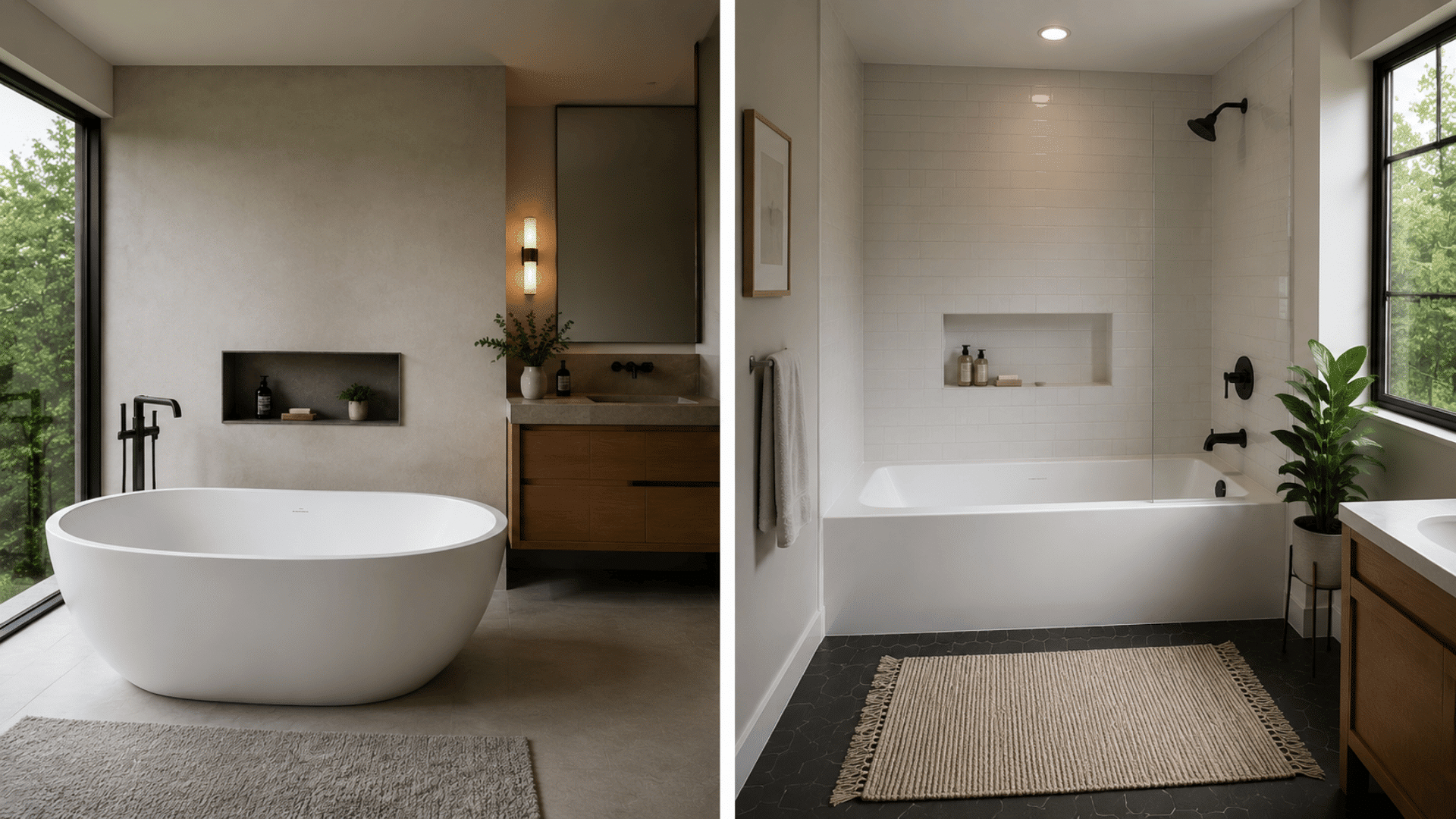
Understanding the differences between a soaking tub and a regular bathtub can help you choose the option that best suits your comfort, style, and relaxation.
1. Depth and Size
Soaking tubs aren’t just regular bathtubs; they’re deeper and often longer, designed for full-body relaxation. A friend of mine told me they tried one on vacation and loved how completely they could stretch out.
A standard tub usually sits around 15 to 19 inches deep, but soaking tubs start at 20 inches and can go 23 inches or more.
That extra depth keeps your shoulders submerged, giving a true full-body soak. Regular tubs only cover your legs and midsection at best.
They do take up more space and use more water, but for anyone who enjoys long, relaxing baths, the comfort is absolutely worth it.
2. Purpose and Use
Regular tubs are built for practicality: quick daily baths, easy cleaning, and fitting into standard bathroom footprints. Soaking tubs are built for extended stays in the water.
That shift in purpose changes everything about the design, from the shape of the backrest to the height of the walls.
If your bath routine is under 10 minutes, a standard tub likely serves you fine.
If you use bathing to wind down, relieve soreness, or simply take time out, a soaking tub is designed for exactly that habit.
3. Design and Materials
Soaking tubs come in many designs, including freestanding and built-in models, made from materials like acrylic, cast iron, stone, or wood.
These materials retain heat longer and add beauty to your bathroom.
In contrast, standard bathtubs are usually simpler, made of acrylic or fiberglass, and prioritize durability and easy maintenance over luxury, depth, or visual appeal.
Soaking tubs offer both style and a more immersive bathing experience than standard tubs.
4. Water Usage and Space Requirements
Because soaking tubs are deeper and larger, they need more water to fill completely than regular bathtubs.
When I first installed one in my bathroom, I was surprised by just how much water it took, but it was worth it for the full-body soak.
They also need more space, so they work best in larger bathrooms.
Regular tubs are smaller, use less water, and fit easily into standard layouts.
While soaking tubs offer a luxurious, spa-like experience, it’s important to plan for extra water use and to ensure you have enough room to enjoy them comfortably.
What to Know Before Installing a Soaking Tub?
Installing a soaking tub requires proper planning to ensure comfort, safety, and long-term durability. Understanding the space, plumbing, and structural needs beforehand can help avoid costly installation mistakes.
- Bathroom Space: Ensure there is enough room for the tub and comfortable movement around it.
- Floor Strength: Check whether the floor can support the weight of the tub when filled with water.
- Plumbing Access: Water supply lines and drainage connections should be easily accessible.
- Tub Material: Choose a material that suits your budget, maintenance needs, and style preferences.
- Installation Type: Decide between freestanding, built-in, or corner soaking tubs based on your layout.
- Water Heater Capacity: Ensure your water heater can provide enough hot water for the larger tub.
- Ventilation: Proper ventilation helps prevent excess moisture, mold, and mildew buildup.
- Professional Assistance: Complex installations may require licensed plumbers or contractors for safe setup.
Signs You Need to Replace Your Soaking Tub
These key signs can help you determine whether your soaking tub needs repair or replacement to maintain comfort and safety.
| Signs | What Happens | What to Do |
|---|---|---|
| Cracks or Chips | Visible damage that may worsen or leak. | Repair or replace if extensive. |
| Stains and Discoloration | Persistent staining or yellowing. | Refinish or replace for appearance. |
| Leaking or Water Damage | Water around the tub or on the floor. | Check plumbing, consider replacement. |
| Mold or Mildew | Persistent mold in hard-to-clean spots. | Deep clean or replace for health. |
| Outdated Design | Old or mismatched style. | Upgrade to a modern tub. |
| Poor Drainage | Water drains slowly or pools after use. | Inspect drains or replace outdated plumbing/tub. |
| Uncomfortable Size or Depth | The tub no longer fits your comfort or accessibility needs. | Replace with a more suitable soaking tub model. |
| Frequent Repairs | Constant maintenance or recurring plumbing issues. | Replace the tub to save long-term costs. |
How to Choose the Right Soaking Tub for Your Home?
Choosing well means matching the tub to both your bathroom’s physical constraints and how you actually bathe. These are the factors I walk every client through.
- Bathroom Space: Measure your bathroom carefully to ensure the tub fits comfortably without overcrowding or limiting movement.
- Material: Select a tub material like acrylic, cast iron, or stone for durability, heat retention, and aesthetic appeal.
- Depth and Size: Consider the tub’s depth and width to ensure full-body immersion and comfortable soaking.
- Style and Design: Pick a design that complements your bathroom décor, whether freestanding, built-in, or corner-style.
- Water Usage: Be mindful of the water needed to fill the tub, as this affects utility costs and environmental impact.
- Budget: Balance cost with features, materials, and installation expenses to get a tub that suits your needs.
- Maintenance: Choose a tub that’s easy to clean and maintain, while preserving its finish and longevity.
Soaking Tub vs Whirlpool Tub vs Jetted Tubs: Which Is Better?
Choosing between a soaking tub, whirlpool tub, or jetted tub depends on your comfort, maintenance needs, and budget. Each type offers unique features for relaxation, therapy, or a spa-like bathing experience.
| Feature | Soaking Tub | Whirlpool Tub | Jetted Tub | Air Tub |
| Main Purpose | Deep relaxation and soaking | Hydrotherapy massage with water jets | Massage experience using water or air jets | Gentle full-body air massage |
| Jets Included | No jets | Water jets | Water jets, air jets, or both | Air jets only |
| Noise Level | Very quiet | Moderate noise from the motor | Can be noisy depending on the jet system | Low to moderate |
| Maintenance | Low maintenance | Requires regular jet cleaning | Needs frequent cleaning to prevent buildup | Low; air lines dry out between uses |
| Water Usage | Moderate to high | High water usage | High water usage | Moderate to high |
| Installation Complexity | Simple installation | More complex plumbing and electrical setup | Complex setup depending on features | Requires electricity; simpler than a whirlpool |
| Best For | Relaxation and comfort | Muscle relief and spa therapy | Therapeutic and luxury bathing | Gentle relaxation with lower maintenance |
| Cost Range | Generally more affordable | More expensive | Mid to high price range | $1,200 to $4,000+ |
| Energy Consumption | Low | Higher due to pumps and motors | Moderate to high | Low to moderate |
| Ideal Bathroom Style | Minimalist and modern | Luxury spa-style bathrooms | Contemporary and wellness-focused spaces | Any style; suits smaller bathrooms well |
Benefits of Using a Soaking Tub
Soaking tubs are more than just a place to bathe; they offer comfort, relaxation, and health benefits that turn your bathroom into a personal spa.
- Deep Relaxation: Soaking tubs allow full-body immersion, helping you unwind and release tension after a long, stressful day.
- Muscle Relief: Warm water soothes sore muscles and joints, reducing stiffness and promoting faster recovery from physical activity.
- Stress Reduction: The calming effect of water immersion lowers stress hormones, helping improve mood and mental well-being naturally.
- Enhanced Circulation: Immersion in warm water boosts blood flow, supporting heart health and reducing swelling in tired or achy limbs.
- Spa-Like Experience: Soaking tubs create a luxurious bathroom environment, turning ordinary baths into relaxing, rejuvenating spa-like sessions.
- Better Sleep: Soaking in a tub before bedtime helps relax the body and mind, promoting deeper, more restful sleep.
A study published in Evidence-Based Complementary and Alternative Medicine found that regular warm water immersion significantly reduced perceived stress and improved mood in participants.
The calming effect of immersion is measurable, not just anecdotal.
Are Soaking Tubs Safe for Seniors and Kids?
Soaking tubs can be safe for both seniors and children when proper precautions are taken.
For seniors, installing grab bars, using non-slip mats, and considering tubs with lower thresholds or built-in seating can prevent slips and falls.
For children, constant supervision is essential, along with keeping water at a safe temperature of 100–104°F to avoid burns.
Step stools or bath benches can help both seniors and kids enter and exit the tub safely.
Choosing tubs with textured surfaces and ensuring proper drainage further enhances safety, allowing everyone to enjoy a relaxing bath while minimizing risks associated with deeper soaking tubs.
Maintenance Tips for Soaking Tubs
Proper care and regular upkeep can keep your soaking tub looking great and ensure it lasts for many years.
- Regular Cleaning: Clean the tub weekly with mild, non-abrasive cleaners to prevent soap scum and stains from building up.
- Avoid Harsh Chemicals: Stay away from bleach or strong chemicals that can damage the tub’s finish or surface.
- Rinse After Use: Rinse the tub with warm water after each bath to remove oils, dirt, and residue.
- Check for Leaks: Inspect plumbing connections regularly to prevent leaks that can damage the floor or surrounding areas.
- Polish Materials: For cast iron or stone tubs, occasionally polish or apply protective coatings to maintain shine and durability.
- Prevent Scratches: Use soft sponges or cloths, avoiding abrasive pads that can scratch acrylic or delicate surfaces.
- Maintain Drains: Keep drains clear of hair and debris to ensure smooth water flow and prevent clogs.
Is a Soaking Tub Better than a Regular Tub?
For relaxation and full-body comfort, yes. Soaking tubs are designed for long, leisurely baths, helping relieve stress, soothe muscles, and improve overall well-being.
They come in various styles, including freestanding, corner, and Japanese-style tubs, adding a design statement to your bathroom.
Regular tubs focus on practicality, using less water and fitting into smaller spaces, but they don’t offer the same level of comfort or luxury.
If your bathroom is small, your water heater is underpowered, or your household needs a quick, functional setup for kids or daily routines, a standard tub is the more practical choice.
The upgrade makes the most sense for people who already use bathing as part of their decompression and who have the space and budget to support it properly.
Soaking Tub Cost and Budget Considerations
When planning for a soaking tub, it’s important to consider not just the purchase price but also installation, materials, and long-term maintenance costs.
| Cost Factor | Details | Approximate Price Range (USD) |
| Material | Acrylic tubs are lightweight and affordable, while cast iron or stone tubs are heavy and more expensive. | $500 – $5,000+ |
| Type/Design | Freestanding and specialty tubs often cost more than built-in or alcove tubs due to style and installation complexity. | $800 – $6,000+ |
| Size & Depth | Larger and deeper tubs require more materials and water, increasing costs and installation requirements. | $1,000 – $7,000+ |
| Installation | Professional installation is recommended, including plumbing, flooring support, and sealing. | $300 – $1,500+ |
| Maintenance | Materials such as stone or cast iron may require extra care or protective coatings, which can affect long-term costs. | $50 – $200/year |
Common Mistakes to Avoid During the Installation
There are several common mistakes people often make during the installation or regular use of a soaking tub that can affect safety, comfort, and longevity.
- Incorrect Floor Support: Heavy tubs need proper structural support to prevent damage or accidents.
- Improper Plumbing Installation: Poorly connected water lines or drains can cause leaks and water damage.
- Using Water That’s Too Hot: Extremely hot water can cause burns or discomfort during soaking.
- Skipping Cleaning and Maintenance: Neglecting regular cleaning can lead to stains, mold, or buildup.
- Overfilling the Tub: Can waste water and may overflow, especially with freestanding tubs.
- Neglecting Space Planning: Insufficient clearance around the tub makes entry, exit, and maintenance difficult.
Conclusion
Soaking tubs offer more than just a place to bathe; they bring a sense of calm, comfort, and a touch of luxury to your everyday routine.
From deep relaxation and muscle relief to adding style and class to your bathroom, the benefits are clear.
Choosing the right tub depends on your space, budget, and personal preferences, but once you find the perfect fit, it can change your bathing experience into a soothing retreat.
If you prefer freestanding, Japanese-style, or a classic built-in tub, there’s an option for every lifestyle.
Have you tried a soaking tub at home, or are you planning to install one? I’d love to hear your thoughts and experiences. Share them in the comments below!
Frequently Asked Questions
What Tubs Do Plumbers Recommend?
Plumbers typically recommend acrylic, fiberglass, or cast-iron tubs for durability, ease of installation, and resistance to cracking or leaking.
Can You Shower in a Soaker Tub?
Yes, you can shower in a soaker tub if it has a showerhead installed, though it’s primarily designed for soaking baths.
Why Put Dawn Dish Soap in the Bathtub?
Dawn dish soap helps break down oils, grease, and soap scum, making bathtub cleaning easier and more effective.
What Is the Lazy Shower Cleaning Hack?
Spray a mixture of dish soap and warm water, let it sit, then rinse to quickly remove soap scum and grime.