

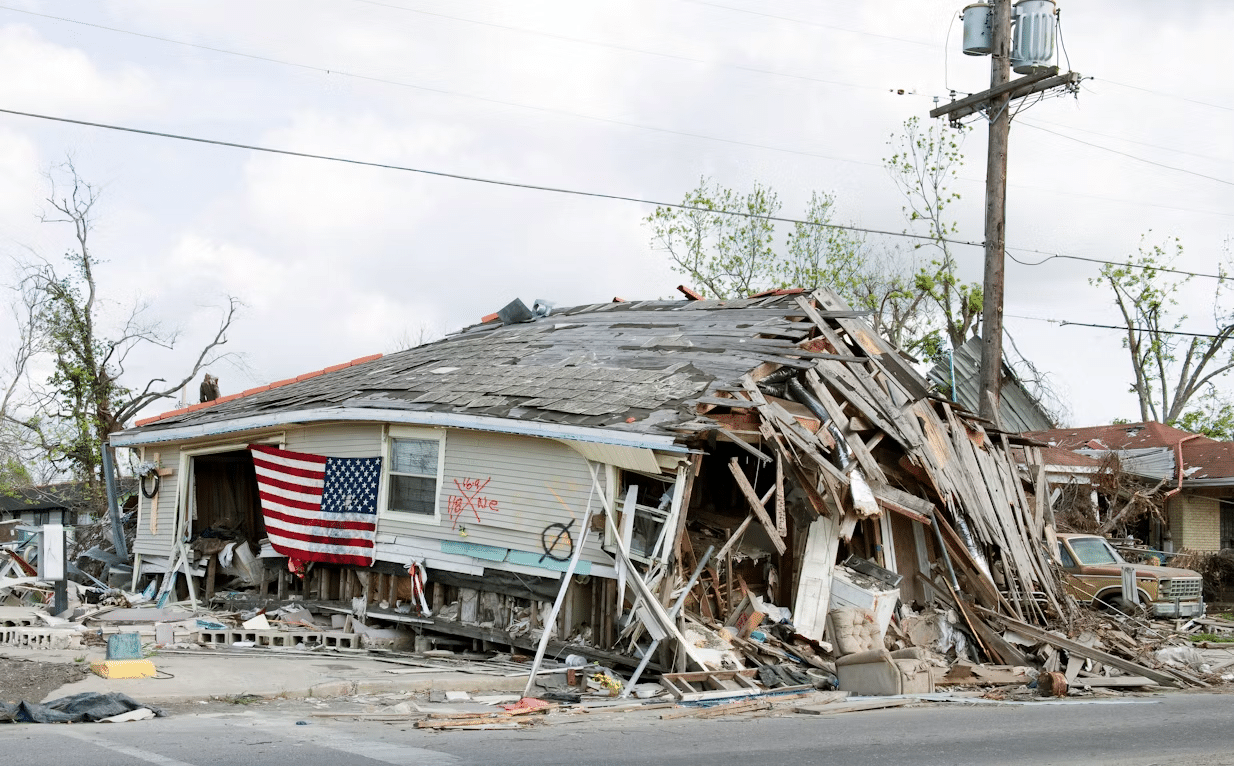
Hurricane season can bring more than strong winds and heavy rain. It can also lead to expensive repairs, power outages, and serious safety concerns for your family. Yes, you can’t prevent a hurricane from forming, but you can take steps to reduce the impact it may have on your home.
The key is to prepare before a storm is in the forecast. Many homeowners wait until a hurricane warning is issued, only to find themselves rushing through important tasks at the last minute. A little preparation now can help protect your property, save money, and give you peace of mind when hurricane season arrives. Use this simple checklist to make sure your home is ready for whatever the season may bring.
1. Schedule a Professional Roof Inspection
Your roof is one of the most important parts of your home during a hurricane. It takes the full force of high winds, heavy rainfall, and flying debris. Even small roofing issues can become major problems when severe weather strikes.
Take a close look for missing shingles, cracked tiles, damaged flashing, or signs of water intrusion. If your roof is older, it is especially important to have it evaluated before hurricane season begins.
Many homeowners work with a roofing contractor in South Florida to identify weaknesses and make necessary repairs before storms arrive. A professional inspection can uncover issues that may not be visible from the ground and help strengthen your home’s first line of defense.
2. Clean Gutters and Downspouts
Heavy rain can quickly overwhelm clogged gutters. When water can’t drain properly, it may overflow onto your roof, siding, or foundation. Remove leaves, dirt, and other debris from gutters and downspouts.
Make sure water can flow freely away from your home. While cleaning, inspect the system for loose brackets, sagging sections, or signs of wear. Proper drainage helps reduce the risk of water damage and keeps your home better protected during intense storms.
3. Check Windows and Doors
Windows and doors are common weak points during hurricanes. Strong winds can force rain through small gaps, while debris can damage glass and frames. Inspect all exterior doors and windows for cracks, worn seals, or other damage.
If you have storm shutters, make sure they are in good condition and easy to access when needed. You should also check your garage door. A weak garage door can be vulnerable to wind pressure, which may increase the risk of structural damage during a storm.
4. Trim Trees Around Your Property
Trees provide shade and beauty, but they can also become a hazard during hurricane season. Look for dead branches, damaged limbs, or trees growing too close to your home. Trim any branches that hang over the roof, driveway, or utility lines.
Removing potential hazards before a storm can help prevent costly damage. You should also secure loose landscaping materials, garden decorations, and outdoor equipment that could become airborne during high winds.
5. Review Your Insurance Coverage
Many homeowners assume their insurance policy covers every type of storm damage, but that is not always the case. Take time to review your policy and understand what is covered. Pay attention to deductibles, coverage limits, and any exclusions that may apply. If you live in an area prone to flooding, confirm whether you have separate flood insurance.
It is also helpful to create a home inventory. Take photos or videos of valuable items and store digital copies in a secure location. Good documentation can make the claims process much smoother if damage occurs.
6. Seal Exterior Openings
Small gaps around your home may seem harmless, but they can allow wind-driven rain to enter during severe weather. Inspect areas around windows, doors, vents, utility connections, and other exterior openings.
Replace worn caulking and weatherstripping where needed. Pay attention to roof vents and other roof penetrations as well. Proper sealing helps keep moisture out and reduces the chance of water damage during prolonged storms.
7. Test Emergency Equipment
Power outages are common during hurricanes and can last for several days. You do not want to discover a problem with your emergency equipment when you need it most. Test your generator if you have one and make sure it is operating correctly.
Check flashlights, batteries, weather radios, portable chargers, and backup lighting. Replace old batteries and restock any emergency supplies that may be missing. A quick equipment check now can prevent unnecessary stress later.
8. Build an Emergency Supply Kit
Every household should have an emergency kit ready before hurricane season begins. Your kit should include:
- Bottled water
- Nonperishable food
- Medications
- First-aid supplies
- Flashlights
- Batteries
- Phone chargers
- Personal hygiene products
If you have pets, remember to include food, water, and any medications they may need. Store your supplies in an easily accessible location so they are ready if a storm approaches or evacuation orders are issued.
9. Create a Family Emergency Plan
When a hurricane threatens your area, everyone in your household should know what to do. Discuss evacuation routes, emergency contacts, and meeting locations with your family. Make sure children understand the plan and know how to reach trusted relatives or friends if communication becomes difficult.
Consider the needs of elderly family members, pets, and anyone who may require special assistance. Having a plan in place can help your family stay calm and organized during an emergency.
10. Secure Outdoor Items Before a Storm
As hurricane season progresses, keep an eye on weather forecasts and be prepared to act quickly when a storm is approaching. Bring patio furniture, grills, bicycles, planters, and other loose items indoors or secure them properly. Check fences, gates, and storage sheds to make sure they are stable.
Complete a final inspection of your roof, gutters, and drainage systems to confirm everything is ready. These simple precautions can help reduce storm-related damage and improve safety around your property.
Endnote
Preparing for hurricane season does not have to be complicated. You just need to take care of a few important maintenance tasks before storms arrive to make a significant difference when severe weather hits. Each step helps strengthen your home’s ability to withstand challenging conditions. The sooner you begin preparing, the more time you have to address potential problems and protect your property.