

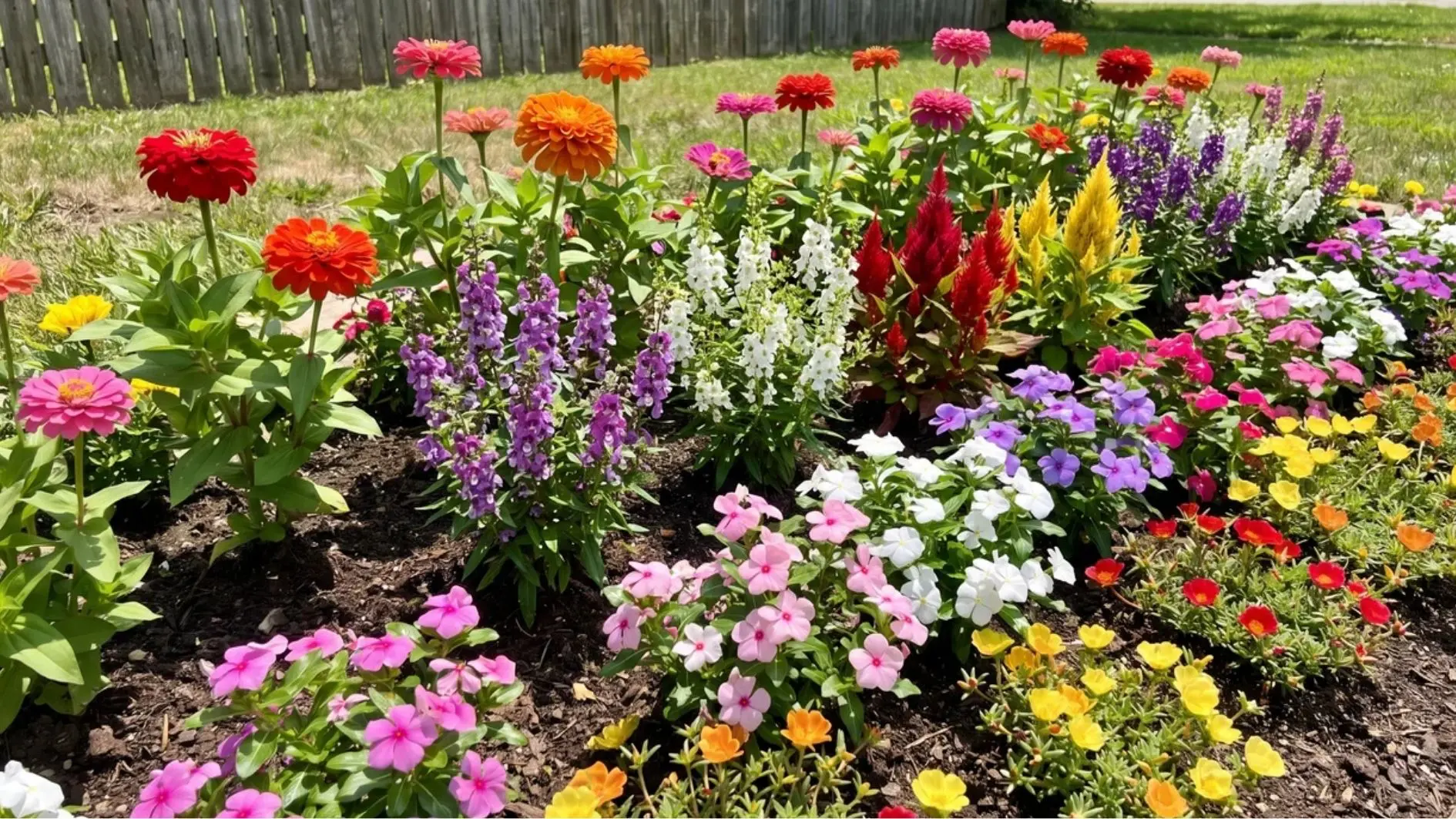
Picking the wrong annual for a sunny spot is one of those mistakes that does not announce itself until midsummer, when the blooms have thinned out and the stems have gone leggy. By then, the season is half gone.
The good news is that once you understand what full sun actually demands, and which plants are genuinely built for it, the decisions get straightforward fast.
Keep reading because by the end you will know exactly which plants to reach for, which common assumptions to drop, and how to match the right annual to your specific situation before anything goes in the ground.
What Does Full Sun Actually Mean for Annuals?
Walk into any garden center and you’ll see “full sun” written on countless plant tags. It sounds simple, but many gardeners misunderstand what it actually means.
Full sun means about six hours of direct, unobstructed sunlight each day. It’s not just a bright spot outdoors or light coming through tree branches. The sun needs to hit the plant directly for those hours.
The timing of those hours matters too. Morning sun is cooler and gentler than afternoon sun. Heat-loving annuals like portulaca and vinca usually perform better with strong afternoon sunlight than with six mild hours in the morning.
There’s a difference between a plant that tolerates full sun and one that needs it. Sun-loving annuals may become leggy and produce fewer flowers without enough light. I’ve seen healthy-looking plants struggle weeks later when placed in the wrong spot.
For annuals, the goal is nonstop color from late spring until frost. Putting them in the wrong light can cost you an entire season of blooms before you realize what went wrong.
What Makes an Annual Thrive in Full Sun?
Not every plant that survives six hours of direct sun is built for it. The best performers have traits that help them keep photosynthesizing through peak heat instead of shutting down.
Heat Tolerance and Drought Tolerance Are Not the Same Thing
This is the mistake that catches most gardeners off guard, and almost no plant label bothers to explain it.
- Heat tolerance means a plant can keep functioning when temperatures climb.
- Drought tolerance means a plant can survive with less water.
The two often overlap, but they work through completely different mechanisms.
Portulaca stores water in its succulent leaves, helping it handle dry spells. Zinnias manage heat through transpiration, but they still need consistent soil moisture to stay healthy.
Let a zinnia dry out repeatedly and it will stall mid-season, even in perfect sun. Buying a heat-tolerant plant and then underwatering it is one of the most common midsummer disappointments.
What Happens When a Full Sun Annual Does Not Get Enough Light
The signs show up fast. Stems stretch long and thin as the plant reaches toward available light, leaf spacing widens, and flower production drops sharply.
- A calibrachoa that should form a dense mounding habit turns sparse and leggy in part shade within three to four weeks.
- A zinnia that should top out at 24 inches can stretch past 36 inches in low light, with roughly a third of the normal bloom count.
Moving a container to a sunnier spot mid-season can partially reverse the damage. In-ground plants are harder to rescue, which makes placement the most important decision before anything goes in the ground.
Full Sun Annuals for Beds, Containers, and Tough Spots
Full sun does not mean the same thing in every garden. These annuals are grouped by where they grow best, from productive flower beds to hot containers and drought-prone areas where many plants struggle.
Top Full Sun Annuals for Landscape Plantings
In-ground beds give roots more space, deeper moisture, and better temperature stability than containers. This changes plant choices, with the focus shifting to continuous blooms through summer heat, not just survival.
1. Zinnias
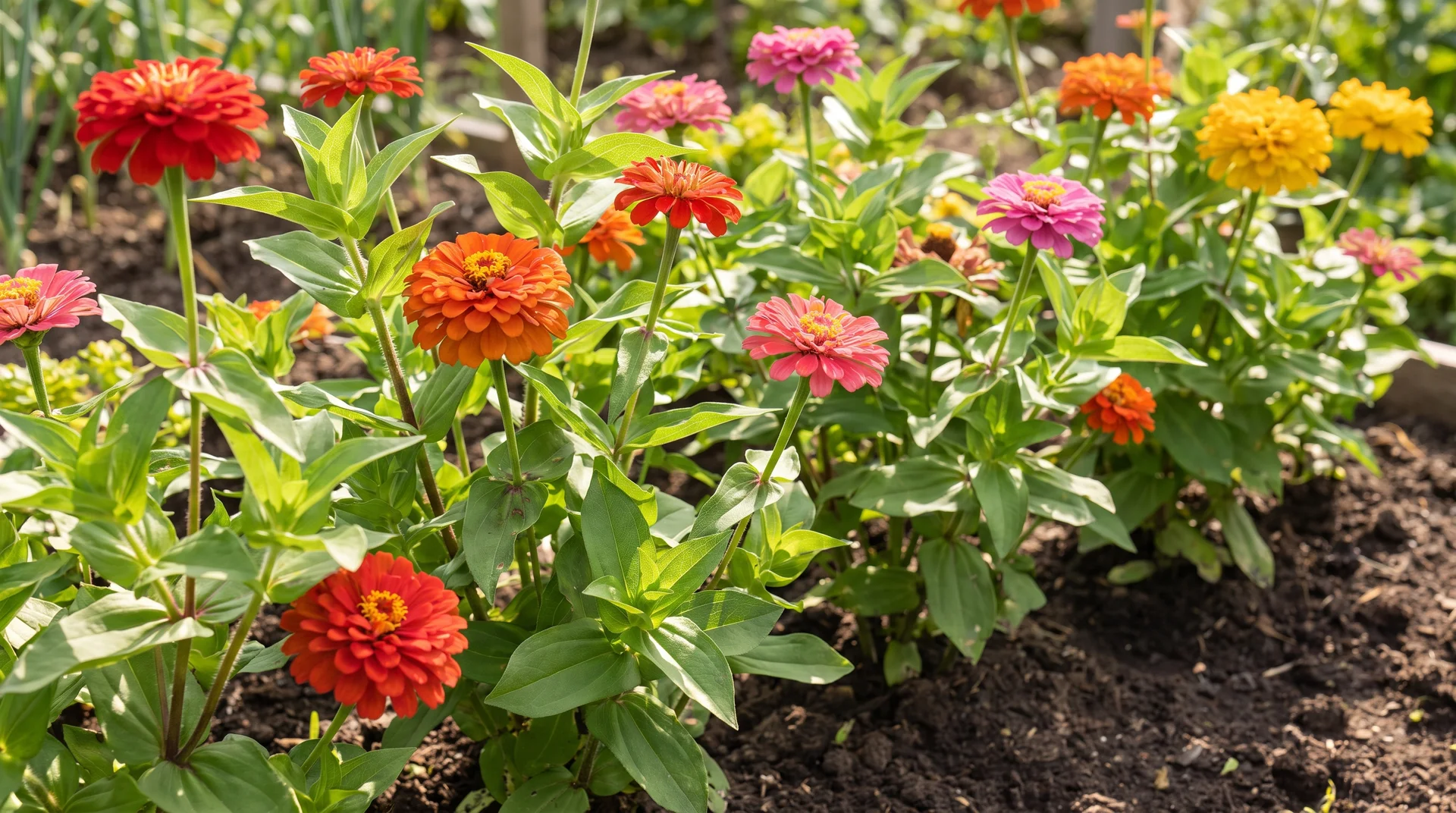
Zinnias are the workhorses of the summer garden. They bloom heavily from early summer through frost, handle heat well, and make excellent cut flowers that can last more than a week in a vase.
The main issue is humidity. In wet, muggy climates, traditional zinnia varieties can develop powdery mildew later in the season.
The simple fix is choosing narrowleaf Mexican zinnias or mildew-resistant varieties like Zahara or Profusion. Plant them in full afternoon sun with good airflow, and they’ll handle humid conditions much better.
2. Vinca (Catharanthus)
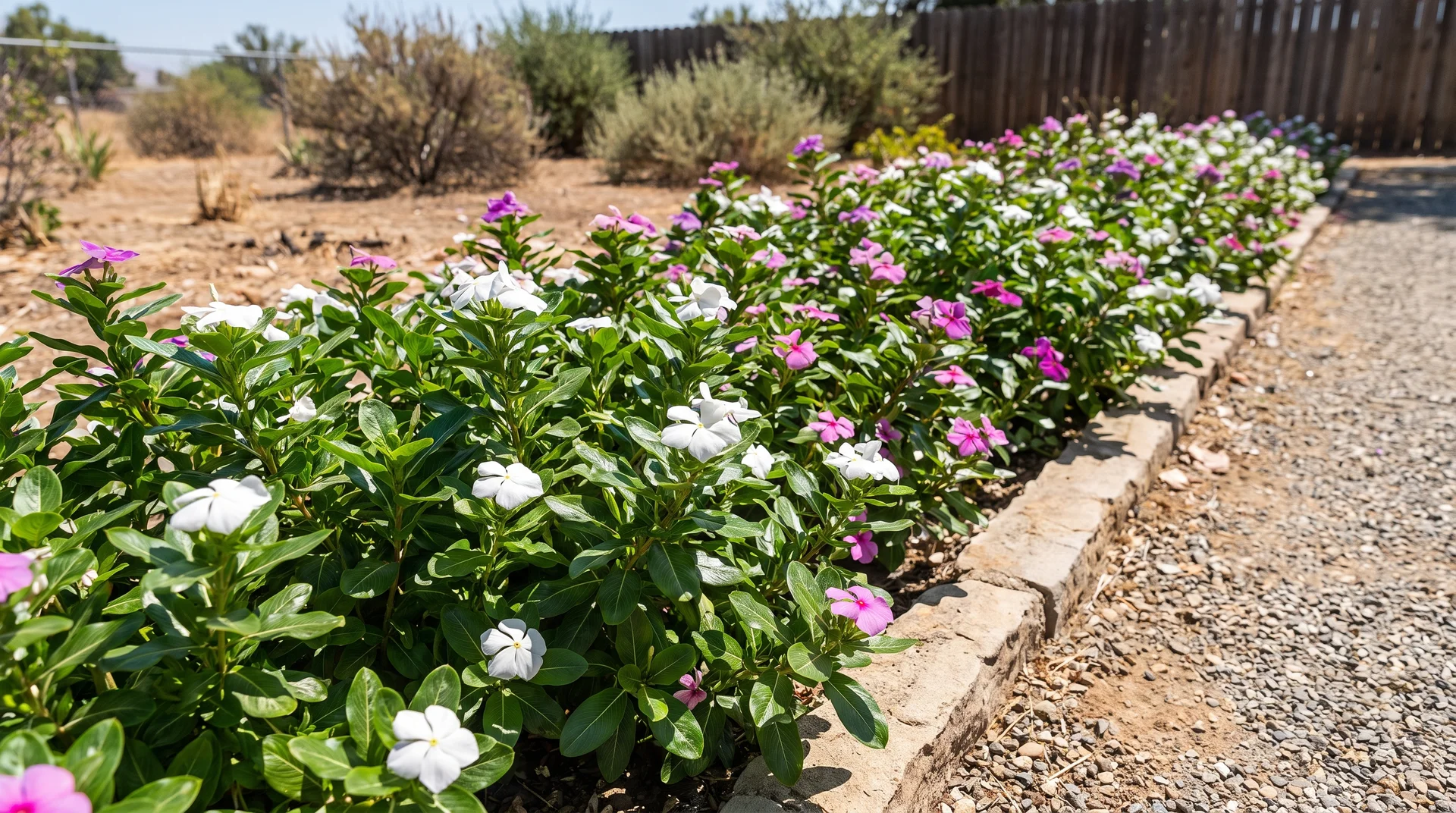
Vinca is one of the most reliable full sun annuals available, but it often gets overlooked because it doesn’t have the same appeal as newer plant introductions.
Once established, usually within two to three weeks, it handles heat and dry spells better than many annuals in the same price range. Its natural pest and disease resistance also makes it low-maintenance.
Vinca is especially useful along walkways and borders where you want steady color through the hottest months without needing constant care.
3. Angelonia and Celosia
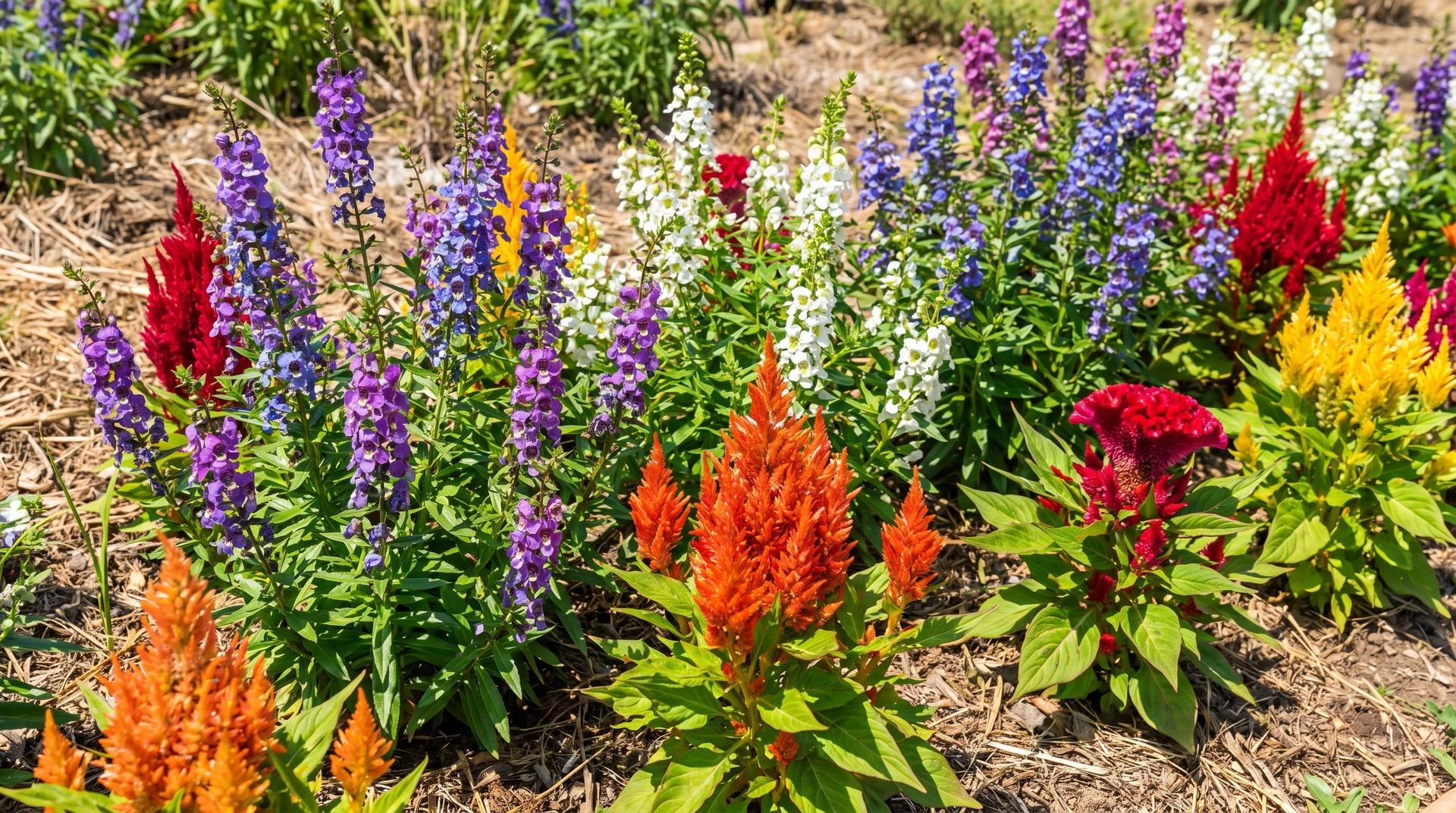
These two do not get the attention they deserve, but both outperform more popular options when summer temperatures stay consistently above 90 degrees.
Angelonia, also called summer snapdragon, produces upright flower spikes and blooms without deadheading.
Celosia tolerates poor soil and adds unique plume or crested texture. Adding texture that flat-flowering plants cannot.
Neither wilts dramatically in afternoon heat the way petunias do, which makes both a strong choice when a bed gets punishing western sun from noon onward.
Full Sun Annuals that Perform Well in Containers
Containers change the rules. Pot walls heat roots, moisture evaporates faster, and roots cannot reach deeper soil. A full-sun plant in a bed may need more watering and feeding in a pot.
4. Trailing and Spilling Varieties
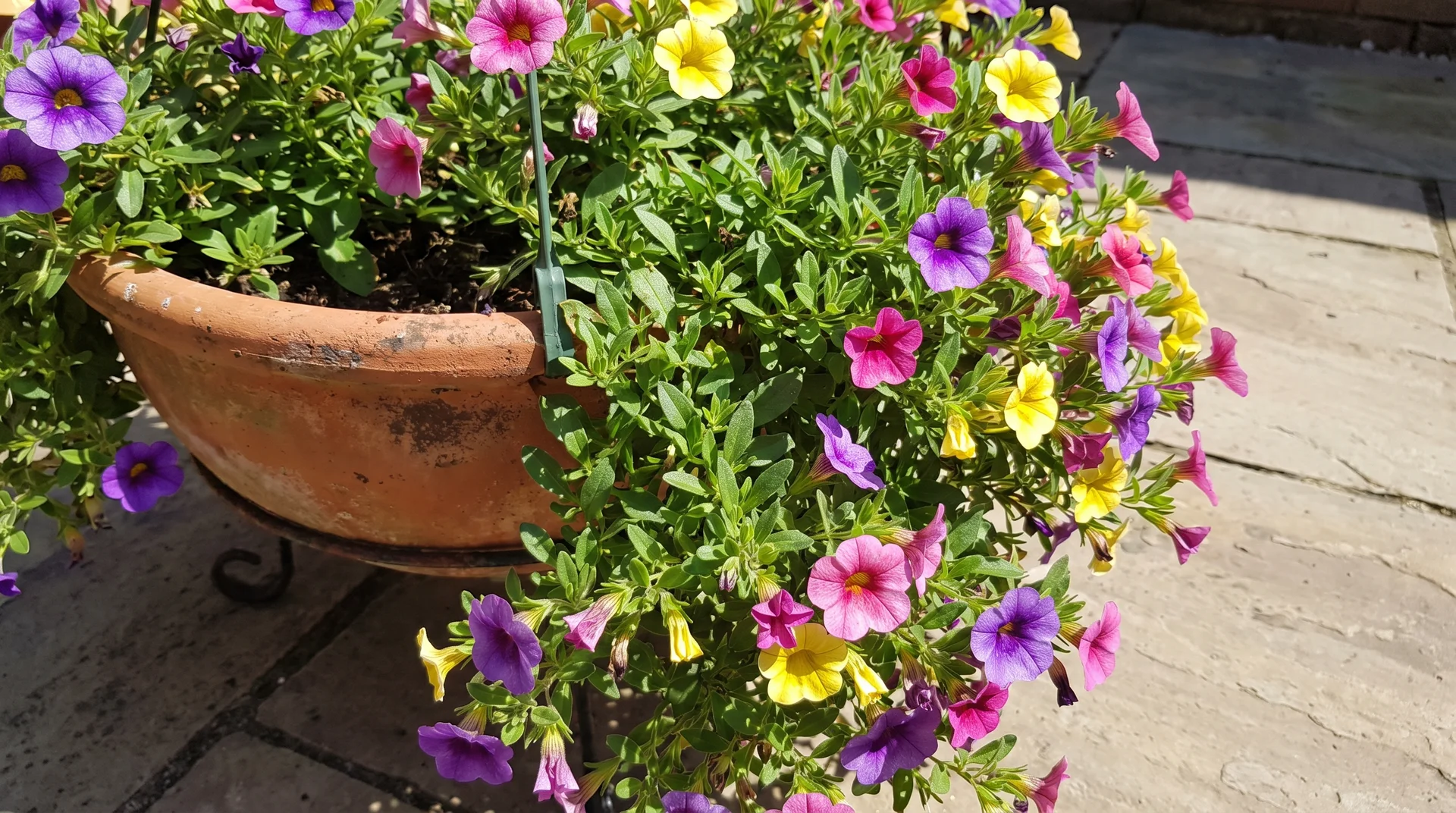
Trailing annuals are the natural fit for hanging baskets and container edges, where their habit does the design work without any training or staking.
Calibrachoa produces hundreds of small flowers through summer and spills neatly over container edges. It needs consistent moisture and bloom-formula fertilizer to maintain flower density. Treating it as drought-tolerant is a mistake because it will quickly stop blooming and lose its fullness.
Scaevola and trailing verbena handle brief dry spells better. Both perform well in intense afternoon sun that shortens the season for less heat-adapted trailing options.
5. Upright and Mounding Options for Container Centerpieces
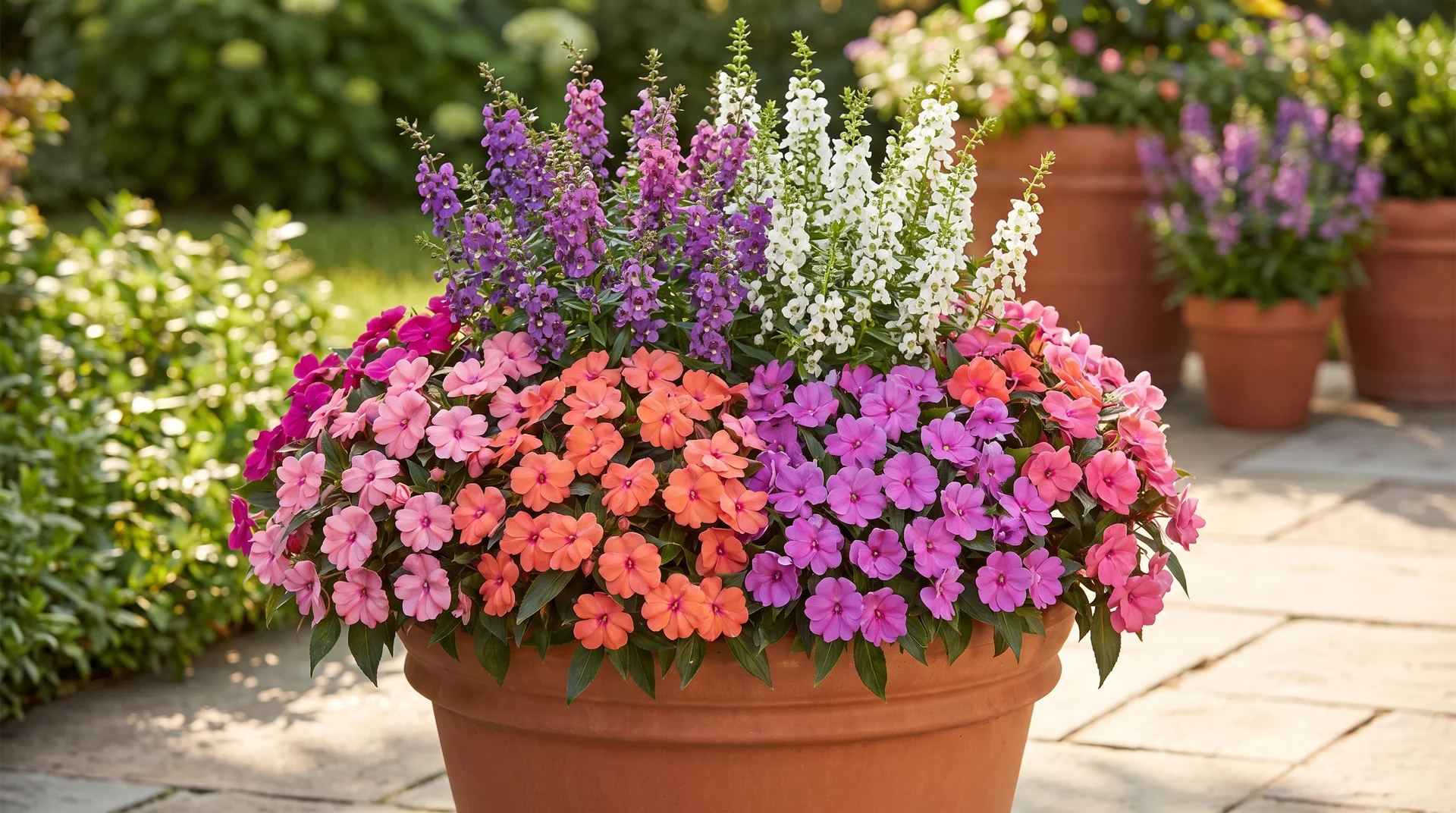
A well-designed container needs height or mass at the center to anchor the trailing elements around it.
SunPatiens were bred specifically for sun exposure and heat, unlike standard impatiens. They maintain a full mounding habit without going leggy, and a single plant can spread 24 to 36 inches by late summer.
Angelonia adds vertical structure with its upright flower spikes while asking very little in return. In regions where lantana is not invasive, it fills the centerpiece role beautifully and draws butterflies consistently through the full growing season.
Best Heat-Resistant Annuals for Tough Growing Conditions
Some garden spots are tough: full afternoon sun, fast-draining soil, and no evening shade. Many annuals struggle there, but a smaller group performs better under these conditions.
6. Portulaca
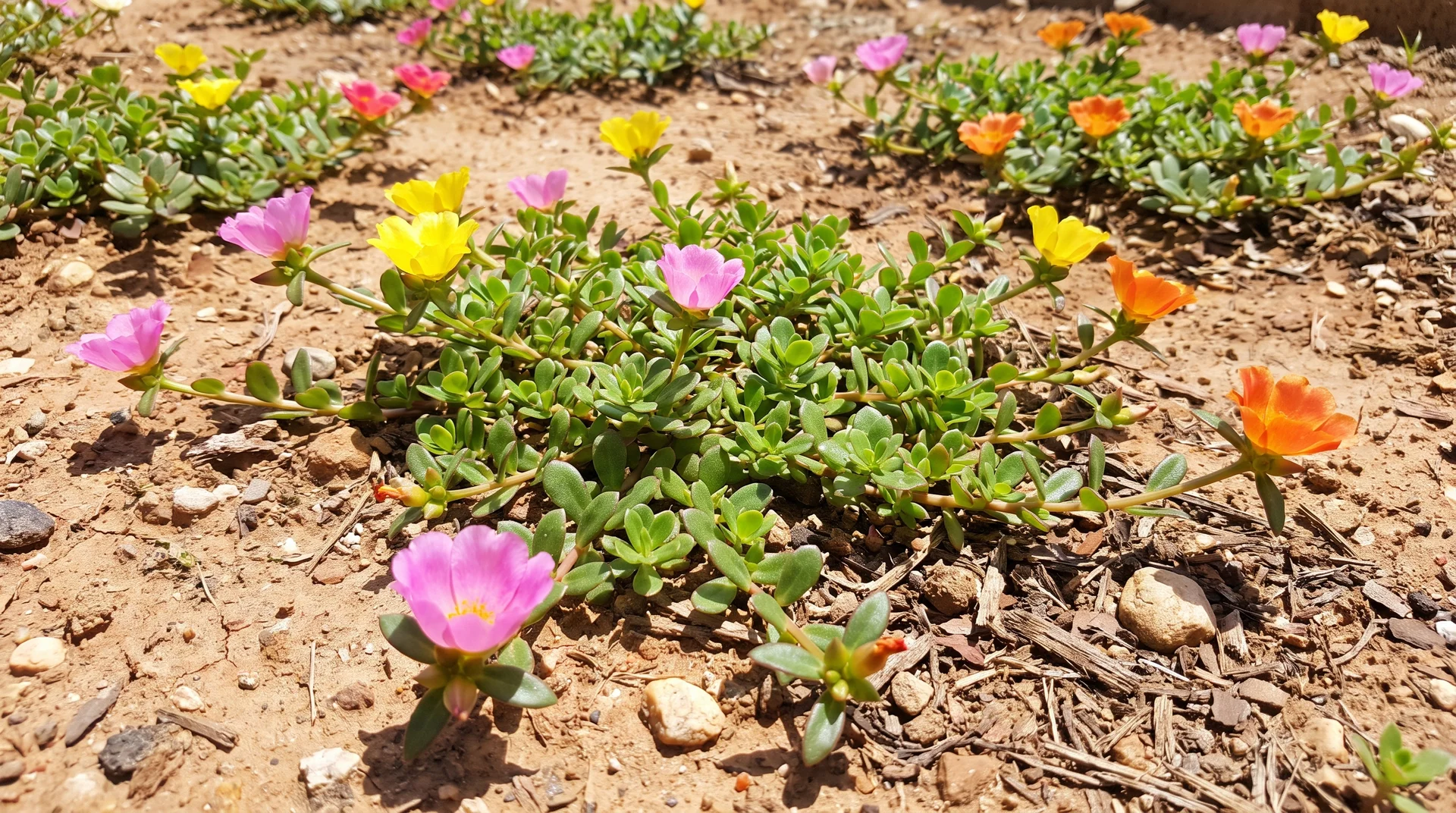
Portulaca is the closest thing to a set-it-and-forget-it annual for punishing dry spots. Its succulent leaf tissue stores water internally, so it draws on its own reserves between rain events or waterings.
It stays low, usually four to eight inches tall, which reduces wind exposure and moisture loss. Flowers close in the evening and reopen each morning, a natural cycle that signals low metabolic overhead.
Few annuals match its combination of heat load tolerance, minimal watering needs, and consistent color output through the hottest weeks of summer.
7. Lantana
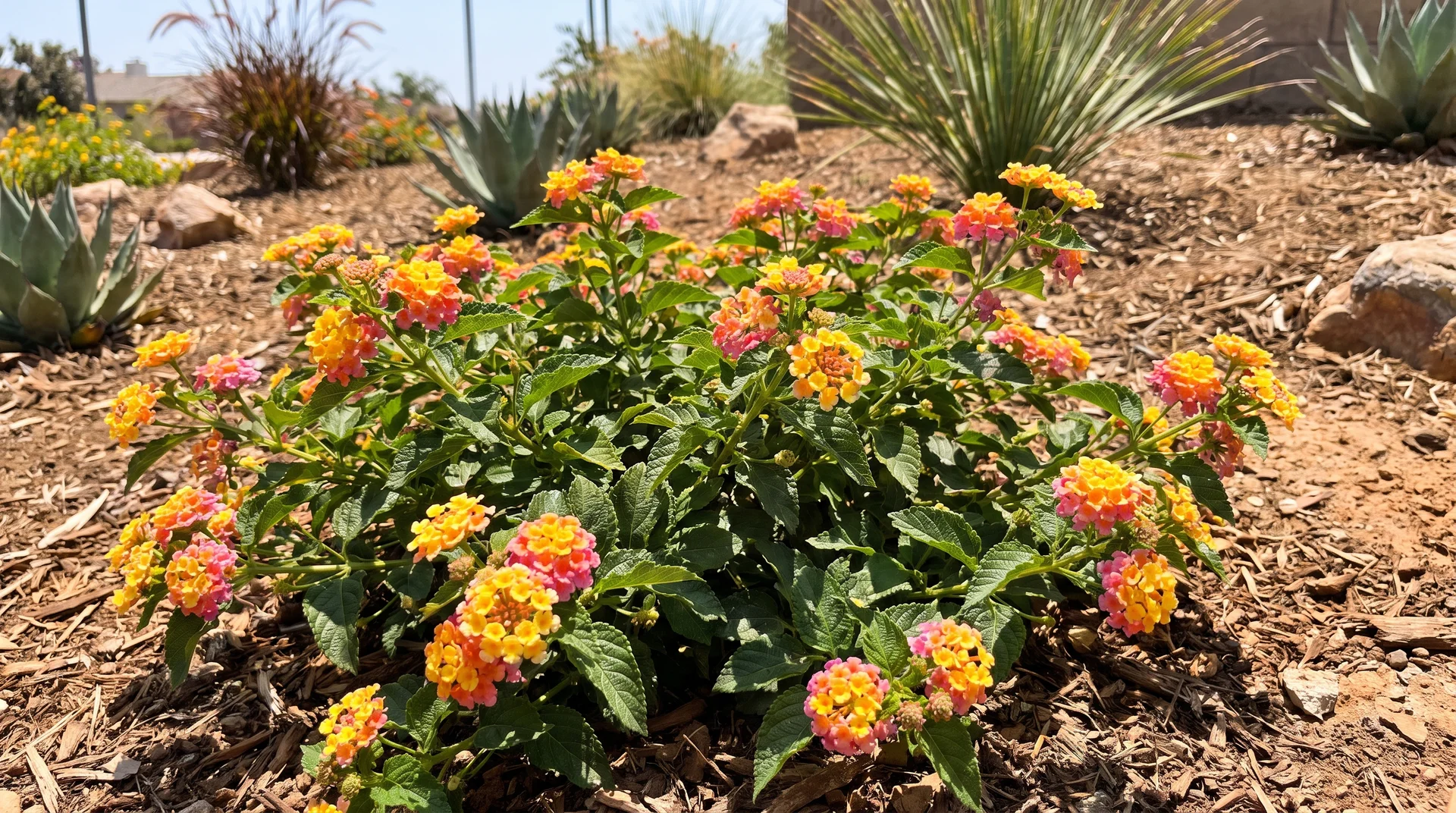
Lantana handles heat and drought as well as anything in this category. It also happens to be one of the strongest pollinator attractors available, drawing butterflies in numbers that most annuals cannot match.
The caveat is important. Lantana camara is ecologically invasive in warm southern regions, particularly across the Southeast, Florida, and parts of the Southwest. In those areas it can outcompete native species aggressively.
Where it is not invasive, it is a genuinely excellent choice. Where it is, native alternatives like blue porterweed deliver comparable heat and drought performance without the ecological risk.
Conclusion
The right full-sun annual comes down to three things: how many hours of direct sun the spot actually delivers, what kind of stress the plant will face beyond light, and whether it is going in the ground or in a container.
Zinnias and vinca cover most in-ground beds reliably. Calibrachoa and SunPatiens handle containers well when watering stays consistent. Portulaca and lantana are the honest answers for spots that get brutally hot and dry with no apology.
Get the placement right before worrying about color or variety. A well-matched plant in the right spot will outbloom a beautiful choice in the wrong one every single time.
Frequently Asked Questions
What Is the Difference Between Full Sun and Part Sun for Annuals?
Full sun means six or more hours of direct sunlight daily. Part sun typically means three to six hours, often with protection from harsh afternoon light. Annuals rated for full sun grown in part sun will usually survive but produce fewer flowers, stretch toward light, and weaken over time.
Can Full Sun Annuals Survive Afternoon Shade in Summer?
Most can tolerate brief afternoon shade without serious loss. In climates with intense summer heat, a short break from direct afternoon sun can actually extend bloom life. The threshold is roughly two hours of midday shade before bloom output starts dropping noticeably on true sun-lovers like portulaca and vinca.
Why Are My Full Sun Annuals Not Blooming Despite Plenty of Sunlight?
Insufficient sunlight is rarely the only cause of poor bloom. Excess nitrogen fertilizer, inconsistent watering, or a root-bound container can suppress flowering even in full sun. Check that fertilizer is bloom-formula rather than high-nitrogen, and that soil is not staying waterlogged between waterings.
Which Full Sun Annuals Are Best for Attracting Pollinators?
Lantana, zinnias, and portulaca consistently rank among the strongest pollinator attractors in full sun. Lantana draws butterflies heavily, zinnias attract a broad range of bees and butterflies through late summer, and portulaca pulls in native bees despite its small flower size. Where lantana is invasive, blue porterweed is a strong native alternative.