

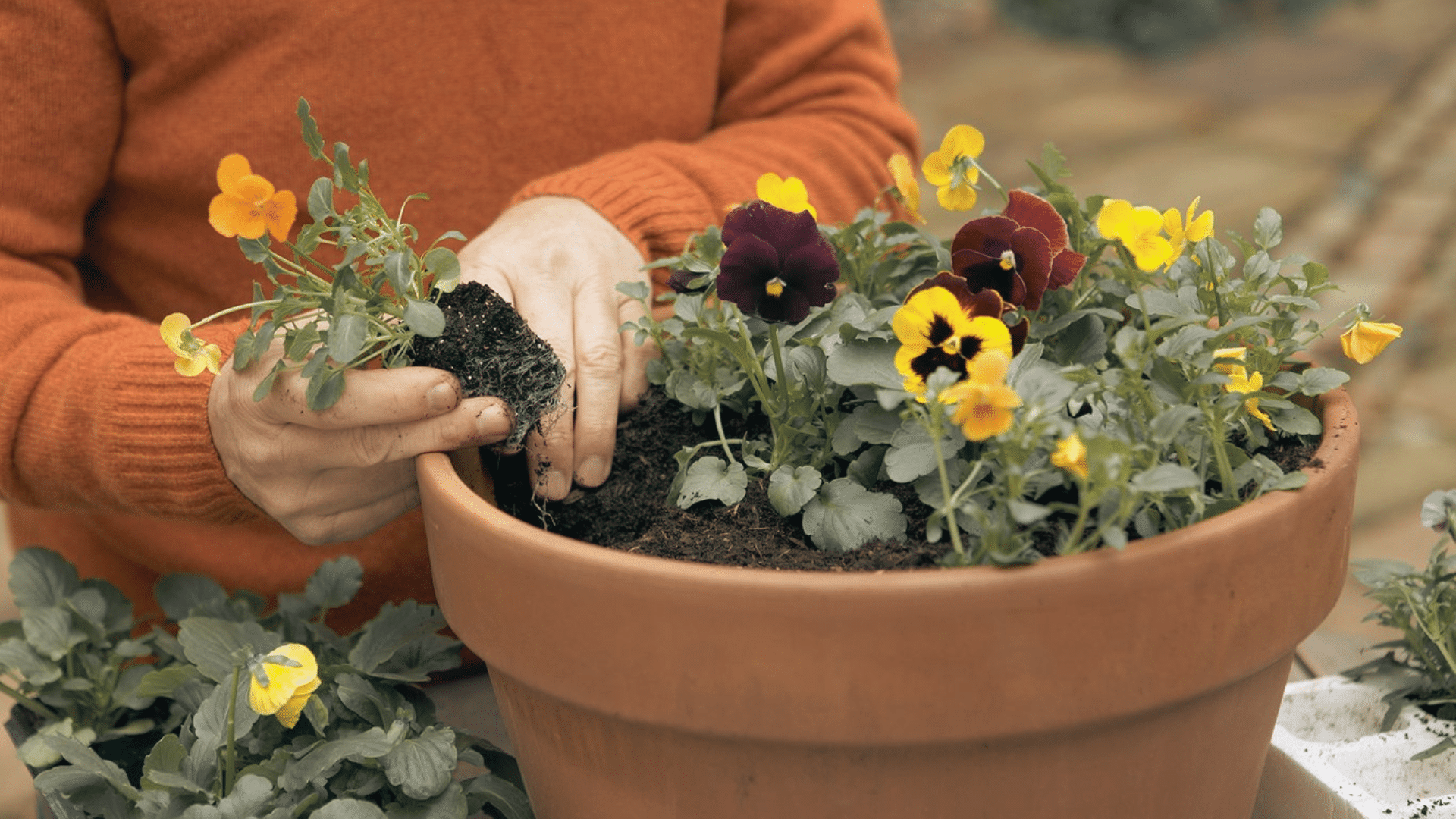
Many plants adapt to seasonal changes by adjusting their flowering cycles, and winter provides a special opportunity for certain species to bloom.
Cooler weather, fewer pests, and steady moisture help ornamental plants grow.
This guide covers some of the best winter-blooming flowers, including their growing needs, standout features, and the color they bring to the garden.
Ideal for gardens, containers, and small spaces, these plants add color and shape during the colder months.
Each species adds texture, shape, and seasonal interest, keeping gardens attractive through winter.
Quick Answer: Winter-flowering plants bloom during the cold months, including pansies, calendulas, and chrysanthemums, adding color, beauty, and structure with minimal care.
Understanding Plants that Bloom in Winter
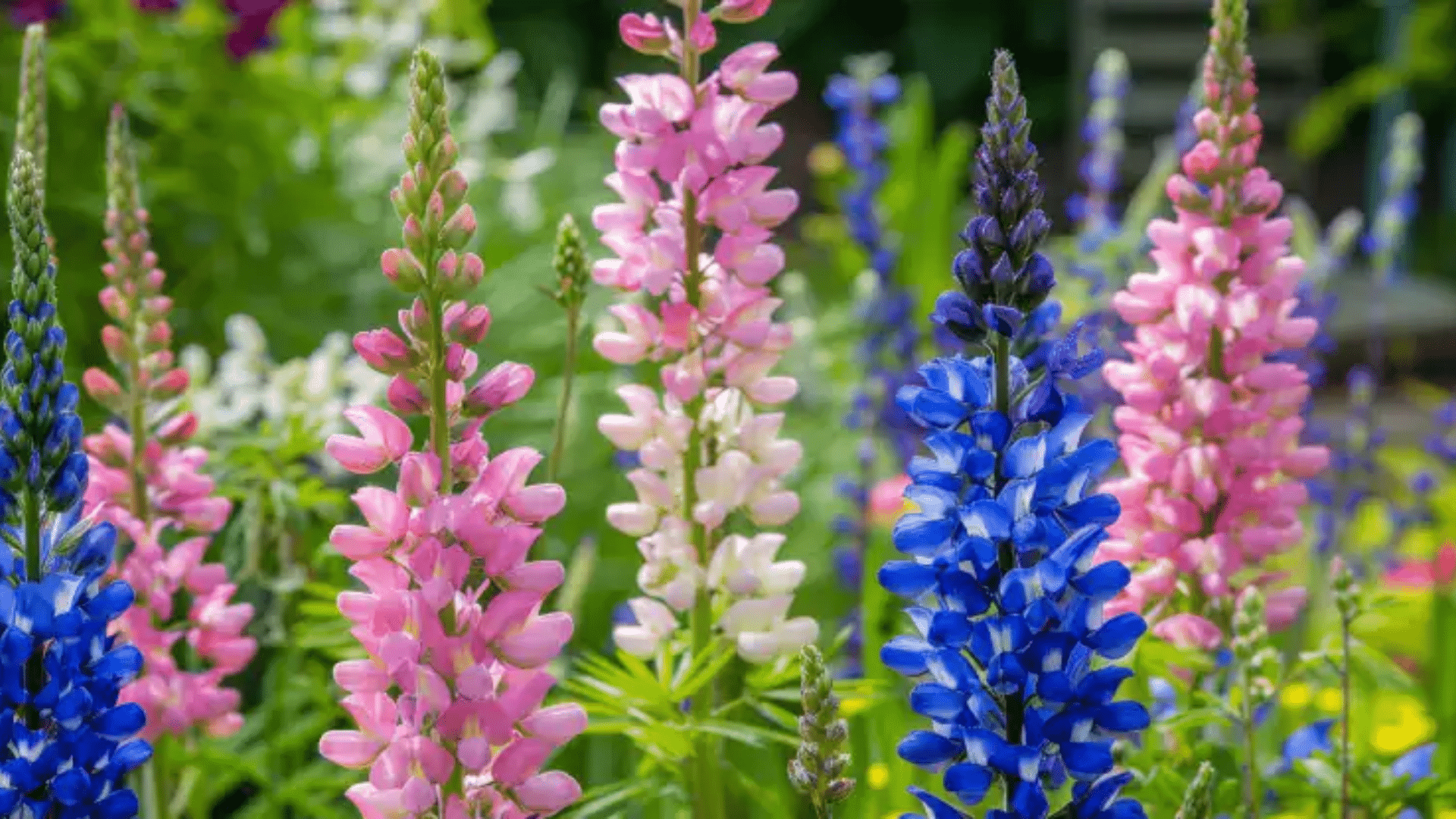
Winter-flowering plants are species that grow and bloom during the cooler months of the year, when most plants slow their growth cycle.
These plants are naturally adapted to lower temperatures, shorter daylight hours, and changing seasonal conditions.
Unlike summer-season blooms, winter flowers are more resilient and can maintain steady flowering even in mild frost conditions.
They often require simple care routines, making them suitable for both beginners and experienced gardeners.
These plants are widely used in home gardens, balcony setups, parks, and landscape design to maintain color, structure, and visual appeal during the cold season.
Benefits of Growing Winter Flowers
Growing winter flowers helps maintain color, freshness, and structure in the garden during the colder months, when most plants slow their growth.
- Color Impact: Adds natural color during the cold season and prevents a dull garden appearance when most plants are less in bloom.
- Visual Enhancement: Maintains brightness and improves overall garden aesthetics during low-growth winter months.
- Ecological Support: Attracts beneficial insects in certain environments, helping maintain the natural balance of the garden.
- Flexible Use: Suitable for pots, borders, balconies, and landscape beds, offering a range of design options.
- Low Maintenance: Requires simple care routines, making them ideal for beginners and home gardeners.
- Seasonal Planning: Helps maintain year-round landscape structure and continuous visual interest across seasons.
Winter Flowering Plants for Small Gardens and Pots
These varieties provide seasonal color, soft texture, and continuous blooms during cooler months while requiring only simple care and regular sunlight exposure.
1. Pansy
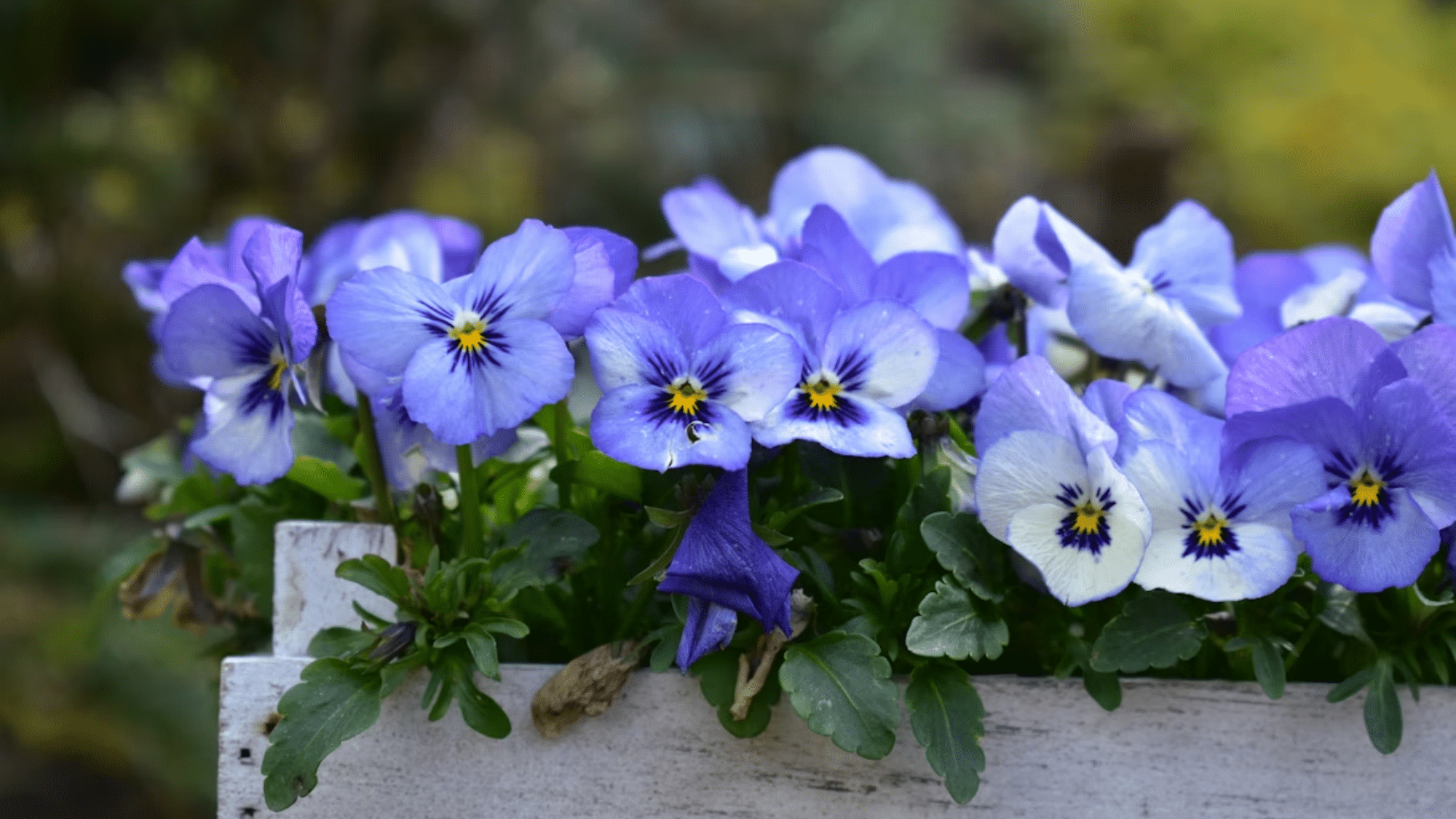
Pansy is a widely grown seasonal plant valued for its vibrant petals and ability to brighten small outdoor spaces. It performs well in containers, balcony pots, and compact garden beds, making it ideal for limited areas.
This plant thrives in cooler temperatures and continues to produce flowers steadily during winter conditions.
Its visual appeal comes from its wide range of colors and soft petal structure, which creates a lively display in home landscapes.
- Time to flower: Typically starts blooming within 6–8 weeks after planting.
- Light preference: Prefers full sun to partial shade for best performance.
- Water routine: Keep soil slightly moist but avoid excess moisture buildup.
- Distinct trait: Produces multicolor blooms with a unique “face-like” pattern that enhances decorative garden appeal.
2. Viola
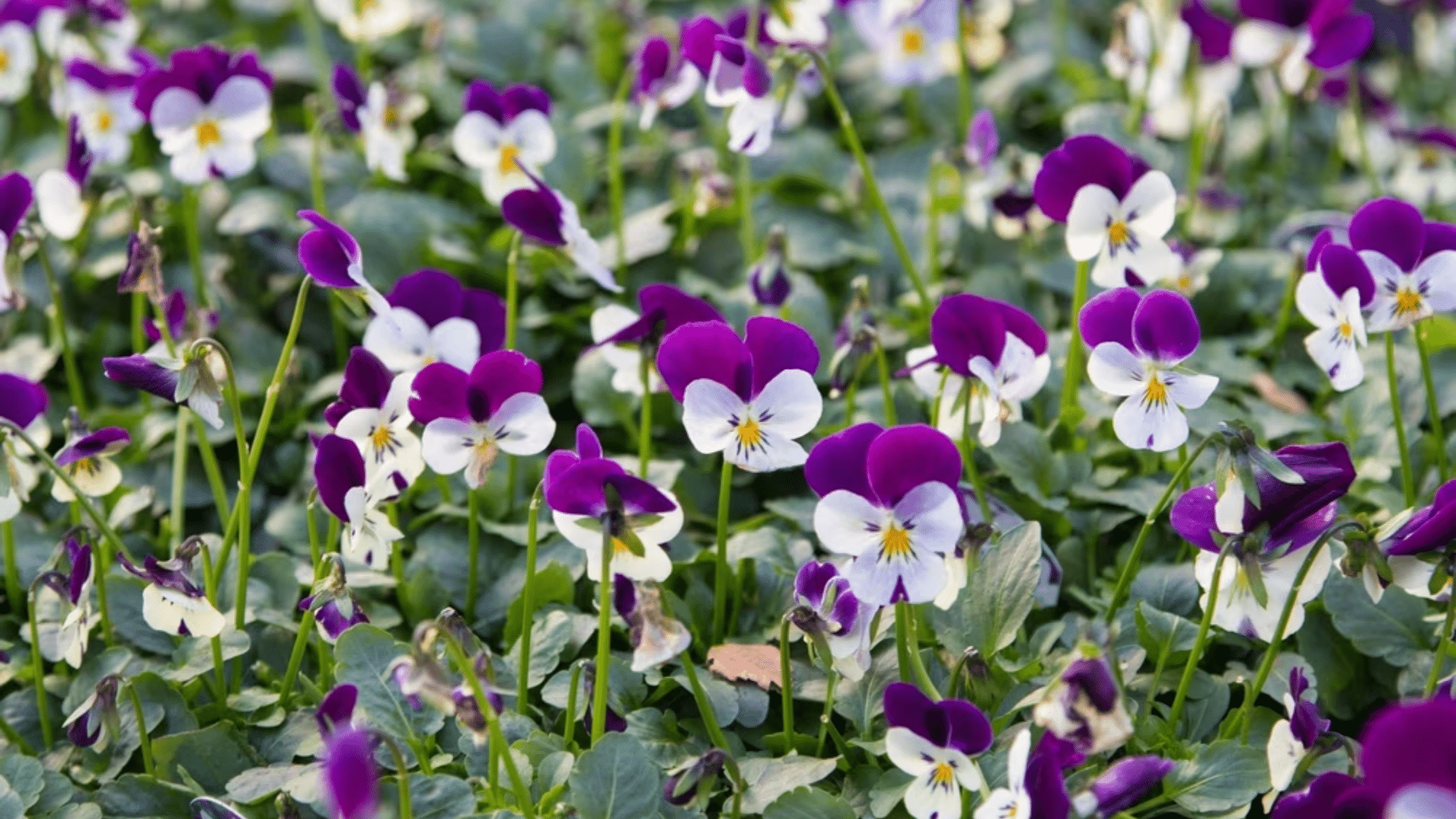
Viola is a compact flowering plant commonly used in small garden setups and container arrangements.
It is appreciated for its delicate petals and dense flowering habit, which create a soft carpet-like effect in planting spaces.
This plant adapts well to cool seasons and provides continuous blooms when properly maintained.
Its subtle color tones and fine structure make it suitable for edging, borders, and decorative pots in residential gardens.
- Time to flower: Generally blooms within 5–7 weeks after sowing.
- Light preference: Grows best in partial sun with mild shade during warm hours.
- Water routine: Maintain evenly moist soil without overwatering.
- Distinct trait: Produces small, abundant flowers that form a dense, colorful ground cover effect.
3. Calendula
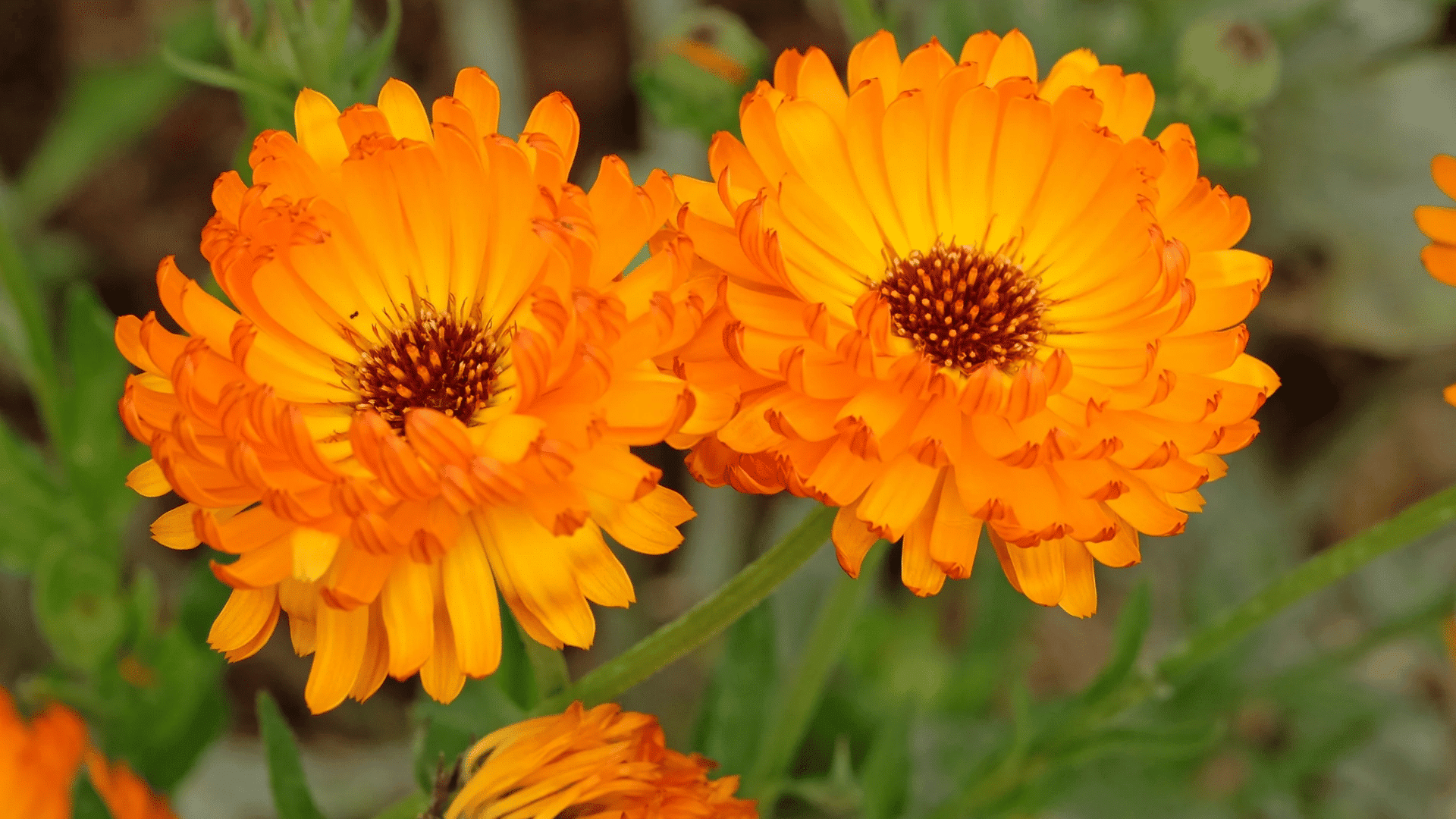
Calendula is a hardy, seasonal plant known for its bright, cheerful flowers and easy growth pattern. It is commonly used in home gardens, borders, and containers due to its long flowering period.
This plant performs well in cooler weather and continues blooming steadily when other plants slow down.
Its warm tones create strong visual contrast in winter landscapes, making it a popular choice for seasonal decoration.
- Time to flower: Usually begins blooming within 7–9 weeks after sowing.
- Light preference: Prefers full sunlight for consistent flowering.
- Water routine: Water moderately and allow topsoil to dry slightly between watering cycles.
- Distinct trait: Produces bright orange-yellow blooms that remain active for an extended flowering season.
4. Chrysanthemum
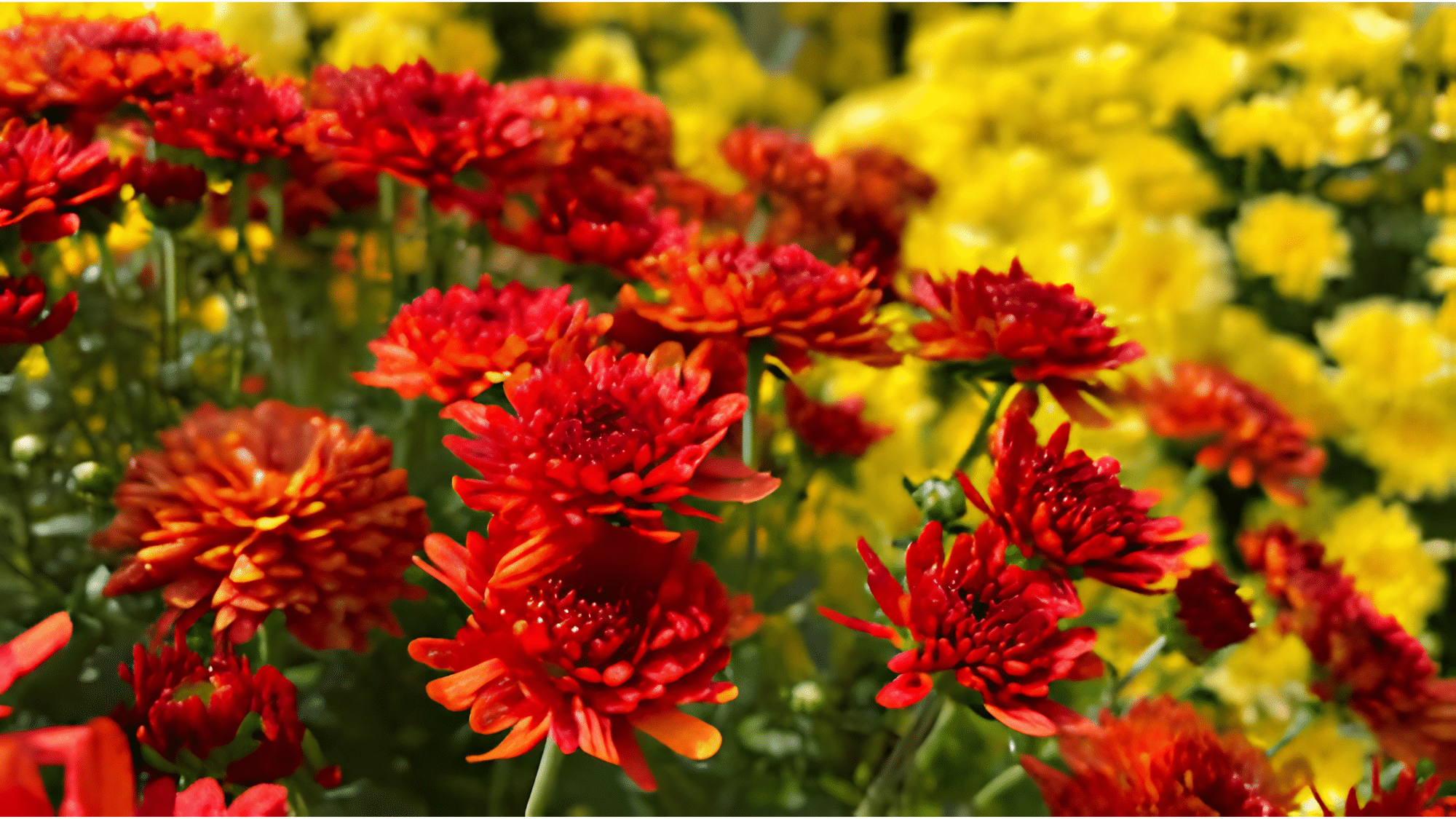
Chrysanthemum is a highly valued seasonal plant known for its dense flower clusters and rich visual texture. It is widely used in garden beds, borders, and decorative outdoor arrangements where a strong color impact is desired.
This plant performs well in cooler climates and produces long-lasting blooms that enhance landscape appeal during winter months.
Its varied shapes and shades make it a centerpiece option for home gardens and public spaces.
- Time to flower: Usually blooms within 8–10 weeks after planting.
- Light preference: Full sun for optimal flower development.
- Water routine: Water regularly, but avoid soggy soil conditions.
- Distinct trait: Produces layered, full-bodied blooms that create a dense decorative effect.
5. Snapdragon
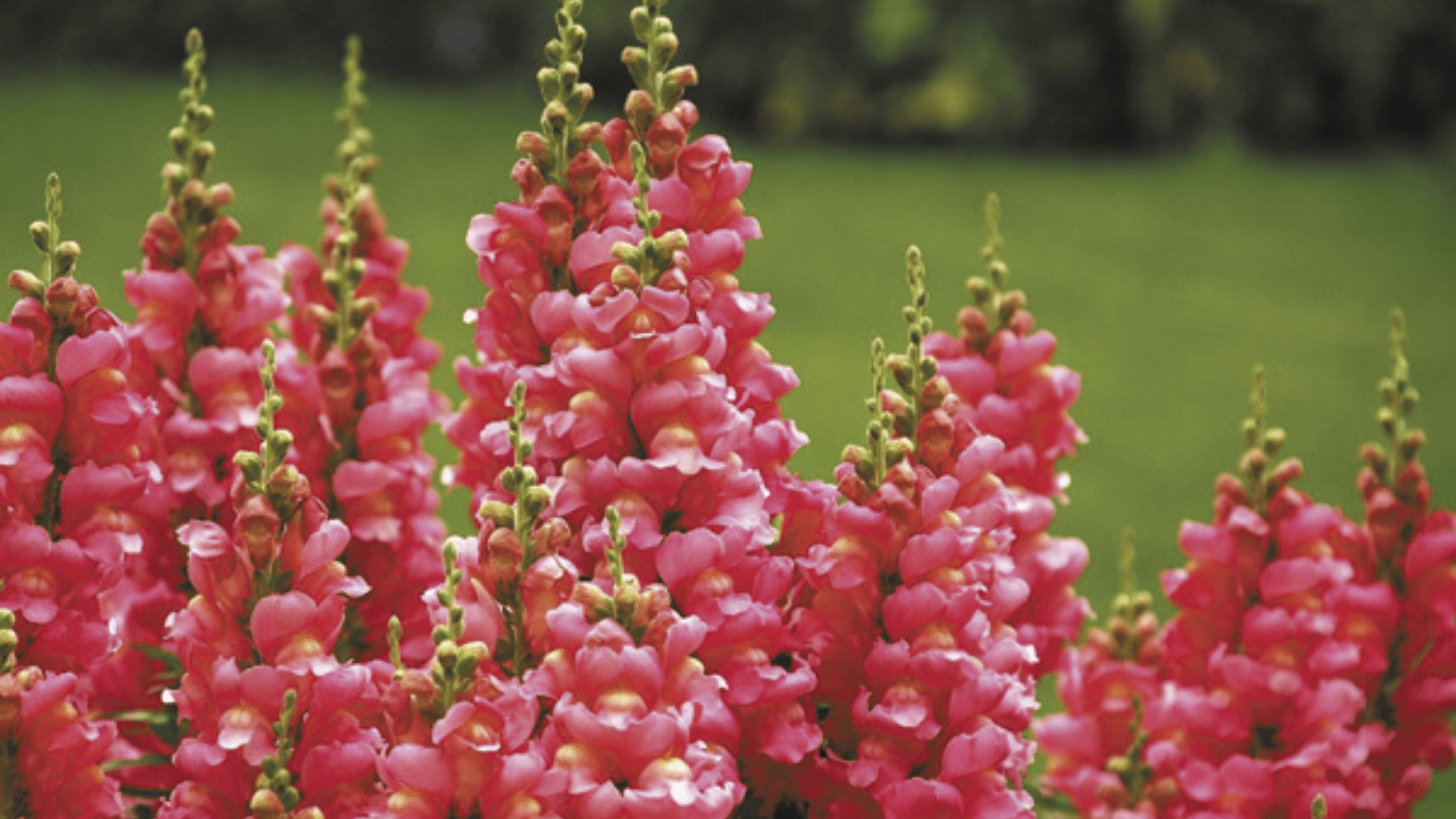
Snapdragon is an upright ornamental plant known for its vertical flower spikes and striking color transitions. It is commonly used in landscape design to add height and structure to garden layouts.
This plant grows well in cooler temperatures and continues blooming when properly maintained, making it a reliable choice for seasonal displays.
Its unique flower shape adds architectural interest to outdoor spaces.
- Time to flower: Typically begins flowering within 10–12 weeks.
- Light preference: Performs best in full sun conditions.
- Water routine: Keep soil lightly moist and avoid extreme dryness.
- Distinct trait: Produces tall, spiked blooms that add vertical structure to garden designs.
6. Petunia
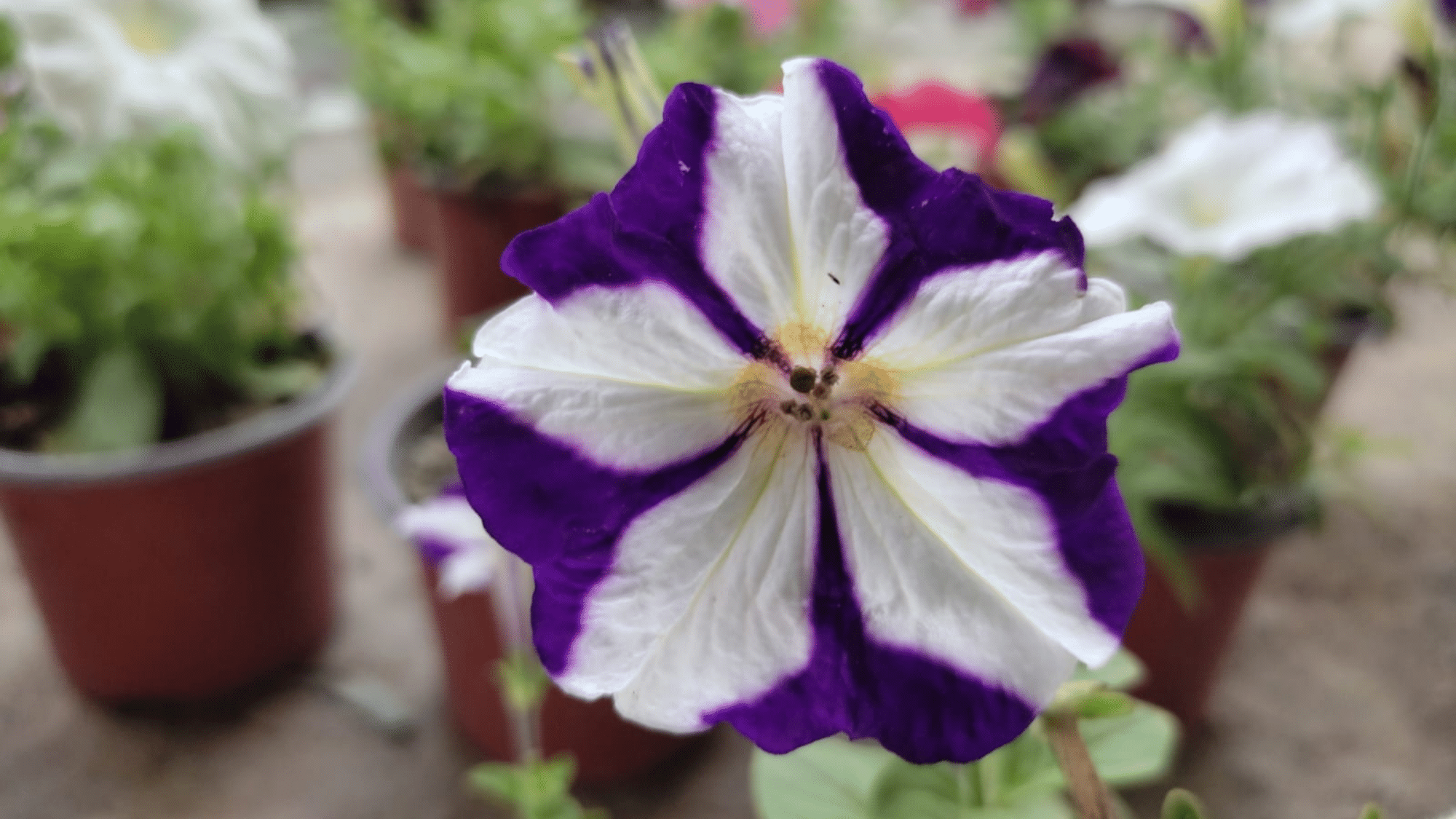
Petunia is a spreading ornamental plant widely used for seasonal color coverage in gardens and containers. It is appreciated for its continuous flowering habit and ability to fill spaces with vibrant tones.
This plant adapts well to cool weather and provides long-lasting visual appeal throughout the winter.
Its cascading growth pattern makes it suitable for hanging baskets and ground-level decoration.
- Time to flower: Starts blooming within 6–8 weeks after planting.
- Light preference: Requires full sun for maximum flowering output.
- Water routine: Water moderately and allow the soil to dry slightly between sessions.
- Distinct trait: Produces trumpet-shaped blooms with spreading growth that enhances garden coverage.
7. Sweet Pea
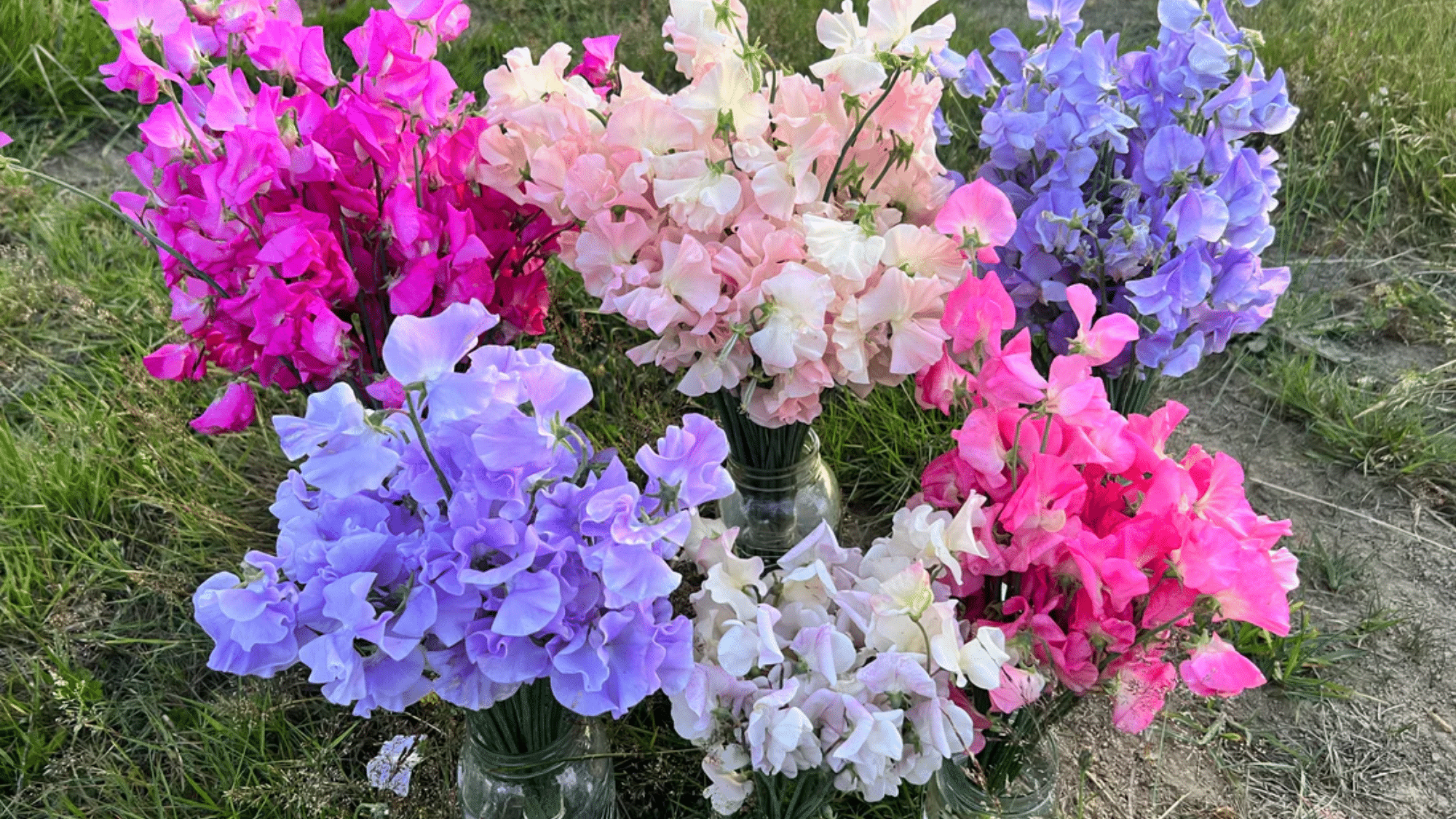
Sweet Pea is a seasonal climbing plant admired for its soft fragrance and classy floral clusters. It is commonly used on trellises, fences, and vertical garden setups where upward growth can be supported.
This plant performs well in cool conditions and produces visually gentle blooms that enhance the garden atmosphere.
Its combination of scent and color makes it a preferred option for sensory-focused garden planning.
- Time to flower: Usually blooms within 9–11 weeks after sowing.
- Light preference: Prefers full sun with mild protection from harsh afternoon heat.
- Water routine: Maintain consistent moisture without letting the soil dry completely.
- Distinct trait: Produces fragrant, pastel-toned flowers on climbing stems that create vertical floral coverage.
8. Stock Flower
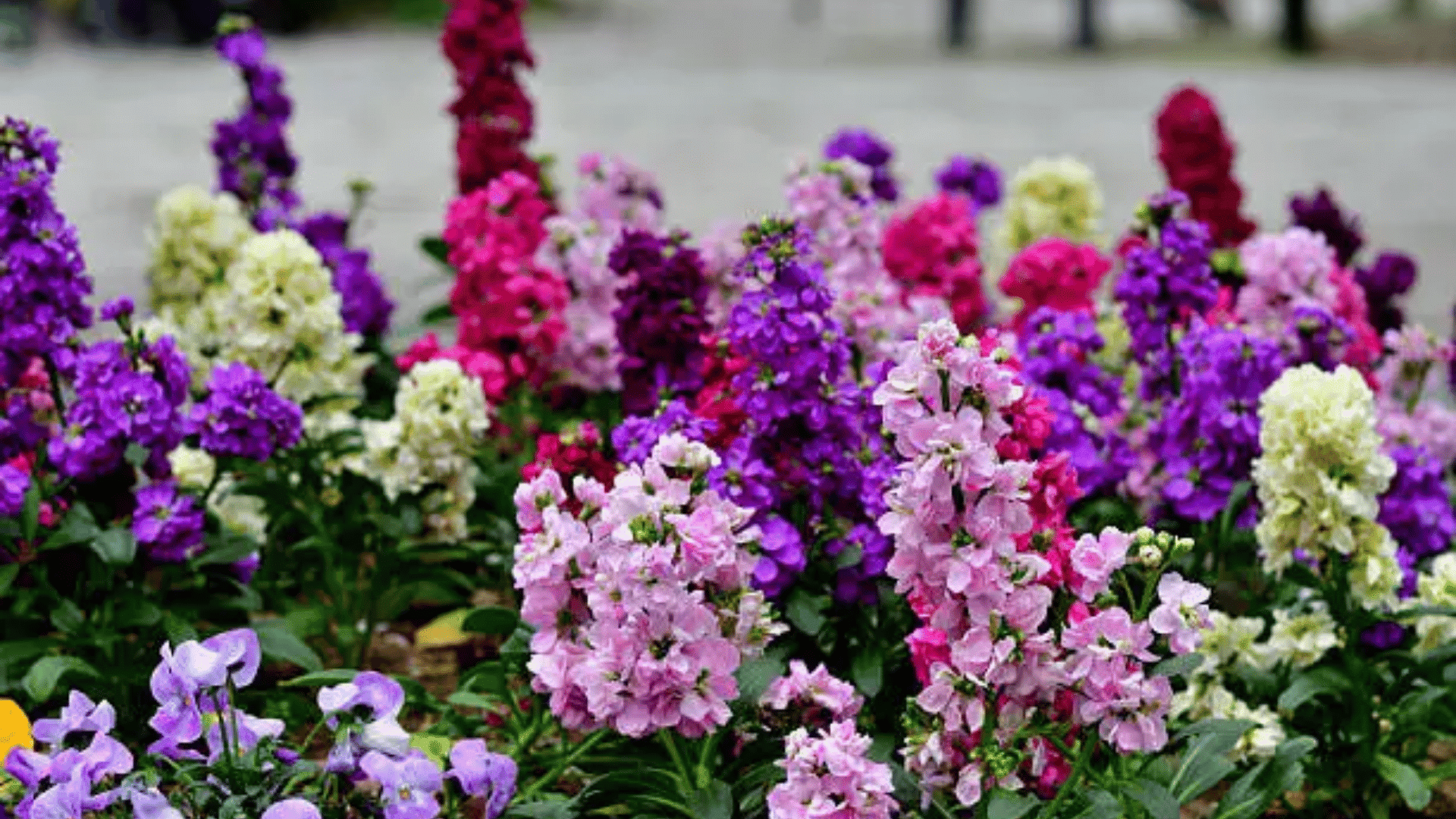
Stock Flower is a compact flowering plant known for its dense clusters and rich fragrance.
It is widely used in decorative garden arrangements, borders, and container planting where both scent and color are desired.
This plant grows well in cool seasons and offers long-lasting blooms that improve the overall garden experience.
Its upright form and clustered flowers add structure and elegance to seasonal landscapes.
- Time to flower: Typically starts blooming within 8–10 weeks after sowing.
- Light preference: Grows best in full sun to partial shade conditions.
- Water routine: Water moderately and ensure soil remains evenly moist.
- Distinct trait: Produces tightly packed, highly fragrant flower spikes that enhance garden aroma.
9. Marigolds
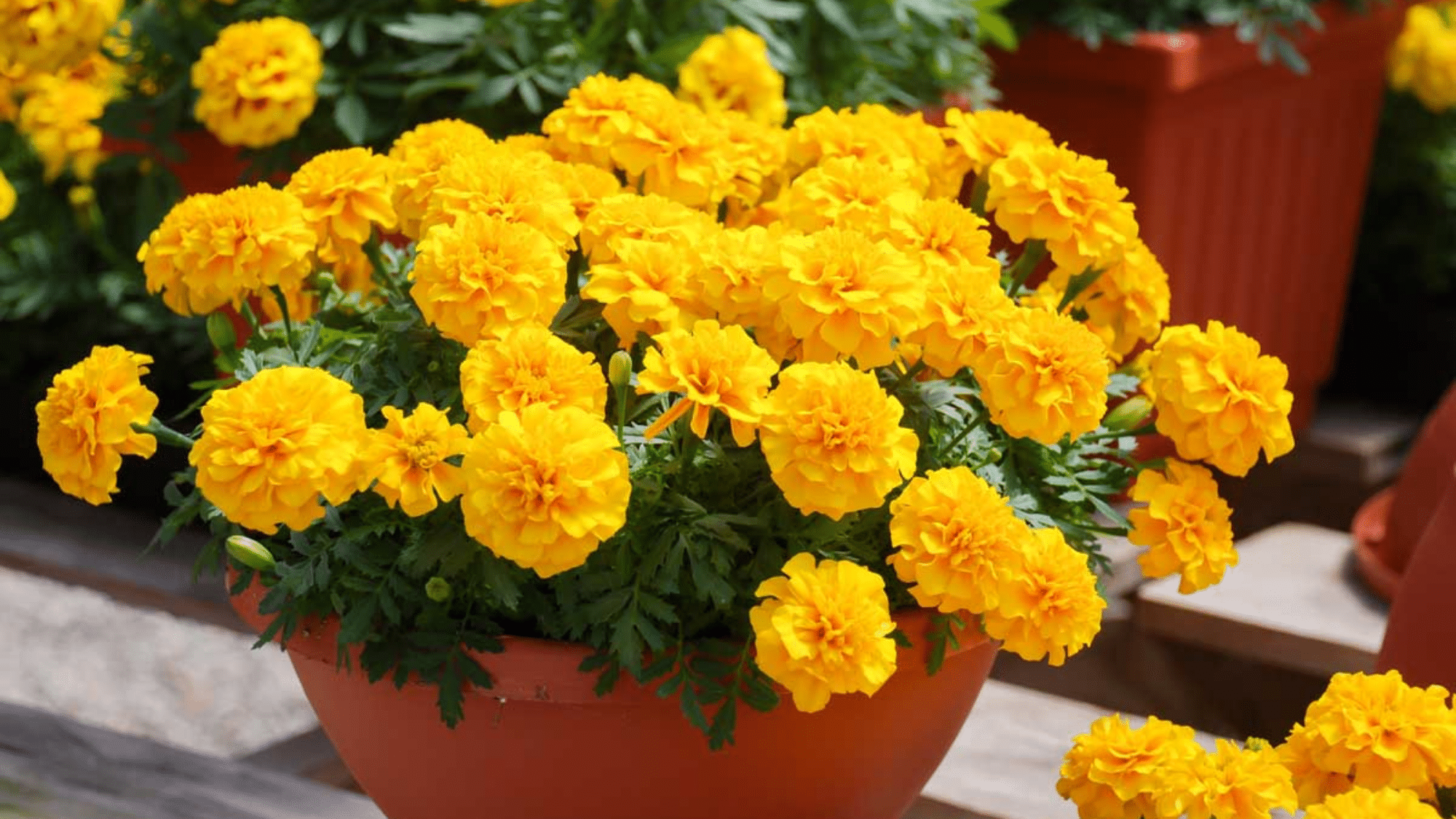
Marigolds are resilient, seasonal plants widely used for its bright colors and simple growth requirements.
It adapts well to different soil types and continues flowering even with minimal care, making it suitable for beginner gardeners.
This plant is often used in borders, open beds, and decorative pots where consistent color is needed.
Its durability and steady bloom cycle make it a reliable choice for winter gardens in mild climates.
- Time to flower: Usually blooms within 6–8 weeks after planting.
- Light preference: Performs best in full sun conditions.
- Water routine: Water lightly and allow the soil to dry slightly between watering cycles.
- Distinct trait: Produces bright, long-lasting blooms with strong adaptability to changing conditions.
10. Hellebore
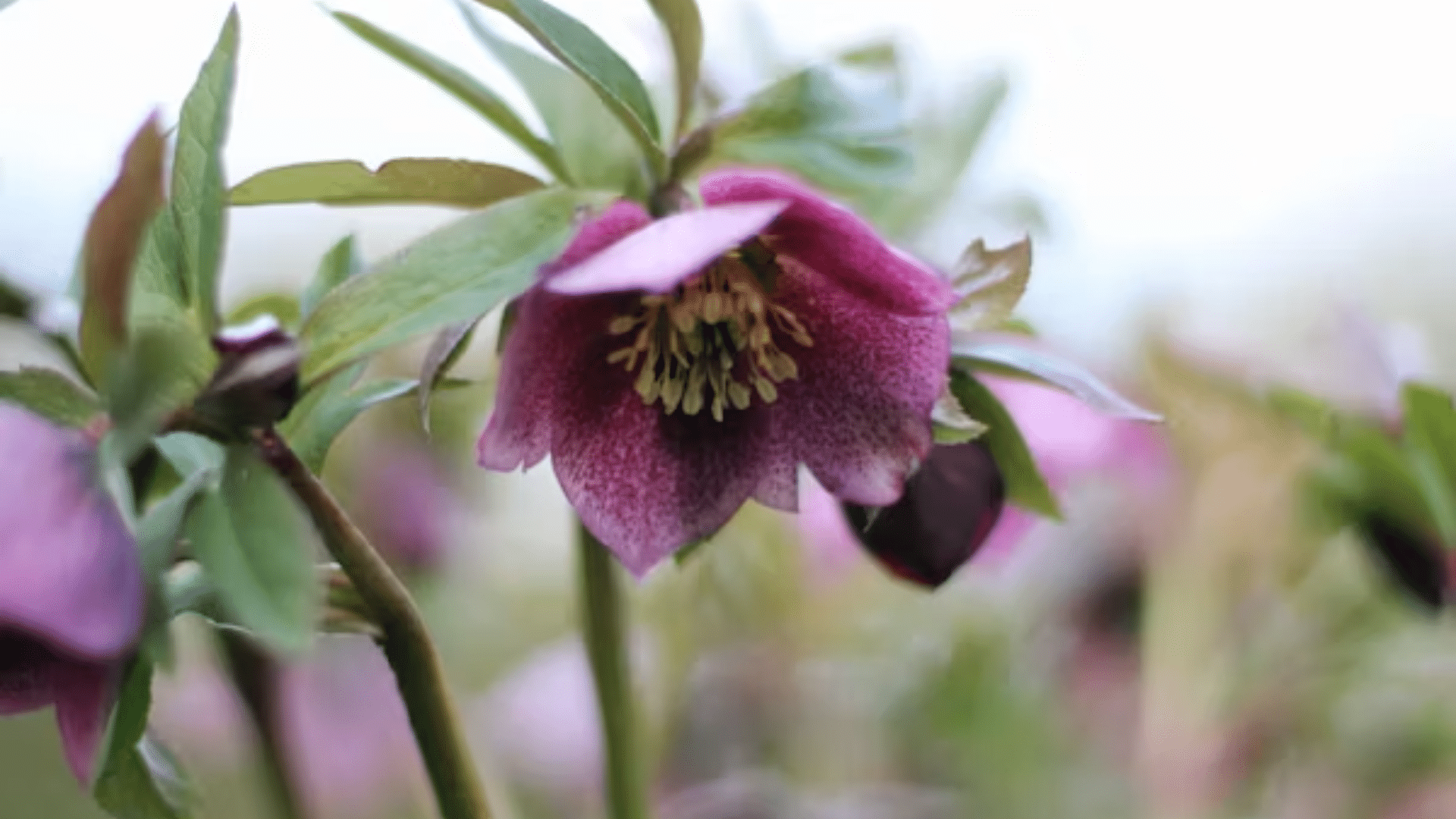
Hellebore is a hardy perennial often called the “Christmas Rose” because it blooms during winter when many plants remain dormant.
It produces long-lasting flowers in shades of white, pink, purple, green, and burgundy, adding color to shaded garden areas.
Its evergreen foliage provides year-round interest, and once established, the plant requires minimal maintenance while reliably returning each season.
- Time to flower: Blooms from late winter to early spring.
- Light preference: Partial shade to full shade.
- Water routine: Keep soil evenly moist but well-drained.
- Distinct trait: Produces elegant, nodding flowers that can bloom through snow and frost.
11. Camellia
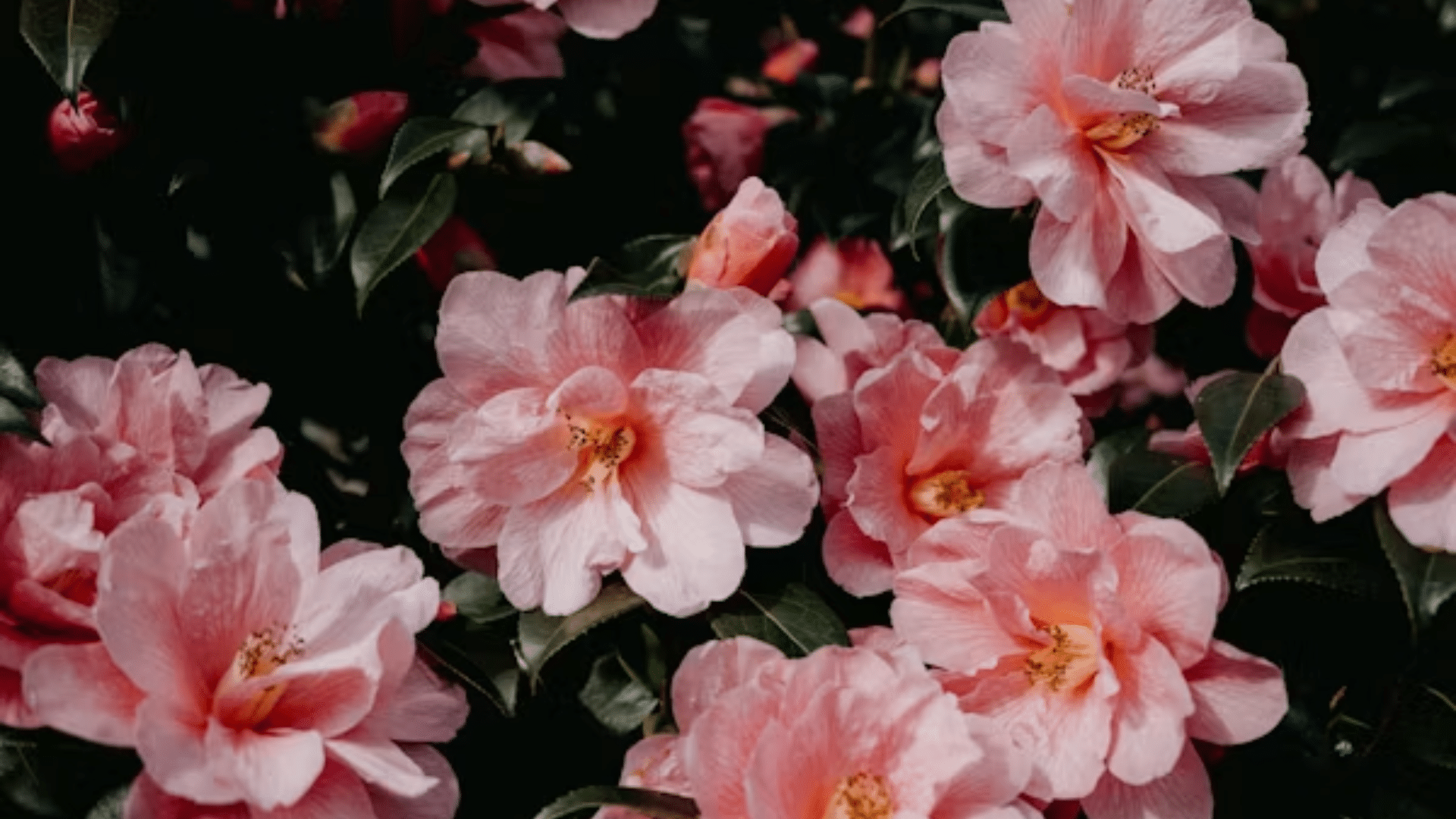
Camellia is an evergreen flowering shrub known for its large, rose-like blooms and glossy green foliage.
It flowers during winter and early spring, producing blooms in shades of white, pink, red, and bi-color combinations.
Commonly used as a specimen plant or hedge, Camellia adds structure and seasonal color to landscapes while maintaining attractive foliage throughout the year.
- Time to flower: Blooms from fall through early spring, depending on the variety.
- Light preference: Partial shade.
- Water routine: Water regularly, especially during dry periods.
- Distinct trait: Produces large, colorful flowers when few other plants are in bloom.
12. Winter Jasmine
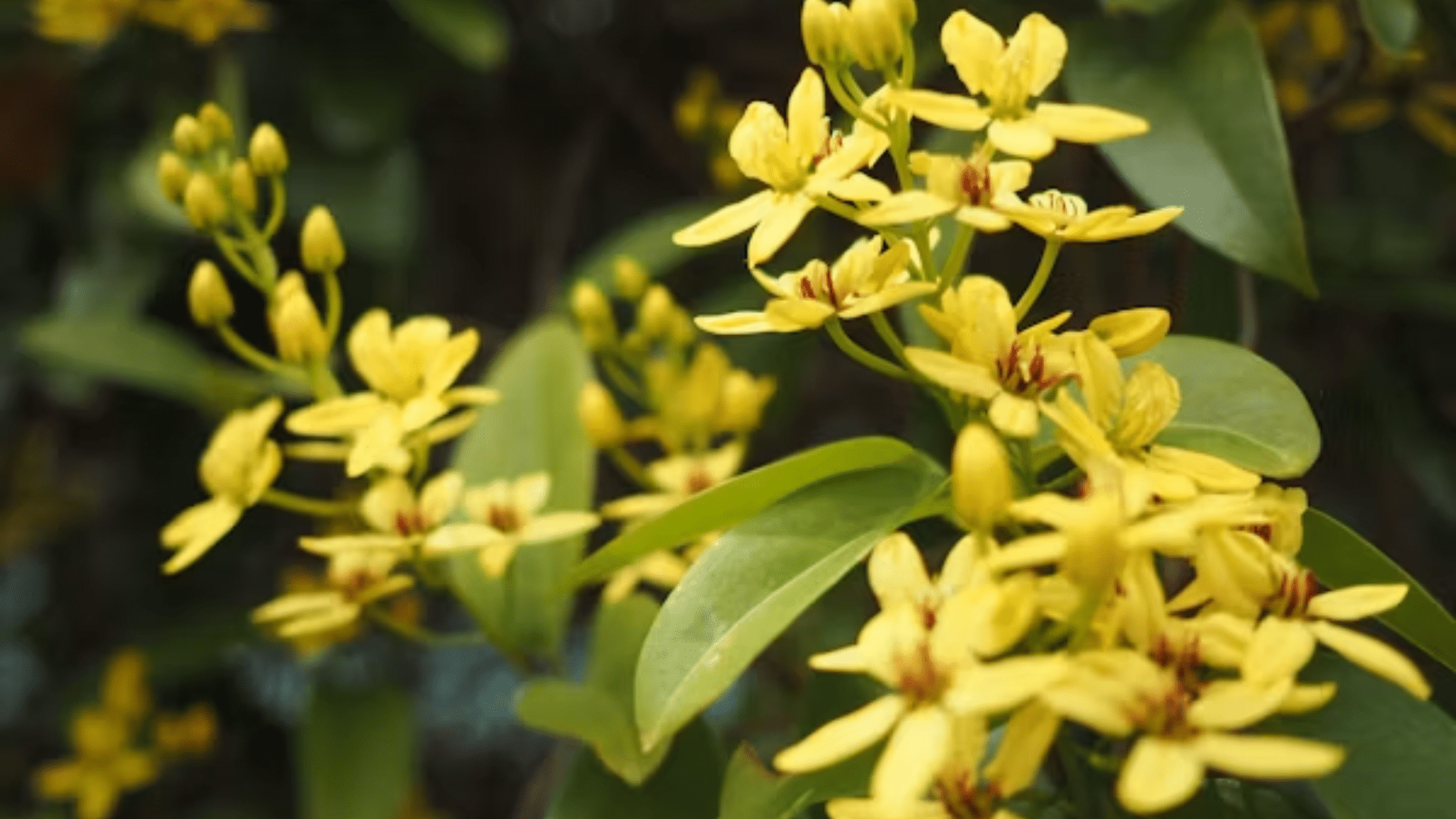
Winter Jasmine is a deciduous shrub valued for its bright yellow flowers that appear during the coldest months.
It blooms on bare green stems before leaves emerge, creating a striking winter display. Its arching growth habit makes it suitable for walls, slopes, borders, and ground cover.
This adaptable plant provides cheerful color and visual interest when most garden plants are dormant.
- Time to flower: Blooms from late winter into early spring.
- Light preference: Full sun to partial shade.
- Water routine: Water moderately once established.
- Distinct trait: Produces cheerful yellow flowers on bare stems before leaves emerge.
13. Cyclamen
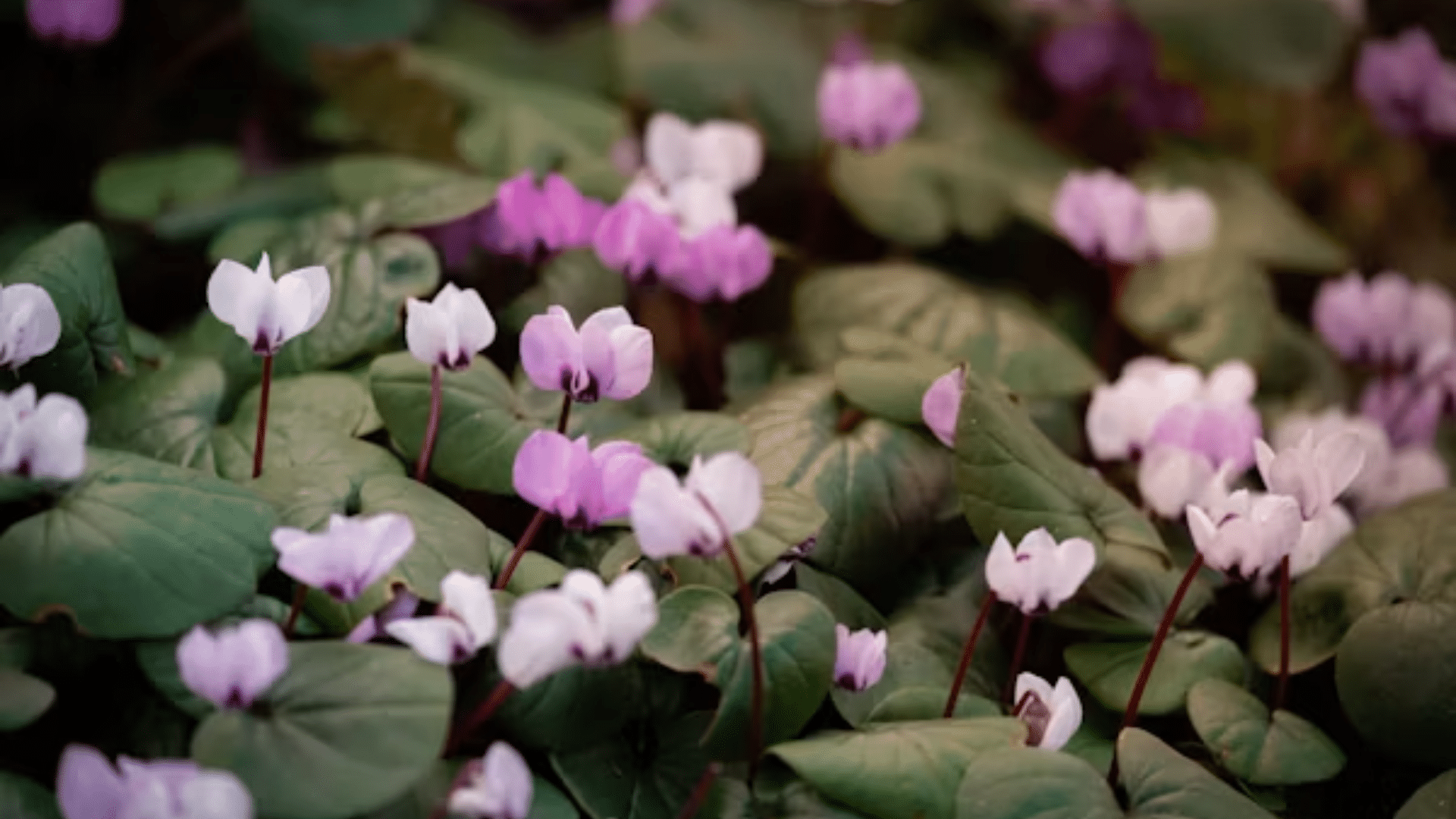
Cyclamen is a compact flowering plant admired for its upswept petals and decorative foliage. It blooms throughout the cooler months in shades of pink, red, white, and purple.
Its heart-shaped leaves often feature attractive silver patterns, adding beauty even when flowers are absent.
Cyclamen is commonly grown in containers, window boxes, and shaded garden spaces due to its long flowering period.
- Time to flower: Blooms from late fall through winter.
- Light preference: Bright indirect light or partial shade.
- Water routine: Keep soil lightly moist while actively growing.
- Distinct trait: Features unique butterfly-shaped flowers and attractive patterned leaves.
14. Snowdrop
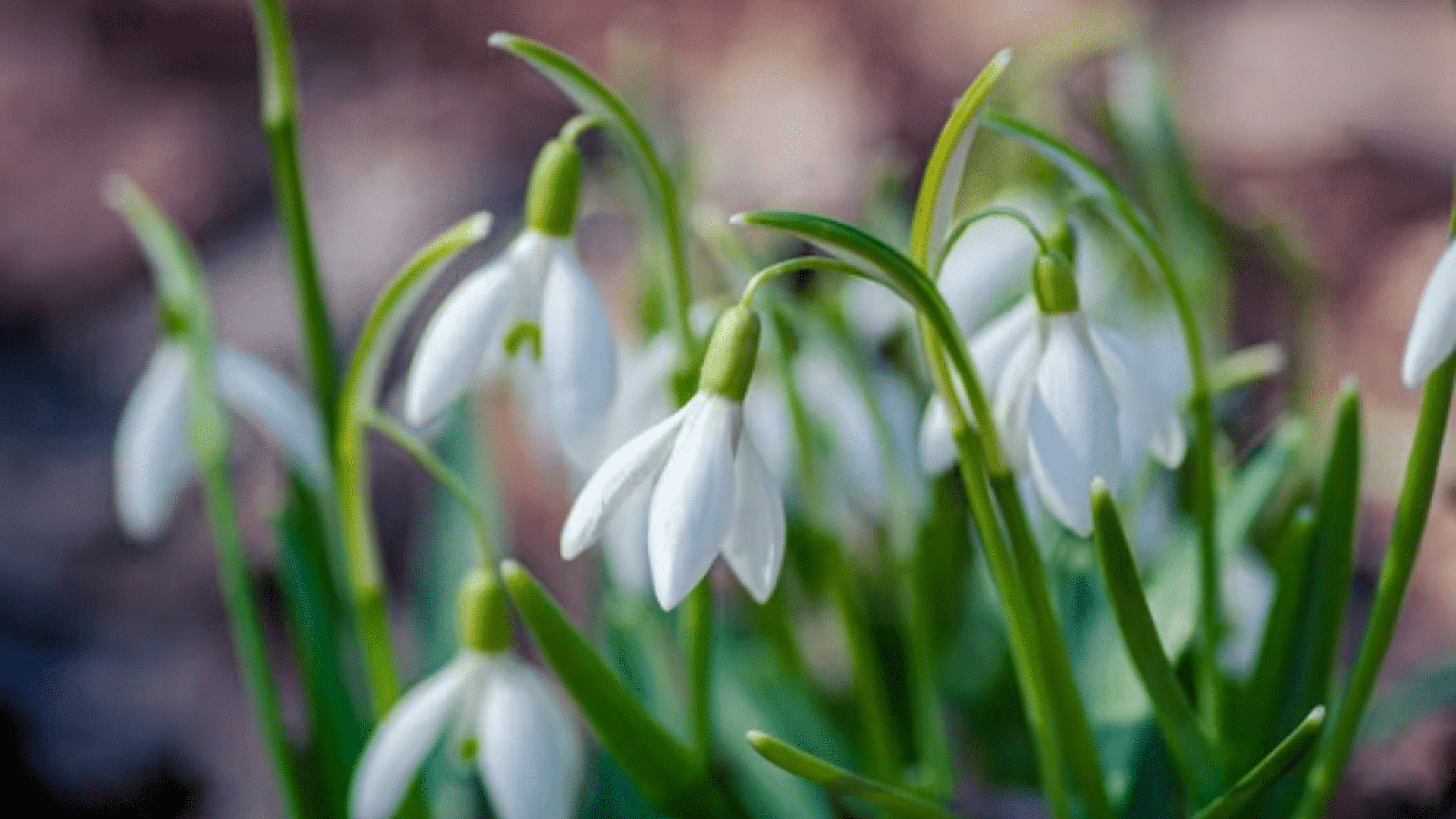
Snowdrop is one of the earliest winter-blooming bulbs, often flowering while snow remains on the ground.
It produces delicate white, bell-shaped flowers that symbolize the approach of spring. Despite its delicate appearance, Snowdrop is highly cold-hardy and thrives in winter conditions.
It is commonly planted beneath trees, along pathways, or in naturalized areas for an elegant seasonal display.
- Time to flower: Blooms in late winter.
- Light preference: Full sun to partial shade.
- Water routine: Requires moderate moisture and well-drained soil.
- Distinct trait: Produces small white bell-shaped flowers that thrive in cold weather.
15. Winter Aconite
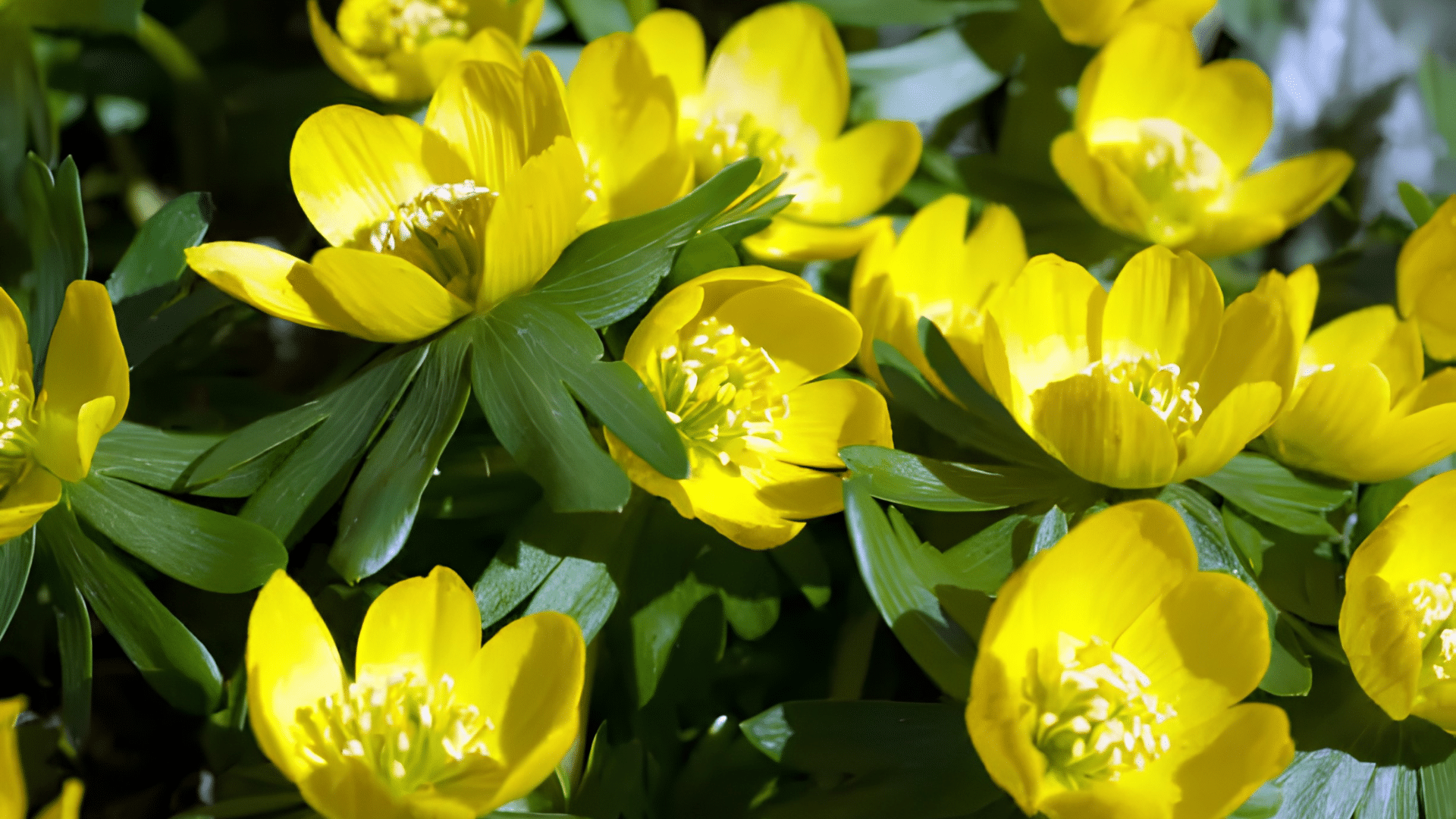
Winter Aconite is a low-growing perennial known for its bright golden-yellow flowers that bloom in late winter. The blooms emerge close to the ground and are surrounded by attractive green bracts.
Often planted in groups, it creates colorful ground cover in woodland gardens, borders, and naturalized landscapes.
Its early flowering habit brings vibrant color to otherwise dormant winter gardens.
- Time to flower: Blooms in late winter.
- Light preference: Full sun to partial shade.
- Water routine: Keep soil moist but not waterlogged.
- Distinct trait: One of the earliest flowering plants, producing vibrant yellow blooms before spring arrives.
How Do Winter Flowers Change Garden Design?
Winter-flowering plants can be used in various layouts, such as borders, containers, and layered designs, to create an attractive, well-structured garden space.
- Border Design: Uses winter-flowering plants along garden edges to create clean boundaries and enhance visual definition.
- Balcony Arrangement: Suitable for pots and containers in compact spaces, supporting greenery in small home gardens.
- Color Themes: Combines multiple shades of flowers to enhance contrast and create a visually engaging layout.
- Layered Structure: Arranges plants of different heights to add depth and a more dynamic garden appearance.
- Pathway Styling: Placing flowering plants along walkways highlights paths and improves overall garden structure and flow.
Tips for Winter Flowering Plants and Garden Health
Winter flowering plants add vibrant color and beauty to gardens during the colder months.
| Factor | Care Guidance | Result |
|---|---|---|
| Temperature protection | Keep plants in sheltered areas away from strong, cold winds | Steady growth support |
| Light balance | Ensure plants receive adequate natural daylight | Healthy flowering response |
| Water control | Water only when the soil feels slightly dry | Strong root condition |
| Soil quality | Use a loose, well-drained growing mix | Better root health |
| Plant maintenance | Remove faded or dried blooms regularly | Longer flowering period |
| Nutrition | Apply mild organic feed during the growth phase | Improved plant strength |
Conclusion
Winter flowers can make a big difference in how your garden looks and feels during the colder months.
By choosing the right plants, you can enjoy bright colors, interesting shapes, and fresh growth even when many other plants are dormant.
Proper watering, sunlight, and basic care help these flowers grow all season.
No matter the size of your outdoor space, winter-blooming plants can keep it lively and inviting.
Have you grown any winter flowers in your garden? Share your favorite varieties and experiences in the comments below.
Frequently Asked Questions
What Flowers Bloom in January and February?
Pansies, violas, camellias, and hellebores are common flowers that bloom during January and February.
What Flowers Can Survive Extreme Cold?
Pansies, violas, snowdrops, and hellebores are known for their ability to tolerate freezing temperatures.
What Plants Survive Winter?
Evergreen shrubs, ornamental grasses, hellebores, pansies, and violas are among the plants that survive winter conditions.