

Some roses stop you in your tracks, while others barely get a second glance. The difference often comes down to choosing the right variety.
Different types of roses offer their own colors, fragrances, bloom shapes, and growing habits, making some better suited for your garden than others.
I’ll walk you through the most popular rose types, what makes each one stand out, where they grow best, and how to care for them.
By the end, you’ll know which roses match your space, style, and gardening goals, making it much easier to plant with confidence.
How Are Roses Classified?
Roses are classified based on their breeding history, growth habit, flower form, and blooming pattern. These classifications help gardeners compare different types and choose the best rose for their needs.
Rose classification makes it easier to understand how different varieties grow and perform in the garden.
One of the main groups is old garden roses, introduced before 1867 and known for their fragrance.
Modern roses were developed after that period and often bloom repeatedly throughout the season. Roses are also grouped by how they grow, such as climbing, shrub, miniature, and ground cover roses.
Flower size, petal arrangement, and bloom shape also play a role in classification.
Knowing these groups helps you select a rose that suits your available space, climate, maintenance preferences, and desired appearance.
How to Choose the Right Type of Rose?
Choosing the right rose depends on your garden space, local climate, and the amount of care you are willing to provide. Keeping these factors in mind will help you select a variety that grows well.
- Consider Your Garden Space: Match the rose to the space you have. Climbing roses are perfect for walls, fences, and trellises, while miniature roses are ideal for containers, patios, and compact gardens.
- Choose a Maintenance Level: If you want an easy-to-care-for plant, consider shrub or ground cover roses. Hybrid tea roses usually require more pruning, feeding, and regular care to maintain their appearance.
- Select Your Preferred Bloom Style: Some roses produce a single large bloom on each stem, while others produce clusters of blooms. Pick the flower style that best suits your garden design.
- Think About Fragrance: If you enjoy fragrant flowers, old garden and English roses are excellent options. Many modern roses are bred for longer blooming periods and may have a lighter scent.
- Match the Rose to Your Climate: Choose varieties well-suited to your USDA Hardiness Zone. Roses adapted to your local growing conditions are more likely to stay healthy, bloom consistently, and thrive over time.
Different Types of Roses
With so many rose varieties available, finding the right one can feel overwhelming. Each type has its own bloom shape, fragrance, growth habit, and care needs.
1. Hybrid Tea Roses
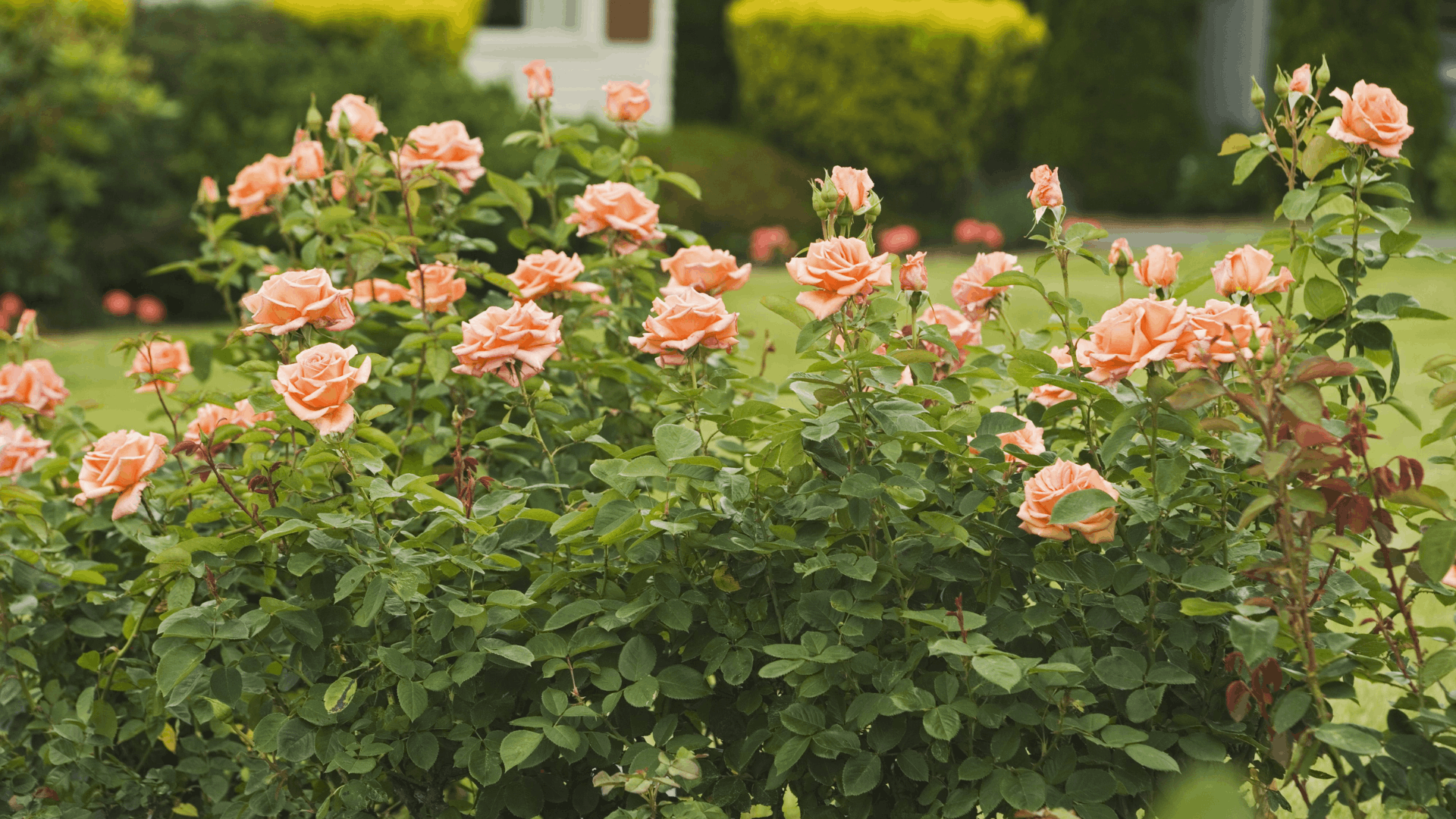
Hybrid tea roses are the classic roses most people picture when they think of a rose garden. They produce one large, perfectly shaped bloom on each long stem, making them a favorite for bouquets and floral arrangements.
Wide varieties offer a light-to-rich fragrance and bloom repeatedly from late spring through fall.
They grow best in full sun with fertile, well-draining soil. Although they need regular pruning, watering, and feeding, their elegant flowers make them a rewarding choice for gardeners who love traditional roses.
2. Floribunda Roses
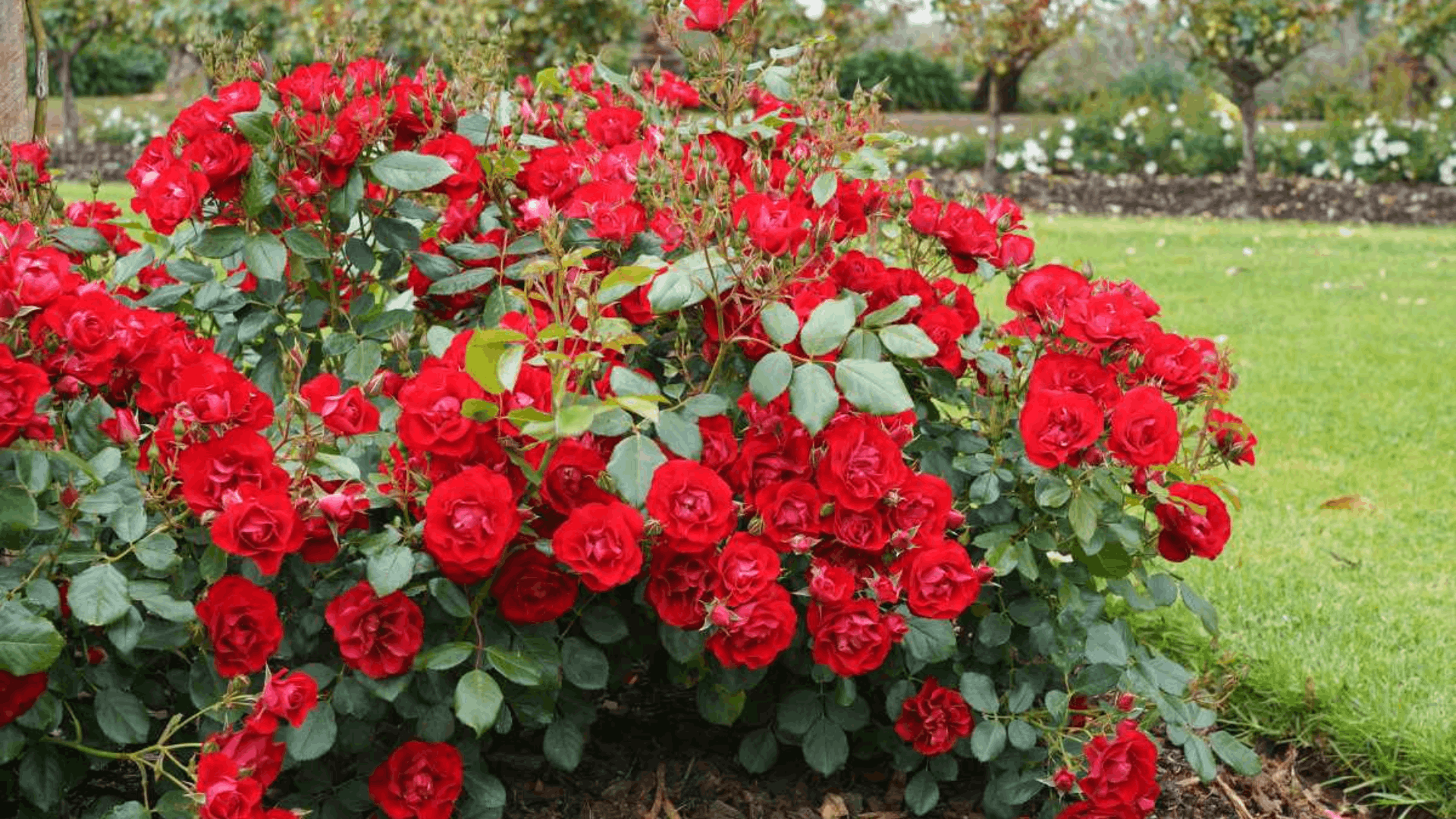
Floribunda roses are known for producing clusters of flowers rather than a single bloom on each stem.
Their continuous flowering habit keeps gardens colorful from spring until frost.
These roses are generally easier to grow than hybrid teas, and wide varieties have good disease resistance, making them a popular choice for beginners.
They perform best in full sun and well-drained soil and work beautifully in borders, flower beds, and mass plantings where they create a vibrant display throughout the season.
3. Grandiflora Roses
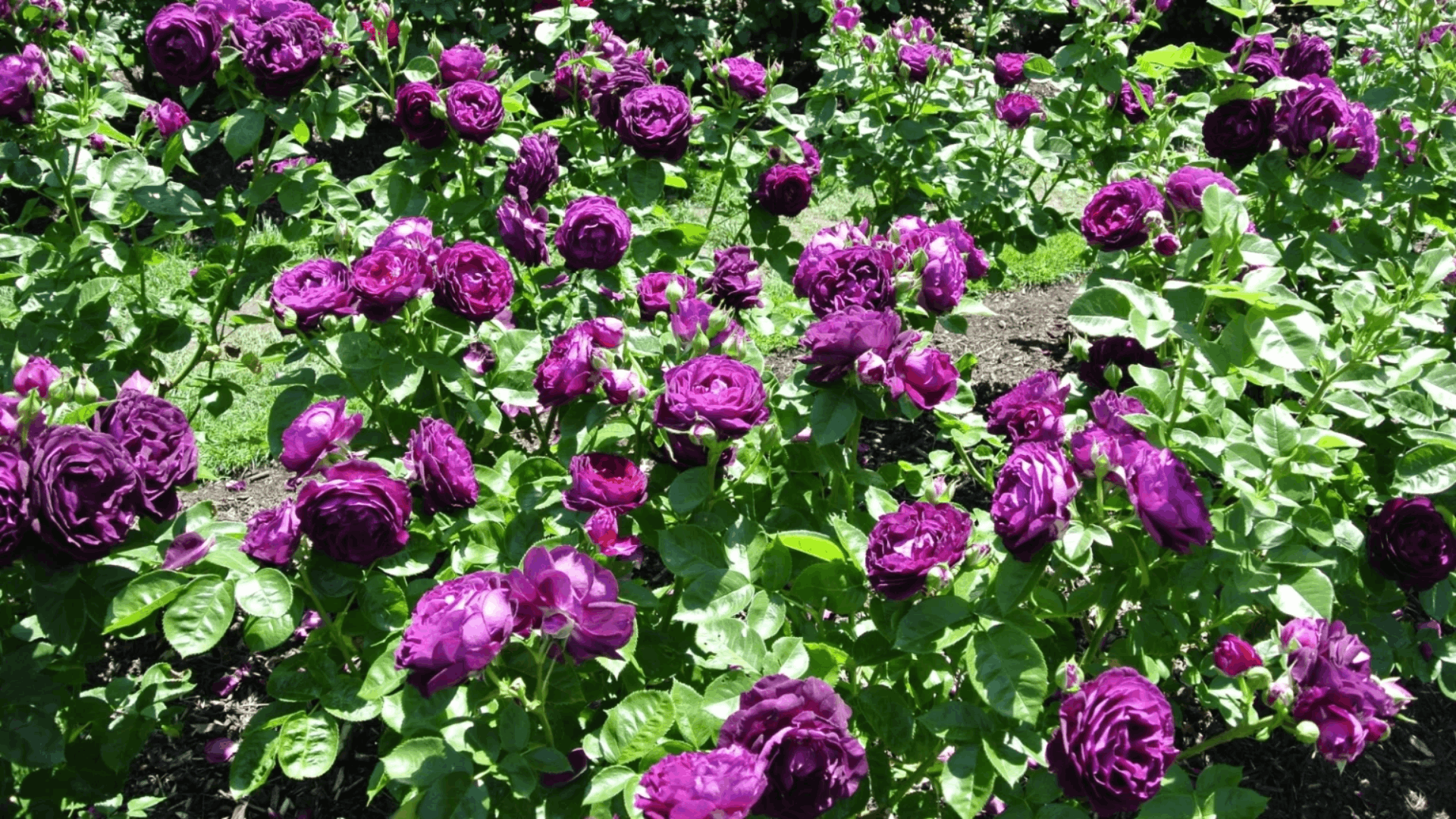
Grandiflora roses combine the large, elegant flowers of hybrid tea roses with the clustered blooms of floribundas.
They typically grow taller than many other rose varieties, making them excellent focal points in garden beds or along fences. Most varieties bloom several times during the growing season, providing long-lasting color.
These roses prefer full sun, fertile soil, and regular pruning to maintain their shape.
If you want impressive height along with abundant flowers, grandiflora roses are an excellent option.
4. Shrub Roses
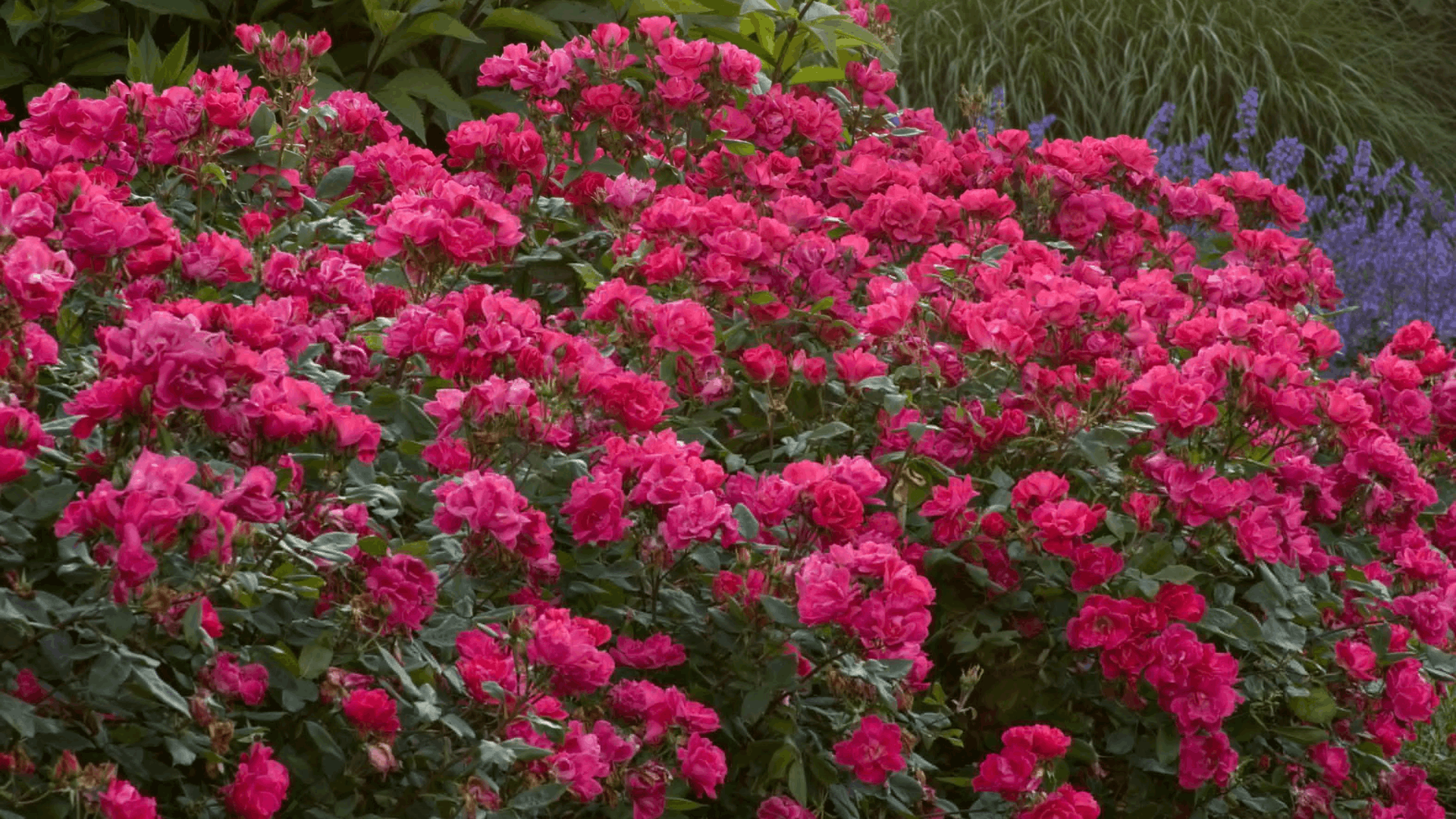
Shrub roses are among the easiest types to grow because they are hardy, adaptable, and require less maintenance than many traditional roses.
They produce generous blooms in either single flowers or clusters and often have excellent resistance to common rose diseases.
These versatile plants work well as hedges, foundation plantings, or standalone landscape shrubs.
Most shrub roses thrive in full sun with well-draining soil and continue blooming throughout much of the growing season with only basic watering, pruning, and feeding.
5. English (David Austin) Roses
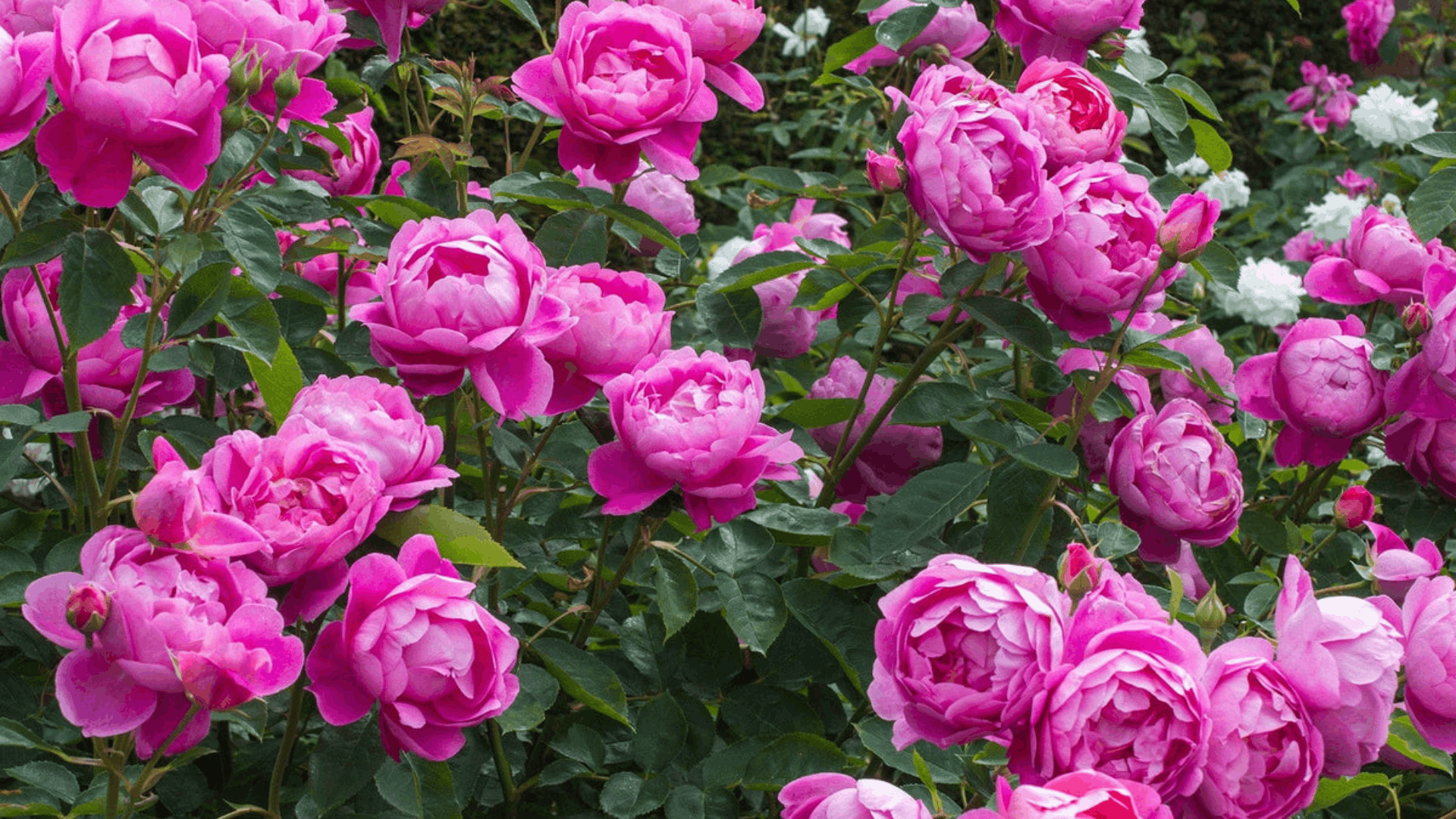
English roses, often called David Austin roses, combine the romantic beauty of old garden roses with the repeat blooming of modern varieties.
Their large, cup-shaped flowers and rich fragrance make them a favorite among home gardeners. Many bloom several times during the season and develop into graceful shrubs with attractive foliage.
They grow best in sunny locations with fertile, well-draining soil and regular feeding.
These roses are especially popular in cottage gardens where fragrance and classic flower forms take center stage.
6. Climbing Roses
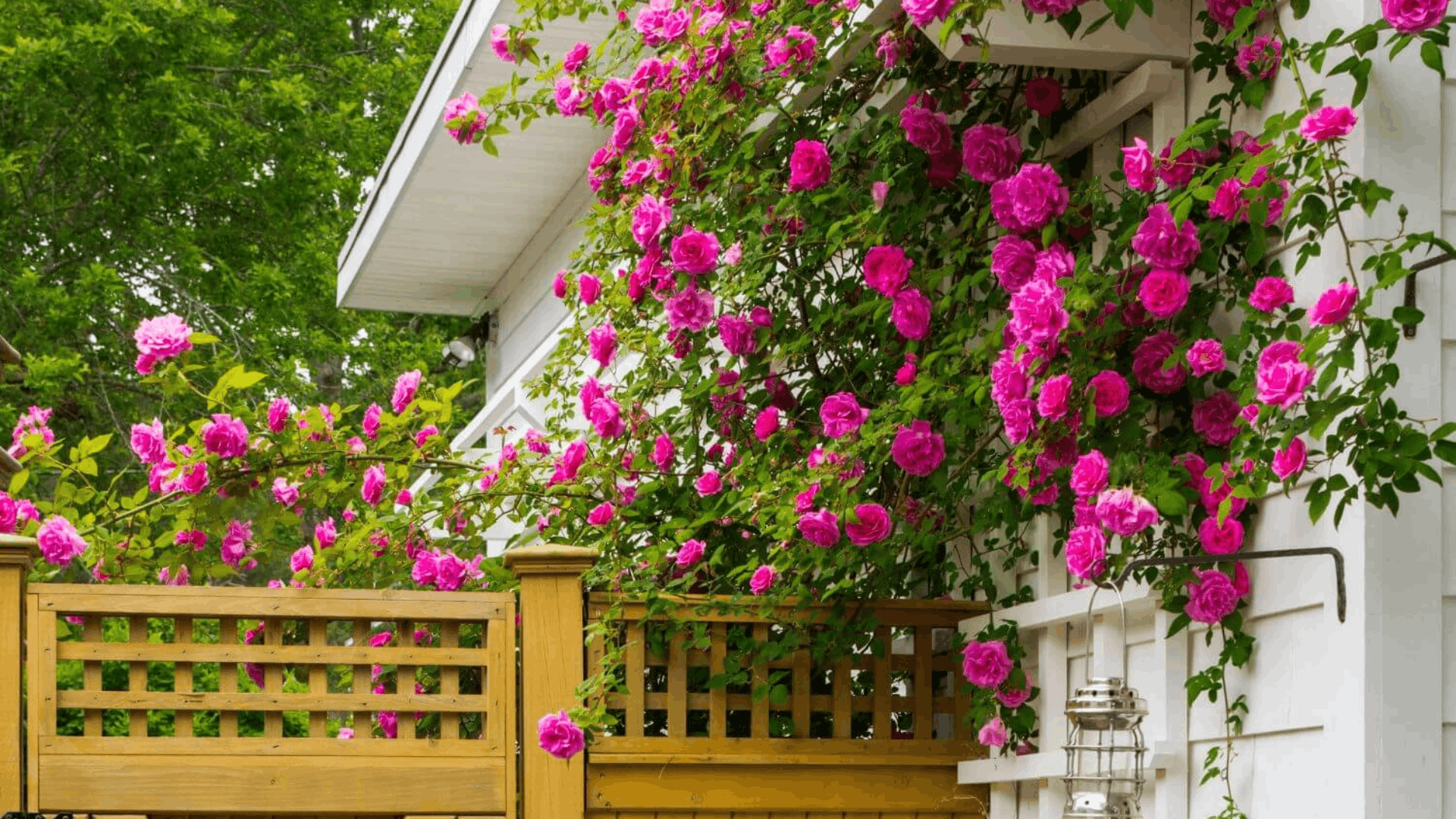
Climbing roses produce long, flexible canes that can be trained to grow over trellises, fences, pergolas, arches, and walls.
Unlike true climbing vines, they don’t cling on their own and need support as they grow.
Depending on the variety, they may bloom once or several times throughout the season. They perform best in full sun with sturdy support and yearly pruning to encourage healthy new growth.
Climbing roses are an excellent way to add vertical color and fragrance to your landscape.
7. Rambling Roses
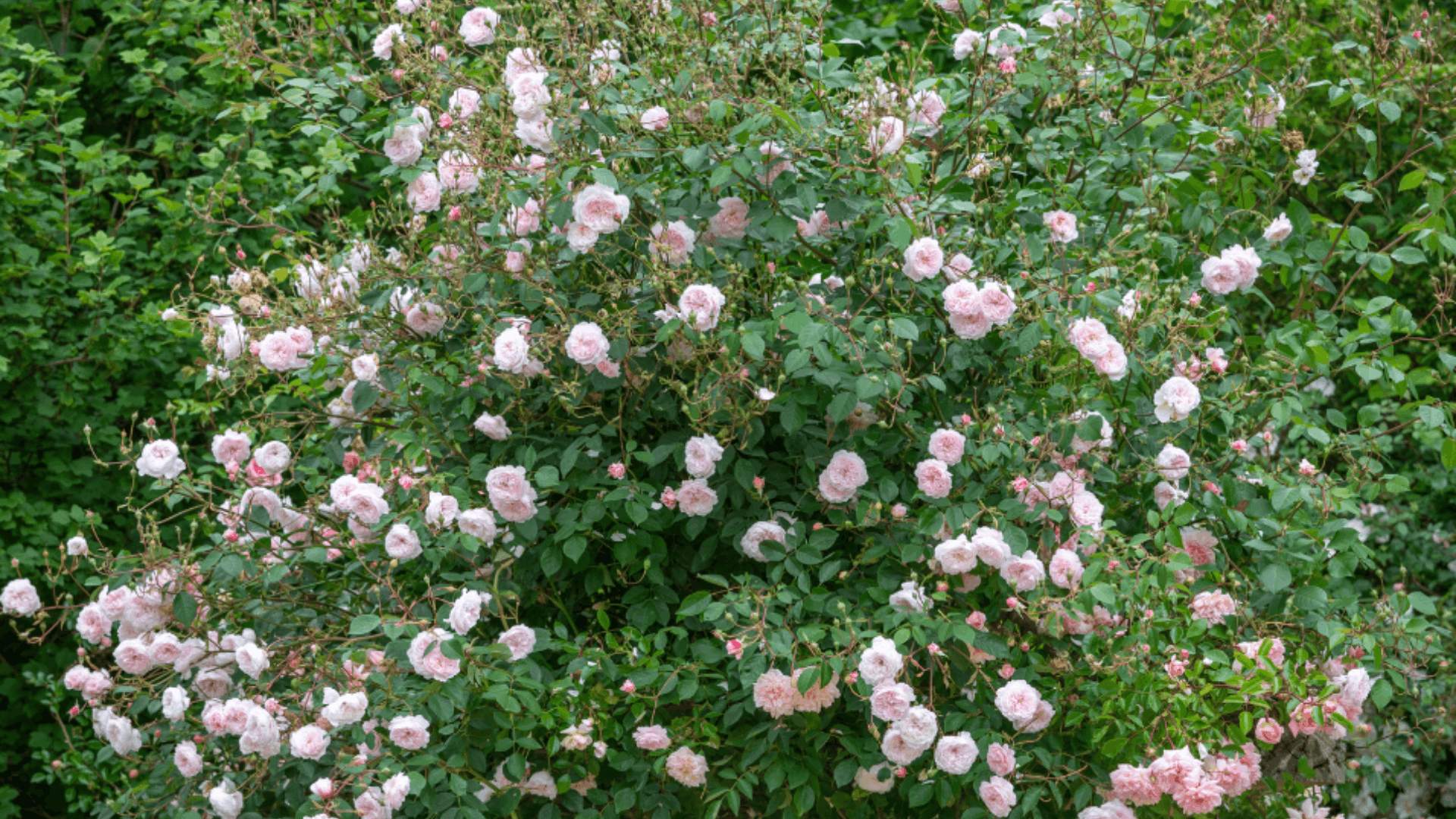
Rambling roses are vigorous growers that quickly spread across large structures with long, arching canes. They usually produce masses of smaller flowers during one spectacular bloom period in late spring or early summer.
Because they grow rapidly, they are best suited for large gardens, pergolas, walls, or mature trees where they have plenty of room to spread.
Pruning after flowering helps control their size and encourages healthy growth. Their dramatic displays make them a favorite for creating a classic garden look.
8. Miniature Roses
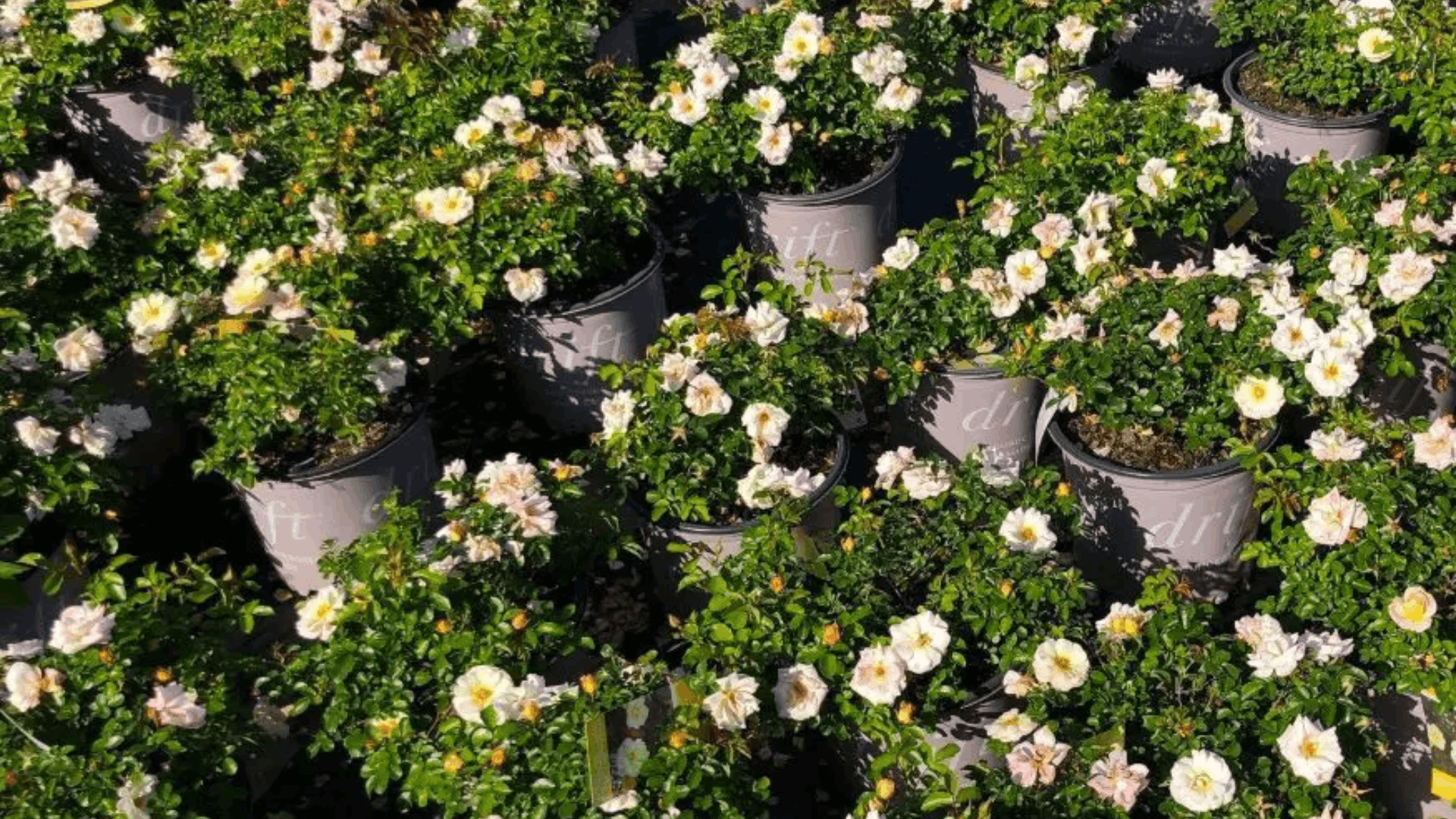
Miniature roses offer all the beauty of full-sized roses in a much smaller package. Their compact growth and delicate flowers make them perfect for containers, patios, balconies, window boxes, and small garden spaces.
A wide variety of blooms continuously from spring through fall when given enough sunlight and consistent watering.
Even though they’re small, they benefit from the same care as larger roses, including seasonal pruning, feeding, and deadheading.
They’re a great choice if you want colorful blooms without needing a large garden.
9. Ground Cover Roses
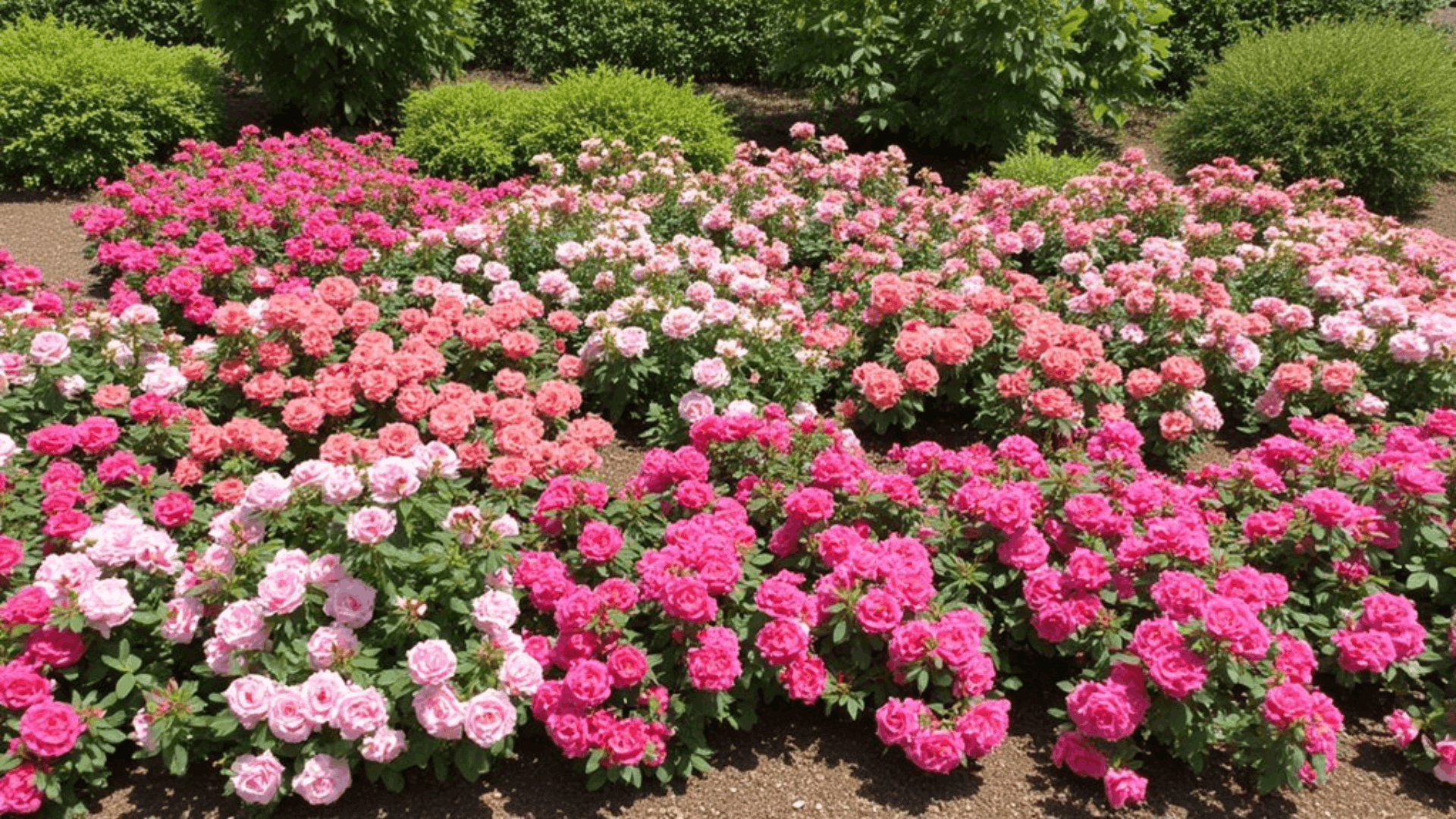
Ground cover roses spread low across the soil, forming a dense blanket of foliage and colorful flowers. They are often planted along slopes, pathways, retaining walls, and borders where they help suppress weeds while adding long-lasting color.
Wide varieties are hardy, disease-resistant, and require less pruning than upright roses, making them ideal for low-maintenance landscapes.
With full sun, well-draining soil, and occasional trimming, these roses continue to produce attractive blooms throughout much of the growing season.
10. Polyantha Roses
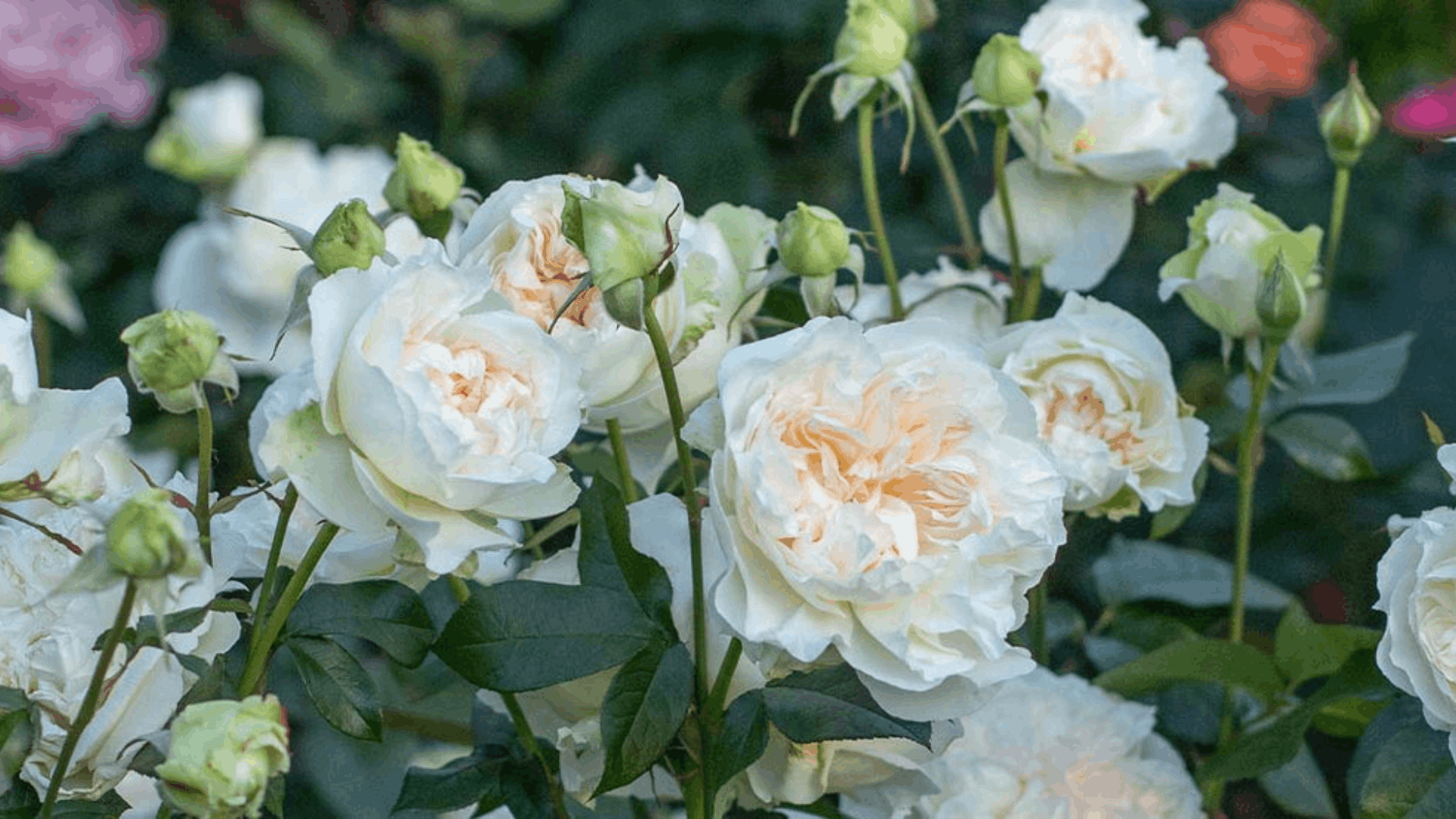
Polyantha roses are compact plants covered with clusters of small flowers that bloom repeatedly throughout the growing season.
Their dependable flowering habit and manageable size make them excellent for borders, edging, containers, and small landscape beds.
Wide varieties are hardy, relatively disease-resistant, and easy to maintain, making them a good choice for beginner gardeners.
They grow best in full sun with well-draining soil and benefit from routine deadheading, which helps encourage fresh blooms and keeps the plants looking neat.
11. Old Garden Roses
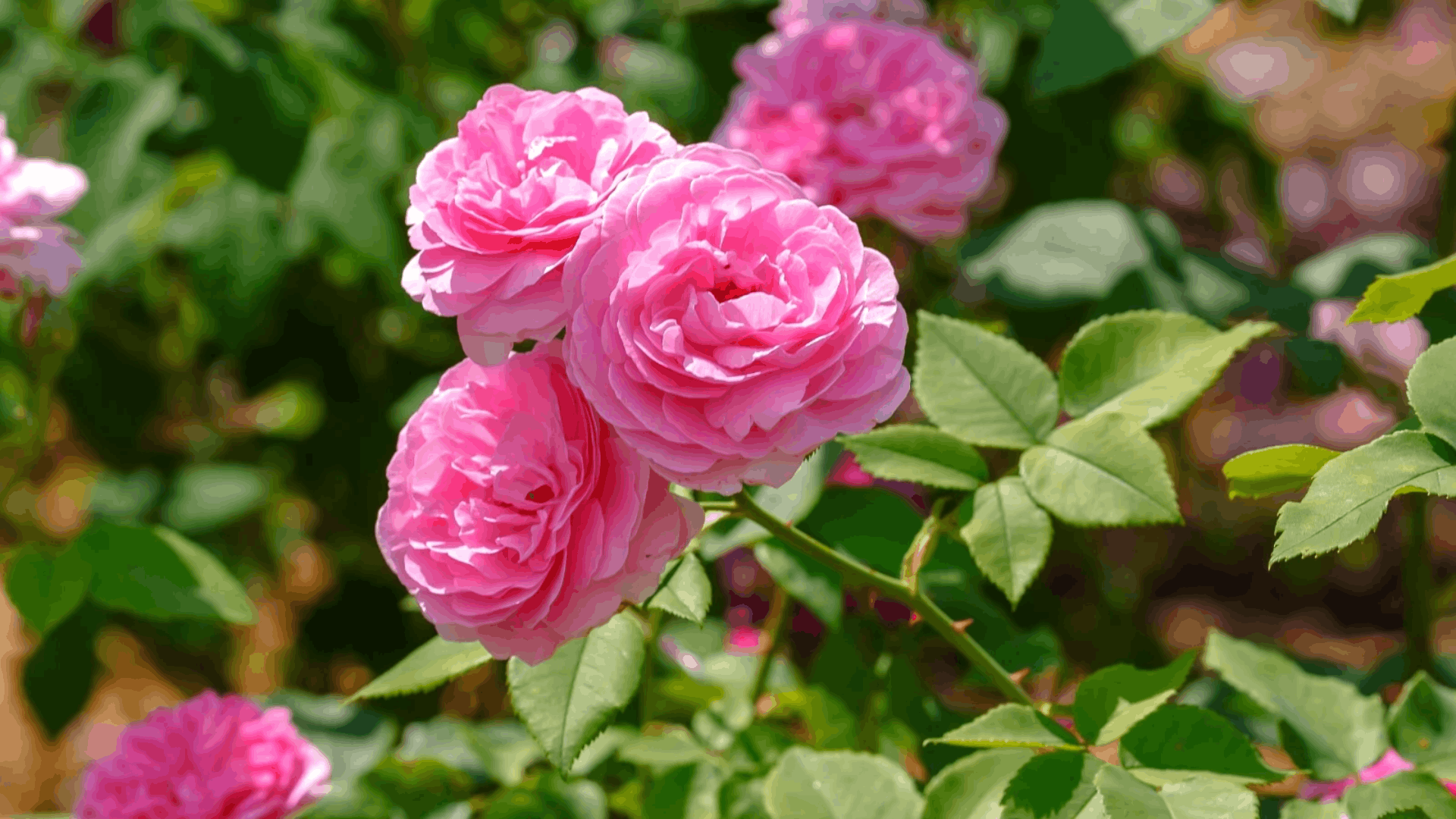
Old garden roses are heritage varieties that existed before modern hybrid roses were developed.
They are admired for their rich fragrance, soft layered blooms, and timeless charm that fits beautifully into traditional landscapes.
While many bloom only once each year, some repeat-flowering varieties are also available. These roses often have excellent cold tolerance and adapt well to cottage-style or historic gardens.
Gardeners who value fragrance, history, and classic flower forms continue to grow these treasured varieties.
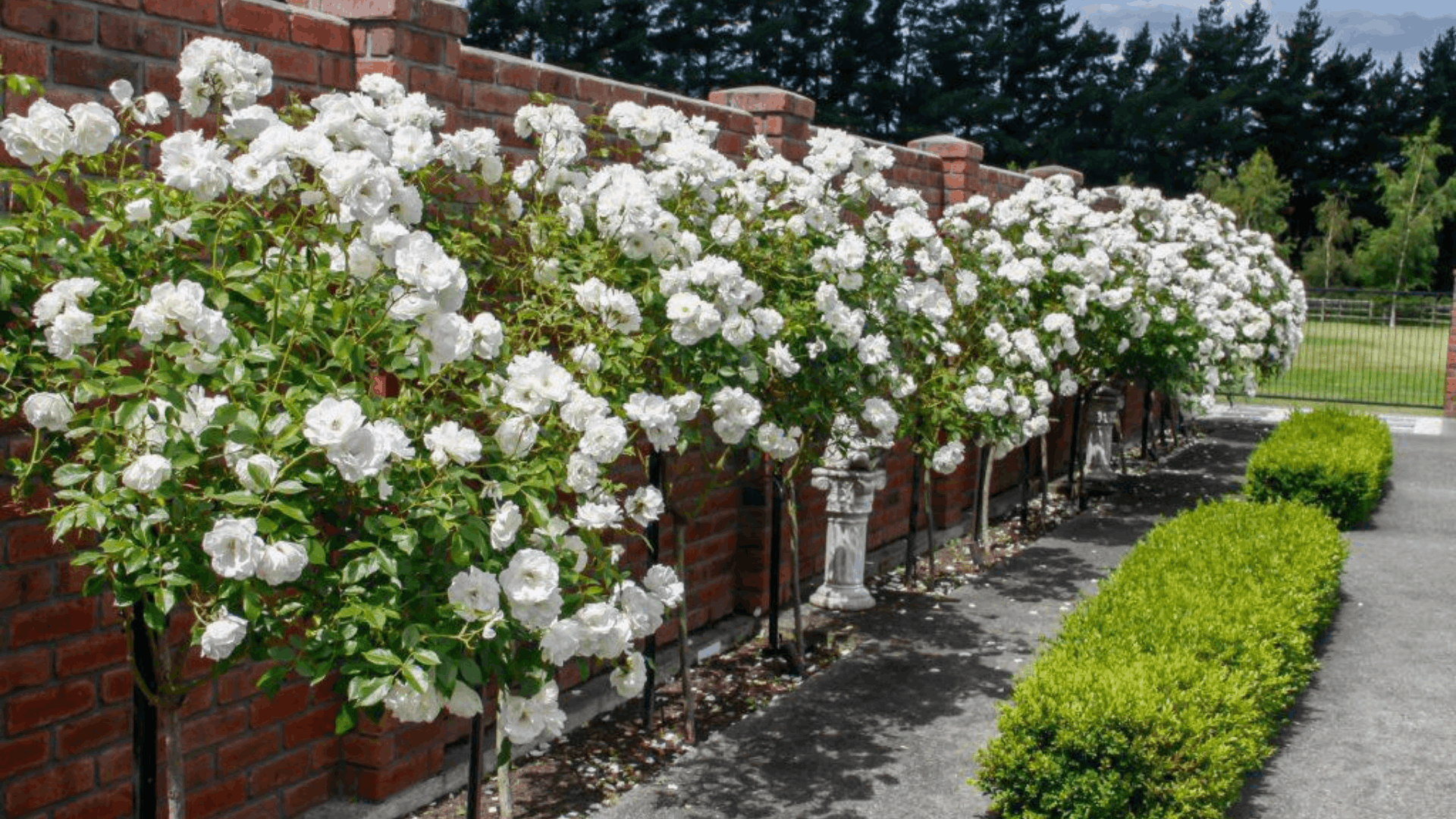
12. Tree Roses (Standard Roses)
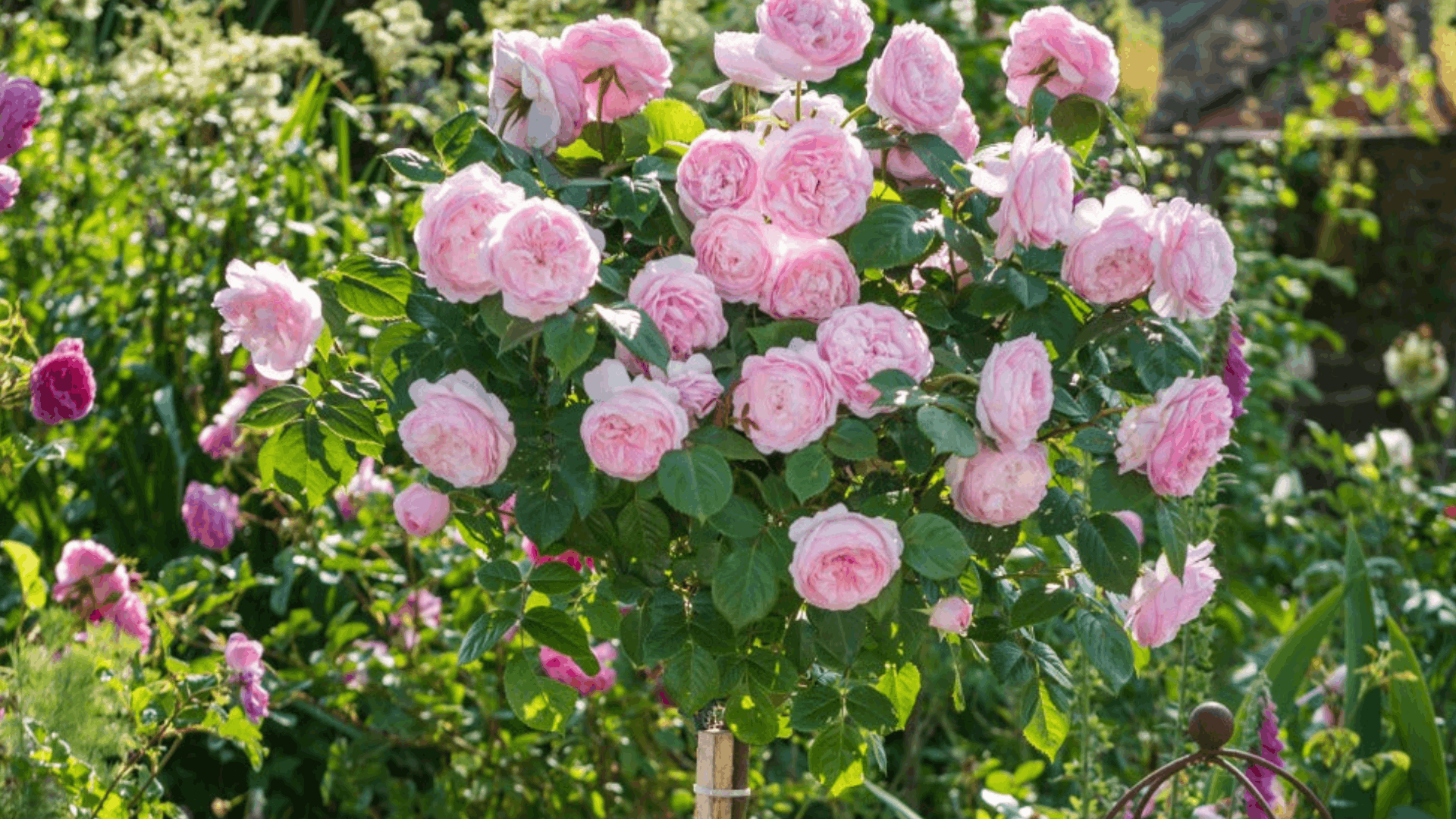
Tree roses, also known as standard roses, are created by grafting a rose variety onto a tall, upright trunk to resemble a small flowering tree.
Their unique shape makes them striking focal points for patios, entryways, walkways, and formal gardens.
They need full sun, regular watering, seasonal pruning, and support to keep the trunk stable.
In colder climates, winter protection is especially important. With proper care, tree roses provide elegant height and beautiful blooms throughout the growing season.
13. Moss Roses
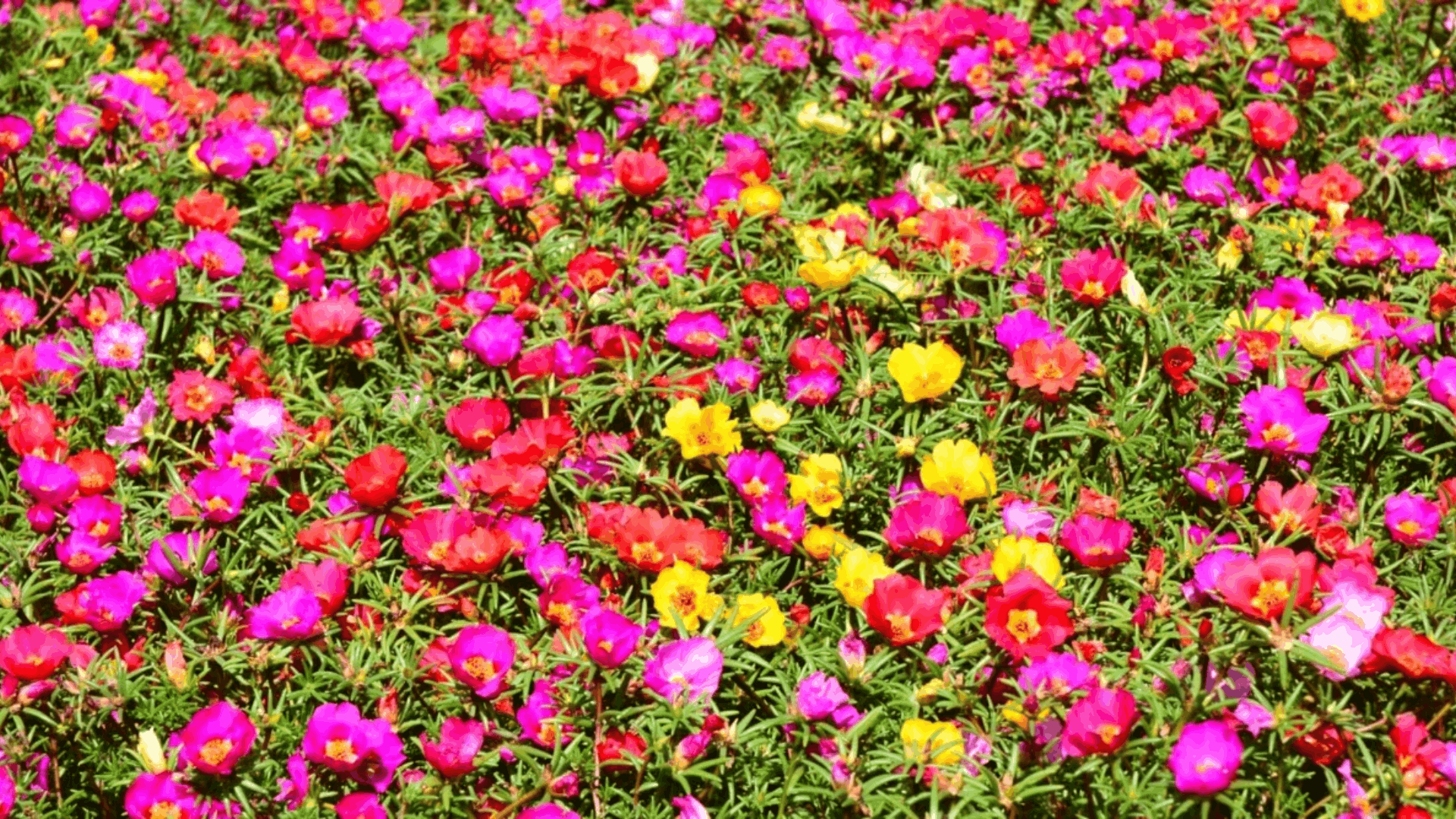
Moss roses are old garden roses known for the soft, moss-like growth that covers their buds and stems. They produce richly scented flowers in shades of pink, white, red, and purple, giving gardens a vintage appearance.
Most varieties bloom once in late spring or early summer, although some repeat-blooming types are available.
They grow best in full sun with fertile, well-draining soil and benefit from annual pruning after flowering. Moss roses are an excellent choice if you enjoy fragrant, heirloom-style gardens with classic appeal.
14. Bourbon Roses
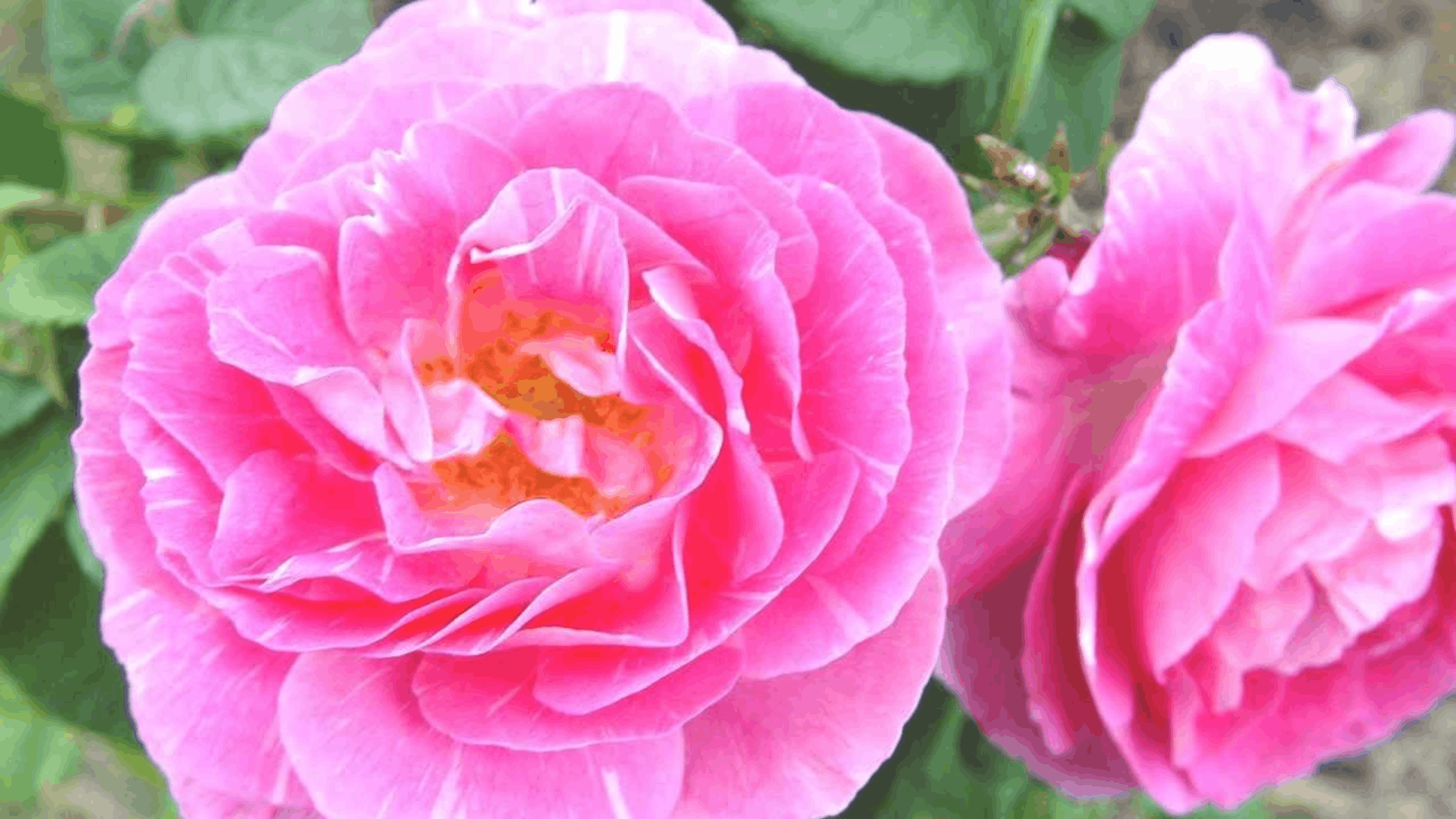
Bourbon roses are prized for their full, fragrant flowers and long blooming season.
Originally developed from old garden rose varieties, they combine classic beauty with the ability to flower repeatedly throughout the summer.
These roses grow as upright shrubs or short climbers, making them suitable for borders, trellises, and mixed garden beds.
They perform best in full sun with consistently moist, well-draining soil and regular pruning to encourage healthy growth and abundant blooms.
15. Rugosa Roses
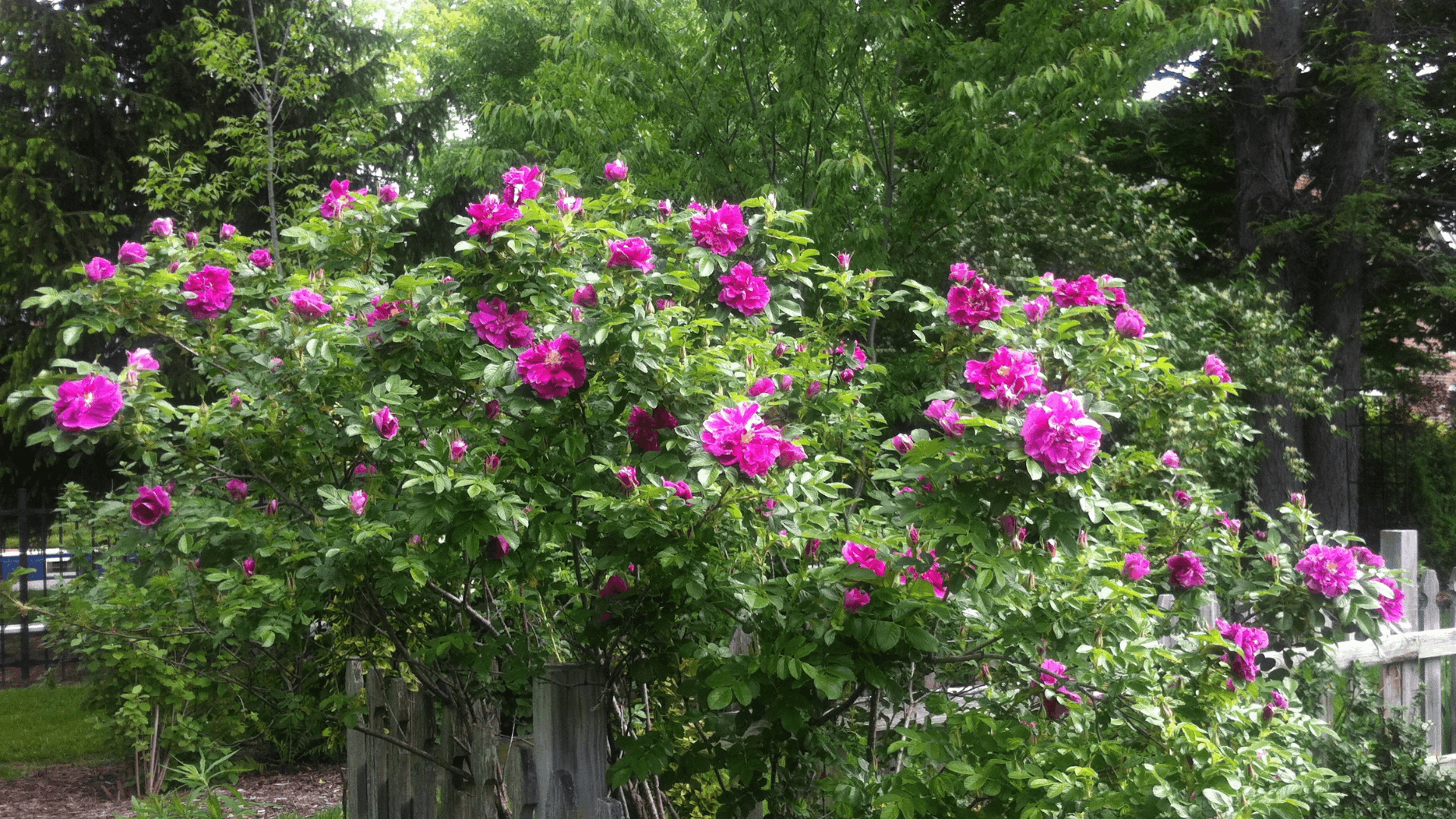
Rugosa roses are among the toughest rose varieties you can grow. They tolerate poor soil, coastal conditions, cold winters, and even salt spray better than many other types.
Their wrinkled leaves, fragrant flowers, and colorful rose hips provide interest long after the blooms have faded.
Rugosa roses require very little maintenance once established and naturally resist many common rose diseases.
They’re an excellent choice for low-maintenance landscapes, hedges, and gardeners looking for dependable performance year after year.
How to Cut and Harvest Roses for Floral Arrangements?
Proper cutting and harvesting help roses stay fresh longer in vases and encourage healthy growth on the plant. Using the right techniques also improves the appearance and lifespan of your floral arrangements.
- Cut in the Morning: Harvest roses early in the day when stems are full of moisture and flowers are at their freshest.
- Choose Partially Open Blooms: Pick flowers that are just beginning to open, as they continue blooming beautifully after being cut.
- Use Clean, Sharp Pruners: Make smooth cuts with sanitized pruning shears to reduce stem damage and lower the risk of spreading disease.
- Cut at a 45 Degree Angle: Angled cuts increase the surface area for water uptake and help keep stems from sitting flat on the vase bottom.
- Remove Lower Leaves: Strip off leaves that would sit below the waterline to prevent bacterial growth and keep the water cleaner.
- Place Stems in Water Immediately: Put freshly cut roses into clean, cool water as soon as possible to reduce moisture loss and maintain freshness.
- Refresh Stems Before Arranging: Trim about half an inch from each stem before placing roses in a vase to improve water absorption and extend vase life.
Growing Conditions Different Types of Roses Prefer
Although every variety has its own preferences, most roses flourish when they receive the right balance of sunlight, water, and healthy soil.
| Growing Factor | What Most Roses Prefer |
|---|---|
| Sunlight | At least 6 hours of direct sun each day |
| Soil | Rich, well-draining soil with organic matter |
| Water | Deep watering once or twice a week |
| USDA Zones | Most grow well in Zones 4–9, depending on variety |
| Fertilizer | Balanced rose fertilizer during the growing season |
| Mulch | 2–3 inches around the base to retain moisture |
| Airflow | Good spacing to reduce disease risk |
| Pruning | Seasonal pruning to encourage healthy growth |
Rose Care Tips to Keep Plants Healthy and Blooming
Healthy roses don’t require complicated care, but a few simple habits can make a noticeable difference. Follow these tips to encourage vigorous growth and long-lasting blooms.
- Plant in full sun: Most roses bloom best with at least six hours of direct sunlight each day.
- Water deeply instead of often: Deep watering helps roots grow stronger and makes plants more resilient during dry weather.
- Feed roses regularly: Apply a balanced rose fertilizer according to the label during the active growing season.
- Remove faded flowers: Deadheading encourages wide repeat-blooming varieties to produce more flowers.
- Prune every year: Remove dead, weak, or crowded stems to improve airflow and support healthy new growth.
- Watch for pests and diseases: Check leaves often for aphids, black spot, or powdery mildew so you can address problems early.
- Refresh mulch when needed: Mulch helps retain moisture, keeps roots cooler, and reduces weed growth.
What to Plant with Roses?
The best plants to grow with roses are those that have similar sunlight and watering needs while helping improve the garden’s appearance and health.
Companion plants can also attract pollinators, reduce weeds, and make rose beds easier to maintain.
When choosing plants for roses, look for varieties that thrive in full sun and well-drained soil without competing heavily for nutrients.
Lavender, catmint, salvia, and alliums are popular choices because they complement roses and attract beneficial insects. Low-growing plants such as alyssum and creeping thyme help cover bare soil and reduce weed growth.
Herbs like sage and oregano can also grow well alongside roses in suitable conditions.
Leave enough space between plants to maintain good air circulation, which helps reduce moisture buildup and supports healthy rose growth throughout the season
Which Different Types of Roses Are Best for Beginners?
If you’re planting roses for the first time, choose varieties that are dependable, disease-resistant, and easy to maintain. These roses are forgiving and perform well in many home gardens.
| Rose Type | Why It’s Good for Beginners | Best For |
|---|---|---|
| Shrub Roses | Hardy, disease-resistant, and need little pruning | Low-maintenance gardens |
| Knock Out Roses | Bloom repeatedly and resist common rose diseases | Busy gardeners and landscapes |
| Floribunda Roses | Produce many flowers with relatively easy care | Colorful flower beds |
| Ground Cover Roses | Spread easily, suppress weeds, and require minimal upkeep | Slopes, borders, and large spaces |
| Miniature Roses | Compact, easy to manage, and suitable for containers | Patios, balconies, and small gardens |
| David Austin (English) Roses | Combine classic fragrance with improved repeat blooming | Cottage-style gardens |
| Landscape Roses | Tough, adaptable, and blooms for a long season | Public landscapes and home gardens |
Common Mistakes to Avoid when Growing Roses
Even easy-to-grow roses can struggle if basic care is overlooked. Avoiding these common mistakes will help your plants stay healthier and bloom more consistently.
- Planting in Too Much Shade: Most roses need plenty of sunlight to flower well. Too much shade often leads to fewer blooms and weaker growth.
- Watering Too Frequently: Shallow, frequent watering encourages weak roots. Water deeply and allow the soil to dry slightly between watering sessions.
- Crowding Plants Together: Poor spacing limits airflow, increasing the risk of fungal diseases. Leave enough room for each rose to reach its mature size.
- Skipping Seasonal Pruning: Pruning removes damaged growth and encourages stronger stems. Neglecting it can result in crowded plants with fewer flowers.
- Using Too Much Fertilizer: Overfeeding promotes leafy growth at the expense of flowers and may even damage roots. Always follow the recommended application rate.
- Ignoring Early Signs of Disease: Yellow leaves, black spots, or powdery growth should never be ignored. Addressing problems early helps prevent them from spreading.
Conclusion
I hope this guide has made choosing between the different types of roses feel a lot simpler. I know how easy it is to get overwhelmed by all the beautiful options, but once you match a rose to your space, climate, and gardening style, the decision becomes much easier.
Taking a little time to compare your options now will help you enjoy healthier plants and a garden you’ll love for years to come.
If you’re planting your very first rose or expanding an existing collection, choosing the right variety is the first step toward success.
Keep this guide handy whenever you’re comparing roses, and use it to confidently pick the varieties that best fit your garden and growing goals. Happy planting!
Frequently Asked Questions
What Is the Most Common Rose Variety?
Hybrid tea roses are the most common variety, valued for their large blooms, long stems, and repeat flowering.
What Is the Rarest Rose Flower?
The Juliet rose is often considered one of the rarest roses because of its unique breeding history and limited availability.
What Color Roses Don’t Exist?
True blue roses do not exist naturally. Blue-looking roses are usually specially bred or artificially dyed.
What Are the Roses Called that Bloom All Year?
No rose blooms year-round in every climate, but floribunda, shrub, and many English roses bloom repeatedly throughout the growing season.