

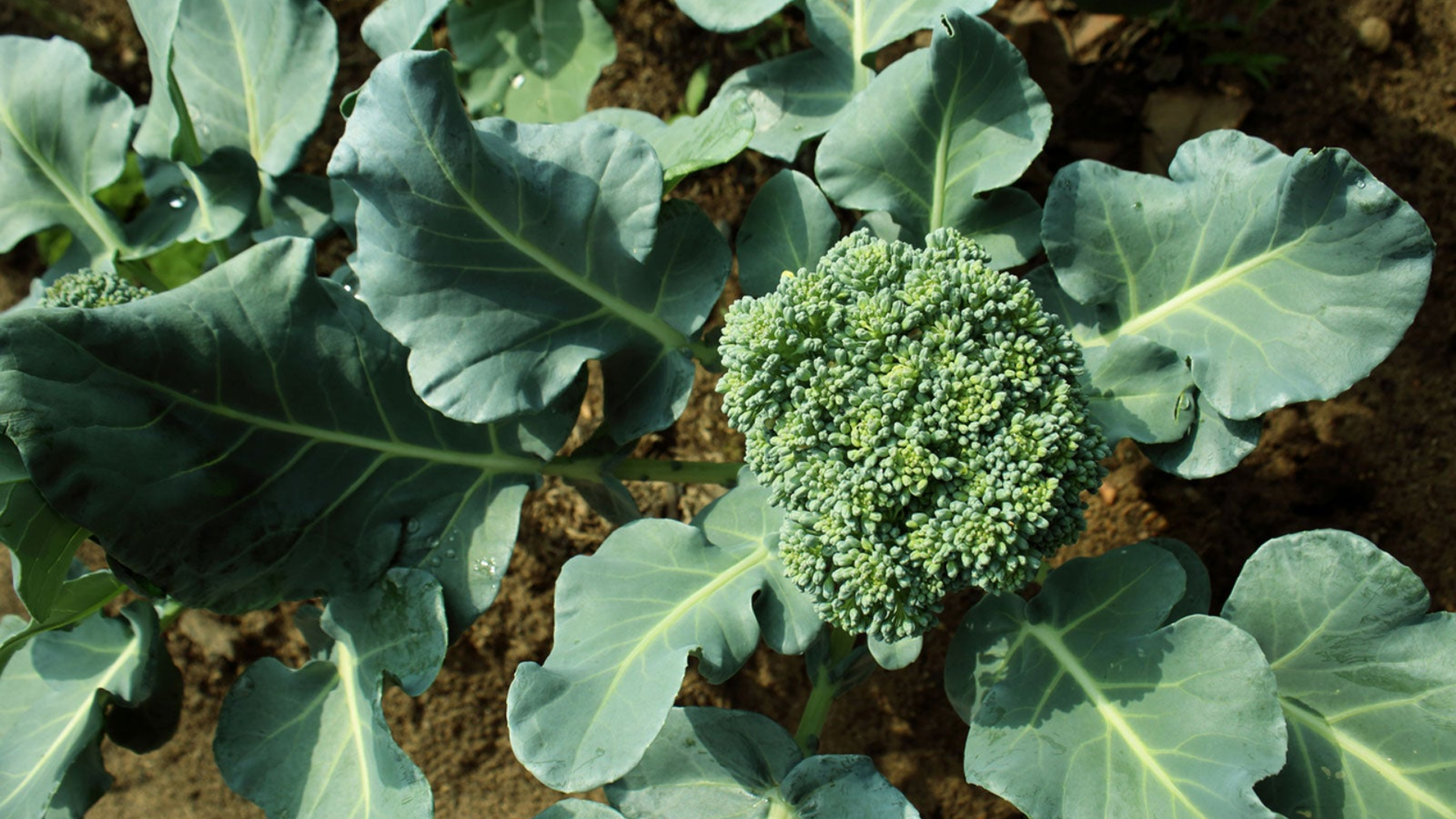
Planting broccoli in the garden often raises one important question: which plants should grow beside it?
I have found that choosing the right neighbors can make a noticeable difference in how healthy broccoli grows throughout the season.
Broccoli companion plants are vegetables, herbs, and flowers that support broccoli by attracting pollinators, discouraging common pests, improving soil conditions, or making better use of garden space.
At the same time, some plants compete with broccoli for nutrients or invite unwanted insects, making them poor companions.
In this guide, I’ll explain the best broccoli companion plants, plants to avoid, seasonal planting ideas, and practical gardening advice to help you grow stronger, healthier broccoli.
Why Do Broccoli Companion Plants Matter?
Broccoli is a heavy feeder that needs fertile soil, steady moisture, and protection from insects like cabbage worms and aphids.
Choosing suitable companion plants helps manage these challenges while reducing reliance on chemical treatments.
Knowing which plants work well together also helps you plan a more productive vegetable garden, reduce pest problems naturally, and use every bit of growing space more effectively.
The right plant combinations attract beneficial insects, improve pollination, and support healthier soil.
With thoughtful companion planting, your broccoli is more likely to grow stronger, produce better harvests, and face fewer common garden problems
What Are Broccoli Companion Plants?
Broccoli companion plants are those that grow well alongside broccoli and offer one or more gardening benefits. Some attract helpful insects, while others repel pests or improve the growing conditions around broccoli.
1. Onions
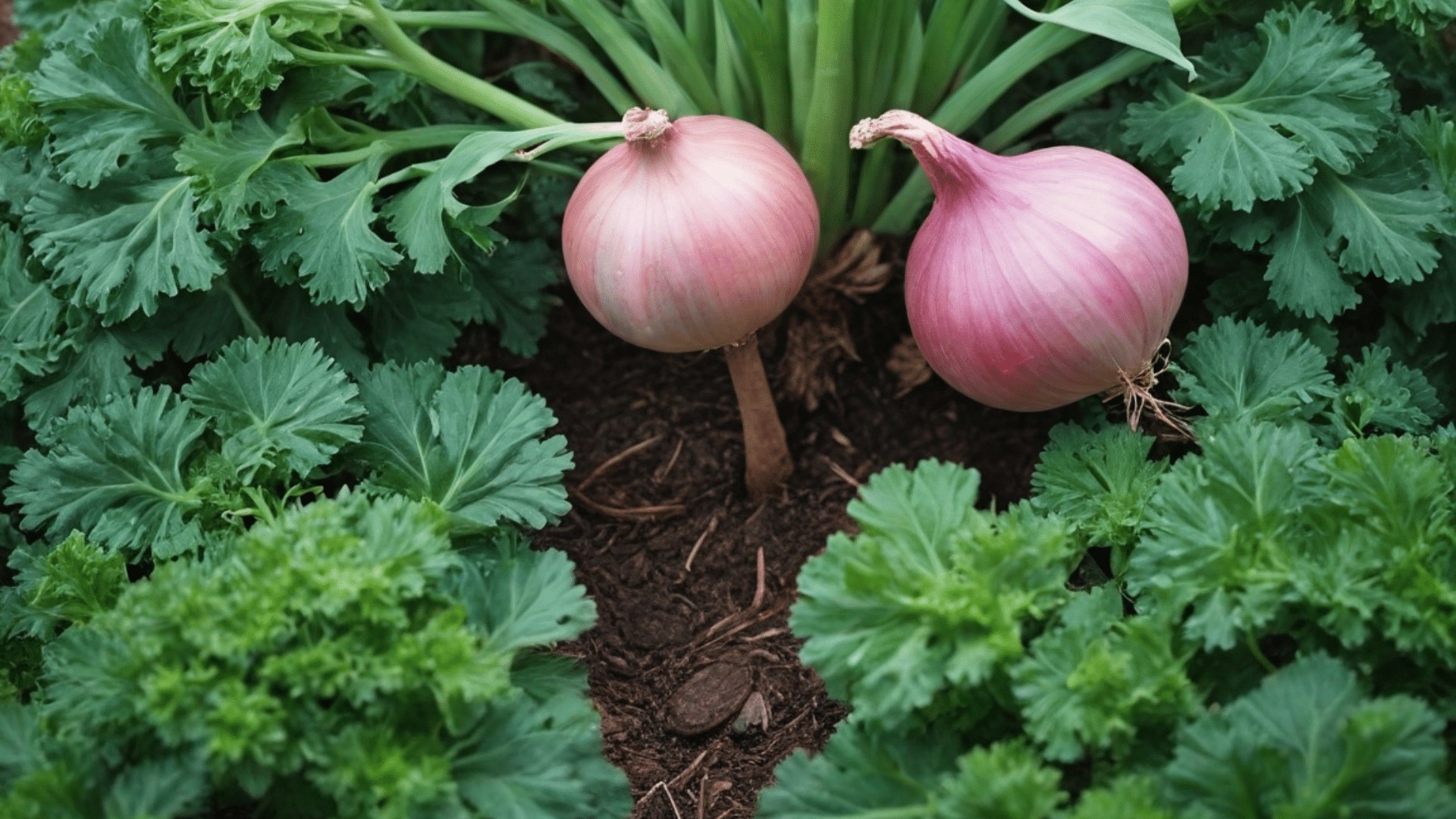
Onions are among the best companion plants for broccoli because their strong smell can confuse pests such as cabbage loopers, cabbage moths, aphids, and other insects that commonly target brassicas.
They also have shallow root systems, so they compete very little with broccoli for water and nutrients.
Since onions grow upright and take up little space, they fit easily between broccoli rows.
Both crops also enjoy similar growing conditions, making them an easy and practical pairing in most home vegetable gardens.
2. Garlic
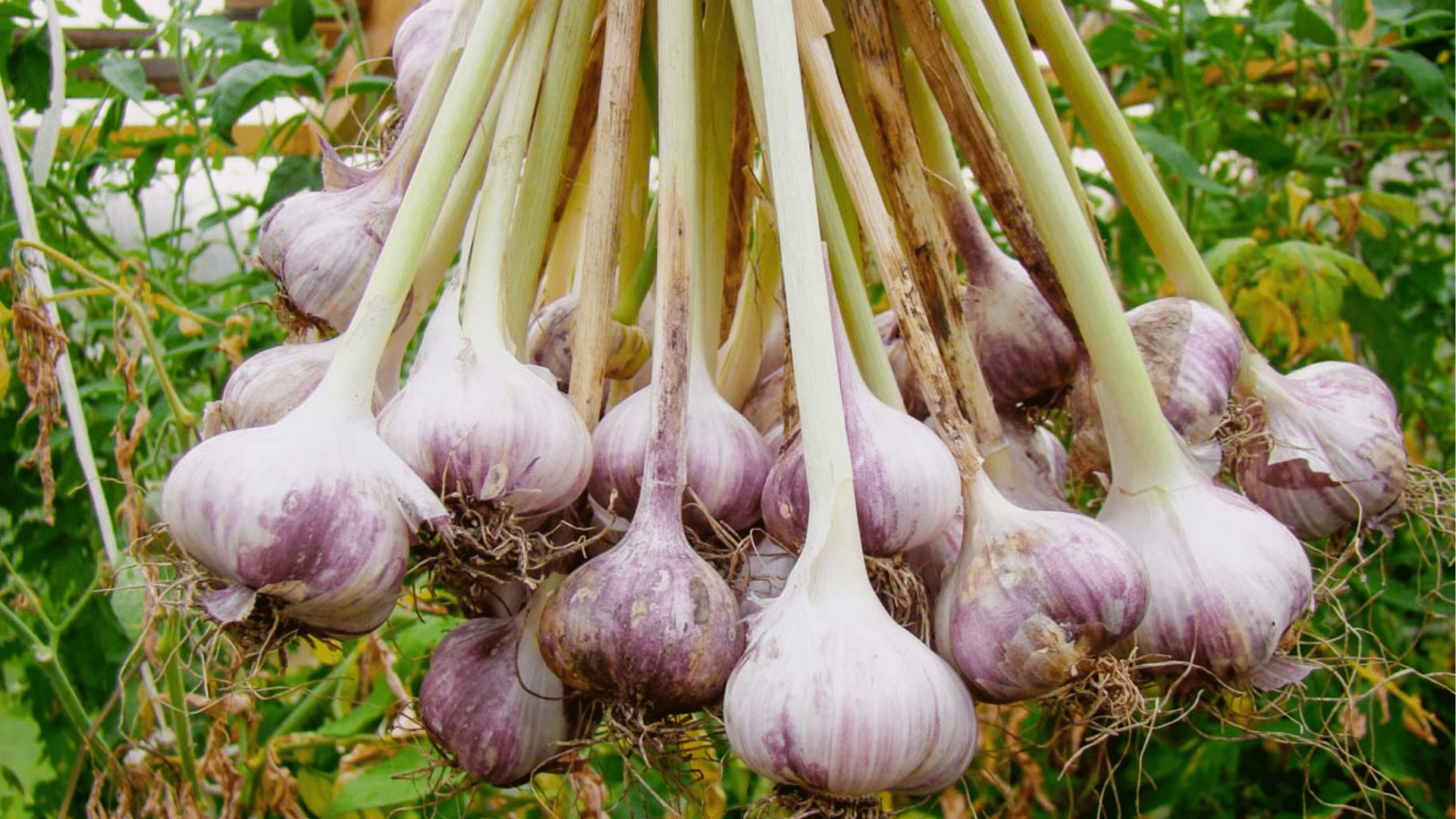
Garlic is another member of the Allium family that grows well beside broccoli. Its strong scent may discourage insects that commonly feed on brassicas, including cabbage moths and aphids.
Garlic also takes up very little space, making it easy to plant between broccoli rows or around the edges of a garden bed.
Since both crops prefer full sun and well-drained soil, they grow well together without competing for growing space.
3. Beets
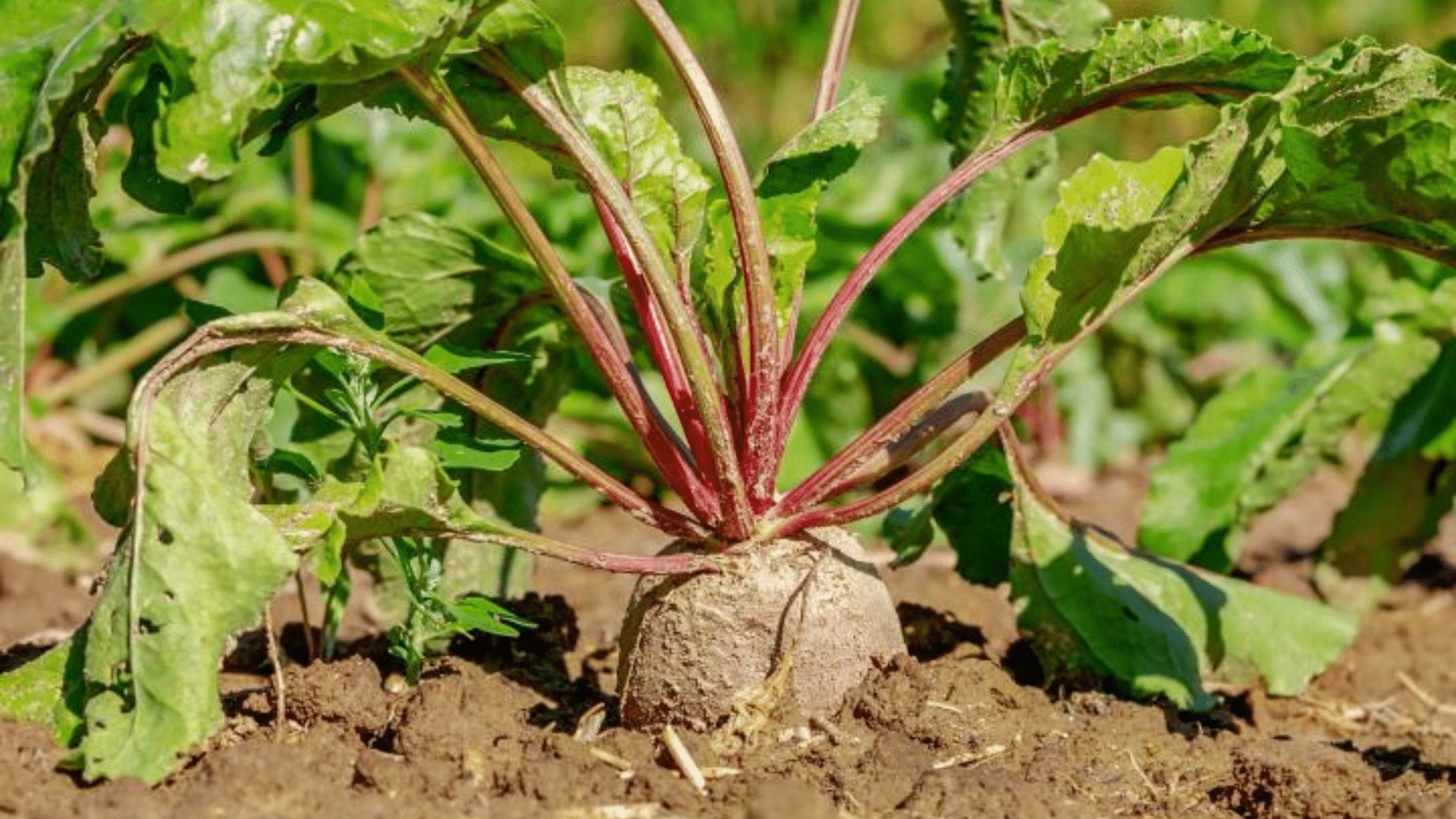
Beets make excellent companions for broccoli because they use different nutrients from the soil and grow primarily underground.
Their root development remains beneath the surface, while broccoli develops large leaves and heads above the surface, reducing competition between the two crops.
In many regions, beets mature before broccoli reaches its full size, allowing gardeners to harvest them early.
This pairing also helps make better use of available garden space throughout the growing season.
4. Celery
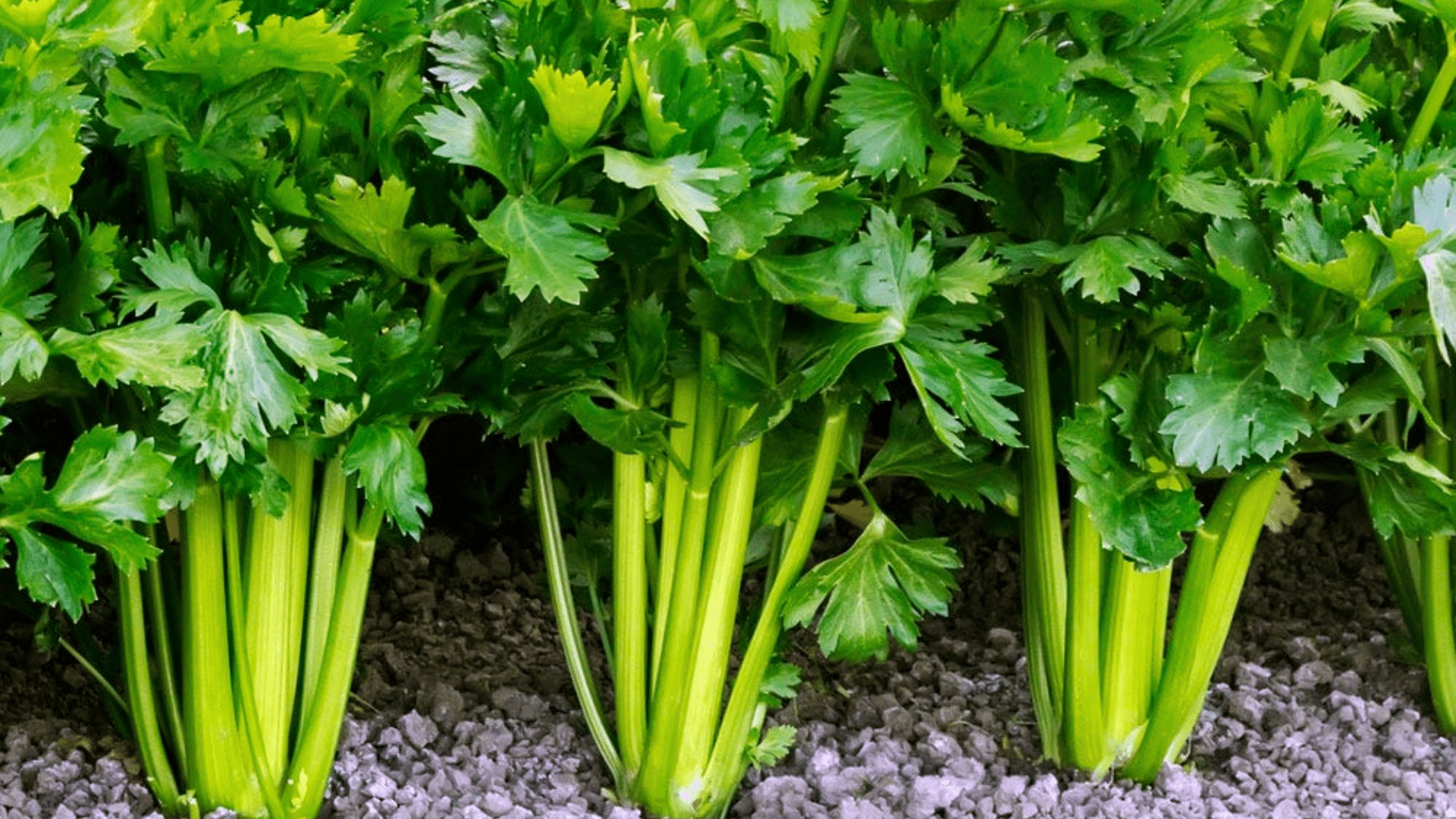
Celery grows well beside broccoli because both crops prefer cool temperatures, steady moisture, and fertile soil.
Their similar growing needs make watering and general care much easier throughout the season. Celery’s leafy stems can also help shade the soil, reducing moisture loss during warmer weather.
When planted with enough spacing, both vegetables receive good airflow while making efficient use of garden beds. This combination works especially well in spring and fall vegetable gardens.
5. Lettuce
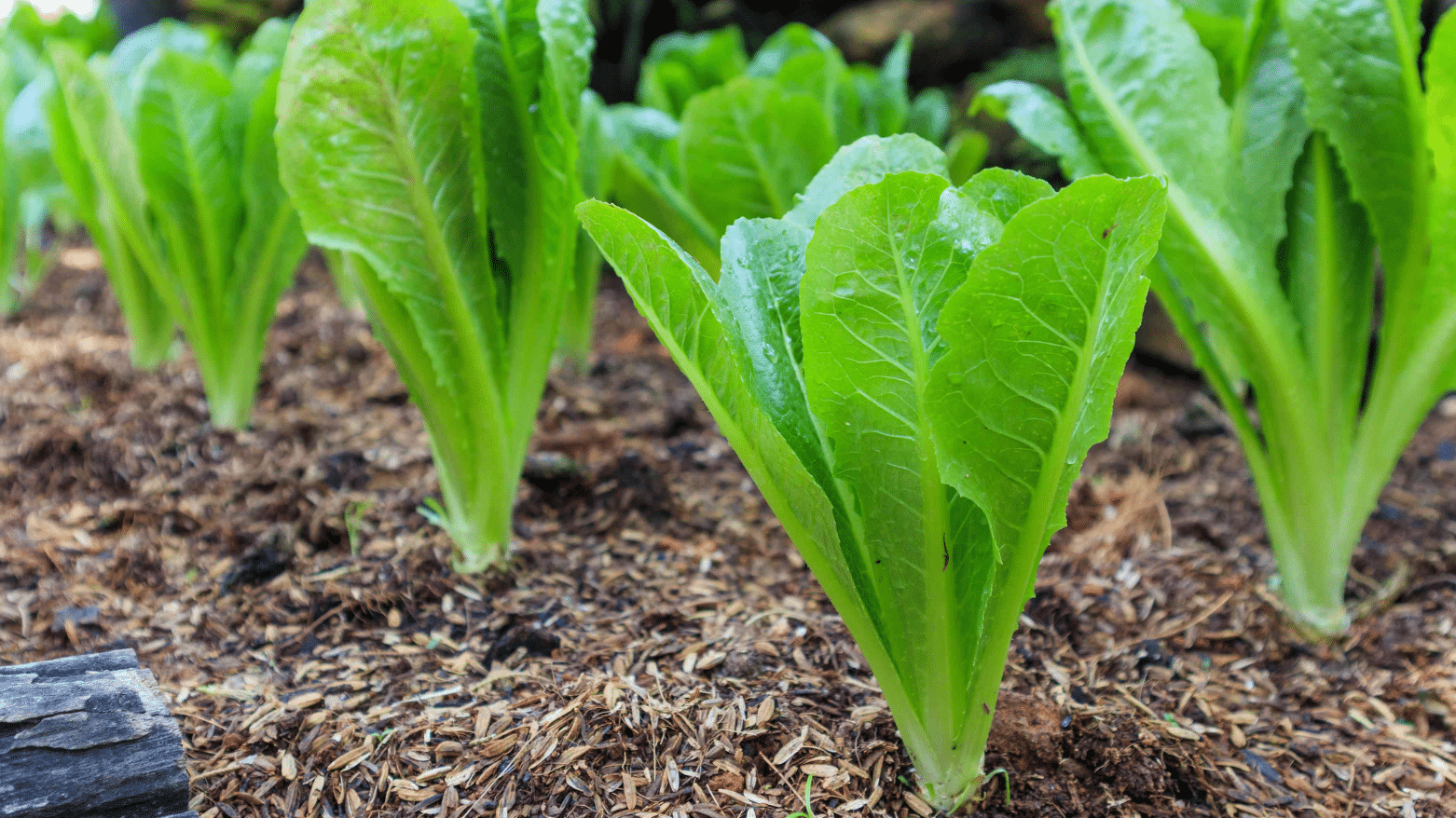
Lettuce is a fast-growing crop that pairs well with broccoli because it matures much earlier.
It fills empty garden space during the early weeks of the season and is often ready for harvest before broccoli develops large leaves.
This allows gardeners to grow two crops in the same area without overcrowding. Since lettuce prefers similar cool conditions and regular watering, it naturally fits into the same planting schedule as broccoli.
6. Spinach
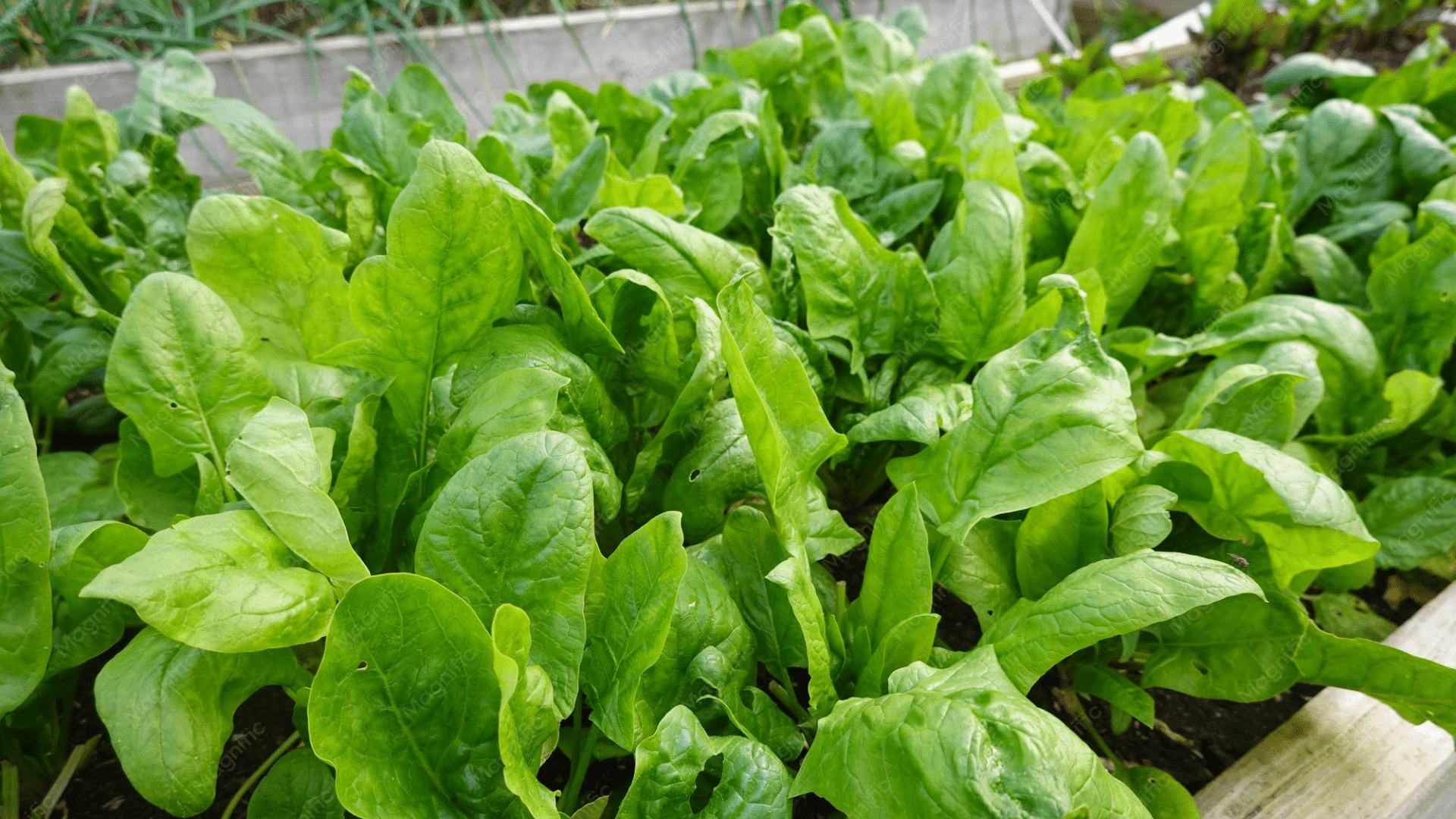
Spinach is another cool-season vegetable that grows well alongside broccoli during spring and fall.
It develops quickly and is usually harvested long before broccoli reaches full maturity, allowing both crops to share the same bed efficiently.
Spinach has relatively shallow roots and does not compete heavily for nutrients when proper spacing is maintained.
Growing these vegetables together also helps maximize garden space while providing two fresh harvests from one planting area.
7. Swiss Chard
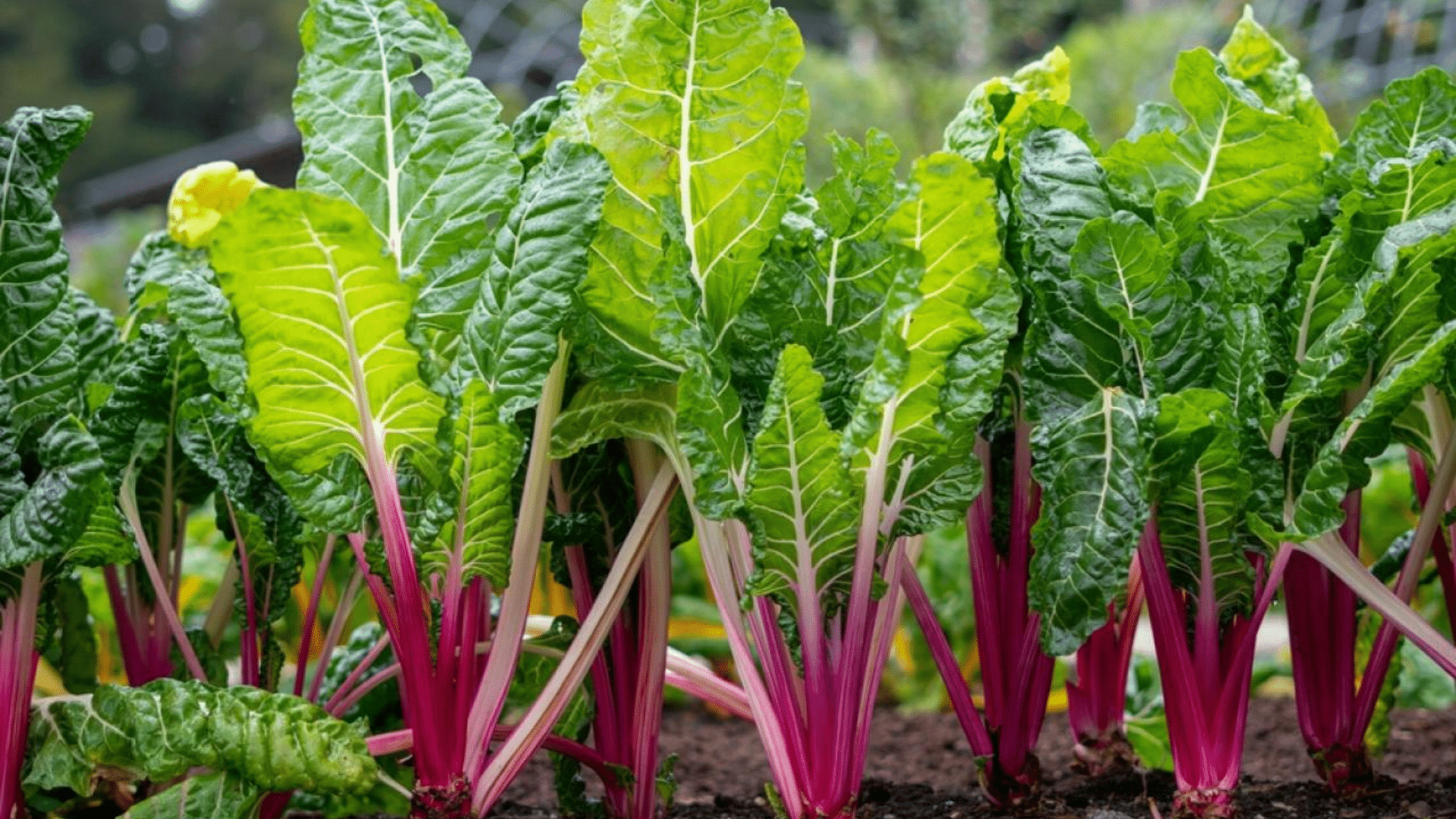
Swiss chard shares many of the same growing requirements as broccoli, making it a suitable companion for home gardens.
It grows well in cool weather, prefers fertile soil, and benefits from consistent watering throughout the season.
Although its leaves become large, proper spacing prevents unnecessary competition for sunlight and nutrients.
Swiss chard also has a long harvest period, allowing gardeners to pick outer leaves regularly while broccoli continues developing toward its main harvest.
8. Dill
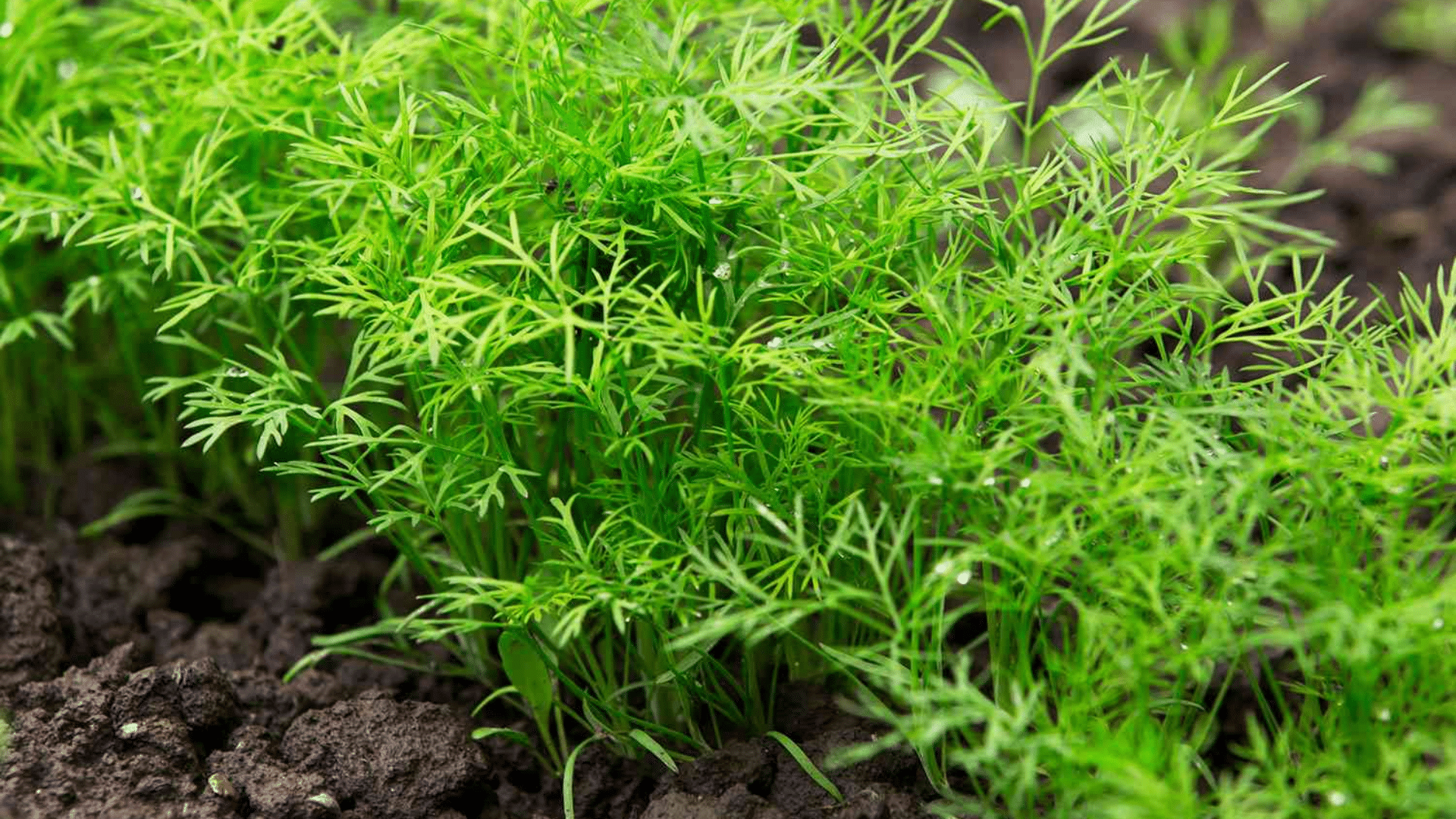
Dill is one of the best herbs to plant near broccoli because its flowers attract beneficial insects, including ladybugs, hoverflies, lacewings, and parasitic wasps.
These insects feed on aphids, caterpillars, and other pests that commonly damage broccoli leaves. Dill also attracts pollinators once it flowers, helping support the overall health of your vegetable garden.
Plant dill a short distance from broccoli so both plants have enough room to grow without competing for sunlight.
9. Chamomile
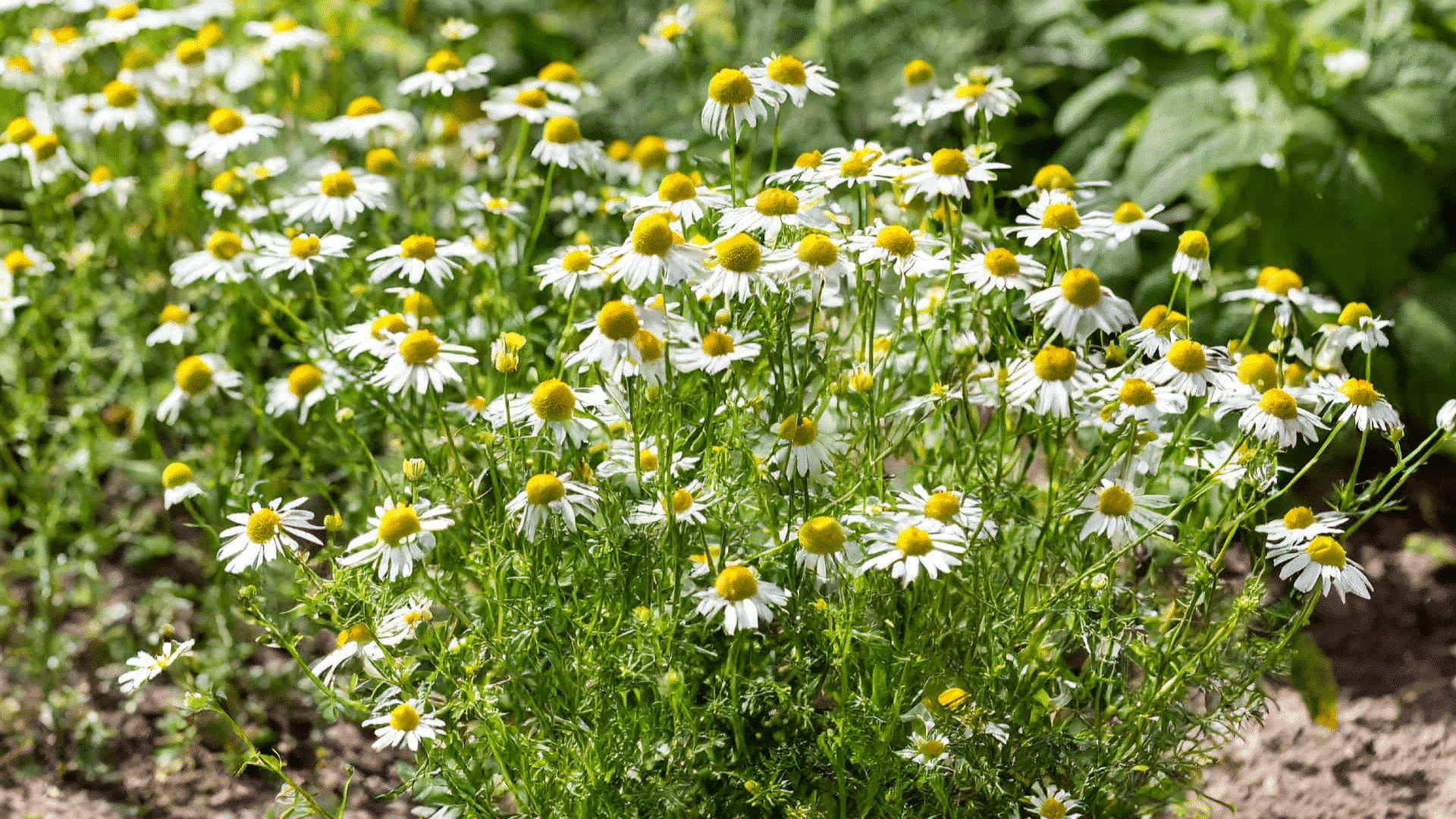
Chamomile is a useful companion plant that attracts pollinators and beneficial insects while adding small flowers to the vegetable garden.
Bees, hoverflies, and other helpful insects often visit chamomile blooms before moving throughout nearby crops.
Many gardeners grow chamomile near broccoli to encourage natural pest control and improve pollination throughout the garden.
Since chamomile stays relatively compact, it fits well between vegetable rows without taking up much growing space.
10. Nasturtiums
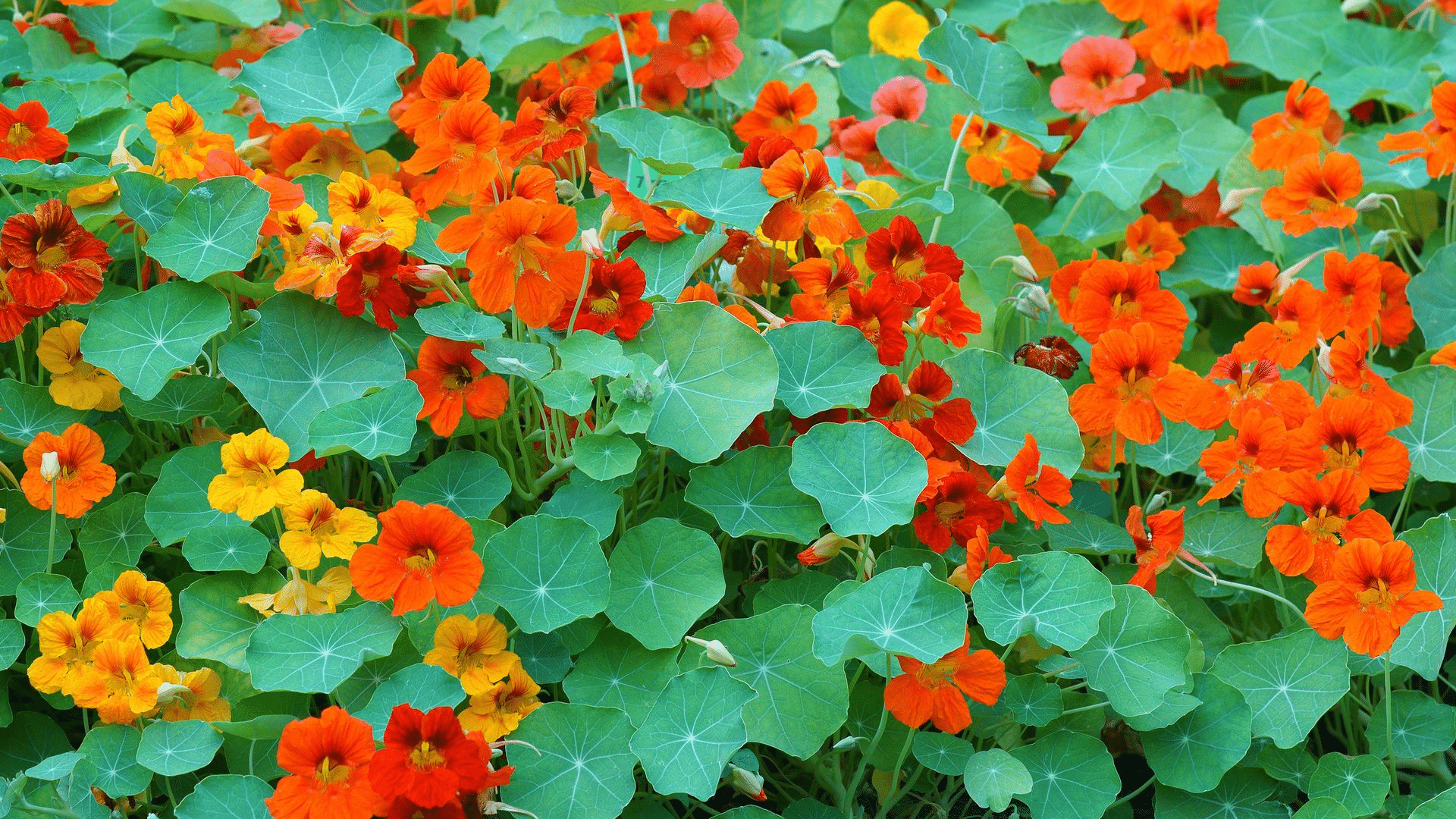
Nasturtiums are commonly used as a trap crop because aphids, flea beetles, and certain other insects are often drawn to them instead of broccoli.
This helps reduce pest pressure on your broccoli plants and makes infestations easier to manage.
Their colorful flowers also attract bees and other pollinators that benefit the entire garden.
Nasturtiums spread across the soil, helping reduce weed growth and keeping the ground slightly shaded during warm weather.
11. Marigolds
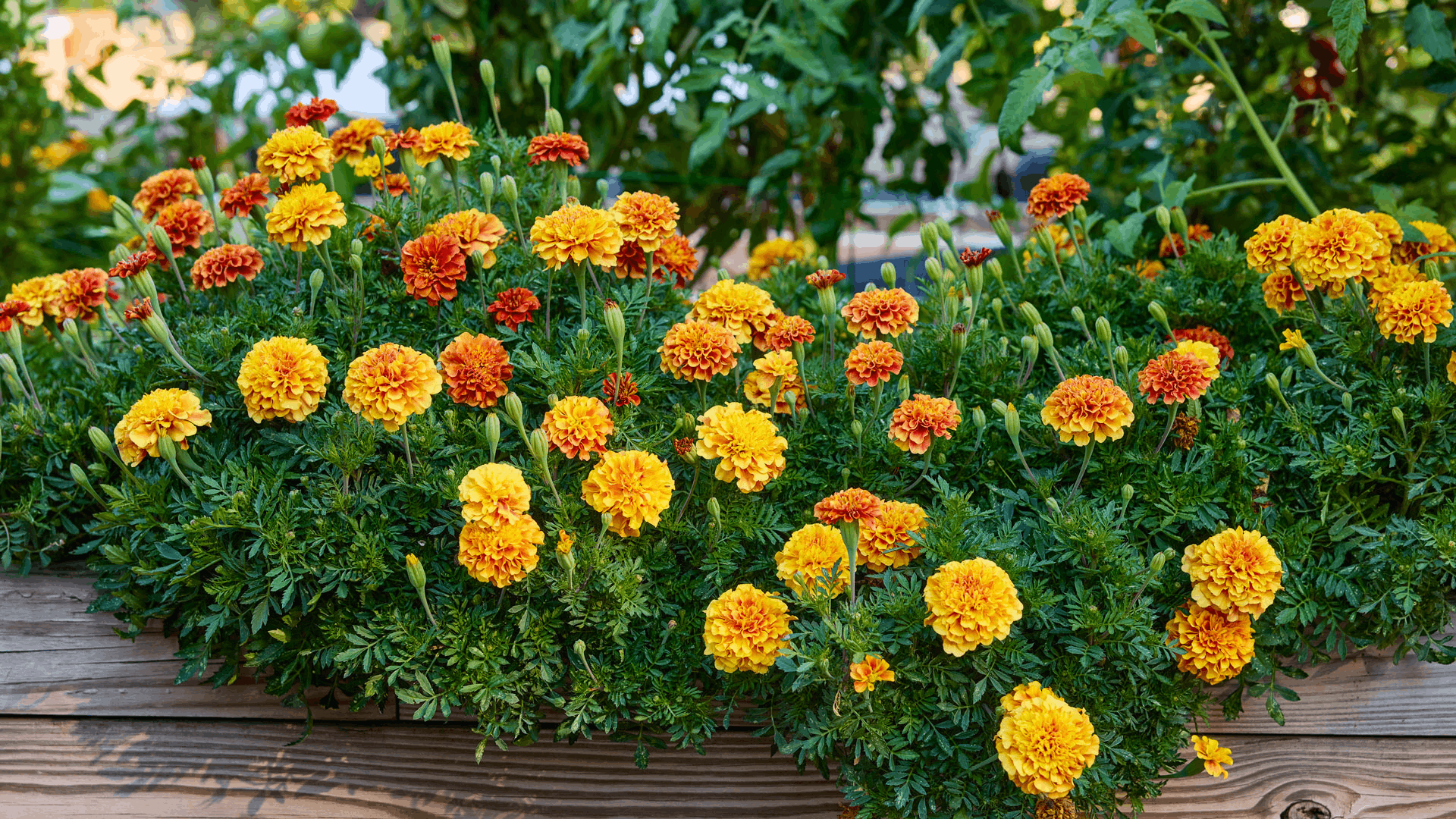
Marigolds are popular companion flowers because they may help discourage certain soil pests while attracting pollinating insects to the garden.
Their bright blooms also bring ladybugs, hoverflies, and lacewings that feed on aphids and other harmful insects.
Easy to grow and low maintenance, marigolds bloom for much of the growing season.
Planting them around the edges of broccoli beds adds color while supporting a healthier and more balanced garden environment.
12. Rosemary
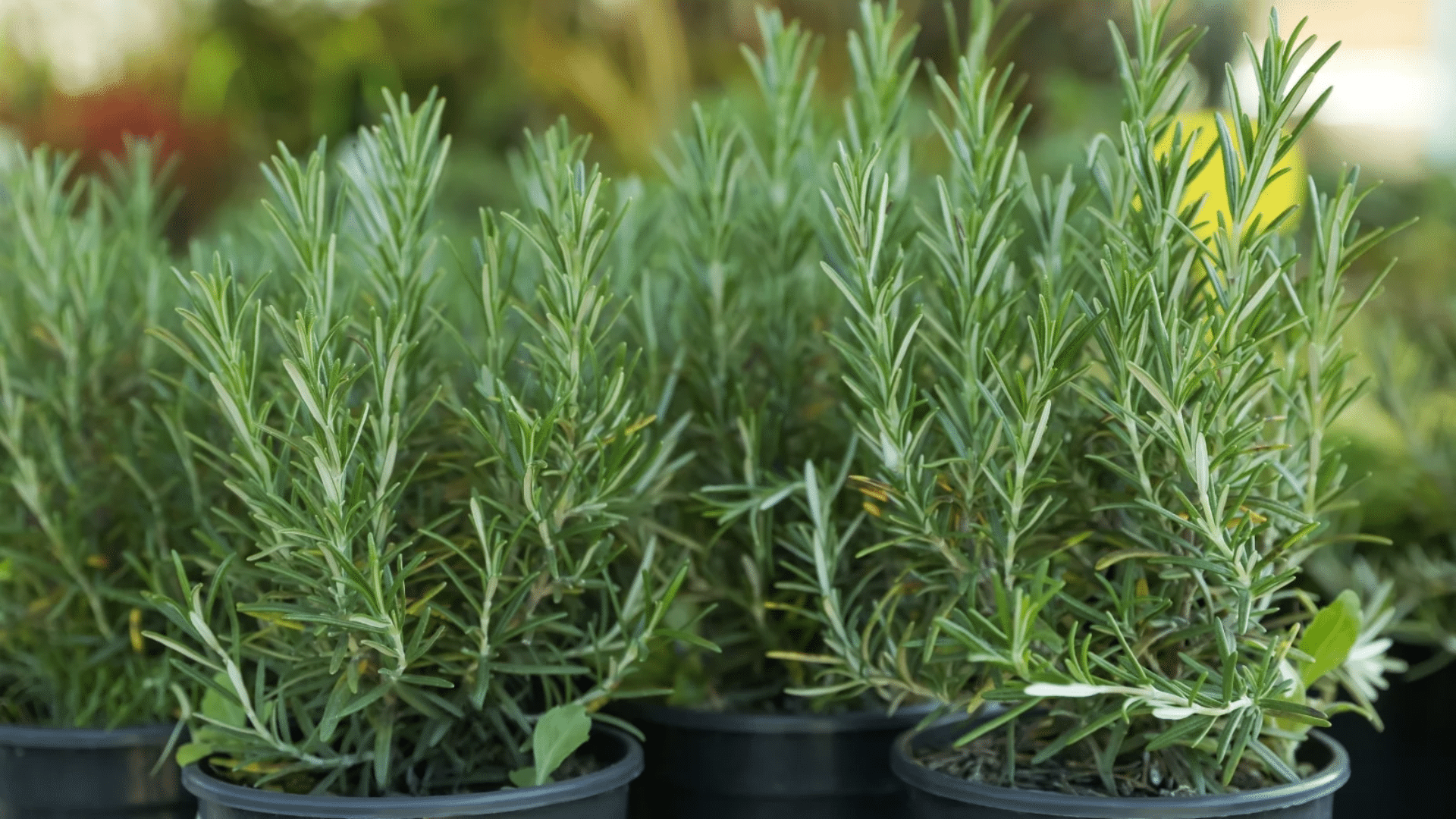
Rosemary is a fragrant herb that grows well near broccoli and may help discourage cabbage moths and other insects that lay eggs on brassica leaves.
When the plant flowers, it attracts bees and other pollinators that visit nearby vegetables and herbs. Rosemary prefers full sun and well-drained soil, making it a good choice along the borders of vegetable beds.
Leave enough space between rosemary and broccoli so both plants receive good air circulation and plenty of sunlight.
Quick Reference Table of Broccoli Companion Plants
Some plants help keep pests away, while others make better use of garden space or attract helpful insects.
| Category | Plants | Main Benefit |
|---|---|---|
| Pest-repelling | Onion, Garlic, Rosemary | May discourage cabbage pests |
| Beneficial insect attractors | Dill, Chamomile, Marigold | Bring pollinators and natural predators |
| Space-saving companions | Lettuce, Spinach | Mature before broccoli needs extra room |
| Nutrient-friendly | Beets, Swiss Chard | Limited competition when spaced properly |
| Trap crop | Nasturtium | Draws aphids away from broccoli |
Benefits of Companion Planting for Broccoli
Choosing suitable companion plants can make growing broccoli easier and more productive. While companion planting cannot prevent every garden problem, it can support healthier plants and naturally reduce some common challenges.
- Helps reduce pest damage: Fragrant herbs and flowering plants may discourage cabbage moths, aphids, and other insects that commonly feed on broccoli.
- Attracts beneficial insects: Plants like dill, chamomile, and marigolds attract ladybugs, hoverflies, lacewings, and bees that support a healthier garden.
- Makes better use of garden space: Fast-growing vegetables such as lettuce and spinach can be harvested before broccoli needs the extra room.
- Reduces competition for nutrients: Pairing broccoli with plants that have different root systems or nutrient needs allows both crops to grow more efficiently.
- Supports pollination nearby: Although broccoli is mainly grown for its edible head, flowering companion plants attract pollinators that benefit other fruits and vegetables in the garden.
- Helps retain soil moisture: Companion plants with leafy growth can shade the soil, reducing water loss and helping keep the root zone cooler during warm weather.
- Adds diversity to the garden: Growing vegetables, herbs, and flowers together encourages a balanced garden that supports beneficial insects and improves overall plant health.
Plants to Avoid Growing with Broccoli
Some plants are better kept away from broccoli because they compete for nutrients, spread aggressively, or attract similar pests. Separating these crops helps broccoli grow with fewer problems throughout the season.
| Plant to Avoid | Why It Doesn’t Pair Well |
|---|---|
| Tomatoes | Heavy feeders that compete with broccoli for nutrients, water, and sunlight. |
| Strawberries | Spread through runners, reducing airflow and crowding nearby broccoli plants. |
| Pole Beans | Tall vines can shade broccoli and make harvesting more difficult. |
| Peppers | Prefer warmer temperatures than broccoli, making them less compatible. |
| Squash & Pumpkins | Large vines spread quickly and compete for space, water, and nutrients. |
How to Plan a Broccoli Companion Garden?
Companion planting works best when you think about spacing, sunlight, and each plant’s growing habits. A simple garden layout can help broccoli and its companions grow without competing for water or nutrients.
- Keep taller plants on the north side: Place herbs or flowers that grow taller behind broccoli so they don’t block sunlight.
- Mix vegetables, herbs, and flowers: Growing different types of plants together helps attract beneficial insects while making better use of available space.
- Leave enough spacing: Give broccoli enough room for good airflow. Crowded plants stay damp longer and are more likely to develop disease problems.
- Group plants with similar watering needs: Broccoli, celery, lettuce, and spinach all prefer consistently moist soil, making them easy to care for together.
- Plant flowers around the edges: Marigolds, chamomile, and nasturtiums work well along bed borders, where they attract pollinators and beneficial insects without crowding vegetables.
- Rotate crops each season: Avoid growing broccoli or other brassicas in the same location every year to help reduce soil-borne diseases and recurring pest problems.
How Does Companion Planting Help Broccoli Grow Better?
Companion planting does more than place different crops side by side. When broccoli grows with suitable vegetables, herbs, and flowers, the garden becomes easier to care for throughout the season.
Some companion plants attract insects that feed on common broccoli pests, while others make better use of growing space or share similar watering needs.
This approach also helps reduce unnecessary competition for nutrients when plants are chosen carefully.
Although companion planting is not a replacement for good soil, regular watering, and crop rotation, it can support healthier broccoli and make the vegetable garden more balanced and productive.
When combined with proper garden care, companion planting can help broccoli develop stronger plants and produce more consistent harvests
Seasonal Companion Planting for Broccoli
The best companion plants for broccoli can change depending on the time of year and local growing conditions. Choosing plants that match the season helps each crop grow more comfortably and makes garden planning much easier.
| Season | Best Companion Plants | Why They Work Well |
|---|---|---|
| Spring | Lettuce, Spinach, Dill | Cool temperatures support quick growth and early harvests. |
| Summer | Marigolds, Nasturtiums, Rosemary | Help attract pollinators and may discourage common garden pests. |
| Fall | Swiss Chard, Garlic, Onions | Thrive in cooler weather and pair well with late-season broccoli. |
| Mild Winter | Garlic, Onions, Rosemary | Continue growing in regions with mild winters while requiring similar care. |
Common Companion Planting Mistakes to Avoid
Choosing the right companion plants is only part of successful broccoli gardening. Planting mistakes can reduce the benefits of companion planting.
- Planting Too Close Together: Broccoli needs space for its large leaves and airflow. Crowding companion plants can trap moisture, increase disease risk, and facilitate the spread of pests.
- Pairing Plants With Different Growing Needs: Broccoli grows best in cool weather with steady moisture. Warm-season or dry-loving crops may struggle beside it.
- Growing Heavy Feeders Together: Tomatoes, squash, and other heavy feeders compete with broccoli for water and nutrients, which can lead to smaller heads.
- Ignoring Crop Rotation: Planting broccoli in the same bed each year can build up pests and soil diseases. Rotate it with unrelated vegetables each season.
- Overlooking Regular Garden Checks: Companion planting does not stop every pest. Check leaves weekly for aphids, caterpillars, holes, or damaged growth.
Common Myths About Broccoli Companion Plants
Companion planting is often surrounded by gardening myths that can lead to unrealistic expectations. Understanding what companion plants can and cannot do helps you make better planting decisions and care for broccoli more effectively.
| Myth | Fact |
|---|---|
| Companion plants completely prevent pests. | They may help reduce pest pressure, but regular garden checks are still necessary. |
| Any flowering plant is a good companion for broccoli. | Some flowers help attract beneficial insects, while others offer little benefit or compete for space. |
| Broccoli can grow beside any vegetable. | Some crops compete for nutrients or have different growing requirements, making them poor companions. |
| Companion planting replaces fertilizer. | Healthy soil and regular feeding are still needed for strong broccoli growth. |
| More companion plants always mean better results. | Too many plants can overcrowd the garden and reduce airflow around broccoli. |
| Companion planting works the same in every garden. | Results vary depending on climate, soil quality, spacing, and overall garden care. |
Conclusion
Choosing the right broccoli companion plants can make a noticeable difference in the health and productivity of your vegetable garden.
Pairing broccoli with suitable plants may reduce pests, attract insects, and use growing space more efficiently.
At the same time, avoiding unsuitable companions helps prevent unnecessary competition for nutrients, water, and sunlight.
With proper spacing, healthy soil, regular watering, and thoughtful plant selection, companion planting becomes a simple way to support stronger broccoli throughout the season.
Use these recommendations when planning your next garden, and enjoy healthier plants with a more balanced growing space.
Frequently Asked Questions
What Is the Best Companion Plant for Broccoli?
Onions, garlic, dill, and marigolds are among the best companion plants for broccoli because they may help discourage pests or attract beneficial insects while sharing similar growing conditions.
Can You Grow Broccoli and Cauliflower Together?
Yes. Broccoli and cauliflower can grow together because they have similar sunlight, watering, and soil requirements. Keep enough space between them to maintain good airflow and reduce the risk of shared pests.
What Should You Plant After Broccoli?
After broccoli, plant crops from a different plant family, such as beans, peas, carrots, beets, or lettuce. Crop rotation helps reduce soil-borne diseases and recurring brassica pests.
What Plants Are Related to Broccoli?
Broccoli belongs to the Brassica family, which includes cabbage, cauliflower, kale, Brussels sprouts, kohlrabi, collard greens, and bok choy. These crops have similar growing needs and often share the same pests.
Can Broccoli Be Planted with Tomatoes?
It is generally not recommended. Tomatoes and broccoli are both heavy feeders, so they compete for nutrients, water, and growing space, which can reduce the performance of both crops.