

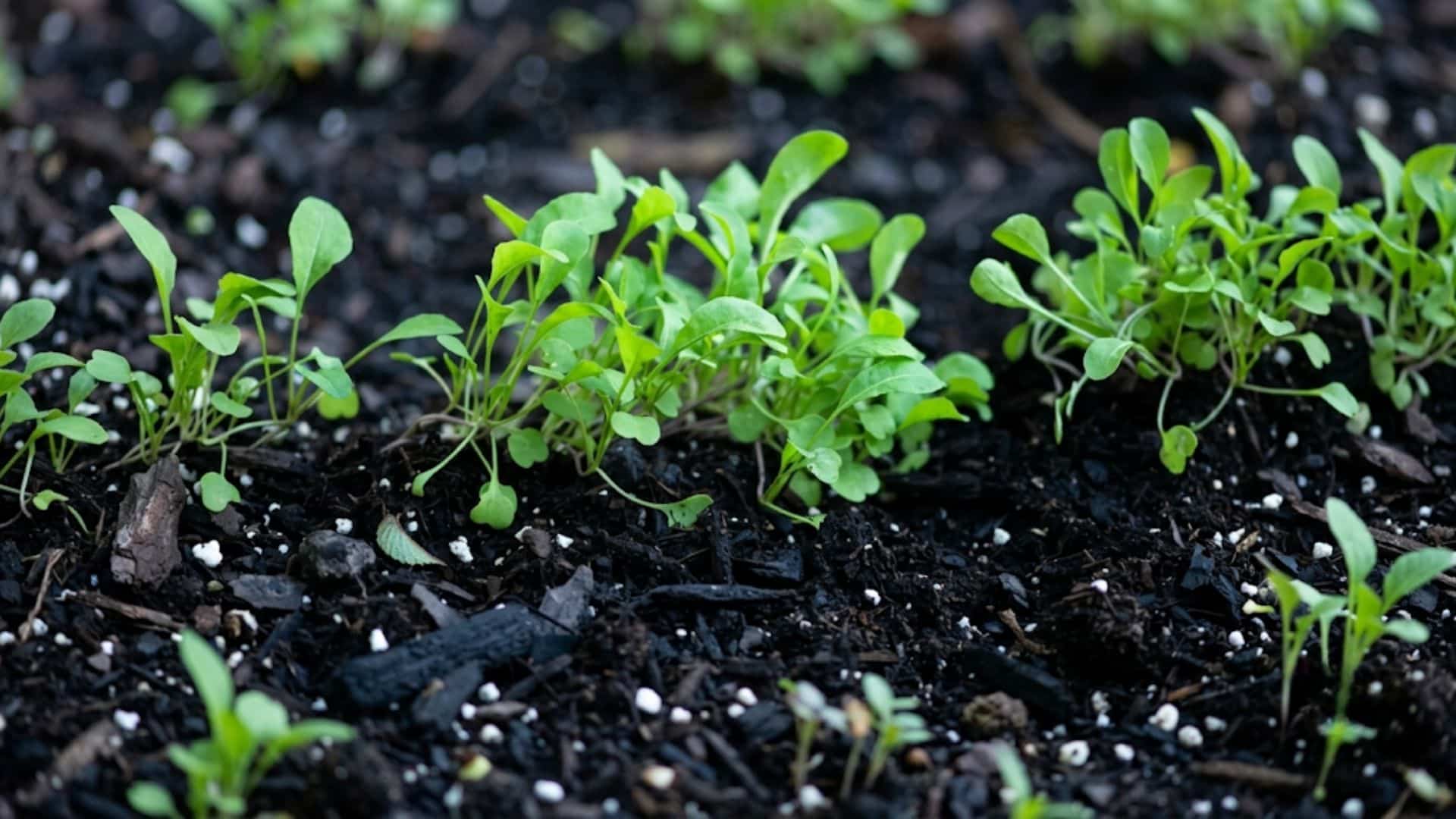
A healthy-looking arugula plant can develop problems faster than many gardeners expect, especially when pests, diseases, or environmental stress go unnoticed.
Yellow leaves, slow growth, or holes can signal problems that must be identified before plants recover.
Learning about arugula plant issues alongside arugula growing stages also makes it easier to identify whether a change is normal development or an early warning sign.
Recognizing these signs early prevents serious damage and supports better harvests.
Keep reading to understand common arugula problems, what causes them, and the practical steps that help plants stay healthy and productive.
Understanding the Arugula Plant
The arugula plant is a fast-growing leafy green in the mustard family, valued for its peppery flavor and tender leaves. It grows best in cool weather, making spring and fall the ideal planting seasons in most regions.
Healthy plants prefer well-drained, nutrient-rich soil with consistent moisture and at least four to six hours of sunlight each day.
Arugula grows quickly, but extreme temperatures, poor soil, pests, and diseases can slow its growth.
Understanding its natural growing habits makes it easier to recognize when something is wrong and respond before problems become severe.
Providing the right balance of water, sunlight, airflow, and nutrients supports vigorous growth, improves leaf quality, and helps the plant remain productive throughout its growing season.
Best Growing Conditions for a Healthy Arugula Plant
Providing the right growing environment helps an arugula plant produce tender, flavorful leaves while reducing the risk of common growth problems.
- Well-Drained Soil: Loose, fertile, well-drained soil promotes healthy root development, prevents waterlogging, and supports steady growth throughout the growing season.
- Slightly Acidic to Neutral pH: A soil pH between 6.0 and 7.0 helps roots absorb nutrients efficiently, promoting vigorous leaf production and overall plant health.
- Cool Temperatures: Arugula thrives in temperatures between 45°F and 75°F, producing sweeter leaves before excessive heat triggers premature flowering and bolting.
- Full Sun to Partial Shade: Four to six hours of sunlight encourages healthy growth, while afternoon shade helps reduce heat stress during warmer growing periods.
- Consistent Moisture: Evenly moist soil keeps leaves tender and flavorful while preventing drought stress, which often causes bitterness and early flowering in plants.
- Balanced Fertility: Applying compost or a balanced fertilizer provides essential nutrients, encouraging continuous leafy growth without promoting excessive or weak plant development.
- Good Airflow: Proper spacing between plants improves air circulation, helping foliage dry faster and reducing the risk of fungal diseases and mildew.
- Regular Harvesting: Harvesting outer leaves frequently encourages fresh growth, extends the harvest period, and delays flowering while maintaining leaf quality and tenderness.
Arugula Growing Stages from Seed to Harvest
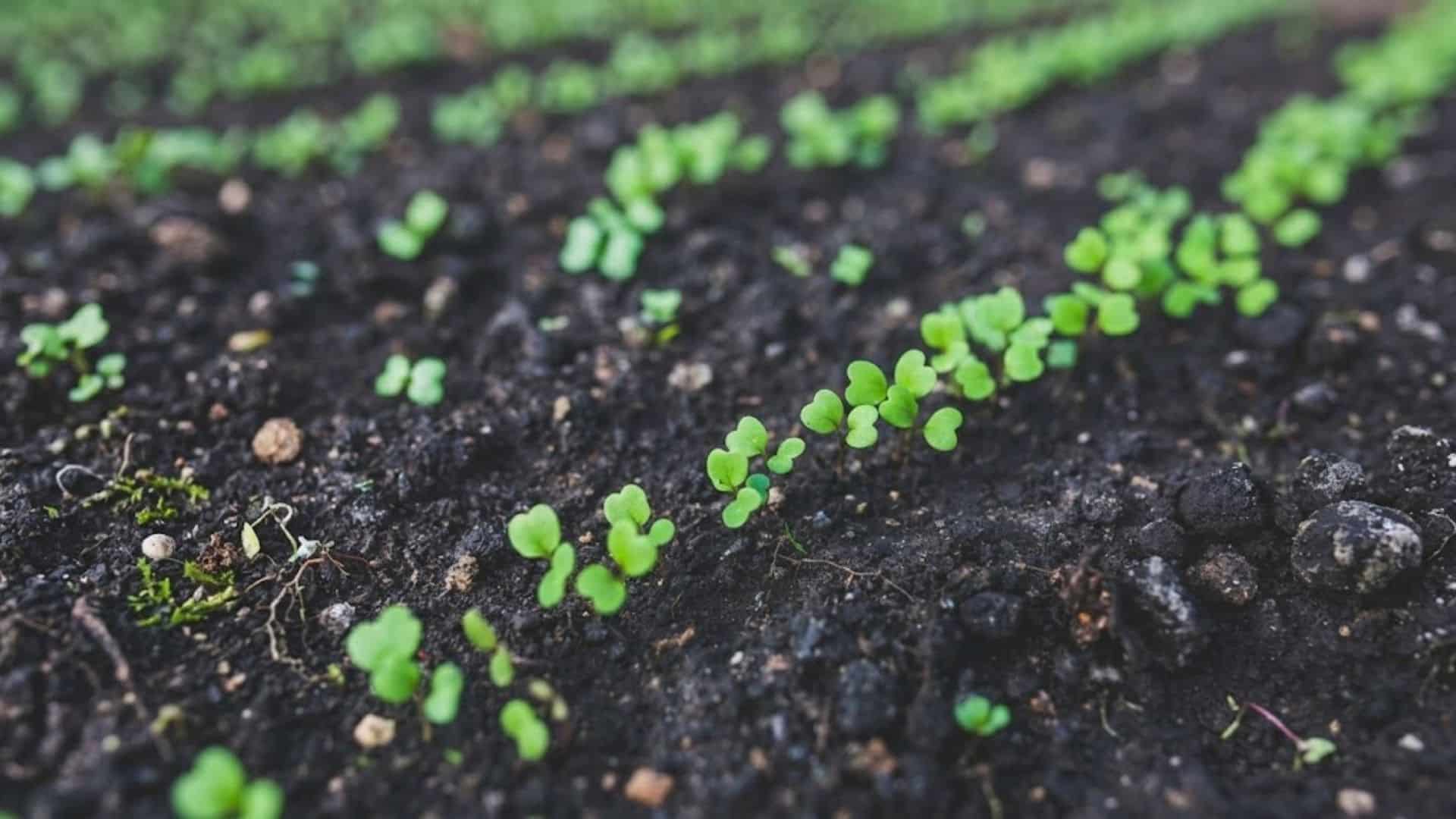
Knowing what happens during each growth stage helps identify normal development and spot problems before they affect plant health.
1. Seed Stage
The seed stage marks the beginning of the arugula plant’s life cycle. Healthy seeds should be sown about ¼ inch deep in loose, fertile, and well-drained soil.
Cool temperatures between 45°F and 75°F promote reliable germination and strong root development.
Keep the soil evenly moist without making it soggy, as excessive moisture can lead to seed rot.
Using fresh, disease-free seeds improves germination rates and gives plants a healthier start. Proper preparation during this stage lays the foundation for vigorous growth and productive harvests.
2. Germination Stage
During the germination stage, the seed absorbs water, swells, and breaks through its outer coating as the first root and shoot emerge.
Under favorable conditions, arugula seeds usually germinate within 3 to 7 days. Consistent soil moisture and cool temperatures encourage even sprouting and healthy establishment.
Avoid letting the soil dry out completely or become waterlogged, as both can reduce germination success.
Once the young shoot reaches the surface, the plant begins producing its first leaves and continues developing a stronger root system.
3. Seedling Stage
The seedling stage begins after the first true leaves develop beyond the initial seed leaves. At this point, the young arugula plant focuses on building a stronger root system while producing additional foliage.
Adequate sunlight, steady watering, and good air circulation help seedlings grow quickly and remain healthy.
Thin overcrowded plants to reduce competition for nutrients and moisture.
Protect seedlings from pests such as flea beetles and diseases like damping-off, as early damage can significantly slow growth and reduce future productivity.
4. Vegetative Growth Stage
The vegetative growth stage is when the arugula plant produces abundant leafy growth and reaches its fastest rate of development.
Leaves become larger and fuller, developing their characteristic peppery flavor. Consistent watering, nutrient-rich soil, and regular sunlight are essential for maintaining healthy foliage.
Harvesting outer leaves as they mature encourages continuous production without harming the plant.
Monitoring for pests, diseases, and nutrient deficiencies during this stage helps maintain vigorous growth and ensures the highest-quality leaves for harvesting throughout the season.
5. Harvest Stage
The harvest stage begins when arugula leaves reach about 3 to 6 inches in length and are tender enough to eat.
Younger leaves have a milder flavor, while mature leaves develop a stronger peppery taste. Harvest only the outer leaves, leaving the center intact so new growth continues.
Frequent harvesting extends the productive period before flowering begins.
Using clean scissors or gently pinching leaves reduces stress on the plant and encourages healthy regrowth, allowing multiple harvests from a single planting under favorable conditions.
6. Flowering and Bolting Stage
The flowering and bolting stage occurs when warm temperatures or long daylight hours trigger the plant to produce flower stalks.
As energy shifts toward reproduction, leaf production slows, and the foliage becomes tougher and more bitter.
Although this marks the end of peak harvesting, the flowers attract bees and other beneficial pollinators.
Gardeners who want longer leaf production often remove flower stalks early. Planting during cooler seasons and maintaining consistent moisture can help delay bolting and extend the harvest period.
7. Seed Production Stage
After flowering, the arugula plant develops slender seed pods that gradually mature and dry on the stems.
These pods contain seeds that can be saved for future planting once they turn brown and become fully dry. Harvest the pods before they split open naturally to prevent seed loss.
Store collected seeds in a cool, dry location inside an airtight container to maintain viability.
Saving seeds from healthy, disease-free plants increases the likelihood of producing vigorous arugula plants in the next growing season.
Problems that Can Occur at Different Arugula Growing Stages
Various problems can arise as arugula grows, making it important to recognize them at each stage of development.
| Growing Stage | Common Problems |
|---|---|
| Seed Stage | Poor germination, seed rot, or failure to sprout because of old seeds or overly wet soil |
| Germination Stage | Uneven sprouting, drying soil, or damping off caused by fungal pathogens |
| Seedling Stage | Flea beetle damage, aphid infestations, overcrowding, and weak growth |
| Vegetative Growth Stage | Yellow leaves, holes in foliage, powdery mildew, nutrient deficiencies, and root rot |
| Harvest Stage | Bitter leaves, pest damage, reduced leaf quality, or delayed harvesting |
| Flowering and Seed Production Stage | Premature bolting, reduced leaf production, poor seed development, or seed loss from split pods |
Common Pests and Diseases that Affect Arugula Plants
Recognizing common pests and diseases early helps protect arugula plants from serious damage and reduced harvests.
- Flea Beetles: Tiny black beetles that chew numerous small holes in leaves, reducing both plant vigor and harvest quality. Floating row covers and regular monitoring help limit damage.
- Aphids: These sap-sucking insects cluster on young leaves and stems, causing curling, yellowing, and sticky honeydew that can attract mold. Strong water sprays or insecticidal soap help control infestations.
- Cabbage Worms: Green caterpillars feed heavily on arugula foliage, leaving large holes and ragged edges. Hand-picking and biological controls such as Bacillus thuringiensis (Bt) are effective.
- Downy Mildew: This fungal-like disease causes yellow patches on the upper leaf surface with gray or purple growth underneath. Good airflow and avoiding overhead watering reduce the risk.
- Powdery Mildew: White, powdery fungal growth develops on leaves, especially during humid conditions. Proper spacing, better air circulation, and timely treatment help prevent severe outbreaks.
- Damping Off: Young seedlings suddenly collapse at the soil line because of soilborne fungi. Using clean seed-starting mix, avoiding overwatering, and providing good ventilation help prevent this disease.
- Root Rot Pathogens: Soilborne fungi attack roots in waterlogged conditions, causing wilting, yellow leaves, and poor growth. Well-drained soil and careful watering are the best preventive measures.
- Leaf Miners: Fly larvae that tunnel into the leaf tissue itself, so sprays applied to the leaf surface rarely reach them. Removing and destroying mined leaves is usually more effective than spraying.
Common Arugula Plant Problems
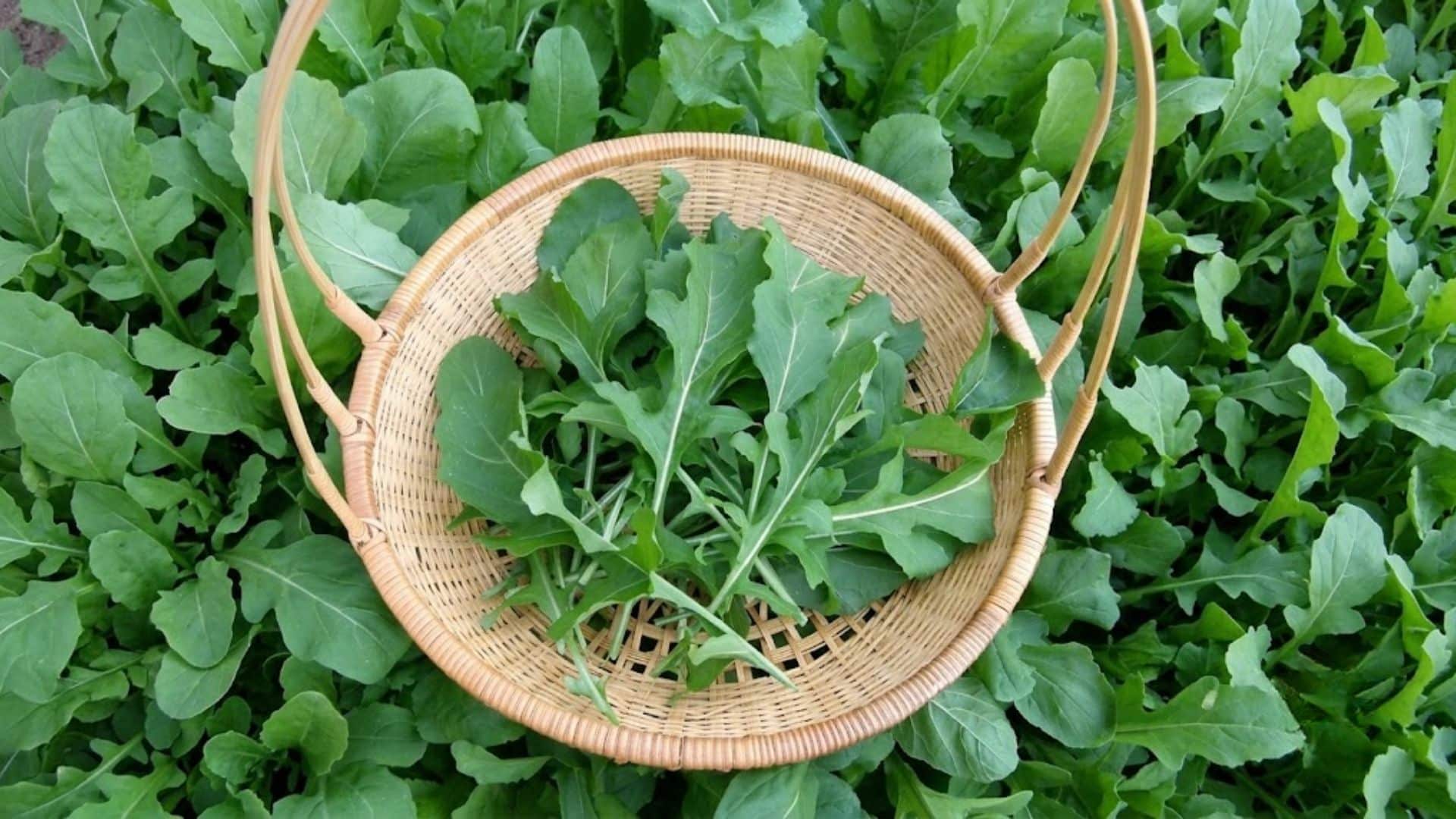
Healthy arugula can face several issues during its growth cycle, but identifying symptoms early makes them easier to manage.
1. Arugula Leaves Turning Yellow
Yellow leaves are often caused by overwatering, poor drainage, nutrient deficiencies, or natural aging of older foliage.
Waterlogged soil reduces oxygen around the roots, limiting the plant’s ability to absorb nutrients efficiently.
Nitrogen deficiency may also result in pale or yellowing leaves with slower overall growth. Check soil moisture before watering, improve drainage if needed, and remove older yellow leaves.
Feeding the plant a balanced fertilizer and maintaining consistent watering usually help restore healthy green growth while preventing additional stress.
2. Holes in Arugula Leaves
Small or irregular holes in arugula leaves are commonly caused by flea beetles, caterpillars, slugs, or snails feeding on the foliage.
Flea beetles often leave tiny round holes, while slugs create larger, uneven damage. Inspect plants regularly, especially beneath the leaves, to identify the pest responsible.
Floating row covers, hand removal, and organic pest control methods can help reduce damage.
Keeping the garden free of weeds and excess debris also discourages pests from hiding near the plants and feeding repeatedly.
3. Wilting or Drooping Plants
Wilting or drooping usually indicates that the plant is under stress rather than suffering from a single disease.
Underwatering, excessive heat, compacted soil, damaged roots, or overwatering can all produce similar symptoms.
Check soil moisture before adding more water, as overly wet soil may worsen the problem. During hot weather, provide light afternoon shade if possible to reduce heat stress.
Healthy roots, loose soil, and consistent watering practices help the plant recover and maintain firm, upright leaves throughout the growing season.
4. Powdery Mildew on Arugula
Powdery mildew appears as a white, dusty coating on leaves and usually develops in humid conditions with poor air circulation.
Although it rarely kills the plant immediately, it weakens leaf quality and reduces healthy growth over time. Remove affected leaves promptly to limit the spread of fungal spores.
Space plants properly to improve airflow and avoid wetting the foliage during watering.
Applying suitable fungicides labeled for edible crops may also help control severe infections while protecting the remaining healthy leaves.
5. Root Rot
Root rot develops when arugula grows in consistently waterlogged soil, allowing harmful fungi to attack the root system.
Affected plants often show yellow leaves, wilting despite moist soil, and poor overall growth. Healthy white roots gradually turn brown, soft, and mushy as the disease progresses.
Improving drainage is the most effective way to prevent this problem.
Avoid excessive watering, use well-drained soil, and remove severely infected plants to reduce the chance of the disease spreading to nearby healthy arugula.
6. Slow Growth and Stunted Plants
Slow or stunted growth usually results from poor soil fertility, overcrowding, insufficient sunlight, cool temperatures, or root stress.
Arugula grows quickly under favorable conditions, so delayed development often signals an underlying issue. Thin crowded seedlings to improve airflow and reduce competition for nutrients and water.
Enrich the soil with compost or a balanced fertilizer if nutrient levels are low.
Providing at least four to six hours of sunlight daily also supports stronger leaf production and healthier overall plant development.
7. Premature Bolting
Premature bolting occurs when arugula produces flower stalks earlier than expected, reducing leaf quality and making the foliage noticeably more bitter.
Warm temperatures, extended daylight hours, inconsistent watering, and plant stress commonly trigger this response. Harvest leaves regularly before flowering begins to encourage continued leaf production.
Planting during cooler seasons and maintaining consistent soil moisture helps delay bolting.
Choosing slow-bolting varieties can also extend the harvest period and provide tender, flavorful leaves for longer.
8. Bacterial Leaf Spot
Bacterial leaf spot shows up as small, water-soaked or brown spots that merge as the disease spreads, eventually turning entire leaves yellow or brown.
The bacteria travel through water, whether from rain, overhead watering, or splashing, and can also live on seeds and old plant debris left in the bed. Watering at the soil line rather than over the foliage cuts off the primary route by which this disease spreads.
Treating seeds in 120°F water for 15 to 20 minutes before planting can also reduce risk.
9. Downy Mildew and Black Rot
Downy mildew causes yellow patches on the upper leaf surface with gray or purple, fuzzy growth underneath and spreads quickly in cool, damp conditions.
Black rot is less common but can cause yellow V-shaped lesions that move inward from the leaf edges.
Both diseases develop more easily in crowded, humid plantings with poor airflow.
Proper spacing, avoiding overhead watering, removing infected leaves, and rotating brassica crops every two to three years help reduce the risk of disease.
Environmental Conditions that Affect an Arugula Plant
Growing conditions directly influence the health, growth rate, and overall productivity of an arugula plant throughout its life cycle.
- Temperature Stress: Arugula grows best in cool weather between 45°F and 75°F; prolonged heat can cause bolting, bitter leaves, and reduced growth.
- Watering Problems: Inconsistent watering can lead to wilting, poor leaf development, and stress, while overwatering increases the risk of root rot and other root diseases.
- Poor Soil Conditions: Compacted or nutrient-deficient soil limits root development, reducing water uptake, leaf production, and the plant’s overall health and vigor.
- Inadequate Sunlight: Arugula prefers full sun to partial shade, and insufficient light produces weaker plants with slower growth and smaller, less flavorful leaves.
- Overcrowding: Plants growing too closely together experience poor airflow, increased humidity, and stronger competition for nutrients, making disease problems more likely.
- Low Soil Fertility: A lack of essential nutrients, particularly nitrogen, slows leafy growth and produces smaller, pale leaves with reduced harvest quality and yield.
- Poor Air Circulation: Stagnant air around dense plants encourages fungal diseases by keeping foliage damp for longer periods after watering or rainfall.
- Heavy Rain or Strong Winds: Severe weather can damage tender leaves, compact soil, spread diseases, and leave plants stressed, slowing healthy growth and recovery.
Healthy Arugula Leaves vs Damaged Leaves
Comparing healthy and damaged leaves makes it easier to identify problems before they spread throughout the plant.
| Healthy Arugula Leaves | Damaged Arugula Leaves |
|---|---|
| Bright to deep green in color | Yellow, brown, or spotted leaves |
| Smooth, firm, and crisp texture | Wilted, curled, or limp texture |
| Free from holes or chewing damage | Holes, ragged edges, or insect feeding marks |
| No visible mold or fungal growth | White powdery coating or fuzzy mildew |
| Even vigorous growth | Small, distorted, or stunted leaves |
| Mild peppery flavor | Bitter flavor caused by stress or early bolting |
When to Harvest Arugula for the Best Flavor?
Arugula tastes best when harvested with young, tender 2- to 4-inch leaves, usually 20 to 40 days after planting, depending on growing conditions.
Baby arugula has a mild, slightly peppery flavor that works well in fresh salads, while larger leaves develop a stronger, spicier taste.
Harvest the outer leaves first, using clean scissors or garden snips, leaving the center intact so the plant continues to produce new growth.
Regular harvesting also helps delay bolting, although hot weather will eventually trigger flowering. If flower stalks appear, harvest the remaining leaves promptly, as they become increasingly bitter with age.
For the freshest flavor and crisp texture, harvest during the cool morning hours after the dew has dried.
Preventing Pest and Disease Problems in Arugula
Good growing practices can prevent many common arugula problems before they become difficult to manage.
- Water Properly: Water at the base of the plant and keep the soil evenly moist without allowing it to become waterlogged.
- Provide Good Airflow: Space plants correctly to improve air circulation and reduce the risk of fungal diseases such as powdery mildew.
- Use Well-Drained Soil: Plant arugula in fertile, well-drained soil to prevent root rot and encourage healthy root development.
- Inspect Plants Regularly: Check leaves and stems frequently for signs of insects, disease, or discoloration so problems can be treated early.
- Keep the Garden Clean: Remove weeds, fallen leaves, and infected plant material to reduce hiding places for pests and disease spores.
- Rotate Crops: Avoid planting arugula or other brassicas in the same location every season to reduce the buildup of soilborne pests and diseases.
- Protect Against Pests: Use floating row covers or other appropriate pest management methods to keep flea beetles, aphids, and cabbage worms away from young plants.
Conclusion
A healthy arugula plant depends on recognizing problems early and providing the right growing conditions throughout its life cycle. Paying attention to changes in the leaves, stems, and roots can help prevent minor issues from becoming serious.
Regular watering, proper spacing, healthy soil, and routine inspections all play an important role in keeping plants productive.
Understanding how arugula grows also makes it easier to respond to problems before they affect the harvest.
Keep applying good gardening practices, observe your plants regularly, and enjoy a healthy, productive growing season.
Frequently Asked Questions
How Often Should an Arugula Plant Be Watered?
Arugula grows best with consistently moist soil. Water when the top inch feels dry, adjusting frequency based on rainfall, temperature, and soil type.
Can Arugula Be Grown Successfully in Containers?
Yes, arugula grows well in containers with drainage holes, quality potting mix, regular watering, and at least six hours of daily sunlight.
Can Arugula Survive Frost?
Yes, arugula tolerates light frost well. Cool temperatures often improve leaf flavor, but prolonged hard freezes can damage or kill the plants.
Why Does Arugula Taste More Bitter at Certain Times?
Arugula becomes more bitter as temperatures rise and plants begin bolting. Harvesting young leaves during cool weather provides a milder flavor.