

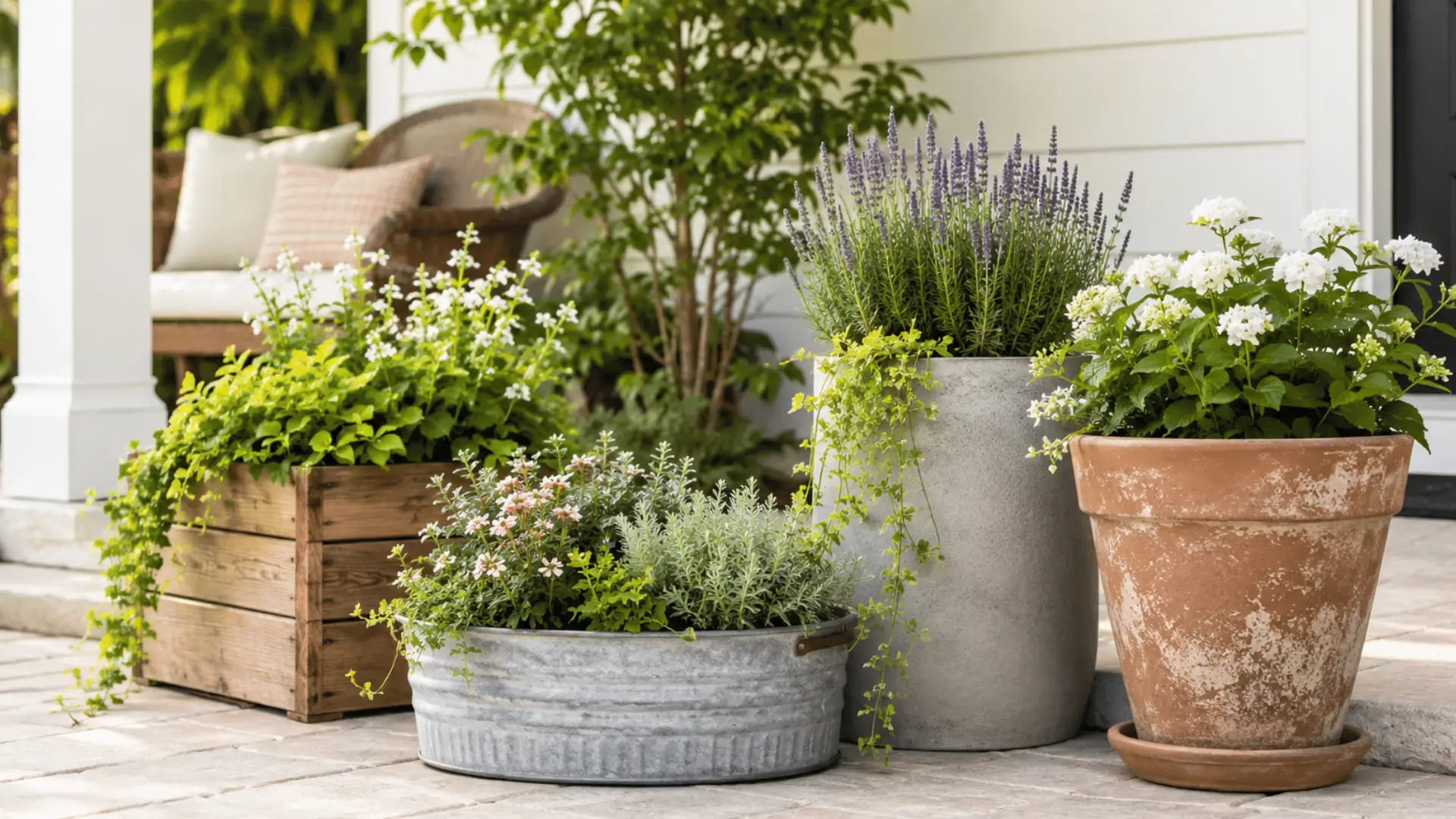
A porch, patio, balcony, or entryway feels more complete when the containers look as thoughtful as the plants inside them.
I prefer planters that add character without making the space feel crowded, whether that means warm terracotta, natural wood, smooth ceramic, or simple metal.
The best flower pot ideas consider more than color alone. Shape, height, texture, and placement all affect how the arrangement looks.
Tall pots can frame a doorway, low bowls suit tables, and grouped containers can pair nicely with outdoor tree stump decor to fill an empty corner without major changes. Railing planters also work well in smaller spaces where floor area is limited.
When each pot suits the home’s style, even a basic mix of flowers can make the outdoor area feel balanced, welcoming, and intentionally finished.
Match Flower Pot Ideas to Your Home’s Style
Before you buy anything, look at your house the way a stranger walking up would see it. A craftsman bungalow calls for something warmer and rougher, like clay or wood.
A glass-and-steel modern build looks better with clean resin or concrete shapes. This is the step most people skip, and it is the reason so many barndominium-style porches end up with planters that clash instead of complement.
Think about color next. Neutral pots in gray, black, or terracotta almost always work, while bright colored planters need to match an accent already on the house, like a front door or shutters. Size matters too.
A tiny pot on a big porch reads as an afterthought, so scale the planter to the space rather than the other way around.
Flower Pot and Planter Ideas to Try
Every home style has a planter that fits it, and the fastest way to find yours is to scan a few materials and pick the one that already feels like your house.
1. Terracotta and Clay Pots for a Classic Look
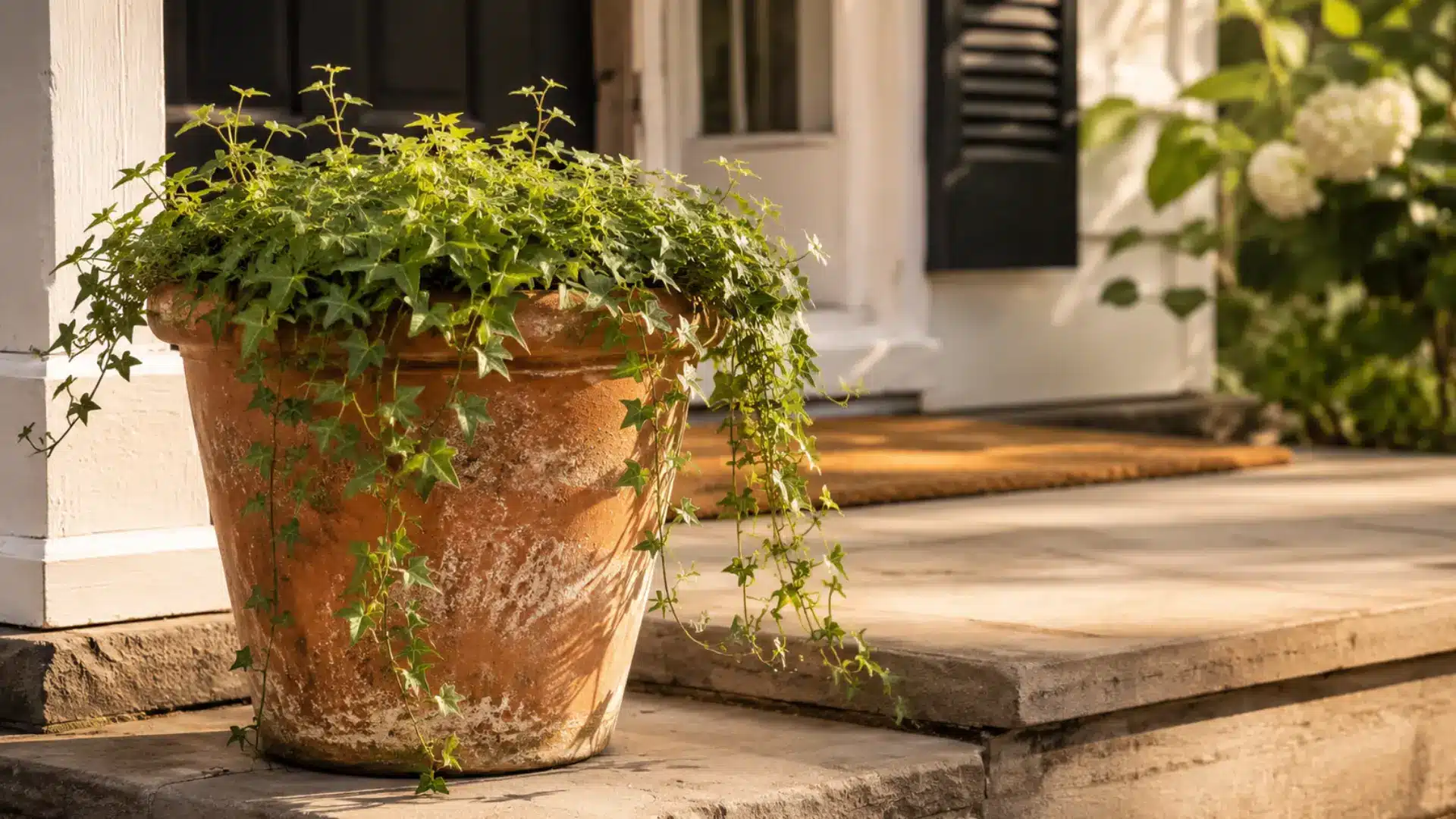
Terracotta is the classic choice for a reason. It is affordable, breathes well so roots do not sit in soggy soil, and develops a nice weathered patina over a few seasons.
The tradeoff is that unglazed clay can crack in freezing weather if water gets trapped inside, so cold-climate homeowners should bring terracotta indoors or empty it before the first hard freeze.
2. Concrete and Stone Planters for Weight and Permanence
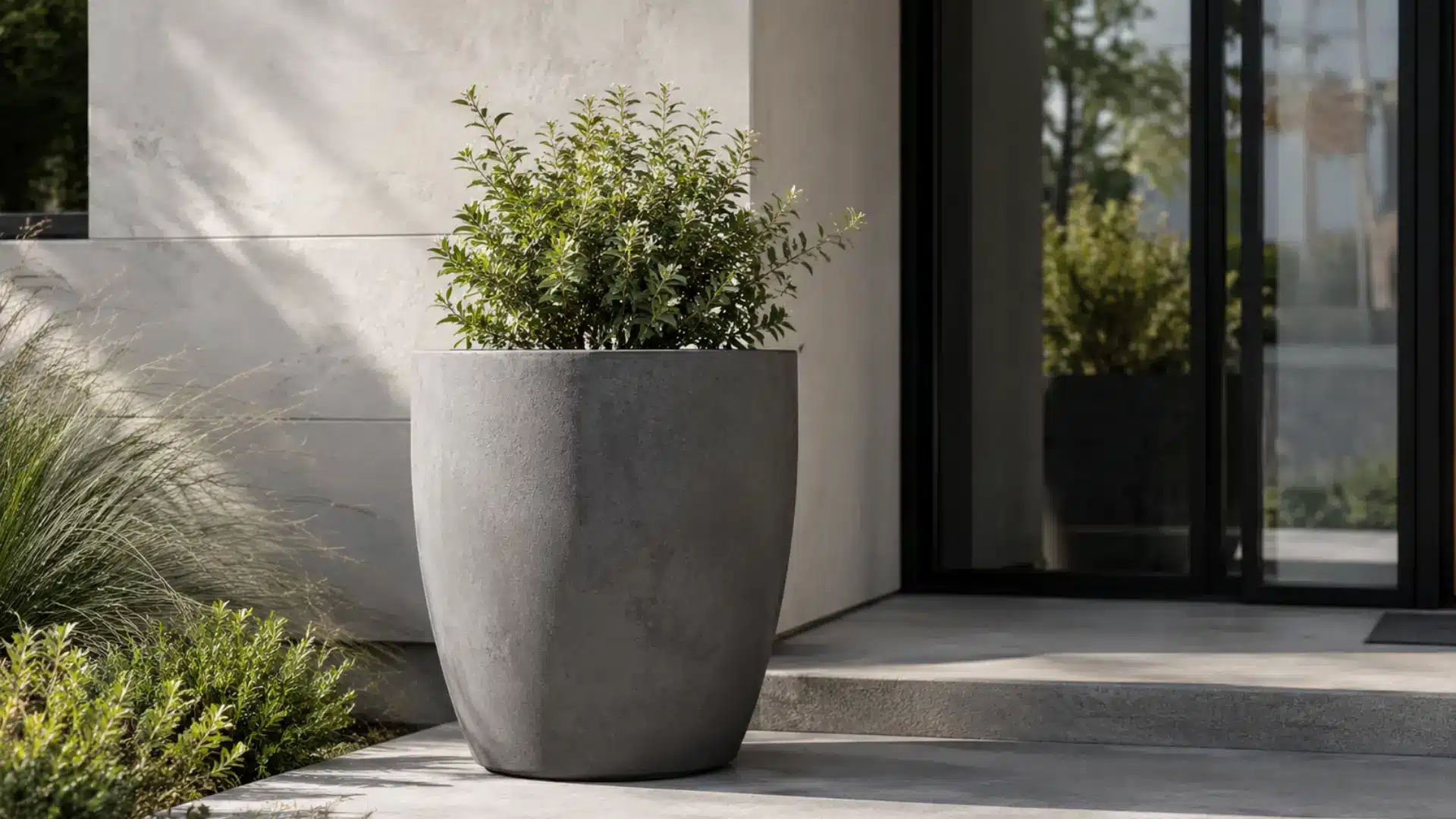
Concrete planters suit modern and Mediterranean homes equally well, since the material reads as either sleek or old-world depending on the shape you pick.
Concrete is heavy enough to anchor a patio border or a set of exterior window trim styles without tipping over in a storm.
3. Galvanized Metal Buckets for an Industrial Edge
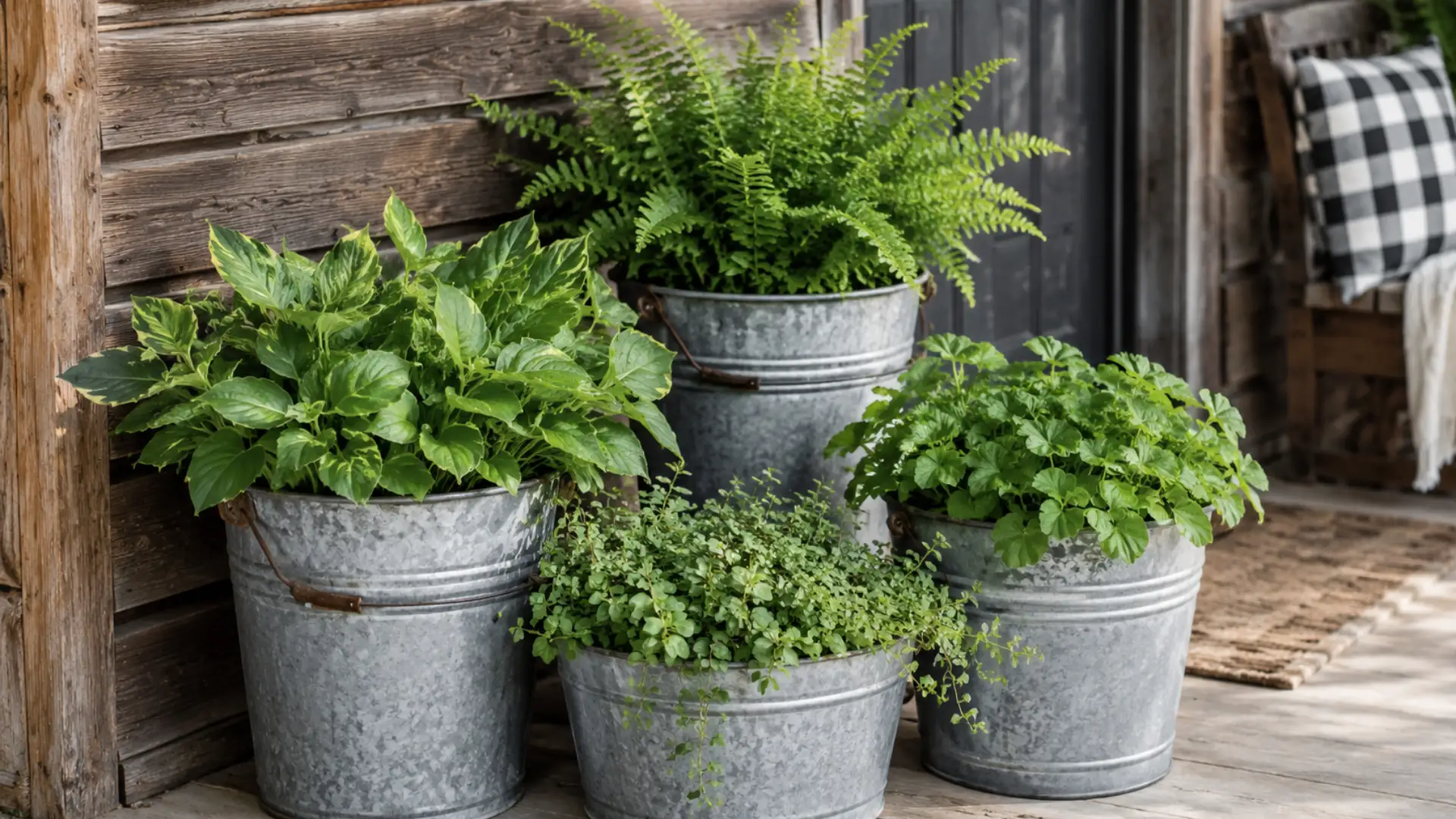
Galvanized buckets and zinc planters give a porch an industrial or farmhouse edge, depending on the finish.
Metal heats up fast in direct sun, which can stress plant roots, so line the inside with a plastic liner if your containers sit somewhere hot most of the day.
4. Cedar and Wood Planter Boxes for a Natural Fit
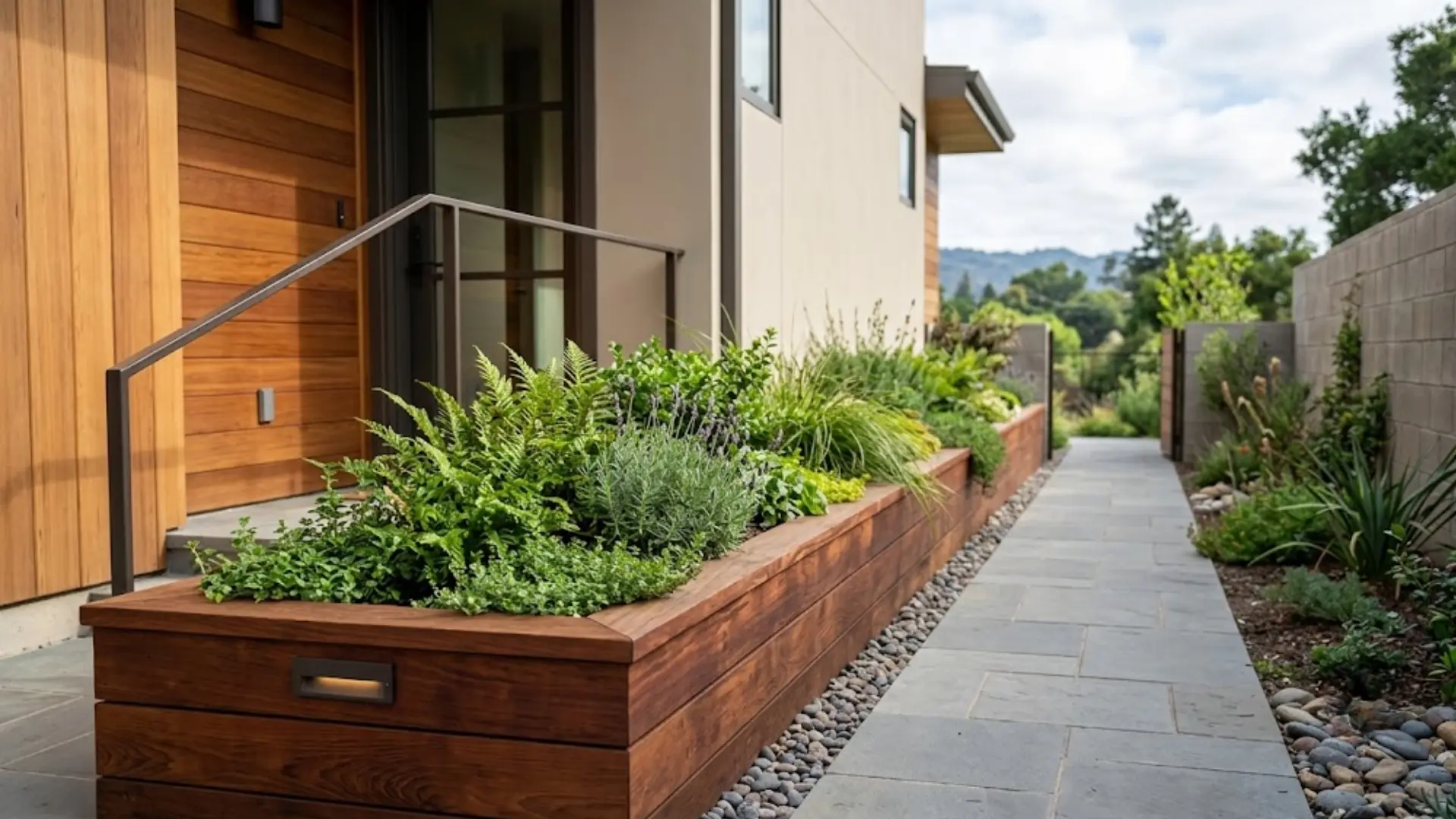
Cedar and teak naturally resist rot, making them dependable choices for outdoor planters in nearly any home style. Wooden planter boxes also work well for DIY projects because they can be cut and assembled to fit a specific area.
Build one for a narrow walkway, beneath a window, along a porch edge, or anywhere a standard planter would leave awkward gaps.
5. Matte Resin Planters for a Modern, Minimalist Look
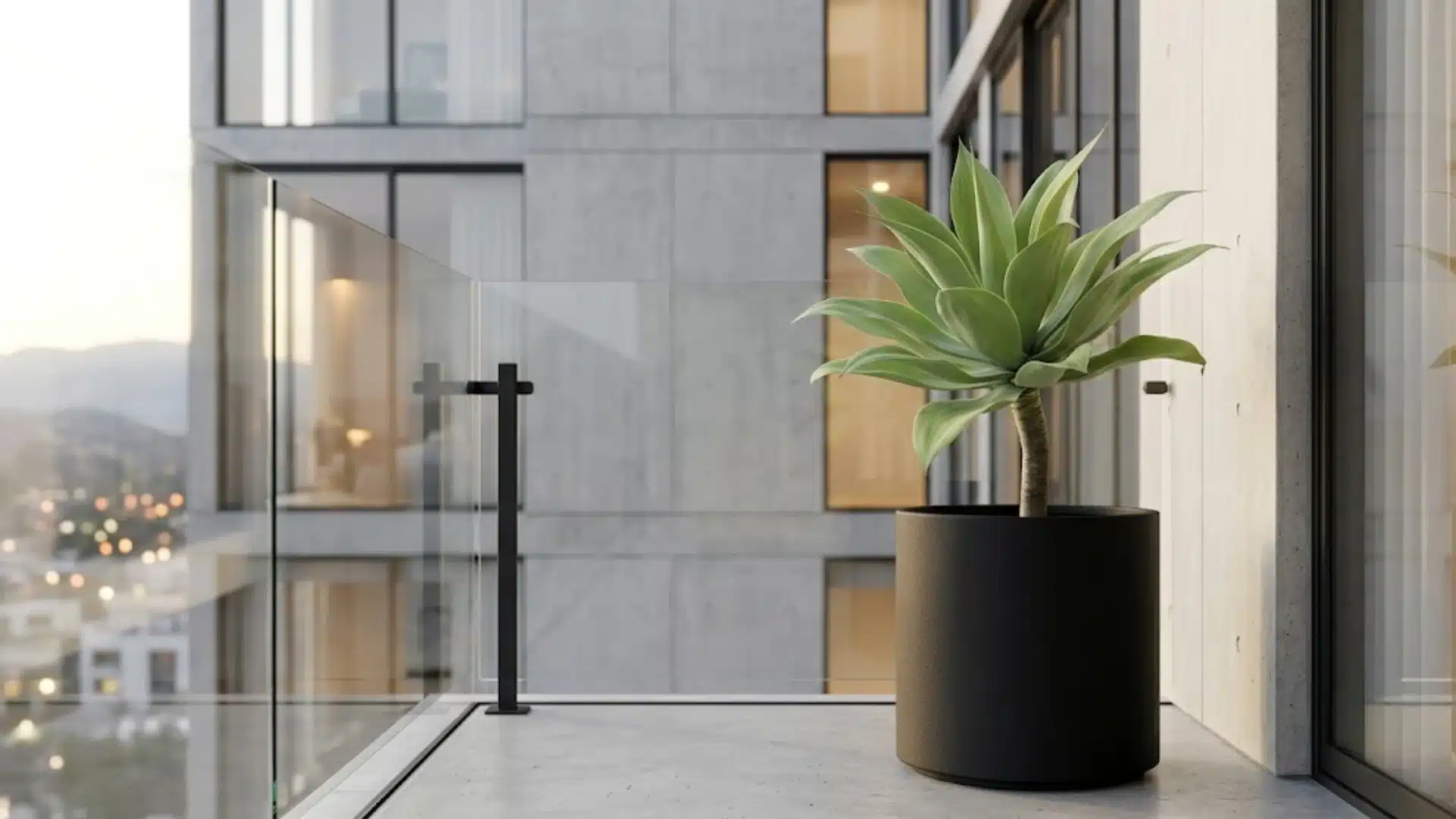
Fiberglass and resin planters mimic the look of stone or metal at a fraction of the weight, which makes them practical for rooftop decks or upper-floor balconies where load matters.
A single sculptural plant, like a fiddle leaf fig or a tall grass, fits the minimalist mood better than a busy mixed arrangement, and it pairs naturally with other room decor ideas built around clean lines.
6. Woven Baskets and Whitewashed Wood for a Coastal Feel
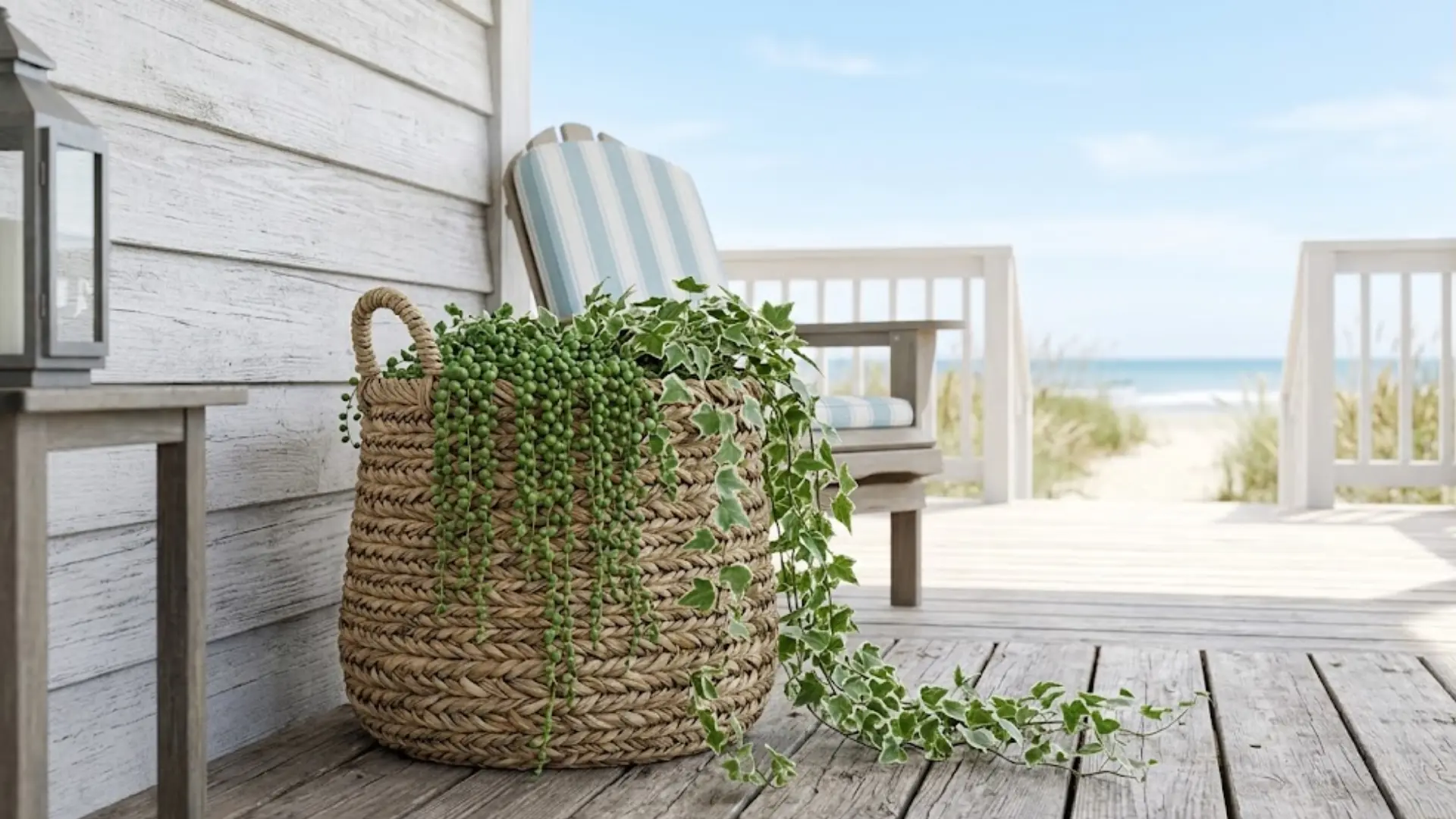
Coastal planters lean toward woven baskets, whitewashed wood, and light blue or sandy ceramic glazes.
Rope-wrapped pots and driftwood-toned resin both echo a beach house without needing to live near the water, which fits well alongside broader coastal interior design ideas for the rest of the home.
7. Galvanized Wash Tubs for a Farmhouse Look
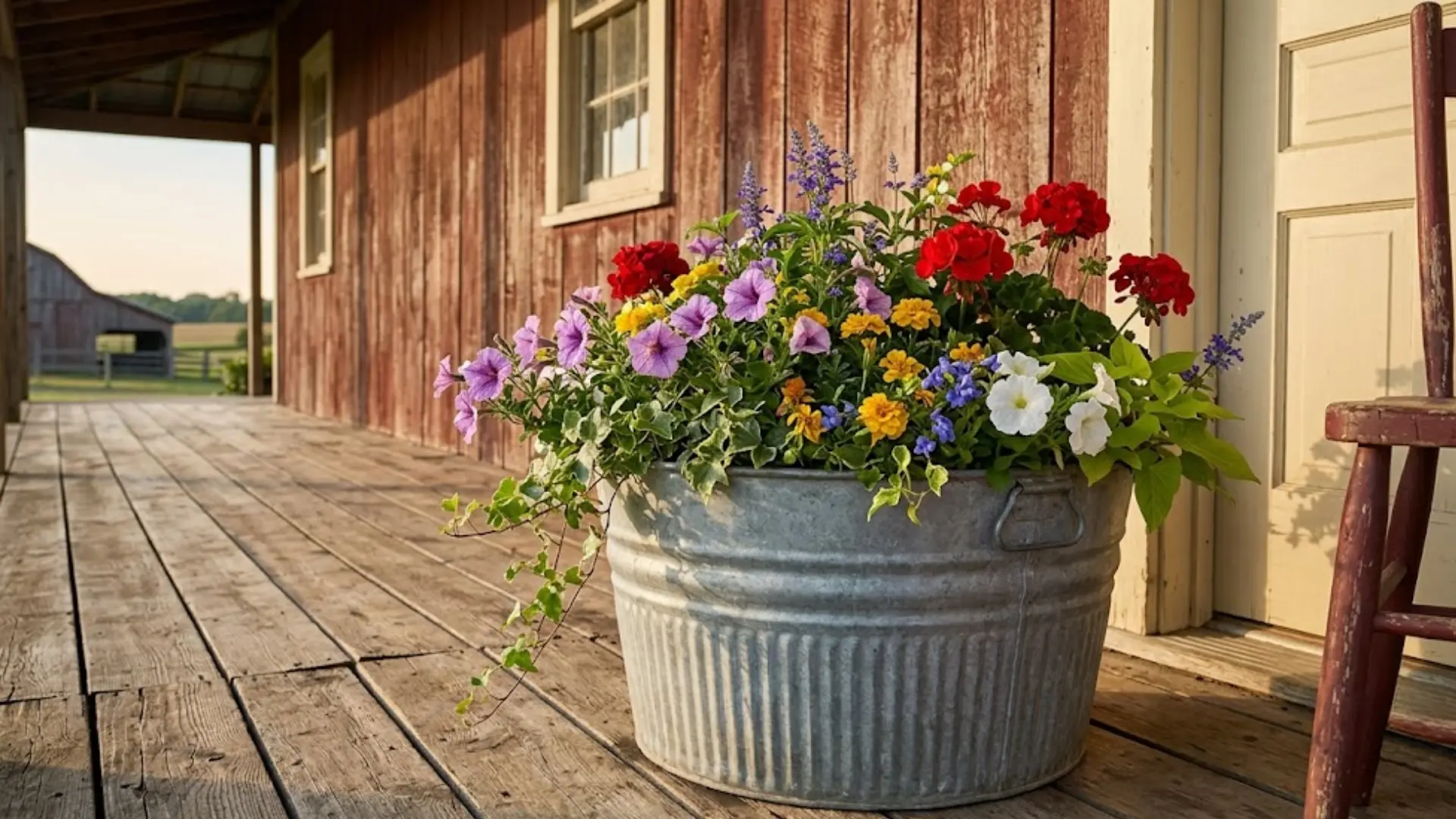
Galvanized wash tubs, wire baskets, and reclaimed wood crates bring an immediate farmhouse feel to porches, patios, and entryways.
Arrange several containers at different heights to create the relaxed, collected look that defines this style.
Fill them with herbs, trailing greenery, or seasonal flowers, and allow natural wear, faded finishes, and visible wood grain to add warmth and character without making the display feel overly planned.
8. Hand-Painted Ceramic Urns for a Mediterranean Feel
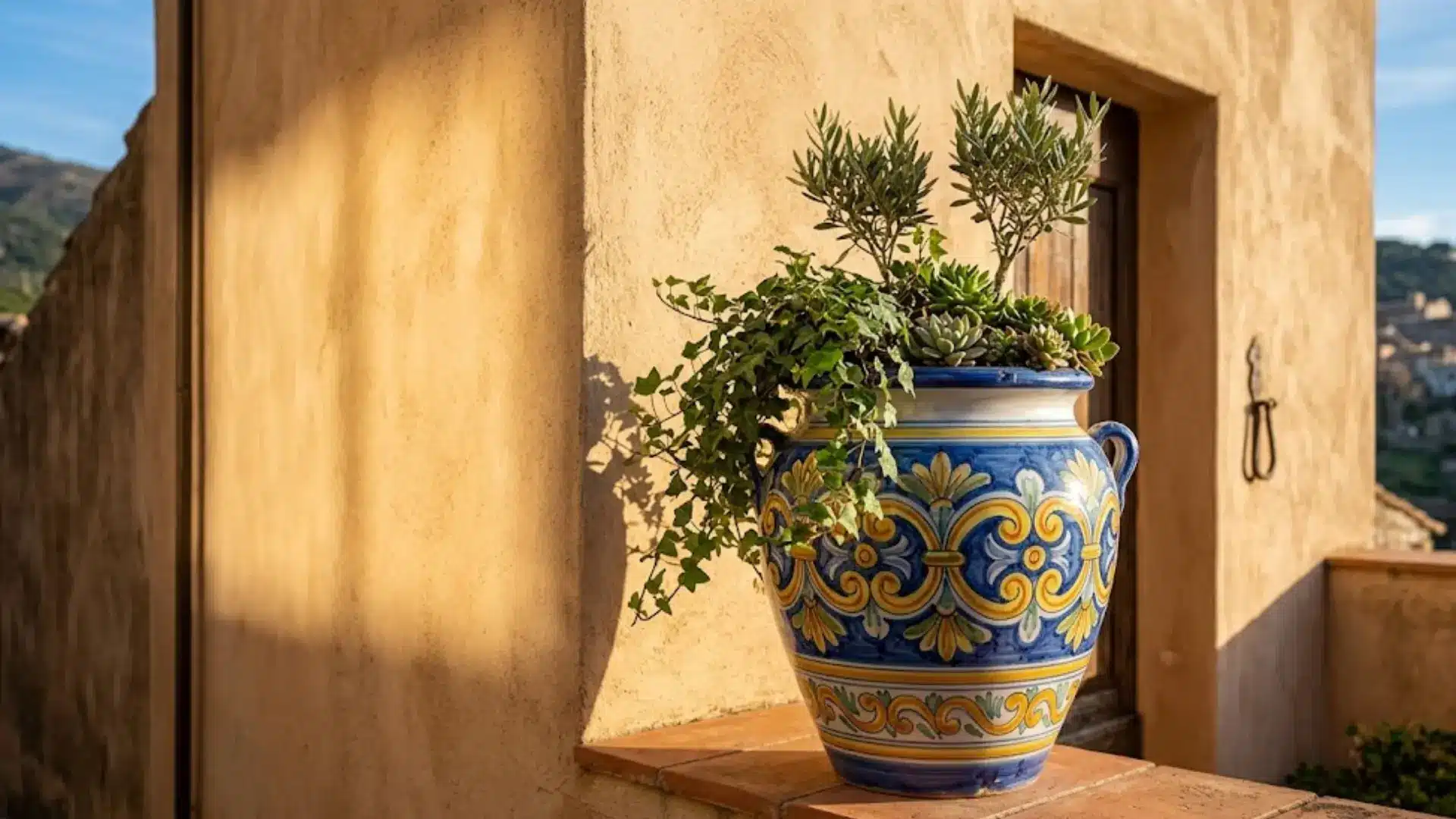
Hand-painted ceramic urns in rich blue, warm yellow, or natural terra cotta bring a clear Mediterranean character to patios, entryways, and garden corners.
Choose rounded, full-bodied shapes instead of narrow, straight-sided pots to create a softer, traditional look.
These decorative planters work especially well beside stone walls, stucco finishes, or textured plaster exteriors, where their color and craftsmanship become a strong focal point.
9. A Budget Planter Idea: Painted Terracotta
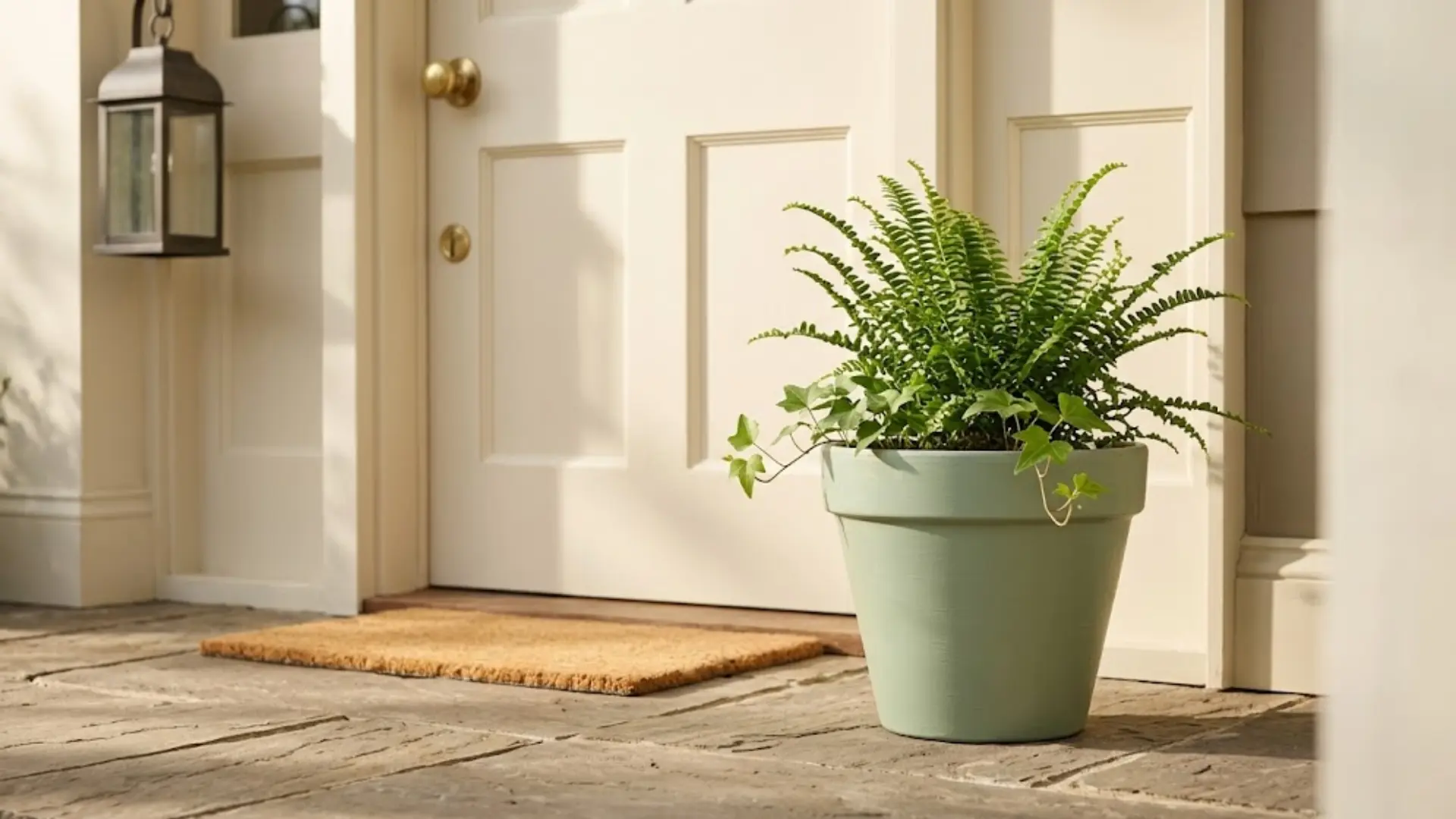
A coat of exterior paint turns a basic clay pot into something that matches your trim or door color.
This is one of the fastest ways to update an old planter without buying a new one, and it holds up outdoors as long as you use exterior-rated paint.
Tip: Use exterior-grade paint and seal the pot to improve weather resistance.
10. Repurposed Wooden Crates for a Rustic Planter
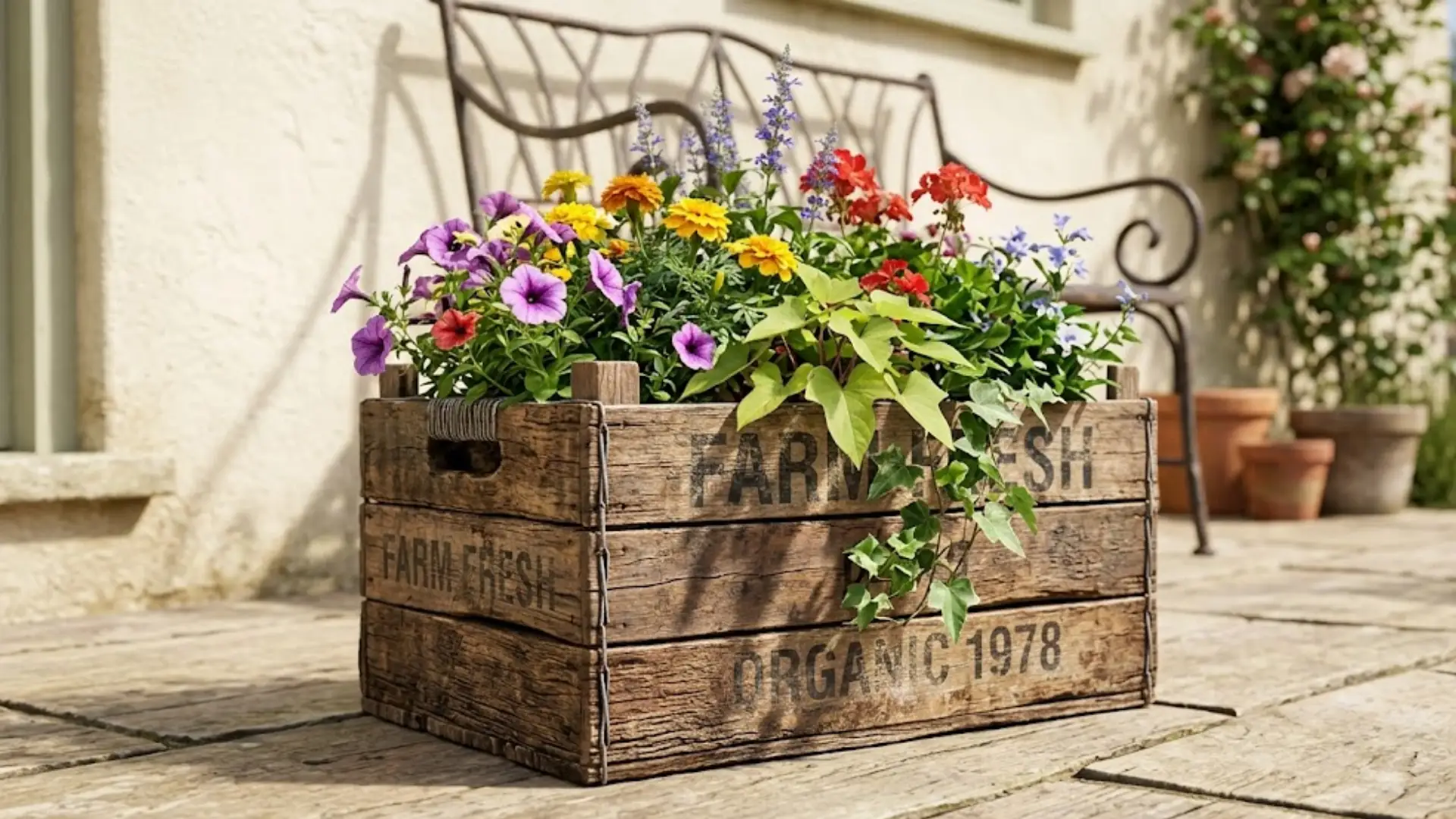
Wooden produce crates lined with plastic sheeting make sturdy, rustic planters for almost nothing.
Repurposing containers this way keeps usable material out of the trash, and recycling rates for household containers and packaging have climbed steadily over the past two decades as more people make this kind of swap.
11. Thrifted Tins and Enamelware for Something Unique
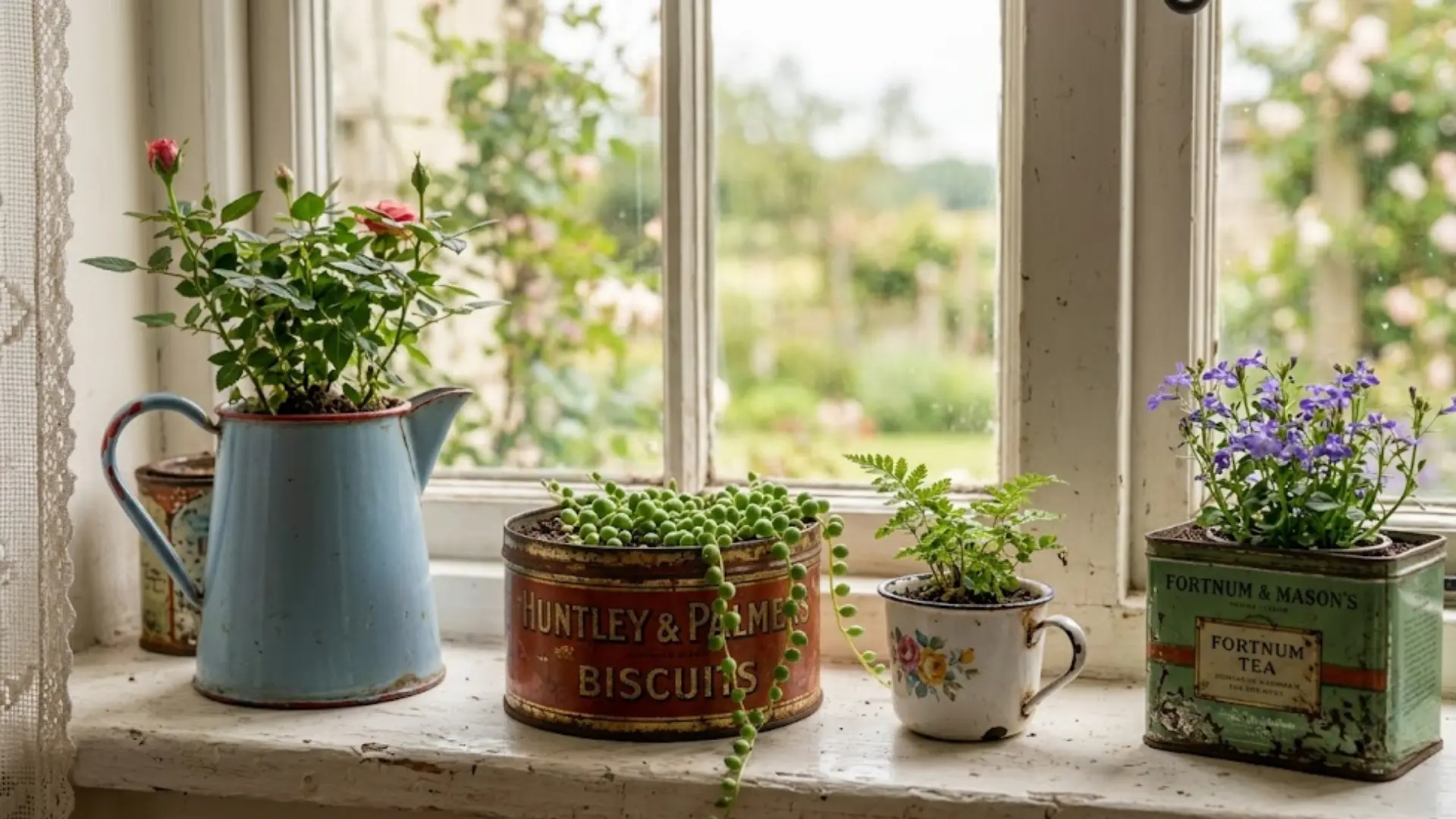
Old tins, colanders, and enamelware can become charming planters for herbs, succulents, or compact flowers.
Drill one or two drainage holes in the base before adding soil to prevent water from becoming trapped. Most pieces cost only a few dollars at thrift stores or flea markets.
Their worn finishes and mismatched shapes suit farmhouse and cottage spaces, especially when grouped together on a porch, windowsill, or garden shelf.
12. A Sustainable Planter Idea: Recovered-Plastic Pots
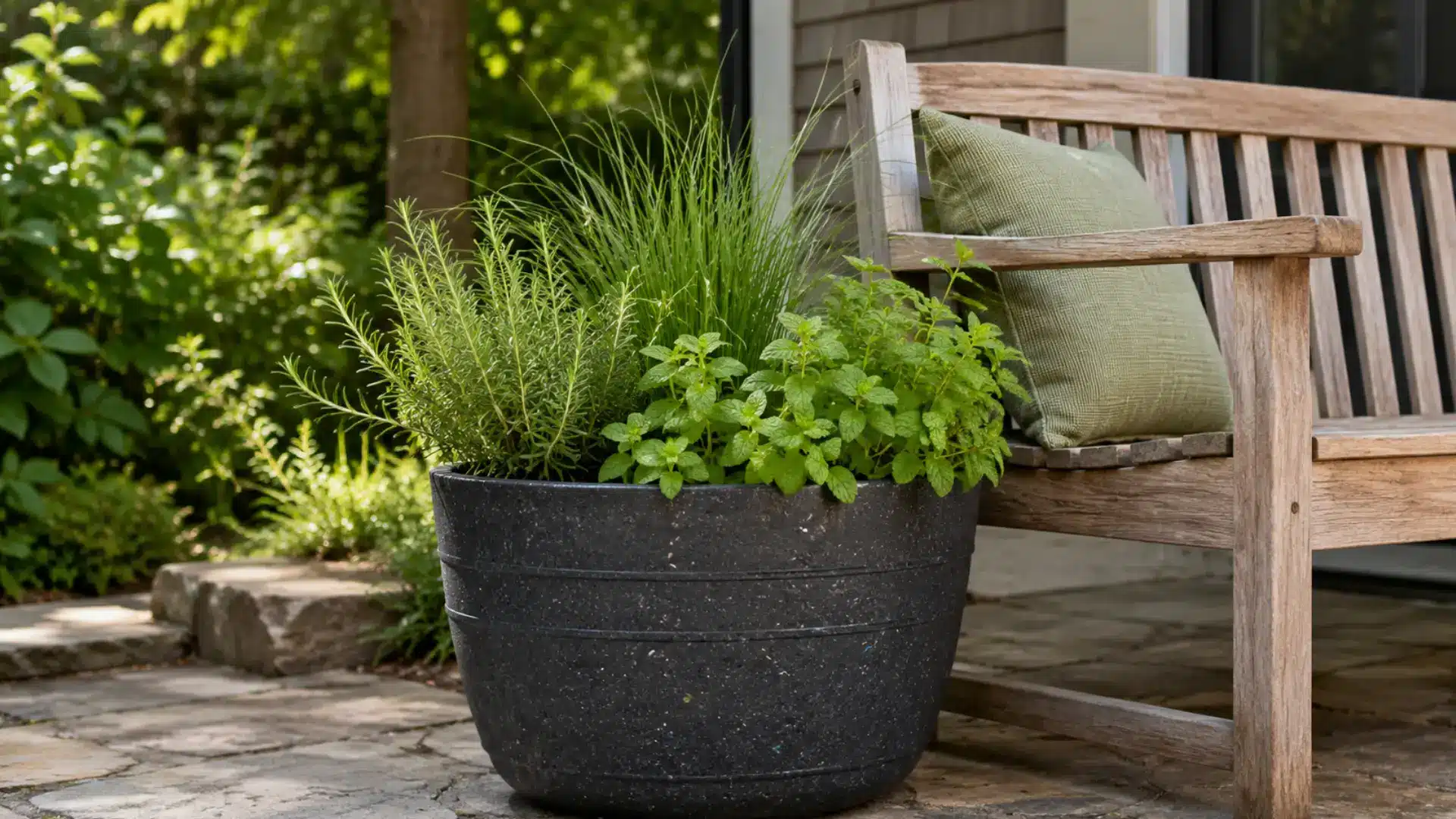
Some garden retailers now sell planters made from recovered plastic materials, which cost about the same as standard plastic but keep material in circulation instead of sending it to a landfill.
They come in enough colors and shapes now that they no longer look like an obvious compromise.
13. Floating Shelf Planters for Indoor Display
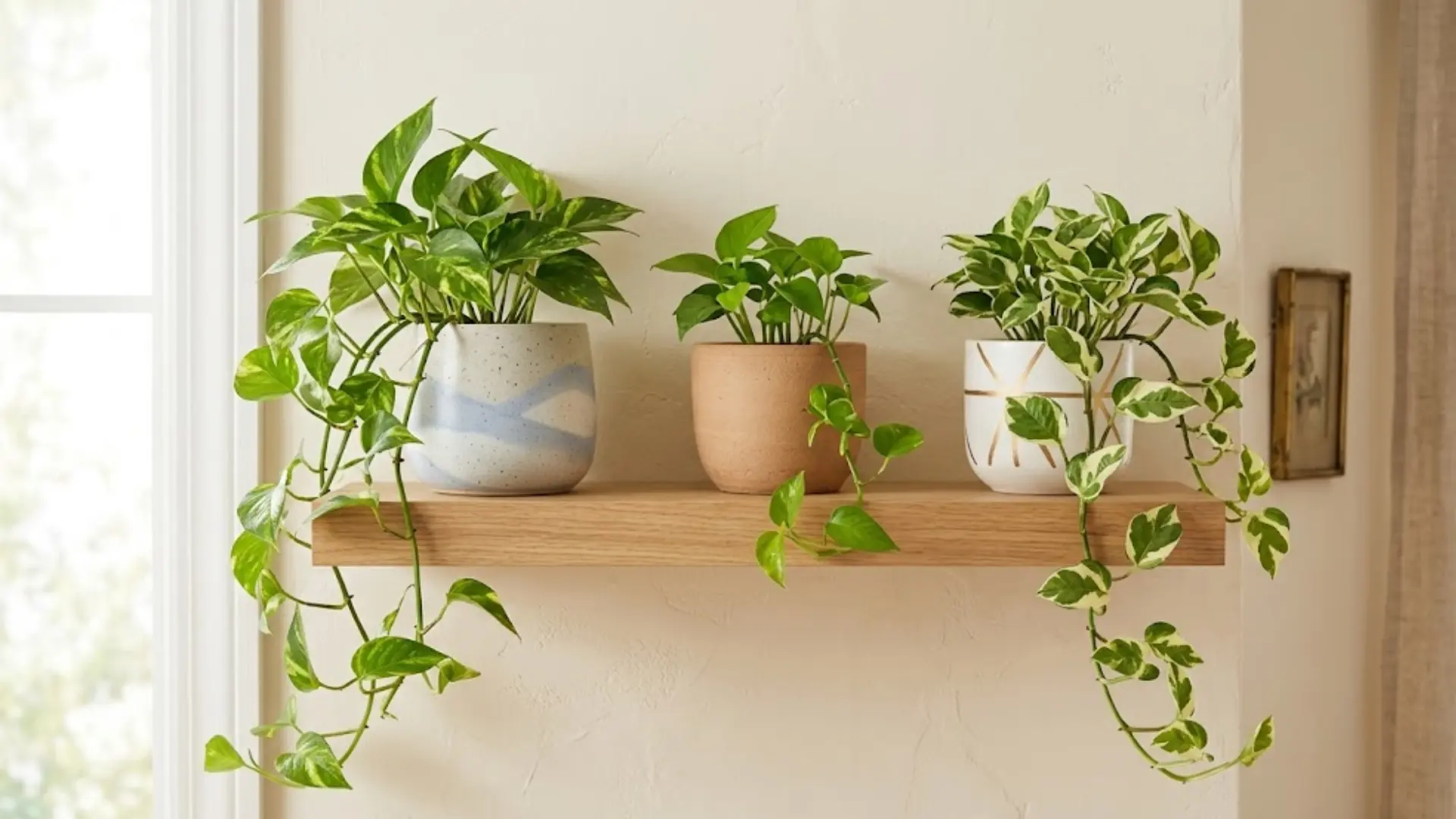
Indoor planters skip the weather problem entirely, which opens up materials that would never survive outside, like ceramic, glass, or woven fabric.
A floating shelf works especially well for trailing plants like pothos or ivy, since the leaves spill down and soften a plain wall.
14. Matching Planters Flanking the Front Door
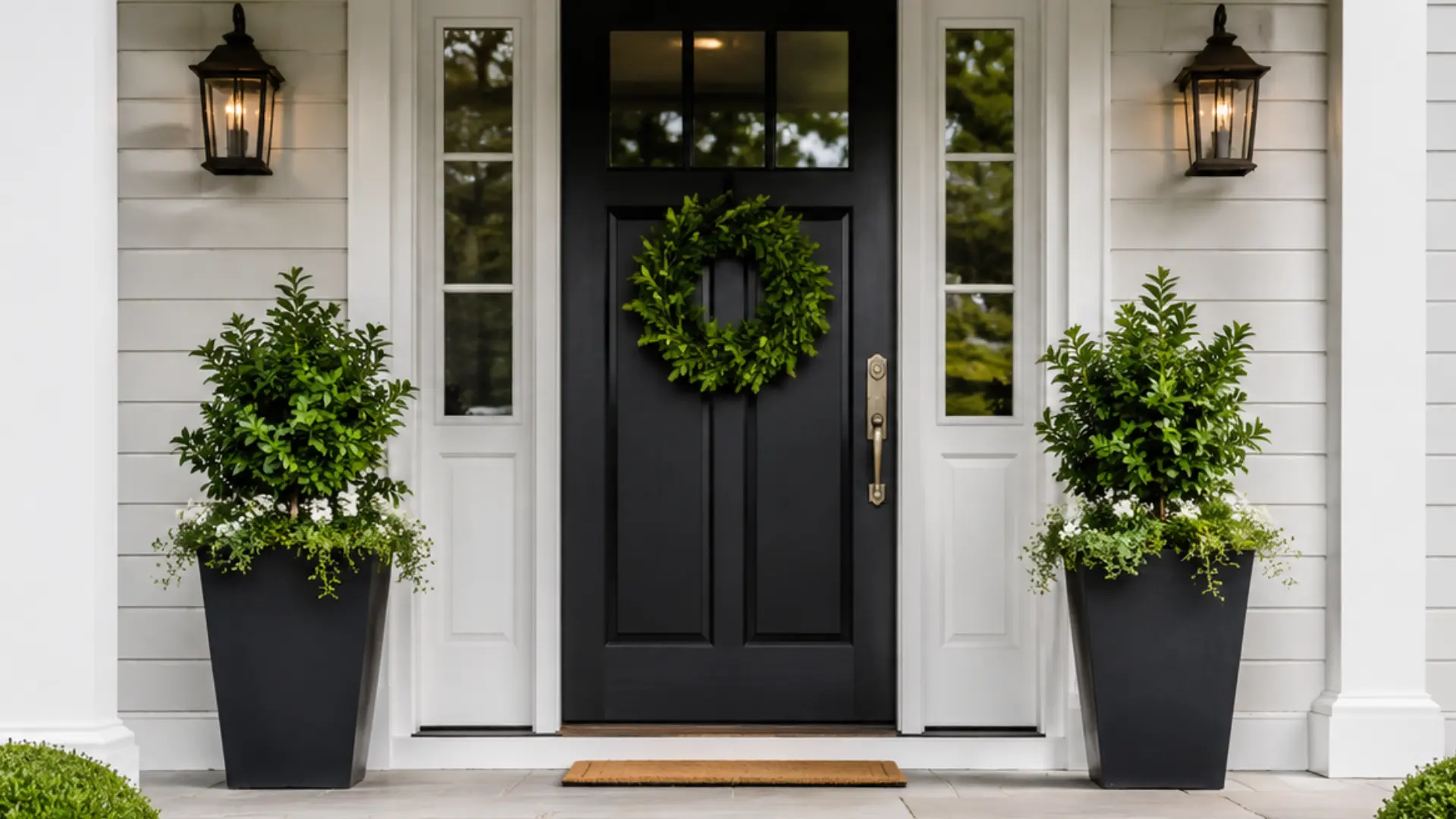
Two matching planters flanking a front door are the most reliable curb-appeal move, and they work with nearly any home style.
Keep the pair identical in size and material so the entrance reads as intentional rather than mismatched.
Tip: Place matching planters at equal distances from the doorway to create a balanced and welcoming entrance.
15. Group Planters in Odd Numbers for More Impact
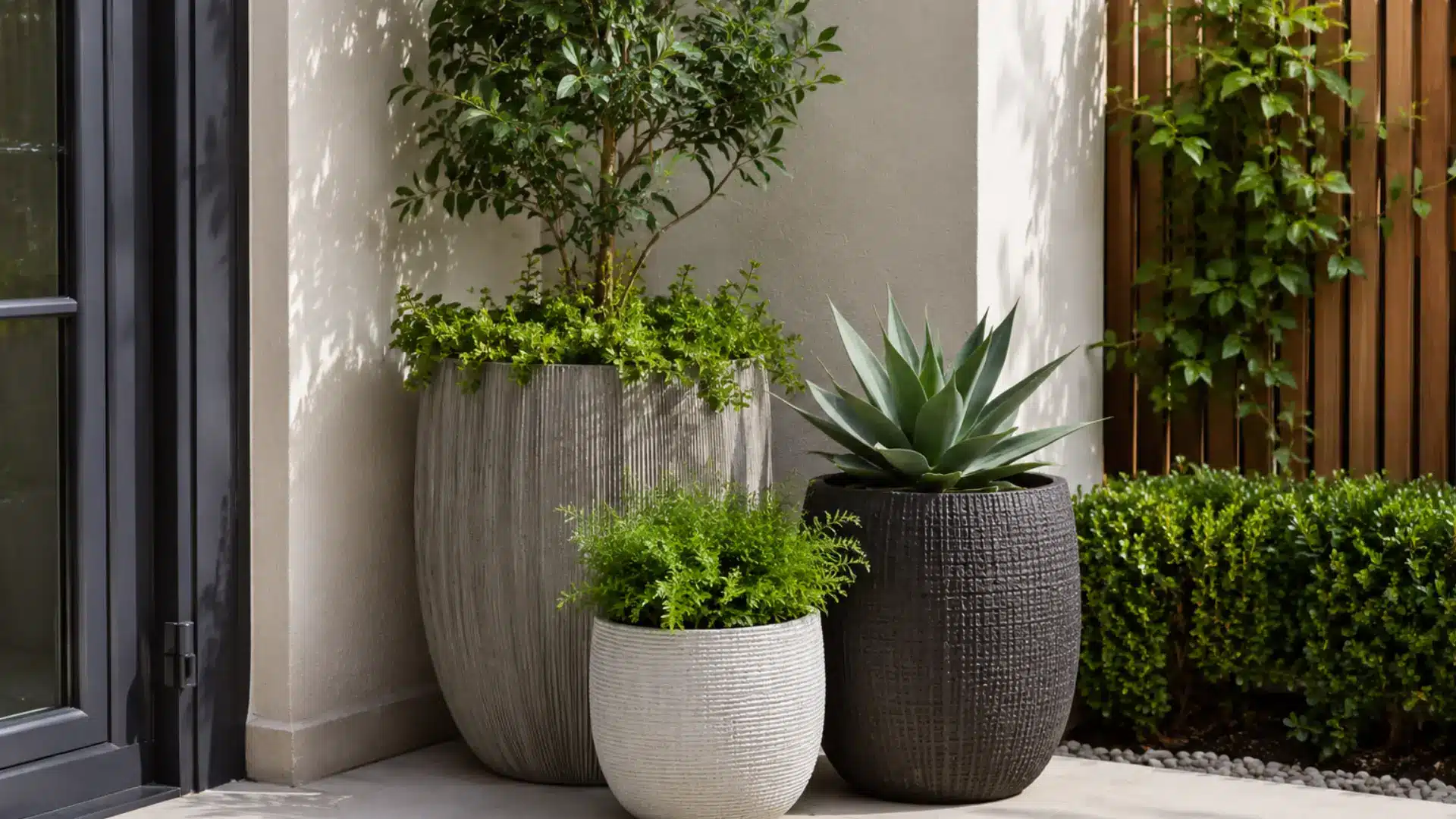
Grouping planters in odd numbers, three or five, reads as more natural than lining up pairs everywhere.
Vary the height within the group, too: place a tall planter behind a shorter one rather than setting everything at the same level.
Any one of these works on its own, but the strongest porches usually mix just two, like terracotta with a matching wood box, rather than trying to fit five different looks in one spot.
Basic Maintenance Tips to Keep Any Planter Looking Good
Even the best flower pot ideas need a little upkeep, and most maintenance tasks take only a few minutes at a time.
These habits apply across materials, whether you went with terracotta, resin, or a repurposed crate.
- Check drainage first: clogged drainage holes cause more damage to the planter than weather does, so clear them out whenever you repot or notice water sitting on the soil surface.
- Wipe down non-porous materials: Resin, metal, and glazed ceramic just need a damp cloth every few weeks to clear dust and water spots.
- Reseal wood yearly: A fresh coat of exterior sealant once a year keeps cedar and teak from graying out faster than they should.
- Watch for rust on metal: Small rust spots on galvanized buckets can be sanded and touched up with rust-resistant paint before they spread.
- Rotate terracotta seasonally: Move unglazed clay indoors or into a garage before the first hard freeze to prevent cracking.
- Refresh the top layer of soil: Swapping the top inch of soil each season keeps the surface looking neat without repotting the whole plant.
None of this takes much time, but skipping it is usually why a planter that looked great in spring looks tired by fall.
Conclusion
The best planters do more than hold plants. They help a porch, patio, windowsill, or empty corner feel complete.
I prefer starting with one small area because a single well-chosen pot can make the space feel more intentional.
Materials such as wood, concrete, terracotta, metal, and reused containers can all work when the size, color, and placement suit the surroundings.
That is where flower pot ideas become useful, since they match practical needs with personal style. Indoor spaces benefit in the same way, especially when a quiet corner needs warmth or texture.
Choose one unfinished spot and refresh it this weekend. Which planter style would you try first? Share your choice and placement idea in the comments.
Frequently Asked Questions
Do All Planters Need Drainage Holes?
Yes, almost always. Standing water rots roots faster than nearly anything else, so if a container does not have a hole, drill one or use it as a decorative outer shell around a separate pot that does.
Can the Same Planter Work Indoors and Outdoors?
Ceramic and plastic usually transition fine, but untreated wood and unsealed metal degrade faster outside. If you plan to move a planter between spaces seasonally, choose a material rated for both spaces.
How Much Does a Large Outdoor Planter Typically Cost?
Basic plastic or resin planters start around 20 to 40 dollars, while large concrete or stone pieces can run 150 dollars or more depending on size and finish.
What is the Fastest Way to Make a Planter Look Expensive without Spending Much?
Group multiple plain pots together at varied heights, add a layer of clean mulch or moss on top of the soil, and choose one bold plant instead of several small ones.