

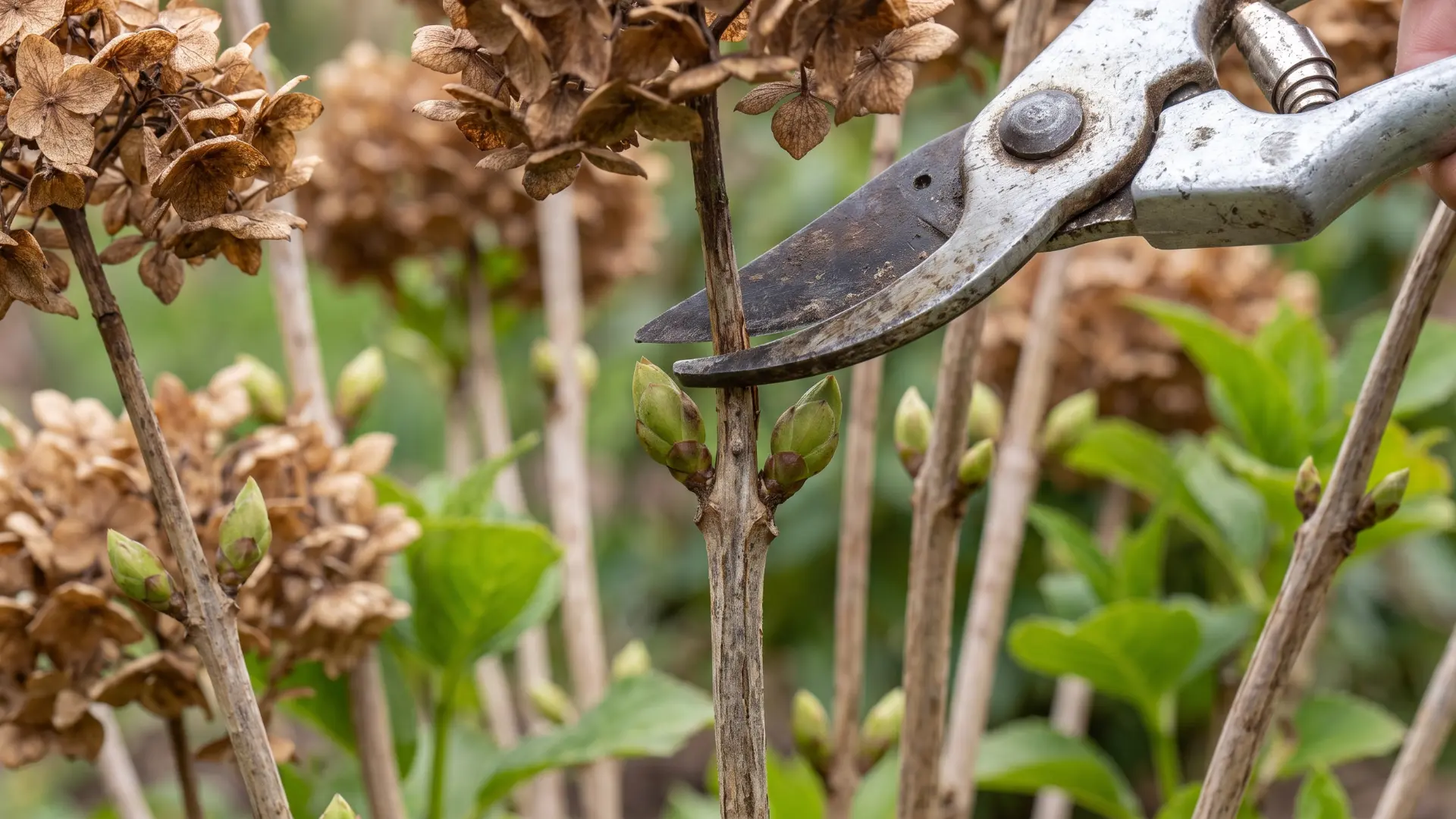
Prune hydrangeas based on which wood produces their flower buds, not by a date on the calendar. Old wood bloomers like bigleaf and oakleaf hydrangeas need a light hand right after flowering, while new wood bloomers like panicle and smooth hydrangeas tolerate a hard cut in late winter.
Get the type wrong, and you can lose an entire season of blooms without seeing the damage until spring, since the mistake and the missing flowers are separated by months of dormancy.
In two decades of horticulture work, I’ve traced more “my hydrangea won’t bloom” calls back to one root cause than any other: pruning shears meeting the wrong wood at the wrong time of year. Once you know what’s growing in your yard, the actual cutting takes about ten minutes a season.
Know Your Hydrangea Type Before You Cut
Everything about how you prune hydrangeas comes down to one question: does this shrub set flower buds on last year’s growth or on this year’s? The table below covers the five types you’ll find in most home landscapes.
| Type | Botanical Name | USDA Zones | Blooms On | Best Pruning Window |
| Bigleaf (Mophead/Lacecap) | Hydrangea macrophylla | 5 to 9 | Old wood | Right after flowering, before late July |
| Oakleaf | Hydrangea quercifolia | 5 to 9 | Old wood | Soon after flowering ends |
| Panicle | Hydrangea paniculata | 3 to 8 | New wood | Late winter to early spring |
| Smooth | Hydrangea arborescens | 3 to 9 | New wood | Late winter to early spring |
| Climbing | Hydrangea anomala subsp. petiolaris | 4 to 8 | Old wood | After flowering, minimal pruning only |
Old wood forms in summer and fall of the year before it flowers, so cutting a bigleaf or oakleaf hydrangea in spring removes buds that are already set. New wood forms and blooms in the same season, which is why panicle and smooth hydrangeas can take a hard prune without losing that year’s flowers.
If you’re filling in gaps around an established hydrangea bed, most of the low-maintenance flowering shrubs that pair well with it follow the same old wood versus new wood logic.
| Tip: Wipe your pruner blades with rubbing alcohol between plants, not just between cuts. Hydrangeas can pass fungal leaf spot and bacterial wilt through pruning wounds, and a clean blade costs you ten seconds while a spread infection costs you a shrub. |
Tools That Make a Clean Cut
- Bypass pruning shears: the kind that slide past each other like scissors and do most of the work described below.
- Skip anvil-style pruners for live wood: they crush stems instead of slicing them, and a crushed cut heals slower and invites disease.
- Loppers: keep a pair on hand for stems thicker than about five eighths of an inch, which most often shows up on established oakleaf and panicle plants.
- Garden stake or peony ring: worth having nearby for smooth hydrangeas like Annabelle, since a hard prune often produces flower heads heavy enough to flop.
How to Prune Each Type of Hydrangea, Step by Step
Once you’ve confirmed the type, the cuts themselves are straightforward. Work through the steps below in order, and don’t skip the dead wood pass just because your hydrangea is an old wood variety.
Step 1: Deadhead and Lightly Prune Bigleaf and Lacecap Hydrangeas
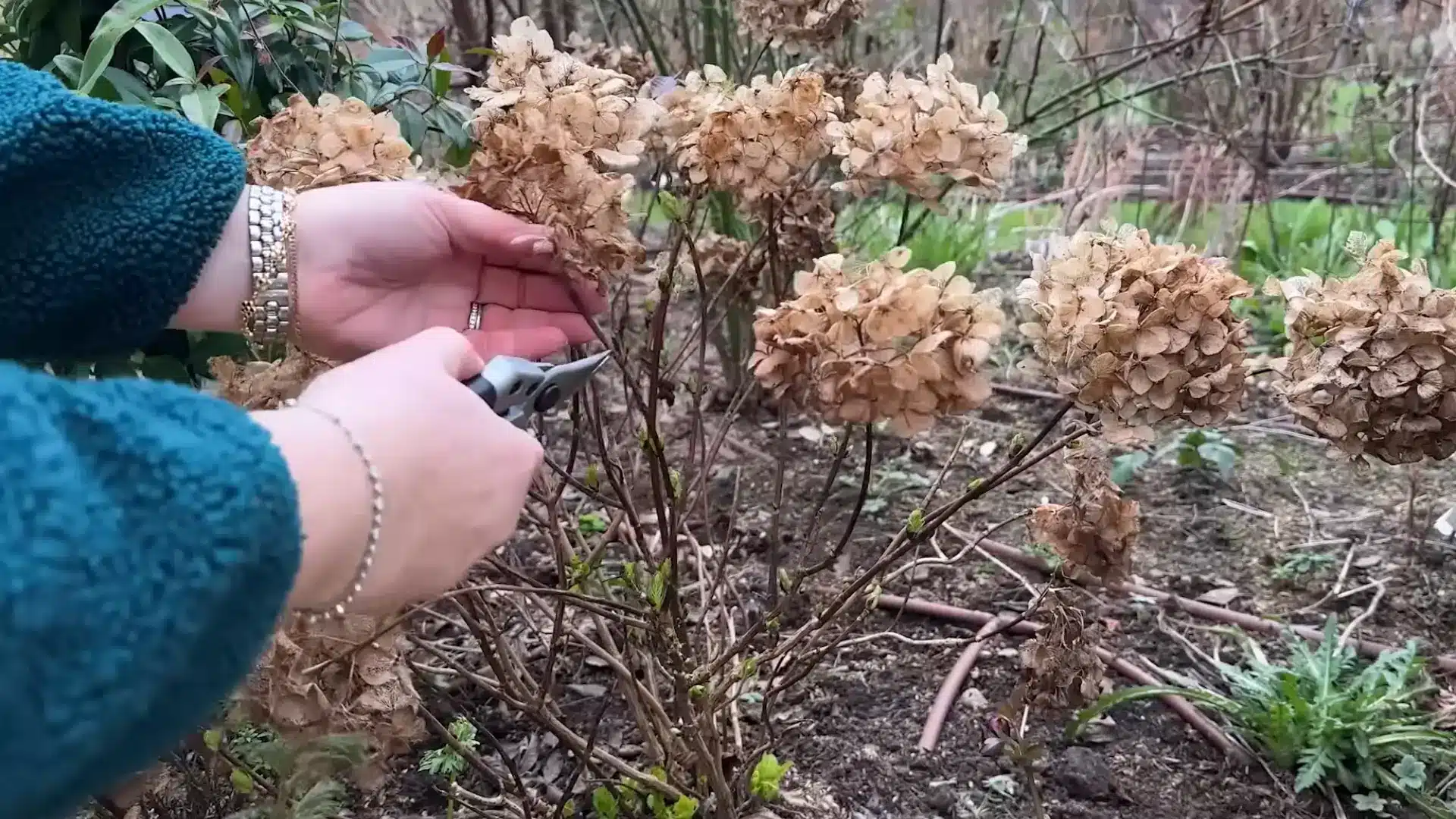
Follow each flowering stem down to the first strong, healthy bud pair and cut just above it. That’s the entire job for a bigleaf or lacecap hydrangea in a typical year.
Resist the urge to shape the whole plant while you’re in there; those side stems are already carrying next year’s buds, and shortening them removes flowers you haven’t seen yet.
If you’d rather not compost the spent heads, many gardeners cut them for the house instead, since a little know-how goes a long way toward keeping cut hydrangea blooms from wilting in a vase.
Step 2: Remove Dead, Weak, and Crossing Growth
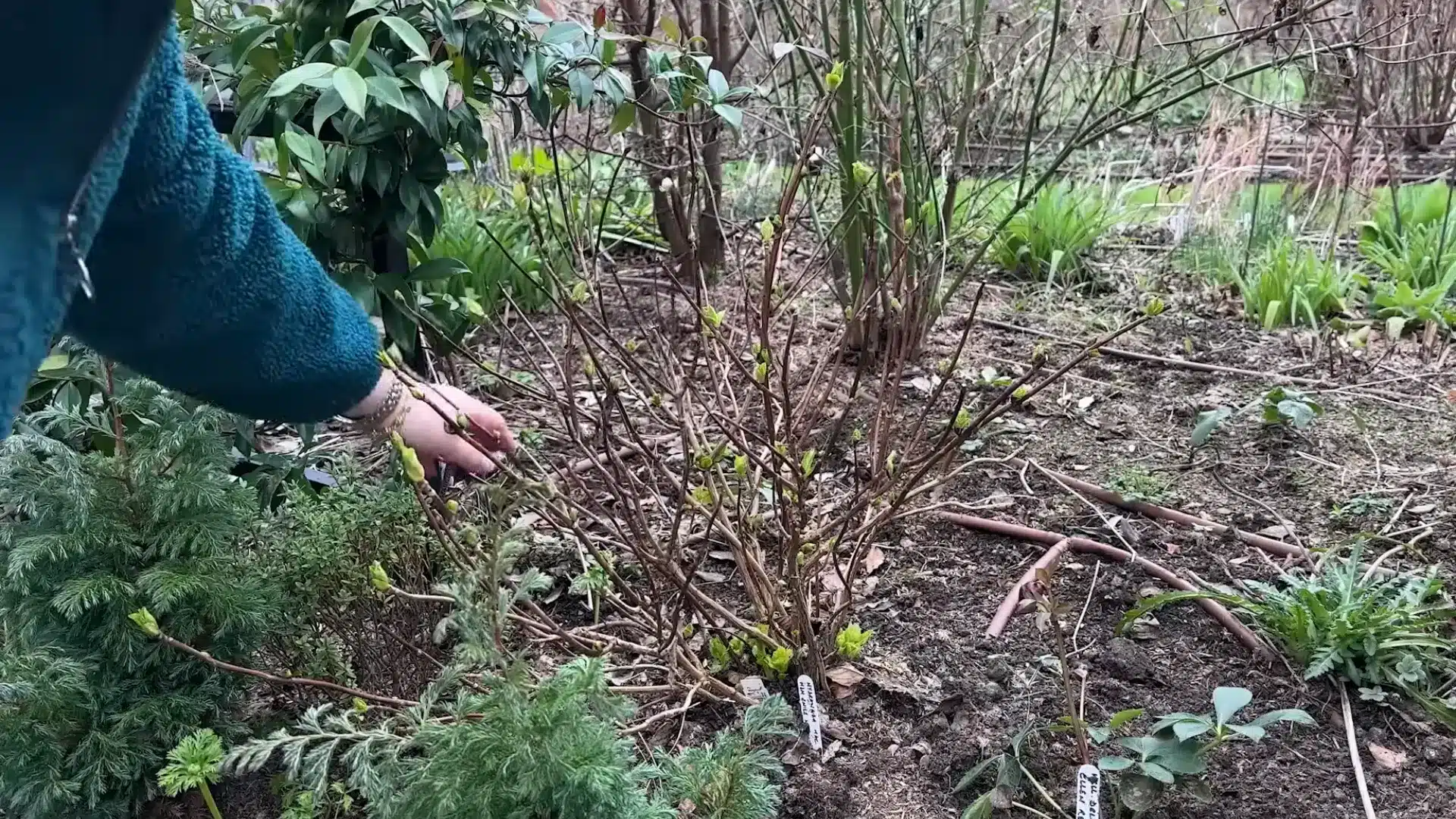
This pass applies to every hydrangea type, regardless of when you’re pruning. Work through the center and base of the shrub and cut out anything brittle, pale inside, or rubbing against another stem.
Crossing branches wear through each other’s bark over a season and create an entry point for disease, so removing them now saves you a bigger repair later.
Clearing out this congestion also improves airflow through the center of the plant, which cuts down on the powdery mildew that thrives in a crowded, humid canopy.
Step 3: Prune Panicle Hydrangeas Back to a Strong Framework
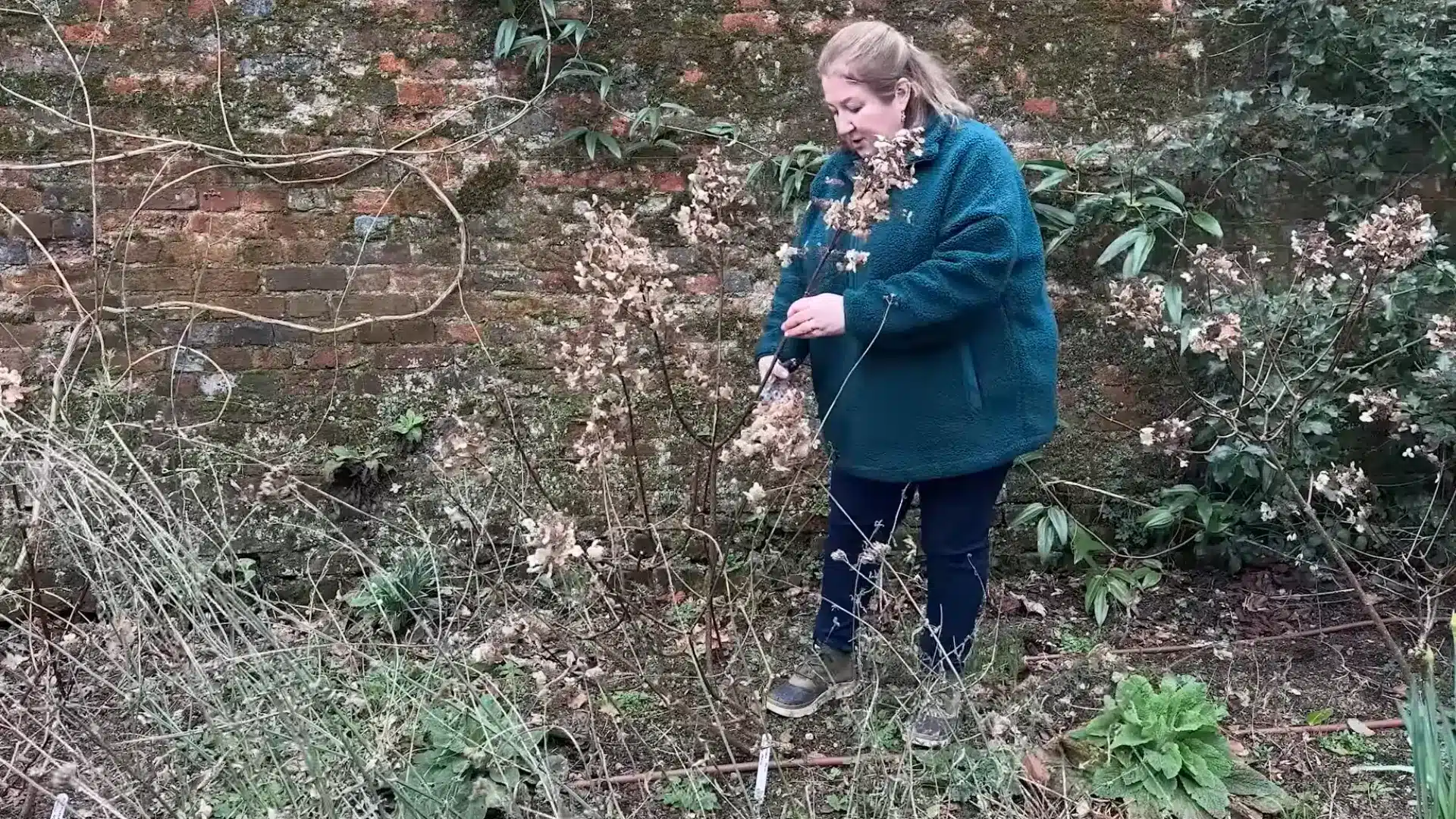
Panicle varieties like Limelight and Vanilla Fraise flower on new wood, so late winter is the time to shorten last season’s stems back to a strong bud, removing roughly a third to a half of the plant’s total mass.
Cut out any thin, downward-facing, or inward-growing shoots at the same time. A panicle hydrangea pruned this way each year builds a sturdier framework and holds up better under the weight of its own blooms by midsummer.
Step 4: Cut Smooth Hydrangeas Like Annabelle Back Hard
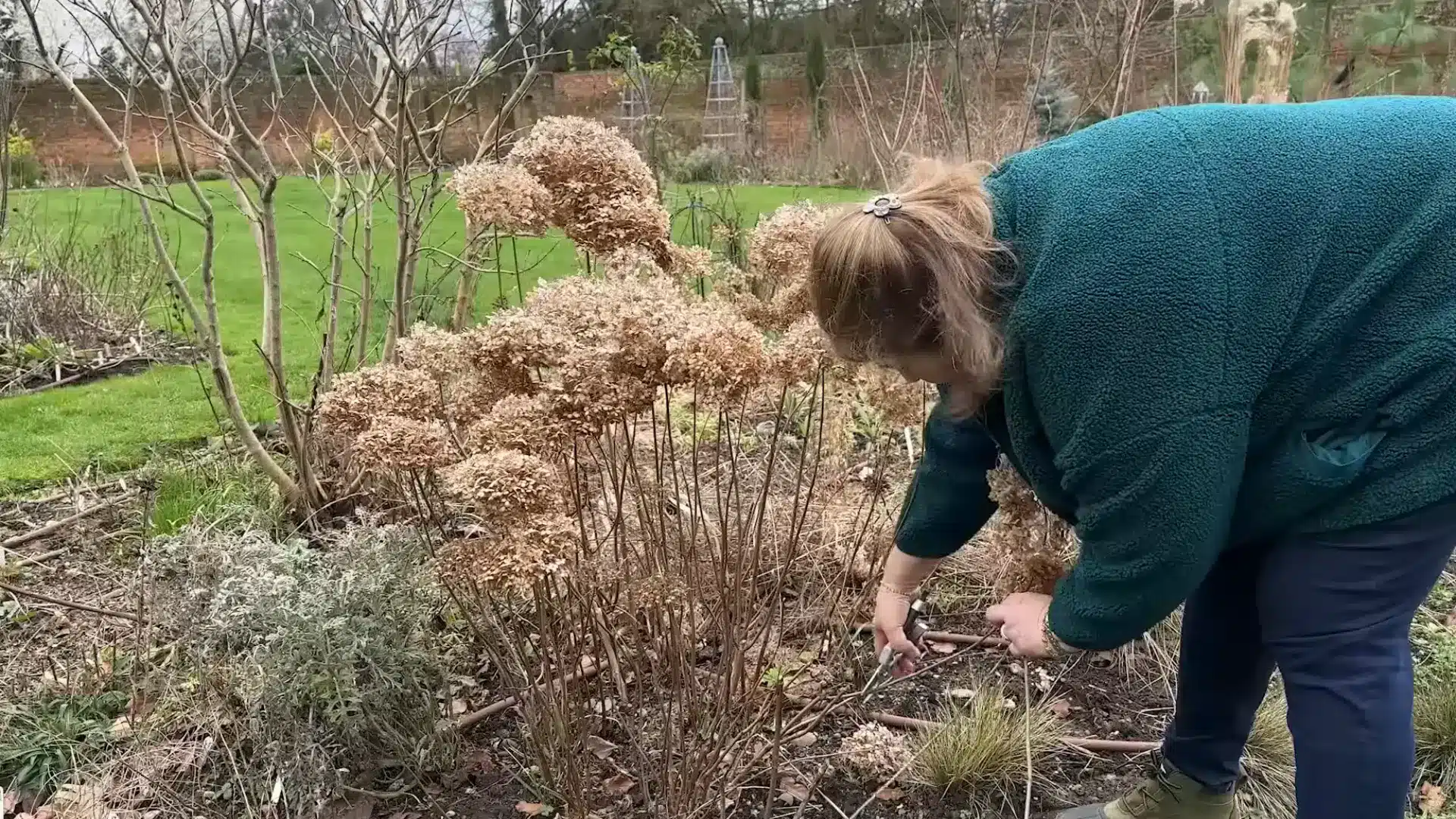
Smooth hydrangeas can take the hardest cut of the group. Bring stems down to about 12 to 18 inches above the soil, cutting near a visible bud, and remove any thin or weak growth entirely.
Cutting harder tends to produce fewer, larger flower heads, which is exactly the look most Annabelle growers want, but stake the plant ahead of bloom season if your area gets heavy summer rain, since those bigger heads hold water and flop easily.
Step 5: Leave Climbing and Oakleaf Hydrangeas Mostly Alone
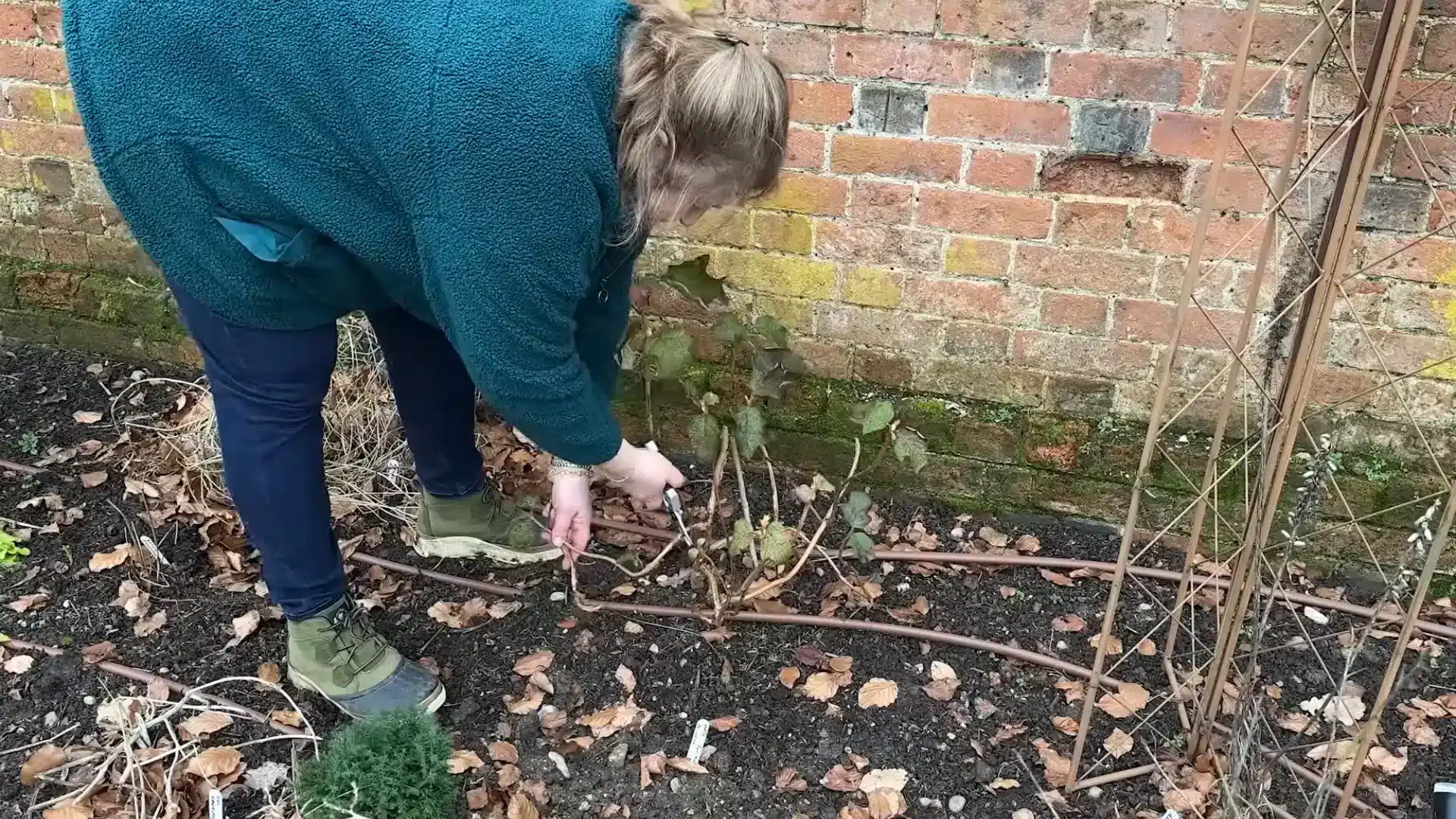
Both of these types need far less annual attention than the rest of the group. Reach for your shears only when a branch is damaged, growing somewhere you don’t want it, or needs a light shape after flowering.
On an oakleaf hydrangea, that usually means removing one low-growing branch back to a suitable shoot. On a climbing hydrangea, it means guiding growth toward its support rather than fighting the plant’s natural shape.
For a visual walkthrough of these cuts side by side, this video covers the same five steps in real time:
When to Prune Hydrangeas Based on Bloom Type
Timing matters as much as technique, since even a perfect cut made at the wrong point in the season removes buds you meant to keep. Use this table to match your calendar to your hydrangea type.
| Pruning Detail | Smooth and Panicle Hydrangeas | Bigleaf and Oakleaf Hydrangeas |
| When to prune | Late winter or early spring, before new growth starts | Right after flowering, ideally by late July |
| How to prune | Cut stems back by a third to a half, just above a healthy bud pair. Smooth hydrangeas can go down to 12 to 18 inches. | Deadhead just above the first pair of green buds. On an overgrown plant, take a few of the oldest stems to the ground instead of shearing the whole shrub. |
| What to avoid | Shearing into a flat hedge shape, which flattens the plant’s natural form and its bloom display. | Hard pruning or pruning too late in the season; both remove next year’s flower buds. |
Aftercare: Mulch, Water, and What Comes Next
Whatever type you’re working with, refresh the mulch ring around the base once you’ve finished cutting.
A 2 to 3-inch layer keeps roots cool through summer heat and holds moisture steady while the plant pushes new growth, and it’s worth taking a look at how choosing mulch for shrub beds affects that moisture retention if you’re deciding between wood and other options.
Water deeply right after a hard prune on smooth or panicle hydrangeas; fresh cuts push new growth fast, and that new growth is thirstier than the established stems you just removed.
On bigleaf and oakleaf hydrangeas, leave any flower heads you didn’t deadhead in place through winter. They shield the dormant buds beneath them from cold snaps and add winter texture to the garden.
If you’re filling in the bed around your hydrangeas, a few pollinator-friendly perennials nearby extend the bloom season well past when the hydrangea flowers fade.
Common Hydrangea Pruning Mistakes
Most pruning problems trace back to timing or technique, not the plant’s health. Watch for these four in particular:
- Pruning old wood types too late: once flower buds have formed for next year, cutting those stems removes the coming season’s blooms.
- Using dull or dirty shears: a blunt blade crushes the stem instead of slicing it, and a dirty blade spreads disease from one cut to the next.
- Shearing into a hedge shape: this strips out the natural branching structure and reduces flowering, especially on old wood types.
- Cutting every hydrangea back hard on the same schedule: new wood types handle it well, but an old wood type treated the same way can lose an entire season of blooms.
How to Check a Stem Before You Commit to a Cut
| Note: Before making a final cut, scratch the stem lightly with a fingernail. Green tissue underneath means the stem is alive and the cut point is sound. Brown, dry tissue means that section is dead; move down the stem until you find green, or remove it entirely if it’s brown all the way through. |
This takes about five seconds per stem, and it’s the fastest way to tell whether you’re about to cut into wood that was never going to bloom regardless of timing. With the type identified and the dead wood ruled out, the questions gardeners ask most often tend to come down to a handful of specifics.
Prune With the Right Timing
Pruning hydrangeas becomes much easier once you stop treating every variety the same. I’d start by identifying whether your plant blooms on old wood or new wood, because that detail controls both timing and cutting depth.
Knowing how to prune hydrangeas correctly also means using clean tools, removing dead or crossing stems, and avoiding hard cuts on old wood types. Panicle and smooth hydrangeas can handle stronger pruning, while bigleaf and oakleaf varieties need a lighter touch after flowering.
These checks help you protect flower buds, improve plant shape, and reduce avoidable pruning mistakes. Use the right method for your hydrangea, then share your results or try these steps during your next pruning session.
Frequently Asked Questions
What is the correct way to prune hydrangeas?
Match the cut to the wood type. Deadhead bigleaf and oakleaf hydrangeas right after flowering, cutting just above the first healthy bud pair. Cut panicle and smooth hydrangeas back by a third to a half in late winter, since both bloom on new wood.
What is the best month to prune hydrangeas?
It depends on the type. Prune panicle and smooth hydrangeas in February or March, before new growth starts. Prune bigleaf and oakleaf hydrangeas right after their flowers fade, ideally by late July, so next year’s buds have time to form.
Can you cut hydrangeas back hard?
Yes, but only panicle and smooth types tolerate it well. Smooth hydrangeas like Annabelle can be cut to about 12 to 18 inches above the soil. Bigleaf and oakleaf hydrangeas should never be cut back hard, since that removes next year’s buds.
What are the common mistakes when pruning hydrangeas?
The most common mistakes are pruning old wood types too late, using dull tools that crush stems, and shearing any hydrangea into a flat hedge shape. Each removes next year’s buds or damages the plant’s natural branching.
Will pruning a hydrangea at the wrong time kill it?
Usually not. Pruning at the wrong time rarely kills a healthy hydrangea, but it can remove that season’s flower buds. The shrub survives; you simply lose a year of blooms while it rebuilds old wood.
How do you know if a hydrangea blooms on old or new wood?
Check the species. Bigleaf, oakleaf, and climbing hydrangeas bloom on old wood formed the previous year. Panicle and smooth hydrangeas, including Limelight and Annabelle, bloom on new wood grown the same season.
Do reblooming hydrangeas like Endless Summer need different pruning?
Reblooming, or remontant, hydrangeas flower on both old and new wood. Prune them lightly, right after the first flush fades, and avoid hard cuts. Removing too much growth won’t kill the plant, but it delays that season’s later blooms.
How far back can you cut an overgrown hydrangea?
For panicle and smooth hydrangeas, remove up to a third to a half of total growth in late winter. For an overgrown bigleaf or oakleaf hydrangea, cut only a few of the oldest stems to the ground each year instead of shearing the whole plant.