

From the ground, a flat roof can hide everything that matters. You may see only a roof edge, while the gravel surface, drains, flashing, and damaged areas remain out of sight.
That makes it difficult to know what type of roof you have or whether its condition is normal. A tar and gravel roof becomes easier to recognize once you understand its rough stone finish and layered construction.
I’ll help you identify its visible features, compare it with other flat roofing systems, and spot warning signs such as bare asphalt, ponding water, loose gravel, cracks, and damaged flashing.
You’ll also learn when a simple check is enough and when professional inspection is the safer step.
What Does a Tar and Gravel Roof Look Like?
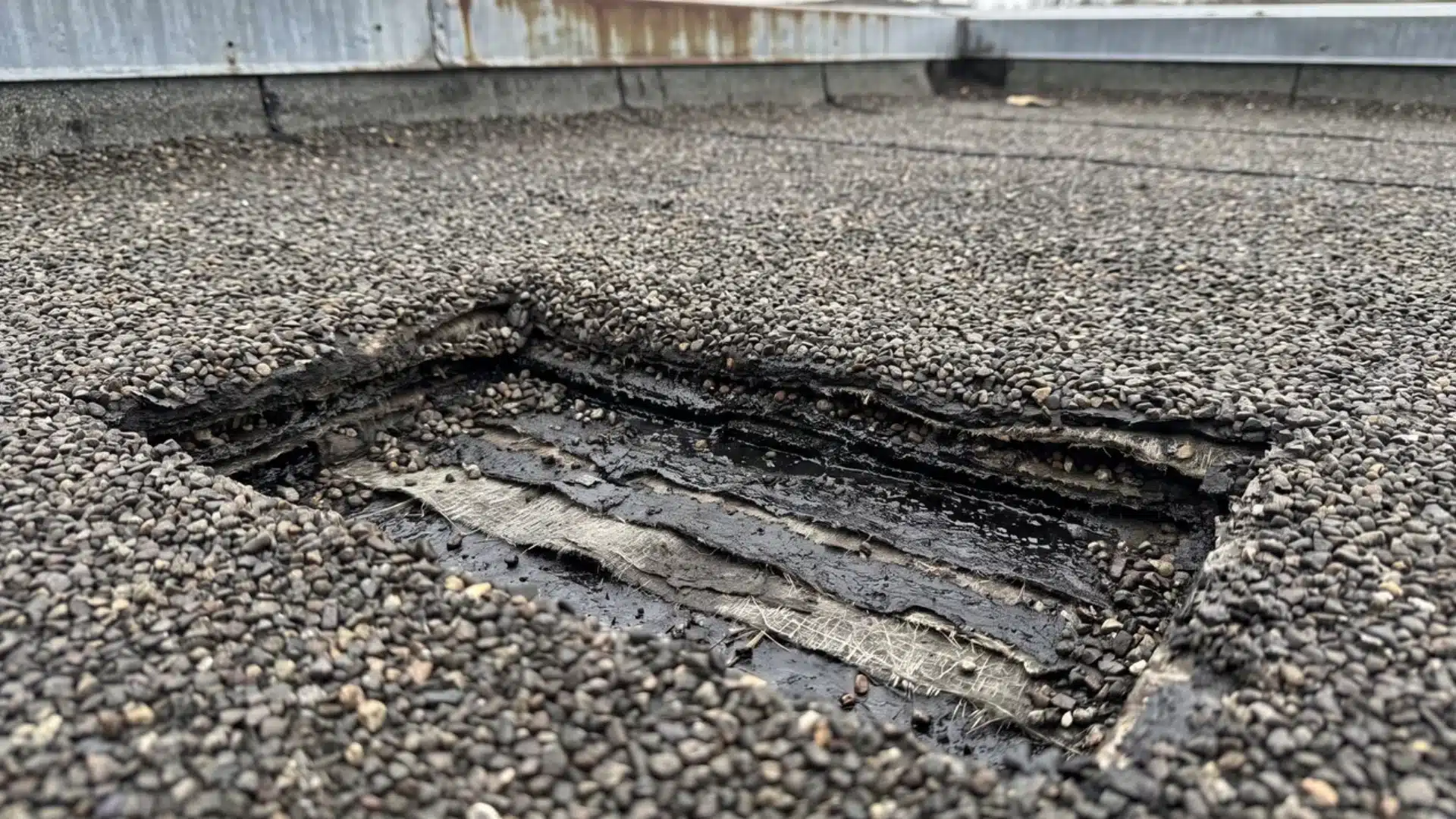
A tar and gravel roof looks like a bed of loose stone spread flat across the top of a building, with dark asphalt hiding underneath.
I’ve walked hundreds of these roofs over the years, and the first thing every homeowner notices is the sound: the stone crunches like a gravel driveway underfoot. From the street, you’ll never see it. From the roof itself, it’s unmistakable.
| Roof System | Built-Up Roofing (BUR), also called tar and gravel |
| Typical Lifespan | 20 to 30 years with regular maintenance |
| Repair Difficulty | Moderate. Small patches are manageable; layered damage is not |
| DIY or Professional | DIY for gravel redistribution and small flashing fixes. Professional for anything involving the felt or deck |
| Tools Needed | Roofing knife, push broom, cold patch cement or hot asphalt, replacement felt, gravel |
Step back from the surface, and the roof reads flat, though it’s never perfectly level. A few details along the edges give it away every time:
- A mostly flat profile with a slight slope toward the drains
- Roof drains sunk into the low spots, often ringed with debris
- Parapet walls, the short walls that run around the perimeter
- Metal flashing sealing the joints where the roof meets a wall
- Pipe vents poking up through the stone
- Dark, shiny patches where the gravel has washed away
That last one is worth pausing on. A bare, shiny patch means the stone has shifted and the asphalt underneath is now taking direct sun. This low-slope profile is just one of several common residential roof designs, and it behaves very differently from a pitched roof once water gets involved.
Tar and Gravel Roof Layers Explained
A tar and gravel roof is built in layers, stacked one on top of the other. Each layer does a different job, and none of them works alone.
Roof Deck
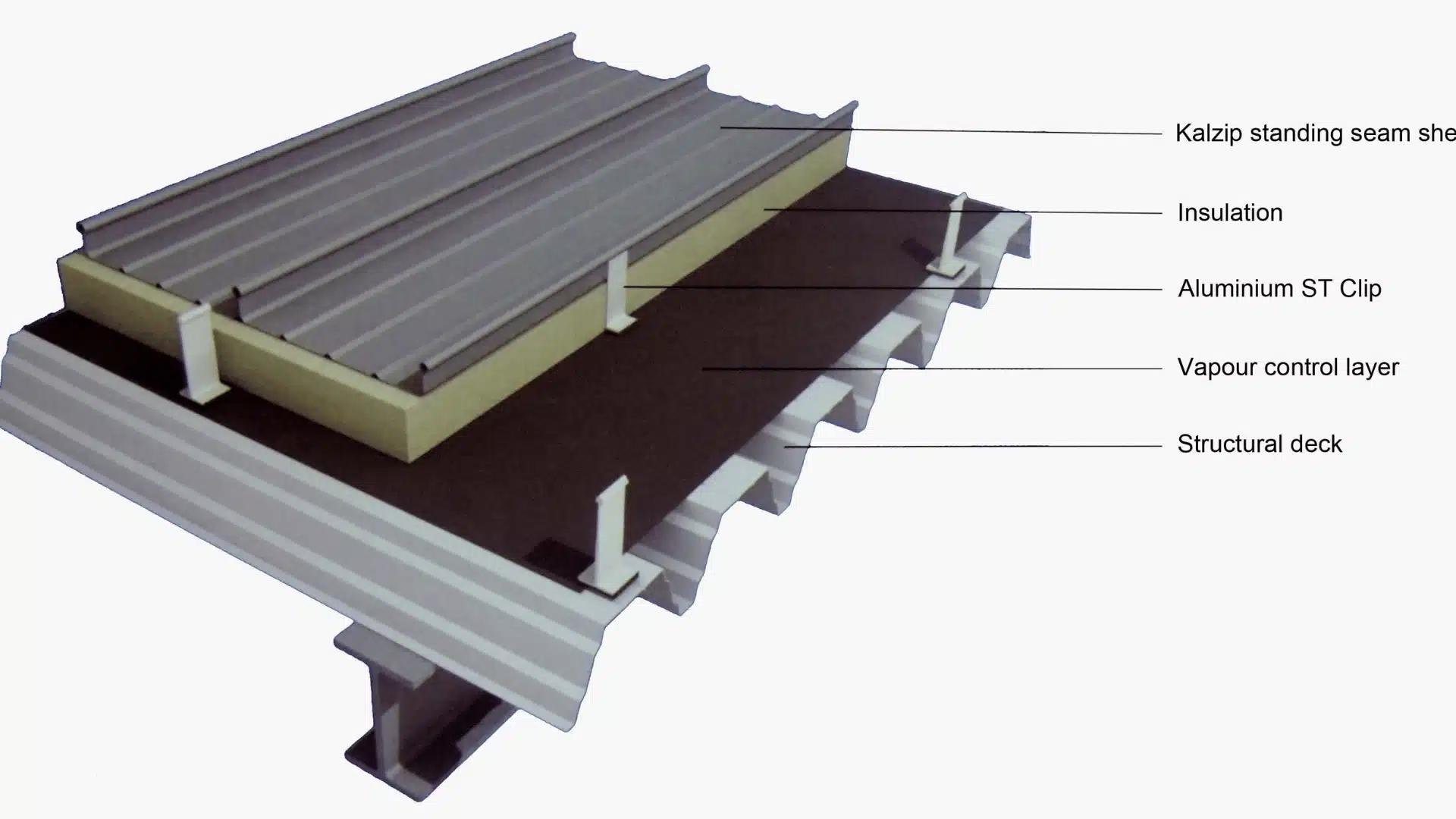
The deck is the floor of the roof. Everything above it depends on the deck staying solid and level.
Most decks are plywood, concrete, or corrugated metal. The material determines how much weight and foot traffic the roof can handle.
I’ve walked older plywood decks that felt soft underfoot. That almost always means water got past the layers above and sat there for years.
Insulation
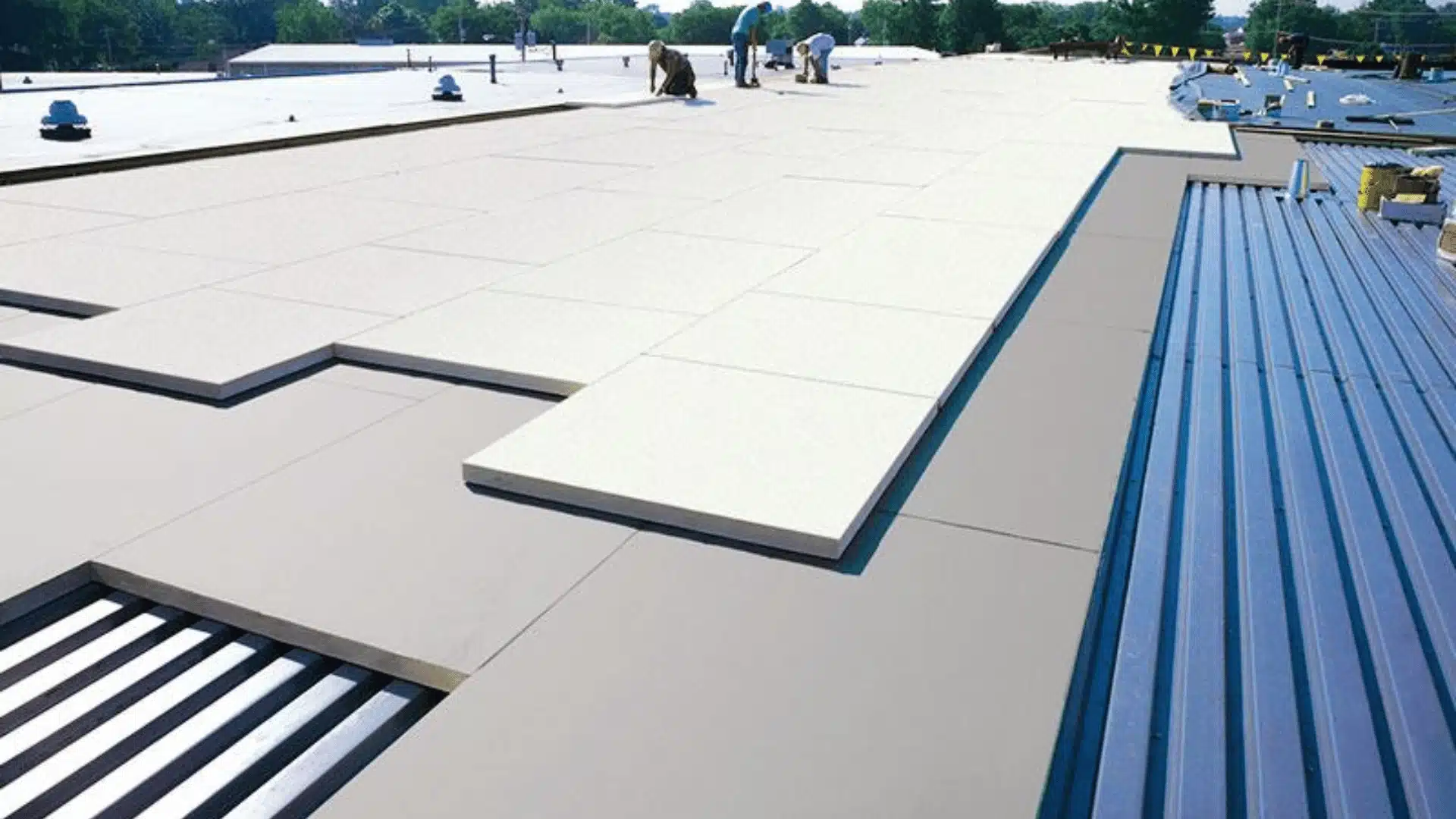
Insulation sits directly on the deck. It slows heat from moving in and out of the building below. It also creates the slope.
Installers taper the boards so water runs toward the drains instead of sitting in puddles. Rigid foam boards are standard now. Older roofs often used fibreboard, which soaks up water and stays wet.
That’s the part people miss. Wet insulation keeps performing badly long after the leak above it has been patched.
Bitumen or Asphalt Layers
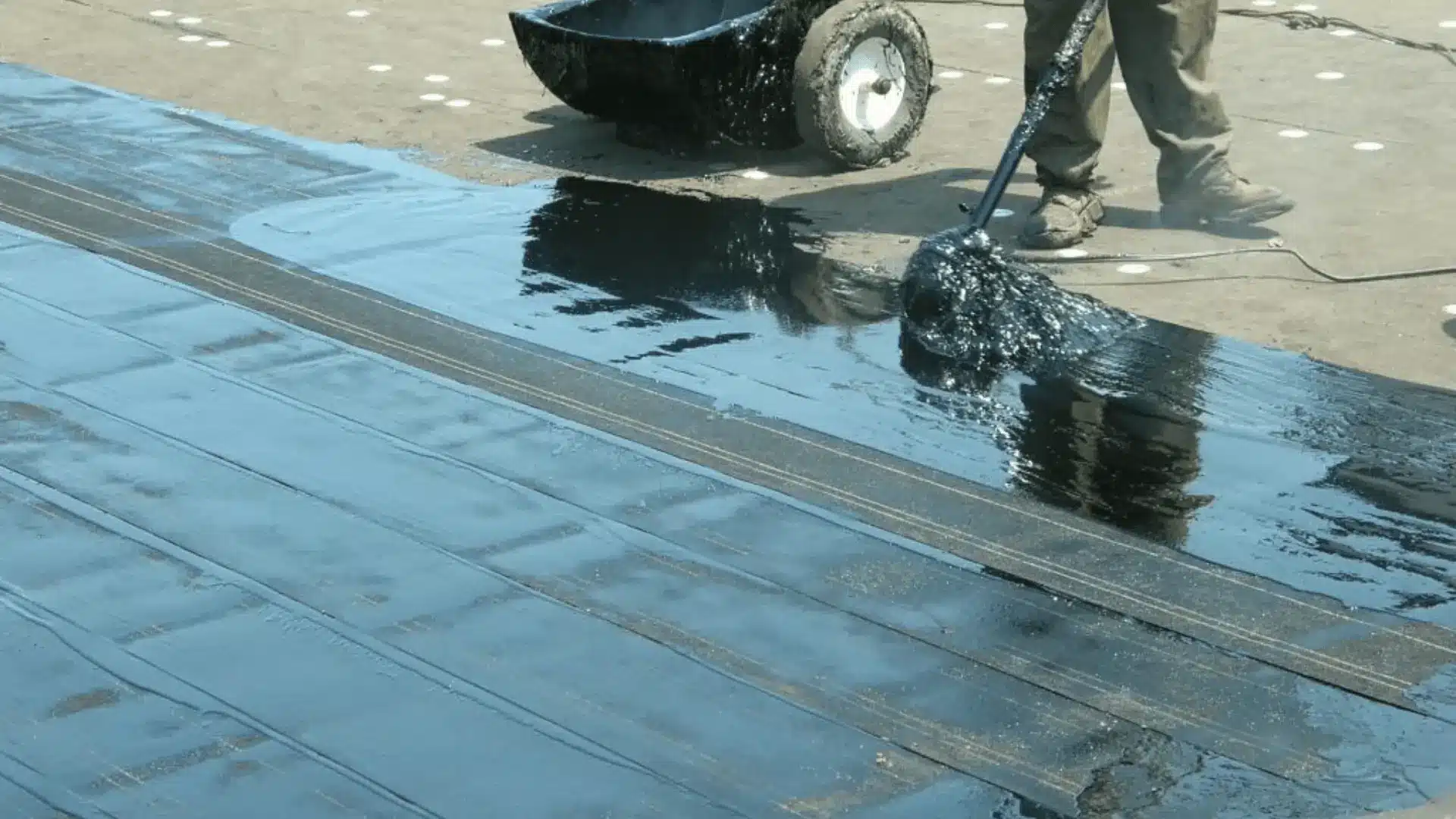
This is the tar people picture. Hot asphalt gets mopped on in thin, even coats.
The asphalt does two things. It glues the layers together and it blocks water from getting through.
Temperature matters more than most people expect. Applied too cool, it never bonds properly. Applied too hot, it loses years off its life.
Reinforcing Roofing Felt
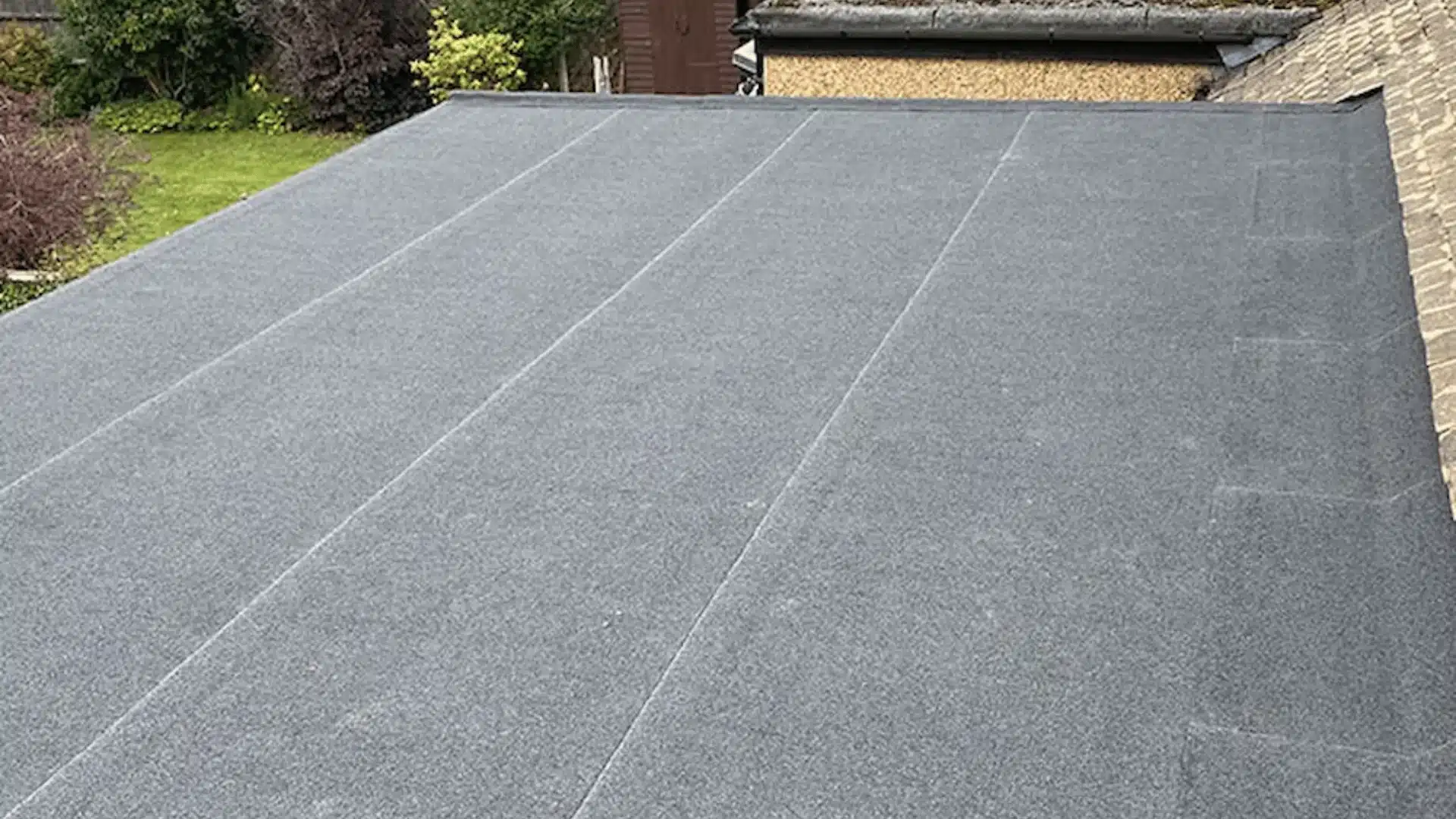
Felt is the fabric inside the sandwich. Rolls of it are laid straight into the hot asphalt. Asphalt on its own cracks as it ages and the building moves.
The felt holds it together and spreads that stress out. Most roofs use three or four plies. More plies usually means a longer life and a higher upfront cost.
The type matters too. Older organic felts rot once they get wet. Fibreglass sheets handle moisture far better.
Flood Coat
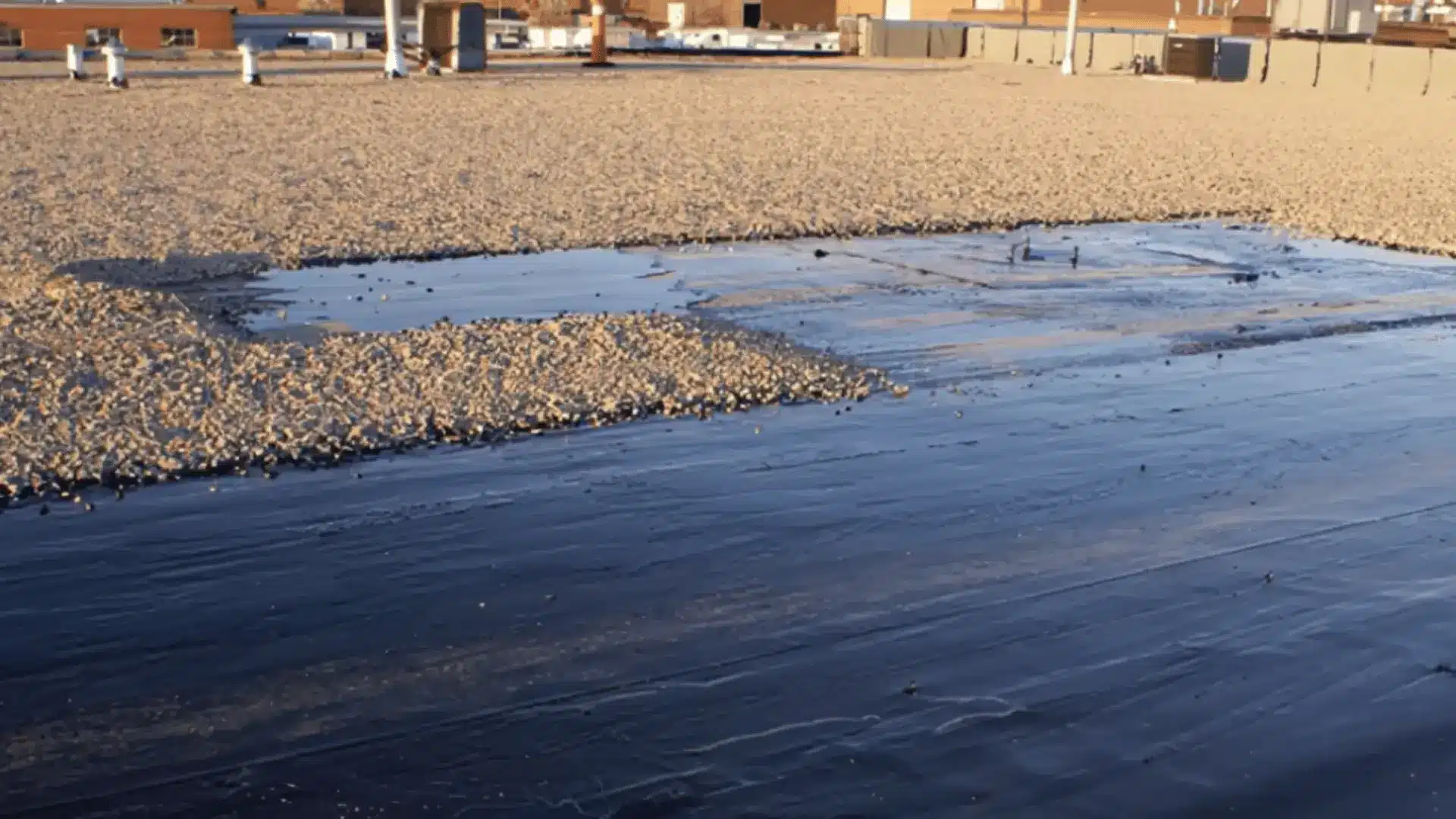
The flood coat is the final heavy pour of asphalt. It goes on thick, unlike the thin coats underneath.
Its main job is holding the gravel. Stone gets thrown into it while it’s still hot and soft.
It also forms one last waterproof skin. Where a crew rushed this coat, you’ll see bare shiny patches a decade later.
Signs Your Tar and Gravel Roof Needs Attention
Once you know what a healthy roof looks like, spotting trouble gets a lot easier. These are the six problems I run into most often.
- Bare or Exposed Asphalt: Dark, shiny patches show up where gravel has worn away or shifted. Without stone coverage, the asphalt dries out, turns brittle, and cracks faster, letting water into the layers below.
- Cracks and Blisters: Cracks appear as splits or lines across the surface. Blisters look like raised bubbles from trapped air or moisture. Once these open, water moves beneath the roofing layers, and ongoing expansion and contraction make it worse.
- Ponding Water: Water that sits for more than 48 hours after rain is a problem, not normal wear. Ponding adds weight, keeps the surface constantly wet, and weakens the materials underneath it over time.
- Loose or Uneven Gravel: Stone piles up in some areas while other sections go bare, usually from weather, foot traffic, or poor drainage. The bare sections age faster because they’ve lost their UV protection.
- Damaged Flashing: Lifted metal, rust, cracked sealant, or gaps near edges and openings mean water has a path in around walls, vents, and drains, especially where flashing meets a raised perimeter wall. Small flashing failures turn into leaks quickly.
- Vegetation and Debris: Leaves, moss, and dirt collect around drains and low spots, holding moisture against the surface. Plant growth can send roots into weak areas of the roofing itself.
| Safety Note: Roofing work involves fall hazards, hot materials, and structural risk. Follow all manufacturer instructions, wear appropriate fall protection, and confirm local building codes and permit requirements before starting any repair. Hire a licensed roofing contractor whenever the work goes beyond a small surface patch. |
How to Repair a Tar and Gravel Roof
Most tar and gravel repairs fall into five categories, and knowing which one you’re dealing with saves a lot of wasted effort, especially once the damage gets large enough that patching starts competing with a full tear-off and replacement on cost.
- Clear and inspect the area. Sweep back the gravel around the damaged section so you can see the exposed asphalt and felt underneath.
- Patch the damaged layer. Cut away crumbling asphalt and felt, apply fresh roofing cement, and set a new felt patch that overlaps the sound material by several inches.
- Reset the flashing. Remove failed sealant, check the metal for rust or lifting, and reseal the joint with roofing cement rated for the surface.
- Clear the drains. Remove debris, leaves, and old gravel buildup so water has a clear path off the roof.
- Redistribute or add gravel. Rake stone back over bare patches so the fresh asphalt gets the same UV protection as the rest of the roof.
| Tip: Check the low points near your drains every spring and fall. That’s where gravel thins out first and where I find most bare asphalt before a homeowner ever notices a leak inside. |
Different Types of Tar and Gravel Roofs
Tar and gravel roofs use the same basic system, but the design changes based on the building type.
| Type | Common Uses | Key Details | Main Concerns |
|---|---|---|---|
| Traditional Built-Up Roofing | Older flat roofs | Uses layers of asphalt and felt covered with loose gravel. Usually lasts 20 to 30 years. | Worn gravel can expose the asphalt layer underneath. |
| Gravel-Surfaced Commercial Roof | Offices, warehouses, schools, apartments | Same system on larger buildings with rooftop equipment and drainage features. | Large areas make standing water and equipment leaks more common. |
| Residential Tar and Gravel Roof | Garages, porches, extensions, flat-roof homes | A smaller version of the same build, often with tighter access limits. | Poor drainage and roof transition points can cause problems. |
The main differences come from roof size, access, drainage, and how the surface is maintained.
Common Tar and Gravel Roof Problems
Tar and gravel roofs develop problems such as exposed asphalt, ponding water, loose stones, cracks, damaged flashing, and trapped debris.
1. Bare or Exposed Asphalt
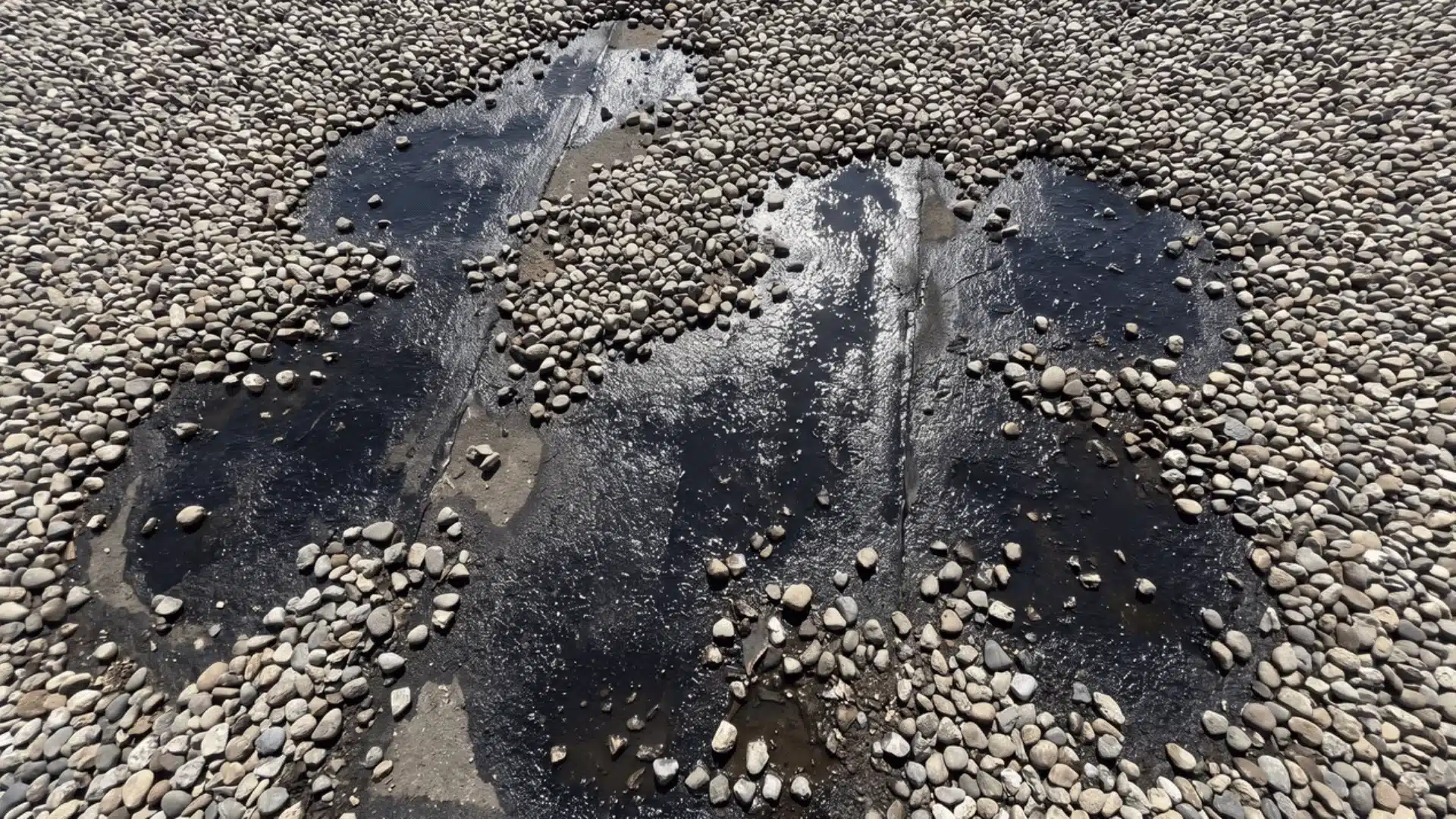
Dark, shiny patches appear where gravel has worn away or moved aside. These areas lose their protective stone layer and become directly exposed to sunlight.
Without gravel coverage, asphalt dries out faster, becomes brittle, and develops cracks. Over time, these weak spots allow water to enter deeper roof layers.
2. Cracks and Blisters
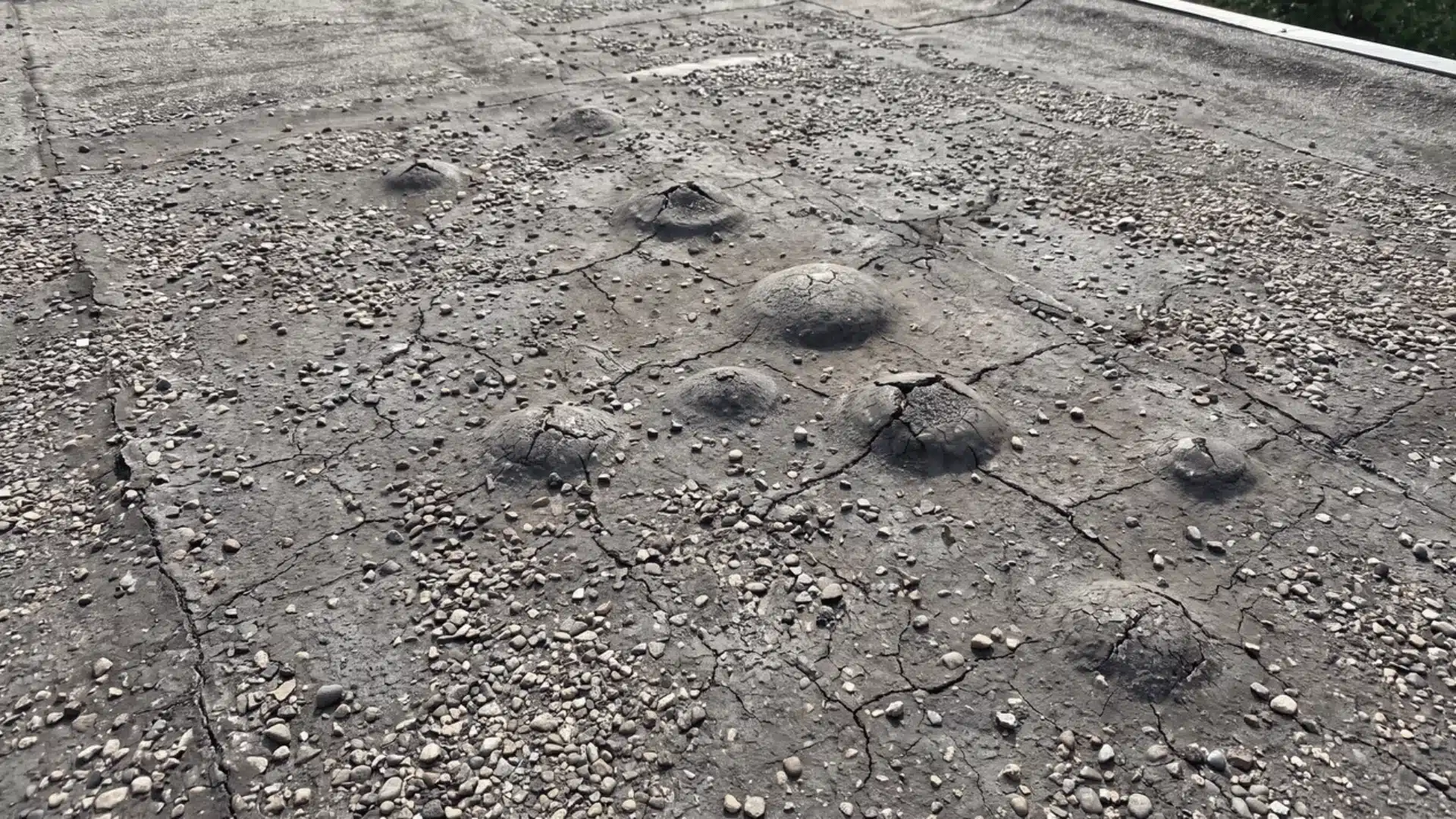
Cracks appear as splits, lines, or breaks across the roof surface. Blisters look like raised bubbles caused by trapped air or moisture.
When these areas open, water can move beneath the roofing layers. Continued expansion and contraction make the damage worse over time.
3. Ponding Water
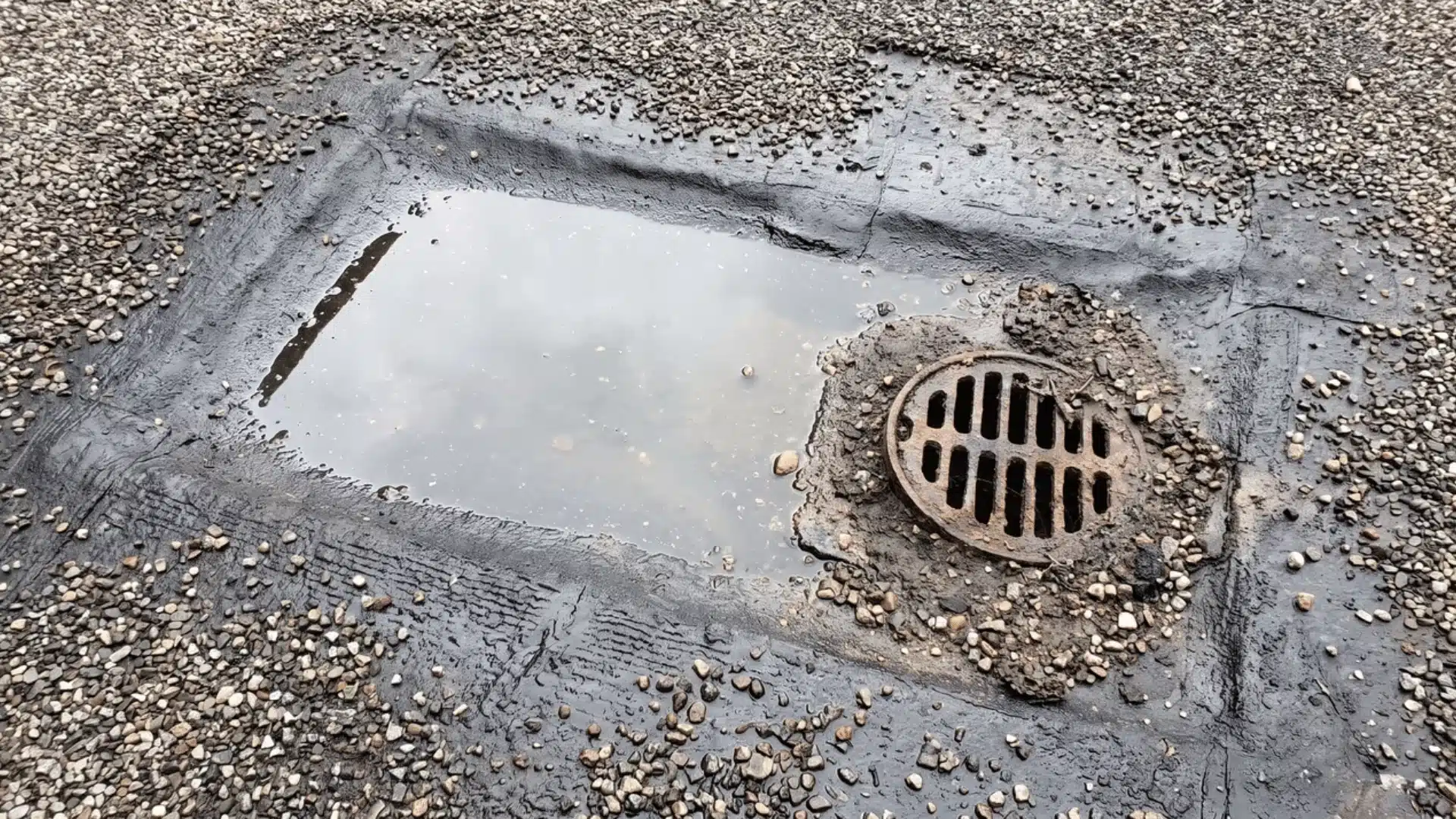
Ponding water stays on the roof for two days or longer after rainfall. It usually forms near drains, low areas, or uneven surfaces.
Standing water adds extra weight and keeps the roof constantly wet. Over time, this weakens materials and increases the chance of leaks.
4. Loose or Uneven Gravel
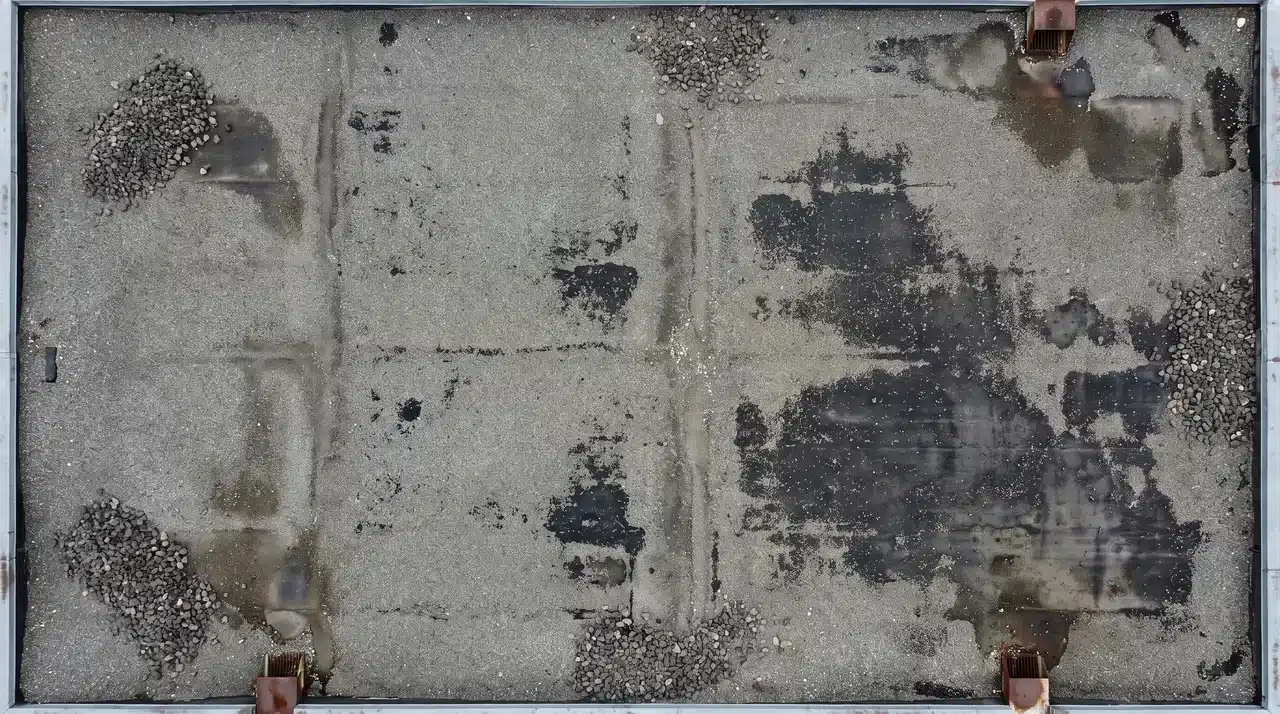
Loose gravel may collect in piles while other areas become thin or completely bare. This often happens because of weather, foot traffic, or poor drainage.
Uneven coverage leaves some sections less protected from sunlight and wear. These exposed areas usually age faster than the rest.
5. Damaged Flashing
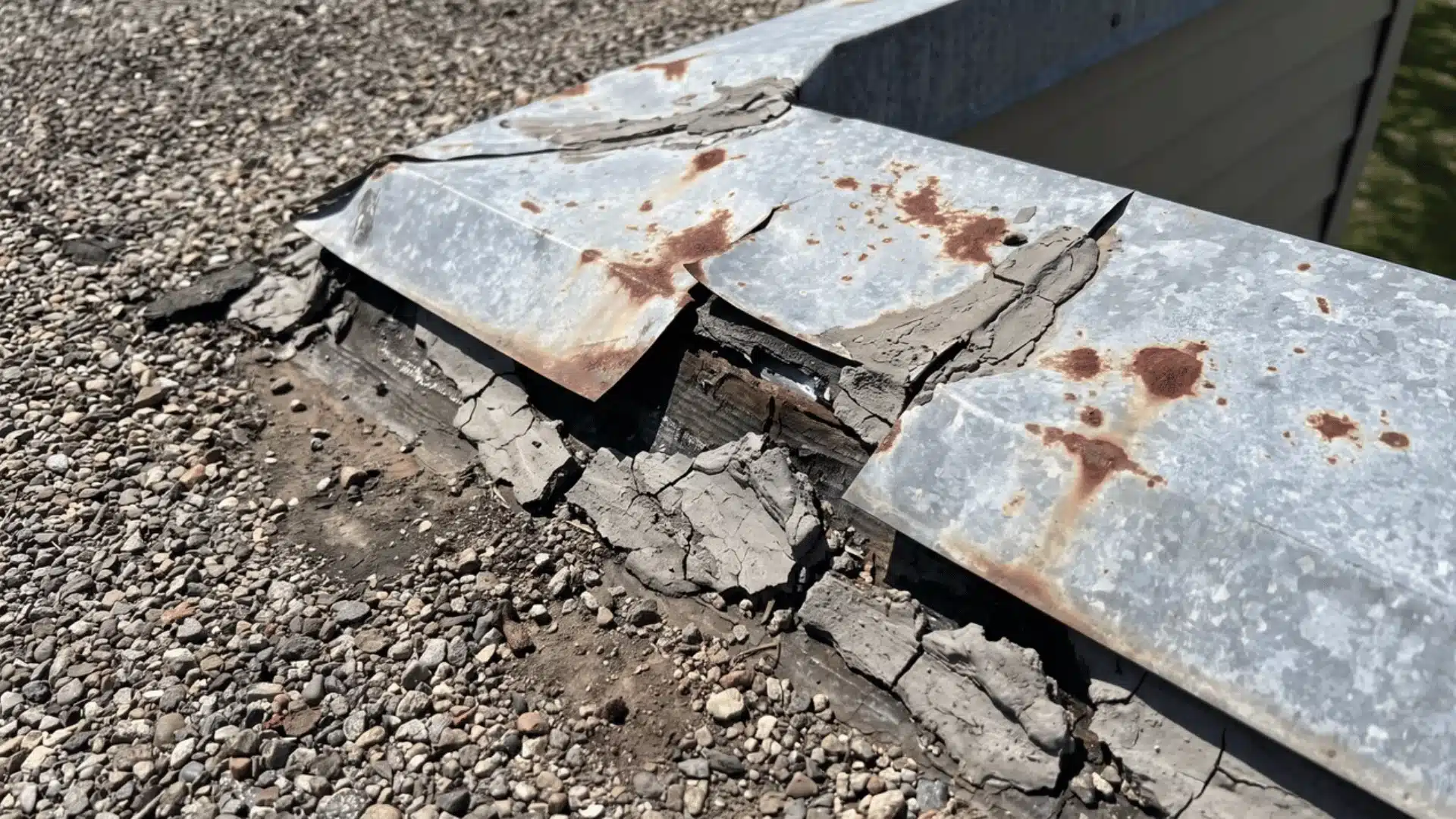
Damaged flashing appears as lifted metal, rust, cracked sealant, or visible gaps near roof edges and openings.
Since flashing protects joints and transitions, small failures can quickly become leaks. Water can enter around walls, vents, drains, and other vulnerable areas.
Gravel Roof vs. Other Flat Roofs
Telling flat roofs apart is simple once you look at the surface. Each system has its own finish and texture.
Here’s how the common ones compare from a ladder.
| Roof Type | Visible Surface | Typical Appearance |
|---|---|---|
| Tar and gravel | Loose stones over asphalt | Rough, textured, grey or brown |
| Modified bitumen | Rolled membrane | Smooth or lightly granulated |
| EPDM | Rubber sheet | Dark, smooth, and flexible |
| TPO | Synthetic membrane | White or light-coloured |
| Spray foam | Coated foam layer | Seamless and slightly uneven |
Texture is the fastest tell. Loose stone underfoot means tar and gravel, and nothing else looks quite like it.
Where Tar and Gravel Roofs Are Commonly Used
Tar and gravel roofs are common on flat buildings where wide coverage and durability matter. Commercial Buildings use them for large areas because they are affordable and long-lasting.
Warehouses often have the largest tar and gravel roofs. Their wide surfaces make drainage the main concern, as small low spots can hold water for long periods.
Apartment Blocks benefit from gravel’s fire resistance and noise reduction. However, poor maintenance can cause blocked drains, hidden leaks, and costly repairs over time.
Garages use smaller tar and gravel roofs that are simple to install but often fail due to ignored debris, standing water, and limited routine checks.
Home Extensions use them where pitched roofs are unsuitable, but flashing joints can become weak points. Mid-Century Flat-Roof Houses may need insulation checks and layer inspections.
Final Takeaway
Recognizing this roof type comes down to a few visible details. A low slope, loose stone surface, internal drains, metal flashing, and dark asphalt patches usually point to the same system.
A tar and gravel roof also has hidden layers of asphalt, felt, insulation, and decking that photographs cannot assess.
I recommend checking for standing water, missing gravel, cracks, damaged flashing, vegetation, soft areas, and repeated repairs before assuming the roof is sound.
You can use these signs to separate normal aging from damage that needs attention. If several warning signs appear together, arrange a professional inspection.
Check your roof from a viewing point today and compare what you see with the features covered above.
Frequently Asked Questions
Is a tar and gravel roof always covered with loose stones?
No. Some built-up roofs use a smooth coating instead, usually a dark asphalt finish or a reflective aluminium one. The layers underneath are identical. Only the top surface changes. You’ll see smooth versions where the structure can’t carry the extra weight of stone.
What colour is a tar and gravel roof?
Most read grey, tan, or light brown. That comes from the stone, not the asphalt. The gravel is whatever aggregate was local and cheap at the time, so shades vary by region. Underneath, the asphalt is always black. Any dark patch you spot is the tar showing through.
How can you tell if the gravel is missing?
Look for colour change. Bare areas appear as dark, shiny patches against the pale stone around them. Check the low points and edges first. Wind and water push gravel away from these spots. Foot traffic paths near rooftop units are another common bare area.
Is standing water normal on this roof type?
Some water after heavy rain is expected. It should drain or evaporate within about 48 hours. Past that, it’s a problem. Ponding adds weight and keeps the surface wet, which shortens the roof’s life. Water sitting in the same place every time points to a sag or a blocked drain.
Can you walk on a tar and gravel roof?
Yes, more safely than most flat roof types. The stone spreads your weight and protects the layers below. Tread carefully anyway. Loose gravel slides underfoot, and it’s easy to lose your footing near an edge. If a section feels soft or springy, step back off it. That’s a sign of damage below.
How does it differ from a membrane roof?
A membrane roof is a single sheet, rolled out and sealed at the seams. Tar and gravel is built up in layers on site. Membranes go down faster and weigh far less. That matters on buildings with limited load capacity. Tar and gravel takes longer to install but handles foot traffic and sun better. The gravel is why.