

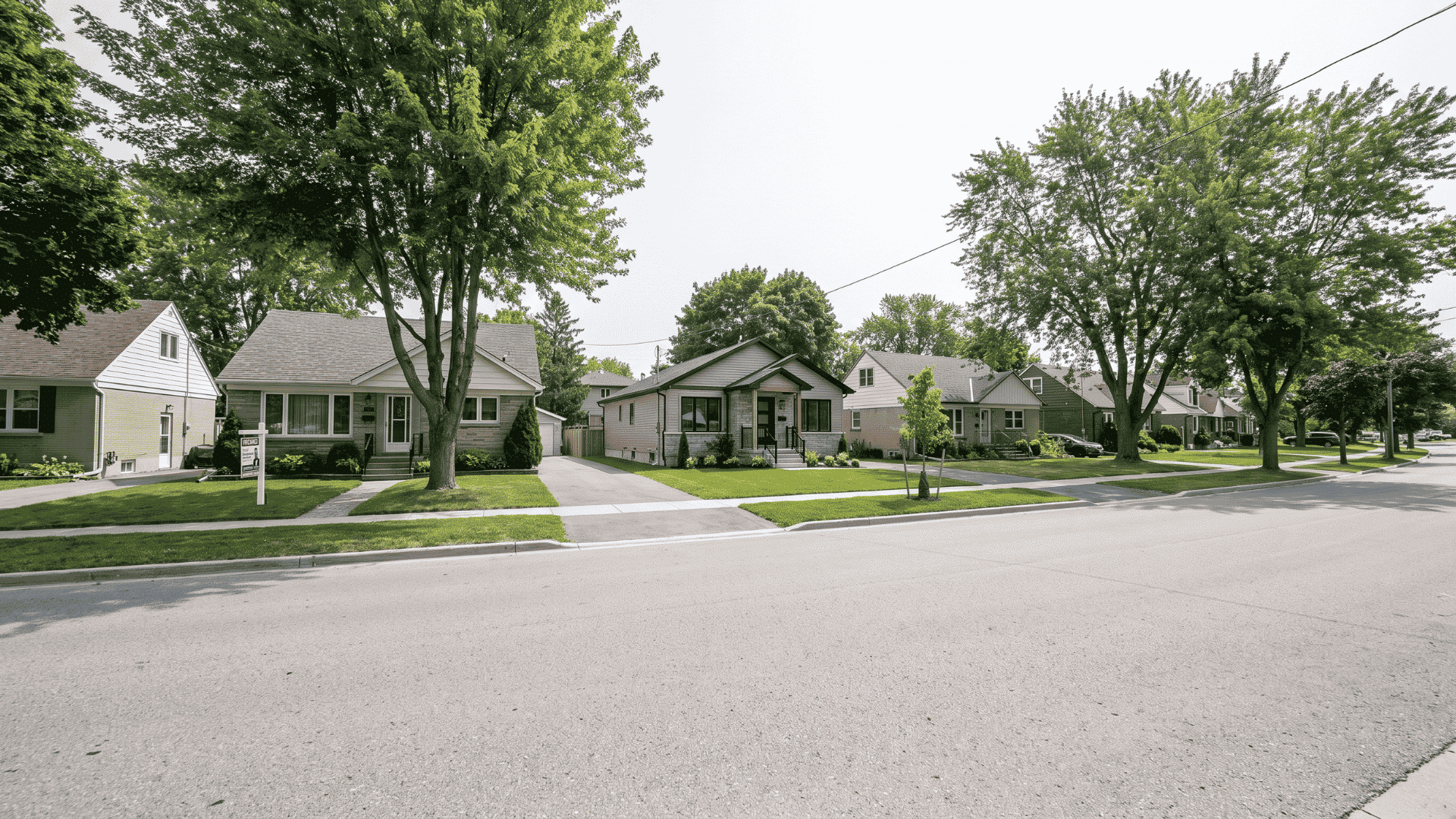
The 2026 housing market remains difficult to read. Home prices are slowing, yet mortgage rates keep monthly payments high.
Inventory has improved in some regions, giving buyers more choices and stronger negotiating power. However, supply remains limited across parts of the Northeast and Midwest.
The latest housing market forecast points to modest price growth, slightly lower rates, and a gradual rise in sales. Local conditions will still shape your decision.
Here is what buyers and sellers should expect through the rest of 2026.
Where the Housing Market Stands Today
The last year and a half-reset expectation for anyone shopping for a home. Prices grew far slower in 2025 than during the pandemic run-up. In several regions, they actually slipped.
Mortgage rates spent most of 2025 bouncing between 6% and 7%. That’s a steep jump from the 3% rates many current homeowners still hold from 2020 and 2021.
Rates eased slightly late in 2025, dipping into the low 6% range for a stretch. That gave buyer activity a small lift. It wasn’t enough to close the affordability gap.
Inventory told its own story. Homes for sale increased compared to the scarce years of 2022 through 2024. Supply is still thin against pre-pandemic norms in many metro areas.
Homeowners sitting on ultra-low mortgage rates have been reluctant to sell. Trading a 3% rate for something near 6% or 7% adds hundreds to a monthly payment.
Economists call this the “lock-in effect,” and it’s kept listings scarce even as buyer urgency cooled.
The result is a standoff where neither side holds much leverage. Sellers can’t count on the bidding wars of 2021.
Buyers can’t count on prices falling fast enough to offset high borrowing costs. That standoff is the backdrop for everything else in this forecast.
Housing Market Forecast: What’s Expected Next
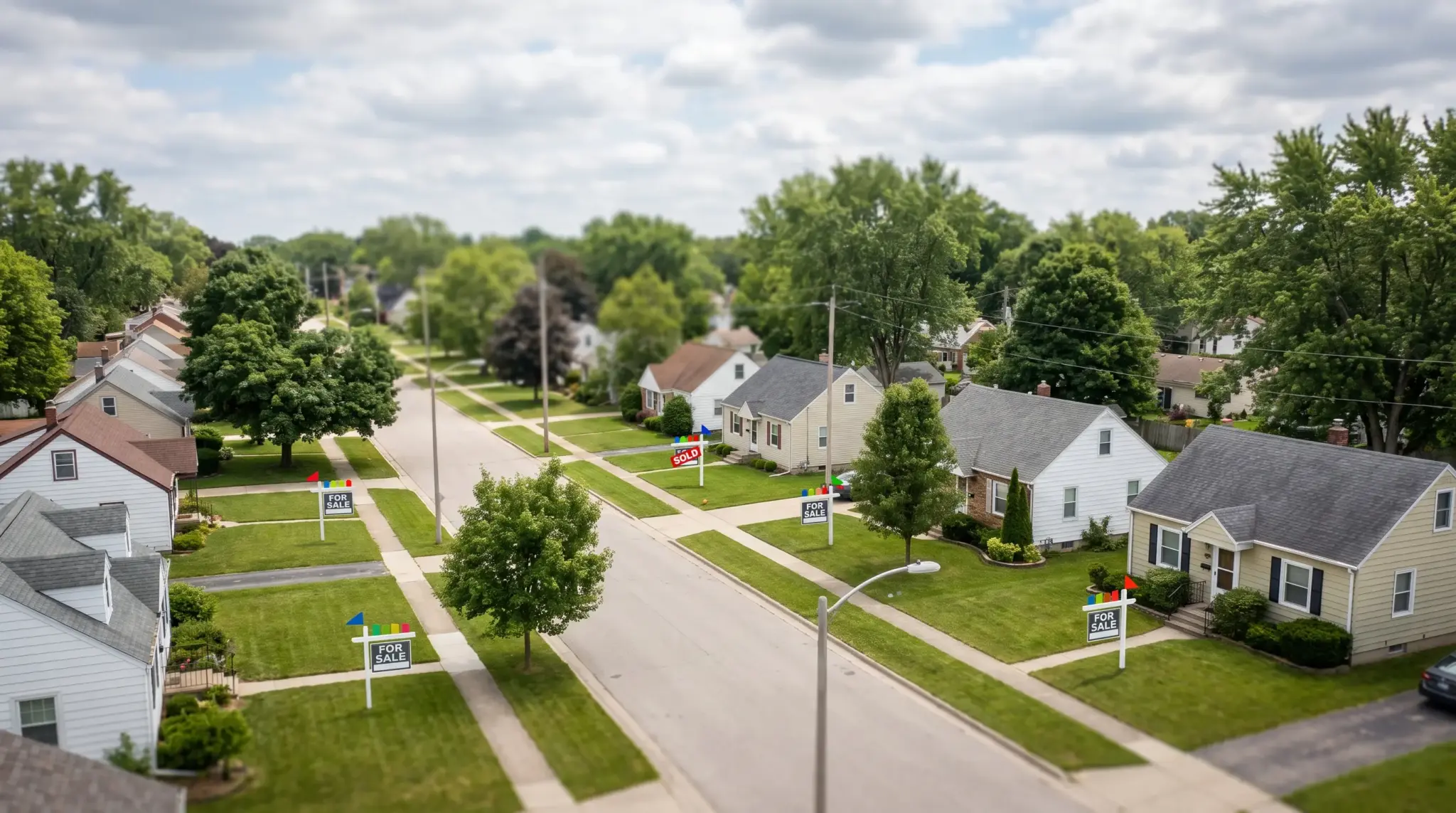
Major forecasters generally agree on the shape of 2026, even when their numbers differ. Here’s how the leading sources compare on price growth and mortgage rates:
| Source | 2026 Price Forecast | 2026 Rate Forecast |
|---|---|---|
| Redfin | +1.0% | ~6.3% average |
| Zillow | +1.2% | Low-to-mid 6% range |
| Fannie Mae | +1.3% | ~5.9% by year-end |
| Realtor.com | +2.2% | ~6.3% average |
None of the major forecasters expect a nationwide price decline in 2026. Certain overheated markets are a different story, covered later in this guide. On sales volume, the outlook has cooled a bit from earlier in the year:
- Fannie Mae: trimmed its home-sales outlook to roughly 7.3% growth, down from an earlier call near 9%
- NAR (Lawrence Yun): now expects existing-home sales to grow around 4%, down from an earlier 14% call
Put it together, and 2026 looks like a year of small, steady gains, not a dramatic shift in either direction.
Treat any single forecast number as a rough midpoint, not a guarantee. Even the experts revise these figures every few months.
Why the Market Is Moving This Way
A handful of forces are behind this slow, grinding market and they don’t all point the same way:
Supply constraints: Builders are expected to start around 1.3 million homes in 2026, matching last year’s pace. That’s still short of what fast-growing regions need.
The bigger constraint is existing homes. By the end of 2025, about 21% of outstanding mortgages carried rates of 6% or higher.
That’s nearly matching the share still below 3%. Selling means giving up that old rate, so many owners are staying put instead.
Demand-side factors: Wage growth has quietly started outpacing home price growth. That hasn’t happened consistently since the years right after the Great Recession.
Millennials and older Gen Z buyers make up most of current demand. Many are entering their prime home-buying years as migration reshapes which regions see the most competition.
Affordability squeeze: Homes cost more relative to income than a decade ago, and borrowing costs widen that gap further.
A small price gain paired with rates over 6% keeps monthly payments high, even when values aren’t spiking.
The lock-in effect is finally starting to loosen as more owners buy, refinance, or relocate at today’s rates.
Mortgage rates deserve their own closer look next, since they’re the biggest lever affecting what buyers can afford.
Mortgage Rate Outlook: What Rates Mean for You

As of late July 2026, the average 30-year fixed mortgage rate sits at 6.58%. That’s its highest level since August 2025, according to Freddie Mac’s weekly survey.
Rising oil prices tied to Middle East tensions pushed rates up over the summer. It’s a reminder that the path lower rarely moves in a straight line.
Most 2026 forecasts still expect rates to drift down toward the mid-to-low 6% range by year-end.
Small rate shifts matter more than they seem to at first. Here’s what a quarter-point move looks like on a $400,000 loan:
| Rate | Monthly Principal & Interest |
|---|---|
| 6.75% | $2,595 |
| 6.50% | $2,528 |
| 6.25% | $2,463 |
That’s real money, but it’s not enough on its own to offset a market where prices are already high.
Waiting for a lower rate can pay off, but only if prices don’t rise enough to erase the savings.
Getting pre-approved and knowing your real budget matters more than timing the exact bottom of the rate cycle.
How the Forecast Differs by State and Region
National averages hide a lot. Real estate is local, and 2026 is shaping up to be one of the more divided years in recent memory.
Northeast
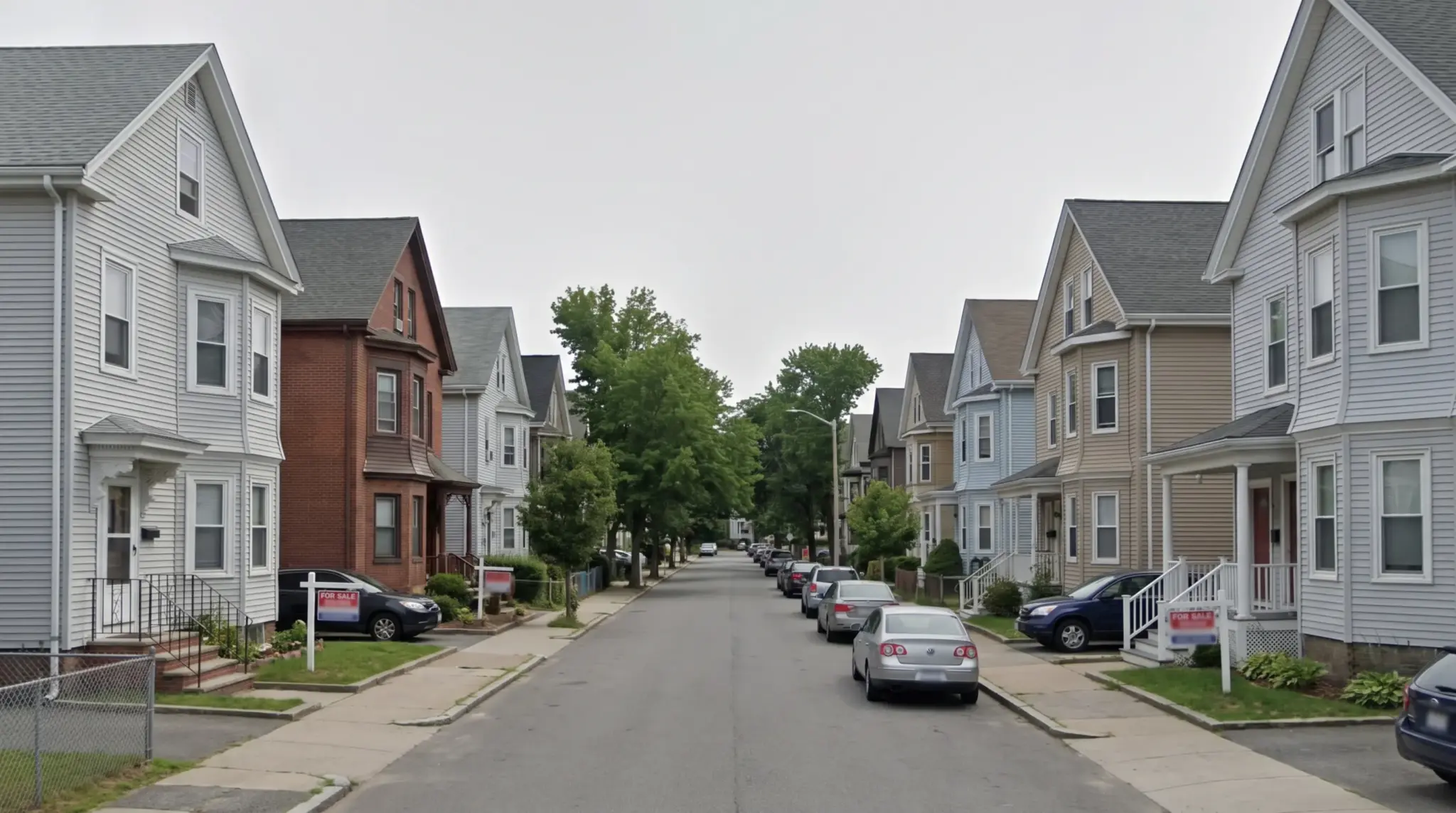
The Northeast is one of the tightest, most competitive regions right now. Limited inventory and steady job markets are keeping prices climbing in metros like Hartford, Connecticut, and Providence, Rhode Island.
Buyers there still face real competition for listings.
Midwest
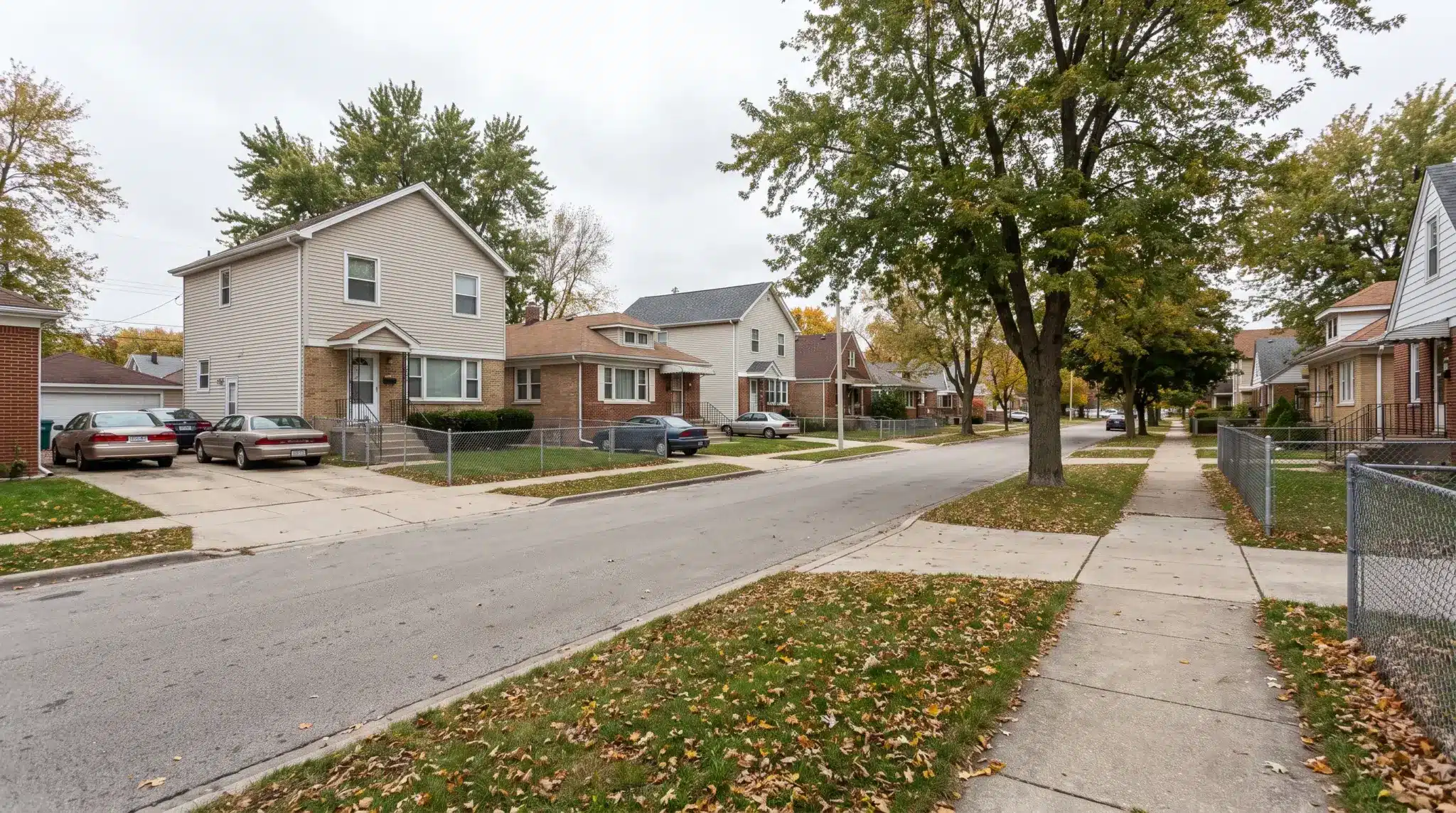
The Midwest is having a moment. Cities like Cleveland, Minneapolis, and Rockford, Illinois are drawing buyers priced out of the coasts.
Lower entry prices and manageable commutes are the draw. Rockford’s median home price sits far below the national figure, pulling in first-time buyers.
Sun Belt
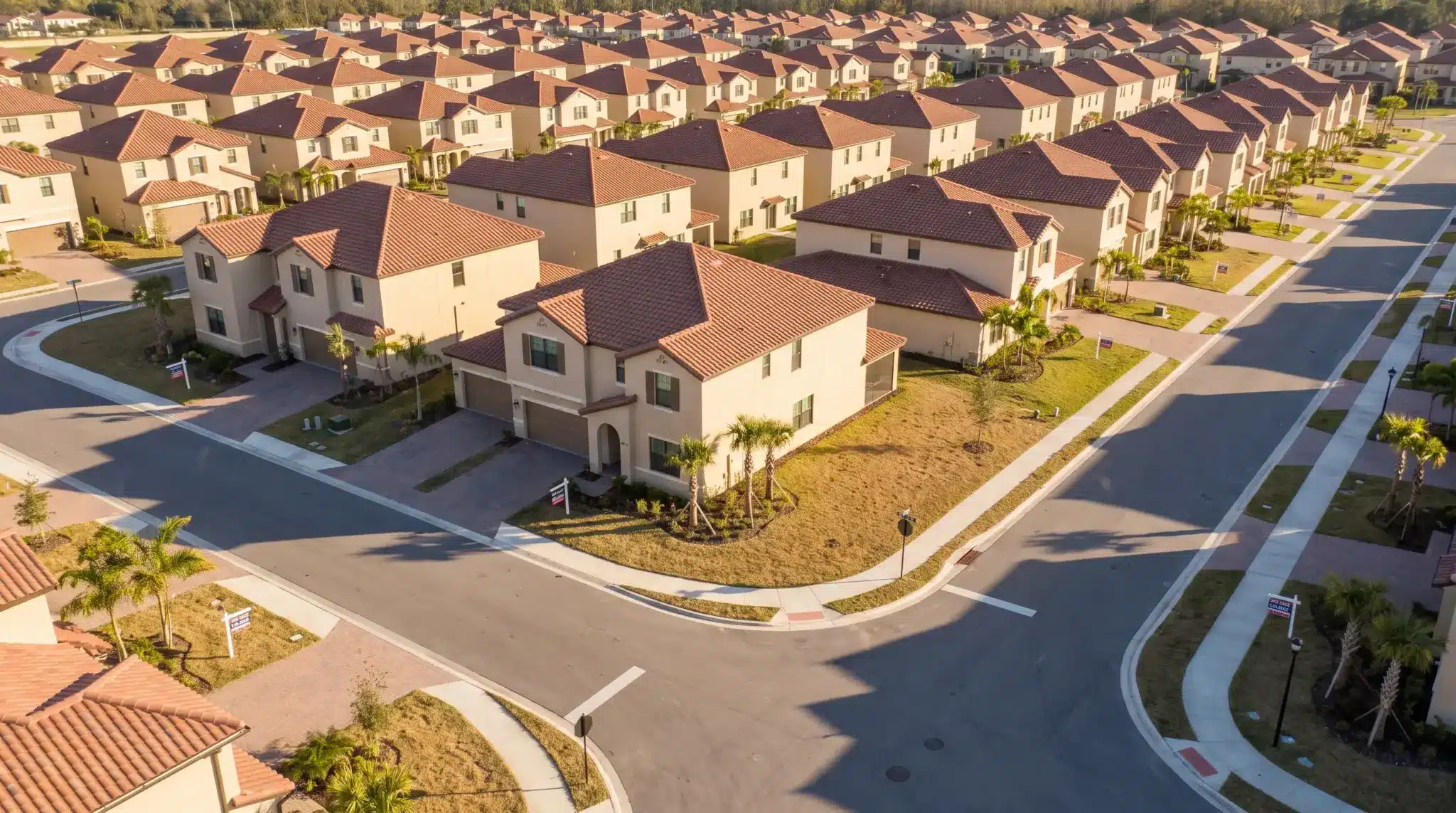
The Sun Belt is cooling the fastest of any region. Florida markets like Cape Coral and Punta Gorda are seeing statewide values drop. Broad softness is also showing up across Texas metros, including Dallas and Austin.
Years of overbuilding during the pandemic boom left these areas with more supply than current demand can absorb.
West Coast

The West Coast is mixed but leaning soft overall. Parts of Northern California are cooling as affordability limits push buyers elsewhere.
A handful of coastal metros are still holding their value better than the regional average.
Renting vs. Buying in Today’s Market
With prices high and rates still above 6%, the rent-versus-buy math has gotten tighter than it’s been in years. A few things to weigh before deciding:
- On a pure monthly basis, renting now costs less than buying in nearly every major U.S. metro
- Buying builds equity and locks in a fixed housing payment, something renting never does
- Most 2026 estimates put the break-even point between five and seven years, meaning the years before buying pulls ahead financially
- That timeline factors in closing costs, selling costs down the road, and the opportunity cost of your down payment
If you expect to move within three years, renting is almost always the safer financial call.
Beyond seven years in the same home, buying tends to win out, especially in markets with a lower price-to-rent ratio.
What This Means for You: Buyer vs. Seller Advice
The right move in 2026 depends heavily on which side of the transaction you’re on.
Buyer
- Waiting for a dramatically better rate or a big price drop probably isn’t worth it this year
- Buy once your finances are ready, then refinance later if rates ease as expected
- Negotiating leverage has improved where inventory is rising, particularly parts of the Sun Belt
- Ask for rate buydowns, closing cost credits, or repair concessions before assuming the price is fixed
- Get a strong mortgage pre-approval before you shop, so you know your real budget going in
Seller
- Price accurately from day one, since overpricing in a slower market leads to a stale listing
- Price cuts after weeks on market can spook buyers more than starting realistic would have
- Days on market have stretched in most regions, so set expectations before you list
- Spring and early summer still bring more buyer activity in most local markets
None of this guarantees a specific outcome for your home or your budget. Local conditions, your timeline, and your finances matter more than any national forecast.
Treat this guide as a starting point for your own research, not a substitute for it.
Conclusion
The 2026 housing market favors preparation over waiting for a dramatic change. Prices may grow slowly, while mortgage rates could remain above 6%.
Buyers have more negotiating power in areas with rising inventory. Sellers still hold an advantage where listings remain scarce.
I would focus less on national headlines and more on local prices, inventory, and days on market. Those numbers better reflect your position.
Compare your options, set a realistic budget, and move when the numbers support your long-term plans.
Frequently Asked Questions
Is now a good time to sell a house?
It depends on local supply. Sellers remain well-positioned in inventory-constrained markets, while accurate pricing matters more in slower areas.
Will mortgage rates drop in 2026?
Forecasters expect rates to ease gradually toward the low-to-mid 6% range. A sharp return to 3% or 4% rates remains unlikely.
Are home prices expected to rise?
National home prices are expected to rise modestly. Growth may remain stronger in the Northeast and Midwest than in oversupplied Sun Belt markets.
Is renting cheaper than buying in 2026?
Renting currently costs less per month in nearly every major metro. Buying may make more financial sense if you stay for five to seven years.