

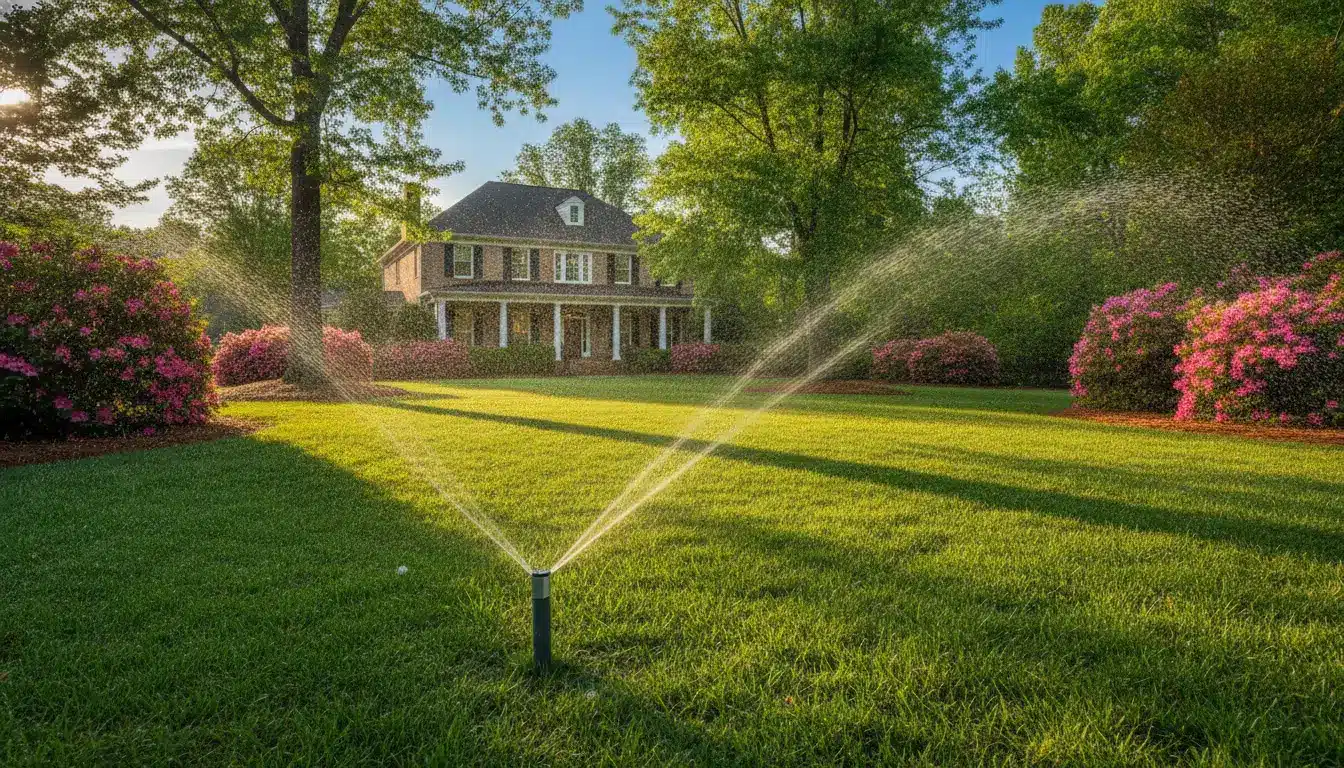
If you’ve lived in Charlotte, NC, long enough, you are aware of the pattern: beautiful green lawns and flowering scenery greet you in the spring, but by midsummer, the heat and humidity begin to wear you out. The yard that was flawless only a few months ago is now dealing with dry spots, stressed plants, and increased water costs.
For many homeowners, keeping their landscapes healthy has become a balancing act. They want a beautiful yard, but they also want to avoid wasting water, especially as summer temperatures continue to strain outdoor areas and weather patterns grow less predictable.
Moving away from conventional irrigation timers and toward more intelligent devices that modify watering according to real conditions is one of the most significant improvements homeowners are making in 2026.
The Problem with “Old School” Watering
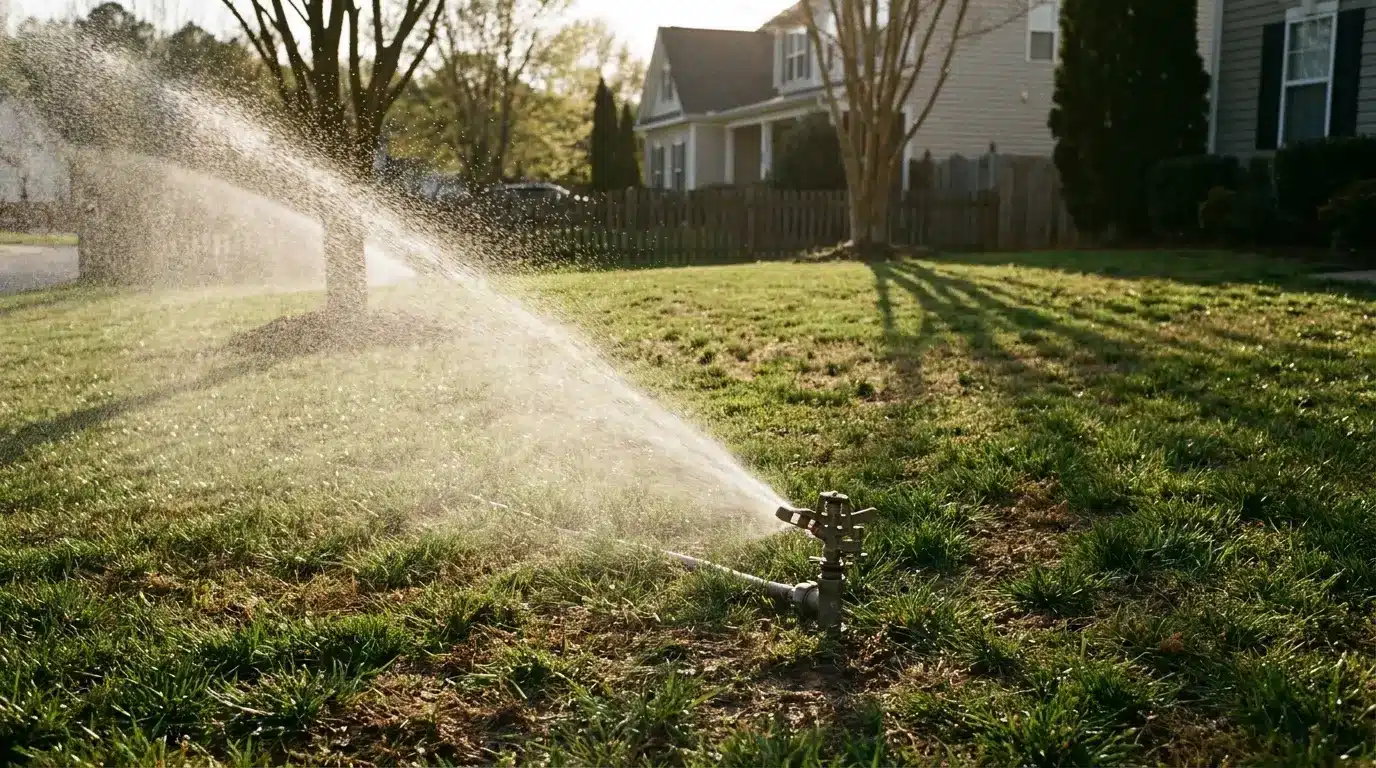
Traditional irrigation systems run on fixed schedules. Whether it poured rain for three hours last night or the temperature is hovering at a record-breaking 98°F, the system does the same thing every Tuesday and Thursday at 6:00 AM.
This leads to two major issues in our region:
- Overwatering: When your system runs during a week of typical Charlotte afternoon thunderstorms, you’re essentially paying to drown your plants. Excess moisture is the leading cause of fungal diseases in our local turfgrasses, like Tall Fescue and Zoysia.
- Inefficiency: A set timetable frequently fails to supply enough moisture to penetrate deeply into the soil during a dry period, such as the ones that are becoming increasingly common in the Carolinas. The result? A lawn that dies back as soon as the sun gets too strong is caused by shallow roots that are unable to withstand heat stress.
What Makes an Irrigation System “Smart”?
A smart irrigation controller is the brain of your landscape. Unlike a standard clock, it’s an active participant in your yard’s health. By connecting to real-time weather data via the cloud, these controllers adjust your watering schedule dynamically.
Your system will automatically skip the cycle if there is a significant likelihood of rain. It modifies the duration to keep your soil in the “goldilocks” zone—not too dry, nor too soggy—if humidity is low and temps are rising. Some sophisticated systems even use data from nearby weather stations to compute evapotranspiration (ET), which is a fancy way of stating that they monitor how much water your plants are actually losing to the sun and breeze and replenish it precisely.
Why Charlotte Homeowners Are Upgrading Now
Beyond just saving water, upgrading your system in 2026 offers tangible benefits tailored to the Charlotte area:
- The Charlotte Water Incentive: Charlotte Water has been proactive about conservation. By installing an approved smart controller and, in many cases, a separate irrigation meter, you may be eligible to avoid the higher-tier water rates. It’s a direct financial move that pays for itself over time.
- Zone-Specific Care: Different areas of your yard require different amounts of water. The shade-loving azaleas on the north side of your house require far less water than your sunny, south-facing rear lawn. These zones can be programmed separately thanks to a smart system, saving water in regions that don’t require it.
- Reduced Runoff: In Charlotte’s clay-heavy soil, water doesn’t absorb instantly. Smart systems can be programmed to utilize “cycle and soak” methods—watering in short bursts so the water has time to soak into the clay rather than running off into the street and storm drains.
Practical Tips for a Resilient Landscape
Technology is only half the battle. If you’re looking to make your yard more water-wise this year, start here:
- Check Your Soil: If your soil is hard-packed clay, water will run off no matter how “smart” your controller is. We recommend core aeration at least once a year to help water penetrate the root zone.
- Mulch Matters: A two-inch layer of pine straw or shredded hardwood mulch acts like a blanket for your plants. It keeps the soil cool and drastically reduces evaporation.
- Water Deep and Infrequent: Instead of light daily sprinkles, teach your grass to grow deep roots by watering heavily, but less often. This builds drought resilience, which is essential for surviving the typical August heat.
The Bottom Line
It’s not necessary to use a lot of water to create a lovely yard. The secret is to design a landscape that adapts to its surroundings.
Smart irrigation technology is one tool that homeowners may use to save water, protect their plants, and increase the predictability of outdoor maintenance. When paired with wise planting, sensible landscape design, and proper soil management, it could contribute to the creation of a healthier outdoor environment throughout the year.
Local landscaping firms like Top Gardens Landscaping, which has been in business since 1999, may assist Charlotte residents thinking about upgrading their irrigation systems by assessing current systems and making recommendations depending on the soil, climate, and landscape characteristics of the region.