

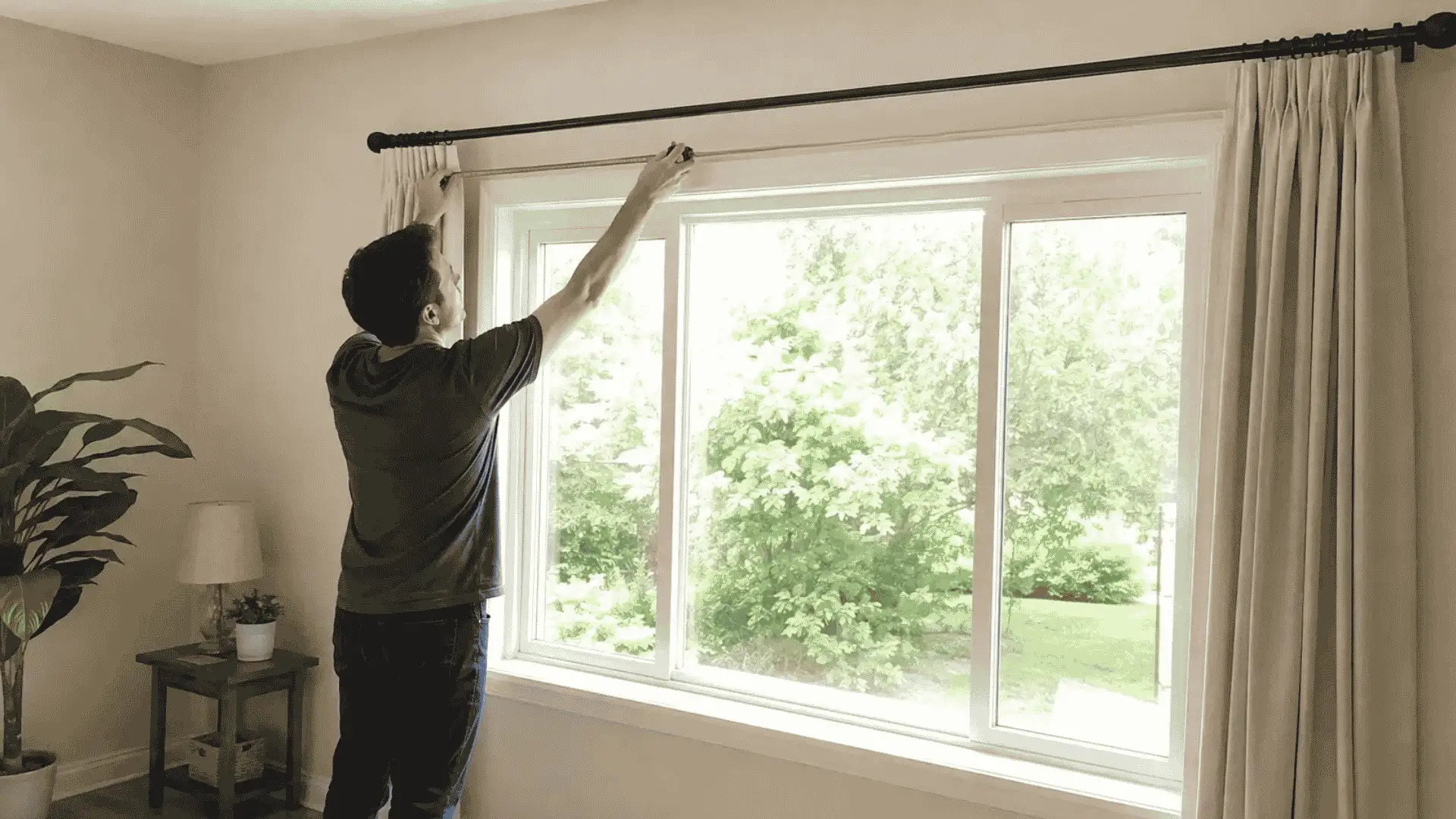
Curtains can make a room feel finished, but only when the size is right. A panel that is too short, too narrow, or hung from the wrong point can make even a nice fabric look awkward.
Learning how to measure for curtains helps you avoid that problem before you buy. The key is not just measuring the window.
You also need to think about rod height, panel fullness, header style, and where the fabric should end.
I will show you the simple checks that matter most, so your curtains hang with better shape and coverage.
First, let us look at the general rule for choosing curtain sizes.
The General Rule for Choosing Curtain Sizes
Before measuring anything, decide where your curtain rod will sit. I always start here because rod placement affects the final curtain length.
Mounting it around 4 to 10 inches above the window frame can also make the window look taller. Next, choose your header style before taking measurements.
Grommets, pinch pleats, rod pockets, and ring clips all hang differently, so the correct starting point can change depending on the style you pick.
If you’re still deciding between hardware, our guide to types of window coverings breaks down how curtains compare to blinds and shades.
Once those details are settled, grab a metal tape measure, pencil, and paper or your phone. Measuring from the right point from the beginning helps you avoid sizing mistakes later.
What You Need Before You Start Measuring
Before you start measuring or installing your curtains, keep these basic tools and materials ready. Having everything within reach makes the process smoother and helps reduce measurement errors.
- Curtain or drapery panels: Choose panels based on whether you want them mainly for decoration, privacy, light control, or everyday use.
- Curtain rod: Select a rod that suits your window width, curtain weight, and the amount of wall space available on each side.
- Hanging hardware: Keep the correct brackets, screws, anchors, rings, or hooks ready based on your curtain style and mounting method.
- Metal measuring tape: Use a sturdy tape measure to check the window width, rod placement, panel width, and required curtain length accurately.
Once everything is ready, you can measure and install your curtains with fewer interruptions and better accuracy.
How to Measure for Curtains Step-by-Step
This step-by-step process covers everything from choosing the mounting position to measuring curtain width, length, and rod size, so you can get a cleaner fit before installation.
Step 1: Choose Your Mounting Position
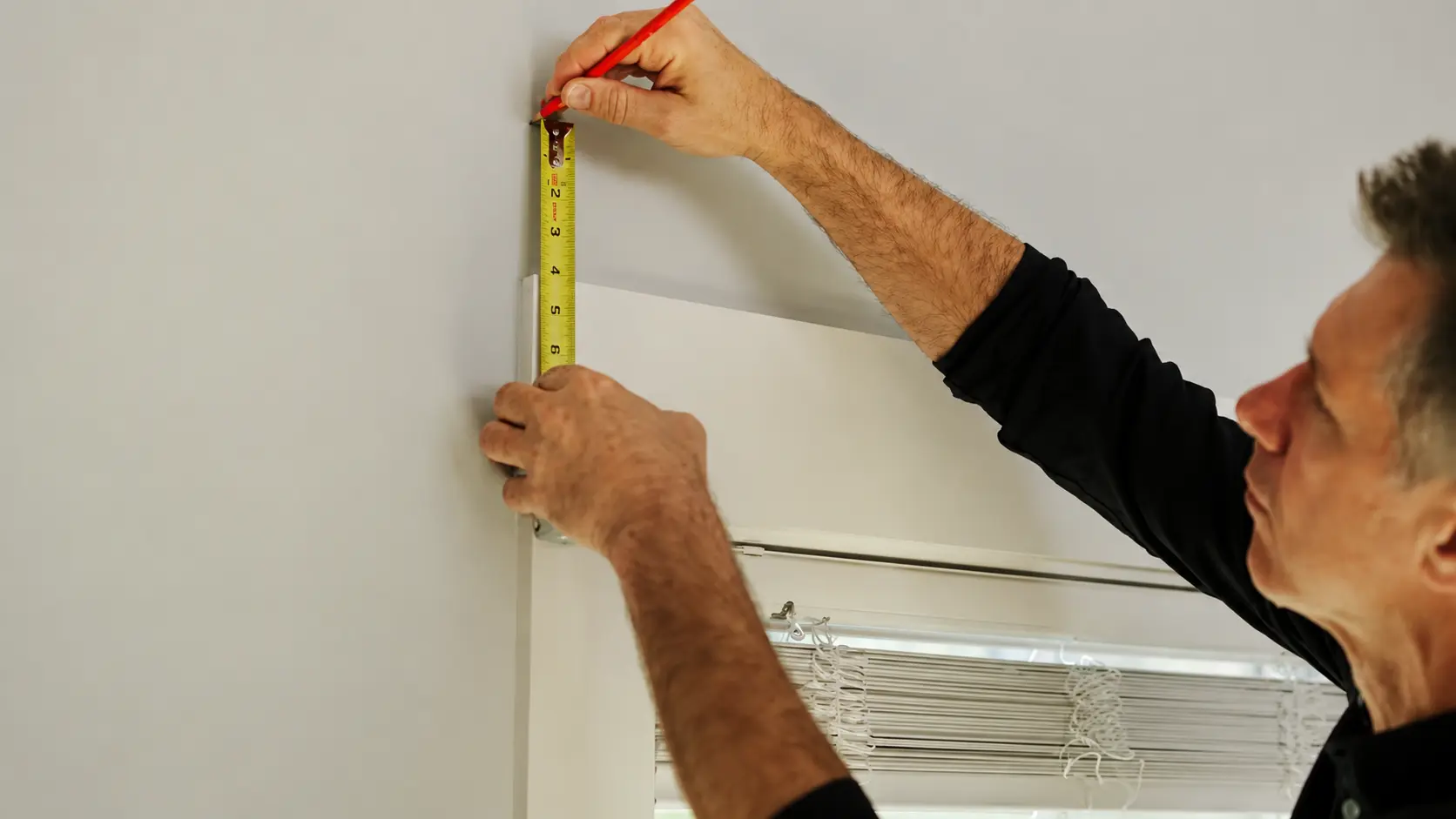
Start by deciding where you want to place the curtain rod before measuring for your curtains. The mounting position affects the width and length you need, so make this decision first.
For an outside mount, place the rod several inches above the window to create the look of a taller ceiling and a larger window.
For an inside mount, position the rod within the window opening so the curtains sit neatly inside the frame.
Step 2: Measure Decorative Panel Width
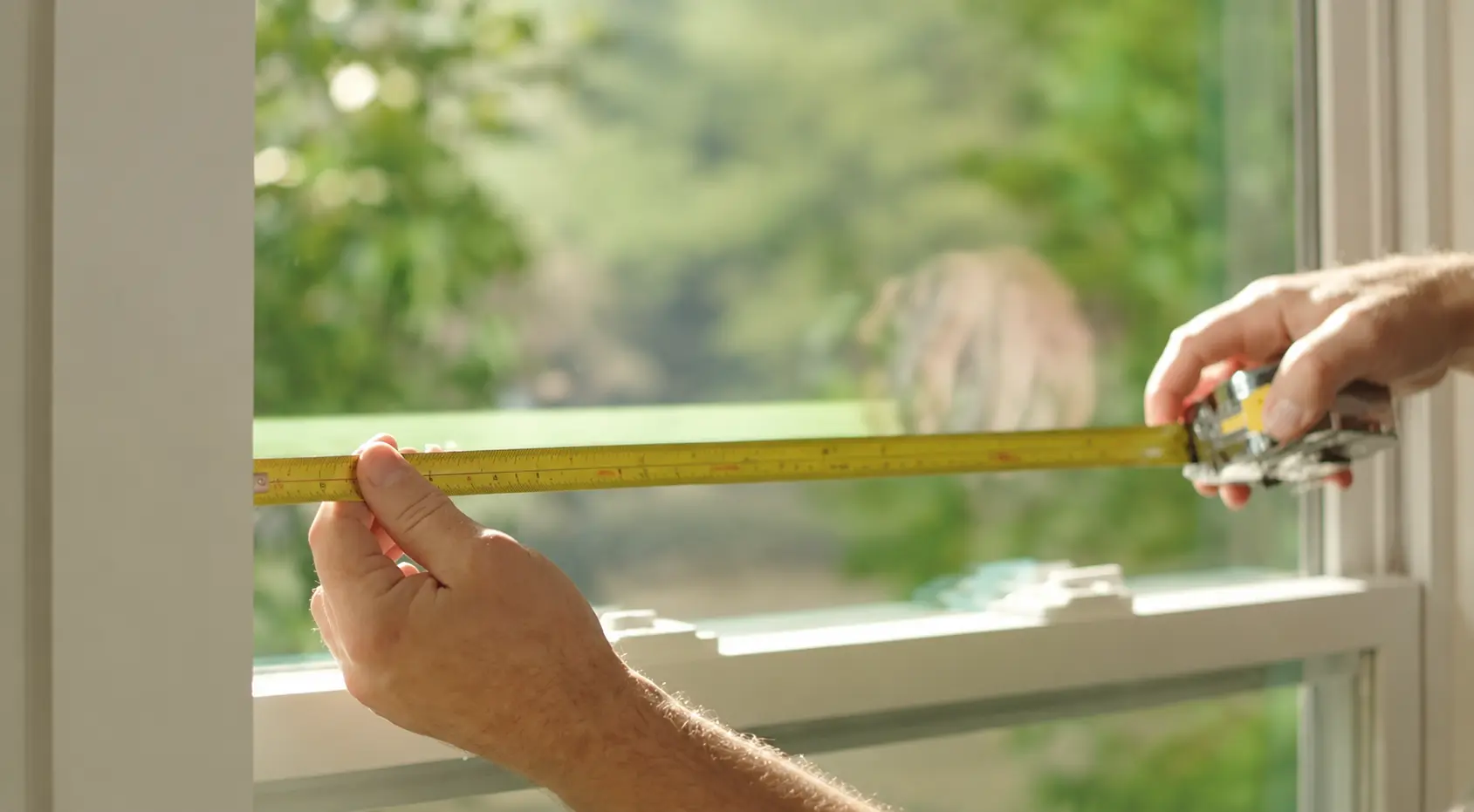
If you are adding decorative panels that will remain on the sides of the window, measure the amount of space you want them to cover.
These panels are mainly used to frame the window, so they do not need to cover the entire opening. Measure each side where you want the panels to sit and use those measurements when choosing your curtain size.
That way you won’t end up buying panels that look too narrow or extend farther than intended.
Step 3: Measure Functional Panel Width
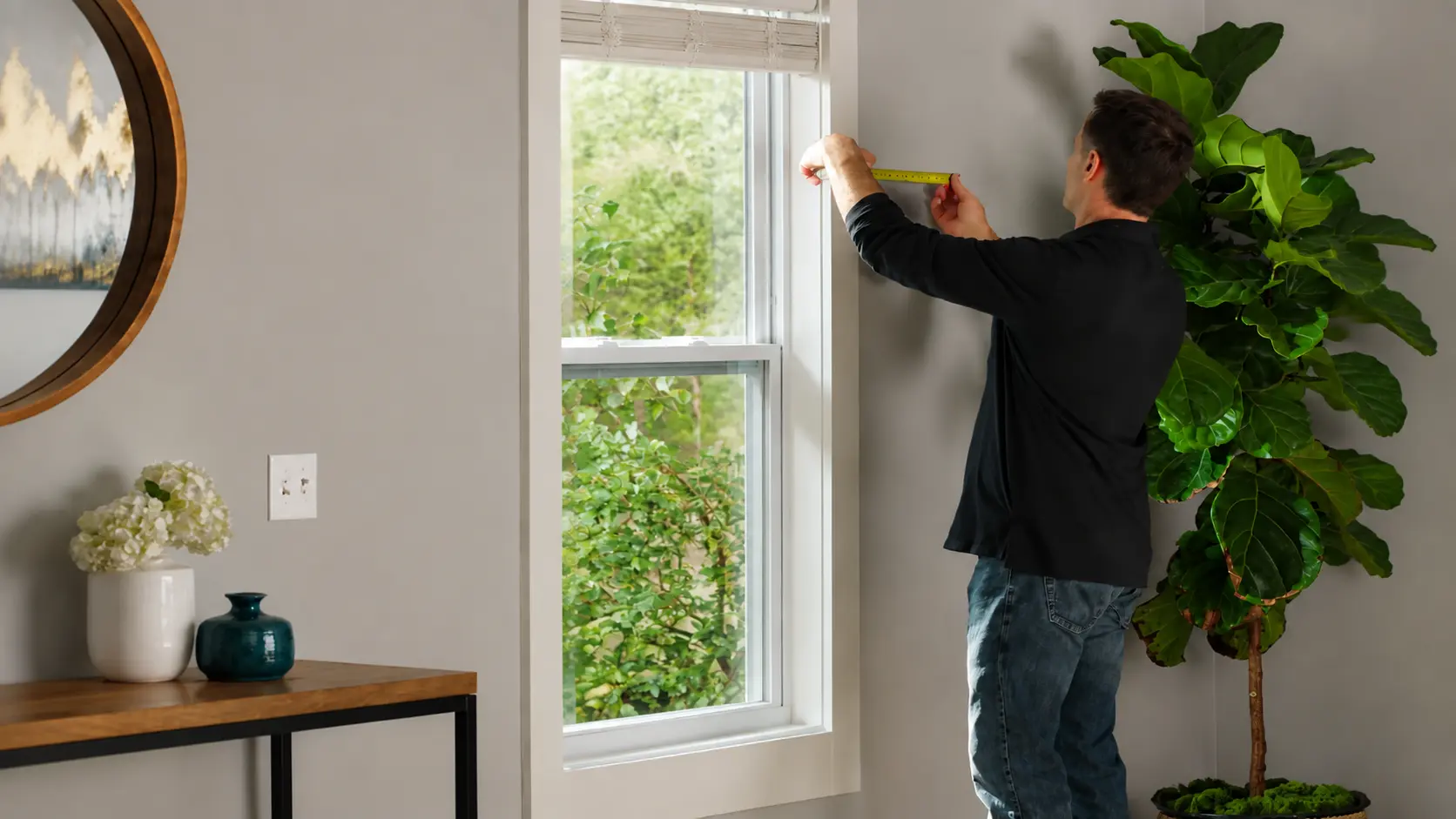
For curtains that will open and close, start by measuring the full width of your window.
If you are using an outside mount, add 24 inches to the window measurement to allow the curtains to extend beyond the frame.
Take the total width and divide it by the number of curtain panels you plan to use. That calculation gives you the width needed for each panel, so the curtains can move easily and cover the window properly.
Before you lock in that per-panel number, multiply it by 1.5 to 2 times for standard fullness, or up to 3 times for a heavier, more gathered look.
A 60-inch rod, for example, needs 90 to 120 inches of total panel width once you account for gathering. Skipping this step is what leaves curtains hanging flat against the window instead of falling in soft folds.
Step 4: Measure the Curtain Length
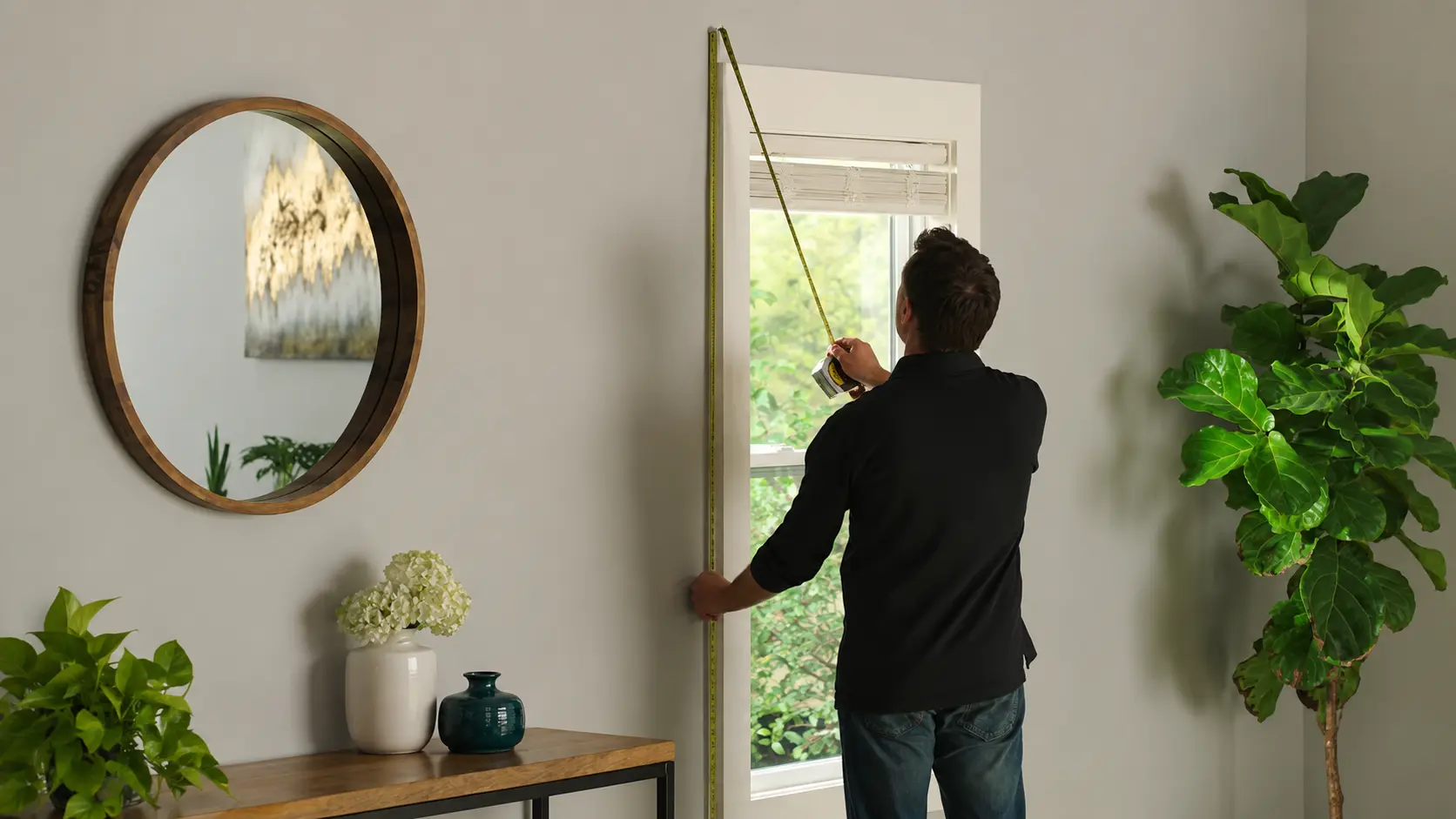
Measure from the top of where the curtain rod will sit down to the point where you want the curtains to end. Keep your measuring tape straight to get the most accurate length.
Decide whether you want the curtains to finish above the floor or at the windowsill.
Use that measurement when selecting your curtain panels to avoid panels that are too short or too long.
Where you start that measurement depends on your header style. Grommets and rod pocket panels hang directly off the rod, so measure from the top of the rod itself.
Pinch pleats and ring clips hang below the rod on hooks or rings, so measure from the bottom of the ring instead, since that’s the point the fabric actually hangs from.
Step 5: Choose the Curtain Rod Length
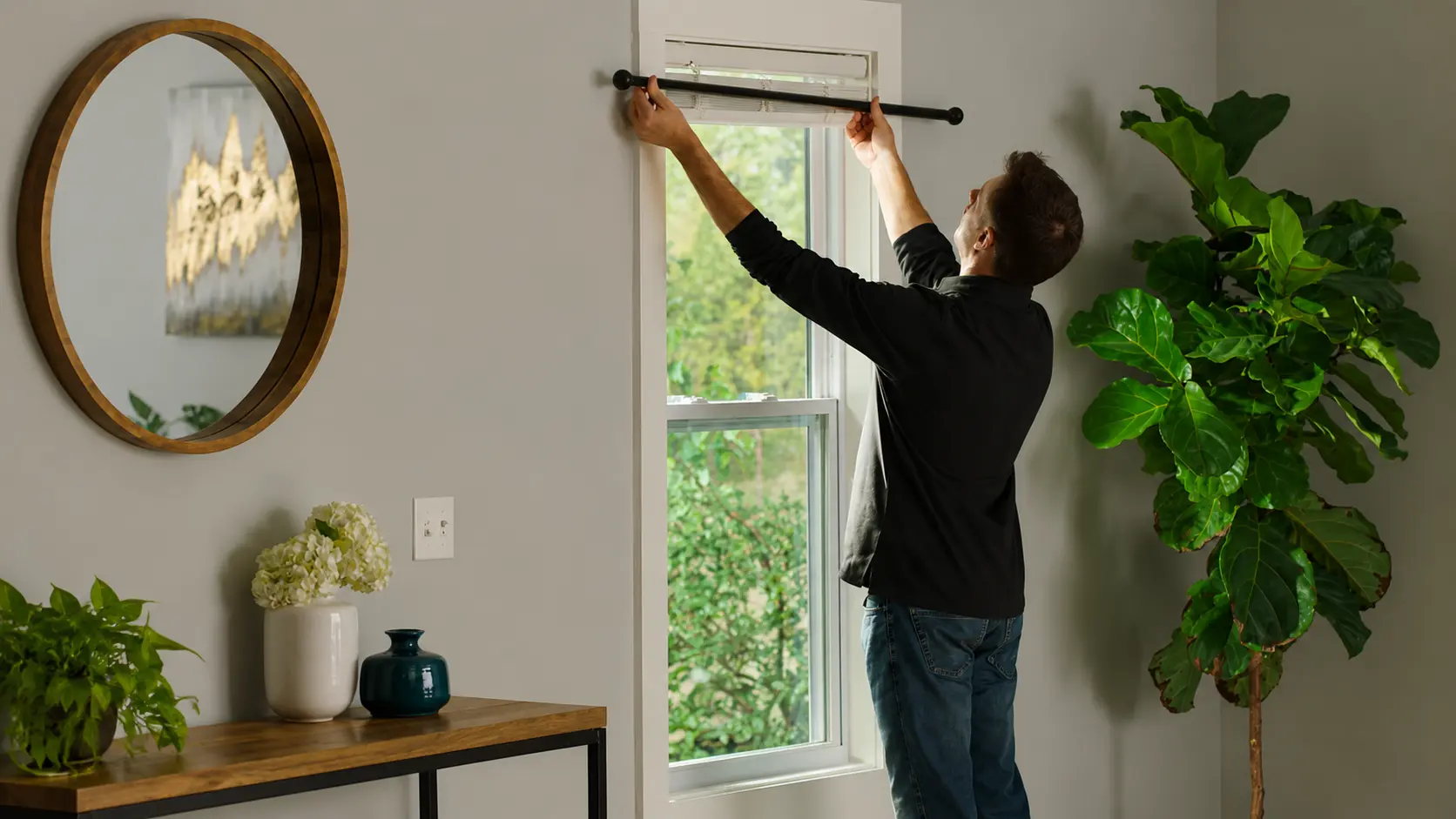
Measure the available wall space around your window before choosing a curtain rod.
Select a rod that fits your window width while leaving enough room for the curtains to hang properly.
For outside mounts, make sure the rod extends beyond the window frame enough for the curtains to sit comfortably beside the window when opened.
That extra width lets the curtains function smoothly without blocking too much light. If you’d rather skip store-bought hardware, you can build your own curtain rod for a fraction of the cost.
Step 6: Wait Before Installing the Rod
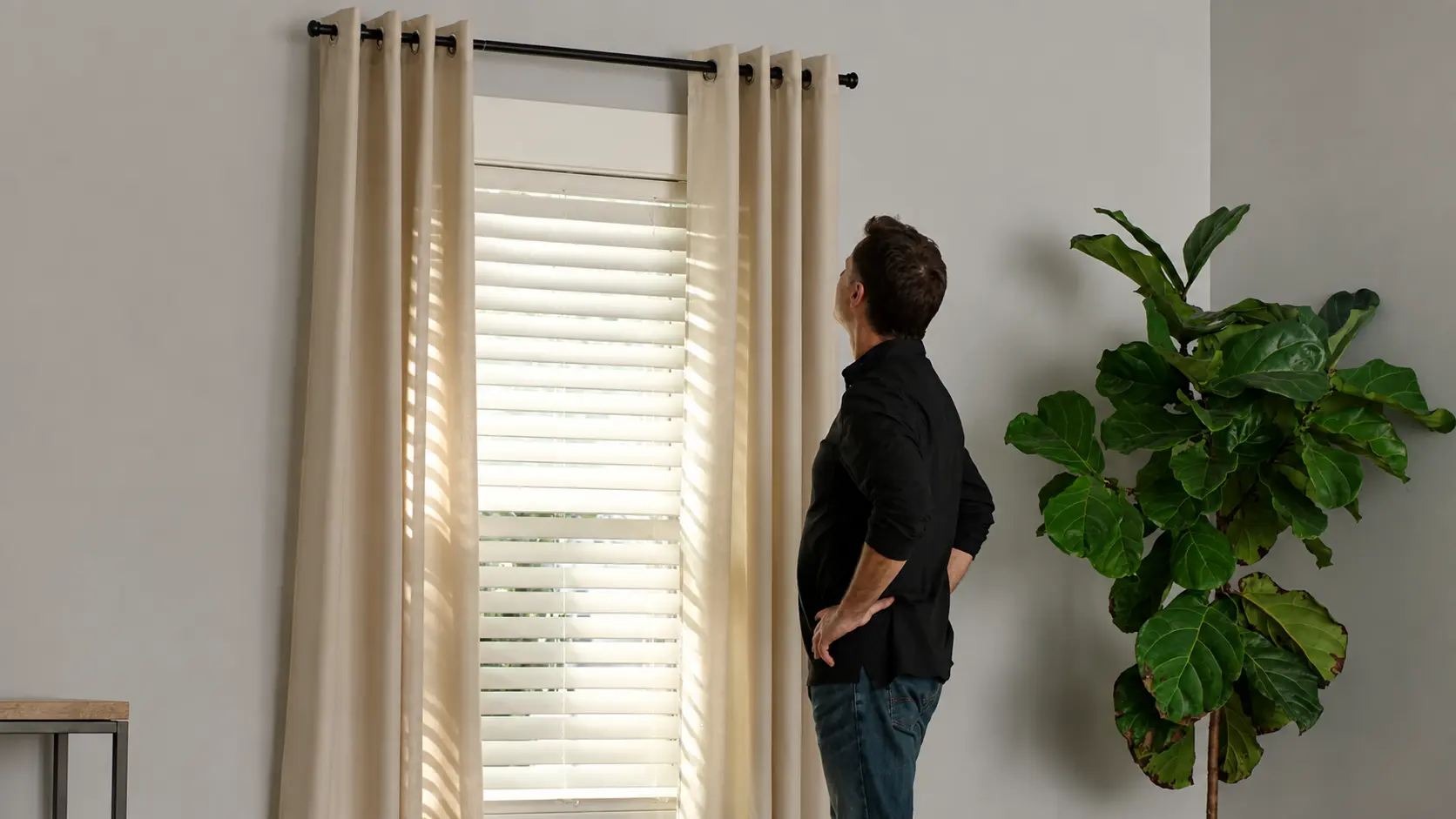
Wait until your curtains or draperies arrive before permanently installing the curtain rod. Checking the panels first allows you to make small adjustments if the measurements are slightly different than expected.
Hold the curtains in place and confirm the height and placement before drilling or securing the hardware.
That final check helps you catch problems before they become permanent, so the curtains hang at the right length and position.
Once your measurements check out, our guide to hanging curtains step-by-step covers the actual installation.
For a complete walkthrough of the process, check out the video tutorial by The Home Deopt.
How to Verify Your Measurements Before Buying?
Before ordering your curtains, take two minutes to check every number again.
I always recommend remeasuring the width and drop with a metal tape measure and recording each figure to the nearest eighth of an inch.
Small errors can affect how the curtains sit once they are hung. Check the usable curtain rod width too, making sure the finials are not included.
Then confirm that your total curtain width gives you enough fabric for natural fullness instead of a flat look. If any measurement seems unusual, measure it again or use an online curtain size calculator as a quick final cross-check.
Common Curtain Measuring Mistakes
Before placing your order, check for these common measuring mistakes that can easily affect the final fit of your curtains.
- Measuring the window frame instead of the rod: This can leave your curtains too narrow, especially when the rod extends beyond the frame.
- Skipping the fullness multiplier: Curtains measured at 1x width often look flat and may not provide enough coverage when closed.
- Starting the drop from the wrong point: Measure from the rod, ring, or hook position, not the top of the fabric, or your curtains may hang shorter than expected.
A quick recheck now can help you avoid sizing issues and make sure your curtains hang the way you planned.
Conclusion
Learning how to measure for curtains is less about one perfect number and more about checking the right points in the right order.
Rod placement sets the shape, panel width controls fullness, and finished length decides whether the curtains look polished or awkward.
Header style matters too, because rings, grommets, and rod pockets do not all hang from the same point.
I would always measure twice before ordering, then compare your numbers with the curtain size chart before buying. That small pause can save returns, drilling mistakes, and panels that never sit right.
Recheck your window today, write down each number, and choose your curtains with confidence.
Frequently Asked Questions
How wide should curtains be for a 72-inch window?
For a 72-inch rod, aim for 108 to 144 inches of total panel width using the standard 1.5 to 2x fullness ratio. Split that evenly across two panels if using a pair. Extend the rod 3 to 10 inches past the window frame on each side first, since that extended width is what you’re multiplying.
What size curtains do I need for a 36-inch window?
Mount the rod 3 to 10 inches past each side of a 36-inch window frame first, giving a rod width of roughly 42 to 56 inches. Multiply that by 1.5 to 2x for fullness, landing around 63 to 112 inches of total panel width depending on how full you want the look.
How wide should curtains be for a 48-inch window?
With rod extensions, a 48-inch window typically results in a 54 to 68-inch rod width. Applying the standard 1.5 to 2x fullness ratio gives a total panel width of roughly 81 to 136 inches, split across however many panels you’re hanging.
Do I measure from the top of the rod or the top of the curtain for length?
It depends on the header style. For grommet or eyelet curtains, measure from the top of the rod itself. For pin hooks or ring clips, measure from the bottom of the ring instead, since that’s the point the fabric actually hangs from.