

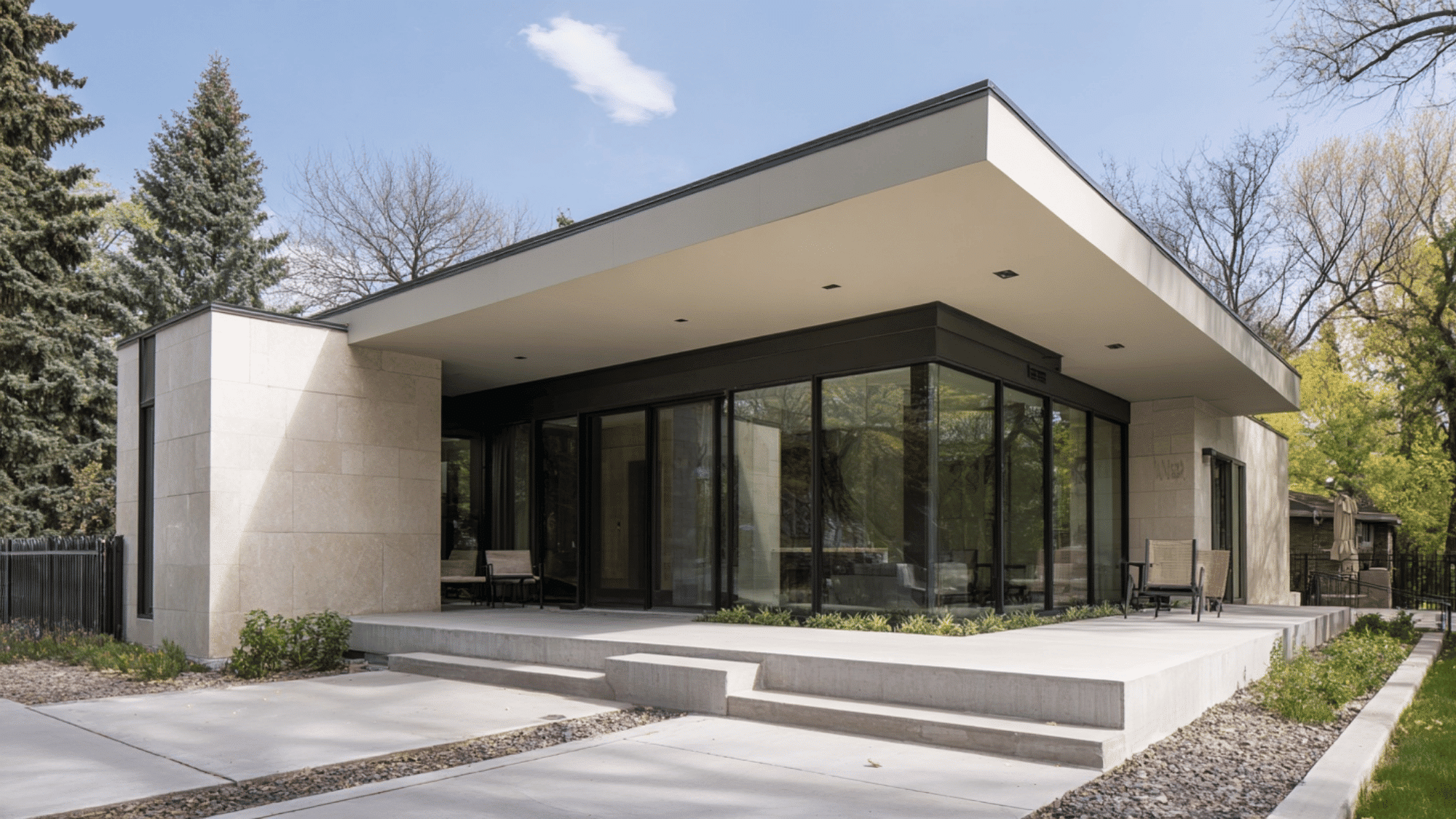
Looking up at a roof shouldn’t feel boring. And honestly, most people don’t think twice about what sits on top of their house. But the right roof can change everything.
A lean-to roof is simple, clean, and fits modern homes like a glove. It works for patios, sheds, or even entire home extensions.
The design is smart without trying too hard. It’s practical, too. Rain runs off easily, and there’s no fuss with maintenance. Plus, it opens up space in ways flat roofs just can’t.
Homeowners who want something fresh but not flashy? This is where they should start. Let’s look at what makes these roofs stand out.
What is a Lean-To Roof?
A lean-to roof is exactly what it sounds like. One side leans against something taller, usually a wall or another building.
The slope goes in one direction, which keeps things simple. No peaks, no valleys, just a clean angle from high to low. People use them for add-ons like porches, carports, or garden sheds.
But they’re showing up on modern homes more often now. The design works because it doesn’t fight with the main structure. It just extends it.
The single slope also means fewer materials and easier construction. Water drains to one side, so there’s less chance of pooling or leaks. It’s a no-nonsense option that still looks sharp and intentional.
Pros and Cons of Lean-To Roof Designs
Here’s a clear breakdown of what works and what doesn’t with lean-to roof designs:
| Pros | Cons |
|---|---|
| Simple and affordable to build | Limited headroom on the lower side |
| Easy water drainage with a single slope | Not ideal for heavy snow areas |
| Works well as extensions or add-ons | Less attic or storage space |
| Modern, clean look | Can look unfinished if not designed well |
| Low maintenance requirements | Needs a proper pitch for water runoff |
| Faster construction time | Limited ventilation options |
| Flexible for various uses | May require gutters on one side only |
Design Styles of Lean-To Roof Ideas for Modern Homes
Modern lean-to roof designs combine simplicity, functionality, and visual appeal, offering homeowners versatile styles that complement contemporary architecture while enhancing natural light, space efficiency, and overall exterior aesthetics.
1. Minimalist Lean-To Roof Style
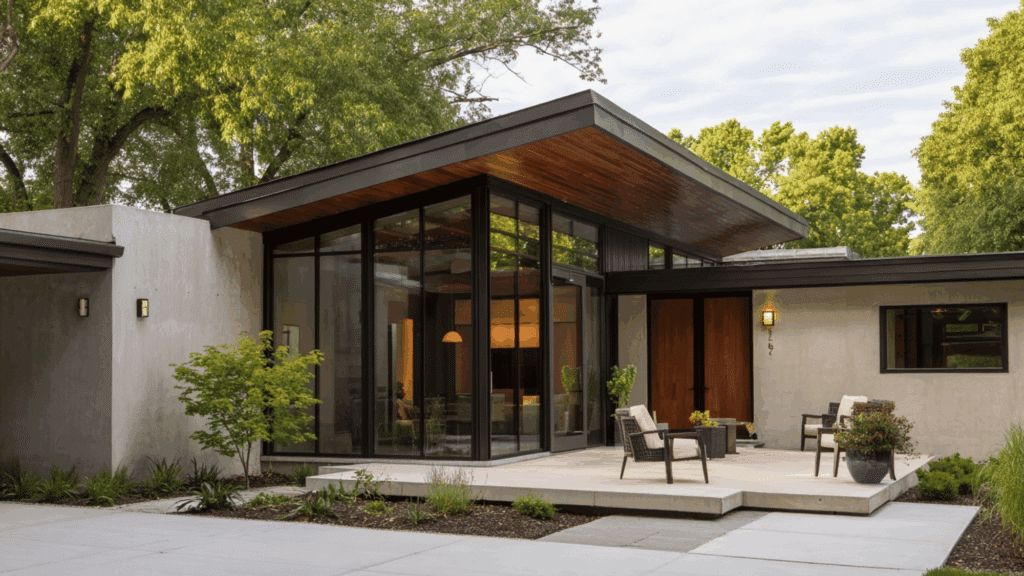
This style focuses on clean lines, neutral colors, and uncluttered forms. Minimalist lean-to roofs often use flat or gently sloped profiles paired with smooth finishes like concrete, steel, or rendered walls.
The emphasis on simplicity and proportion makes it ideal for modern homes that value subtlety and grace. Large openings and seamless connections to outdoor spaces enhance the overall calm and refined appearance.
2. Contemporary Metal Lean-To Roof
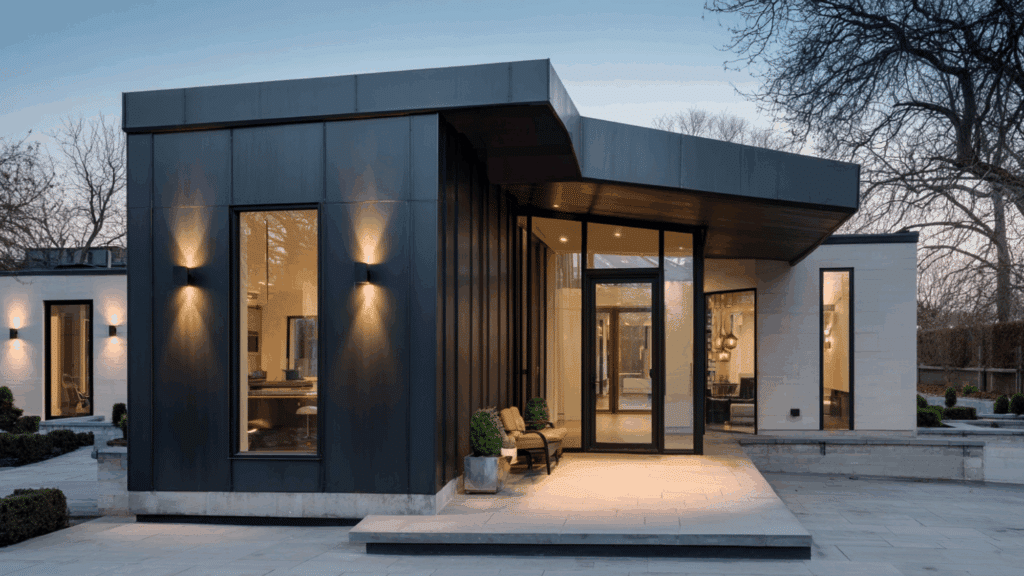
Metal lean-to roofs are popular in modern architecture due to their sleek appearance and durability.
Materials like standing-seam steel or aluminum provide a sharp, linear look while offering excellent weather resistance. This style works well for home extensions, patios, and carports.
Dark tones such as charcoal or matte black are commonly used to create contrast against lighter exterior walls.
3. Glass-Integrated Lean-To Roof Design
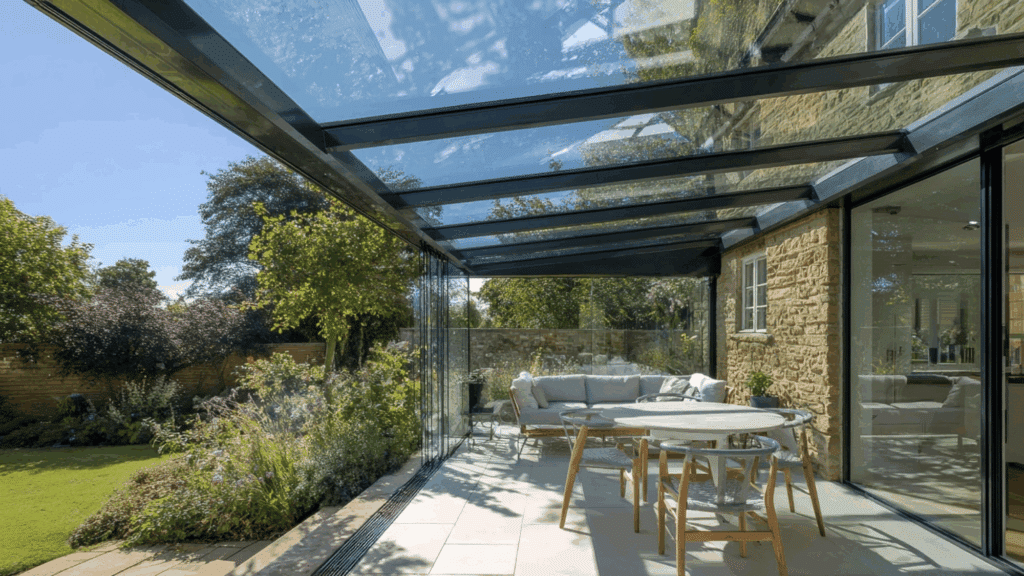
Glass lean-to roofs prioritize natural light and visual openness. Often used for sunrooms, patios, or rear extensions, this style creates a bright and airy environment while maintaining a modern aesthetic.
Framed with slim metal or aluminum supports, glass panels add sophistication without overwhelming the structure. This design is ideal for homeowners who want indoor-outdoor continuity with a contemporary touch.
4. Scandinavian-Inspired Lean-To Roof

Scandinavian-style lean-to roofs combine functionality with warmth. Light-colored materials, natural wood accents, and simple geometry define this design.
The roof slope is typically gentle, complementing clean facades and large windows.
This style suits modern homes aiming for a cozy yet refined look, balancing minimalism with natural textures that soften the overall exterior design.
5. Industrial Lean-To Roof Style

Industrial lean-to roofs emphasize raw materials such as exposed steel, corrugated metal, and concrete. This design style pairs well with urban homes or loft-inspired architecture.
Visible structural elements and darker color palettes add character and strength.
Often used for garages or backyard structures, industrial lean-to roofs offer a bold, functional aesthetic with strong visual impact.
6. Flat-Profile Modern Lean-To Roof
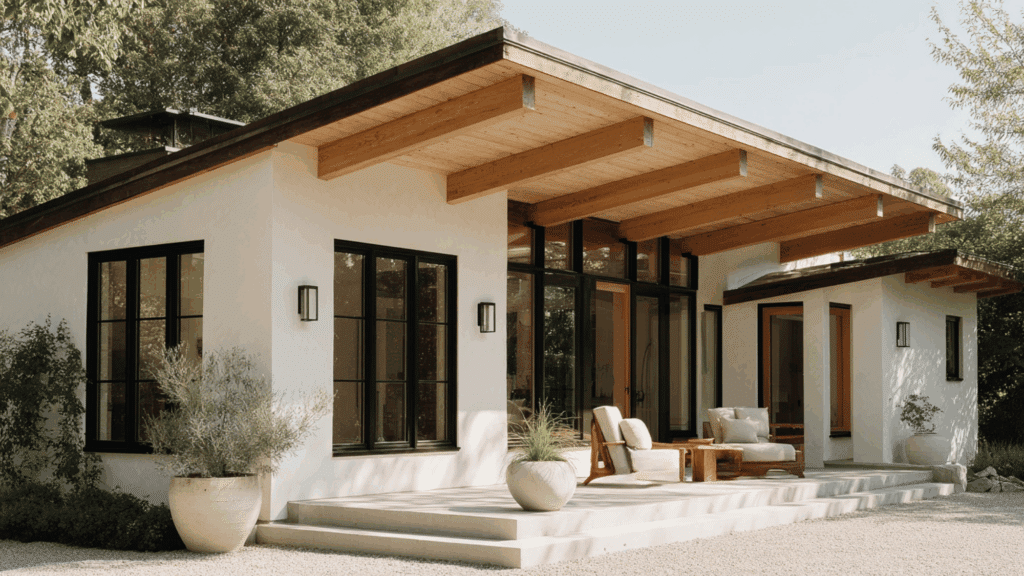
This style mimics the appearance of a flat roof while maintaining a subtle slope for drainage. Flat-profile lean-to roofs are popular in modern homes due to their sharp geometry and understated presence.
They blend seamlessly with boxy architectural forms and are commonly used for side or rear extensions. This design emphasizes horizontality and modern simplicity.
7. Mixed-Material Lean-To Roof Design
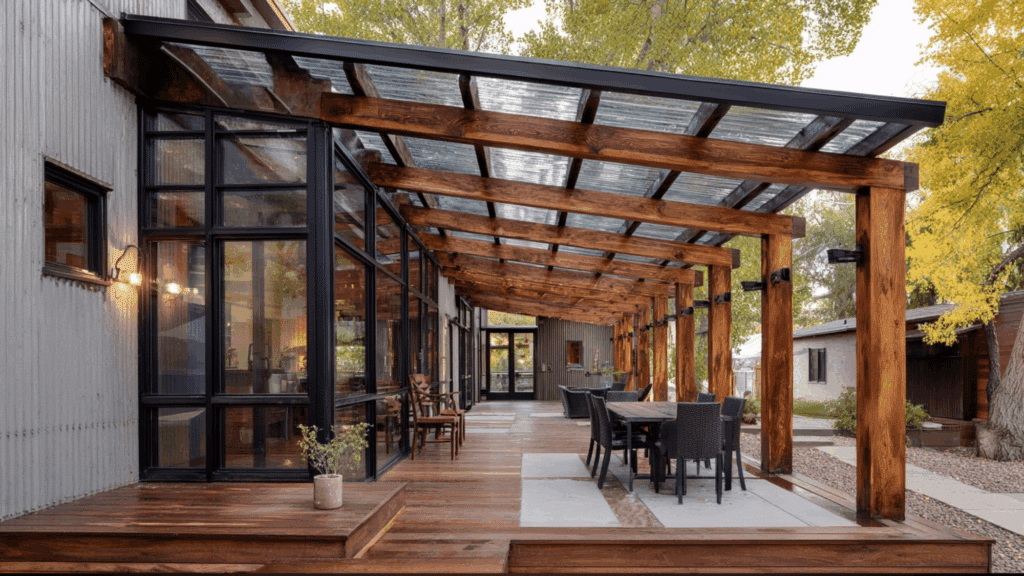
Mixed-material lean-to roofs combine elements such as wood, metal, and glass for a layered, modern look.
This approach adds depth and visual interest while allowing homeowners to tailor the design to their home’s character.
For example, a metal roof paired with timber supports creates contrast without losing cohesion. This style is ideal for contemporary homes seeking a customized and visually engaging roof solution.
How Much Does a Lean-To Roof Cost?
Costs vary based on size, materials, and location. But lean-to roofs are generally budget-friendly compared to complex designs.
| Cost Factor | Estimated Range |
|---|---|
| Small shed or patio (DIY) | $500 – $2,000 |
| Medium-sized carport or extension | $2,000 – $6,000 |
| Large home addition (professional install) | $6,000 – $15,000+ |
| Materials (per square foot) | $3 – $8 |
| Labor (per square foot) | $4 – $10 |
| Metal roofing upgrade | Add $2 – $4 per sq ft |
| Permits and inspection fees | $200 – $800 |
Note: Prices shift depending on what’s underneath and what goes on top. Metal costs more upfront but lasts longer. Asphalt shingles keep things cheaper. Labor in bigger cities runs higher, too. Most homeowners spend somewhere in the middle range for a decent-sized project.
Lean-To Roof Design Tips Before You Build
Planning ahead saves money and headaches later. A few smart choices now make the build smoother and the roof last longer.
- Check local building codes and permit requirements before starting any construction work.
- Ensure the pitch is steep enough for proper drainage, ideally at least 3:12.
- Choose materials that match or complement the existing structure for a cohesive look.
- Plan for gutter placement on the lower edge to handle all the water runoff effectively.
- Consider future access needs for maintenance, cleaning, and potential repairs down the line.
- Account for sun direction to maximize shade or natural light, depending on the roof’s purpose.
Conclusion
A lean-to roof doesn’t demand attention, but it earns respect. It’s the kind of design that quietly does its job while looking good doing it.
Sure, there are limitations. Snow loads matter, and headroom on the low side isn’t generous. But for most modern homes, those trade-offs are worth it.
The cost stays reasonable, the build goes fast, and maintenance rarely becomes a headache. Homeowners who value function over fuss will appreciate what this roof brings.
Sometimes the smartest choice isn’t the flashiest one. It’s just the one that works.