

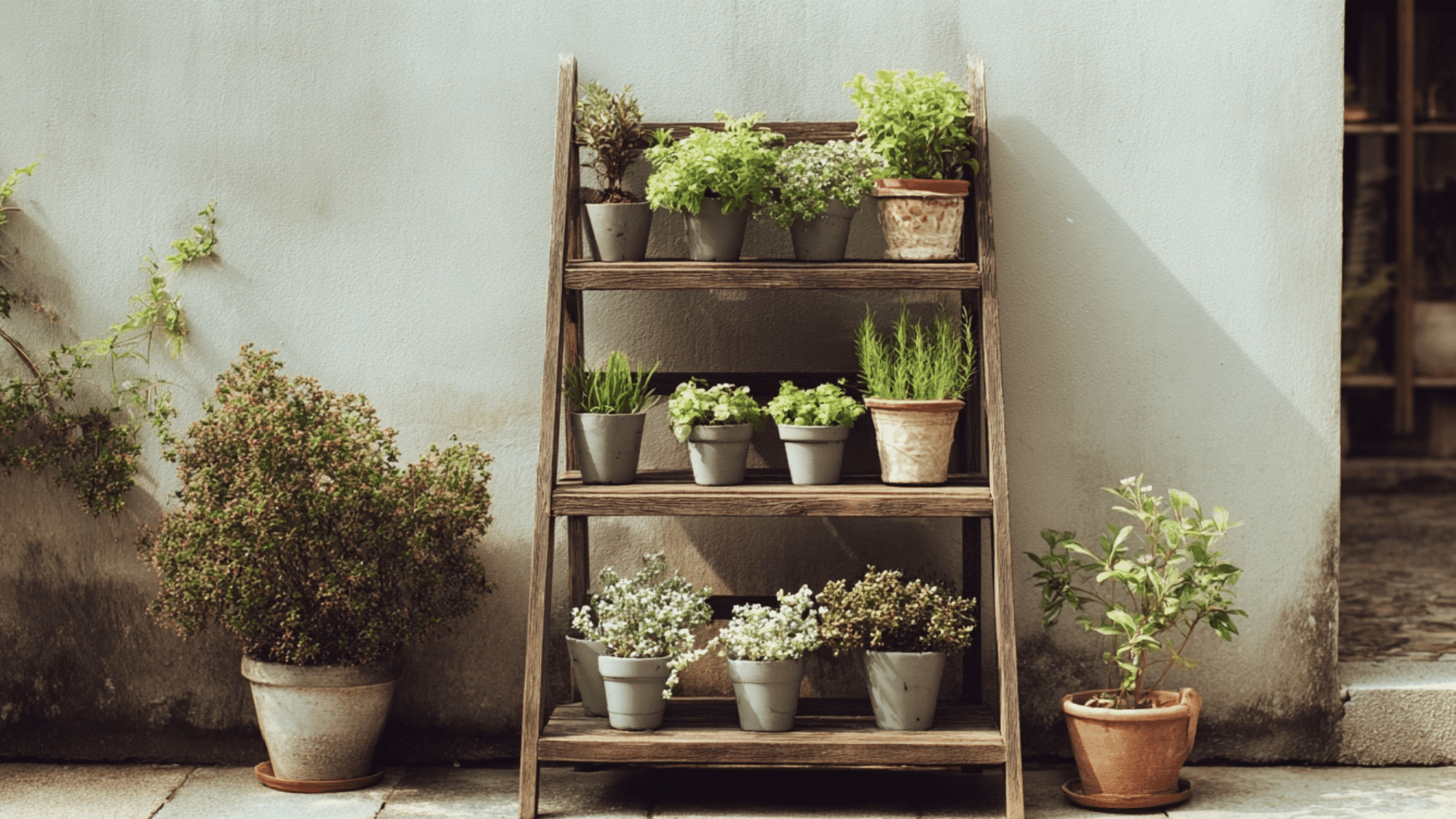
Living in a small space doesn’t mean giving up on greenery. Many urban dwellers face the same challenge: wanting a garden but having limited square footage. Growing up instead of out opens up endless possibilities.
Vertical gardens have become a game-changer for apartment balconies, tiny patios, and compact yards.
They bring life to blank walls, maximize every inch, and create stunning visual impact without eating up precious floor space. From simple hanging planters to elaborate living walls, there’s a solution for every skill level and budget.
Ready to change that empty wall into a thriving garden? These creative ideas will show how small spaces can still make a big green statement.
Best Places to Install a Vertical Garden
Location matters when building a vertical garden. The right spot ensures plants get proper light, water access stays convenient, and the structure adds beauty without causing damage.
- Balcony Walls: Balconies offer ideal conditions with natural light and ventilation. Mount planters on railings or walls to create privacy while growing herbs, flowers, or vegetables within arm’s reach.
- Kitchen Backsplash: Growing fresh herbs right above the counter makes cooking easier. This spot gets plenty of indoor light and keeps ingredients accessible. Just ensure proper waterproofing to protect walls.
- Fence Lines: Existing fences provide ready-made support structures. Attach planters or trellises to transform boring boundaries into lush green screens that boost curb appeal and privacy.
- Patio Walls: Outdoor walls near seating areas create a living artwork. They soften hard surfaces, provide shade, and make small patios feel more intimate without taking up valuable floor space.
- Entryways: First impressions count, and vertical gardens make welcoming statements. Frame doorways with greenery to add color and personality while guests arrive.
- Bathroom Walls Humidity-loving plants thrive in bathrooms. Ferns, pothos, and air plants flourish here, turning functional spaces into spa-like retreats with minimal maintenance required.
All Vertical Garden Types and Their Benefits
Different vertical garden systems suit different needs and budgets. Understanding each type helps choose the perfect match for any space.
| Vertical Garden Type | Key Benefits |
|---|---|
| Living Walls | Creates dramatic visual impact, excellent insulation, improves air quality, and works for large spaces |
| Pocket Planters | Affordable, easy installation, flexible arrangement, perfect for renters, lightweight, and portable |
| Tower Gardens | Maximizes growing capacity, ideal for vegetables, efficient watering system, great for food production |
| Trellis Systems | Supports climbing plants, creates natural screens, cost-effective and simple DIY installation possible |
| Hanging Planters | No wall mounting needed, adds dimension, easy to rearrange, works in any room |
| Pallet Gardens | Budget-friendly, rustic aesthetic, upcycles materials, good beginner project for outdoor spaces |
| Modular Systems | Expandable design, easy maintenance, professional look, customizable to any wall size |
| Gutter Gardens | Repurposes materials, great for herbs, space-efficient, simple drainage system built in |
Vertical Garden Ideas That Look Great in Every Space
A vertical garden changes any space by growing plants upward, saving room, improving air quality, and adding beautiful greenery indoors or outdoors.
1. Wall-Mounted Pocket Planters
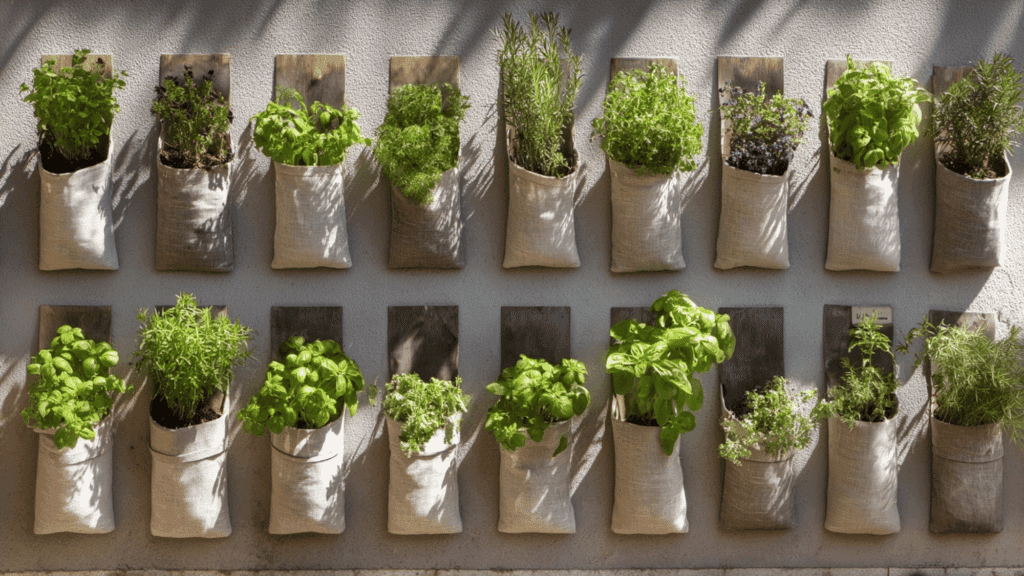
Wall-mounted pocket planters are one of the easiest vertical garden ideas for small spaces. These fabric or felt pockets attach directly to walls or fences and are perfect for herbs, flowers, or leafy greens.
They provide excellent drainage and allow you to grow multiple plants in one compact area. This option works especially well for balconies, patios, and kitchen herb gardens.
2. Wooden Pallet Vertical Garden
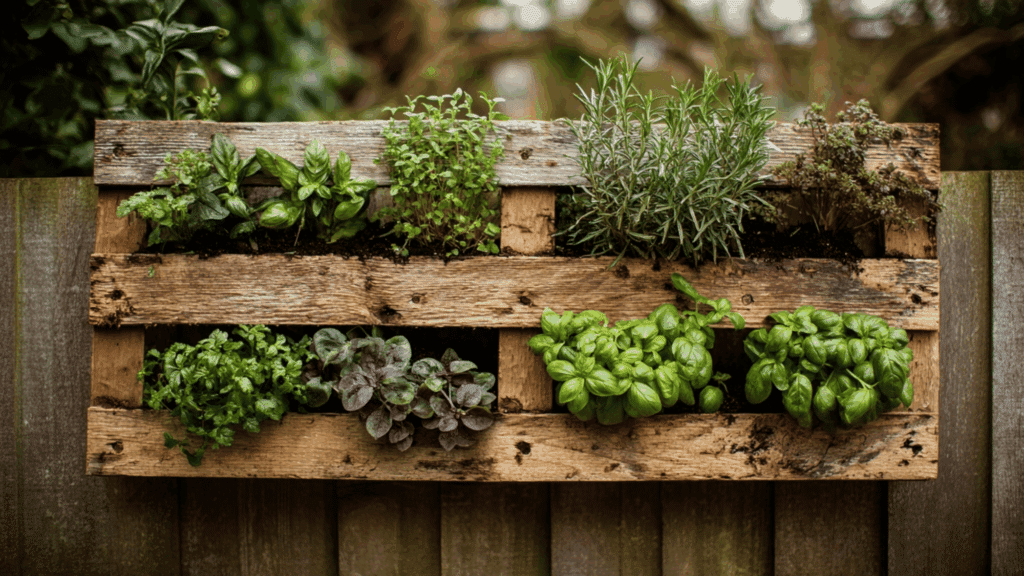
A wooden pallet vertical garden is a budget-friendly DIY solution that adds rustic charm to outdoor areas. You can reuse old pallets, add landscape fabric, and fill them with soil and plants.
Pallets are great for growing herbs, succulents, or small vegetables. They’re sturdy, easy to mount, and ideal for gardeners who want an affordable vertical garden setup.
3. Hanging Pot Vertical Garden
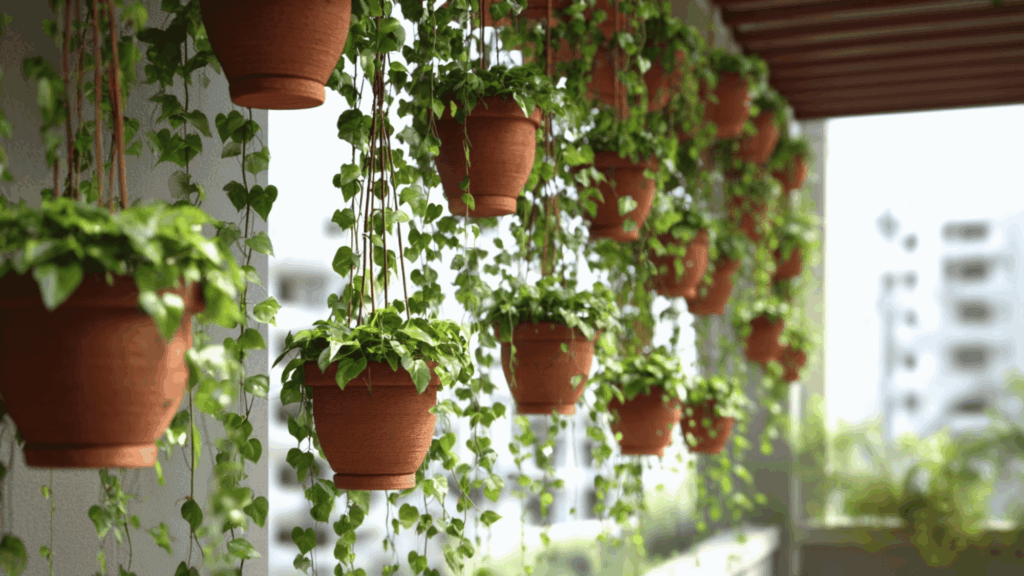
A hanging pot vertical garden uses suspended planters to create a layered green display.
You can hang pots from hooks, rails, or ceiling mounts, making this idea perfect for patios, balconies, or indoor corners. It adds height and visual interest while keeping plants off the ground.
Choose lightweight pots and trailing plants like pothos or ivy for a lush effect.
4. Trellis Garden for Climbing Plants
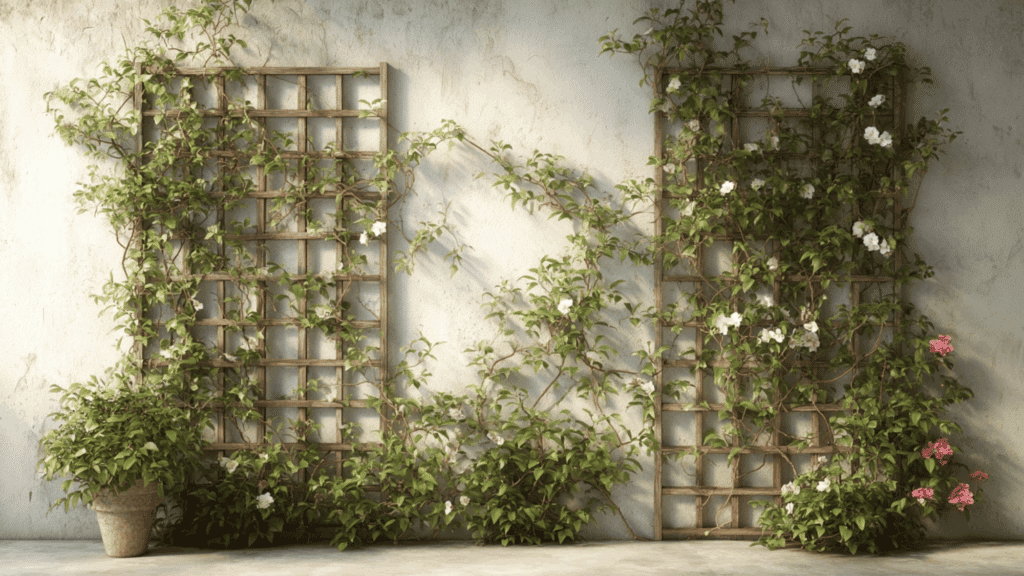
A trellis garden is perfect for climbing plants that naturally grow upward.
Install a trellis against a wall or in a garden bed to support vines like jasmine, beans, cucumbers, or roses. This vertical garden idea saves space while producing beautiful greenery or even fresh vegetables.
Trellises are affordable, simple to set up, and great for beginners.
5. Ladder Shelf Vertical Garden
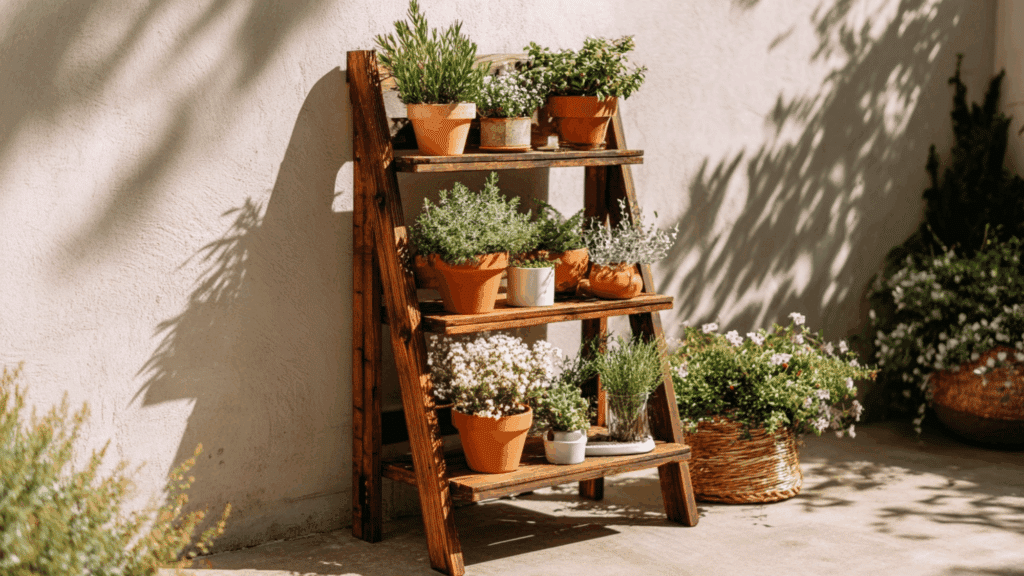
A ladder shelf vertical garden uses a tiered stand to hold multiple pots in one compact area. This idea works beautifully indoors or outdoors, especially on patios or balconies.
Each shelf level can hold different plants, creating a layered look. It’s also flexible, since you can move the ladder stand around easily without permanent wall installation.
6. Vertical Garden Tower Planter
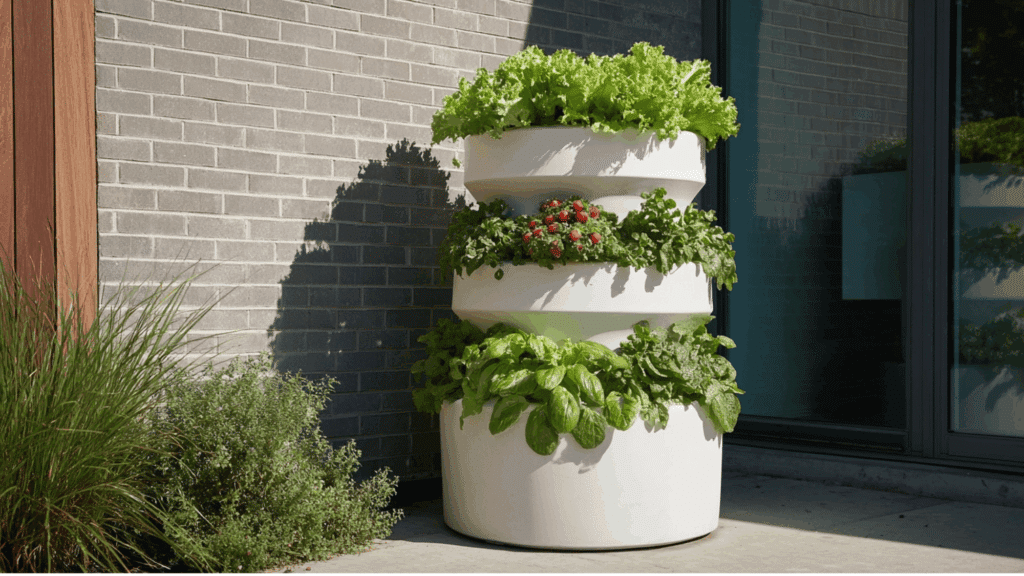
A vertical garden tower planter is a space-saving solution designed to grow many plants in a small footprint. These stacked planters are ideal for herbs, strawberries, lettuce, and other shallow-root plants.
Tower planters provide excellent airflow and maximize planting space. They work well in backyards or sunny balconies and are perfect for gardeners wanting high yields.
7. Recycled Plastic Bottle Wall Garden
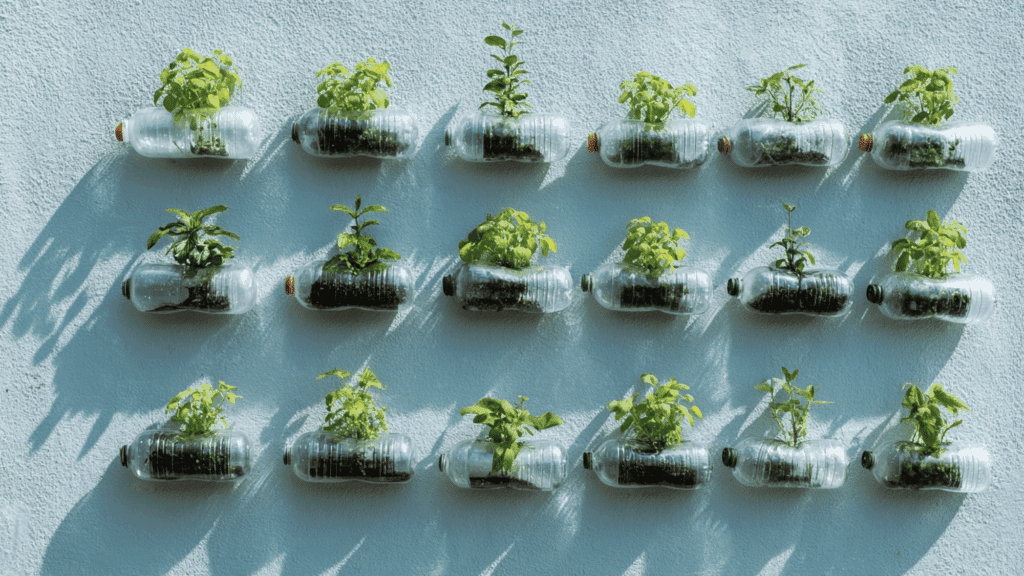
A recycled plastic bottle wall garden is an eco-friendly and low-cost vertical gardening option.
Plastic bottles can be cut, filled with soil, and mounted on walls in rows. This creative idea is great for herbs or small flowers while reducing waste.
It’s perfect for DIY lovers who want a sustainable garden project with minimal expense.
8. Shoe Organizer Herb Garden
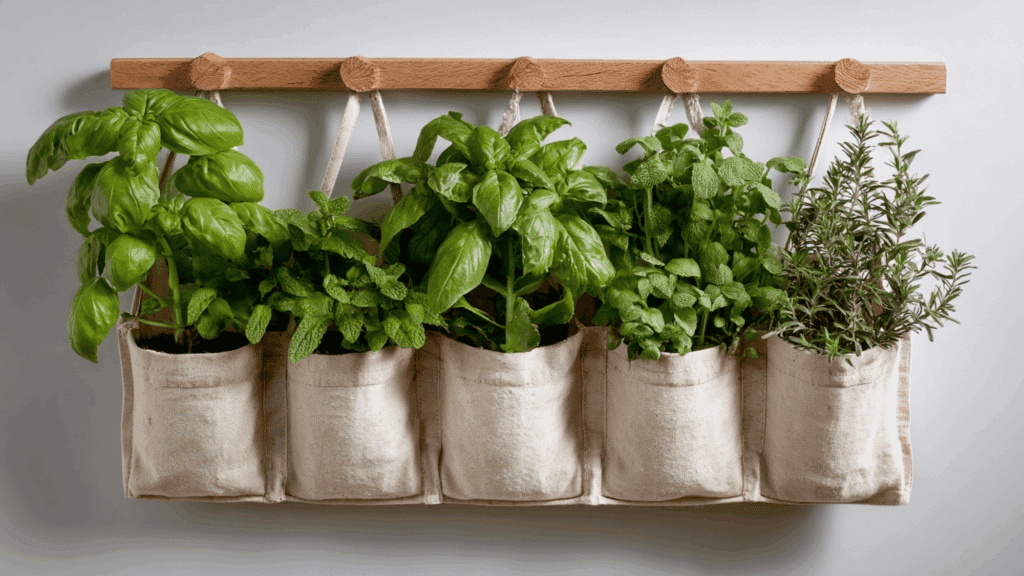
A shoe organizer herb garden is a clever indoor vertical garden hack. Simply hang a fabric shoe organizer on a wall or door and use each pocket as a planter.
It’s ideal for growing kitchen herbs like basil, mint, parsley, or cilantro. This setup is affordable, renter-friendly, and helps you grow fresh herbs even in tight spaces.
9. Living Wall (Green Wall Panels)
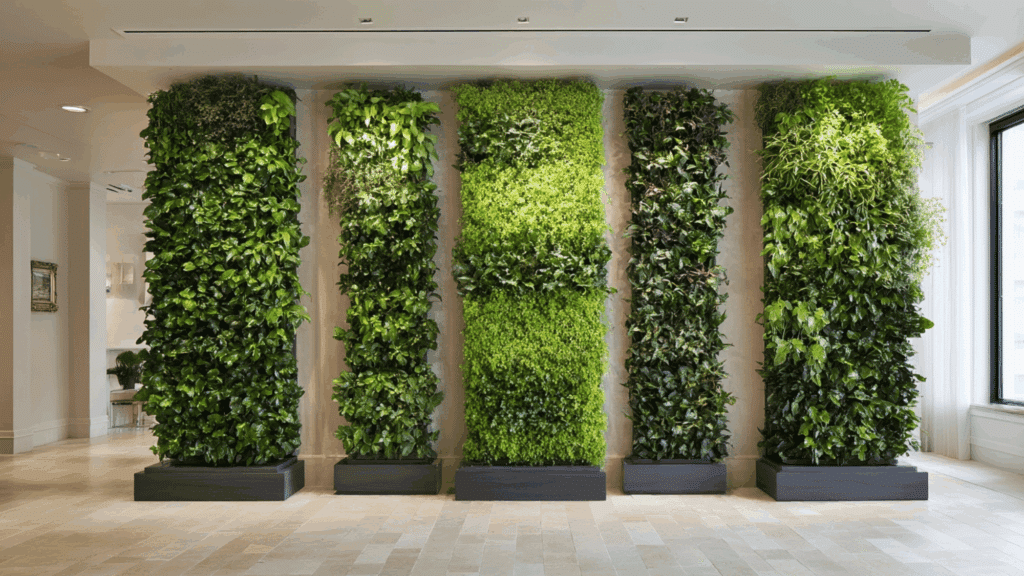
A living wall, also called a green wall, creates a stunning vertical garden using plant panels or modular systems.
These walls can be installed indoors or outdoors and instantly elevate the look of any space.
Living walls improve air quality, reduce heat, and provide a lush, modern aesthetic. They require proper watering systems but offer breathtaking results.
10. Balcony Railing Planter Garden
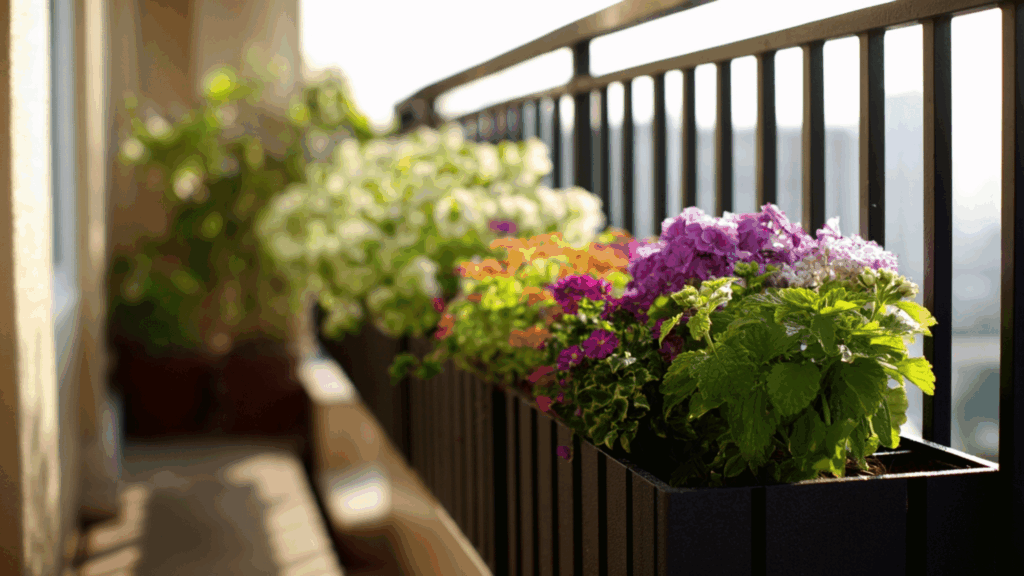
Balcony railing planter gardens are perfect for apartment dwellers who want greenery without using floor space.
Planters attach securely to railings, allowing you to grow flowers, herbs, or small vegetables vertically. This idea adds charm and privacy to balconies while maximizing sunlight exposure.
Choose lightweight containers and drought-resistant plants for easy maintenance.
11. PVC Pipe Vertical Garden
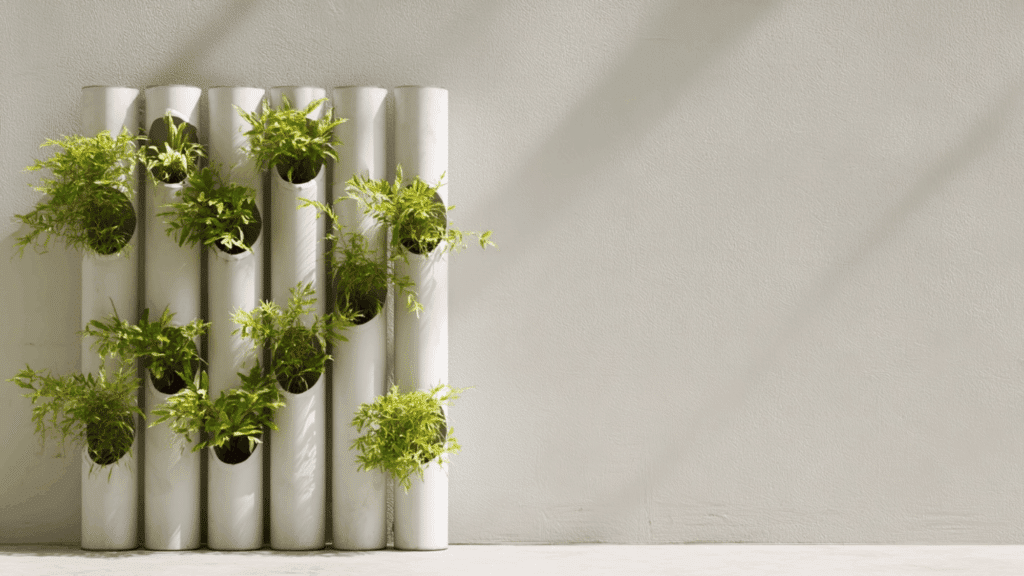
A PVC pipe vertical garden is a creative DIY project that works well for herbs and leafy greens.
Holes are cut into upright pipes, filled with soil, and planted along the sides. This design saves space and creates a modern vertical look.
PVC gardens are affordable and customizable, but they need consistent watering to prevent uneven moisture.
12. Hanging Basket Vertical Garden
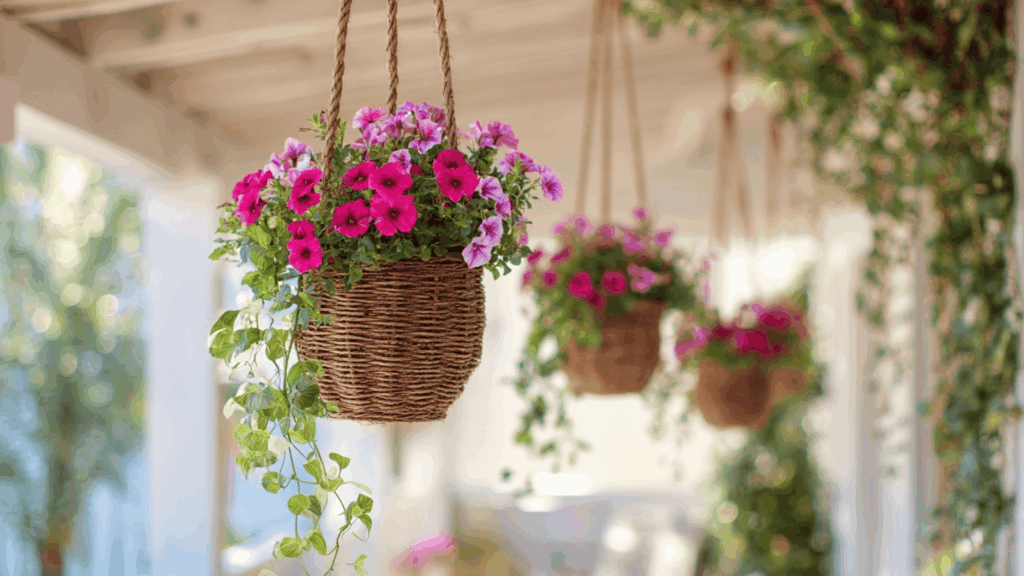
A hanging basket vertical garden creates a beautiful cascading display using baskets suspended at different heights. This idea is great for patios, porches, or pergolas.
You can grow trailing flowers, ferns, or vines for a soft, cozy look. Hanging baskets are easy to install, flexible, and perfect for adding greenery without taking up ground space.
13. Mason Jar Wall Herb Garden
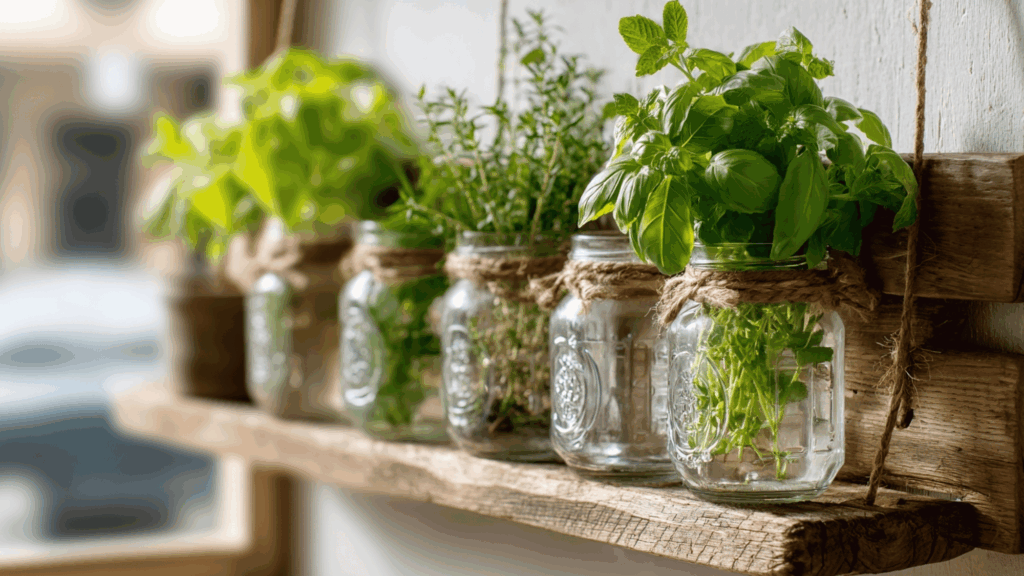
A mason jar wall herb garden is a stylish indoor vertical garden idea for kitchens. Mason jars are mounted onto wooden boards or metal frames and used as small planters.
This setup works best for herbs and small plants. It adds rustic charm while keeping fresh ingredients within reach. Ensure proper drainage or use jars for water-based herb growing.
14. Wire Grid Vertical Garden
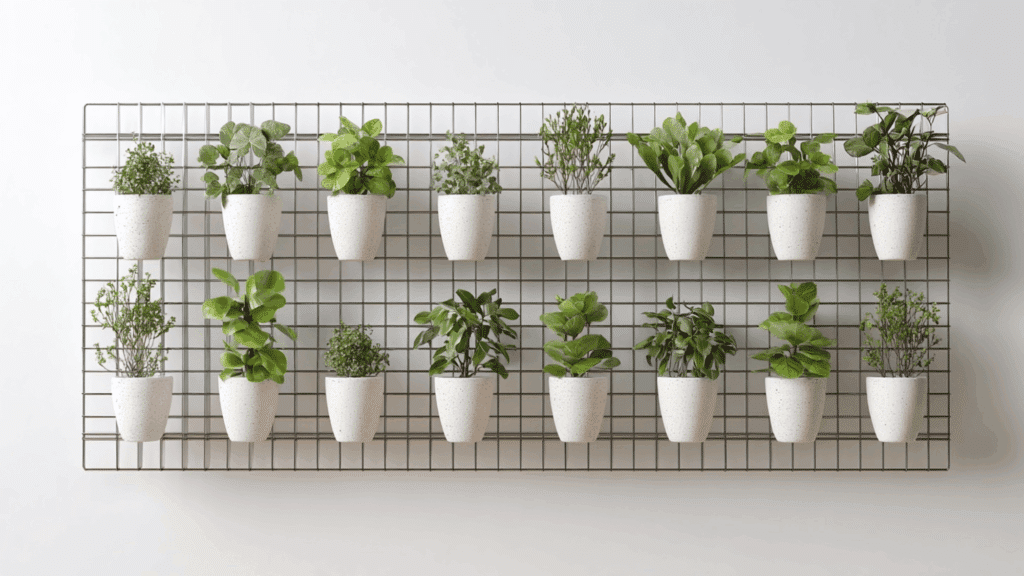
A wire grid vertical garden is a modern and flexible way to display plants vertically.
Attach a wire panel to a wall and hang pots using hooks or clips. This system allows you to rearrange plants easily and customize layouts.
It’s perfect for indoor plant décor or balcony gardens. Use lightweight pots and trailing greenery for best results.
15. Indoor Corner Plant Stand Vertical Garden
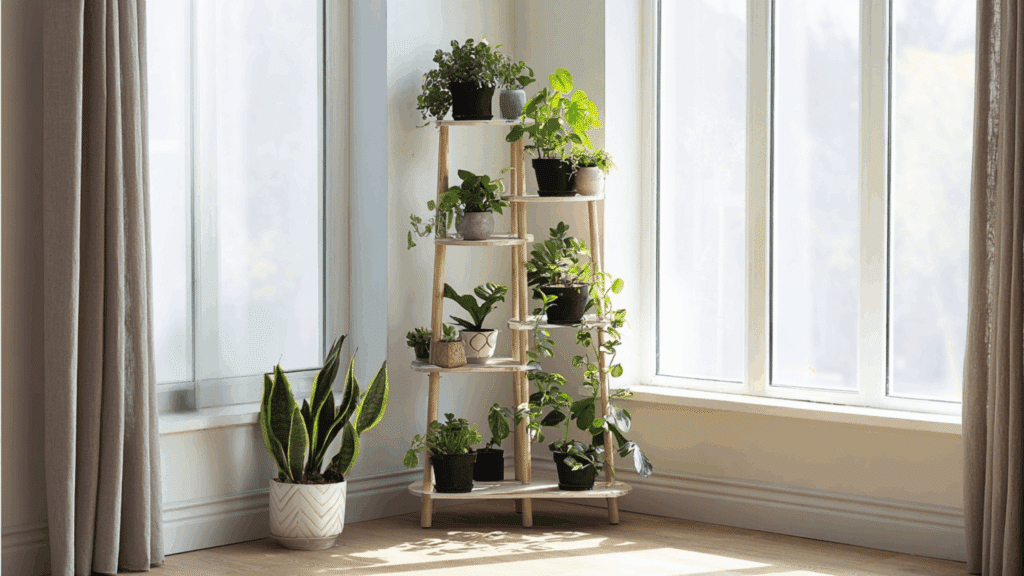
An indoor corner plant stand vertical garden maximizes unused corners by stacking plants upward.
Tall corner shelves hold multiple pots, creating a lush indoor jungle effect. This idea works well in living rooms, bedrooms, or offices.
It’s renter-friendly and doesn’t require wall drilling. Choose low-light plants like pothos, snake plants, or peace lilies.
16. Vertical Succulent Frame
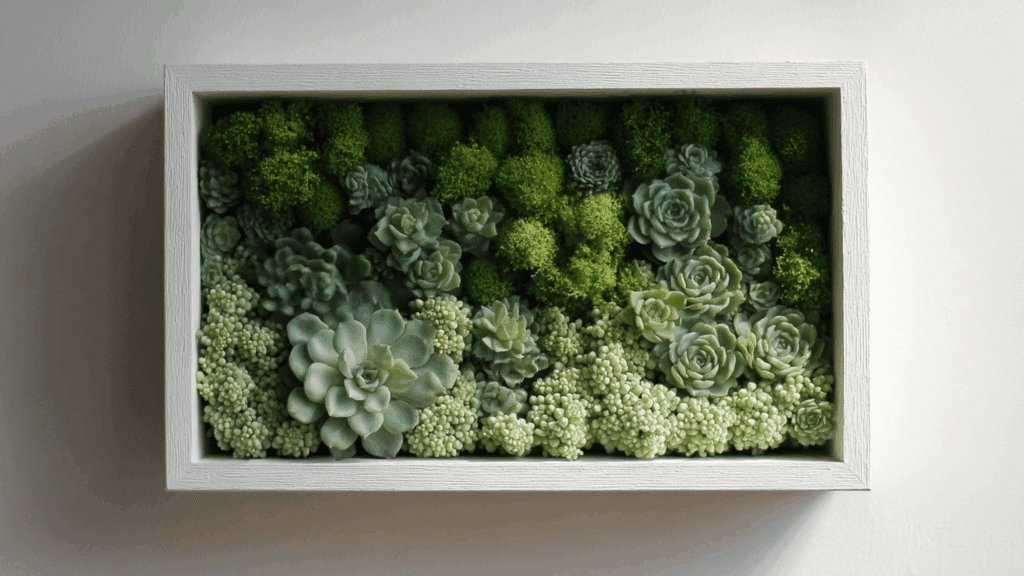
A vertical succulent frame turns plants into living wall art. Succulents are placed into a shallow frame filled with soil and mounted like a picture.
This idea is perfect for indoor spaces because succulents require minimal watering and care.
Vertical succulent gardens add a modern decorative touch while being low-maintenance and long-lasting when placed in bright light.
17. Fence-Mounted Planter Boxes
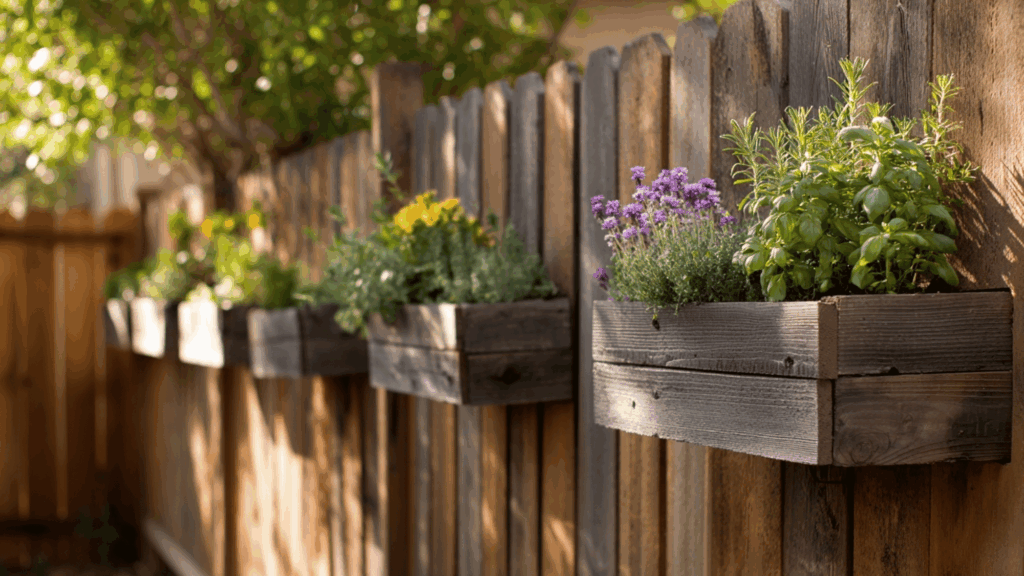
Fence-mounted planter boxes are a great way to transform plain outdoor fences into green spaces.
Wooden or metal planter boxes can be attached in rows, creating a clean and organized vertical garden. This idea works well for flowers, herbs, and small vegetables.
It adds privacy, improves aesthetics, and is perfect for backyards or patios.
18. Gutter Garden Vertical Planters
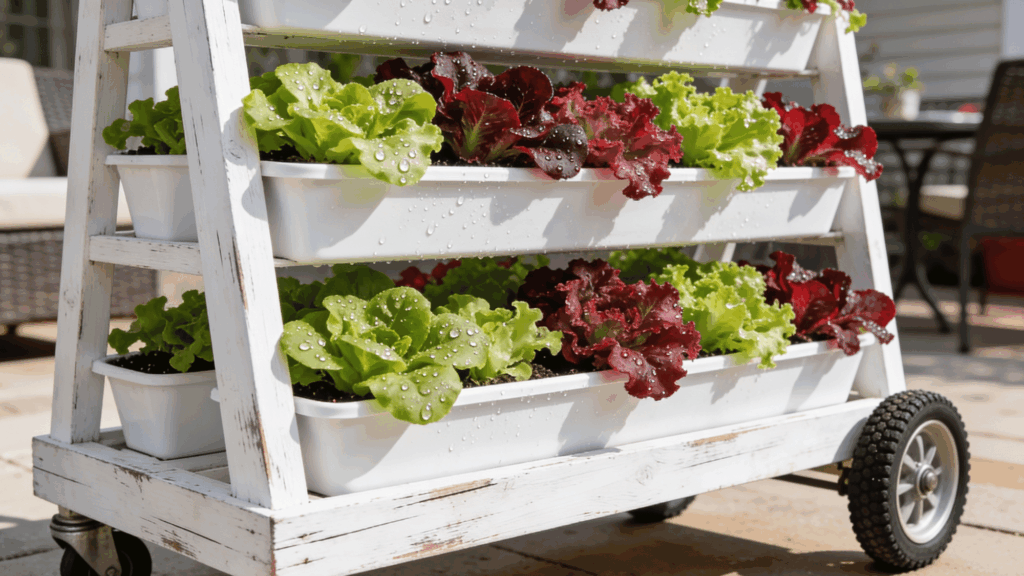
Gutter garden vertical planters use old rain gutters stacked horizontally on walls or frames.
They’re ideal for shallow-root plants like lettuce, spinach, or herbs. This budget-friendly vertical gardening idea is great for small outdoor areas.
Gutters provide good drainage and allow you to grow multiple rows of plants while making use of recycled materials.
19. Bamboo Vertical Garden Screen
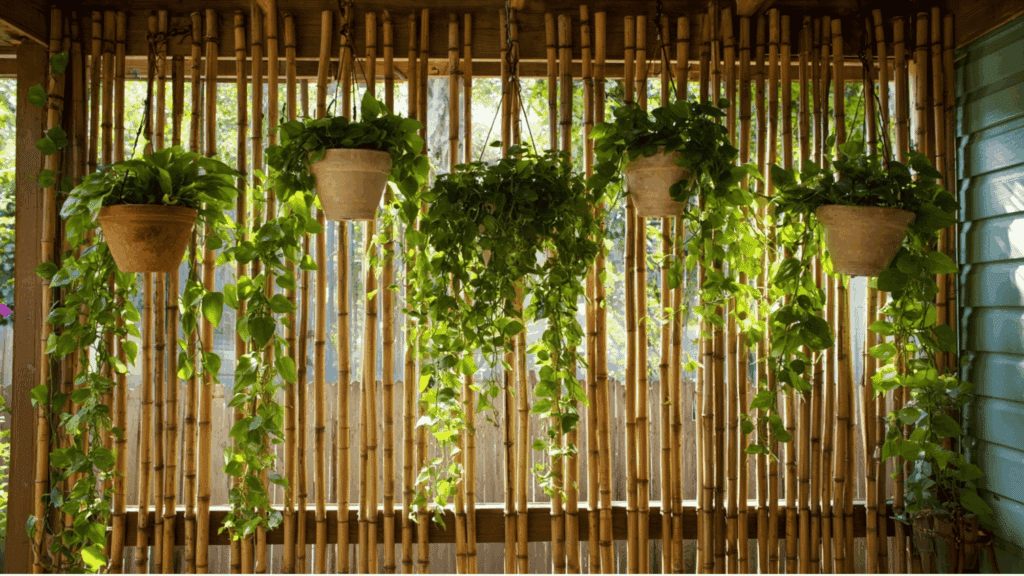
A bamboo vertical garden screen combines natural beauty with functionality.
Bamboo panels can act as a privacy screen while supporting hanging pots or climbing plants. This idea is perfect for balconies, patios, or outdoor seating areas.
Bamboo adds a tropical, eco-friendly aesthetic and works well with vines, orchids, or decorative greenery for a calming space.
Best Plants for Vertical Gardens
Choosing the right plants makes all the difference between a thriving vertical garden and a struggling one.
Not every plant adapts well to growing upright, so selecting varieties that naturally climb, trail, or remain compact helps ensure success.
The best candidates tolerate root restrictions, handle limited soil volume, and don’t require excessive maintenance.
Lightweight plants work better for wall-mounted systems, while heavier varieties suit ground-based towers. Consider sunlight availability as well; shade-loving ferns differ greatly from sun-hungry succulents.
Mixing textures and colors creates visual interest. Combine trailing plants that cascade downward with upright growers for depth.
Herbs offer practical benefits, providing fresh flavors within reach. Flowering varieties add pops of color, while foliage plants deliver year-round greenery.
Climate matters as well. Indoor vertical gardens need humidity-tolerant species, whereas outdoor walls can handle hardy perennials.
Vertical Garden Mistakes to Avoid
Learning from common pitfalls saves time, money, and disappointment. Avoiding these mistakes helps create vertical gardens that flourish from the start.
- Ignoring Weight Limits: Overloading walls with heavy planters and wet soil causes structural damage and safety hazards over time.
- Skipping Waterproofing: Water damage ruins walls quickly, so always use barriers, proper drainage, and moisture-resistant materials behind planters.
- Choosing Wrong Plants: Selecting sun-loving plants for shady spots or large root systems for small containers guarantees failure.
- Poor Drainage Planning: Standing water kills roots and creates mold, making drainage holes and proper runoff systems absolutely essential.
- Forgetting Maintenance Access: Installing gardens too high or in awkward spots makes watering, pruning, and harvesting nearly impossible later.
To Conclude
Vertical gardens prove that limited space never has to limit green ambitions. From simple hanging planters to elaborate living walls, there’s a solution waiting for every blank surface and skill level.
The key is to start small and learn as things grow. Mistakes will happen: overwatering, choosing the wrong spot, forgetting drainage, but each one teaches something valuable.
Small spaces actually have advantages. Less area means lower costs, quicker setup, and easier maintenance.
Plus, that first harvest of fresh herbs or bloom of flowers feels even more rewarding when grown vertically. Time to turn those walls green.