

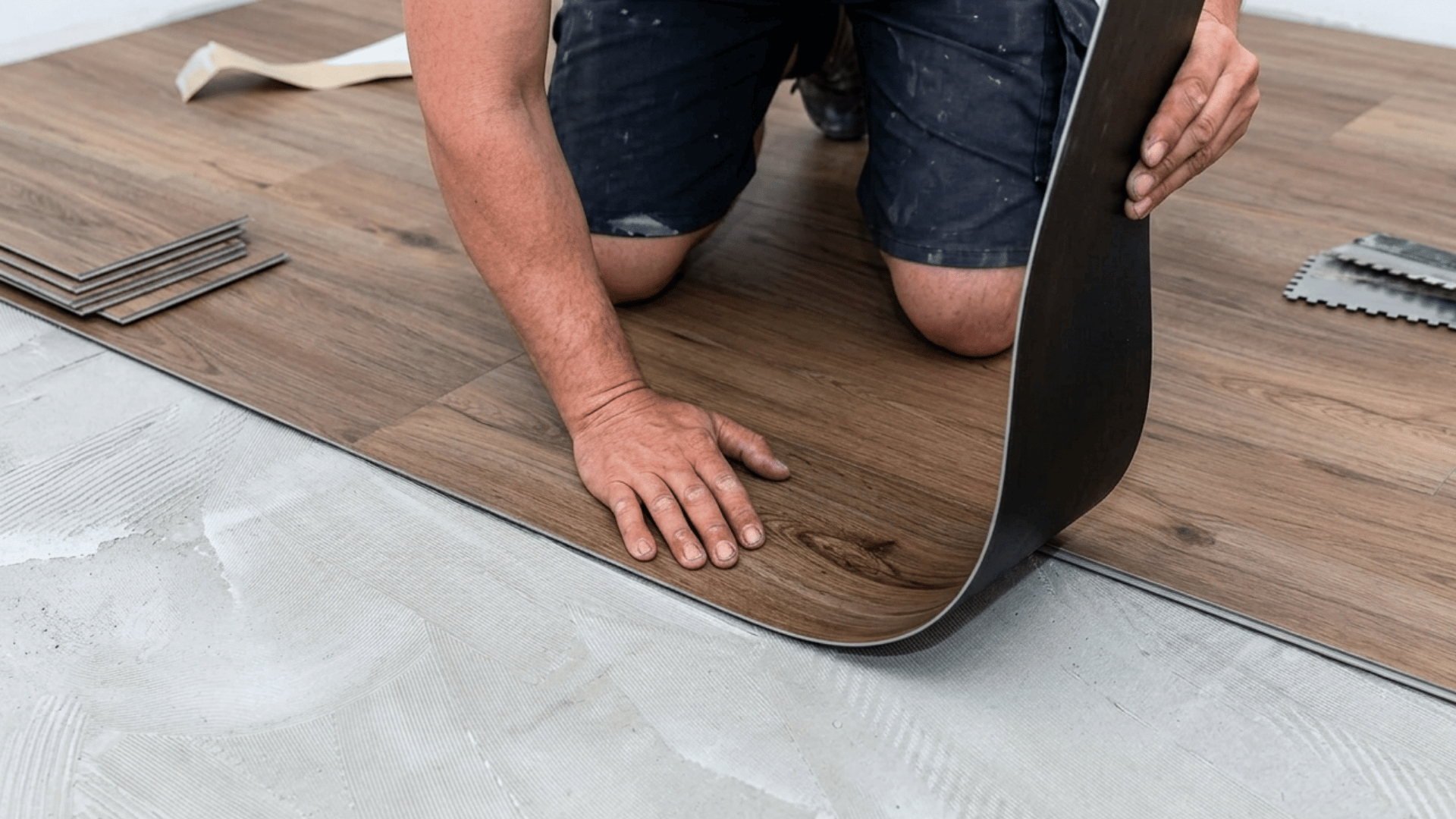
Yes, you can put vinyl flooring over tile, but only when the surface underneath is flat, clean, and properly leveled.
Skip that prep work, and you will see every grout line and uneven tile through the vinyl within months. Homeowners want the updated look without the cost and chaos of demolition.
That instinct is often right. In the right conditions, laying vinyl over tile saves time, reduces waste, and gives a clean result.
In the wrong conditions, it creates a floor that looks worse than what you started with.
In this guide, you will learn its pros and cons, the specific conditions that make this method work or fail, which vinyl types perform best, and the prep steps that actually matter.
By the end, you will know whether this approach suits your space or whether you are better off removing the tile first.
Can You Put Vinyl Flooring Over Tile?
Yes, you can put vinyl flooring over tile, but only if the surface is flat, clean, and level. The general rule most flooring installers follow is that grout lines should be no deeper than 1/8 inch.
Anything deeper than that needs to be filled with a leveling compound before vinyl goes down.
I learned this the hard way on a kitchen project in Bristol; the grout was deep and wide, and we could see the grid pattern through a mid-grade LVP within a week of installation.
We had to lift it, fill properly, and start again. Beyond grout depth, check for rocking or loose tiles by walking the floor slowly.
Press down on each tile near its corners. Any tile that moves needs to be re-adhered before you lay anything on top. A stable, flat base is non-negotiable.
Pros of Installing Vinyl Over Tile

Many homeowners choose this method to save time and reduce effort. It works best for quick upgrades without removing existing tile.
1. Cost Savings
Installing vinyl over tile helps reduce overall project costs in a clear way. There is no need to remove the old tile, which means no extra labor, tools, or disposal fees.
Tile removal can be time-consuming and expensive, especially in larger areas. By skipping that step, the total budget stays lower.
To put numbers to it: labor for tile removal typically runs $3 to $5 per square foot on its own.
Choosing vinyl overlay instead brings your total material and installation cost to roughly $4 to $8.50 per square foot, depending on the vinyl type you choose.
This makes it a practical option for homeowners who want to update their flooring without spending too much money on demolition work.
2. Faster Installation
This method saves a lot of time compared to removing the tile and starting fresh. Once the surface is cleaned and prepped, vinyl can be installed directly over the tile.
This cuts down the overall project timeline significantly. Many rooms can be finished in a day or two, depending on the size.
It is a good option for people who want quick results without long delays or extended construction work inside the home.
3. Less Mess
Avoiding tile removal keeps the process much cleaner and easier to manage. Breaking tiles creates dust, debris, and noise that can spread across the house.
By installing vinyl on top, there is no need for heavy demolition.
This makes the project less stressful, especially in homes where people are living during the renovation. It also reduces cleanup time and helps keep furniture and nearby areas free from dust and damage.
4. DIY Friendly
Installing vinyl over tile is a simpler process compared to full flooring replacement. It usually involves cleaning, leveling, and placing the vinyl, which many homeowners can handle with basic tools.
There is no need for advanced skills or heavy equipment in most cases.
A vinyl cutter, a rubber mallet, and a locking block are the main tools for click-lock LVP. Most people can finish a standard room without any professional help. This makes it a good option for DIY projects.
With proper preparation and care, a homeowner can achieve a neat and functional result without hiring professionals.
5. No Subfloor Risk
Keeping the tile in place protects the subfloor underneath from damage. Removing tile can sometimes harm the base layer, especially if the adhesive is strong or the tile is tightly bonded.
In restoration work, I have seen subfloors crack, splinter, or delaminate during aggressive tile removal.
When the subfloor is compromised, the repair cost often exceeds the original budget. Installing vinyl over the tile keeps the subfloor untouched and avoids that risk entirely.
6. Good Short-Term Fix
This approach works well as a temporary flooring solution. It is useful when a quick update is needed before a full renovation in the future.
Many homeowners use this method to improve the look of a space without making a long-term commitment.
It provides a simple way to refresh the room while saving time and money. Later, the flooring can be replaced properly when planning a complete remodel.
Cons of Installing Vinyl Over Tile
Some issues can arise if the tile surface is not properly prepared. Small flaws in the base can affect the final look and durability.
1. Uneven Surface Issues
Tiles that are not level can create noticeable bumps and dips under the vinyl flooring. Even small height differences between tiles can affect how the vinyl lies and feels when walking.
Over time, these uneven spots can lead to faster wear, joint stress, or visible surface flaws.
If not corrected, the floor may feel unstable and look poorly finished. Proper leveling is important to ensure the vinyl sits evenly and performs well over time without early damage.
2. Grout Lines Showing
Deep or wide grout lines can show through the vinyl surface, especially when thinner flooring is used.
This can make the floor look uneven and reduce the smooth finish expected from vinyl. Even if it looks fine at first, the lines may appear more clearly over time as the vinyl settles.
This is called “telegraphing” in the flooring industry, and it is one of the most common complaints with vinyl-over-tile installs.
Filling grout lines with a leveling compound before installation is the most reliable fix.
3. Height Increase
Adding vinyl over tile increases the total floor height, which can create practical issues around the home.
Doors may need trimming to open properly, and transitions between rooms can feel uneven or awkward.
This can also affect how appliances fit, especially in kitchens. If not planned properly, the added height can lead to extra adjustments later.
Considering these changes before installation helps avoid problems and ensures a smoother overall finish.
4. Adhesion Problems
Vinyl flooring may not bond well to tile if the surface is not prepared correctly. Smooth or glazed tiles, along with dirt, grease, or moisture, can weaken the adhesive.
Over time, this can cause the vinyl to lift, bubble, or peel. These issues can affect both the look and durability of the floor.
Proper cleaning, drying, and surface preparation are important steps to ensure strong adhesion and long-lasting results.
5. Hidden Damage Remains
Any cracks, loose tiles, or damage in the existing tile will remain hidden under the vinyl layer. These issues can still affect the new flooring over time, causing uneven areas or weak spots.
Since the damage is not visible after installation, it may go unnoticed until the flooring starts to fail.
Addressing these problems before installation helps create a more stable base and reduces the risk of future repairs.
6. Limited Durability
Installing vinyl over tile is often seen as a short-term solution rather than a permanent one. While it can improve the look of a room quickly, the added layer may not hold up as well in high-traffic areas.
Over time, wear and tear can appear faster compared to a properly installed floor on a prepared base.
For long-term results, removing the tile and starting fresh is usually the better option.
Why Not Remove the Old Tile First?
Removing tile may seem like the better long-term option, but it comes with extra effort, cost, and time. Tile removal is a heavy and messy process that often creates dust, noise, and debris throughout the space.
It also requires tools and sometimes professional help, which can increase the total project cost.
In some cases, removing tile can damage the subfloor, leading to repairs before new flooring can be installed. For many homeowners, this makes the project more complex than expected.
That is why installing vinyl over tile becomes a practical choice for quick updates.
However, if the tile is damaged or uneven, removing it first can still give better and longer-lasting results.
Vinyl Over Tile vs. Full Tile Removal: Cost Comparison
One of the most practical reasons homeowners skip tile removal is cost. Here is a general breakdown to help you compare both approaches before deciding:
| Cost Factor | Vinyl Over Tile | Remove Tile + Install Vinyl |
|---|---|---|
| Tile Removal Labor | Not required | $3 – $5 per sq. ft. |
| LVP Material Cost | $2.50 – $5.00 per sq. ft. | $2.50 – $5.00 per sq. ft. |
| Leveling Compound | $0.50 – $1.50 per sq. ft. | May still be needed |
| Installation Labor | $1.50 – $3.50 per sq. ft. | $1.50 – $3.50 per sq. ft. |
| Subfloor Repairs | Usually not needed | Possible additional cost |
| Estimated Total | $4.50 – $10 per sq. ft. | $7.50 – $14 per sq. ft. |
These are general US estimates. Actual costs vary by region, floor condition, and installer rates. Getting two or three quotes before committing is always a good idea.
How to Prepare Your Tile Floor Before Installing Vinyl?
A smooth and clean base helps vinyl flooring last longer and look better. Before installation, take time to fix problem areas so the vinyl lies flat and stays secure.
1. Check Every Tile for Loose or Hollow Spots
Start by walking across the entire tile floor and checking for movement under your feet. Press on each tile and listen for hollow sounds, clicks, or shifting.
These signs usually mean the tile is loose underneath. I like using a rubber mallet to tap across the floor because it helps find weak spots that are easy to miss.
Any damaged or loose tile should be repaired or removed first.
Vinyl flooring cannot hide unstable areas, and those spots may cause cracking, flexing, or lifting later.
2. Fill Grout Lines and Level the Surface
Deep grout lines can show through vinyl flooring over time, especially with thin vinyl sheets or tiles.
Use a pre-mixed floor leveling compound to fill the grout joints until the surface becomes even with the tile. Spread it smoothly with a floor float and allow enough drying time before moving forward.
This step matters even more for sheet vinyl and luxury vinyl tile.
Thick SPC or rigid core planks can handle slight unevenness better, but a flat surface still gives the best final look and prevents future wear issues.
3. Clean the Surface Thoroughly
A dirty floor can stop adhesives and leveling products from sticking properly. Sweep and vacuum the tile first to remove dust and debris.
After that, clean the surface with a degreaser to remove wax, grease, and leftover residue from cleaners or old adhesives. Rinse the floor with clean water so no cleaner remains behind.
Once cleaning is done, let the floor dry fully before starting installation.
In most rooms, this drying process takes around 24 hours with good airflow and ventilation inside the space.
4. Check Moisture Levels
Even though tile handles moisture well, water can still move upward from the subfloor below, especially over concrete slabs.
Too much moisture under vinyl flooring may lead to mold, lifting, or damaged planks later.
One simple way to test this is by taping a 12-by-12-inch plastic sheet tightly to the tile floor for 24 hours.
If moisture or condensation forms underneath, the floor needs a moisture barrier before installation. You can also use a moisture meter for a faster and more accurate reading before starting the project.
5. Acclimate the Vinyl Before Installing
Vinyl flooring needs time to adjust to the room temperature and humidity before installation begins. Place the unopened vinyl planks or sheets inside the room for at least 48 hours.
This helps the material settle naturally and reduces the chance of shrinking, expanding, or buckling after installation.
Keep the room at normal living temperature during this period for the best results. Skipping acclimation may lead to gaps between planks or lifted edges later.
Taking this extra step helps the flooring fit properly and stay stable over time.
When Does Putting Vinyl Flooring Over Tile Work Best?
Vinyl over tile works well when the existing floor is in good shape. Most people choose this option when they want a quick update without major work.
- Grout lines are shallow: Light grout lines do not show through the vinyl, which helps the floor look smooth and even after installation.
- A flat tile surface: A level, even tile base prevents bumps and dips, allowing the vinyl to sit properly and look clean.
- Tiles are well-bonded: Tiles that are firmly fixed in place create a stable base, which helps the vinyl stay in good shape over time.
- No major cracks or damage: Minor wear is fine, but large cracks or broken tiles can affect how the vinyl looks and performs later.
- Clean and dry surface: A surface free from dust, grease, and moisture helps the vinyl stick better and reduces the risk of peeling.
- Low height concern areas: Spaces where a slight increase in floor height will not affect doors or nearby fixtures work best.
- Quick upgrade needed: This method suits situations where a fast, simple floor update is required without heavy work or removal.
Types of Vinyl Flooring that Work Best
Not all vinyl flooring performs the same over tile surfaces. Choosing the right type helps avoid issues like uneven finish or poor adhesion.
1. Luxury Vinyl Plank (LVP)
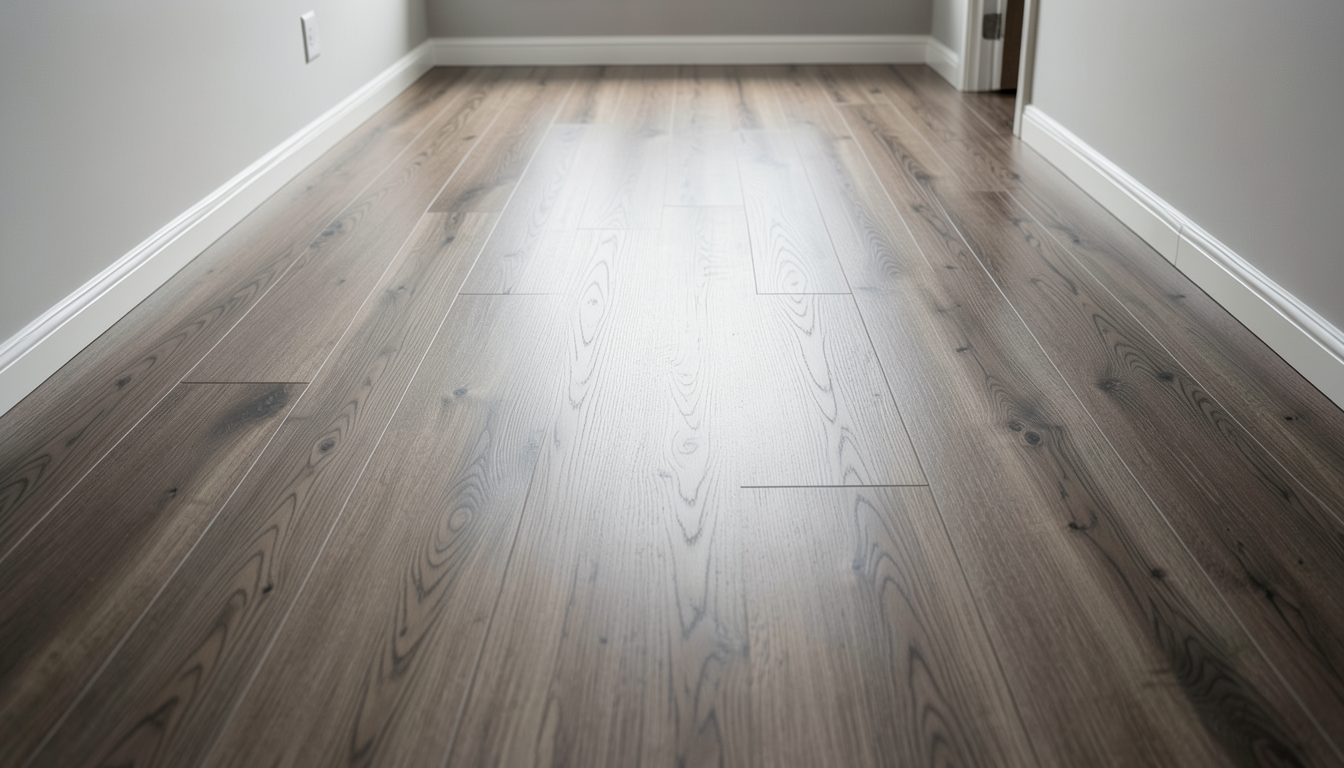
Luxury vinyl plank is one of the best options for installing over tile floors. It is thicker than basic vinyl, which helps reduce the appearance of grout lines and small uneven areas.
Many LVP products come with a click-lock system, so they do not rely fully on adhesive.
This makes installation easier and more flexible. It also holds up well in high-traffic areas like kitchens, living rooms, and hallways, making it a reliable long-term flooring choice.
2. Luxury Vinyl Tile (LVT)
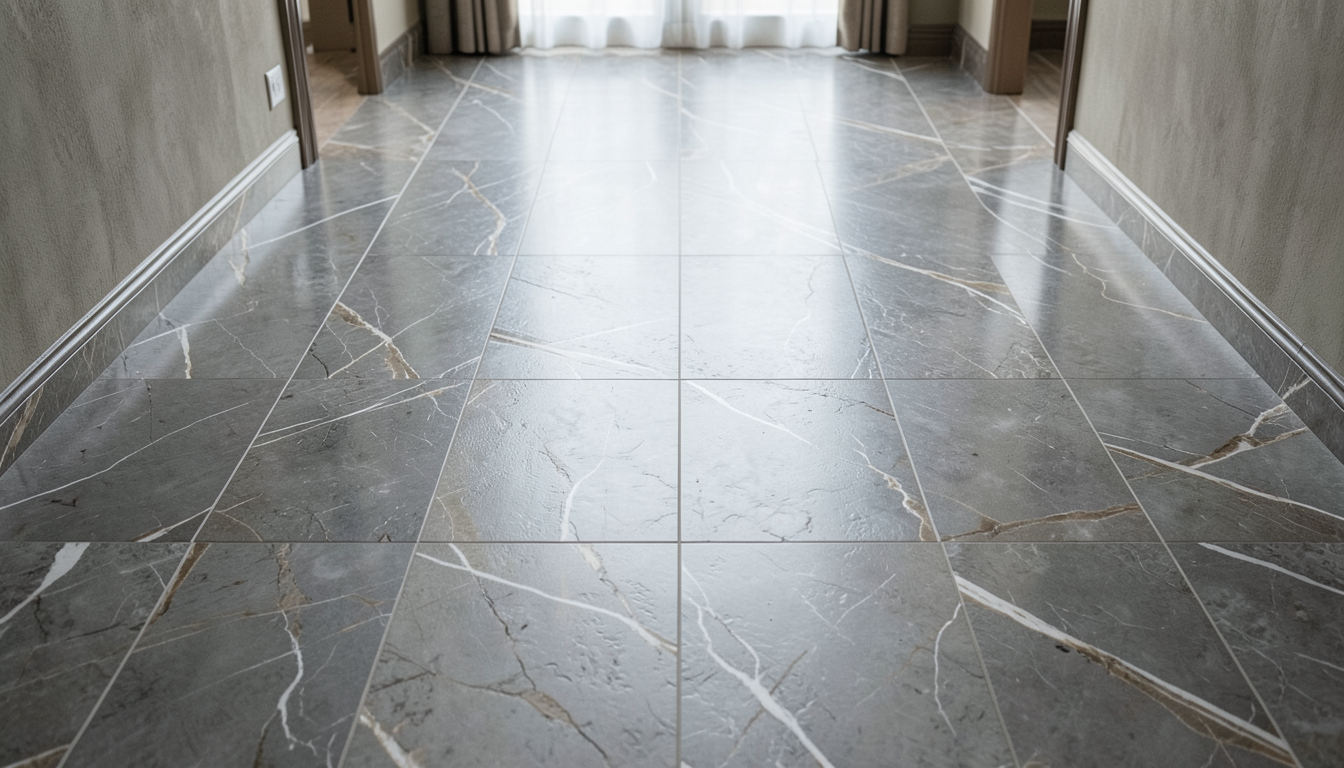
Luxury vinyl tile is designed to look like stone or ceramic tile but offers more flexibility during installation.
It works well over tile because it can handle slight surface flaws better than thin vinyl sheets. When the base is prepared properly, LVT creates a clean and even finish.
It is a popular option for bathrooms and kitchens where a tile look is preferred.
It also provides good durability, making it suitable for daily use in busy parts of the home.
3. Sheet Vinyl
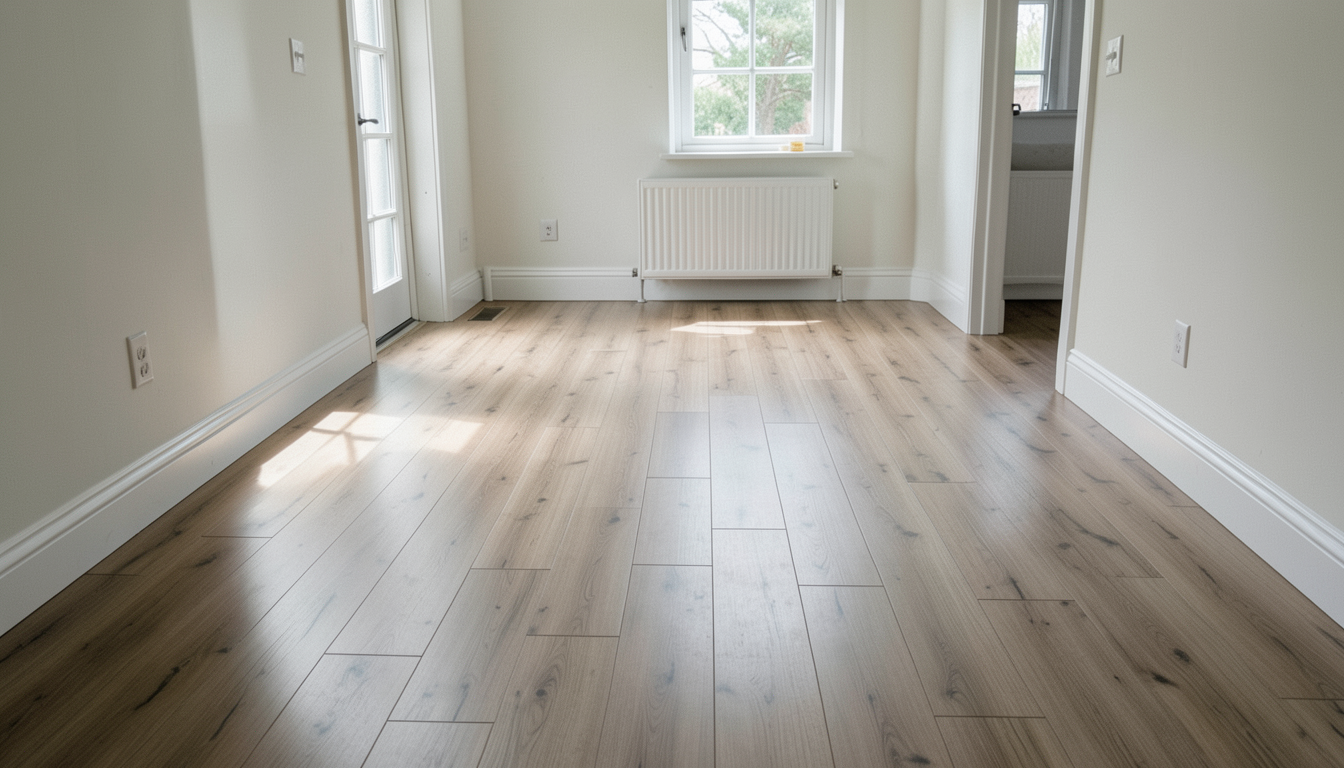
Sheet vinyl is a solid choice for covering tile because it creates a smooth and continuous surface. It comes in large rolls, which helps reduce seams and gives a cleaner look.
However, it works best when grout lines are filled before installation to avoid them showing through later.
Sheet vinyl is commonly used in moisture-prone areas like kitchens and bathrooms because it resists water well. It also feels softer underfoot, which adds comfort for everyday use.
4. Peel and Stick Vinyl
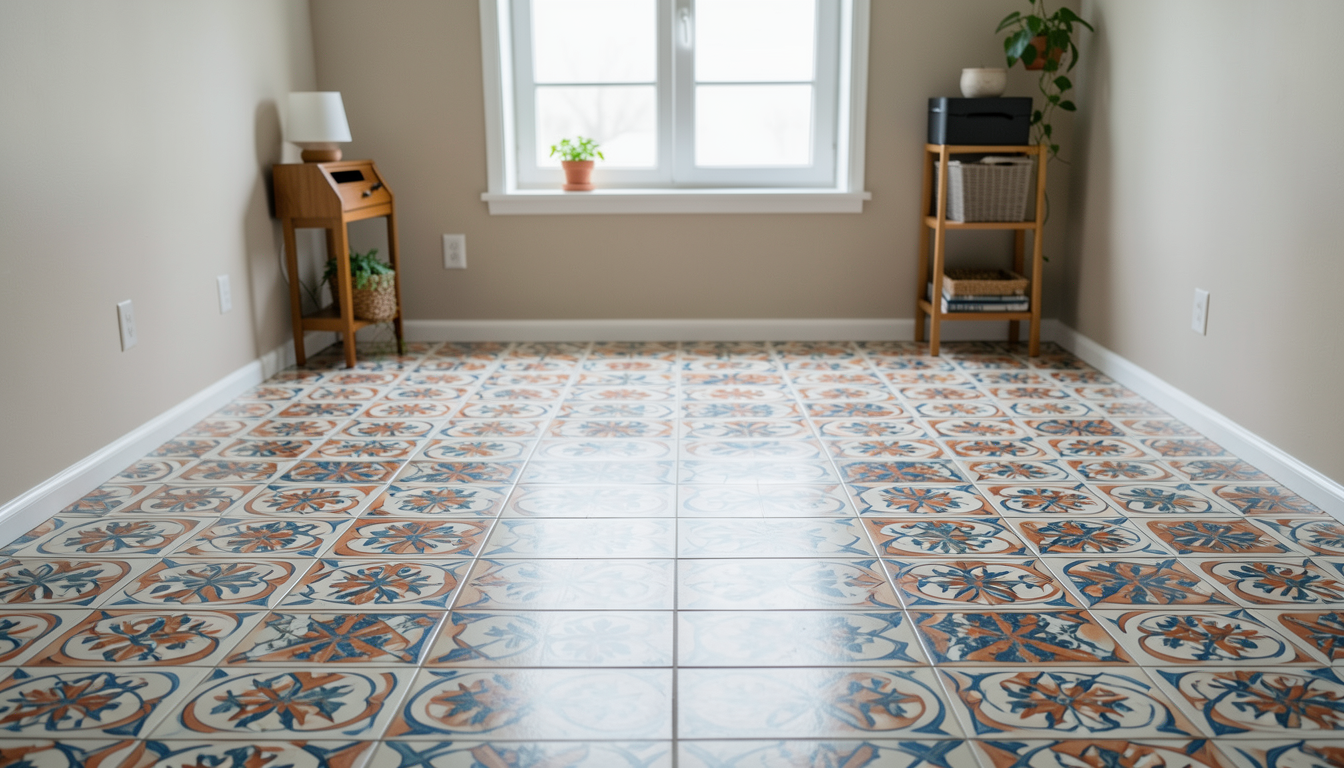
Peel-and-stick vinyl is one of the easiest options for quick floor updates. Each piece has a self-adhesive backing, so it does not require special tools or extra glue. However, it needs a very smooth and clean tile surface to perform well.
Any bumps or deep grout lines can become visible over time.
This type is best for low-traffic areas or short-term use. It is often chosen for budget-friendly projects or temporary upgrades.
When Should You Avoid Putting Vinyl Flooring Over Tile?
Some situations make vinyl over tile a poor choice, even if it seems easier at first. In these cases, removing the tile yields a better, longer-lasting result.
- High-traffic areas: Busy spaces like hallways or kitchens can wear vinyl down faster when installed over tile, leading to early damage.
- Heavy furniture or appliances: Large items like fridges or cabinets can press into the vinyl, highlighting uneven spots underneath.
- Radiant heating under tile: Heated floors can affect vinyl’s performance, reducing its lifespan or causing warping.
- Multiple flooring layers are already present: adding another layer can make the floor too thick and create stability and height issues.
- Uneven room transitions: If the rooms around it have lower flooring, adding vinyl can create awkward step-ups or trip hazards.
- Poor room ventilation: Low airflow can trap moisture, which may weaken the adhesive over time.
- Planning to change layout later: If future remodeling is expected, removing tile first makes it easier to work on the base floor later.
What Do People on Reddit Forums Say?
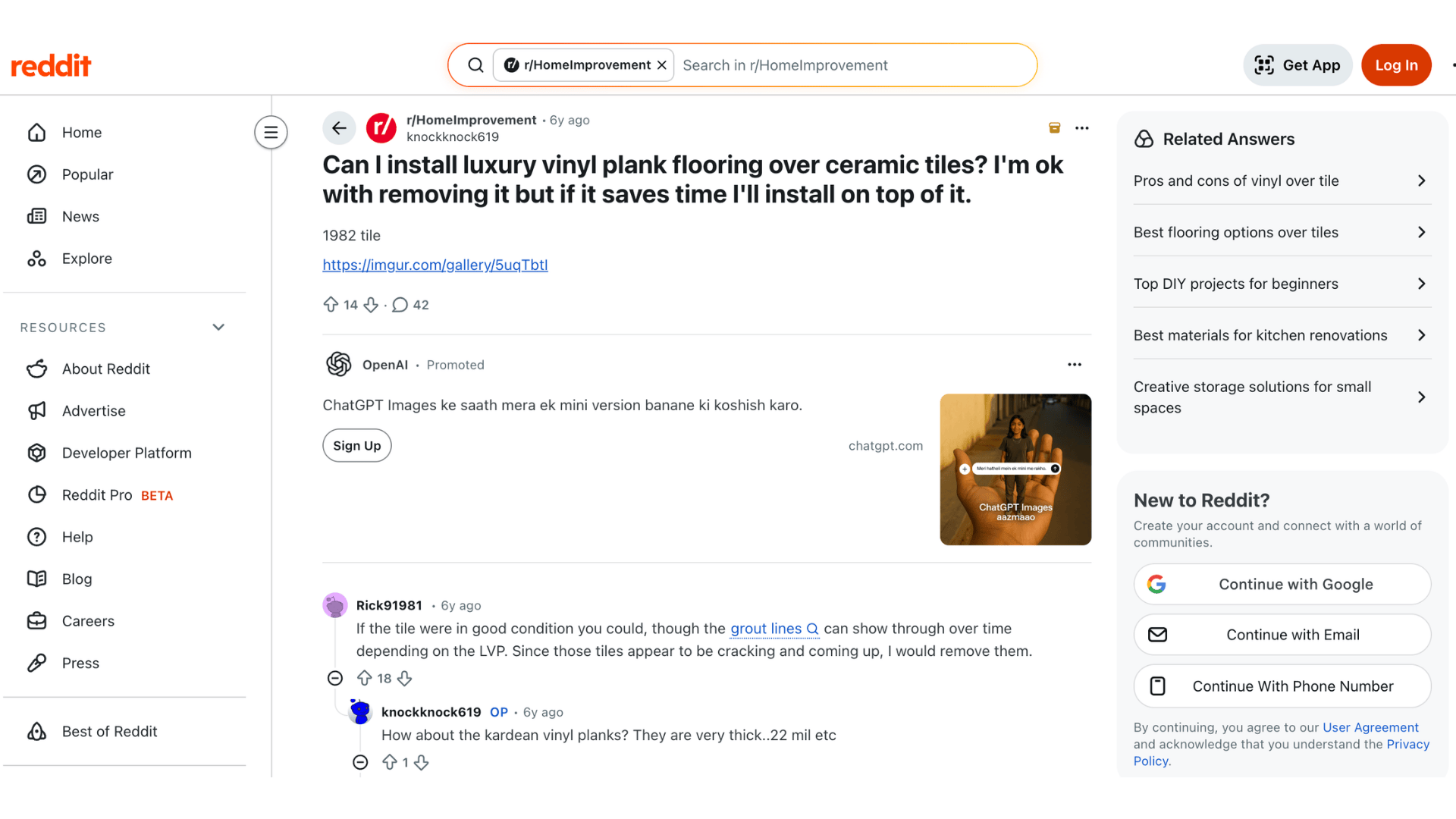
From what Reddit users say, the idea of putting vinyl over tile seems simple, but many highlight real issues that come up after installation.
Some users mention that if the tile is not completely flat, the vinyl can feel uneven and may even come apart over time.
Others suggest using a leveling compound to smooth out grout lines before starting. A common point is that thin vinyl does not work well and makes every bump visible.
There are also concerns about bathrooms, where users warn that trapped moisture can lead to mold or bad smells.
Still, a few users shared that when the surface was properly prepared and thicker vinyl was used, the floor held up well for years without problems.
Common Mistakes to Avoid when You Put Vinyl Flooring Over Tile
Small mistakes during installation can lead to big problems later. Paying attention to details helps the floor last longer and look better.
- Skipping surface prep: Not cleaning or leveling the tile can cause poor adhesion and uneven results.
- Ignoring uneven tiles: High or low spots under vinyl can create bumps and reduce durability over time.
- Not filling grout lines: Deep grout lines can show through and make the floor look uneven.
- Using thin vinyl: Low-quality or thin vinyl does not hide imperfections and wears out faster.
- Wrong underlayment choice: Using the wrong base layer can affect stability and performance.
- Poor cleaning before install: Dust, grease, or moisture can stop the vinyl from sticking properly.
- Not checking moisture levels: Trapped moisture can lead to mold or adhesive failure.
- Ignoring height changes: Extra floor thickness can cause door and transition issues.
- Rushing installation steps: Skipping steps like leveling or drying time can lead to early damage.
Conclusion
At the end of the day, putting vinyl flooring over tile can be a smart and simple solution when done the right way.
It saves time, reduces mess, and works well for quick upgrades. But the key always comes down to preparation.
A flat, clean, and level surface makes all the difference between a smooth finish and a floor full of problems later. If the tile is in good condition, this method can work well.
If not, fixing the base or removing the tile may be the better choice. It all depends on your space, budget, and long-term plans.
Have you tried installing vinyl over tile, or are you planning to?
Share your experience or questions in the comments below. Your input can help others make a better decision.
Frequently Asked Questions
Can Vinyl Flooring Be Removed Later if Placed Over Tile?
Yes, vinyl can be removed later, but adhesive types may leave residue on the tile surface.
Do You Need Underlayment for Vinyl Over Tile?
Underlayment is not always necessary, but it helps create a smoother, more stable surface.
How Long Does Vinyl Last Over Tile?
It can last several years, but its lifespan depends on the quality of the prep and traffic in the area.
Can You Install Vinyl Over Heated Tile Floors?
It is not recommended because heat can affect vinyl’s performance and shorten its lifespan.