

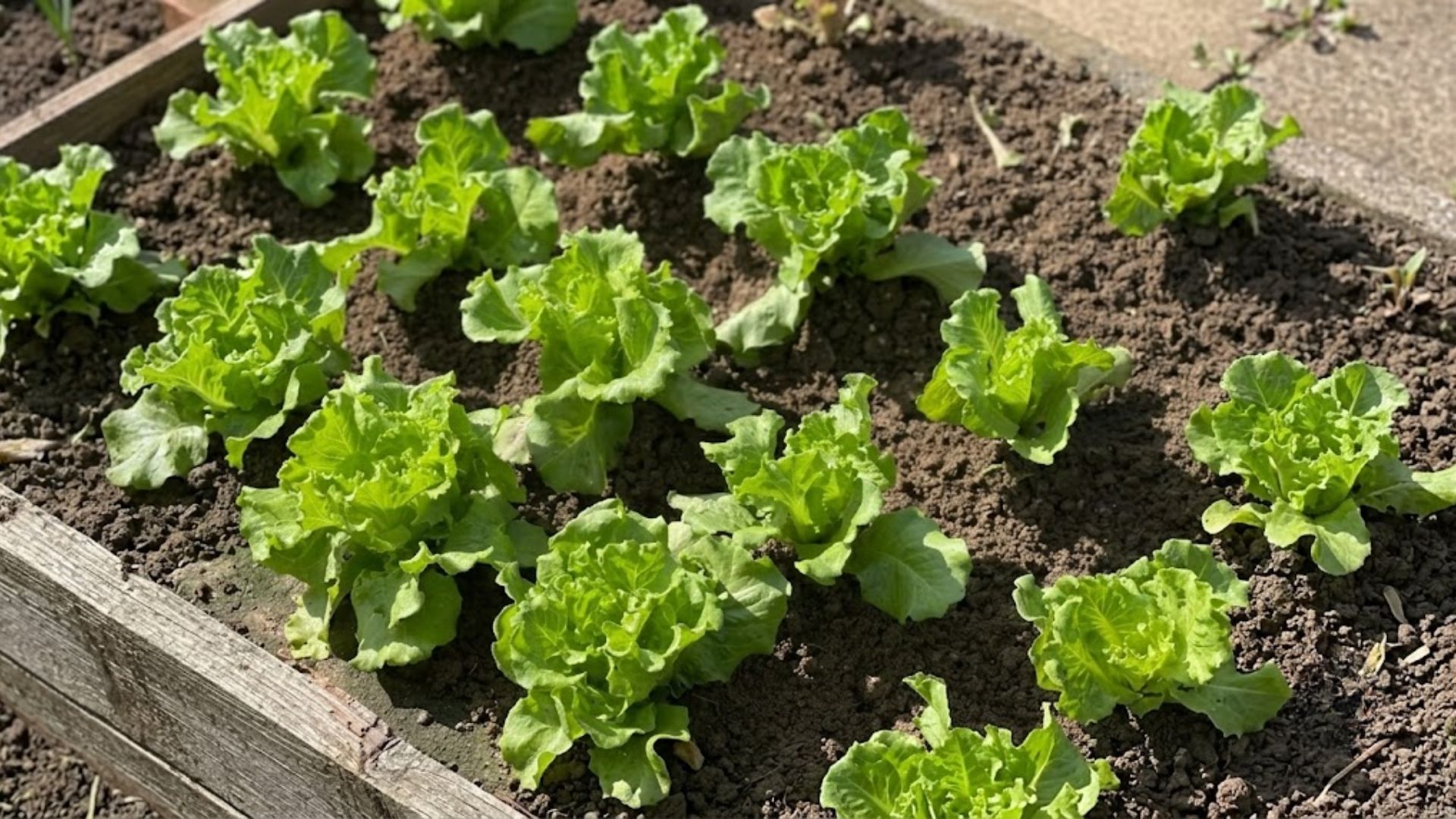
Fresh, homegrown lettuce can be ready to harvest in just a few weeks, making it one of the most rewarding vegetables to grow.
I like recommending it because it’s beginner-friendly, grows in small or large spaces, and offers plenty of variety. With so many different types of lettuce available, it’s easy to find options that match your taste, local climate, and gardening experience.
If you’re planting in raised beds, containers, or a traditional lettuce garden setup, choosing the right variety can make a big difference in your harvest.
I’ll share popular lettuce types, their growing habits, and where each one performs best, helping you decide which varieties deserve a place in your garden. Keep reading to find the best fit for your growing space.
Why Does Choosing the Right Lettuce Variety Matter?
Choosing the right lettuce variety helps you grow healthier plants, enjoy better flavor, and harvest leaves that suit your climate and gardening goals.
Not all lettuce grows the same way. Some varieties have crisp, crunchy leaves, while others are soft and buttery.
Heat-tolerant types are better for warm regions, whereas cool-season varieties thrive in milder temperatures. Maturity time also varies, with some ready to harvest in about 30 days and others taking longer to reach full size.
Growth habits differ, too: loose-leaf lettuce allows repeated harvesting, while head-forming types are usually picked all at once.
Matching the right variety to your growing conditions leads to stronger plants, fewer problems, and a more productive harvest throughout the season.
Why Lettuce Is a Great Garden Crop?
A few qualities make lettuce one of the most popular vegetables for home gardeners of all experience levels.
- Fast Results: Many lettuce varieties are ready to harvest within 30 to 60 days, giving you fresh produce much sooner than many other vegetables.
- Beginner Friendly: Lettuce is easy to grow, requires simple care, and is a great choice for gardeners who are just getting started.
- Continuous Harvesting: Loose-leaf varieties can be picked a few leaves at a time, allowing the plant to keep producing over several weeks.
- Works in Small Gardens: Lettuce grows well in raised beds, containers, window boxes, and other compact spaces with limited room.
- Companion Plant-Friendly: It grows well alongside vegetables such as carrots, radishes, and onions, as well as herbs, making efficient use of garden space.
- Wide Variety of Choices: From crisp and crunchy to soft and tender, lettuce comes in many colors, shapes, textures, and flavors to suit different preferences.
Different Types of Lettuce for Every Garden
Each lettuce variety has its own flavor, texture, growing needs, and best use, making it easier to choose one that suits your garden and harvest goals.
1. Romaine Lettuce
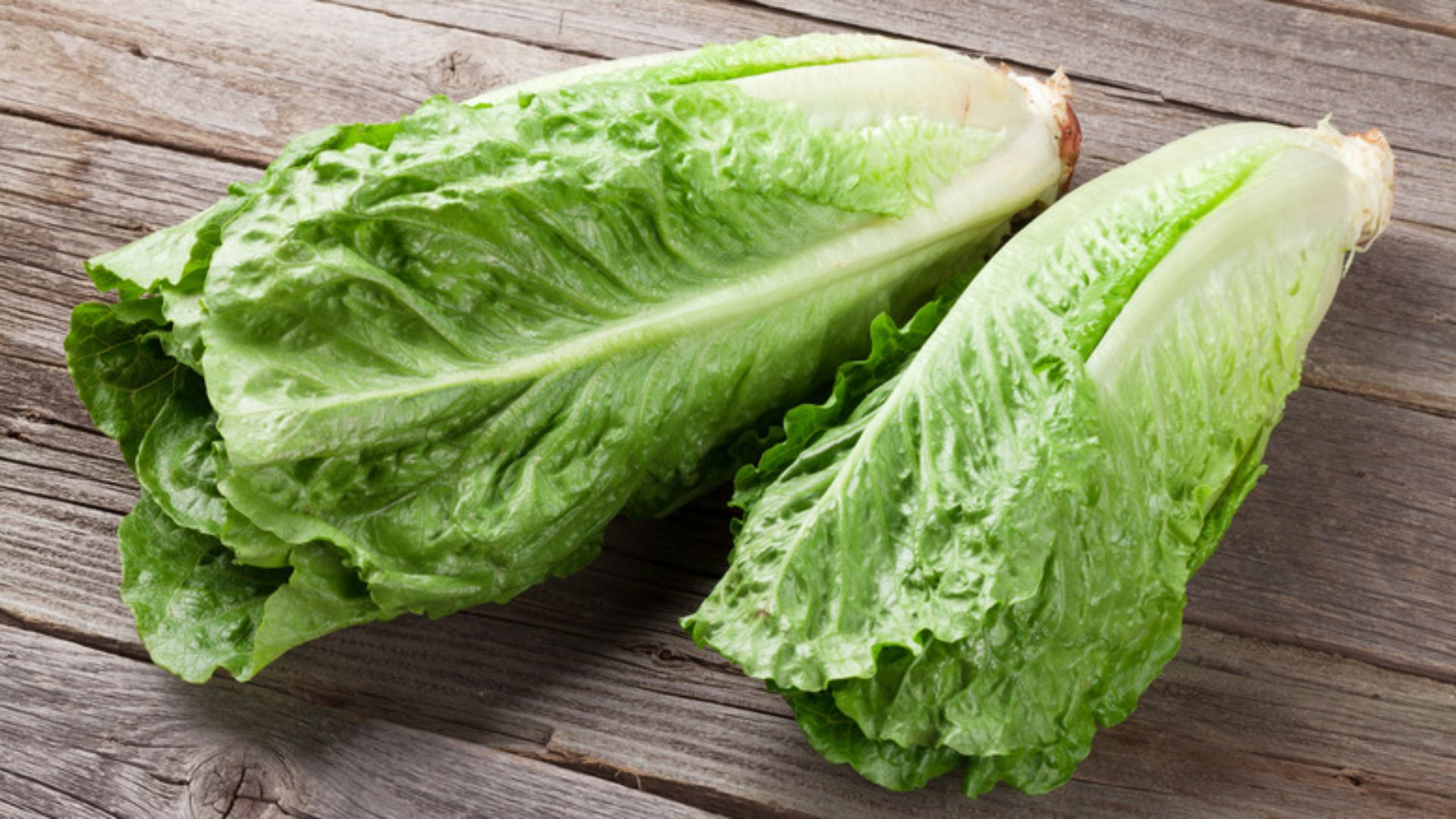
Romaine lettuce forms tall, upright heads with long green leaves and thick, crunchy ribs. It has a crisp texture and a slightly sweet, fresh flavor that becomes more pronounced as the leaves mature.
This variety grows best in full sun with well-drained, fertile soil and cool temperatures between 55°F and 75°F.
Regular watering helps prevent bitterness and encourages steady growth.
Romaine is widely used in Caesar salads, sandwiches, wraps, and grilled dishes because its sturdy leaves hold their shape well after harvesting.
2. Iceberg Lettuce
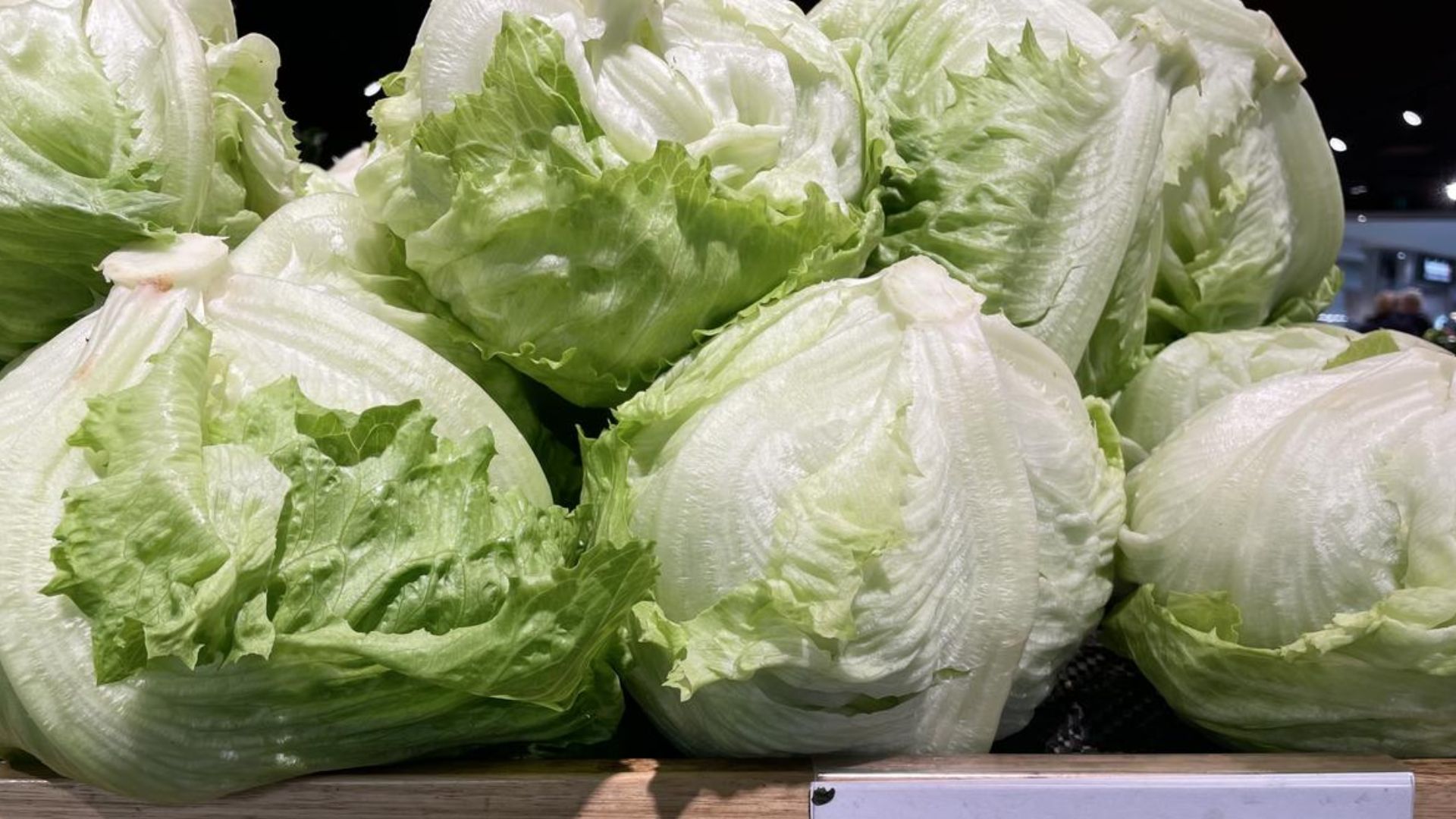
Iceberg lettuce is known for its round, tightly packed heads and exceptionally crisp texture. It grows best in cool weather with consistent moisture and fertile, well-drained soil.
Keeping the soil evenly moist helps produce firm heads without splitting. Harvest when the heads feel solid and fully formed before they become overmature.
Iceberg is commonly used in burgers, sandwiches, tacos, chopped salads, and wraps because its crunchy leaves stay fresh and provide a satisfying texture without overpowering other ingredients.
3. Butterhead Lettuce (Boston & Bibb)
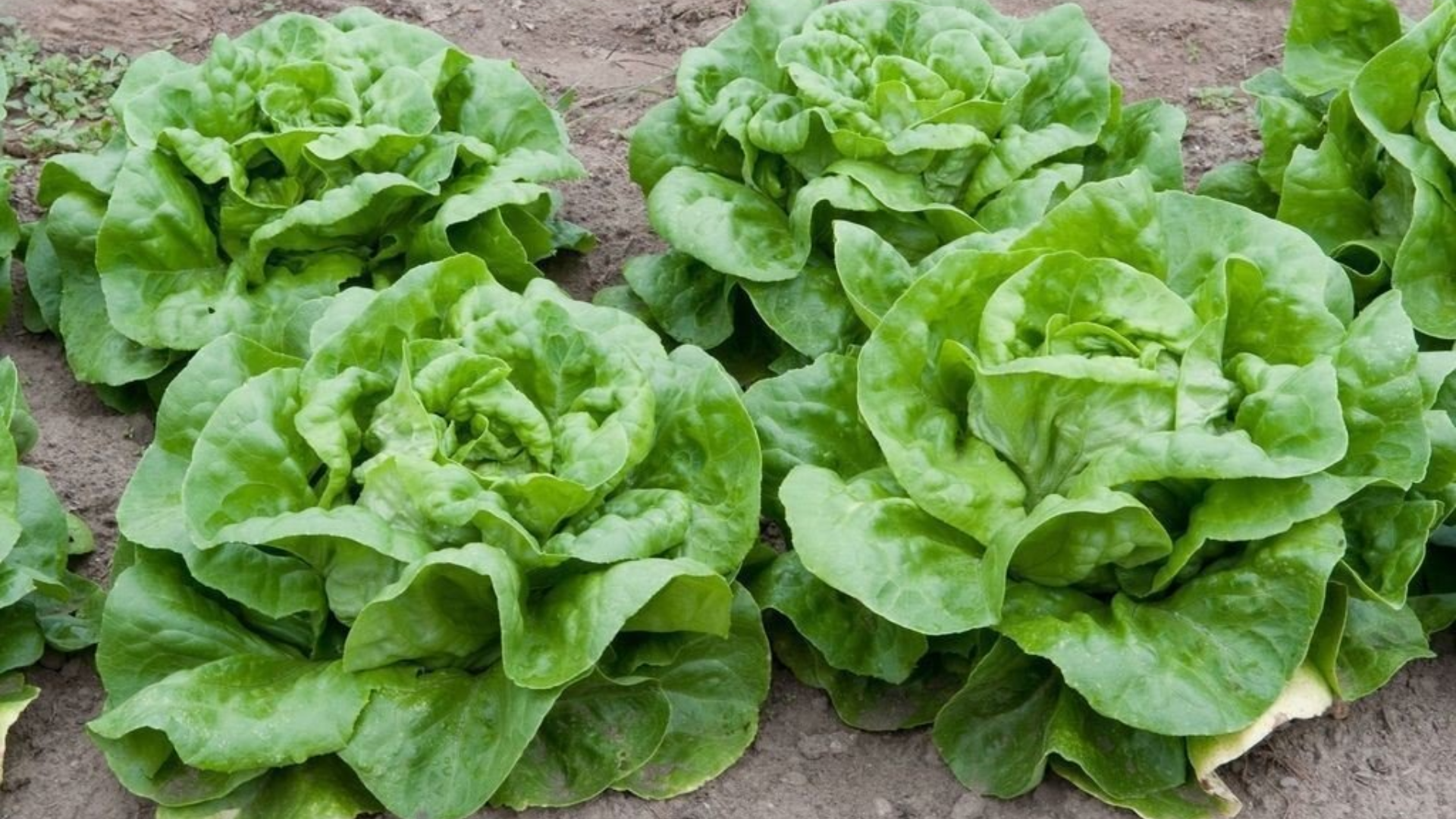
Butterhead lettuce produces loose, rounded heads with soft, tender leaves that almost melt in your mouth.
Boston varieties are slightly larger, while Bibb types stay more compact. The flavor is mild, sweet, and buttery, making it popular for fresh salads.
It grows best in cool temperatures with rich, moist soil and partial afternoon shade in warmer regions.
Its compact size also makes it suitable for raised beds and containers, making it an excellent choice for small home gardens.
4. Loose Leaf Lettuce
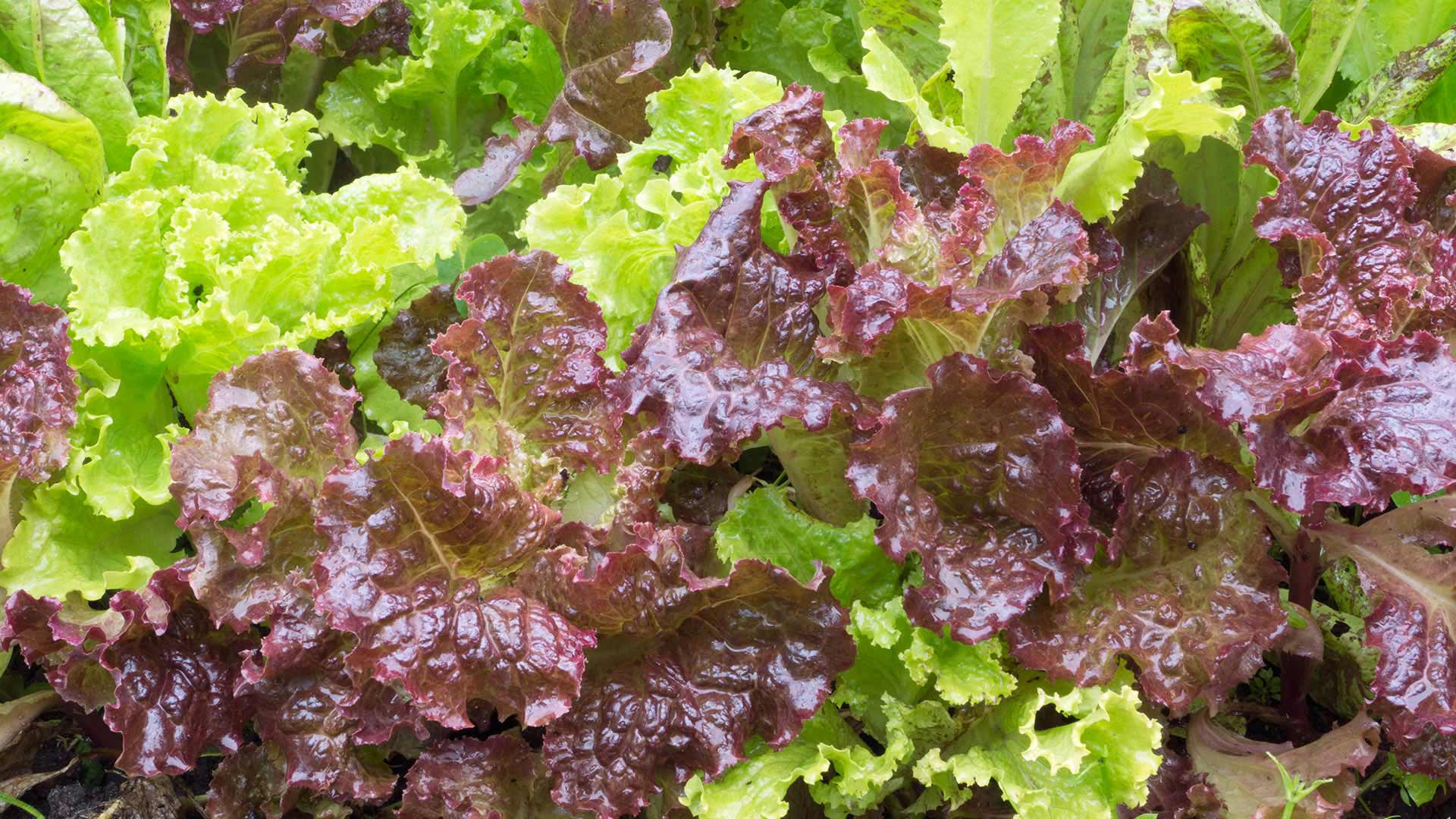
Loose-leaf lettuce grows open clusters of leaves instead of forming a tight head, making it one of the easiest varieties to harvest.
Outer leaves can be picked while the plant continues producing new growth.
It matures quickly, often within 30 to 45 days, and performs well in cool weather with consistent watering.
Popular varieties include Black Seeded Simpson, Red Sails, and Grand Rapids. Its fast growth and continuous harvest make it a favorite for beginner gardeners and frequent salad lovers.
5. Oakleaf Lettuce
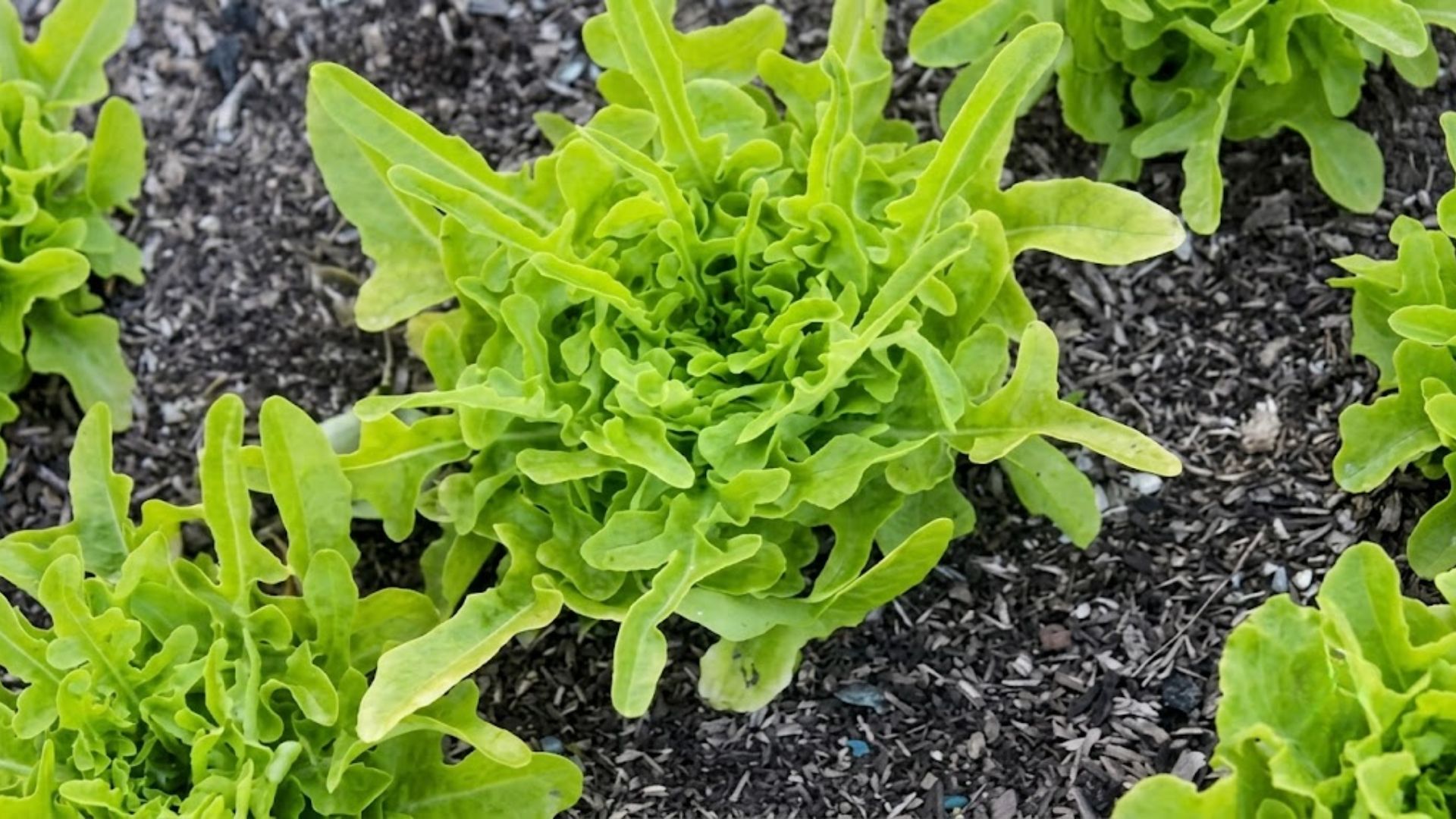
Oakleaf lettuce gets its name from its deeply lobed leaves that resemble oak tree foliage. The leaves are tender with a mild, slightly nutty flavor that remains pleasant even as they mature.
Compared with many lettuce varieties, it tolerates moderate heat and bolts more slowly in late spring.
It grows best in fertile, well-drained soil with regular watering.
Harvest outer leaves regularly to encourage continued production and enjoy fresh salads throughout the growing season.
6. Lollo Rosso Lettuce
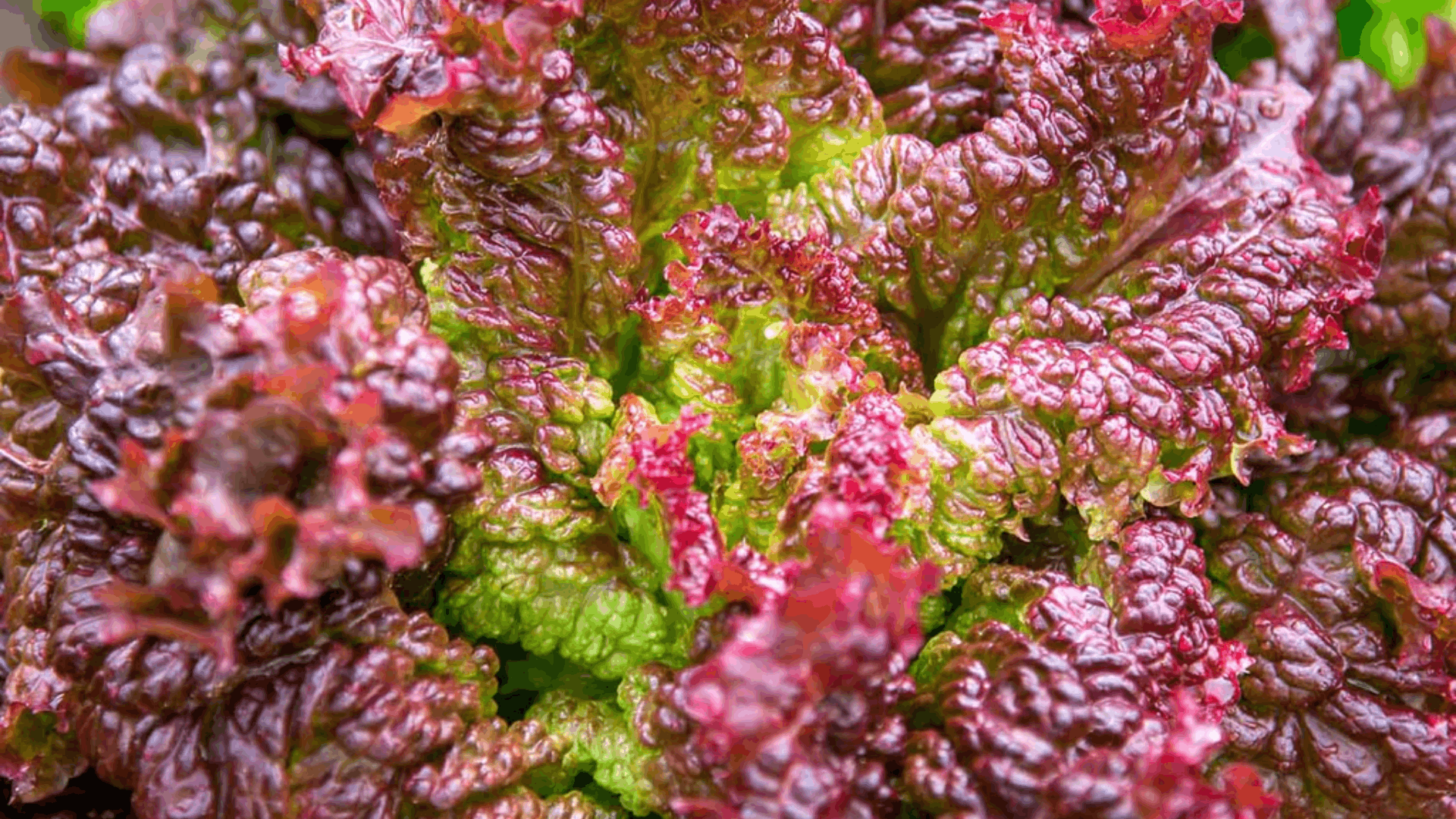
Lollo Rosso lettuce stands out with its curly leaves and rich red-to-burgundy coloring, adding visual appeal to any garden.
The leaves are tender with a mildly bitter, nutty flavor that pairs well with sweeter greens. It needs full sun, fertile soil, and steady moisture for healthy growth.
Although decorative, it is also highly productive when harvested leaf by leaf.
Lollo Rosso is commonly used in mixed salads, garnishes, and fresh vegetable platters because of its vibrant appearance.
7. Green Leaf Lettuce
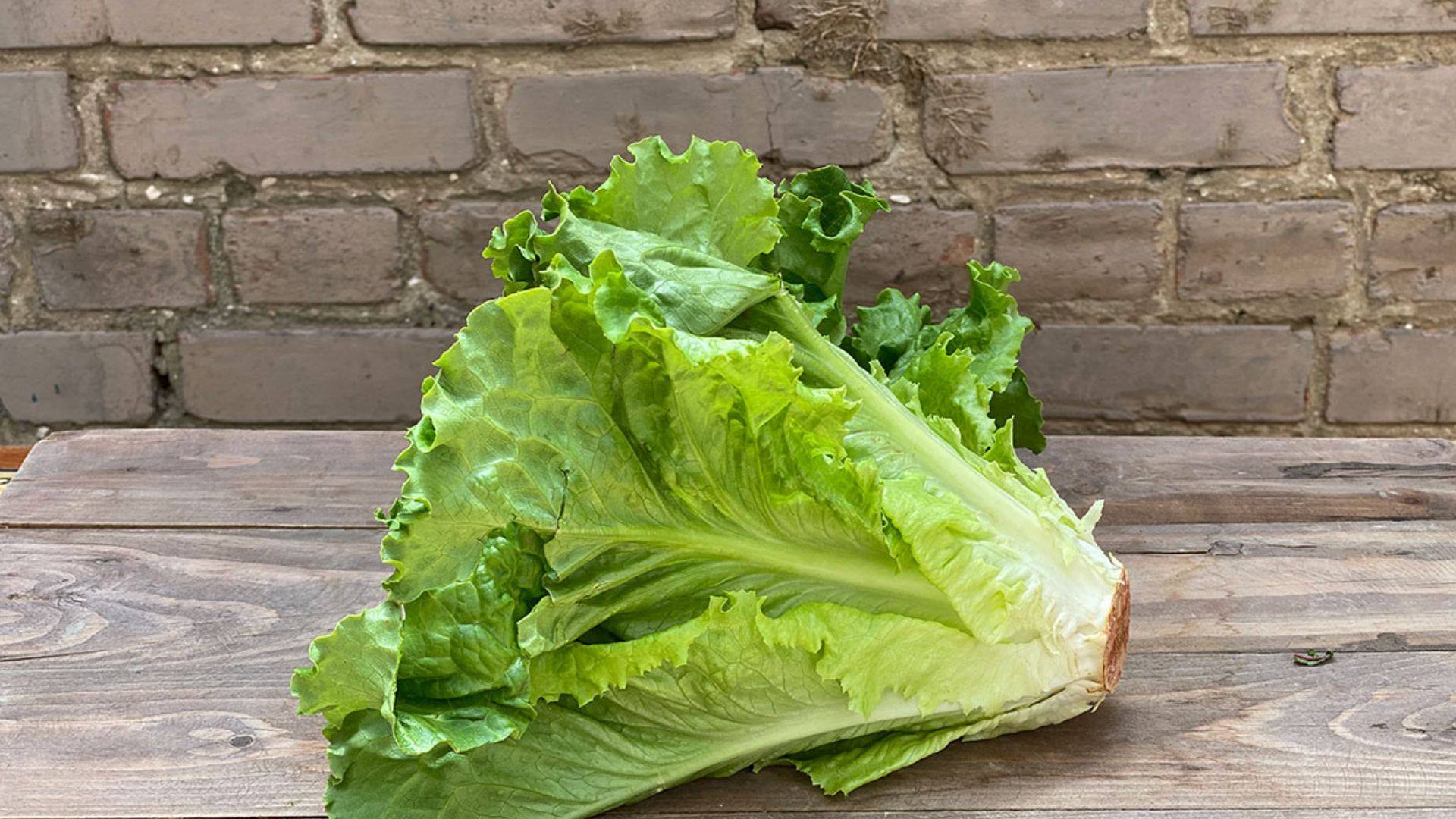
Green leaf lettuce produces broad, loose leaves with a tender texture and mild, slightly sweet taste.
Instead of harvesting the entire plant, gardeners can remove the outer leaves first, allowing continuous growth from the center.
It thrives in cool temperatures, in fertile, well-drained soil, and with regular watering. Its quick growth and dependable production make it ideal for home gardens.
Green leaf lettuce works well in salads, sandwiches, wraps, and as a fresh topping for many everyday meals.
8. Red Leaf Lettuce
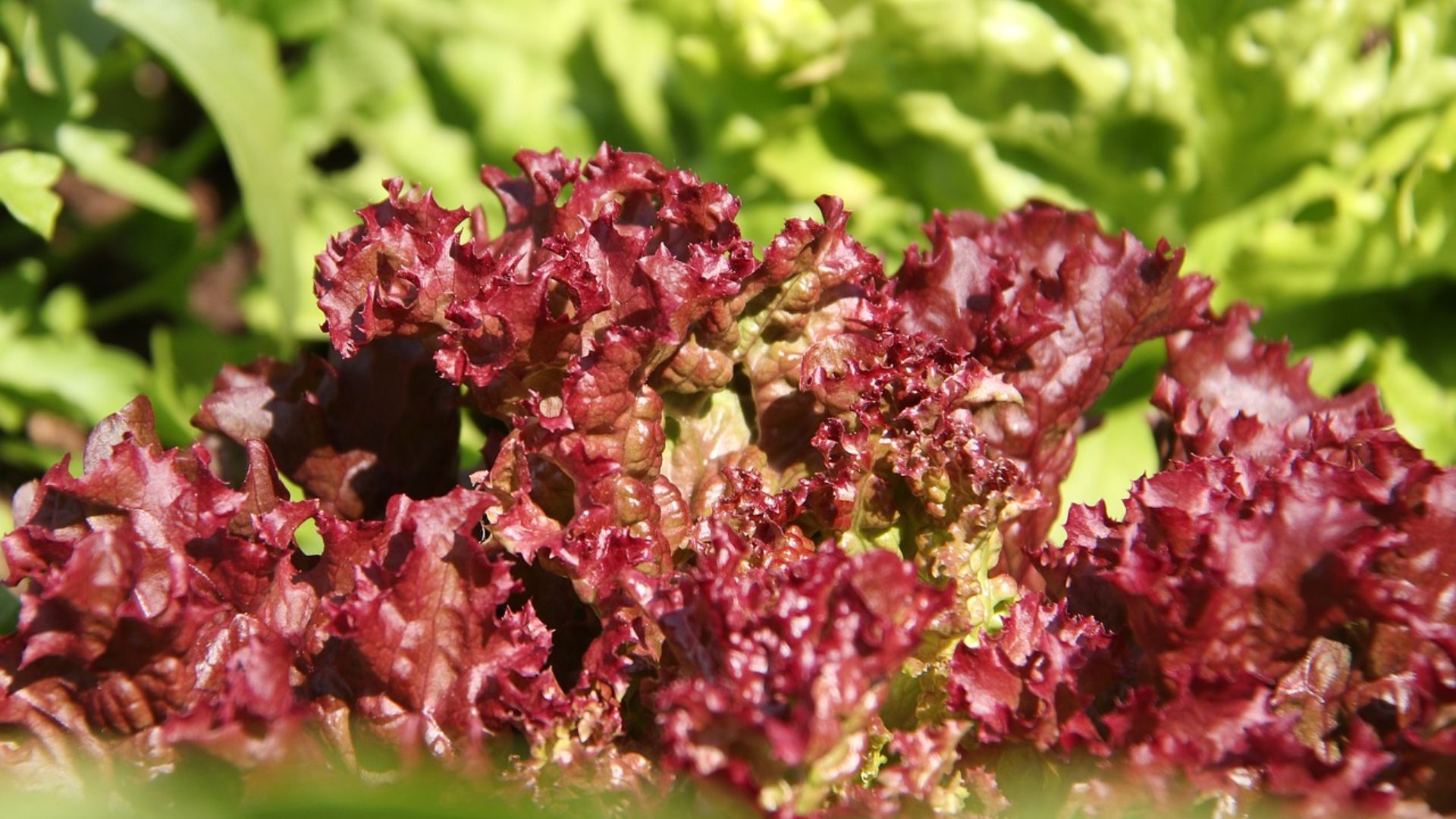
Red leaf lettuce features loose, ruffled leaves with attractive reddish-purple edges and green centers.
Besides adding color to the garden, it contains beneficial antioxidants that contribute to its vibrant appearance. It grows best in cool weather with full sun and consistently moist, nutrient-rich soil.
Regular harvesting of outer leaves encourages continued production throughout the season.
Its tender texture and mild flavor make it suitable for salads, sandwiches, wraps, and colorful mixed vegetable dishes.
9. Little Gem Lettuce
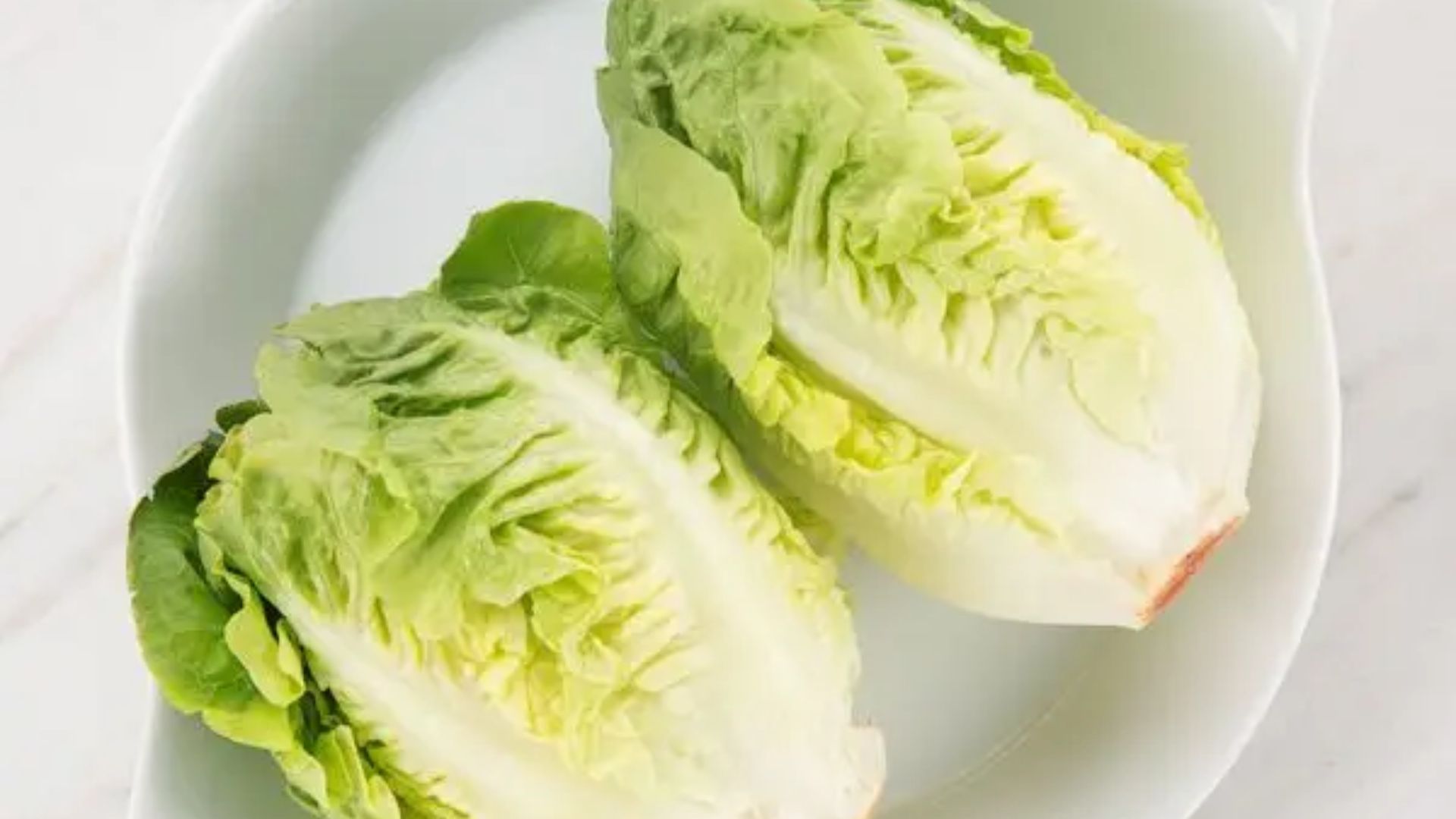
Little Gem lettuce is a compact variety that combines the crispness of romaine with the tenderness of butterhead lettuce.
Its small size makes it especially suitable for containers, raised beds, and gardens with limited space. The leaves are sweet, crunchy, and tightly packed into miniature heads.
It grows best in cool temperatures with fertile soil and consistent watering.
Most plants are ready to harvest within 50 to 60 days, providing a reliable crop for home gardeners.
10. Batavia (Summer Crisp) Lettuce
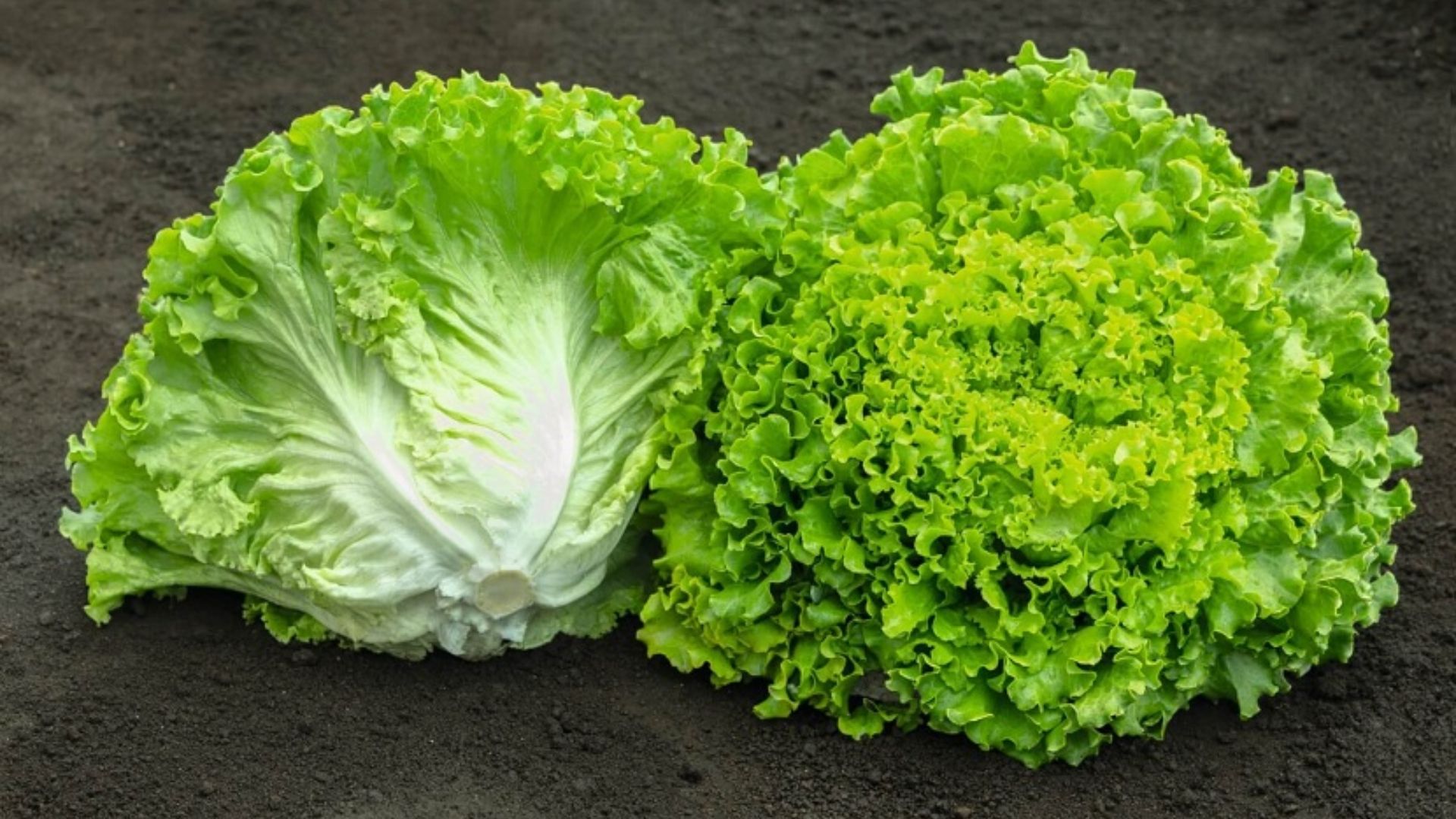
Batavia, also called Summer Crisp lettuce, produces loosely formed heads with thick, crunchy leaves that stay crisp after harvesting.
One of its biggest advantages is better heat resistance than many traditional lettuce varieties, making it suitable for warmer growing seasons. It performs best in fertile, well-drained soil with regular watering and full sun.
Although it grows well in cool weather, it continues producing quality leaves longer into summer, giving gardeners a more dependable harvest.
11. Celtuce
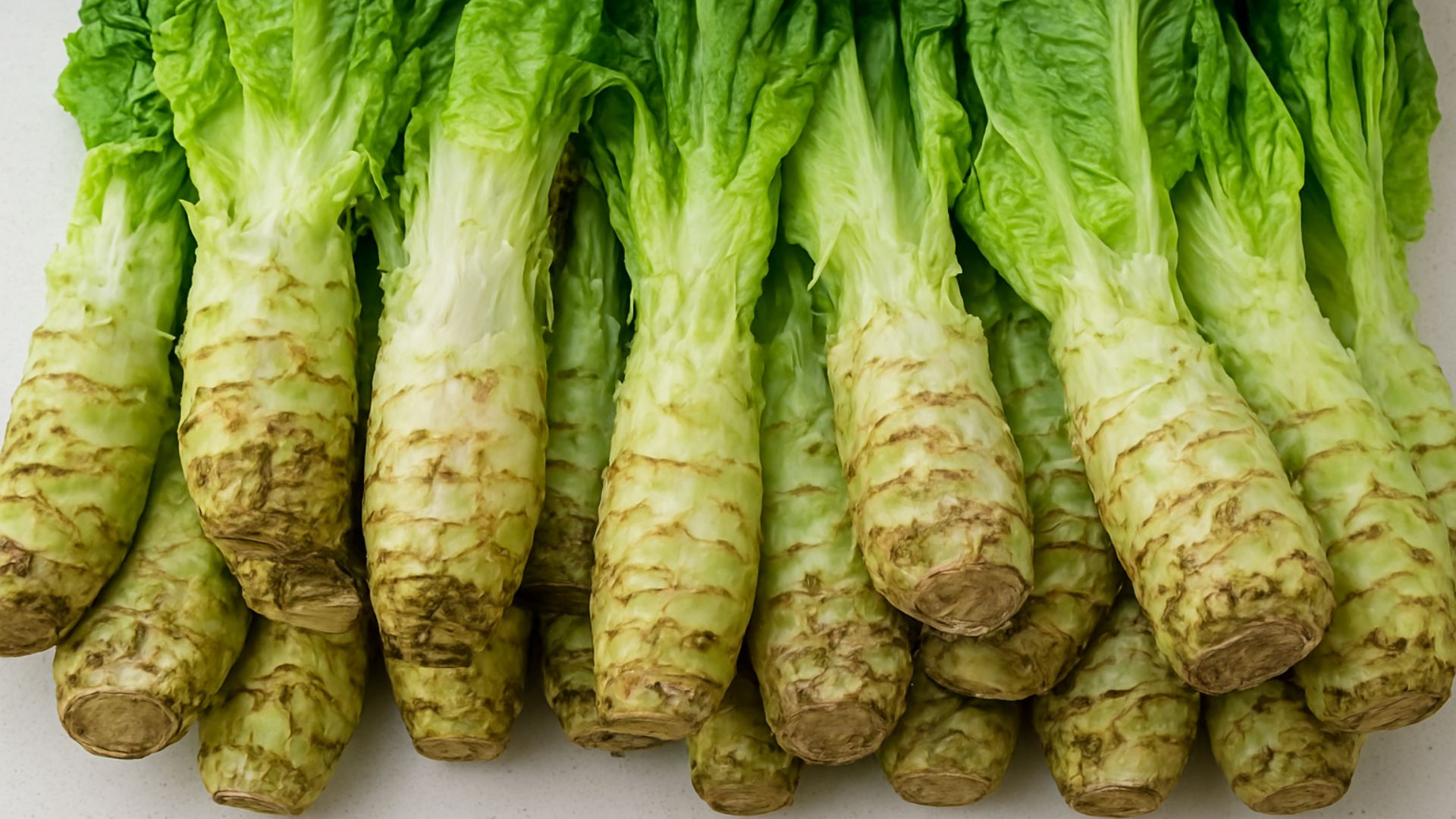
Celtuce is unique because gardeners harvest both its thick edible stem and its tender leaves. The stem has a crisp texture with a mild flavor often compared to celery or asparagus, while the leaves resemble traditional lettuce.
It grows best in cool weather with fertile, well-drained soil and consistent moisture.
Harvest the leaves while young and allow the stem to mature before cutting. Celtuce is commonly stir-fried, sautéed, pickled, or eaten fresh in salads.
12. Mache (Corn Salad)
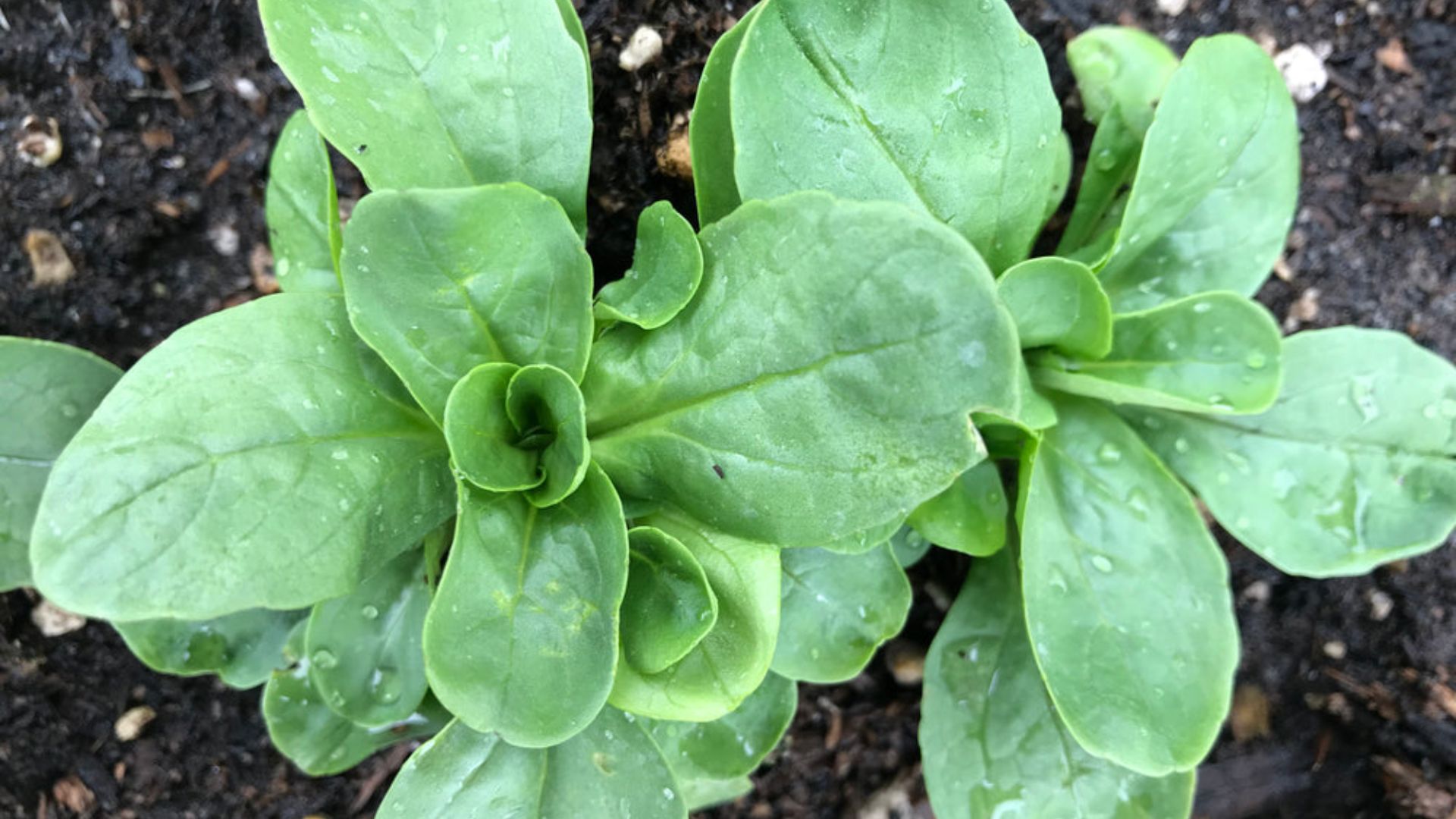
Mâche, also called corn salad, is a cool-season green that forms small rosettes of soft, rounded leaves.
It has a delicate, slightly nutty flavor that works well in fresh salads. This variety grows best during fall, winter, or early spring because it prefers cool temperatures and can tolerate light frosts.
Sow seeds directly into moist, fertile soil and keep the ground evenly watered. Harvest entire rosettes or individual leaves before the plants begin flowering.
13. Endive
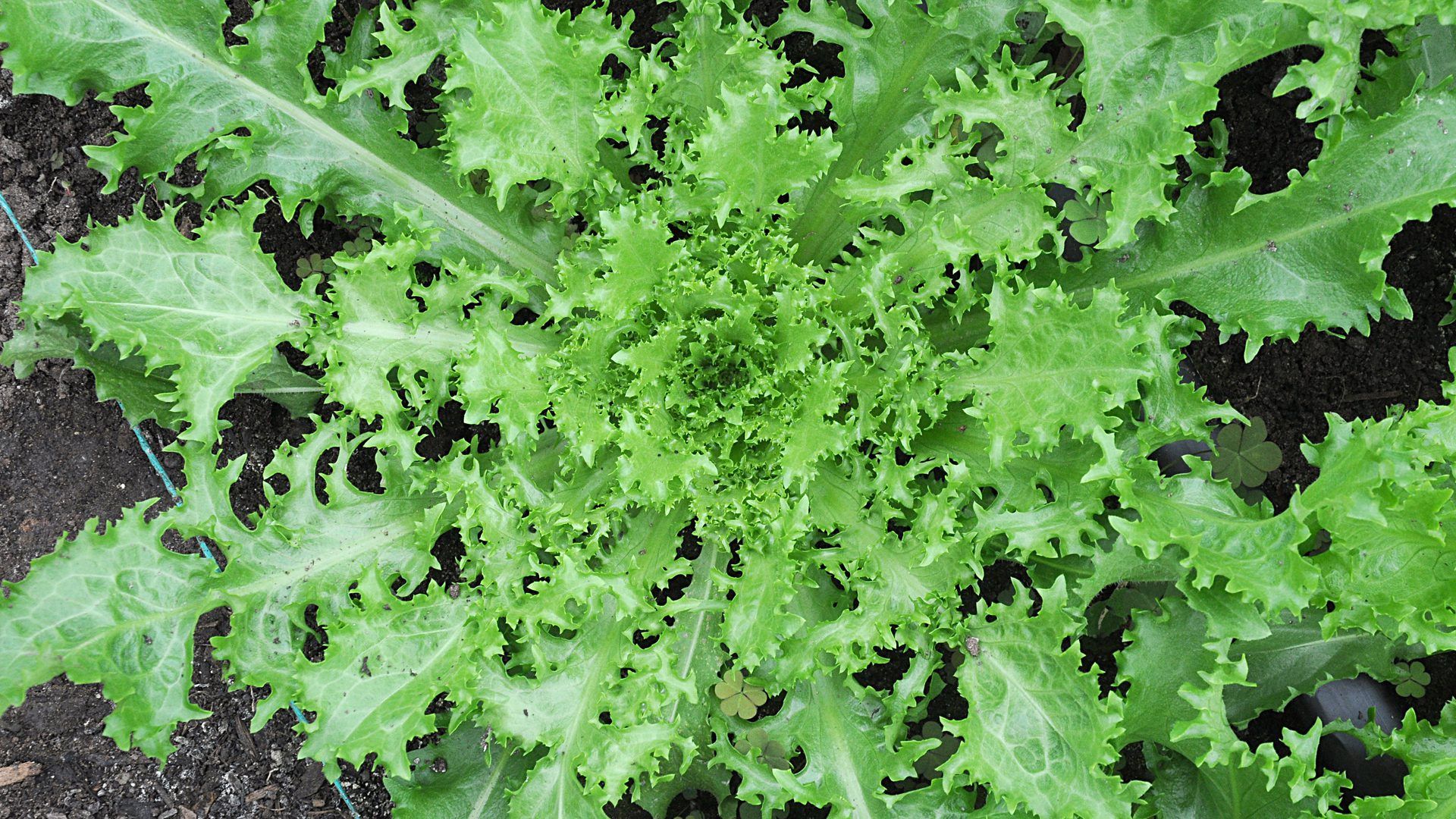
Endive produces curly or broad leaves with a pleasantly crisp texture and a slightly bitter flavor.
The bitterness becomes milder when the inner leaves are blanched by limiting sunlight during the final growing stage.
It grows best in cool weather with fertile, well-drained soil and regular watering. Harvest before hot temperatures cause bolting.
Endive is commonly used in salads, soups, braised vegetable dishes, and as a crunchy addition to appetizers and fresh side dishes.
14. Frisée
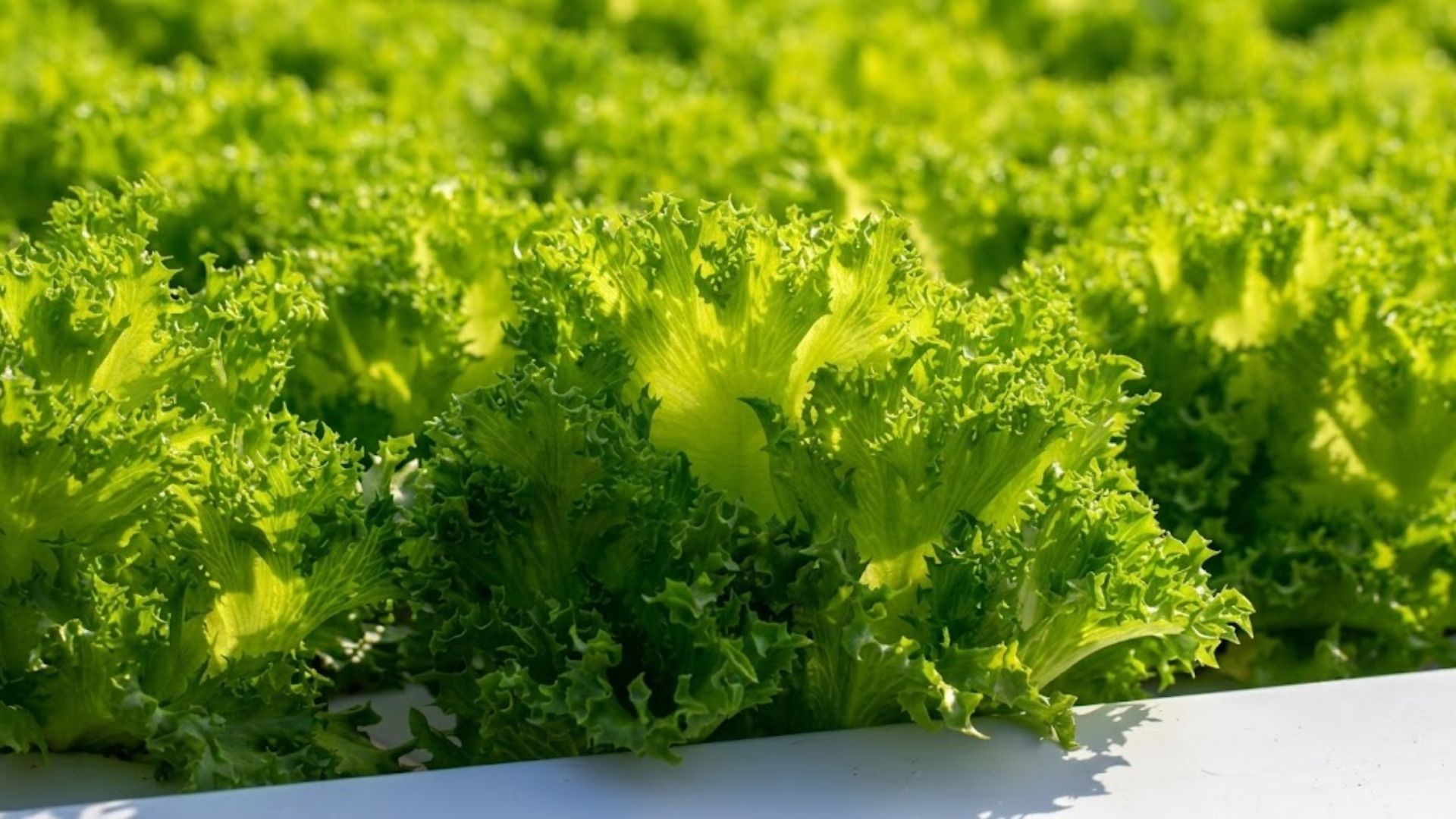
Frisée is a type of curly endive recognized for its finely divided, frilly leaves and distinctive texture. It has a pleasantly bitter flavor that balances rich dressings, cheese, eggs, and citrus ingredients.
This cool-season crop grows best in fertile soil with consistent moisture and plenty of sunlight.
Regular watering helps produce tender leaves with less bitterness.
Frisée is commonly used in gourmet salads, warm bacon salads, sandwiches, and as an attractive garnish that adds texture to meals.
15. Radicchio
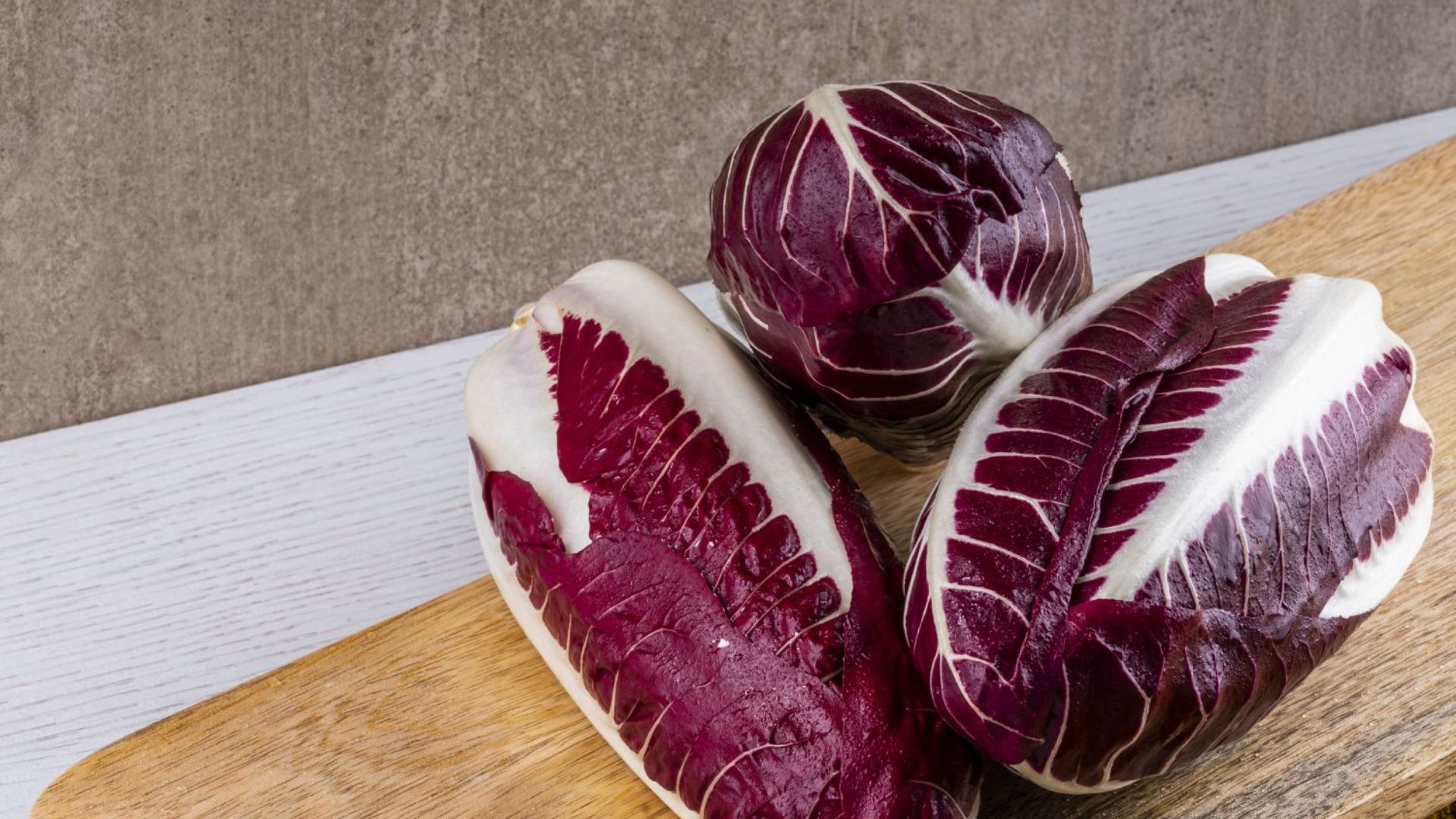
Radicchio forms compact, deep red heads with bright white veins that create a striking appearance in the garden.
It has a pleasantly bitter, slightly spicy flavor that becomes milder when cooked or grilled.
As a cool-season crop, it grows best during spring or fall in fertile, well-drained soil with regular watering. Cooler temperatures also improve its color and flavor.
Radicchio is commonly used in fresh salads, grilled vegetable dishes, risotto, pasta, and roasted side dishes.
Which Lettuce Variety Is Best for Your Garden?
The best lettuce variety depends on your available space, local climate, and how you plan to harvest.
| Gardening Need | Recommended Lettuce Variety | Why It Works Well |
|---|---|---|
| Beginners | Loose Leaf Lettuce | Easy to grow, quick to mature, and forgiving of minor growing mistakes. |
| Small Gardens | Little Gem Lettuce | Compact heads fit neatly into limited planting spaces. |
| Containers | Butterhead (Bibb), Little Gem | Compact growth makes both varieties ideal for pots and planters. |
| Hot Climates | Batavia (Summer Crisp), Oakleaf | Better heat tolerance and slower to bolt than many other lettuce types. |
| Cool Climates | Romaine, Mâche, Endive | Thrive in cooler temperatures and produce high-quality leaves. |
| Continuous Harvesting | Loose Leaf, Green Leaf, Red Leaf | Outer leaves can be harvested repeatedly while the plant continues growing. |
How Can You Grow Healthier Lettuce Plants?
You can grow healthier lettuce plants by preparing fertile soil, watering consistently, protecting moisture with mulch, and following good planting and harvesting practices.
Start by enriching the soil with compost or well-rotted organic matter to improve drainage and provide nutrients.
Water regularly to keep the soil evenly moist, as inconsistent watering can lead to bitter or slow-growing leaves.
Apply a light layer of mulch to retain moisture and reduce weed growth.
Companion planting with crops like carrots, onions, or herbs can help make better use of garden space and support healthy growth.
Sow seeds every two to three weeks for continuous harvests throughout the season. Finally, harvest outer leaves regularly or pick mature heads promptly to encourage fresh, healthy growth.
Nutritional Benefits of Growing Your Own Lettuce
Growing your own lettuce provides fresh, nutrient-rich leaves that often retain more vitamins and minerals because they can be harvested and eaten immediately.
- Higher Nutrient Retention: Homegrown lettuce is harvested just before eating, helping preserve vitamins such as A, C, and K, which can gradually decline during storage and transport.
- Fewer Chemical Residues: Growing lettuce at home allows control over fertilizers and pest management, reducing exposure to unnecessary chemical residues.
- Better Hydration: Lettuce is high in water, making it a refreshing vegetable that supports daily hydration when included in meals.
- Rich in Antioxidants: Many lettuce varieties contain antioxidants that help protect cells from damage caused by free radicals.
- Supports Healthy Digestion: The fiber in lettuce promotes healthy digestion, supports regular bowel movements, and contributes to overall gut health.
- Low in Calories: Lettuce is naturally low in calories, making it a filling choice for salads, wraps, sandwiches, and other balanced meals.
- Encourages Healthier Eating Habits: Having fresh lettuce readily available makes it easier to include more vegetables in everyday meals and snacks
Different Types of Lettuce at a Quick Glance
Here’s a quick comparison of the different types of lettuce to help you choose the best variety based on flavor, growing conditions, and garden needs.
| Lettuce Type | Leaf Style | Taste | Best Growing Season | Best For |
|---|---|---|---|---|
| Romaine | Upright | Crisp | Spring/Fall | Caesar salads |
| Iceberg | Compact head | Mild | Cool weather | Sandwiches |
| Butterhead | Soft head | Buttery | Spring/Fall | Wraps |
| Loose Leaf | Loose leaves | Mild | Spring/Fall | Cut-and-come-again harvest |
| Oakleaf | Lobed leaves | Sweet | Mild weather | Home gardens |
| Lollo Rosso | Curly red | Slightly bitter | Spring | Mixed salads |
| Green Leaf | Loose | Mild | Spring/Fall | Everyday salads |
| Red Leaf | Loose | Mild | Spring/Fall | Colorful salads |
| Little Gem | Small head | Sweet | Spring/Fall | Containers |
| Batavia | Crisp head | Sweet | Warm climates | Summer gardens |
| Celtuce | Stem & leaves | Mild | Cool weather | Stir-fries |
| Mâche | Small rosette | Nutty | Winter | Cold-season gardens |
| Endive | Curly | Bitter | Fall | Gourmet salads |
| Frisée | Frilly | Slightly bitter | Cool weather | Garnishes |
| Radicchio | Round head | Bitter | Fall | Grilling & salads |
Common Mistakes when Growing Lettuce
Avoiding a few common mistakes can help your lettuce stay healthy, productive, and flavorful throughout the growing season.
- Planting During Extreme Heat: Most lettuce varieties prefer cool weather. High temperatures can cause plants to bolt early, producing bitter leaves and reducing harvest quality.
- Overcrowding Seedlings: Planting lettuce too closely limits airflow, increases disease risk, and prevents heads or leaves from reaching full size.
- Inconsistent Watering: Allowing the soil to dry out and then become saturated repeatedly can stress plants, resulting in slow growth, tough leaves, or bitterness.
- Harvesting Too Late: Waiting too long to harvest often leads to tougher leaves, stronger flavors, and flowering, which signals the end of quality leaf production.
- Ignoring Soil Quality: Lettuce grows best in fertile, well-drained soil rich in organic matter. Poor soil can reduce leaf size, growth rate, and overall plant health.
- Not Protecting Against Pests: Aphids, slugs, and caterpillars can quickly damage leaves. Regular inspections and early pest control help maintain a healthy crop.
Conclusion
Choosing the right lettuce variety can help you enjoy better harvests and a more successful gardening experience.
Whether you prefer crisp, tender, heat-tolerant, or compact varieties, there is a lettuce that fits your growing conditions and personal taste.
With proper planting, regular care, and timely harvesting, you can enjoy fresh, homegrown lettuce throughout the season. Even starting with a few varieties can help you learn what grows best in your garden.
If you found this information useful, consider sharing it with others who enjoy gardening or are planning to grow their own lettuce.
Frequently Asked Questions
Which Lettuce Grows the Fastest?
Loose-leaf lettuce grows the fastest, with wide varieties producing harvestable leaves within 30 to 45 days under suitable growing conditions.
Can Different Lettuce Varieties Be Grown Together?
Yes, different lettuce varieties grow well together if they receive enough spacing, sunlight, water, and nutrients throughout the growing season.
Does Lettuce Grow Better in Sun or Shade?
Lettuce grows best in full sun during cool weather, though afternoon shade helps protect plants from heat in warmer climates.
How Many Times Can You Harvest Lettuce from One Plant?
Loose-leaf varieties can be harvested several times, while head-forming lettuce is generally harvested once after reaching full maturity and size.