

Replacing a lot of windows at once is a big home decision. I know it can feel stressful when you start adding up the numbers.
When you’re dealing with 25 windows or more, even small price changes can make a big difference in your final budget. That’s why it helps to understand the costs before you talk to contractors.
In this guide, I shared how much does it cost to replace 25 windows in a clear and simple way.
You’ll see average price ranges, what affects the total cost, and where extra fees may show up.
I’ll also share tips to help you plan better and avoid surprises. If you’re trying to decide when to replace your windows or how much to save, this article has everything that you need to know.
By the end, you’ll know what to expect and how to move forward with more confidence.
What Is the Average Cost to Replace a Window?
The average cost to replace a window usually falls between $300 and $1,000 per window, including labor. The final price depends on a few key details.
Window material plays a big role, with vinyl being more affordable and wood or fiberglass costing more.
Window size also matters, since larger or custom-sized windows need more materials and time to install.
Labor costs can change based on how easy the old window is to remove and how long the install takes. Homes with older frames or damage may cost more to fix before the new window goes in.
Location can affect pricing as well, since labor rates vary by area.
While basic window replacements stay on the lower end, upgraded styles and energy-saving features can push costs higher.
Knowing these factors helps you estimate costs more clearly before replacing multiple windows at once.
How Much Does It Cost to Replace 25 Windows?
Replacing 25 windows usually costs between$18,000 and $40,000 or more, with many homeowners spending around $20,000 for a full project.
The final price depends on several key choices. Vinyl windows sit on the lower end, while wood and fiberglass push costs higher.
Glass options also matter, since energy-efficient coatings or gas fills raise the price per window.
Installation type plays a big role as well. Retrofit installs cost less, while full-frame replacements take more labor and materials.
Window size, brand, and custom features can increase costs quickly.
Location also affects pricing, as labor rates vary by region. On average, you can expect to pay $300 to over $2,500 per window installed.
Understanding these ranges helps you set a realistic budget before reaching out to contractors.
Replacement Window Costs by Frame Material
Replacing window frames can change your total cost more than most people expect. Each material comes with its own price range, upkeep needs, and lifespan.
- Vinyl Frames ($300–$800 per window): The most affordable option. Low upkeep, good insulation, and widely used in most homes.
- Wood Frames ($800–$1,500 per window): Higher cost due to material and labor. Needs regular care but offers a classic look.
- Fiberglass Frames ($700–$1,200 per window): Strong and long-lasting. Handles weather well and needs little maintenance.
- Aluminum Frames ($400–$900 per window): Lightweight and durable. Less energy-efficient and better suited for mild climates.
Window Replacement Cost by Window Style
Small design choices can shift your budget more than expected. Style affects both material cost and installation time.
| Window Style | Average Cost Per Window (Installed) | Cost Notes |
| Single-Hung | $300–$700 | Simple design and lower labor costs |
| Double-Hung | $400–$900 | Popular choice with easy cleaning |
| Casement | $500–$1,100 | Hinged design increases labor time |
| Sliding | $400–$1,000 | Wider frames may raise material cost |
| Picture | $350–$800 | Fixed glass keeps labor costs lower |
| Bay or Bow | $1,500–$4,500 | Custom sizing and framing required |
| Awning | $450–$1,000 | Similar cost to casement windows |
Factors that Increase or Lower Window Costs
Several details can push window prices up or bring them down. Knowing these factors helps you understand why quotes can vary so much.
1. Home Age
Older homes often cost more when replacing windows. I’ve seen many older frames that need repairs before new windows can be installed.
Rot, warped wood, or uneven openings slow the process and raise labor costs.
Some homes also have outdated materials that require careful removal. Custom sizing is common in older builds, which adds to the price.
Newer homes usually have standard openings and fewer surprises, making installation quicker and more affordable.
2. Window Size
Window size plays a major role in pricing. Larger windows need more glass, stronger frames, and extra support, which increases material costs.
They also take longer to install and may require more workers. Smaller windows are easier to handle and cost less overall.
Homes with mixed window sizes often see varied pricing across rooms. Standard-size windows usually cost less because they are easy to source and fit.
3. Custom Shapes
Custom-shaped windows can raise costs fast. Shapes like arches, circles, or angles require special manufacturing.
These windows are not mass-produced, which increases material prices. Installation also takes more time and care to ensure a proper fit.
Repairs around custom frames can add extra labor.
Standard square or rectangle windows remain the most affordable option since they are easier to replace.
4. Installation Difficulty
Installation difficulty directly affects labor costs. Windows that are easy to reach on the ground floor cost less to install.
Upper floors, tight spaces, or areas blocked by landscaping take more time. Homes with brick, stucco, or stone siding often cost more due to careful removal.
Safety equipment or scaffolding may also be needed. More time and effort always lead to higher labor charges.
5. Location
Location has a strong impact on window replacement costs. Labor rates are usually higher in large cities and busy metro areas.
Local permit fees and building codes can add extra costs.
Climate also matters, since some areas require specific window ratings. Rural areas may offer lower labor rates but fewer contractor options.
Your location influences both material pricing and labor costs.
Reddit Users on the Cost to Replace 25 Windows
Reddit users often share honest pricing that lines up with real-world costs. Many homeowners report paying $800 to $1,000 per window, including labor, for standard vinyl replacements.
Based on those numbers, users say replacing 20 windows often lands around $17,000 to $20,000, which makes a 25-window project even higher.
Several people warn against large national brands, saying they charge much more for similar products.
A common tip is to get at least three local quotes and avoid long sales presentations. Users also point out that window quality matters, but installation quality matters more.
Some shared lower costs when working with trusted local contractors or friends.
Others noted higher prices in the Northeast due to labor rates.
Overall, Reddit users agree that shopping around and choosing skilled installers helps control costs when replacing many windows at once.
Additional Costs with New Windows and Doors
Replacing windows and doors often comes with extra expenses beyond the base quote. These added costs can affect your final budget if you don’t plan for them early.
1. Permit and Inspection Fees
Some cities require permits before window or door replacement begins. Permit fees vary by location and home type.
In some areas, inspections are also required after installation. These costs are usually not included in the initial window quote.
Older homes may need more approvals, which adds time and money.
While permit fees may seem small compared to the full project, they still increase the total cost and should be included in your budget planning.
2. Frame and Structural Repairs
Hidden damage around window or door frames is common, especially in older homes.
Rot, water damage, or cracked framing must be fixed before new units are installed. These repairs add labor time and material costs.
Contractors often uncover issues only after removing old windows. Even minor repairs can raise your bill quickly.
If damage is widespread, costs can climb much higher than expected, making this one of the biggest surprise expenses.
3. Trim, Interior Finishing, and Paint
New windows and doors don’t always match existing trim. Interior or exterior trim may need replacement or adjustment.
Paint touch-ups are also common after installation. These finishing steps are sometimes excluded from basic quotes.
If you want a clean, finished look, expect added labor costs.
Choosing upgraded trim materials or custom finishes will push the price higher. These details improve appearance but add to the final total.
4. Old Window and Door Disposal
Removing and disposing of old windows and doors is not always included in the price.
Disposal fees cover hauling, landfill costs, and labor. Heavy or oversized units may cost more to remove.
Some contractors charge a flat fee, while others charge per window or door. If disposal is not included, you may need to handle it yourself.
This cost is easy to overlook but still impacts your budget.
How to Save Money when Replacing Windows?
Replacing many windows at once gives you more room to control costs. Small choices can lead to noticeable savings by the end of the project.
- Ask for bulk pricing: Contractors often lower the per-window price when you replace many windows in one project.
- Schedule installation during slower seasons: Late fall and winter can bring better pricing due to lower demand.
- Choose standard window sizes: Standard sizes cost less and are easier to install than custom options.
- Compare at least three quotes: Pricing and labor quality vary widely between contractors.
- Avoid long sales presentations: Simple, clear quotes usually mean fewer hidden costs.
- Focus on proper installation over upgrades: A basic window installed well performs better than an expensive one installed poorly.
When Should You Replace Your Windows?
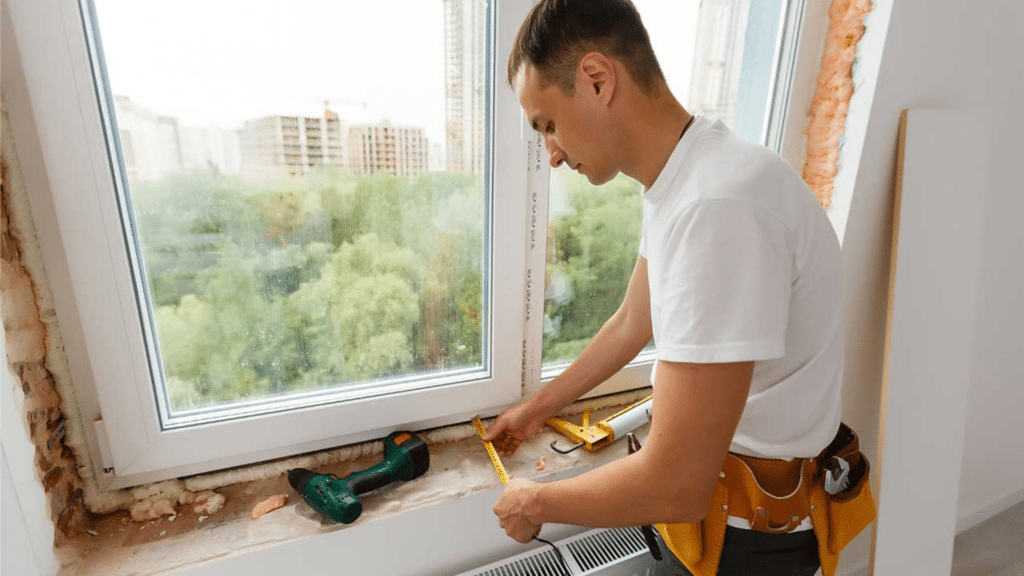
Windows don’t always fail at once, but clear signs show when it’s time. Noticing these issues early can help you plan and avoid bigger problems.
1. Drafts and Temperature Changes
Drafts are one of the clearest signs that windows need replacement. If you feel cold air in winter or heat in summer, your windows may no longer seal well.
This forces your heating and cooling system to work harder.
You may also notice certain rooms never feel comfortable. Over time, poor insulation raises energy use and comfort issues.
New windows help maintain steady indoor temperatures and reduce airflow leaks.
2. Rising Energy Bills
A steady increase in energy bills can point to failing windows. Old or damaged windows let outside air move in and out of your home.
This causes your HVAC system to run longer. Even if other parts of your home are fine, windows can still be the issue.
Replacing them can help reduce energy loss and stabilize monthly costs. Energy-efficient windows also help improve indoor comfort.
3. Visible Damage or Moisture
Cracked glass, rotting frames, or peeling paint are clear warning signs. Moisture between panes means the window seal has failed.
This reduces insulation and visibility.
Damaged frames can also allow water leaks that harm walls and floors. Ignoring these signs can lead to bigger repairs later.
Replacing damaged windows early helps protect your home’s structure and prevents further water-related issues.
4. Outdated Window Styles
Older window styles may still work but often lack modern efficiency. Single-pane windows and outdated frames do not insulate well.
They may also be harder to open or lock. Safety and ease of use are important factors.
Newer designs offer better seals, easier operation, and improved security. Replacing outdated windows can improve comfort, function, and overall home value.
How to Choose the Right Window Contractor?
Clear communication and fair pricing make a big difference on large projects. The right choice can protect your budget and your home.
- Three written quotes: This helps you compare pricing, timelines, and what’s included.
- Local experience: Contractors familiar with your area understand local codes and climate needs.
- Licenses and insurance: Proper coverage protects you from liability during the project.
- Who installs the windows: In-house installers often provide more consistent quality.
- Sales pressure: Reliable contractors give you time to review options without rushing.
- Warranties: Clear labor and material coverage helps avoid future costs.
- Project timeline: Defined start and end dates reduce delays and surprises.
Conclusion
Replacing a large number of windows is a big investment, and planning ahead makes a real difference.
Setting a clear budget, understanding your home’s needs, and knowing where costs can rise helps you avoid stress later.
It’s smart to expect some price variation, especially with labor, materials, and hidden repairs. Taking time to compare multiple quotes gives you better pricing and helps you spot red flags early.
Don’t rush the process or feel pressured by sales tactics. A well-installed window matters more than flashy upgrades.
With the right information, the project is easier to manage. Real experiences can help guide your planning.
If you’ve replaced windows before or are in the middle of the process, share your costs, tips, or lessons in the comments below to help others plan with confidence.