

Traffic, neighbors, roommates, and household noise can make it hard to relax, sleep, or focus.
If you’re looking for cheap ways to soundproof a room, there are plenty of practical solutions that can help reduce noise without expensive renovations or major structural changes.
Sealing gaps, adding thick curtains, rugs, and sound-absorbing materials can improve room acoustics.
I’ve found that even a few low-cost changes can make a room feel noticeably quieter and more comfortable without requiring a major investment.
This guide shares budget-friendly ways to soundproof a room and create a quieter, more comfortable space.
Can You Really Soundproof a Room without Spending Thousands?
Yes, you can significantly reduce unwanted noise without spending thousands of dollars, but it’s important to set realistic expectations.
Budget-friendly soundproofing helps reduce noise and improve comfort, not create complete silence.
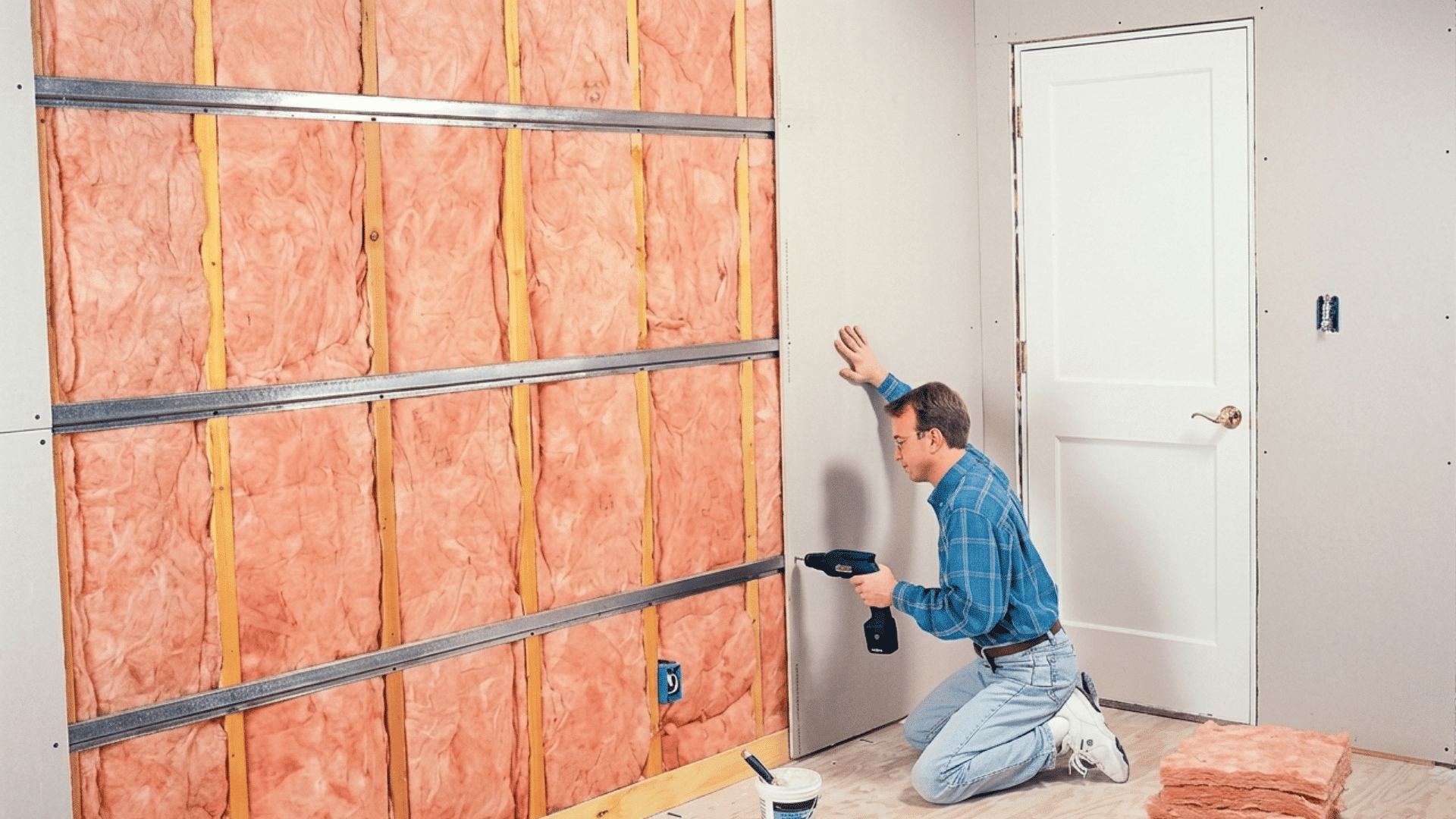
True soundproofing typically requires structural upgrades such as additional drywall, specialized insulation, resilient channels, or decoupled walls, which can be expensive.
Affordable fixes like sealing gaps, adding weatherstripping, thick curtains, rugs, and soft furnishings can help reduce noise.
Combining several low-cost methods often works better than using just one soundproofing solution.
Identify the Type of Noise Before Spending Money
Understanding the type of noise you’re dealing with helps you choose the most effective soundproofing solution and avoid unnecessary expenses.
- Airborne Noise: Sounds like voices, music, and TV travel through the air and enter through walls, windows, doors, and ceilings.
- Impact Noise: Footsteps, dropped objects, and moving furniture create vibrations that travel through floors, ceilings, and building structures.
- External Noise: Traffic, barking dogs, and construction sounds often enter through windows, doors, vents, and exterior walls.
- Echo and Reverb: Hard surfaces reflect sound waves, creating echoes that make rooms seem louder and less comfortable.
- Flanking Noise: Sound can bypass walls by traveling through ceilings, floors, ductwork, electrical outlets, and connected structures.
- Low-Frequency Noise: Bass-heavy sounds from traffic, machinery, and subwoofers are harder to block because they travel through solid materials.
How to Soundproof a Room Cheaply?
You don’t need expensive renovations to reduce noise. Simple, affordable fixes targeting common sound entry points can make your home noticeably quieter and more comfortable.
1. Seal Gaps Around Doors and Windows
Even small gaps around doors and windows can allow a surprising amount of noise to enter a room.
Since sound travels through air, any opening becomes an easy pathway for unwanted sounds from traffic, neighbors, or other areas of the house.
Inspect door and window frames for visible cracks or spaces and seal them properly. This simple improvement can reduce noise levels while also improving energy efficiency and comfort.
In my experience, this step often delivers the biggest improvement for the least money, especially in older homes.
2. Install Weatherstripping Tape
Weatherstripping tape is one of the most affordable soundproofing materials available and can be installed without professional help.
Applied around doors and windows, it creates a tighter seal that helps block airborne noise from entering the room. It is especially useful in older homes where frames may have shifted over time.
Besides reducing sound leaks, weatherstripping also helps prevent drafts and improve insulation.
Self-adhesive foam tape works well for quick installations, while V-strip or tension-seal weatherstripping offers greater durability and performs better in high-traffic doorways and frequently used entry points.
3. Use Door Sweeps to Block Sound Leaks
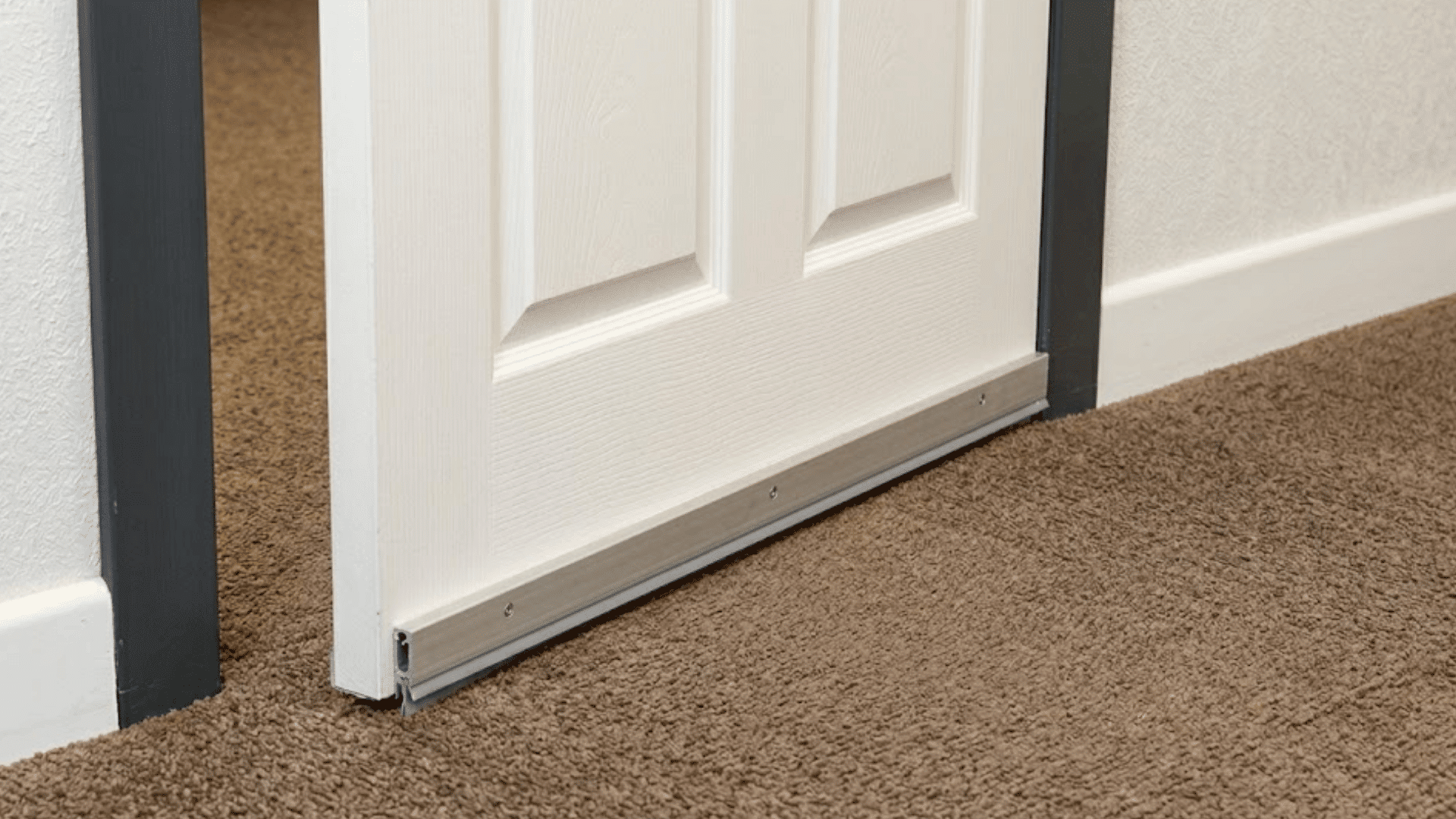
The gap beneath a door is often one of the largest openings through which noise can travel. Installing a door sweep helps seal this space, creating a barrier between the door and the floor.
This simple upgrade can reduce sounds from hallways, nearby rooms, and shared living areas.
Door sweeps are inexpensive, widely available, and easy to install, making them one of the most effective budget-friendly soundproofing solutions.
Automatic door sweeps, which retract when the door opens and seal when it closes, generally provide better durability and performance.
4. Cover Cracks with Acoustic Caulk
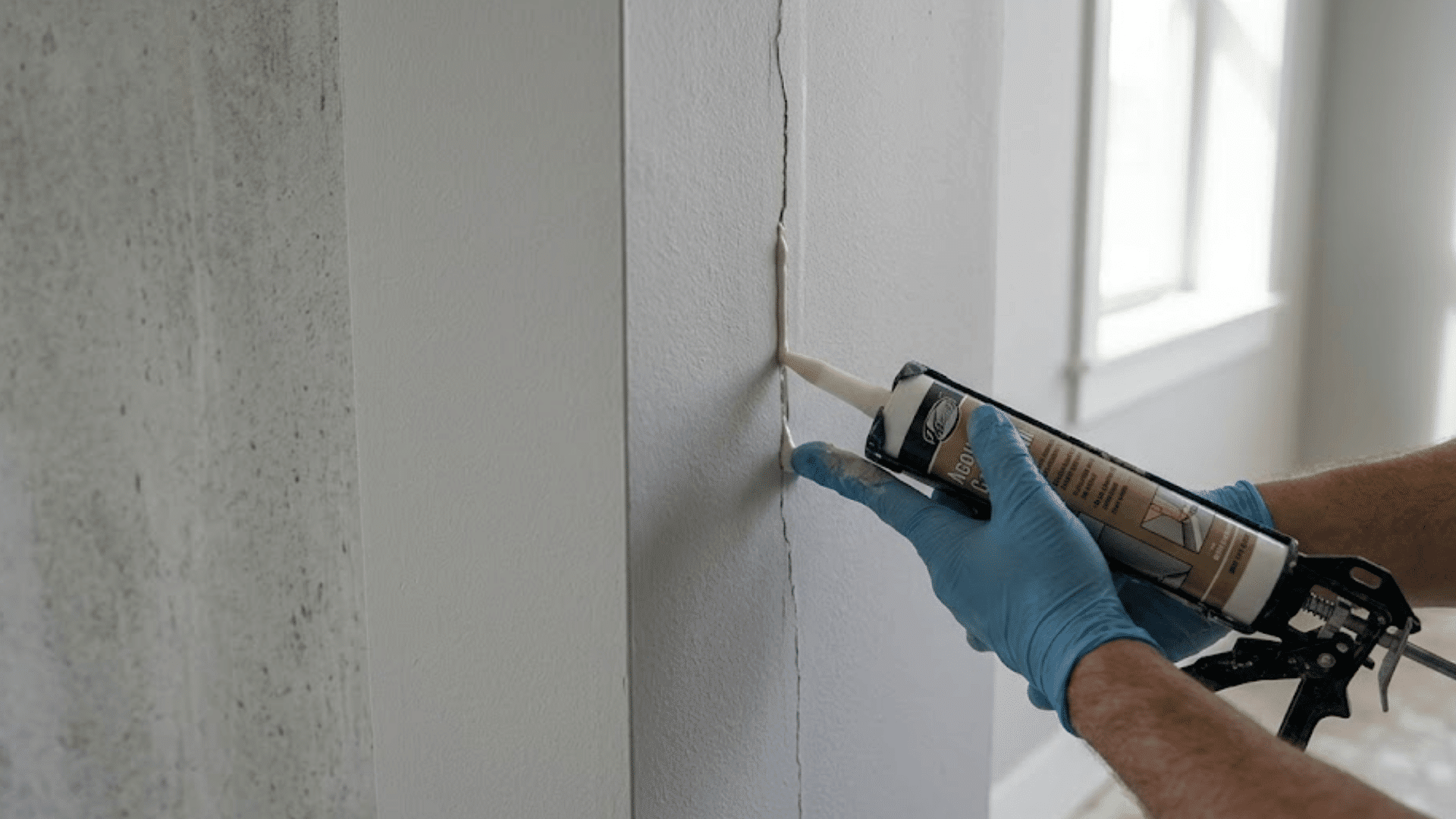
Cracks around window frames, wall joints, electrical outlets, and ceiling edges can allow noise to pass through even if they seem minor.
Acoustic caulk is specifically designed to remain flexible after drying, helping maintain an effective seal as building materials expand and contract.
Standard silicone caulk hardens over time and can crack, so acoustic-grade caulk is the better long-term choice here.
It is a relatively inexpensive solution that works especially well when combined with other noise-reduction methods.
5. Use Draft Stoppers for Quick Noise Reduction
Draft stoppers provide a fast and inexpensive way to reduce noise entering through the bottom of doors.
Typically made from fabric-filled materials, they act as temporary barriers that block both drafts and sound leaks.
They are particularly useful for renters or anyone looking for a non-permanent solution.
While they may not eliminate all noise, draft stoppers can noticeably reduce sound transfer from nearby rooms and hallways when used alongside other affordable soundproofing measures.
6. Check for Hollow-Core Doors
One soundproofing issue many budget guides overlook is the type of door installed in the room.
Most interior doors are hollow-core, meaning they contain very little material to block sound. As a result, noise passes through them much more easily than through solid-core doors.
If you’ve already added weatherstripping, sealed gaps, and installed a door sweep but still hear noise, the door may be the weak point.
Replacing it with a solid-core model costs more but remains one of the most effective soundproofing upgrades available.
7. Prioritize the Biggest Noise Entry Points First
When working with a limited budget, focus on the areas where the most noise enters the room before investing in additional soundproofing products.
Doors, windows, wall gaps, vents, and ceiling openings are usually the primary sources of sound leakage.
Addressing these problem areas first often delivers better results than purchasing expensive acoustic treatments.
By identifying and fixing the largest noise entry points, you can maximize the effectiveness of your soundproofing efforts while keeping costs low.
How Much Does It Cost to Soundproof a Room?
The cost of soundproofing a room depends on the methods you choose and the level of noise reduction you need.
| Estimated Budget | What You Can Do | Expected Results |
|---|---|---|
| Under $50 | Draft stoppers, weatherstripping tape, acoustic caulk, door sweeps | Reduces sound leaks through doors, windows, and small gaps |
| Around $100 | Thick curtains, large area rugs, rug pads, and gap-sealing materials | Better control of outside noise and reduced echoes |
| Around $250 | Acoustic panels, moving blankets, attic insulation upgrades, and multiple soundproofing treatments | Noticeable reduction in airborne noise and improved room acoustics |
| $500+ | Mass-loaded vinyl, additional drywall, and advanced insulation systems | Significant sound reduction but higher installation costs |
| $1,000+ | Professional soundproofing, wall reconstruction, and decoupling systems | Maximum noise reduction and near-complete sound isolation |
How to Soundproof a Shared Wall from Noisy Neighbors?
Noise from neighboring units often travels directly through shared walls, making conversations, televisions, music, and other household sounds more noticeable.
- Place Bookshelves Against the Shared Wall: A filled bookshelf adds density and creates an additional barrier that can help reduce airborne noise.
- Position Large Furniture Strategically: Wardrobes, cabinets, and other bulky furniture placed against the wall can help dampen sound transfer.
- Install Acoustic Panels: Acoustic panels absorb sound waves and can help minimize the amount of noise that enters your room.
- Hang Thick Blankets or Soundproof Curtains: Dense fabrics provide an extra layer of sound absorption and can help reduce noise coming through thin walls.
- Seal Cracks, Gaps, and Outlets: Small openings around electrical outlets, switches, and wall joints can leak sound and should be properly sealed.
- Add Mass Loaded Vinyl Behind Furniture or Panels: Tackling a layer of MLV to the wall before covering it with acoustic panels or a bookshelf adds significant sound-blocking mass without visible construction
Best Places to Soundproof First in Your Home
Not all rooms require the same level of soundproofing. Focusing on spaces where noise causes the most disruption can help you get better results while keeping costs under control.
| Room | Why It Should Be a Priority | Budget-Friendly Soundproofing Ideas |
|---|---|---|
| Bedroom | Noise can interfere with sleep quality and relaxation. | Add blackout curtains, seal window gaps, install a door sweep, and use thick rugs. |
| Home Office | Reduces distractions during work, meetings, and study sessions. | Use weatherstripping, place bookshelves against shared walls, and add soft furnishings. |
| Living Room | Helps limit noise from TVs, speakers, and busy household activities. | Use area rugs, fabric furniture, heavy curtains, and wall hangings. |
| Nursery or Kids’ Room | Creates a quieter environment for naps, sleep, and focused activities. | Install curtains, use soft flooring, and seal gaps around doors and windows. |
| Entryways and Hallways | Prevents outside noise from spreading throughout the home. | Install door sweeps, weatherstripping, and rugs to absorb sound. |
| Media or Gaming Room | Helps contain loud sounds and reduces disturbances in other rooms. | Add thick curtains, rugs, acoustic foam panels, and upholstered furniture. |
| Laundry Room | Reduces noise from washing machines, dryers, and utility equipment. | Use anti-vibration pads, rubber mats, and weatherstripping around doors. |
Budget-Friendly Apartment Noise Reduction Tips
If you’re dealing with noisy neighbors, traffic sounds, or echoes inside your apartment, a few affordable upgrades can make a noticeable difference.
1. Mass Loaded Vinyl
Mass-loaded vinyl (MLV) is one of the most effective mid-budget materials for reducing unwanted noise. This dense, flexible sheet adds mass to walls, doors, ceilings, and floors, helping block sound transmission.
You can install it behind drywall, attach it to hollow-core doors, place it behind bookshelves, or use it under rugs.
While more expensive than basic fixes like weatherstripping, MLV remains far more affordable than major renovations and can deliver noticeable noise reduction.
2. Use Rugs and Carpets to Reduce Floor Noise
Hard flooring surfaces tend to reflect sound, making rooms noisier and increasing echoes.
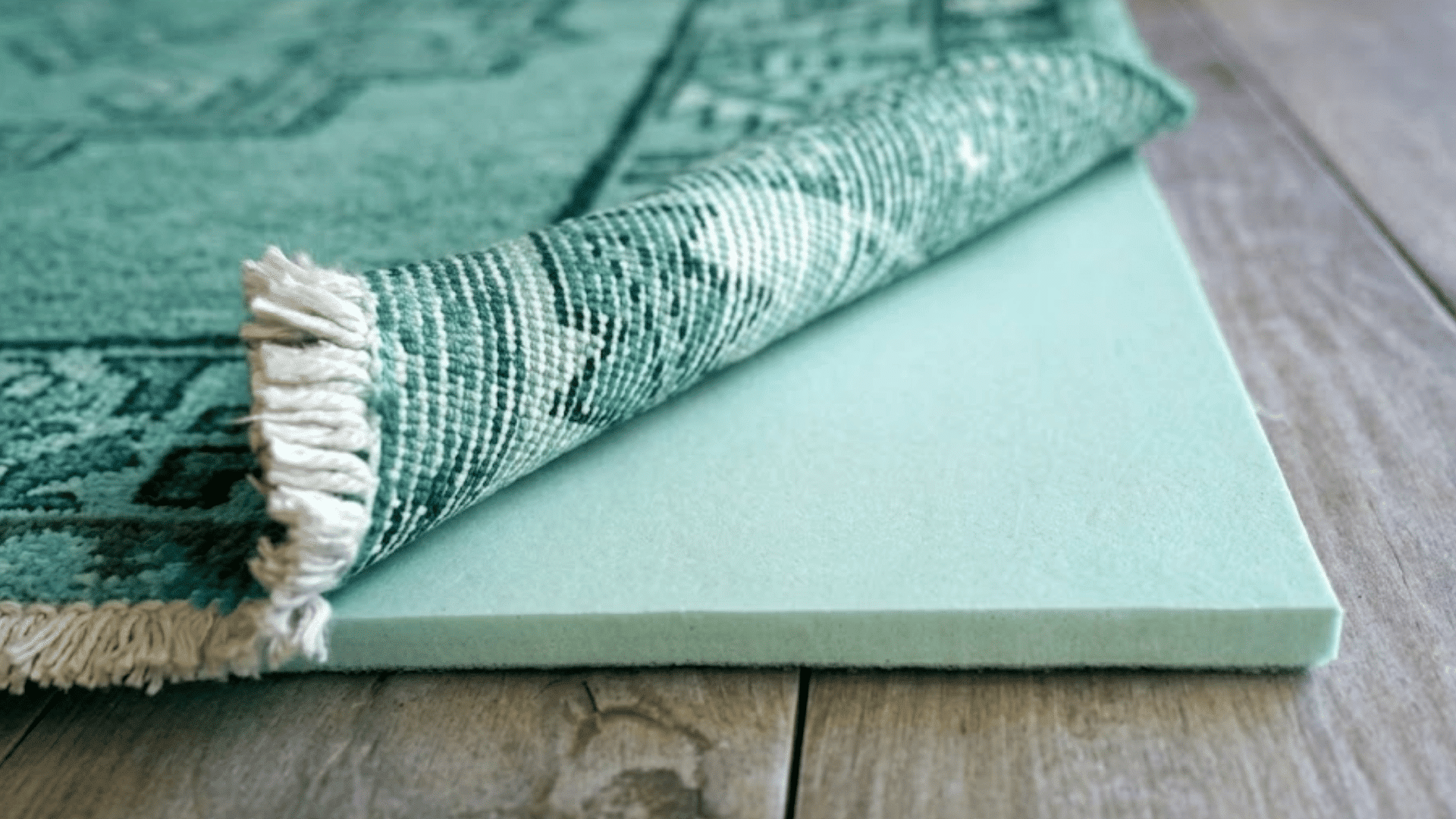
Adding thick area rugs is a simple and affordable way to absorb sound and reduce impact noise from footsteps or moving furniture.
For better performance, pair rugs with high-density felt or rubber pads. In apartments, larger rugs can also help limit noise transfer to neighboring units.
Choose rugs at least half an inch thick, as thin rugs provide minimal sound reduction benefits.
3. Hang Thick Curtains to Block Outside Noise
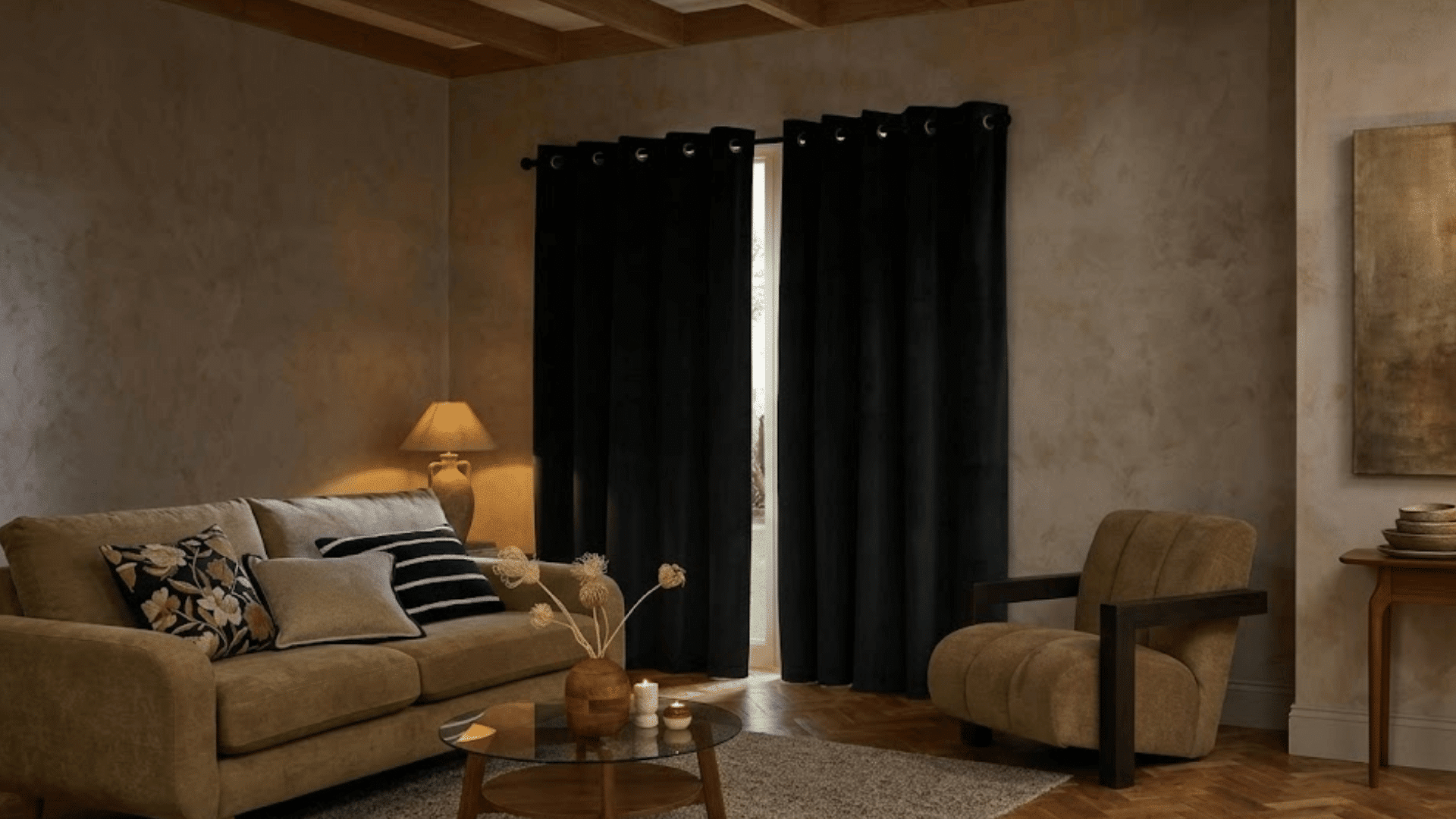
Thick curtains can help reduce outside noise entering through windows by adding an extra sound-absorbing layer.
Acoustic curtains typically perform better than standard blackout curtains because they contain multiple dense layers.
Heavy fabrics such as velvet, suede, or tightly woven polyester work best. Install curtains wider and taller than the window frame to cover gaps and maximize coverage.
Although curtains mainly target window noise, they can noticeably reduce traffic sounds and improve overall room comfort.
4. Rearrange Furniture to Create a Natural Sound Barrier
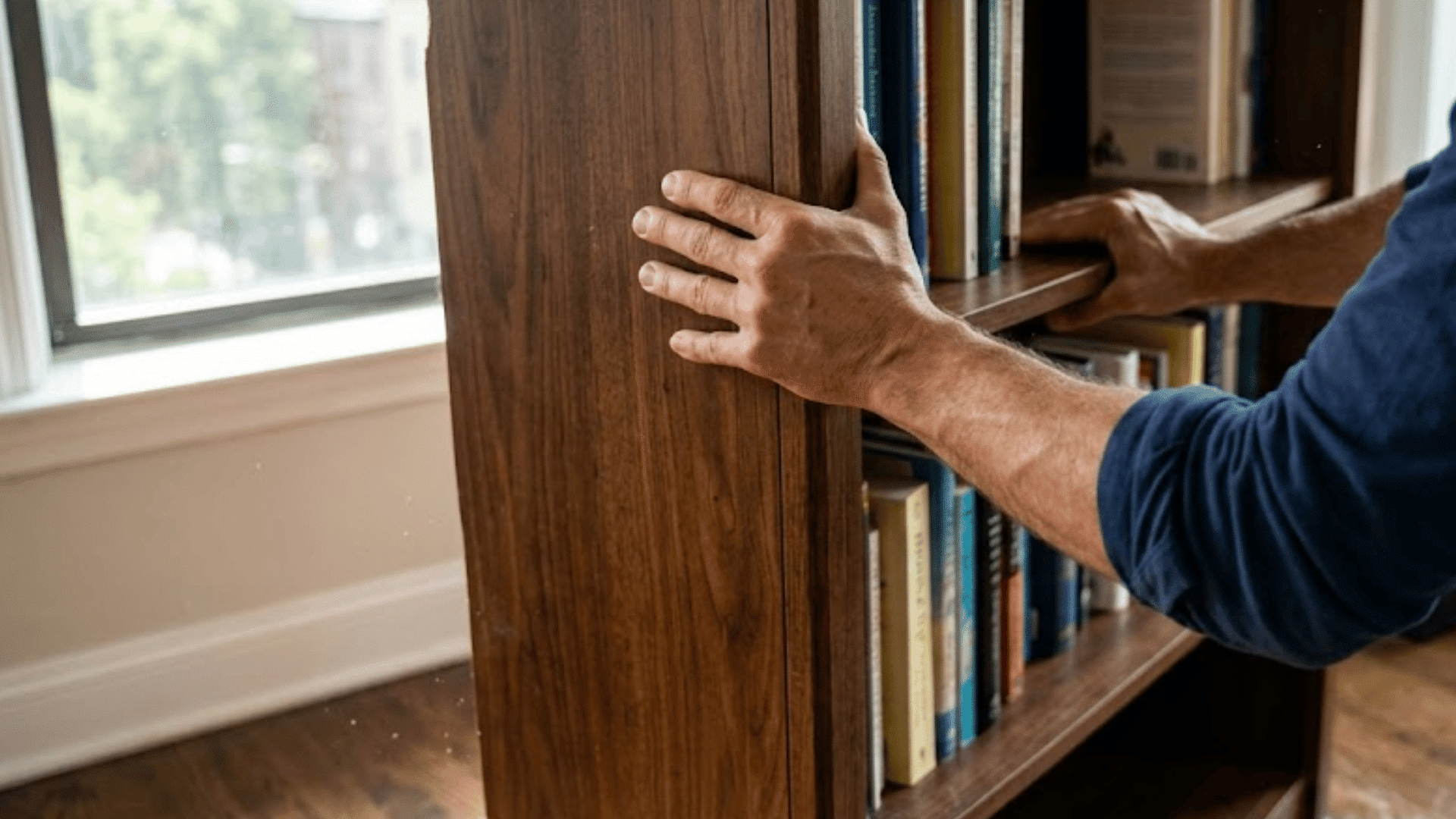
Strategic furniture placement can help reduce noise without spending much money.
Position large bookshelves, wardrobes, or cabinets against shared walls to add mass and limit sound transmission.
Filling bookshelves with books improves their effectiveness because dense materials absorb and block more noise.
Upholstered furniture such as sofas and armchairs also helps absorb sound waves and reduce echoes within the room.
This simple approach can noticeably improve acoustic comfort while requiring little or no additional investment.
5. Use White Noise to Mask Residual Sound
Even after adding soundproofing measures, some noise may still be noticeable, especially low-frequency sounds like traffic, bass music, or distant voices.
White noise can help by creating a steady background sound that makes these interruptions less noticeable. White noise machines, fans, air purifiers, and smartphone apps are all affordable options.
Some people also prefer brown or pink noise to mask deeper sounds. While not a replacement for soundproofing, white noise can improve comfort and sleep quality at a relatively low cost.
Soundproofing Tips for Renters
Renters can still reduce unwanted noise without making permanent changes. These renter-friendly solutions are affordable, easy to install, and can usually be removed without damaging the property.
- Use Weatherstripping and Door Sweeps: Seal gaps around doors and windows to block noise leaks and improve energy efficiency.
- Add Thick Rugs and Rug Pads: Cover hard floors with dense rugs and padding to absorb sound and reduce footstep noise.
- Hang Acoustic or Blackout Curtains: Install heavy curtains over windows to minimize outside noise and dampen echoes inside the room.
- Install Removable Acoustic Panels: Use adhesive strips to mount lightweight acoustic panels without damaging walls or paint.
- Use Freestanding Bookshelves: Place filled bookshelves against shared walls to create an additional sound-absorbing barrier.
- Hang Mass-Loaded Vinyl Temporarily: Attach MLV using curtain rods or removable hardware for extra sound blocking without permanent installation.
Common Soundproofing Myths You Shouldn’t Believe
Many homeowners assume soundproofing requires expensive renovations or specialized materials. Understanding what actually works can help you avoid wasting money and focus on solutions that deliver real noise reduction.
| Myth | Reality |
|---|---|
| Egg cartons can effectively soundproof a room. | Egg cartons may slightly reduce echoes but do not block sound from entering or leaving a room. |
| Acoustic foam completely soundproofs a space. | Acoustic foam improves sound quality by reducing echo and reverberation, but it does not stop sound transmission. |
| Carpets alone can soundproof a room. | Carpets help absorb impact noise and reduce echoes, but they cannot fully block airborne sound. |
| All soundproofing products work the same way. | Different materials serve different purposes, such as absorbing sound, blocking sound, or reducing vibrations. |
| Budget-friendly soundproofing is ineffective. | Low-cost solutions can provide noticeable improvements, especially when multiple methods are combined. |
| One fix will solve every noise issue. | Effective soundproofing often requires a combination of techniques tailored to the source of the noise. |
| Renters cannot soundproof their homes. | Many renter-friendly options, including door sweeps, weatherstripping, rugs, and curtains, can reduce noise without permanent modifications. |
Conclusion
Soundproofing a room on a budget starts with identifying where noise enters and focusing on the biggest sound leaks. Sealing gaps, adding door sweeps, rugs, curtains, and weatherstripping can help reduce noise.
Many of these options are renter-friendly and require no permanent changes.
I always recommend starting with the cheapest fixes first because they often deliver the biggest improvements for the least amount of money.
If your budget allows, options like mass-loaded vinyl or a solid-core door can reduce more noise. Combining simple methods can help create a quieter space without spending too much.
Have you tried any of these budget soundproofing methods? Share your experience in the comments below.
Frequently Asked Questions
Can Egg Cartons Soundproof a Room?
No, egg cartons cannot effectively soundproof a room. They may slightly reduce echo, but they lack the density needed to block or significantly reduce noise.
How Long Does It Take to Soundproof a Room?
Basic soundproofing improvements can be completed in a few hours, while larger projects involving insulation, drywall, or structural upgrades may take several days to finish.
Can Plants Help Reduce Noise in a Room?
Plants can slightly reduce noise by absorbing and diffusing sound waves.
Does Adding a Second Layer of Drywall Reduce Noise?
Yes, adding a second layer of drywall can reduce noise by increasing wall mass.