

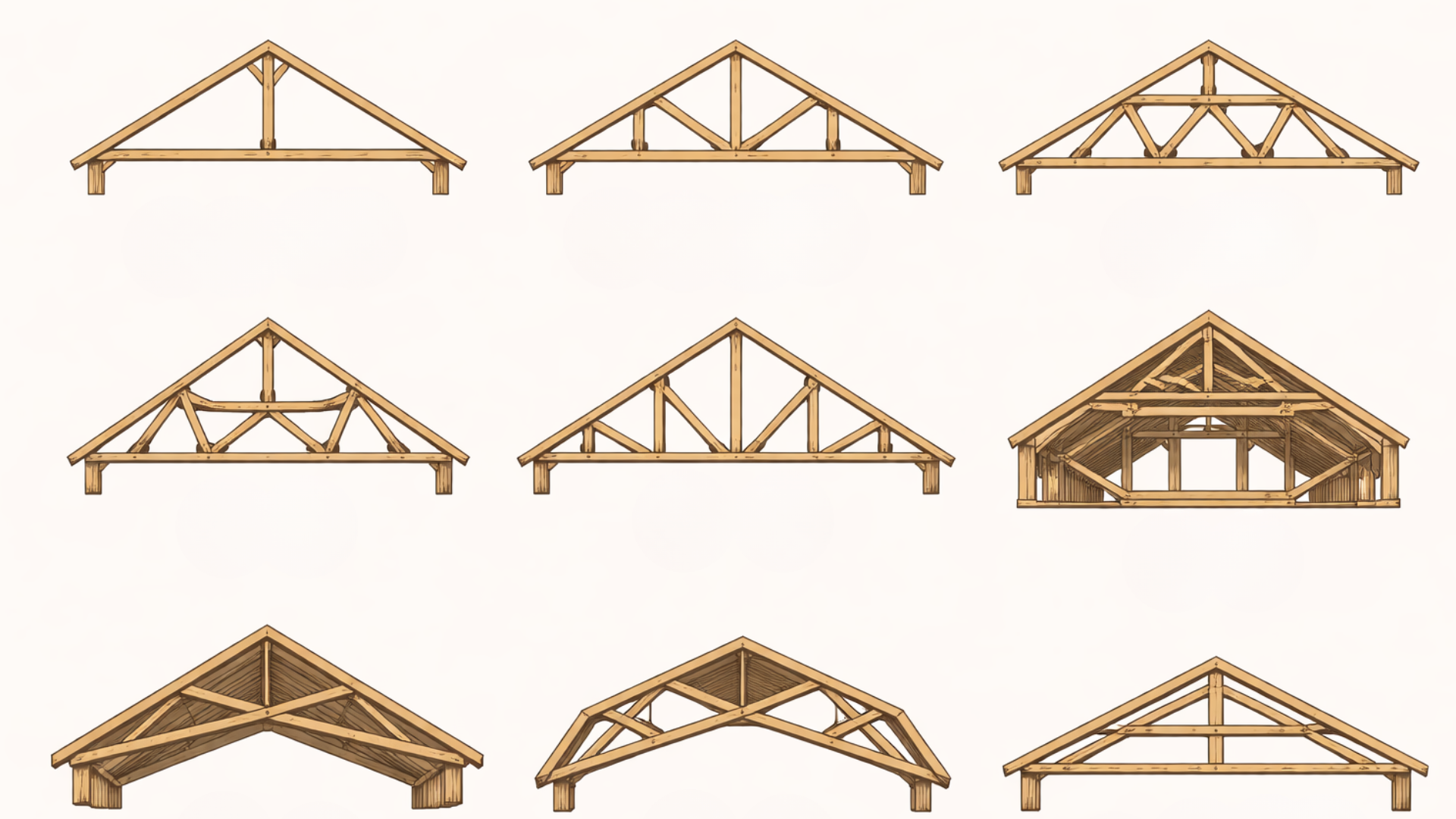
When building a home or any structure, the roof plays a big role in keeping the building safe and stable.
A strong roof frame helps carry the weight of materials, weather, and other loads. One of the most important parts of this frame is the roof truss.
Roof trusses are pre-built structures that support the roof and spread the weight evenly across the walls.
Builders often use them because they are strong, reliable, and quicker to install than many traditional framing methods.
In this article, I will explain the different types of roof trusses and where each one is commonly used in construction.
Learning about roof truss design can help you understand how roofs stay strong and balanced.
By the end of this blog, you will have a clear idea of roof trusses and how they help improve the strength and stability of a building.
What Is a Roof Truss?
A roof truss is a pre-engineered framework used to support the roof of a building.
It consists of triangular units made from wood, steel, or other materials, designed to distribute the weight of the roof evenly across the structure.
Trusses often replace rafters because they give strong, stable support while using less material.
This makes them both cost-effective and efficient. Roof trusses are built off-site and transported to the construction site for easy installation, saving time and labor costs.
There are many roof truss types, each made for specific needs like heavy roofs or special building designs.
Whether you’re building a house, a barn, or a commercial building, roof trusses are an essential part of ensuring the stability and durability of your roof.
Applications of Roof Trusses in Construction Projects
Roof trusses are essential in various construction projects, providing support and stability for a wide range of buildings. Their design and material options make them adaptable for residential, commercial, and industrial use.
1. Residential Home Construction
Roof trusses are common in homes because they provide strong roof support. Builders install them during framing to create a stable roof structure.
Trusses help distribute the roof’s weight evenly across the walls, reducing stress on the building.
They also speed up the construction process because they arrive pre-built and ready for installation.
Many modern homes use trusses because they allow for consistent roof shapes and reduce the need for complex on-site framing work.
2. Commercial Building Projects
Commercial buildings use roof trusses to support large spans with fewer columns, creating open spaces for offices, stores, and warehouses.
Trusses are strong enough to handle heavy roofing materials and additional loads such as HVAC systems and lighting equipment.
Engineers design these trusses carefully to match the building’s size and weight requirements.
Because they are manufactured with precise measurements, they also help reduce construction time and improve overall structural reliability.
3. Industrial Facilities and Warehouses
Industrial buildings and warehouses require strong roof systems that can support wide spans and heavy loads.
Roof trusses are ideal for these structures because they provide stability while allowing large open floor areas for equipment, storage, and production activities.
Steel or heavy-duty wooden trusses are often used for durability and to support roofing, insulation, lighting, and ventilation systems.
Their ability to handle large structural loads makes them an important component in many industrial construction projects.
4. Agricultural Buildings and Barns
Agricultural structures such as barns, storage sheds, and livestock buildings often use roof trusses for strong and dependable support.
These buildings need wide interior spaces with few columns so equipment, animals, and stored materials can move easily.
Roof trusses allow builders to create large roof spans while maintaining structural stability.
They support roofing materials and handle loads like wind and snow. Because they are easy to install and efficient, builders often use them in farm construction projects.
5. Schools and Public Buildings
Schools, community centers, and other public buildings frequently use roof trusses to support large roof areas.
These buildings often require wide rooms such as auditoriums, classrooms, or sports halls that benefit from open interior spaces.
Roof trusses support roofing materials, lighting systems, and ventilation equipment.
They also allow engineers to design roofs that meet safety and building code requirements. Using trusses helps create stable, long-lasting structures that can support daily use in busy public facilities.
Why Is Roof Truss Design Important in Construction?
Roof truss design is crucial in construction because it directly impacts the stability, strength, and efficiency of a building.
A well-designed roof truss ensures that the weight of the roof is evenly distributed across the structure, preventing sagging or damage over time.
It also helps create a strong base for the building, especially in areas with heavy snow or strong winds.
By using the right truss design, builders can minimize material costs without compromising safety. Roof trusses also allow for faster construction since they are pre-engineered and can be quickly installed.
Additionally, a good roof truss design can maximize the use of space in the attic, making it more functional.
Overall, roof truss design is key to ensuring that the roof is both reliable and cost-effective, making it an essential part of any construction project.
Different Types of Roof Truss Designs
There are various types of roof trusses, each designed to meet specific structural and aesthetic needs. Choosing the right truss ensures the project has strength, stability, and cost-efficiency.
1. King Post Truss
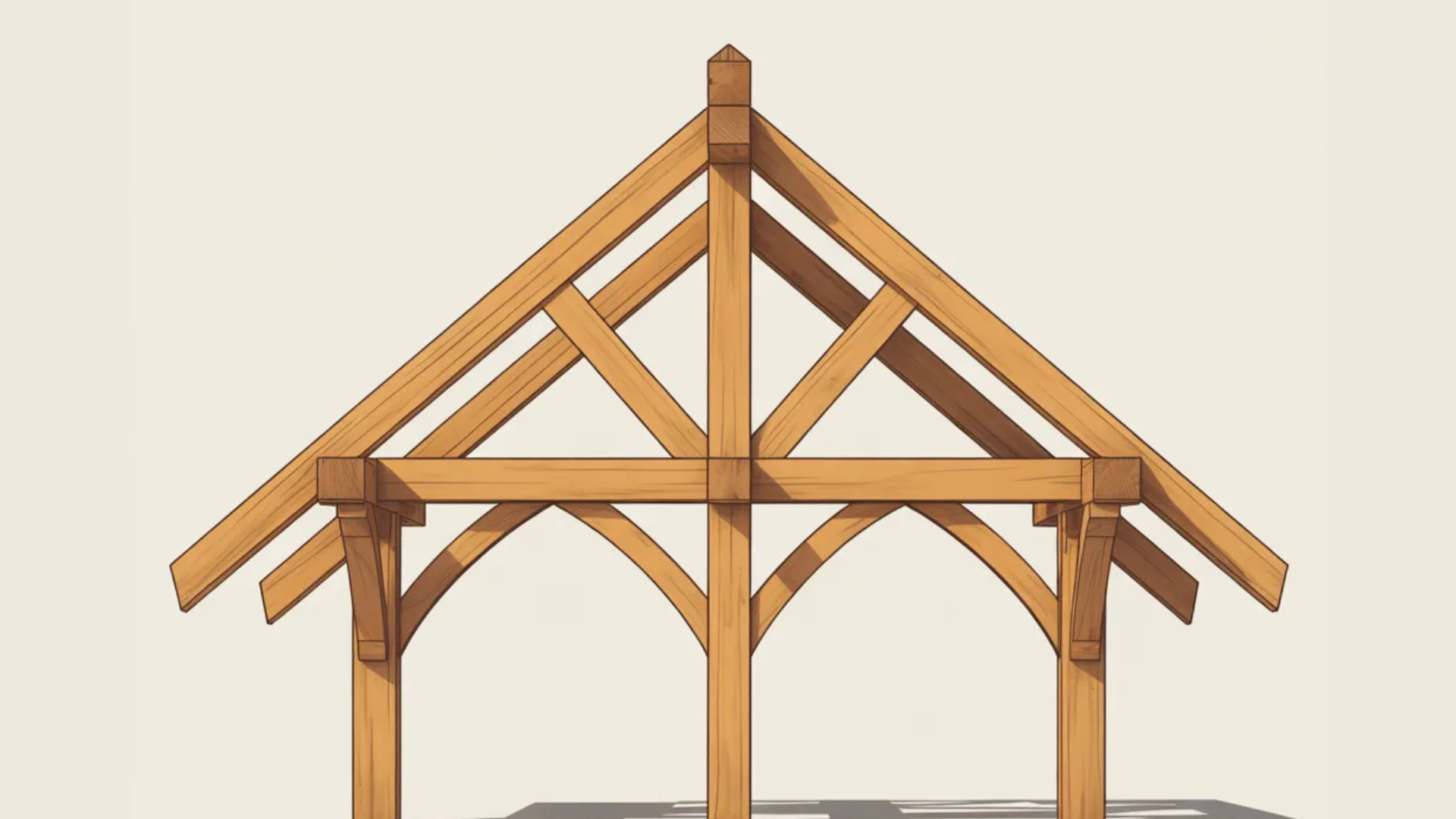
The king post truss is a simple design with a central vertical post, top chord, and two angled bottom chords. It is commonly used for shorter spans in smaller buildings, such as homes and garages.
This design offers strong support while being cost-effective and easy to install.
The king post truss is ideal for residential projects, providing excellent stability and durability for smaller structures without the need for complex designs or expensive materials.
2. Queen Post Truss
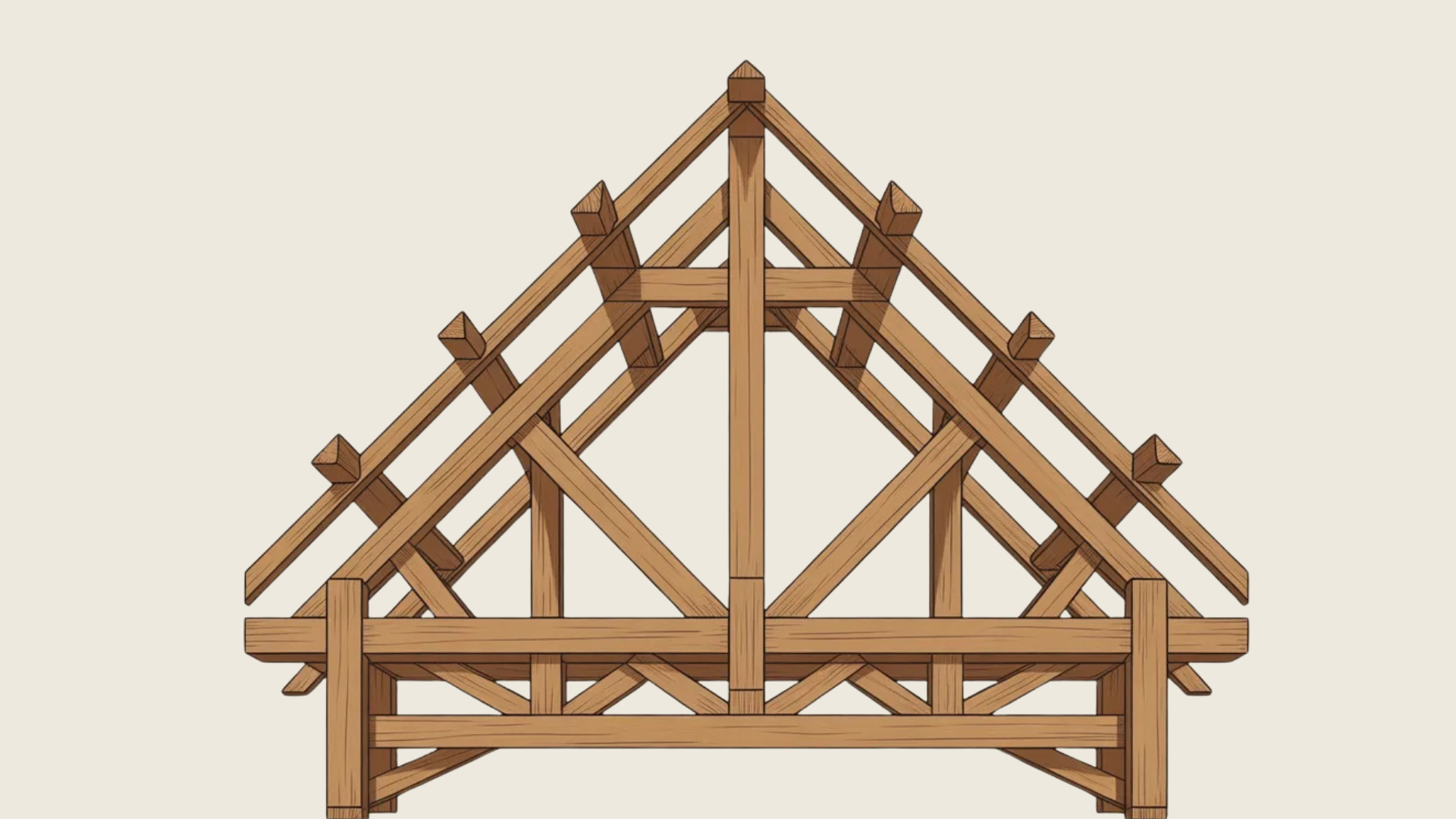
The queen post truss features two vertical posts, providing extra support compared to the king post truss. It is often used for medium spans, making it ideal for barns, small commercial buildings, or homes with larger roofs.
This design helps distribute the weight efficiently, allowing for a stronger and more stable structure.
The queen post truss is a reliable option for buildings requiring support for heavy roof materials and offers a simple, effective solution for various construction projects.
3. Fink Truss
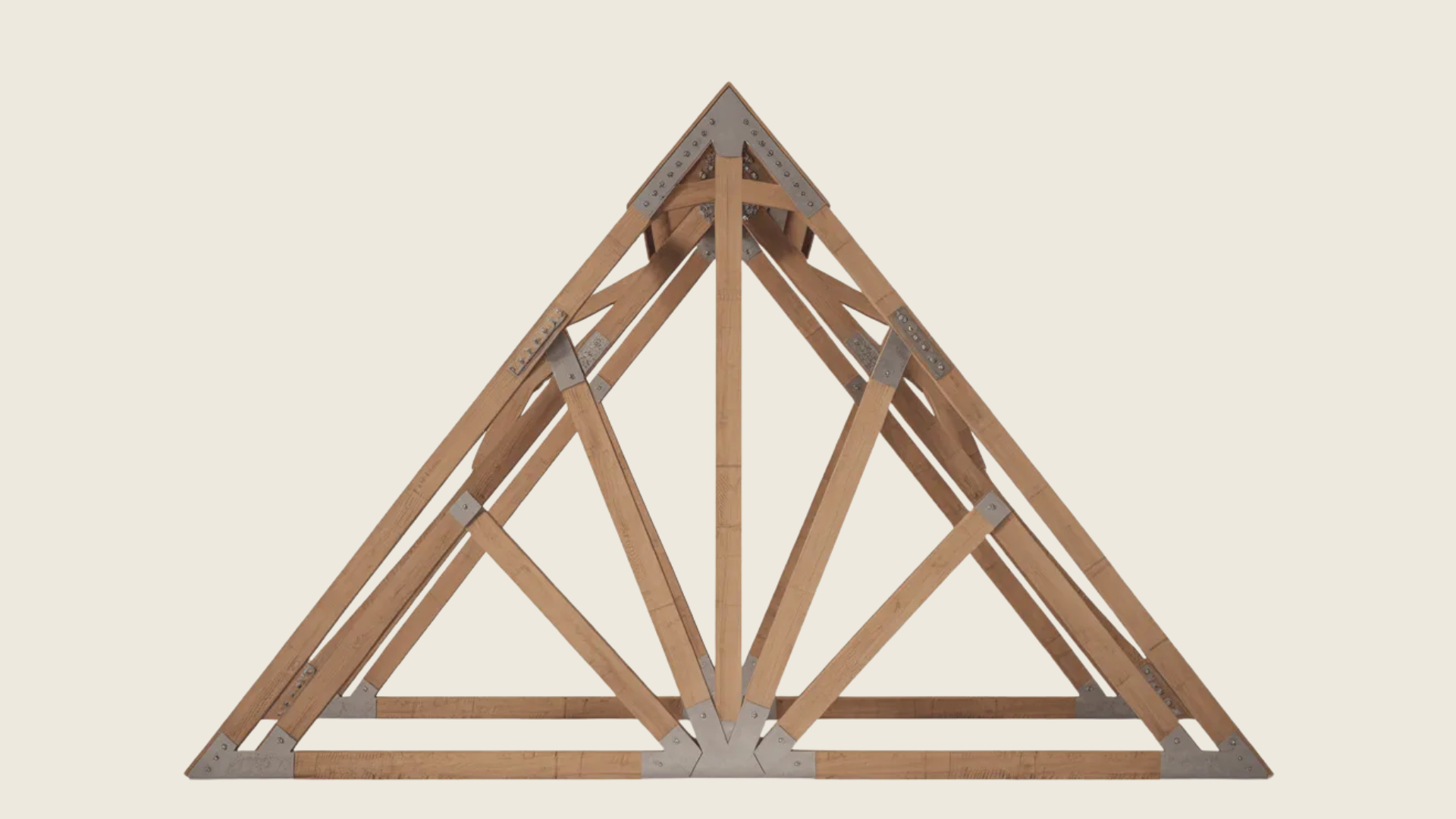
The fink truss is a widely used roof design featuring a triangular shape with internal diagonal braces.
Known for its efficiency, it provides excellent load-bearing capacity while minimizing material usage.
Commonly used in residential homes and commercial buildings, the fink truss is ideal for longer spans, offering both strength and cost-effectiveness.
Its structure makes installation easy, making it a preferred choice for contractors seeking reliable, cost-efficient trusses for roof support in large buildings.
4. Howe Truss
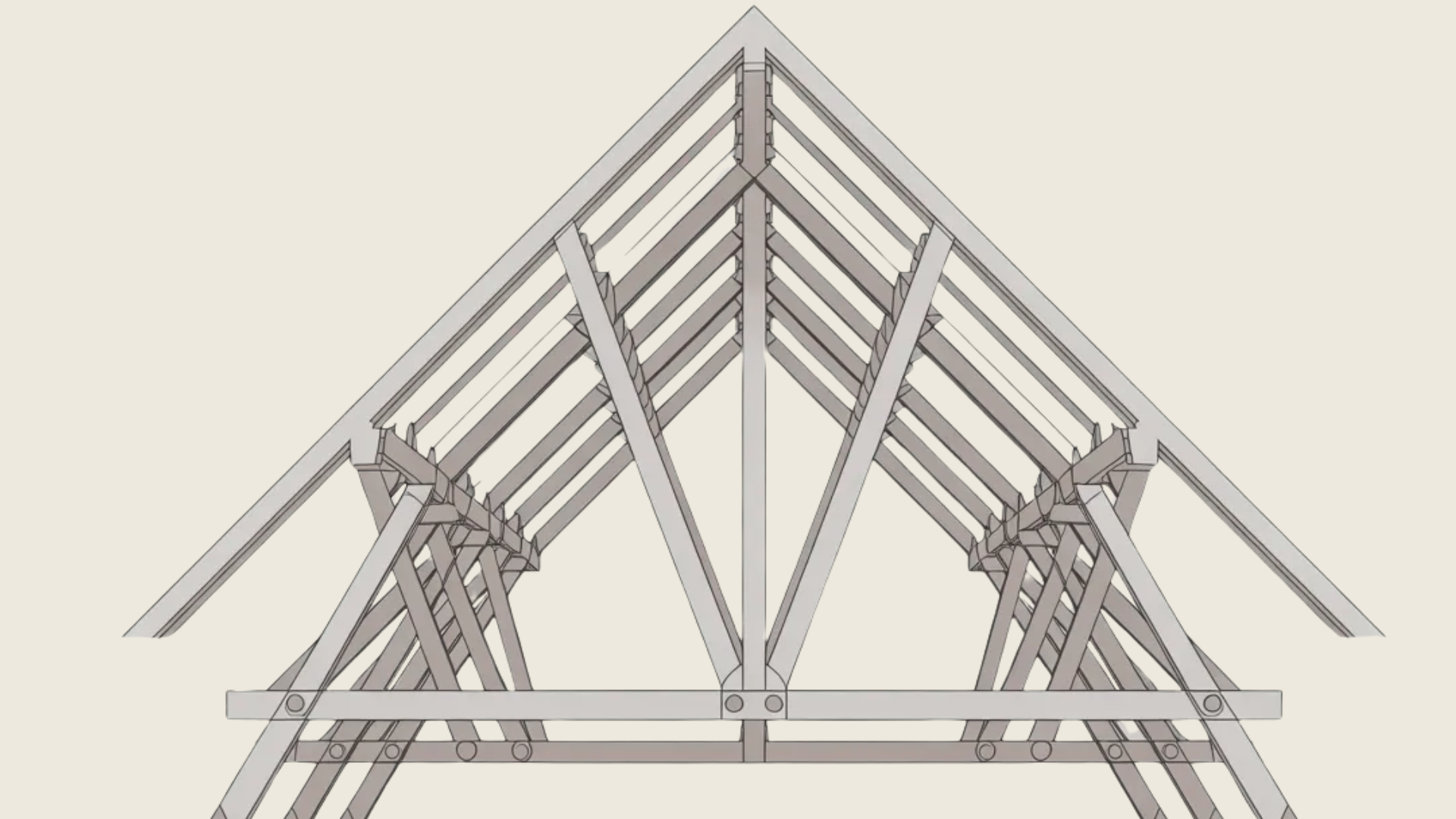
The Howe truss is characterized by its use of vertical posts and diagonal braces that form a strong, rigid structure.
This design is perfect for large buildings with heavy roof loads, such as warehouses, factories, and sports arenas.
The Howe truss offers excellent stability and strength, making it ideal for projects requiring long spans and heavy loads.
Its durable design ensures the truss can withstand significant stress while providing reliable roof support over time, making it a go-to choice for industrial projects.
5. Pratt Truss
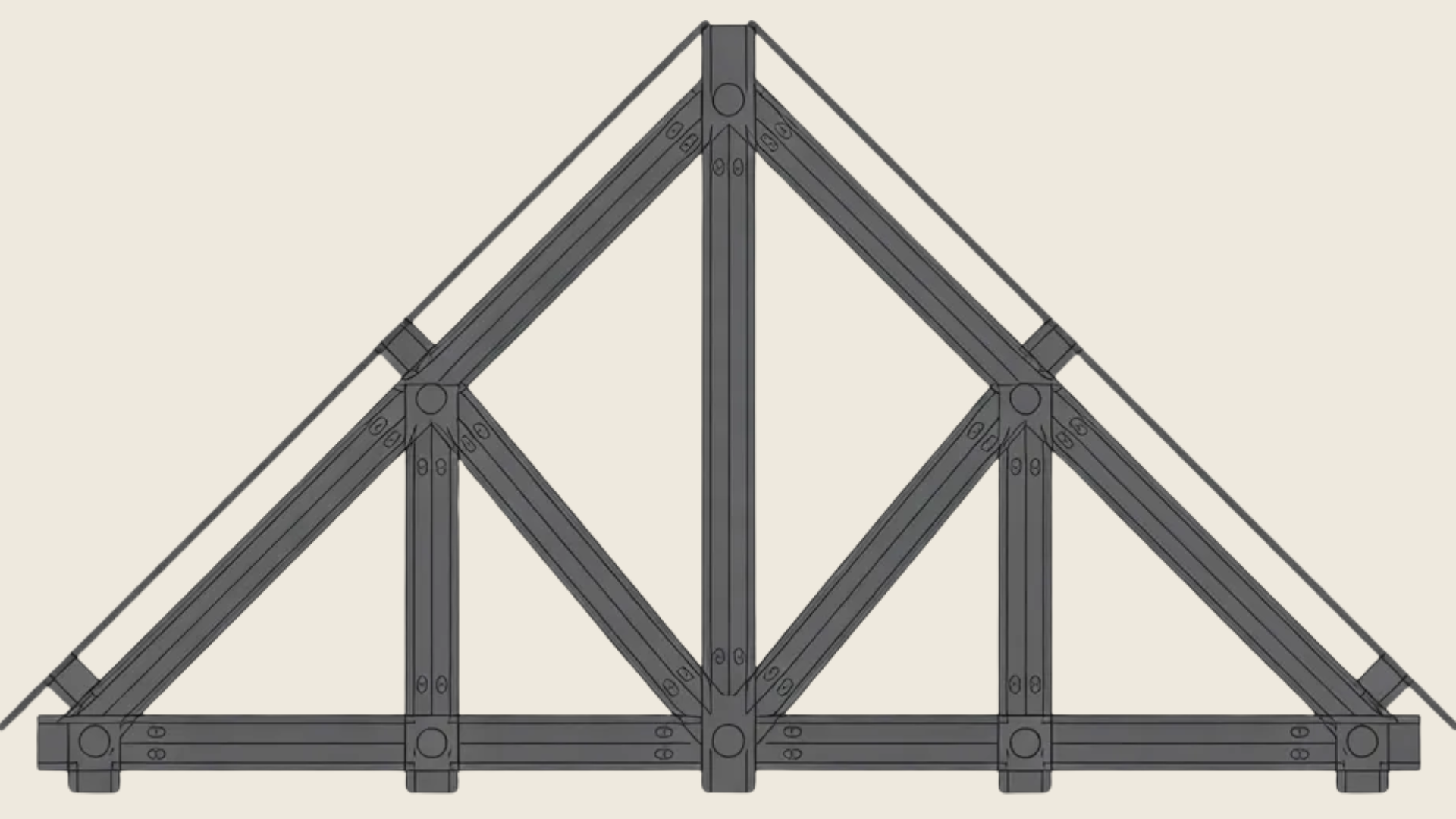
The Pratt truss is known for its diagonal members that slant toward the center of the truss.
This design is ideal for long spans and can support heavy roof loads, making it suitable for bridges and large industrial buildings.
The Pratt truss offers excellent strength and stability while minimizing the amount of material required, providing an efficient and cost-effective solution for supporting large structures.
It is often used in commercial and industrial buildings because it supports heavy loads without reducing space.
6. Scissor Truss
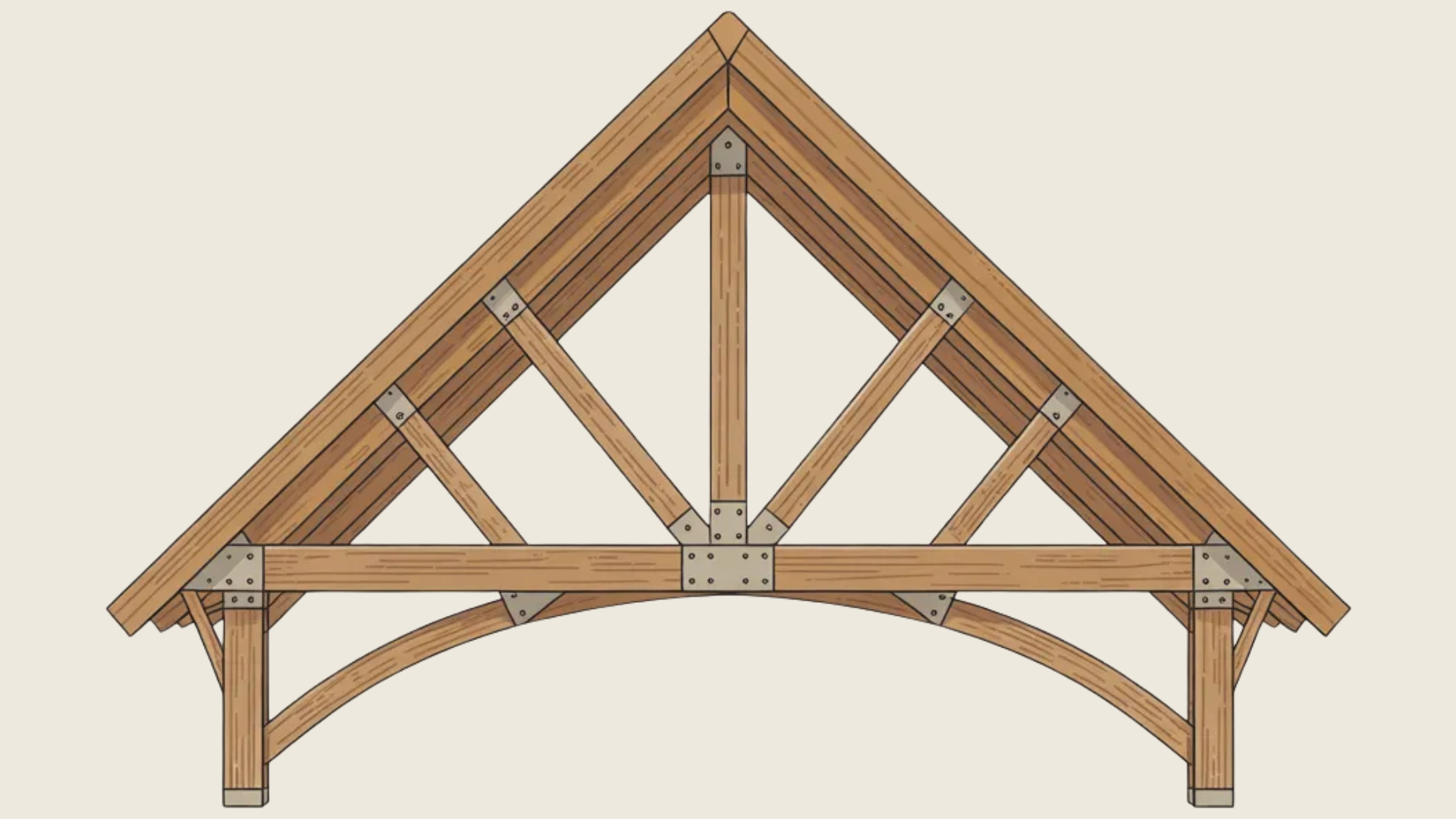
The scissor truss is a variation of the king post truss, designed to create a vaulted ceiling.
It features angled chords that cross in the middle, giving the interior a higher, more open space.
This type is commonly used in homes or buildings where a vaulted or cathedral ceiling is desired, such as in great rooms or large halls.
The scissor truss combines both aesthetic appeal and structural support, making it an excellent choice for high-ceilinged spaces.
7. Double Pitch Truss
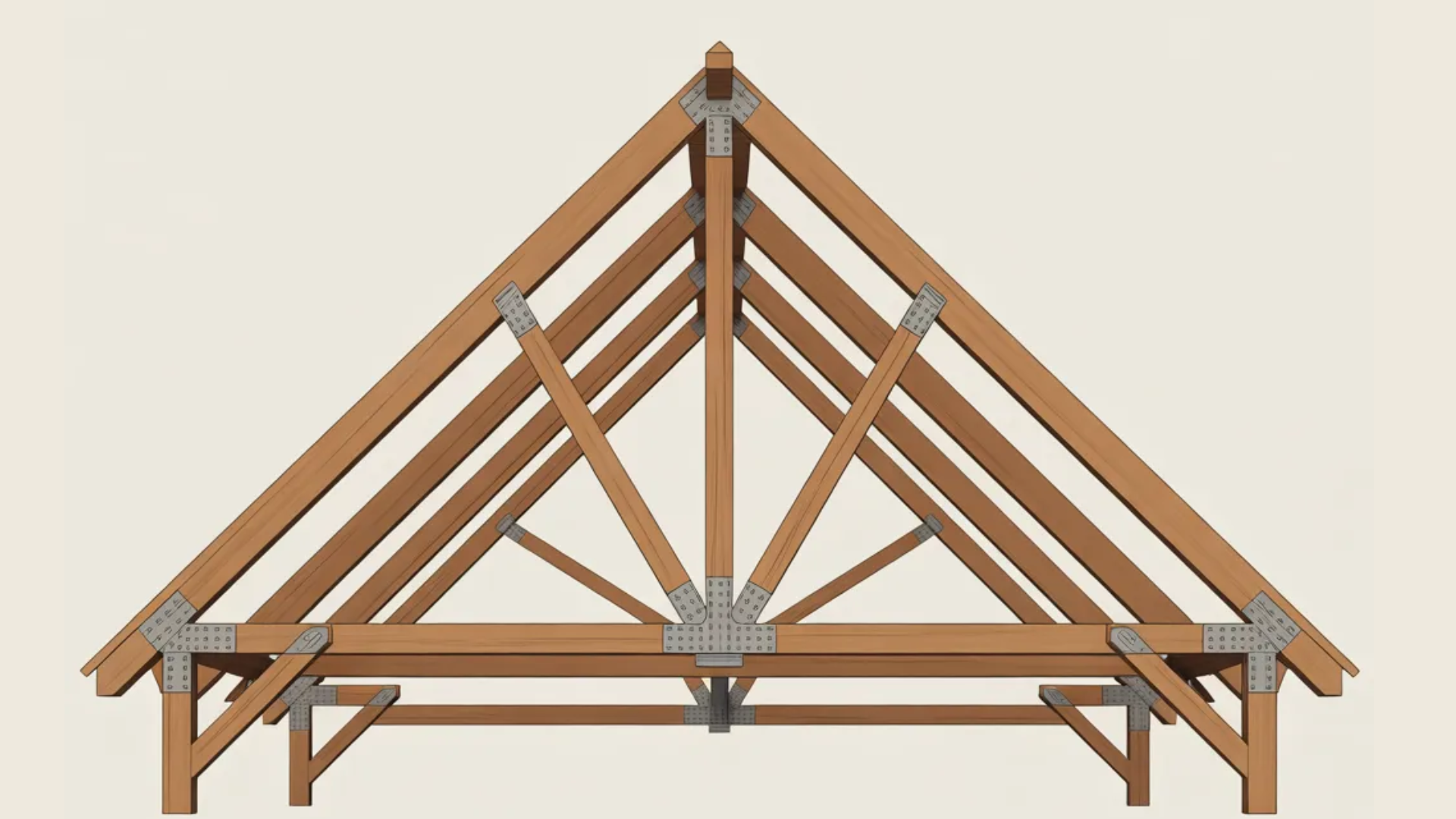
The double-pitch truss features two slopes and is commonly used for buildings that require a steeper roof pitch. This design provides more headroom and is often chosen for barns, agricultural buildings, or homes.
It balances the need for greater space and visual appeal, making it a popular choice for traditional roof styles.
The double-pitch truss is highly durable, providing excellent support while maintaining the building’s functionality and appearance.
Especially for structures that require extra room in the attic or upper levels.
8. Attic Truss
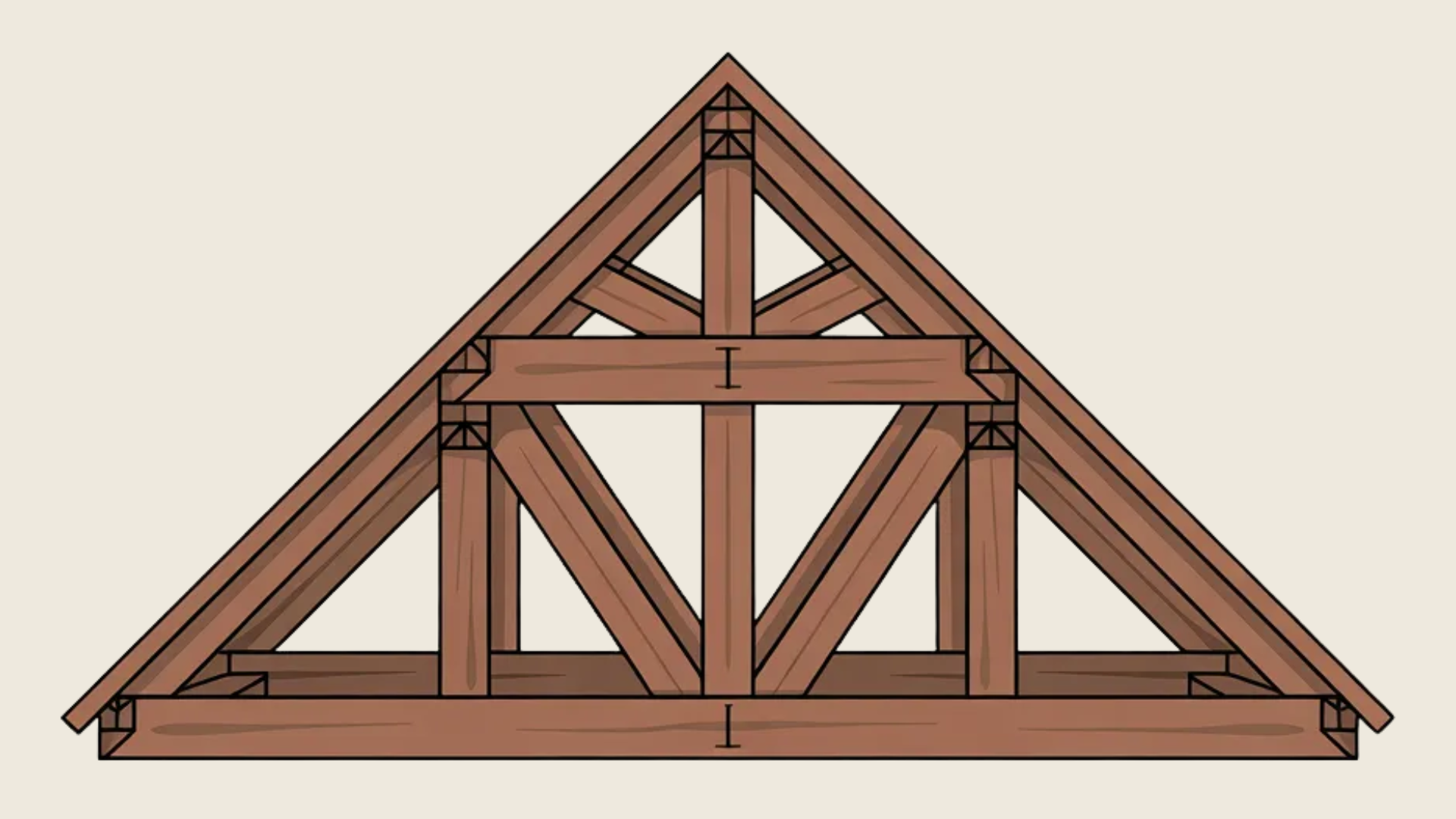
Attic trusses are designed to maximize attic space by providing a large, open central area.
These trusses make the most of the roof’s height, turning the attic into a usable space for storage, bedrooms, or offices.
Common in homes, attic trusses remove the need for extra framing, making them cost-effective and efficient.
Their design ensures that the attic area remains open and accessible, offering practical solutions for homeowners looking to increase usable space without major structural changes.
9. Flat Roof Truss
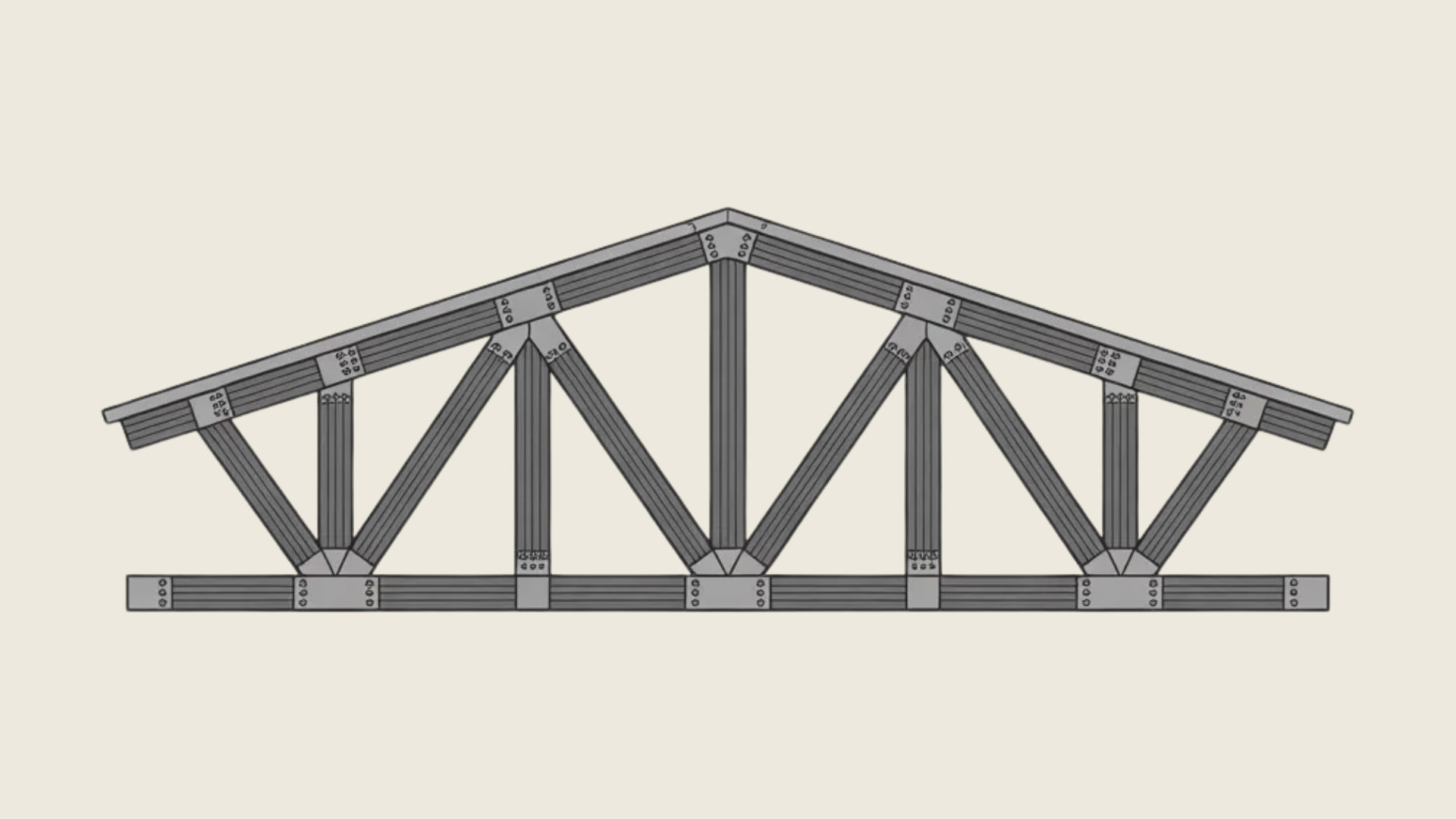
Flat roof trusses are designed for buildings with flat or low-pitched roofs.
These trusses are ideal for modern architectural designs or commercial buildings like warehouses, where a steep roof isn’t necessary.
Flat roof trusses provide strong support and efficiently carry roofing materials even with little slope.
Flat roof trusses are typically used in areas where aesthetic design or space optimization is a priority, offering a minimalist, contemporary look for many types of buildings.
How to Select the Right Roof Truss Design for Your Project?
Choosing the right roof truss design involves considering factors like the span, roof pitch, and building purpose. It’s important to understand the load-bearing requirements and aesthetic preferences of your project.
- Roof Span: For longer spans, trusses like the fink or Howe truss provide excellent load support. These designs are ideal for large roofs or buildings that need wide coverage without internal supports.
- Roof Pitch: Double pitch or scissor trusses are ideal for steeper roof slopes. These trusses provide the necessary support for high-pitched roofs, often seen in traditional or vaulted roof designs.
- Building Purpose: Attic trusses maximize usable space in residential buildings. Larger commercial buildings or warehouses may require heavier-duty trusses, such as the Howe truss, for added strength.
- Aesthetic Appeal: Scissor trusses are perfect for vaulted ceilings and open, high spaces. This design adds an elegant touch to homes and buildings requiring an airy, spacious look.
- Cost and Installation: King- or queen-post trusses are cost-effective and quick to install. These simpler designs offer a practical solution for projects with budget or time constraints.
Conclusion
Choosing the right roof truss design is a crucial step in ensuring the stability, efficiency, and look of your building.
If you’re working on a residential home, a commercial building, or an agricultural structure, the right truss can make all the difference.
By understanding these, you can choose the right option to ensure a strong and long-lasting roof.
Remember, the design you choose should align with both your structural requirements and your vision for the space.
Have you recently worked on a project where choosing the right roof truss made a significant impact? We’d like to hear about your experience!
Share your thoughts or any tips you have in the comments below.
Your insights might just help someone else make the right decision for their next project!
Frequently Asked Questions
What Is the Rule of Thumb for Truss Design?
A common rule of thumb for truss design is that the truss depth should be about 1/10 to 1/12 of the span length, which helps maintain strength, stability, and proper load distribution.
Is It Cheaper to Build or Buy Roof Trusses?
Buying roof trusses is usually cheaper because they are mass-produced in factories, which reduces material waste and labor time compared to building custom trusses on-site.
What Are Common Roof Truss Design Mistakes?
Common truss design mistakes include incorrect load calculations, poor spacing between trusses, improper connections, ignoring building codes, and choosing the wrong truss type for the roof span or building load.