


I often hear people say spider plants are just easy houseplants, but the spider plant benefits go far beyond looks.
Spider plants have been popular houseplants for decades, and you’ve likely seen one in your parents’ or grandparents’ home.
They first came from Africa and made their way into homes because they were easy to grow and didn’t need much attention.
I think that’s part of why many people overlook what spider plants can actually offer.
Since they are so common and simple to care for, their value often gets brushed aside. People assume they are just filler plants without much purpose.
In this guide, I will share what makes spider plants worth having today.
You’ll learn about their benefits, how they compare to other indoor plants, and how to care for them the right way so you get the most out of one in your home.
Overview of Spider Plants
A spider plant is a common indoor plant known for its long, narrow green leaves and small offshoots that grow from the main plant.
It comes from Africa, where it grows naturally in warm conditions. Over time, it became popular in homes around the world because it adapts well indoors.
What makes it work so well as a houseplant is its low care needs and ability to grow in many light settings.
It doesn’t need constant attention and can handle missed waterings. That’s why many beginners choose it as their first plant.
Even if you’re new to houseplants, a spider plant is forgiving and easy to manage. It grows well in pots, shelves, or hanging baskets and fits into small or large rooms.
For people who want greenery without stress, this plant is a reliable and practical choice for everyday homes.
Key Specifications
These details help you understand how a spider plant grows and what it needs to stay healthy. Use this as a quick reference before bringing one home.
- Scientific name: Chlorophytum comosum
- Growth size and spread: Grows about 12–24 inches tall and wide when mature
- Light needs: Prefers bright, indirect light but handles low light well
- Water needs: Water when the top inch of soil feels dry
- Average lifespan: Can live 10–20 years with proper care
- Pet safety overview: Generally safe for cats and dogs, though mild stomach upset is possible
Proven Spider Plant Benefits for Your Home
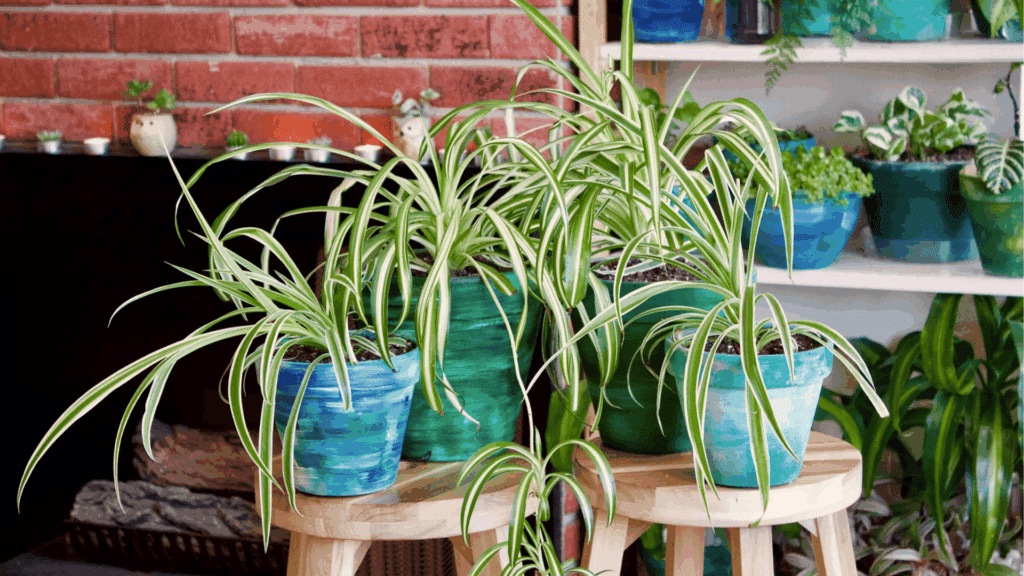
Spider plants offer practical benefits that go beyond decoration. These benefits build over time and make everyday indoor spaces more comfortable and easy to manage.
1. Improves Indoor Air Quality
One of the most well-known spider plant benefits is its ability to support cleaner indoor air.
When kept healthy, the plant helps reduce certain airborne substances commonly found inside homes. While it won’t replace proper ventilation, it can play a small supporting role in improving air quality over time.
This makes it a good addition to bedrooms, living rooms, or workspaces where fresh air flow is limited.
The key is consistency, as long-term care leads to better results than quick fixes.
2. Helps Reduce Common Indoor Odors
Spider plants can help manage everyday indoor odors that build up over time. In closed spaces, smells from cooking, pets, or daily living can linger longer than expected.
A healthy spider plant supports fresher indoor air by slowly filtering what circulates through the room.
While it won’t remove strong odors instantly, it contributes to a cleaner feel when used consistently.
Placing spider plants in kitchens, near entryways, or shared living spaces can help maintain a more balanced indoor environment over time.
3. Supports Better Breathing Indoors
Spider plants can support a more comfortable breathing environment, especially in spaces where the air feels stale.
By contributing to the overall air balance, they may help reduce dryness and stuffiness indoors. This can be helpful in bedrooms or work areas where you spend long hours.
While results vary based on room size and airflow, healthy plants tend to perform better over time.
When paired with proper ventilation, spider plants add gentle, long-term support that helps indoor spaces feel easier to breathe in daily life.
4. Easy to Grow with Little Effort
Spider plants are known for being easy to grow, even if you don’t have much experience with houseplants.
They adapt well to different light levels and don’t need frequent watering to stay healthy. This makes them a good fit for busy households or people who forget regular plant care.
As long as the basics are met, the plant continues to grow steadily.
This low-effort nature helps reduce stress and makes indoor gardening feel manageable rather than overwhelming.
5. Grows Well in Small Spaces
Spider plants grow well in small areas where other plants may struggle.
Their arching leaves take up vertical space, which works well on shelves or in hanging planters. You don’t need a large floor area to keep one healthy.
This makes them a practical option for apartments, offices, or rooms with limited space.
Even in tight spots, spider plants continue to grow and spread without crowding the area, making them easy to place almost anywhere indoors.
6. Safe Choice for Most Homes with Pets
Spider plants are often chosen by pet owners because they are generally considered safe for cats and dogs.
While mild stomach upset is possible if pets chew on the leaves, serious reactions are rare. This gives peace of mind to households with animals that like to explore.
Keeping the plant in a hanging basket can also reduce contact.
For pet-friendly homes, spider plants offer greenery without adding extra worry or risk to daily life.
7. Helps Control Indoor Humidity
Spider plants can help balance indoor moisture levels through normal plant processes.
As they release moisture into the air, they may support a more comfortable indoor environment, especially in dry rooms.
This can be helpful during colder months when heating systems dry out the air. While the effect is subtle, having several healthy plants can make a difference over time.
Balanced humidity can help reduce dryness in the air and improve overall indoor comfort.
8. May Support Better Focus at Home
Having greenery indoors can help create a calmer and more focused space.
Spider plants add a natural element that can make work or study areas feel more comfortable. While they are not a solution for concentration issues, they can support a better setting for daily tasks.
Many people find that simple plant presence helps reduce mental fatigue.
Placing a spider plant in a home office or study area can help create a more balanced workspace.
9. Adds Natural Green Color Indoors
Spider plants add simple, natural green color to indoor spaces without overpowering the room.
Their long leaves soften sharp lines and bring life to neutral areas. This makes them easy to pair with different styles and furniture.
They work well in modern, traditional, or casual settings.
Because the plant grows evenly, it keeps its shape without frequent trimming. This steady look helps maintain a clean and welcoming indoor feel over time.
10. Helps Reduce Stress at Home
Spider plants can help create a calmer home environment by adding steady, natural greenery.
Their presence can make rooms feel more relaxed and less closed in. While they are not a solution for stress on their own, they support a space that feels more comfortable to spend time in.
Many people enjoy caring for plants as part of a simple routine.
Having a spider plant nearby can help make everyday spaces feel more balanced and easier to unwind in.
11. Works Well in Hanging Planters
Spider plants are well-suited for hanging planters because of their arching leaves and trailing growth.
Hanging them helps save floor space while keeping the plant healthy. This placement also allows better air flow around the leaves, which supports steady growth.
Hanging baskets work well near windows with indirect light.
Over time, the plant produces baby plants that hang down, adding visual interest without extra effort or complicated care.
12. Grows Fast in the Right Conditions
Spider plants grow at a steady and noticeable pace when given proper light and water.
This fast growth makes them rewarding for people who like seeing progress without waiting years. New leaves appear often, and mature plants produce baby plants regularly.
This helps fill space quickly and makes the plant feel active and alive.
Faster growth also means you can refresh a room sooner with fuller greenery, especially in areas that feel plain or empty.
13. Easy to Share Through Propagation
Spider plants are easy to share because they produce baby plants that can be grown on their own.
This makes them a great option for gifting or expanding your plant collection without extra cost. You can grow new plants using simple tools and basic care.
Sharing cuttings with friends or family adds value beyond decoration.
It turns one healthy plant into many, making spider plants a practical and generous choice for home growers.
Spider Plant vs. Other Popular Indoor Plants
This comparison makes it easier to see how spider plants differ from other common indoor plants. It focuses on care needs and everyday use rather than looks alone.
| Plant Type | Care Level | Light Needs | Growth Style | Pet Safety |
| Spider Plant | Very easy | Bright, indirect to low | Arching, spreading | Mostly safe |
| Pothos | Easy | Low to bright indirect | Trailing vine | Not pet safe |
| Snake Plant | Very easy | Low to bright indirect | Upright, stiff | Not pet safe |
| Peace Lily | Moderate | Low to medium indirect | Clumping, upright | Not pet safe |
| ZZ Plant | Very easy | Low to bright indirect | Upright, slow-growing | Not pet safe |
Other Spider Plant Varieties You Can Find
Spider plants come in several types that differ in leaf color, shape, and growth style. Knowing these options helps you pick one that fits your space and care routine.
1. Variegated Spider Plant
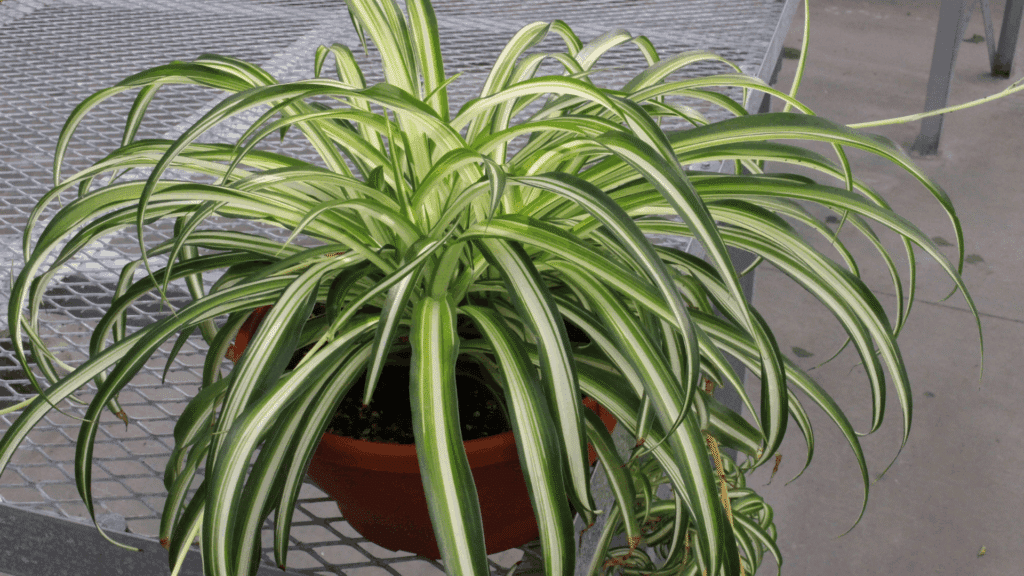
The variegated spider plant is one of the most popular types found in homes.
Its leaves have green centers with white or cream edges, which adds contrast without looking busy. This variety does best in bright, indirect light, as stronger light helps keep the color pattern clear.
It grows at a steady pace and produces plenty of baby plants over time.
People often choose it for shelves or hanging planters where the striped leaves can stand out.
2. Curly Spider Plant
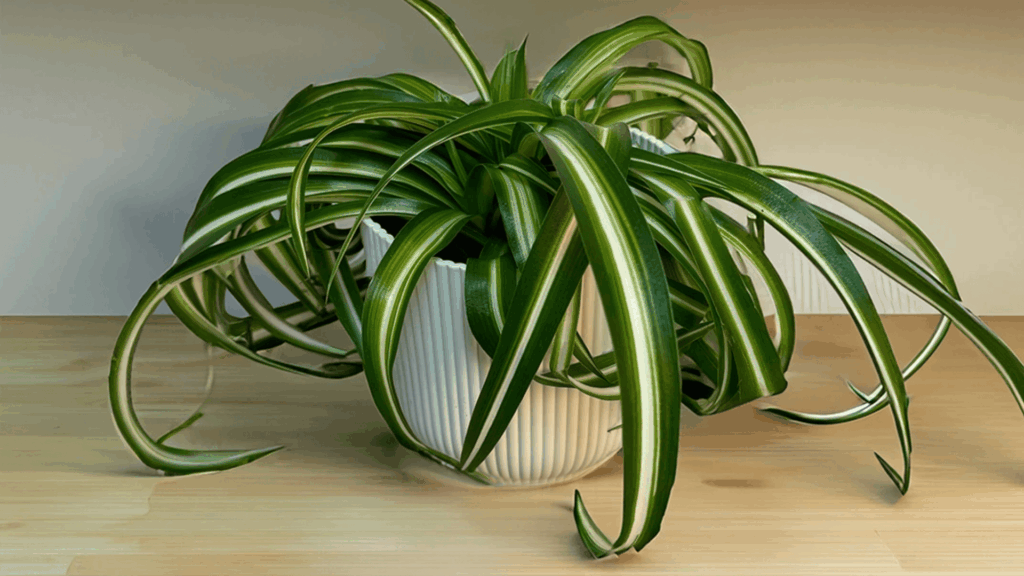
The curly spider plant is known for its twisted, curly leaves that give it a compact shape. It stays smaller than other types, making it a good fit for desks, small shelves, or tight spaces.
This variety needs similar care to other spider plants but prefers consistent light to keep its curls defined.
It grows more slowly, which means less frequent trimming. Many people like this type because it looks different while still being easy to manage.
How Many Spider Plants Do You Need for Maximum Benefits?
The number of spider plants you need depends on your space and how you use each room. A single plant can make a difference, but placing a few around the home often works better.
Several factors affect plant impact, including room size, ceiling height, and airflow.
Larger rooms usually benefit from more than one plant, while small rooms may only need one. Light also plays a role, since healthy plants provide better results.
When placing multiple spider plants, focus on areas where you spend the most time.
Living rooms, bedrooms, and home offices are good spots. Hanging baskets near windows or shelves with indirect light work well.
For practical placement, spread plants out instead of clustering them together.
This helps each plant grow evenly and keeps the space from feeling crowded.
How to Propagate a Spider Plant?
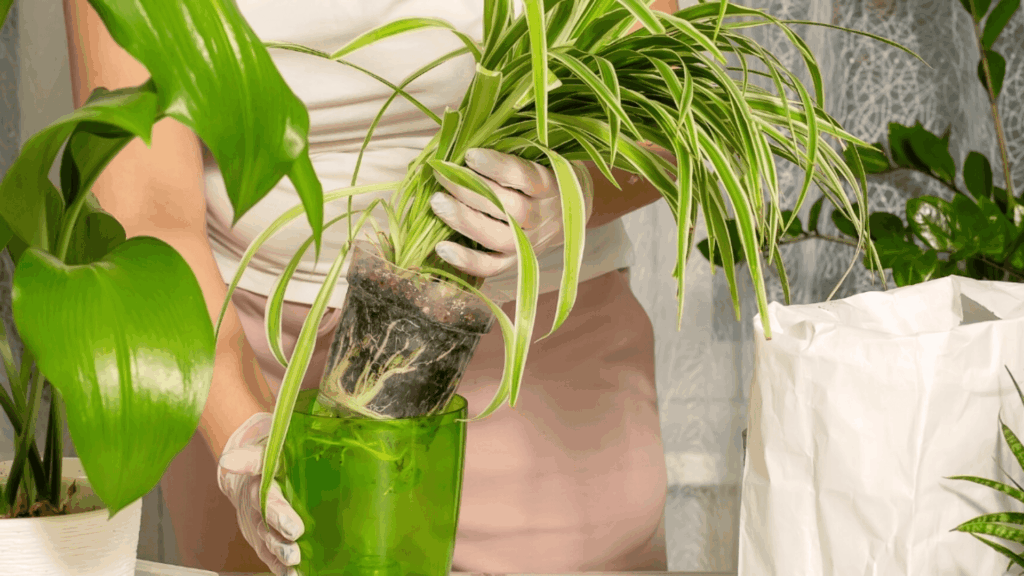
Propagating a spider plant is simple and doesn’t require special tools. It’s an easy way to grow new plants from one healthy parent plant at home.
1. Identify Healthy Spider Plant Babies
Spider plant babies, also called plantlets, grow from long stems on mature plants.
Look for babies with small roots already forming at the base. These root bumps mean the baby is ready to grow on its own.
Choose plantlets that look green and firm, not dried or pale. Healthy babies adjust faster after separation.
Waiting until the baby is a few inches wide gives better results and lowers the risk of failure during the early growth stage.
2. Propagate in Water
Water propagation is a popular method because it’s easy to monitor root growth.
Place the baby plant in a small jar so only the roots touch the water. Keep the leaves above the water line to prevent rot.
Set the jar in bright, indirect light and change the water every few days.
Roots usually appear within one to two weeks. Once the roots are a few inches long, the plant is ready for soil.
3. Propagate in Soil
Soil propagation allows the baby plant to grow in its final pot right away. Fill a small pot with light, well-draining soil and gently place the baby inside.
You can leave it attached to the parent plant until roots form or cut it first.
Water the soil lightly and keep it slightly moist during the first weeks. Place the pot in indirect light and avoid direct sun while roots establish.
4. Care for New Plants After Propagation
New spider plants need gentle care during their first few weeks. Keep the soil evenly moist but not soggy.
Avoid strong sunlight until the roots are well established. Watch for signs of stress, like drooping leaves, and adjust watering if needed.
After a month, the plant should begin growing new leaves.
At this stage, you can care for it like a mature spider plant and move it to a permanent spot.
How to Care for a Spider Plant to Maximize Its Benefits?
Simple care habits help spider plants stay healthy and grow well indoors. Small adjustments in daily care can make a clear difference over time.
- Light placement tips: Place the plant in bright, indirect light near a window. It can handle low light, but growth may slow.
- Watering schedule: Water when the top inch of soil feels dry. Avoid letting the pot sit in water.
- Soil and pot choice: Use light, well-draining potting soil and a pot with drainage holes.
- Pruning and cleaning leaves: Trim brown tips and remove dust from leaves with a damp cloth.
- Seasonal care tips: Water less in winter and move the plant away from cold drafts or heat vents.
Possible Myths About Spider Plant Benefits
Spider plants are often linked to big claims that don’t fully match real-life results. Understanding what they can and can’t do helps set clear and realistic expectations.
Myth 1: Spider Plants Instantly Clean All Indoor Air
One common myth is that spider plants quickly clean all the air in a room.
In reality, they support air quality over time but do not replace ventilation or air filters. A single plant won’t remove every pollutant in your home.
Their effect depends on plant health, room size, and airflow.
Spider plants work best as part of a balanced indoor setup that includes fresh air and regular cleaning, not as a quick fix.
Myth 2: One Spider Plant Is Enough for Any Space
Some people believe one spider plant can cover an entire home. This is not realistic.
Larger rooms usually need more than one plant to have a noticeable effect, even in small rooms, placement, and light matter.
A single plant can still add value, but spreading plants across different areas works better.
Thinking in terms of coverage instead of quantity helps set more realistic expectations.
Myth 3: Spider Plants Need No Care at All
Spider plants are easy to grow, but they still need basic care. A common myth is that they survive without any attention.
Over time, lack of water, poor light, or dirty leaves can weaken the plant.
Healthy plants perform better and last longer. Simple care habits like proper light, steady watering, and cleaning leaves help the plant stay strong and useful in your home.
Myth 4: What to Expect Long Term
Over the long term, spider plants offer steady, low-effort value rather than dramatic changes. They grow slowly, adjust well to indoor life, and can last many years with basic care.
You can expect consistent growth, regular baby plants, and a stable presence in your space.
Their benefits build gradually, making them a reliable choice for everyday homes rather than a short-term solution.
Conclusion
Spider plants are worth having because they do a lot without asking much from you. They fit into busy lives, grow well in most homes, and don’t fall apart if you forget about them once in a while.
I like how they quietly add value day after day, without needing special tools or constant care.
You don’t have to be a plant expert to keep one alive, and that makes a big difference.
If you want a plant that feels useful, not stressful, this is a solid choice. It grows with you, adapts to your space, and gives back in simple ways.
If you’ve never grown one before, now is a great time to try.
And if you already have one, I’d love to hear about it. Share your spider plant experience in the comments below and let others learn from you.