

Comfortable homes depend largely on their climate control systems. Many ignore subtle hints that they need a major upgrade.
Eventually, every good piece of equipment starts to deteriorate, resulting in discomfort and increased costs. Getting the signs early makes sure to save you from inconvenience and added costs. This guide explains to you the signs that can indicate it is time to invest in a new climate system.
Frequent Repairs and Rising Costs
If you begin receiving routine maintenance calls, your equipment may be nearing its end. Relying on repairs instead of upgrades not only drains finances but also serves as a warning of deeper systemic issues.
The cost of each service visit typically increases from one service to the next and becomes very costly over time. Instead of doing patchwork repairs, it is often more economical to replace older equipment for superior heating and cooling.
Inconsistent Temperatures Across Rooms
A significant sign that your unit can no longer maintain a balanced indoor environment is the presence of uneven temperatures. Some are cool; some are too hot to set up camp comfortably.
This inconsistency is often down to old parts not moving air properly. Besides, in the case of old units, the technology might not be available for a cooling system that can control accurate temperatures in each room. An updated system provides steady comfort all over the property.
Unusual Noises and Odors
Never take strange vent or main unit noises lightly. If it rattles, bangs, or buzzes, it could indicate worn parts or mechanical failure. Additionally, those unpleasant odors, as in moldy or burnt, can be a sign of mold.
These warning symbols typically signify that the equipment is not safe for continued operation. Install a new one to solve issues related to comfort and safety.
Rising Energy Bills Without Increased Usage
If you notice your bills skyrocketing without any change to usage, you may have systems that are becoming less efficient. As equipment gets older, it cannot heat or cool as it used to; therefore, it works harder.
And of course, that means higher energy bills at the end of every month as a direct result of this inefficiency. Upgrading to newer, more efficient equipment can prove to be more savings. Newer equipment runs far lower, getting superior output.
System Age Exceeds Recommended Lifespan
Even if there is regular maintenance, the lifespan of most climate control equipment is between ten and fifteen years. Going beyond this age limit, equipment can see sudden breakdowns and inefficiencies. Newer units have key features that improve comfort and save energy that older units simply do not.
You will also get to enjoy various features with increased performance, which is why investing in a modern system is a fantastic idea. Knowing how old your systems are helps you identify when replacement needs occur.
Thermostat Issues and Poor Responsiveness
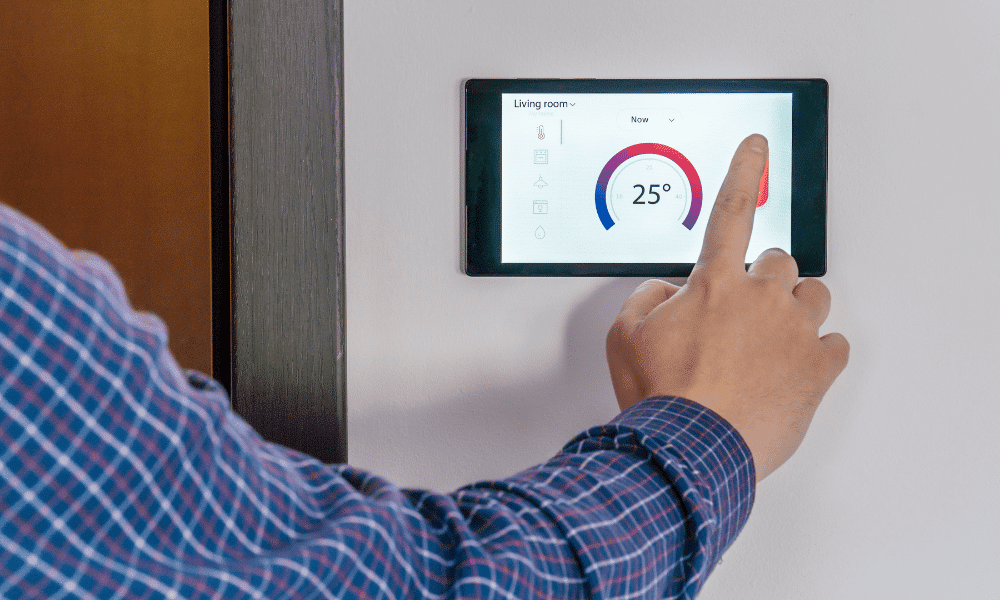
Outdated or faulty thermostats may make it difficult to maintain the temperature that you desire. If the light does not respond quickly or does not adjust the settings properly, this indicates connection issues between the control panel and the equipment.
This results in an inaccurate reading and puts further strain on the system without any benefit. Replacing both the climate equipment and thermostat can actually eliminate these frustrations. New control panels are more accurate and easier to use in everyday life.
Increased Noise Levels During Operation
If the operation sounds noticeably louder, it could be a sign of worn-out inner workings or damaged insulation. As equipment ages, it tends to get noisier, which can disrupt the home. Modern systems run far quieter than the old ones, which is beneficial for daily life. The other beneficial argument for a part-wise upgrade is to decrease your operational noise.
Signs of physical wear and tear or corrosion
That kind of physical decline, perhaps due to rust, leaking, or impaired insulation, should never be overlooked. Such problems endanger the reliability and security of the system.
Water damage or mold growth may be the result of leaks, whereas rust causes a gradual loss of structural integrity. A full system replacement to address these issues restores peace of mind that the home will be comfortable and safe.
Conclusion
Being able to identify the warning signs of a malfunctioning climate system is critical to ongoing comfort, efficiency, and safety. If you are constantly having repairs done on your unit, or if it is heating unevenly, or only putting out poor-quality air, it is time to upgrade.
Other signs that will encourage you to upgrade your equipment include high energy bills and weird sounds coming from your heater, as well as showing signs of aging.
Spotting such signals early will enable an easier transition with relief down the road. This is a climate control system that can provide a more comforting experience, cut costs, and provide better air quality for your home life.