

Property care feels overwhelming when the systems outside constantly demand your attention. You have to adjust sprinklers, fix drainage issues that turn certain sections into mud pits, replace burnt-out fixtures, and you never seem to get the lawn just right despite your best efforts.
Some homes, though, appear to be easy to care for and the yards look good with minimal upkeep – even if the owner only invests a fraction of the time you do in keeping your property looking neat. The difference? It comes down to the systems that make maintaining the rest of the property a breeze.
When irrigation, lighting and drainage systems operate as intended, they do the heavy lifting when it comes to outdoor maintenance. The lawn gets watered on a schedule.
Trouble spots don’t become mushy areas that require constant reseeding. The area remains usable after dark. There’s no need for constant upkeep. This isn’t a luxury. It’s what makes property care possible instead of a never-ending chore.
Irrigation Systems That Don’t Need Constant Tweaking
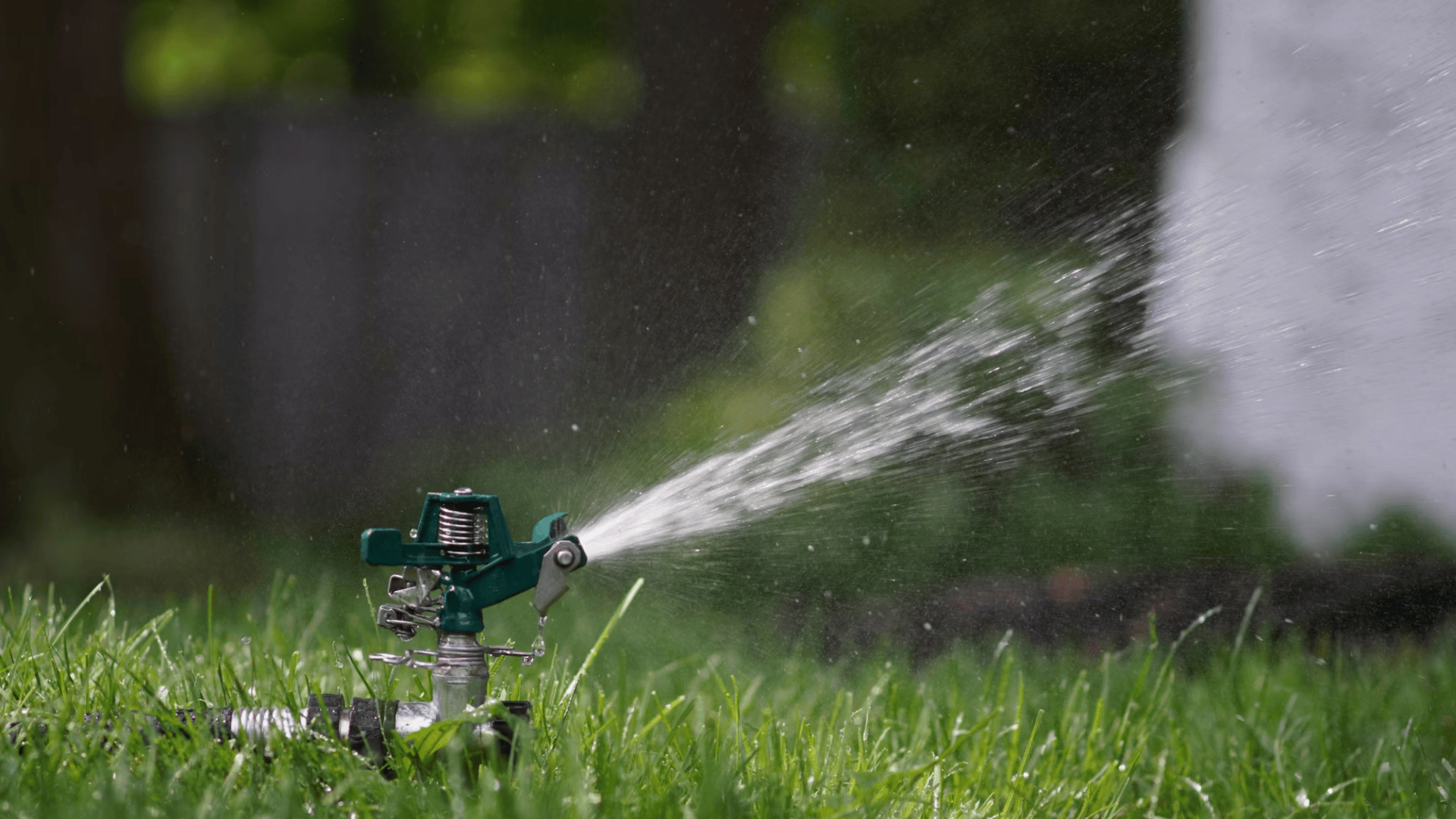
Sprinkler systems should relieve you of lawn care tasks, but poorly maintained systems create just as much work as they prevent.
Heads get clogged and no longer water the right spots. Timers go back to outdated settings that over- or underwater certain zones. Leaks develop that you don’t notice until the water bill arrives.
Regular sprinkler system maintenance keeps irrigation working the way it should—delivering consistent, even coverage across all zones without requiring constant manual adjustments or supplemental watering.
It waters evenly across the entire lawn, operates reliably so homeowners don’t need to drag hoses around to trouble spots, and eliminates the need to manually water certain areas that don’t get the necessary coverage from the automated system.
Maintaining sprinkler systems isn’t complex, either. Yearly springtime checkups make sure no one has tripped over parts during winter.
Seasonal checks verify the watering schedule works for a given time of year. Drip irrigation systems should only be checked once every two years.
When the system works properly, lawn care becomes a cinch. Grass grows evenly when it’s watered properly. The roots don’t suffer from feast-or-famine watering cycles. You don’t spend hours dragging hoses around to handwater specific areas after fixing the issue of poor coverage.
The seasonal aspect matters here, too. Startup checks in spring identify winter-related issues that could turn into headaches once the growing season starts.
Summer checks make sure nothing is malfunctioning in the heat. Fall prep protects your system from suffering freeze damage that would lead to problems in spring. This goes a long way to creating a system that requires minimal maintenance.
Lighting That Works When You Need It
Operating lighting systems seems simple enough until fixtures start to fail with different timings.
One section of the path lit correctly, but an adjacent area looks like a scene from a horror movie with oncoming traffic just waiting for someone to trip over a rock and become an accident statistic.
Homeowners often forget about cleaning and maintenance until a bulb burns out or moisture builds up in an electrical connection and causes intermittent failures rather than a spectacular light show every evening.
Regular maintenance keeps lighting working so you can see where you’re going without constantly having to deal with fast-changing burn time issues. It keeps pathways illuminated, limits wear and tear on lawns caused by wandering in the dark, and keeps entryways lit for visitors late at night.
Spray fixture with a gentle hose stream to remove dirt instead of using a power washer that could break fixtures. Regularly check connections for signs of corrosion. Replace bulbs on a pre-established schedule instead of waiting for them all to go out.
A well-lit outdoor space provides functional benefits when everything is working as intended instead of needing assistance each time you step outside. Pathways remain visible rather than tripping hazards with random darkness spots between fixtures.
Outdoor living spaces become functional and usable after dark without needing extension cords running all over the place for temporary lights. Entries remain well-lit which reduces safety issues while allowing guests to find their way around without assistance.
Drainage That Eliminates Issues Instead of Creating Them
Not maintaining drainage adds additional work to your property care routine. Water collects in certain areas after rainstorms or when snow melts.
This not only kills grass but turns these problem zones into muddy messes that decorate your shoes when you enter your home.
Water pooling in areas next to the house increases the risk of flooded basements. Catching water near foundations also creates the risk of damage over time, leading to expensive repairs. Wells that fill up too quickly become soggy messes that kill anything you manage to grow in these problem zones.
Not maintaining French drains causes them to clog eventually. Not maintaining gutters leaves them dirty and limits effective drainage.
At least cleaning them once per year can save tons of headaches, as can ensuring downspouts extend appropriately, and checking if all other components still do their jobs. Making sure downspouts extend away from structures with proper grading and ensuring ditches don’t need to be recreated are also important.
Once everything drains properly, you can address trouble areas once instead of getting stuck in a loop where water collects, killing grass, forcing you to constantly re-seed these areas.
The Compound Effect of System Maintenance
Amazingly, each system works together as part of an ecosystem when you maintain them properly instead of having them operate randomly throughout your yard.
Irrigation systems that no longer overwater certain spots means they also don’t create drainage issues that keep other areas muddy messes that require constant cleanup attention.
Lighting systems that illuminate paths for visitors reduce the wear patterns on grass as they take shortcuts across dark, unlit areas. A drainage system that efficiently removes water from sprinkler heads means they will no longer rust with time due to the water constantly splashing against them.
Less maintenance required means systems can easily be replaced before they fall apart rather than having their lifespans diminished due to poor operating conditions.
This sets off a positive cycle where maintained systems receive less attention, causing less stress rather than more over time.
Equipment lasts longer in spite of repairs because you catch issues early before they become crises. Property maintenance becomes a routine manageable task again instead of being an overwhelming headache that makes weekend updates impossible.
Make Seasonal Care a Habit Instead of an Ongoing Headache
No one wants to put their life on hold to care for their property constantly but many people fail to see how simple it can be when they maintain these systems habits rather than checkups performed only when something fails catastrophically.
Instead of scrambling during spring or summer due to seasonal increases in damage done during winter due to freeze-thaw cycles, start treating system maintenance as an annual or semi-annual habit.
Treat spring as the time to check irrigation systems so they can be prepped for summer heat waves along with checking fountains and garden ponds. Make it a habit to check draining once per season rather than waiting until things go awry.
When outdoor systems receive due attention, caring for your property remains manageable rather than overwhelming.
You actually have free time again after caring for your home’s interiors but can still enjoy the beauty of what nature creates without constant maintenance so your yard serves its intended purpose – being beautiful yet functional with minimal effort!