

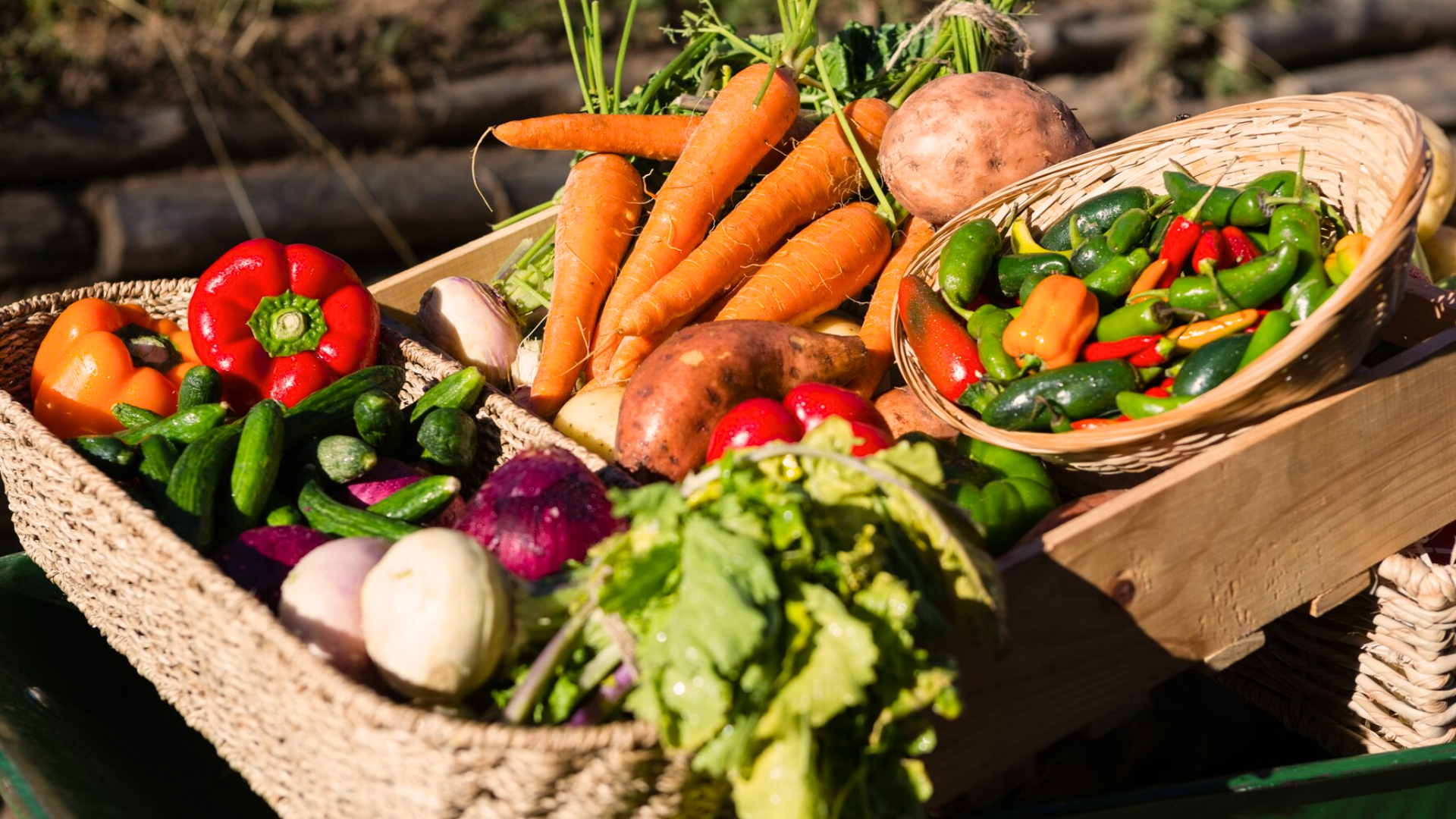
Growing vegetables can feel simple and rewarding when you start with the right choices.
The easiest vegetables to grow are a great place to begin if you are new to gardening. I know many beginners want fresh food but feel unsure about where to start.
The good news is that you do not need perfect skills or conditions to grow vegetables at home.
This post covers some vegetables that are well suited for beginners and easy to manage.
I explain what makes a vegetable easy to grow, the basic tools you need, and the growing conditions that help plants do well.
You will also learn simple ways to deal with pests and how to keep costs low.
Gardening does not always go as planned, and that is normal. My guide gives you a clear starting point so you can learn, adjust, and grow with confidence.
What Makes a Vegetable Easy to Grow?
What makes a vegetable easy to grow comes down to a few simple traits that matter to beginners.
Low care needs are key. Easy vegetables do not need perfect soil, constant watering, or full sun all day. They can still grow well with basic care. Fast growth also helps.
When plants grow quickly, you see results sooner, which keeps you motivated and helps you learn faster.
Another important trait is strong recovery. Beginner-friendly plants can bounce back after missed watering, uneven sunlight, or small planting mistakes.
These traits matter because new gardeners are still learning.
You may overwater, forget a day, or plant too close together. Easy vegetables forgive these errors and keep growing.
That takes pressure off you and builds confidence. Starting with vegetables like this helps you learn the basics without feeling discouraged as you build gardening confidence.
Easiest Vegetables to Grow for Beginners
These vegetables are simple to grow and well suited for first-time gardeners. Each option needs basic care and offers quick, visible results.
1. Lettuce
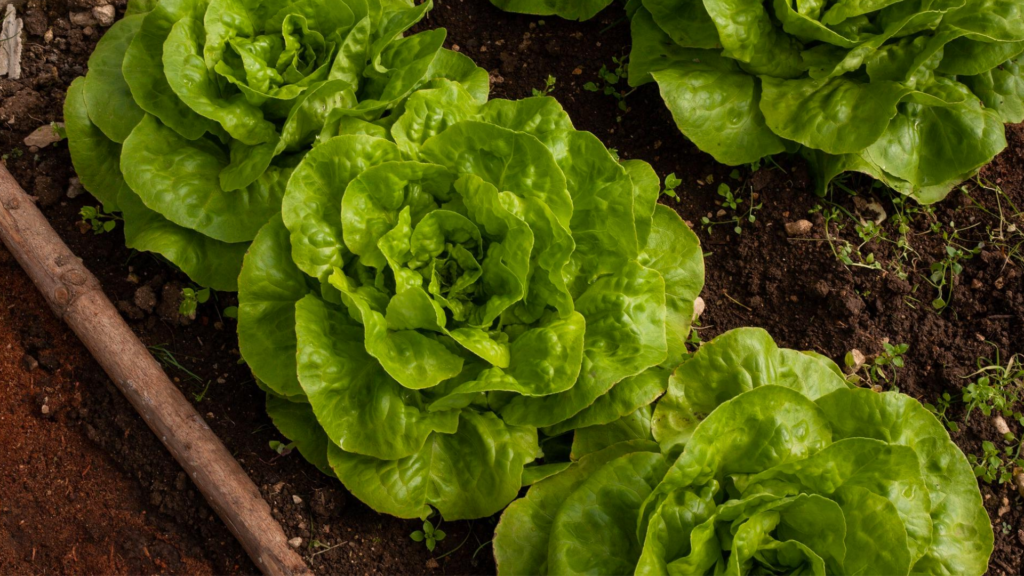
Lettuce is one of the easiest vegetables to grow and a great choice for beginners. It grows fast, does not need deep soil, and works well in gardens or containers.
Lettuce prefers cooler weather and can handle partial sunlight, which makes placement easier.
You can harvest leaves as they grow instead of waiting for the whole plant. This makes it forgiving if spacing is not perfect.
With regular watering and simple care, lettuce gives steady results and builds confidence for new gardeners.
- Best season to plant it: Early spring or fall
- Simple care tips to keep it healthy: Keep soil moist, harvest outer leaves often, avoid extreme heat
2. Radishes
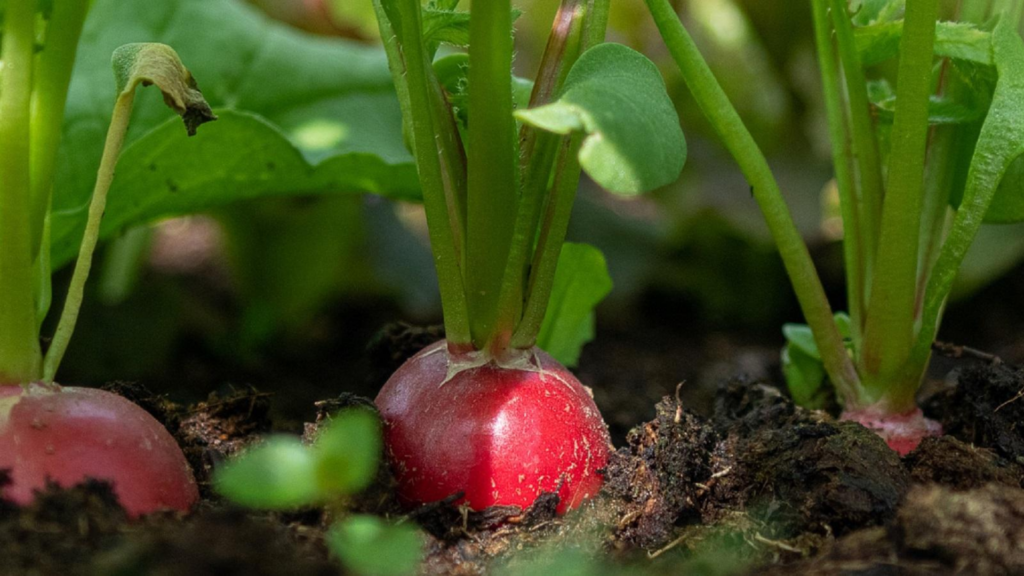
Radishes are one of the fastest vegetables you can grow, which makes them very rewarding for beginners. Many varieties are ready to harvest in less than a month.
They need very little space and grow well in garden beds, raised beds, or containers.
Radishes also help loosen soil as they grow, which can benefit nearby plants.
Because they grow quickly, they are perfect for learning planting depth, spacing, and watering without waiting long to see results. This builds confidence early for new gardeners at home.
- Best season to plant it: Early spring or fall
- Simple care tips to keep it healthy: Use loose soil, water evenly, harvest before roots get woody
3. Carrots
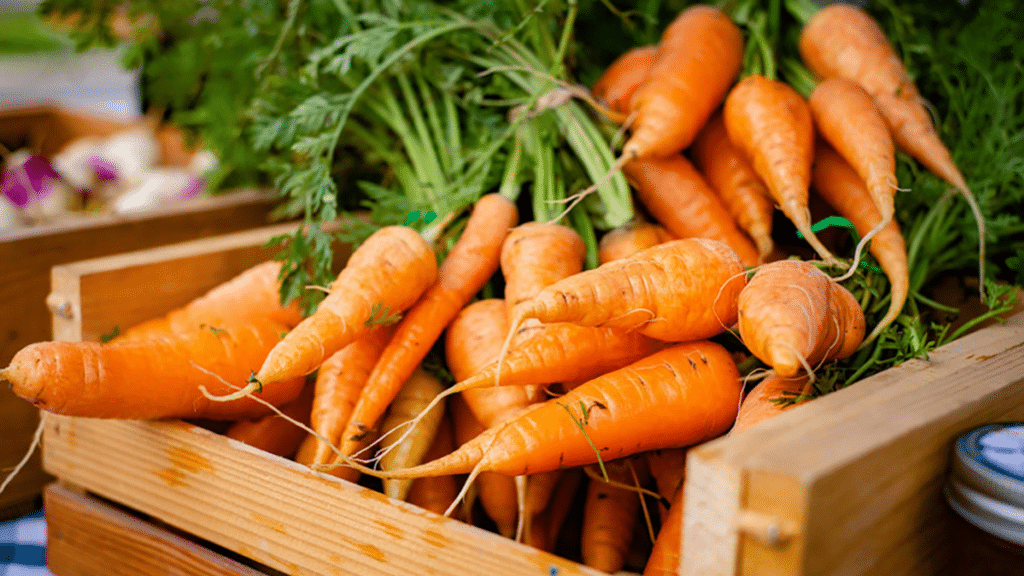
Carrots are a reliable vegetable for beginners who want steady growth with little effort. They grow best in loose, deep soil that lets roots form straight and smooth.
Once planted, carrots need minimal attention beyond regular watering.
They handle cooler weather well and can even tolerate light frost. Carrots take longer to mature, but they teach patience and proper spacing.
With basic soil prep and moisture, beginners can enjoy a simple and rewarding harvest when conditions stay consistent throughout the growing season at home gardens.
- Best season to plant it: Spring or late summer
- Simple care tips to keep it healthy: Thin seedlings early, keep soil moist, avoid compacted soil
4. Green Beans
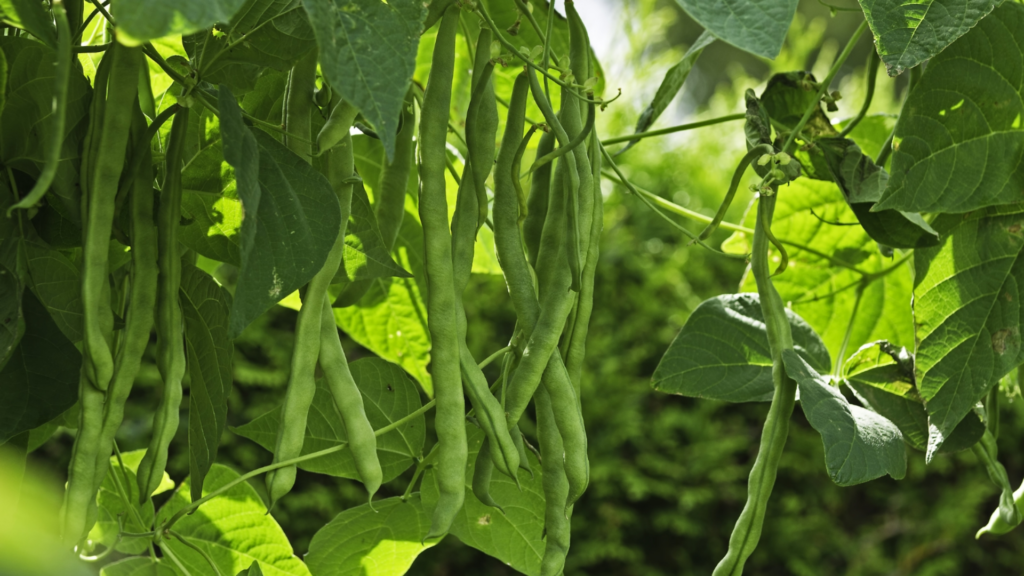
Green beans are easy to grow and very forgiving, which makes them a strong choice for beginners. They sprout quickly and grow fast, so you see progress early in the season.
Green beans grow well in garden beds or containers and do not need rich soil to produce well.
Once established, they require simple care and regular watering. Many varieties keep producing for weeks, giving beginners multiple harvests.
Their steady growth helps new gardeners learn basic plant care without feeling overwhelmed.
- Best season to plant it: Late spring after frost
- Simple care tips to keep it healthy: Water consistently, provide support for climbing types, harvest often
5. Zucchini
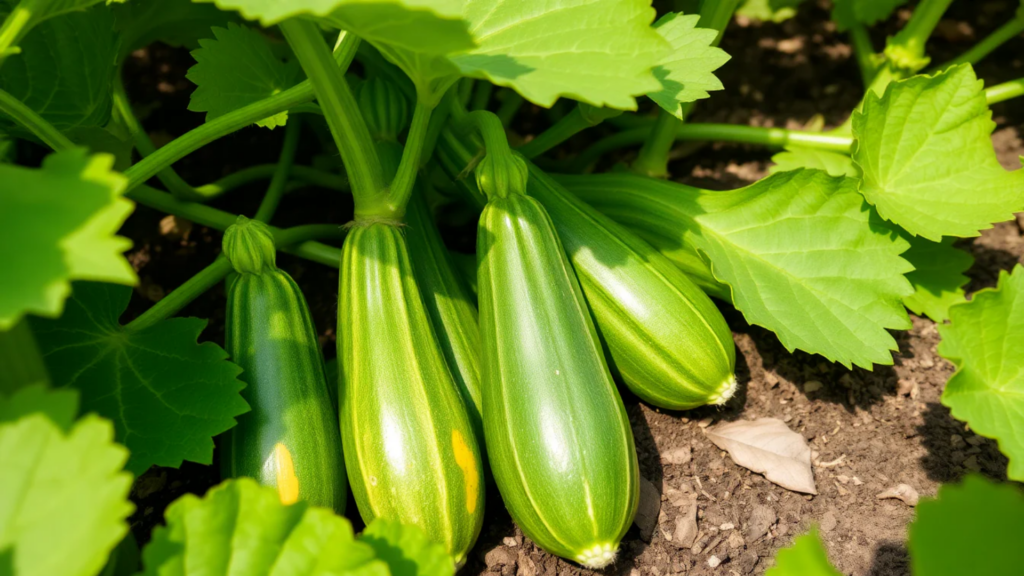
Zucchini is a productive vegetable that grows quickly and easily for beginners. One plant can produce many fruits in a single season, which feels rewarding for first-time gardeners.
Zucchini grows best in warm weather and full sun but does not require special soil.
It spreads out as it grows, so giving it space helps prevent issues.
With regular watering and simple care, zucchini plants stay healthy and productive, helping beginners gain confidence through visible and frequent harvests.
- Best season to plant it: Late spring to early summer
- Simple care tips to keep it healthy: Water at the base, give plants space, harvest regularly
6. Cucumbers
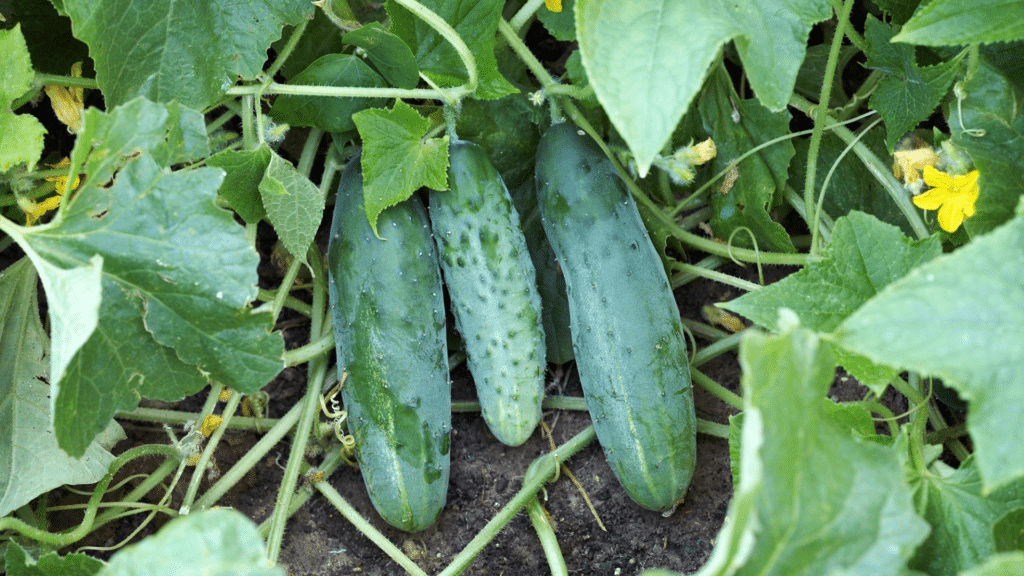
Cucumbers are a beginner-friendly vegetable that grows fast and produces plenty of fruit.
They do best in warm weather and full sun but are not hard to care for. Cucumbers can grow along the ground or climb a simple support, which saves space.
Once vines start growing, they need steady watering to stay healthy. Harvesting often encourages more growth.
Their quick progress and clear needs make cucumbers easy to understand and manage for new gardeners learning basic plant care.
- Best season to plant it: Late spring after frost
- Simple care tips to keep it healthy: Water regularly, use a trellis if possible, harvest often
7. Spinach
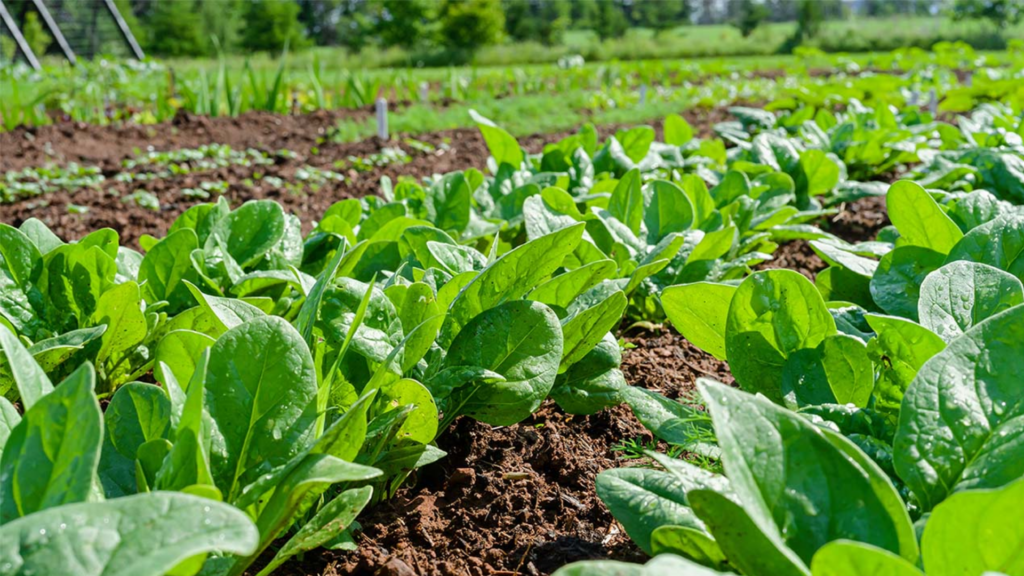
Spinach is an easy leafy vegetable that grows well in cooler weather. It sprouts quickly and does not need much space, which makes it great for small gardens or containers.
Spinach prefers partial sun and steady moisture but does not need heavy feeding.
You can harvest outer leaves as the plant grows, allowing it to keep producing.
This cut-and-come style makes spinach forgiving and rewarding, helping beginners learn harvesting and watering without much effort or risk.
- Best season to plant it: Early spring or fall
- Simple care tips to keep it healthy: Keep soil moist, harvest outer leaves, protect from heat
8. Tomatoes
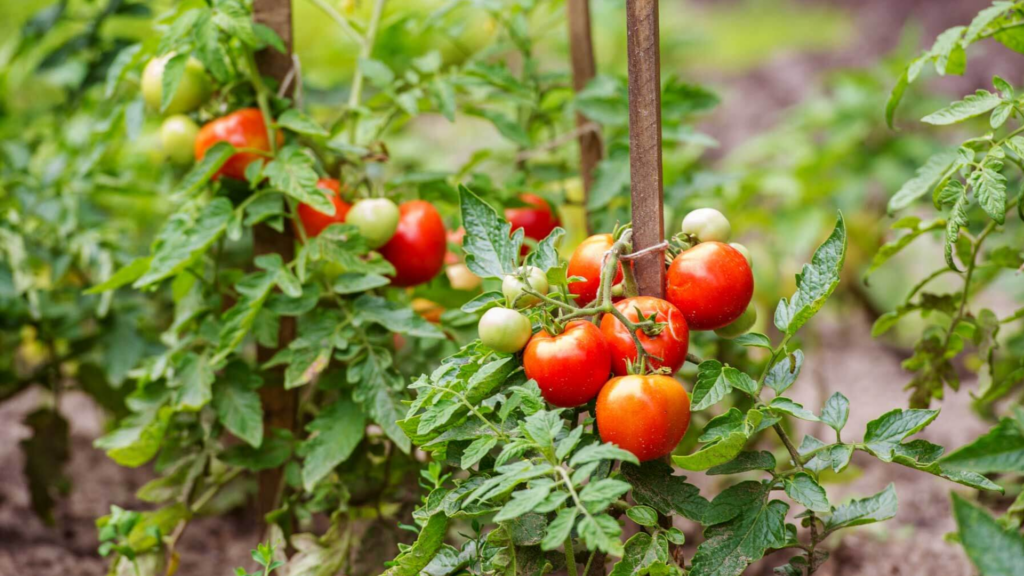
Tomatoes are popular with beginners because they grow well with basic care and give clear results.
Many varieties are easy to manage and grow well in gardens or containers. Tomatoes need full sun and regular watering, but once established, they are fairly forgiving.
As the plants grow, they show clear signs of progress, which helps beginners learn timing and care.
Harvesting ripe tomatoes feels rewarding and helps build confidence while learning simple pruning, watering, and support methods.
- Best season to plant it: Late spring after frost
- Simple care tips to keep it healthy: Provide full sun, water consistently, support plants as they grow
9. Bell Peppers
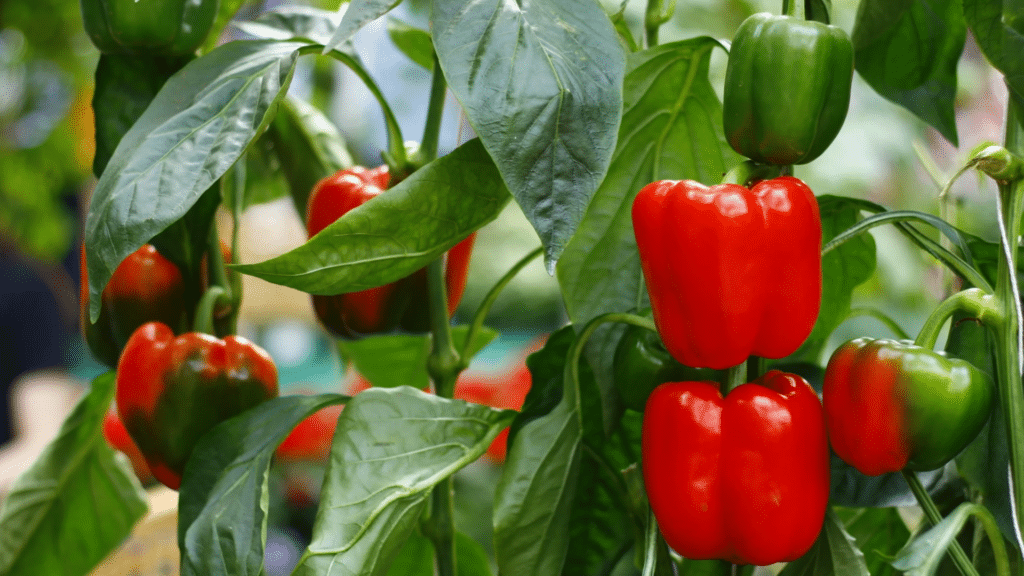
Bell peppers are a good option for beginners who want steady growth and simple care. They grow best in warm weather and sunny spots.
While they take a bit longer to produce, they do not require much daily attention once settled.
Bell peppers grow well in containers and garden beds, making them flexible for small spaces.
With consistent watering and warmth, plants stay healthy and productive, helping new gardeners learn patience and basic plant care over time.
- Best season to plant it: Late spring to early summer
- Simple care tips to keep it healthy: Keep soil warm, water regularly, provide full sun
10. Kale
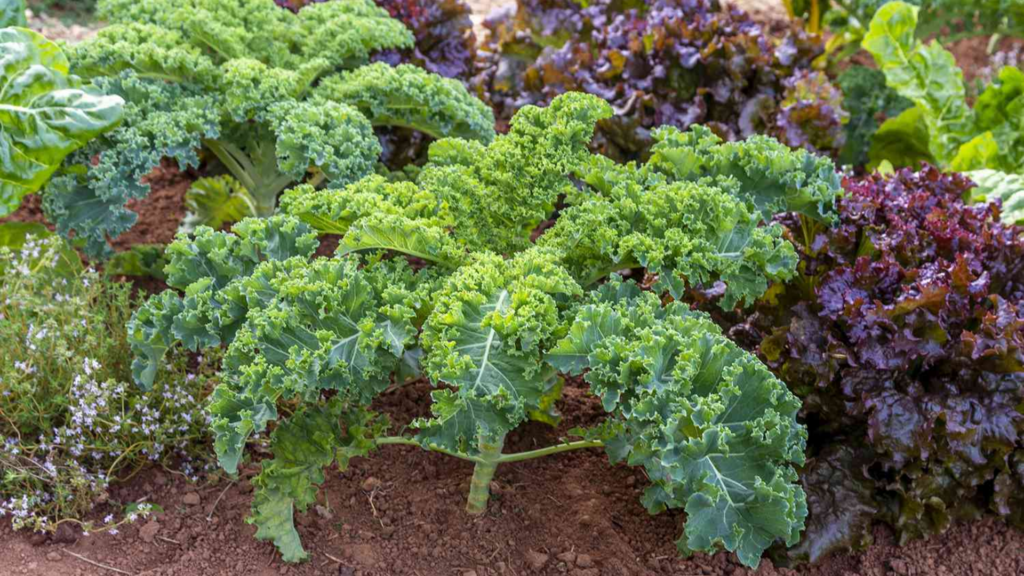
Kale is a hardy leafy vegetable that grows well with little effort, making it ideal for beginners.
It handles cool weather better than many vegetables and can keep growing even after light frost. Kale does not need rich soil and grows steadily with basic watering and sunlight.
You can harvest outer leaves as needed, which allows the plant to keep producing over time.
This steady growth pattern helps new gardeners learn harvesting without stressing the plant or managing complex care steps.
- Best season to plant it: Early spring or fall
- Simple care tips to keep it healthy: Water regularly, harvest outer leaves, protect from extreme heat
11. Peas
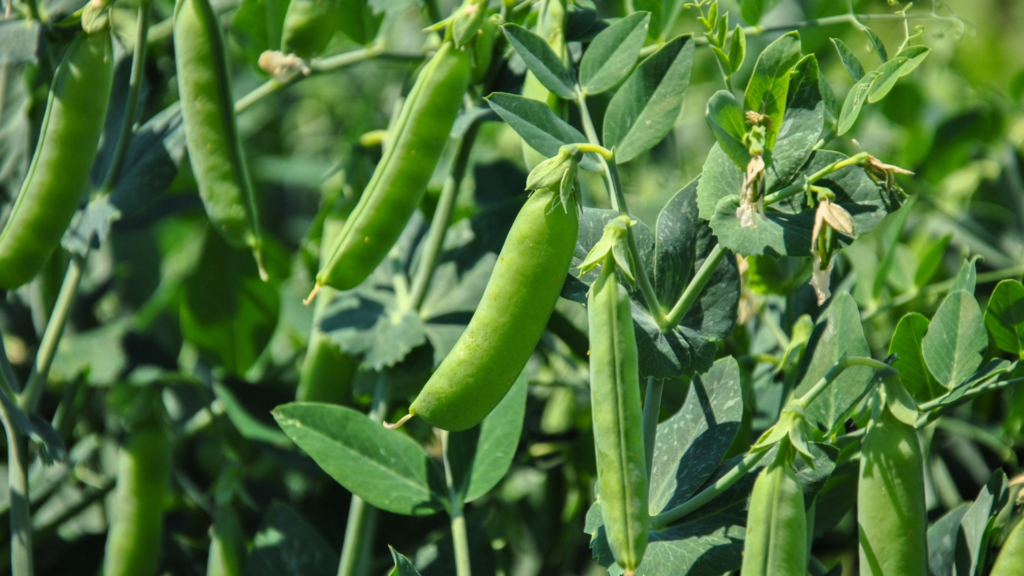
Peas are easy to grow and a great choice for beginners who garden in cooler seasons.
They sprout quickly and climb naturally, which makes them fun to watch as they grow. Peas prefer cooler temperatures and do not need heavy feeding to produce well.
A simple support helps vines grow upward and saves space.
With steady watering and light care, peas produce reliable harvests and help beginners learn about spacing, timing, and simple plant support.
- Best season to plant it: Early spring
- Simple care tips to keep it healthy: Provide support, water evenly, harvest often
12. Beets

Beets are a simple and reliable vegetable that grows well for beginners with basic care. They do best in cooler weather and grow steadily without needing much attention.
Both the roots and the leafy tops are edible, which gives you more value from one plant.
Beets grow well in garden beds or containers as long as the soil is loose.
With regular watering and light thinning early on, beets develop evenly and offer a dependable harvest for new gardeners.
- Best season to plant it: Early spring or fall
- Simple care tips to keep it healthy: Keep soil loose, thin seedlings early, water consistently
13. Swiss Chard
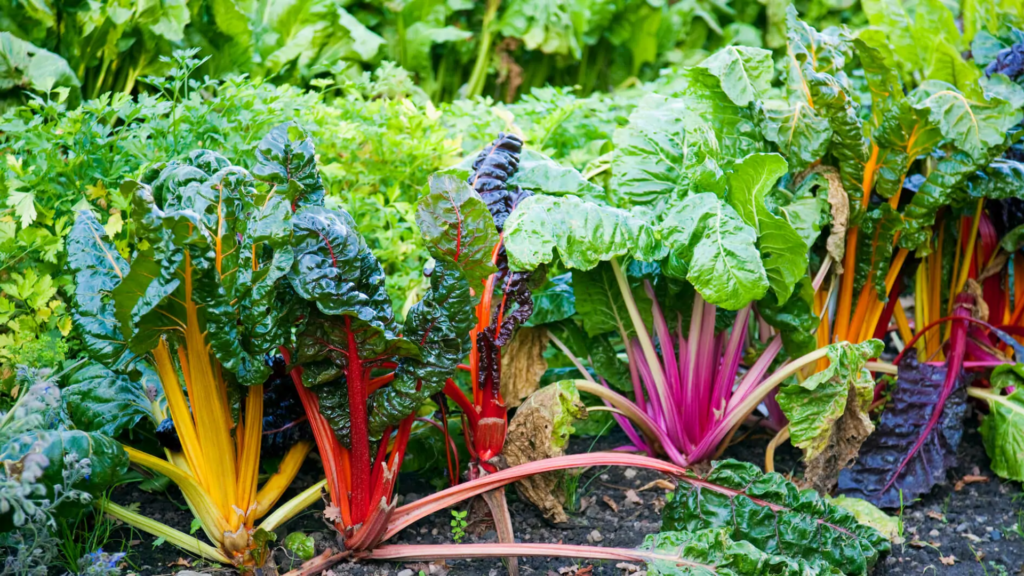
Swiss chard is a hardy leafy vegetable that is easy to grow and very forgiving.
It grows well in both cool and warm weather, which gives beginners more flexibility. Swiss chard does not need rich soil and handles partial sun without problems.
You can harvest outer leaves while the plant keeps growing, which makes it productive over a long period.
Its strong growth and simple care help beginners feel confident while learning basic watering and harvesting habits.
- Best season to plant it: Spring or fall
- Simple care tips to keep it healthy: Water regularly, harvest outer leaves, provide light shade in heat
How to Keep Pests Away the Easy Way?
Small garden pests can show up even in simple gardens. Knowing what to watch for and how to respond early makes a big difference.
- Common beginner pests: Aphids, caterpillars, slugs, and beetles are the ones most new gardeners notice first. They often appear on leaves or near the soil.
- Easy prevention steps: Healthy plants resist pests better. Water at the base, avoid overcrowding, and remove damaged leaves right away.
- Simple natural options: Hand-picking pests, using soapy water sprays, or adding mulch can help without using harsh chemicals.
- When pests aren’t a concern: Minor damage is normal. If plants keep growing well, pests usually do not need action.
Best Growing Conditions for New Gardeners
Good growing results come from a few basic conditions. You do not need perfect setups, just simple habits that support healthy plants.
1. Sunlight Basics for Healthy Growth
Most vegetables grow best with steady sunlight each day. A spot that gets six to eight hours of sun works well for beginners.
Morning sun is helpful because it dries leaves early and lowers disease risk.
If your space gets less light, do not worry.
Many easy vegetables still grow with partial sun. Watch how sunlight moves across your yard or balcony so you can place plants where they get the most light.
2. Simple Soil Tips that Actually Work
Good soil helps roots grow strong and hold moisture. You do not need special mixes to get started.
Loose, well-draining soil is enough for most beginner gardens. Mixing in compost or store-bought garden soil can improve results without extra effort.
Avoid soil that stays muddy after watering. If roots sit in water too long, plants struggle.
Healthy soil makes watering and feeding much easier for new gardeners.
3. Easy Watering Guidelines to Follow
Watering does not need to be exact. Most vegetables prefer deep watering a few times a week instead of light daily sprays.
Check the soil with your finger before watering. If the top inch feels dry, it is time to water.
Always water near the base of the plant to keep leaves dry. This helps prevent disease and supports steady growth without stress.
4. Growing in the Ground vs Containers
Both options work well for beginners. Ground gardens hold moisture longer and need less frequent watering.
Containers offer more control and work well for small spaces. Choose pots with drainage holes so excess water can escape. Use containers large enough for roots to grow freely.
No matter the option, regular checks help catch problems early and keep plants healthy.
Simple Tools Every Beginner Gardener Needs
You do not need many tools to start gardening, but a few basics make the work easier.
A hand trowel helps with planting, digging small holes, and moving soil. Garden gloves protect your hands and give you better grip.
A watering can or hose lets you water plants at the base without soaking the leaves.
Pruning shears help trim damaged leaves and keep plants healthy. If you garden in containers, pots with drainage holes are also important.
These tools cover most beginner tasks and help you work comfortably.
Starting with simple tools keeps costs low and helps you focus on learning how plants grow.
Tips for Growing Vegetables on a Budget
You can grow healthy vegetables without spending much. A few smart choices can help you save money while still getting good results.
- Start with seeds: Seeds cost less than starter plants and give you more options. Most easy vegetables grow well from seed.
- Reuse what you have: Old containers, buckets, or food tubs work if they have drainage holes. No need to buy new pots.
- Make your soil better for less: Mix compost or kitchen scraps into soil to improve quality instead of buying expensive blends.
- Buy only what you need: Skip tools and products you may not use. Start small and add items later if needed.
- Grow in small spaces: Fewer plants mean lower costs and easier care, especially for beginners.
Conclusion
Starting a vegetable garden does not have to feel big or stressful. The best way to begin is to start small and focus on a few easy plants.
Mistakes will happen, and that is part of learning. Even experienced gardeners lose plants sometimes.
What matters is that you keep going and learn as you grow. Each season helps you understand your space, your soil, and your timing a little better.
You now have a clear list of beginner-friendly vegetables and simple tips to support them.
Use this guide as a starting point, not a rulebook. Pick one or two vegetables, plant them, and see how they grow.
The sooner you start, the sooner you learn. When you begin planting, share your experience in the comments below. What worked, what didn’t, and what you are excited to try next.