

There’s a particular kind of frustration that comes with an intermittent electrical fault, a light that flickers occasionally, a power point that works sometimes but not always, or a circuit that trips without any obvious pattern. These issues are notoriously tricky to diagnose without the right expertise and equipment, often leaving homeowners unsure of where to even start.
This is precisely where professional electrical fault finding proves invaluable, using systematic techniques and specialised equipment to accurately identify problems that would otherwise remain a frustrating mystery. This article explains how the process works and why it’s best left to trained professionals.
How Professionals Approach Fault Diagnosis
Electrical fault finding is far more methodical than simply checking obvious components, requiring a structured, evidence-based approach to accurately locate the true source of a problem.
Gathering Information About the Fault
The process typically begins with a detailed conversation about when and how the fault occurs. Does it happen at a particular time of day? Only when specific appliances are running? This information helps an electrician narrow down likely causes before any physical testing even begins.
Visual Inspection of Accessible Components
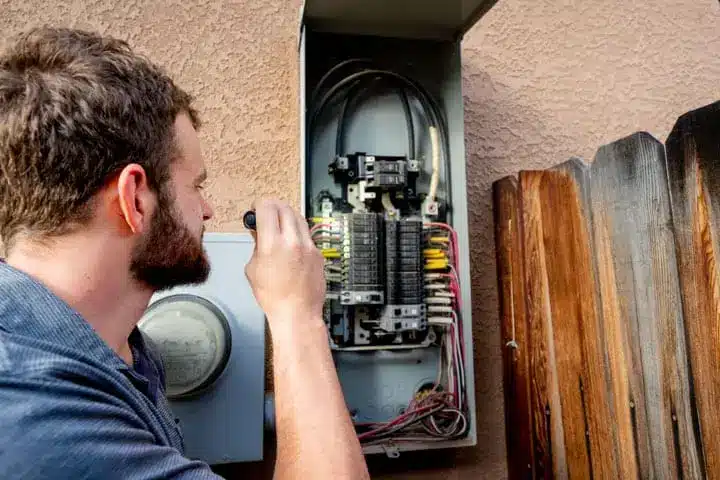
A thorough visual inspection of switchboards, visible wiring, and accessible outlets often reveals obvious signs of trouble, such as scorch marks, corrosion, or loose connections. While this won’t catch every fault, particularly those hidden within walls, it’s an important first step in the diagnostic process.
Using Specialised Diagnostic Equipment
Professional electricians rely on a range of specialised tools to accurately pinpoint faults without unnecessary, invasive investigation, including:
- Multimeters: Measuring voltage, current, and resistance to identify irregularities within circuits.
- Thermal imaging cameras: Detecting hidden hotspots caused by loose connections or overloaded components.
- Circuit tracers: Identifying which circuit breaker corresponds to specific outlets or fixtures, particularly useful in older homes with poor labelling.
Systematic Circuit Isolation
Once initial testing narrows down the likely area of fault, electricians will often systematically isolate individual circuits to identify exactly where the problem lies. This methodical process ensures the actual fault is found and corrected, rather than simply replacing components on a guess and hoping the problem doesn’t return.
Why DIY Fault Finding Is Genuinely Risky
Attempting to diagnose electrical faults without proper training and equipment carries serious safety risks, including electric shock and the potential to mask a more serious underlying problem. What might look like a simple fix, such as replacing a power point, can sometimes hide a more significant fault within the wiring itself.
When to Call an Electrician Immediately
While some electrical quirks can wait for a scheduled appointment, certain signs warrant an immediate call, including a burning smell, visible sparking, or a breaker that won’t reset at all. These situations carry a genuine risk of fire or electric shock and should never be left until a more convenient time, regardless of how minor the symptom might initially seem.
The Cost of Delayed Fault Diagnosis
Delaying professional fault finding doesn’t just risk safety, it can also increase the eventual cost of repair. A minor loose connection left unaddressed can gradually damage surrounding wiring or components, turning what would have been a simple, inexpensive fix into a considerably more extensive repair job. Prompt professional attention at the first sign of an issue is almost always the more economical choice in the long run.
Documenting Faults for Future Reference
A thorough electrical fault-finding service typically includes clear documentation of what was found and how it was resolved, which can prove genuinely valuable for future reference. This is particularly useful for older Canberra homes where multiple owners over the years may have made ad hoc electrical modifications without proper documentation. Having a clear, updated record of your home’s electrical system, including any faults found and corrected, makes future troubleshooting considerably faster and can also be a valuable document to have on hand when selling the property or undertaking future renovations.
The Difference Between a Quick Fix and a Genuine Repair
It’s worth understanding the difference between a temporary quick fix, such as simply replacing a tripped breaker, and a genuine repair that addresses the underlying fault. A reputable electrician will always aim for the latter, ensuring the same issue doesn’t reappear a few weeks later and potentially cause more significant damage in the meantime.
Why Some Faults Only Appear Under Load
Certain electrical faults only reveal themselves when a circuit is under significant load, such as when several appliances are running simultaneously. This is one of the reasons a simple visual inspection alone often isn’t enough to catch every issue, and why professional fault finding sometimes involves testing circuits under realistic, everyday conditions rather than in an idle state.
Why Experienced Electricians Diagnose Faster
Experience genuinely matters when it comes to fault finding. An electrician who has diagnosed hundreds of similar faults across comparable Canberra homes often develops an intuition for likely causes that speeds up the diagnostic process considerably, even before specialised equipment is used to confirm the specific issue.
Final Thoughts
Electrical fault finding is a genuine skill, combining methodical diagnosis with specialised equipment to accurately identify problems that aren’t always obvious on the surface. Attempting to shortcut this process often leads to recurring issues or, worse, genuine safety hazards.
For any persistent or unusual electrical issue in your home, engaging a licensed professional with genuine fault-finding expertise is always the safest and most effective path to a lasting solution.